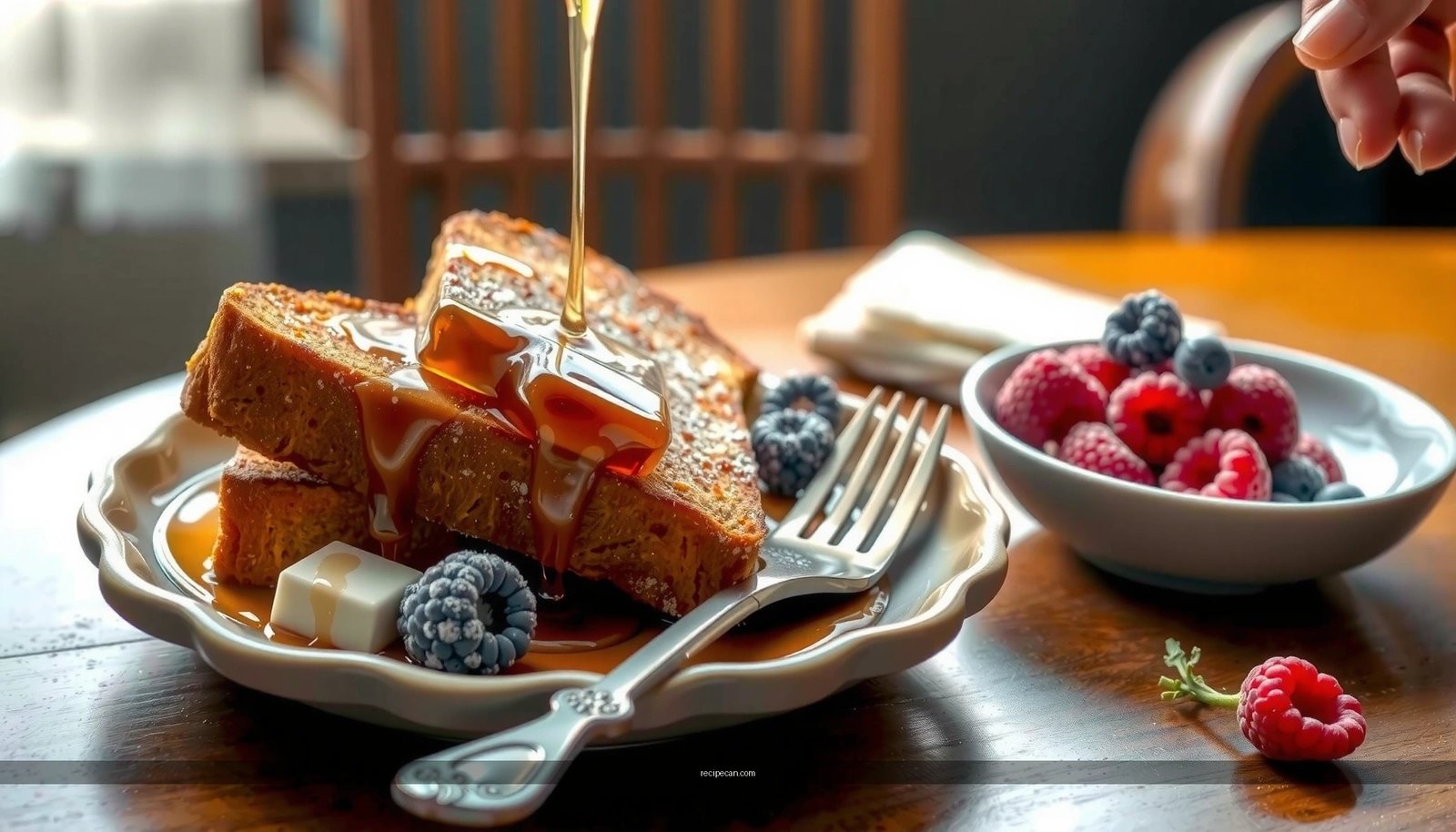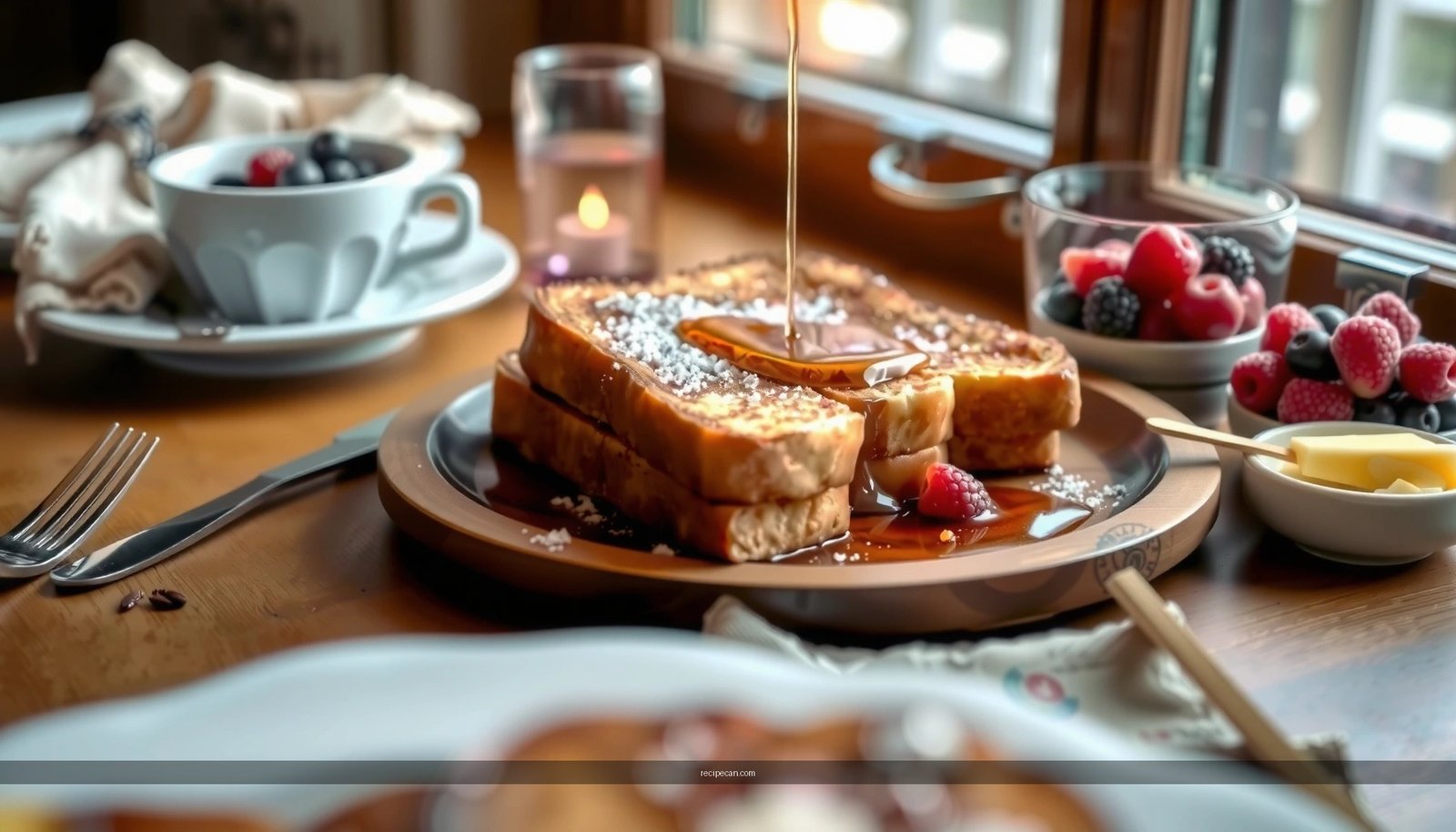
Get a classic French toast recipe that delivers a fluffy, custardy center and crisp, golden edges with straightforward steps you can follow tonight. This guide answers the key question—how to make French toast that isn’t soggy—using the right bread choice, egg-and-milk ratio, soaking time, and pan heat. You’ll have a reliable breakfast winner even if you’ve never made French toast before.
The best classic French toast recipe delivers crisp, golden edges and a soft, custardy center by using a quick egg–milk–vanilla soak and medium-heat pan-frying. If you follow the custard-to-bread ratio, avoid over-soaking, and let excess mixture drip before cooking, you’ll get consistent results that taste restaurant-level—without complicated technique.
Classic French Toast Ingredients
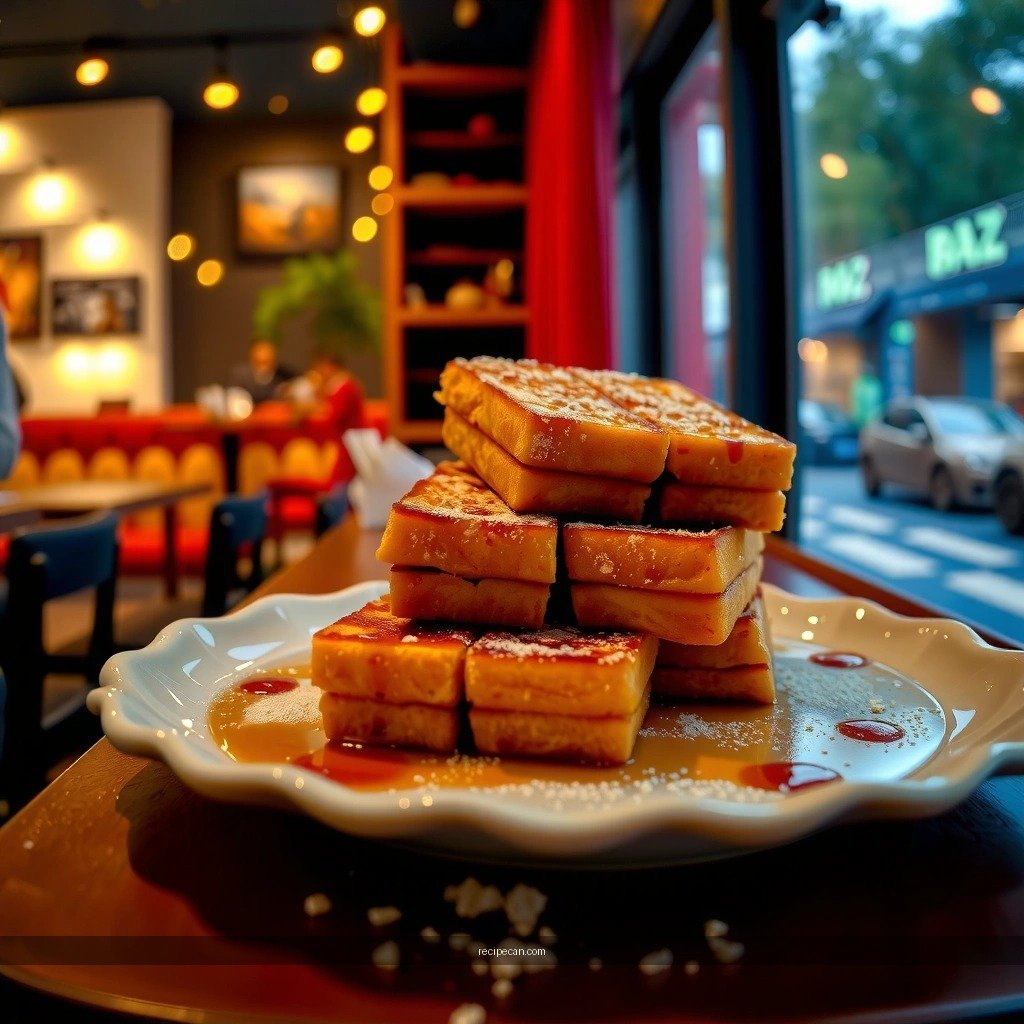
To make classic French toast reliably (especially for a fluffy breakfast that doesn’t turn soggy), start with ingredients that support both structure and flavor.
– Use bread that’s sturdy (brioche, challah, or day-old sandwich bread)
Brioche and challah have higher fat and egg content, which translates to richer custard absorption and a tender interior. Day-old sandwich bread works well because it’s drier—so it absorbs custard more evenly without collapsing into mush.
– Prepare a custard base with eggs, milk, vanilla, and cinnamon (optional)
The egg proteins set during cooking to form that signature “custard” texture. Milk provides moisture and sweetness, while vanilla rounds out the aroma. Cinnamon is optional but widely used for a warm, classic profile.
– Add salt and sugar lightly for balanced flavor
Even in a sweet dish, a small amount of salt sharpens the flavors and prevents the custard from tasting flat. Sugar helps browning and gives a gentle caramel note, but too much can cause quicker burning on the pan.
Quick ingredient guide (what each one does):
Eggs provide structure; milk controls richness; vanilla and cinnamon add fragrance; salt improves flavor definition; sugar aids browning and sweetness. Together, they create a custard that coats bread rather than drowning it.
How to Make the Egg Mixture
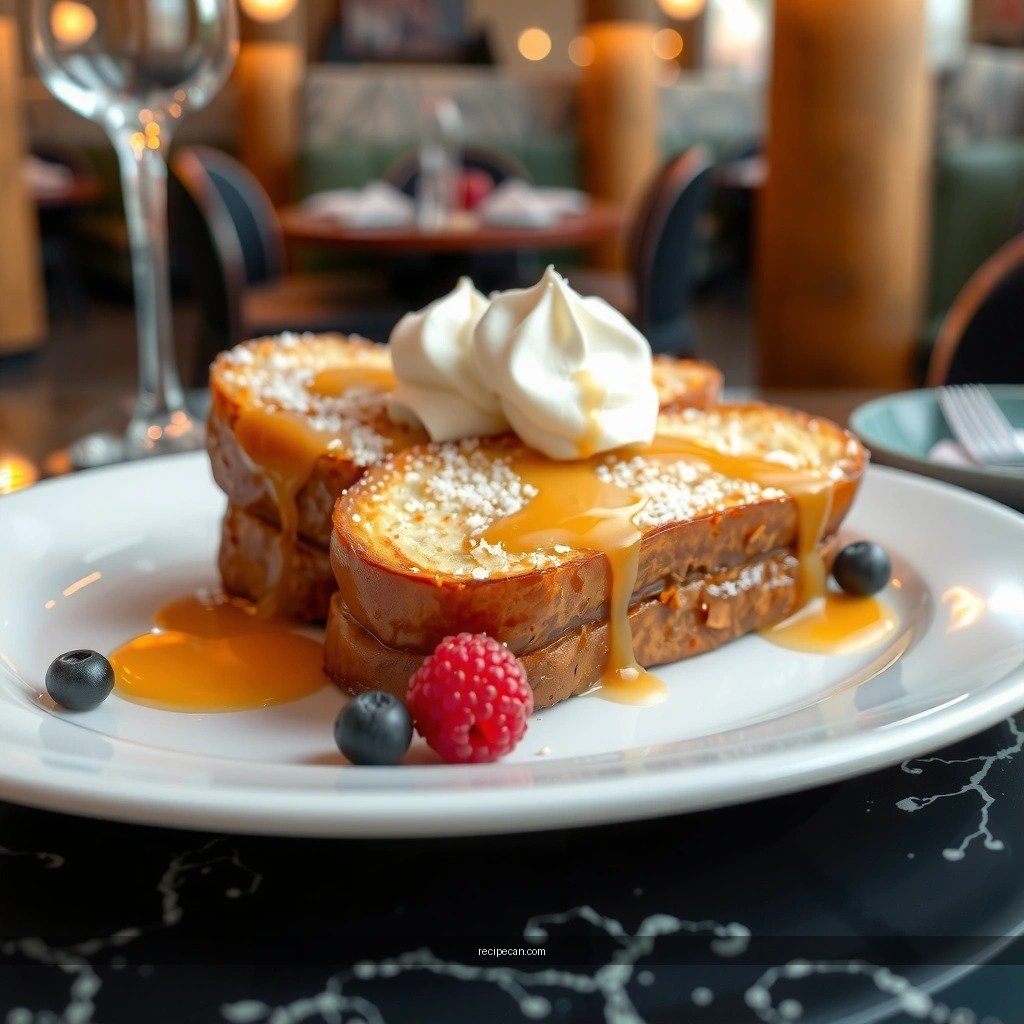
The egg mixture is the operational “control panel” for classic French toast. Small adjustments here are what separate fluffy results from unevenly cooked slices.
– Whisk eggs, milk, vanilla, and cinnamon until smooth
Whisk thoroughly so there are no streaks of egg white. Smooth custard spreads evenly through the bread and reduces the chance of dry pockets.
– Let sugar dissolve for an even flavor throughout
If you add sugar, stir until fully dissolved. Undissolved sugar can concentrate in spots and increase the risk of early browning before the center is heated.
– Aim for a pourable custard that coats bread well
A good custard should look like thin vanilla sauce—rich, but not gelatinous. If it’s too thick, it will sit on the bread surface rather than permeating. If it’s too thin, you’ll struggle to get a custardy interior.
Pro tip for consistency:
Measure your liquids and use a wide bowl. A wide bowl reduces handling time and allows you to soak multiple slices at once.
French Toast Custard Ratios (for 8–10 slices)
Custard Mix Strength for Fluffy Classic French Toast (8–10 slices)
| # | Custard Target | Eggs | Milk (cups) | Vanilla (tsp) | Browning Risk |
|---|---|---|---|---|---|
| 1 | Balanced Classic (most common) | 4 | 1 | 2 | Low |
| 2 | Extra Custardy (thicker slices) | 5 | 1 | 2 | Medium |
| 3 | Lighter Soak (avoid heaviness) | 3 | 1 | 2 | Low |
| 4 | Drier Bread Saver (stale bread) | 4 | 1.25 | 2 | Low |
| 5 | Richer Flavor (brioche-forward) | 4 | 0.75 | 2 | Medium |
| 6 | Cinnamon-First Style | 4 | 1 | 2 | Medium |
| 7 | Extra Sweet (for syrup fans) | 4 | 1 | 2 | High |
Best Bread for French Toast (Soaking Tips)
Bread choice and soaking technique are inseparable. The goal is absorption with structure—custardy center, not soggy slices.
– Slice bread evenly so it cooks at the same pace
Inconsistent thickness leads to uneven doneness: thin edges dry out while thick sections stay under-cooked. A uniform cut is the easiest way to improve results.
– Soak briefly or fully depending on bread thickness (avoid sogginess)
As a rule of thumb: thinner slices need a shorter dip (quick soak, then flip), while thicker slices benefit from a slightly longer soak. You want the bread to drink the custard, not float in it.
– Let excess custard drip before frying for better texture
After soaking, hold the slice over the bowl for a few seconds. This reduces surface pooling and helps create that signature crisp exterior.
Analytical perspective:
French toast texture comes from two processes: (1) egg protein setting during cooking and (2) surface dehydration and browning in the pan. Over-soaking increases water at the surface, which delays browning and steams the exterior, yielding a soft-but-not-crisp result.
Cooking Method for Crispy, Golden Toast
Medium heat and controlled flipping are the difference between “good breakfast” and “repeat-worthy classic French toast.”
– Cook on medium heat to avoid burning the outside before heating through
High heat browns too quickly and leaves the center custard under-set. Medium heat gives time for the egg structure to set while the exterior browns gradually.
– Fry in butter (or a mix of butter and oil) for rich flavor
Butter provides flavor, but butter solids can darken fast. A mix of butter and a neutral oil (like canola or avocado oil) raises the smoke tolerance and helps you maintain a stable medium temperature.
– Flip once when the first side is set and golden
Flipping too early interrupts browning. Wait until the first side looks set and has visible golden color, then flip and finish.
Serving workflow tip:
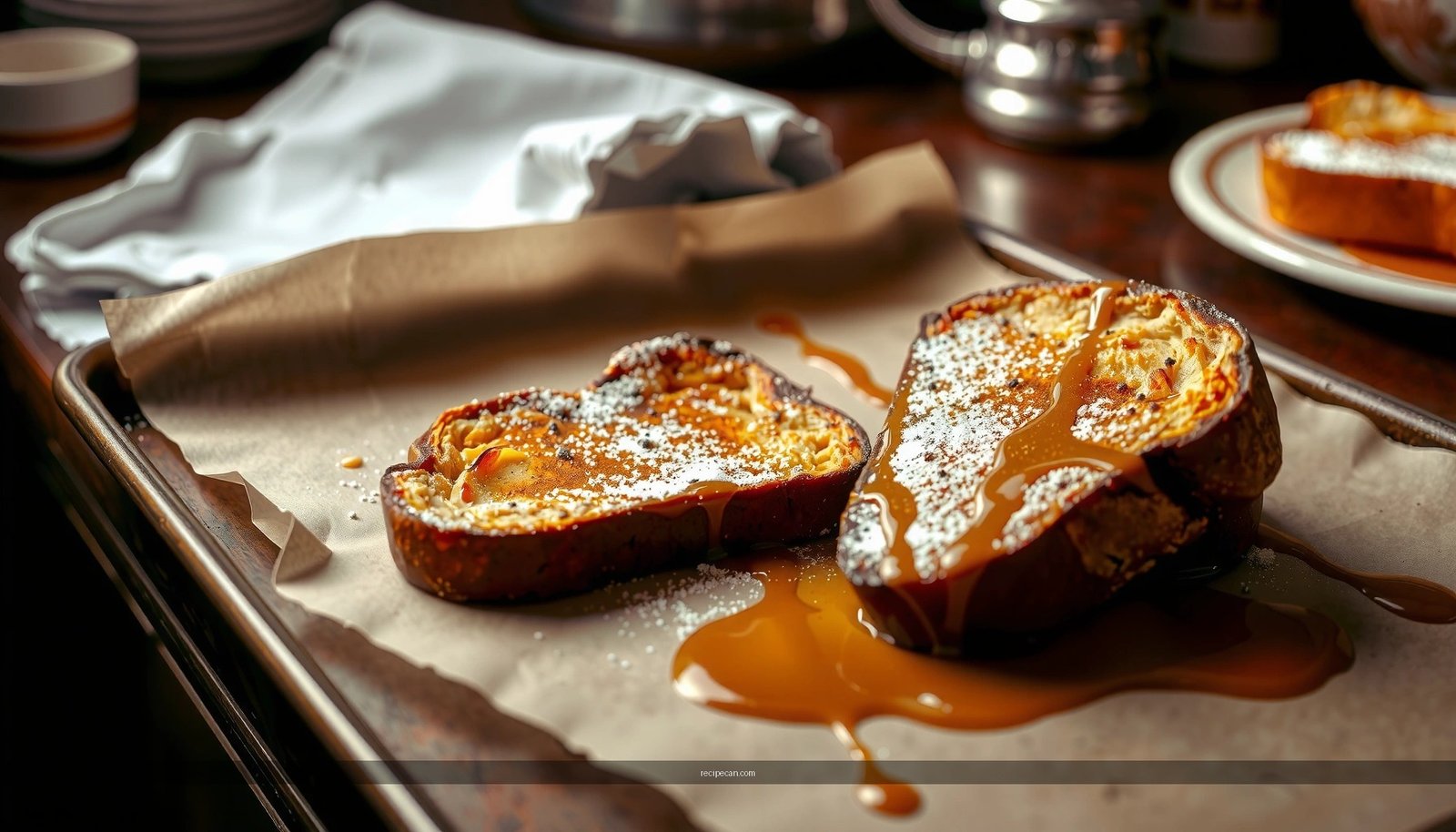
Keep cooked slices warm in a single layer on a baking sheet in a low oven (about 200°F / 95°C) while you finish the batch. This protects crispness without continuing to overcook.
Toppings & Serving Ideas
Classic French toast is built to partner with toppings—sweet, fruity, and slightly acidic to balance the richness of the custard.
– Classic options: maple syrup, powdered sugar, fresh berries, or sliced bananas
Maple syrup is the traditional pairing because it complements butter and vanilla. Berries add brightness that cuts through richness, while bananas bring soft sweetness.
– For extra flavor: add a pinch of cinnamon or a drizzle of vanilla glaze
If you already used cinnamon in the custard, consider a lighter hand on the toppings. Alternatively, skip extra cinnamon and use vanilla glaze for a more delicate finish.
– Serve hot immediately for the best crisp-soft contrast
The “crispy edges + soft center” window is short. Serve promptly so the exterior stays crisp and the interior remains tender.
Pro pairing ideas (high impact, low effort):
– Maple syrup + strawberries + a squeeze of lemon zest (enhances berry brightness)
– Powdered sugar + bananas + toasted pecans (adds texture and nutty depth)
– Vanilla glaze + blueberries (keeps sweetness elegant rather than heavy)
Troubleshooting Common Issues
Even great cooks face variables—bread age, pan type, and soak time. Use these targeted fixes to preserve the classic French toast outcome.
– Too soggy: reduce soak time and use day-old or thicker bread
If the exterior looks wet after frying, the bread has absorbed too much surface moisture. Shorten the soak and always let excess custard drip.
– Too dark outside: lower heat and extend cook time slightly
Dark outside usually means the pan is too hot or the slice is cooking too long on one side. Reduce heat and give it time to set through.
– Not custardy: soak longer or use thicker slices and ensure pan isn’t too cool
Under-custardy toast often comes from insufficient absorption (not enough soak contact) or a pan that isn’t hot enough to set egg proteins quickly.
Operational diagnostic checklist:
1) Is the custard smooth and pourable?
2) Did you slice bread evenly?
3) Did the pan reach stable medium heat before cooking?
4) Did you flip only once when the first side was golden and set?
This classic French toast recipe is all about the custard soak and medium-heat frying for golden, fluffy results. Try it with your favorite bread, adjust soak time if needed, and finish with maple syrup and fruit—then make it your go-to breakfast for weekends (or any day).
Final thoughts: Master the custard mix, soak strategically based on bread thickness, and cook on medium heat with one decisive flip. With these controls, you’ll consistently produce classic French toast that’s crisp at the edges, custardy in the center, and ready to serve hot with your favorite toppings.
Frequently Asked Questions
What makes a classic French toast recipe different from other bread toast?
A classic French toast recipe uses custard-style soaking—typically eggs, milk (or cream), and a touch of sweetness—so the bread turns tender inside and golden on the outside. It’s pan-fried in butter or a mix of butter and oil for that signature flavor and color. Unlike quick toast, the soaking step is key for even texture and that classic “custardy” bite.
How do you make classic French toast without soggy bread?
Use bread that’s sturdy enough to absorb custard without falling apart—such as brioche, challah, or day-old French bread. Soak briefly (about 10–30 seconds per side, depending on thickness), and let excess egg mixture drip off before cooking. Cook on medium heat and finish with a short higher-heat sear if needed, which helps the classic French toast set and crisp instead of staying wet.
Why does French toast sometimes taste eggy, and how can you prevent it?
Egginess usually happens when the custard ratio is too heavy on eggs or when the toast is cooked too hot so the eggs scramble. Balance the mixture with milk or cream, add vanilla, and consider a pinch of cinnamon for a more classic French toast flavor profile. Cook gently and evenly so the custard cooks through without turning into an omelet-like texture.
What is the best bread for a classic French toast recipe?
The best bread for classic French toast is rich, thick-cut, and slightly stale, because it absorbs custard evenly and holds its shape. Brioche and challah are top choices for a soft, buttery interior, while thicker slices of French bread or sourdough work well for a firmer bite. Day-old bread also prevents overly soggy classic French toast by soaking more predictably.
Which toppings pair best with classic French toast, and how do you choose?
For a classic French toast breakfast, fruit toppings like berries, sliced bananas, or apples add brightness and balance the sweetness. Maple syrup is a traditional go-to, while powdered sugar and a pat of butter enhance the rich, eggy custard flavor. If you want something more decadent, try a drizzle of maple syrup plus whipped cream or a cinnamon-brown sugar sauce—choose toppings that match your sweetness level to avoid overpowering the flavor of the toast.
References
- French toast
https://en.wikipedia.org/wiki/French_toast - https://www.britannica.com/topic/French-toast
https://www.britannica.com/topic/French-toast - Easy French toast recipe | Good Food
https://www.bbcgoodfood.com/recipes/french-toast - https://cooking.nytimes.com/recipes/1012916-classic-french-toast
https://cooking.nytimes.com/recipes/1012916-classic-french-toast - https://www.theguardian.com/food/2019/aug/06/how-to-make-the-perfect-french-toast
https://www.theguardian.com/food/2019/aug/06/how-to-make-the-perfect-french-toast - Google Scholar Google Scholar
https://scholar.google.com/scholar?q=classic+french+toast+recipe - Google Scholar Google Scholar
https://scholar.google.com/scholar?q=french+toast+custard+egg+milk+bread+proportions - Google Scholar Google Scholar
https://scholar.google.com/scholar?q=maillard+reaction+french+toast+egg+browning - classic french toast recipe – Search results
https://en.wikipedia.org/wiki/Special:Search?search=classic+french+toast+recipe - https://www.ncbi.nlm.nih.gov/search/research-articles/?term=classic+french+toast+recipe
https://www.ncbi.nlm.nih.gov/search/research-articles/?term=classic+french+toast+recipe