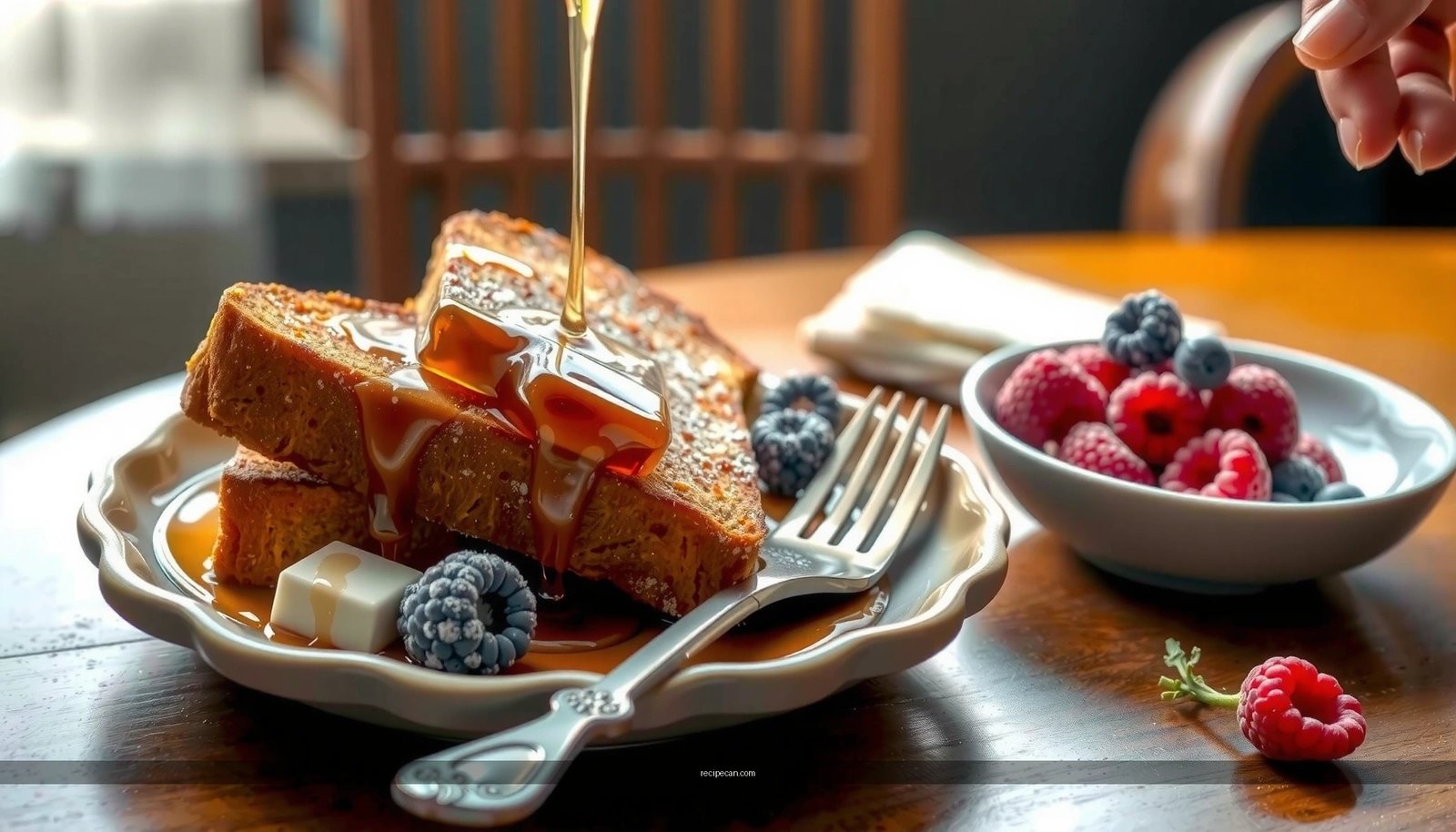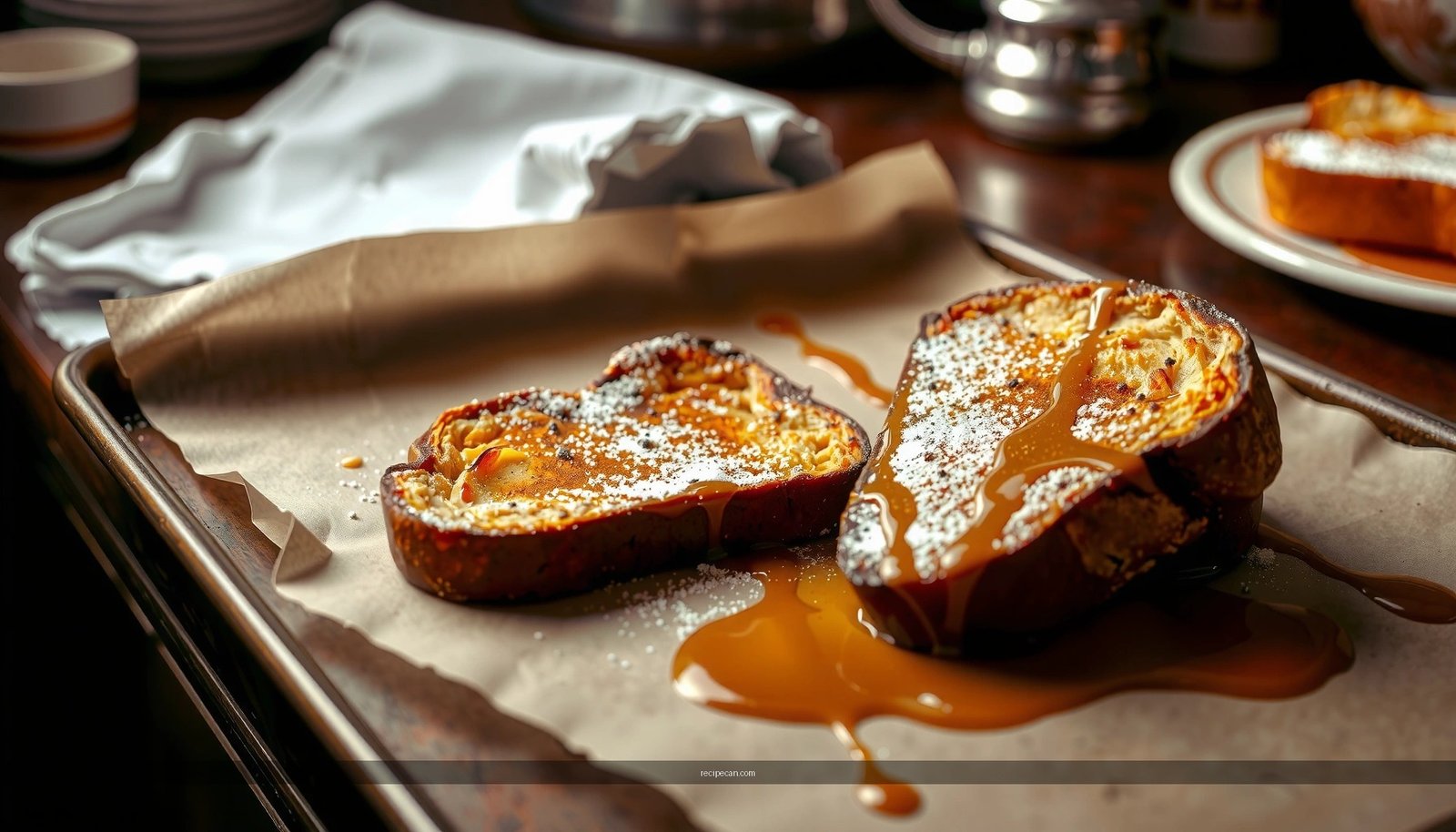
This brioche French toast recipe delivers the fluffy interior and crisp, golden edges you want—without fuss. It answers the key question of how to soak brioche properly and cook it fast enough to get a custardy center and caramelized crust. If you want restaurant-style French toast at home, this is the clear winner.
Make brioche French toast fluffy and golden by soaking thick brioche slices in a simple custard (eggs, milk, vanilla, salt) and cooking them on medium heat until deeply browned on both sides. This recipe walks you through exact ingredient ratios, soak strategy, and pan technique so you consistently get a custardy center with a crisp, caramelized exterior.
Custard Soak Timing vs. Texture Outcome (Thick-Cut Brioche)
| # | Soak Time | Brioche Thickness | Expected Center | Overall Result |
|---|---|---|---|---|
| 1 | 5–8 min | 1.0 in / 2.5 cm | Lightly set | ★★★★☆ |
| 2 | 8–10 min | 1.0 in / 2.5 cm | Custardy, tender | ★★★★★ |
| 3 | 10–12 min | 1.0 in / 2.5 cm | Very custardy | ★★★★☆ |
| 4 | 12–15 min | 1.0 in / 2.5 cm | Soft center, edges risk | ★★★☆☆ |
| 5 | 5–7 min | 0.75 in / 1.9 cm | Set but less custard | ★★★★☆ |
| 6 | 7–9 min | 0.75 in / 1.9 cm | Balanced custard | ★★★★★ |
| 7 | 10–12 min | 0.75 in / 1.9 cm | Soggy risk | ★★☆☆☆ |
Ingredients for Brioche French Toast
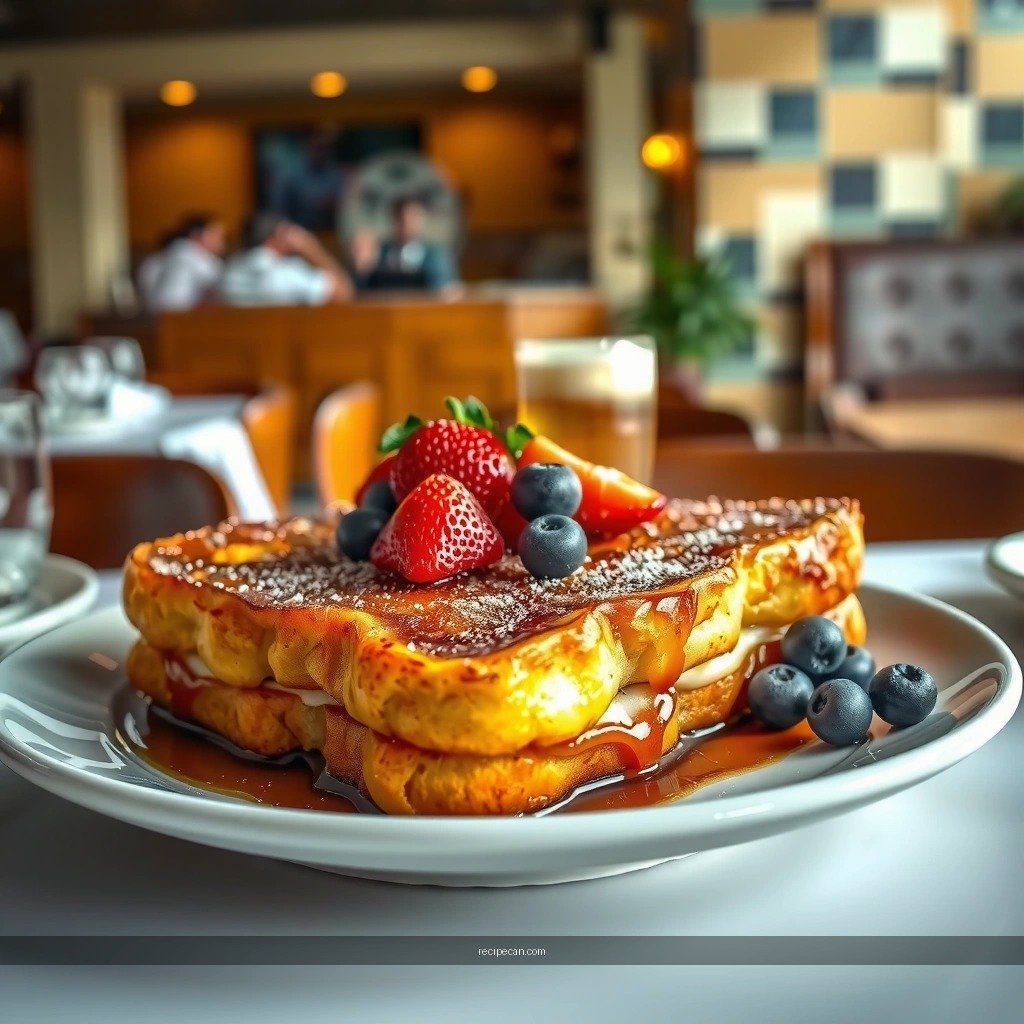
Start with brioche bread slices—their buttery richness is what makes French toast taste “custardy” rather than dry. For best results, choose thick-cut slices (about 3/4 to 1 inch / 2–2.5 cm). Thicker slices give the eggs time to set in the center while still allowing the outside to brown.
Use a custard base that’s flavorful but not complicated:
– Brioche bread slices (thick-cut for best results)
– Eggs (provide structure; aim for a creamy, set center)
– Milk or half-and-half (milk keeps it lighter; half-and-half increases richness)
– Vanilla extract (adds aroma that reads as “bakery”)
– Pinch of salt (balances sweetness and strengthens egg flavor)
– Cinnamon (warm, classic breakfast aroma)
– Brown sugar (adds deeper caramel notes; best used in small amounts)
– Orange zest (brightens brioche and vanilla; pairs especially well with berries or a honey glaze)
Practical ratio tip: If you want consistent custard every time, use about 1 egg per 1/2 cup (120 ml) of milk/half-and-half as a baseline, then adjust slightly for slice thickness. Thicker brioche typically benefits from slightly more custard per slice so the center sets fully.
Make the Custard Soak
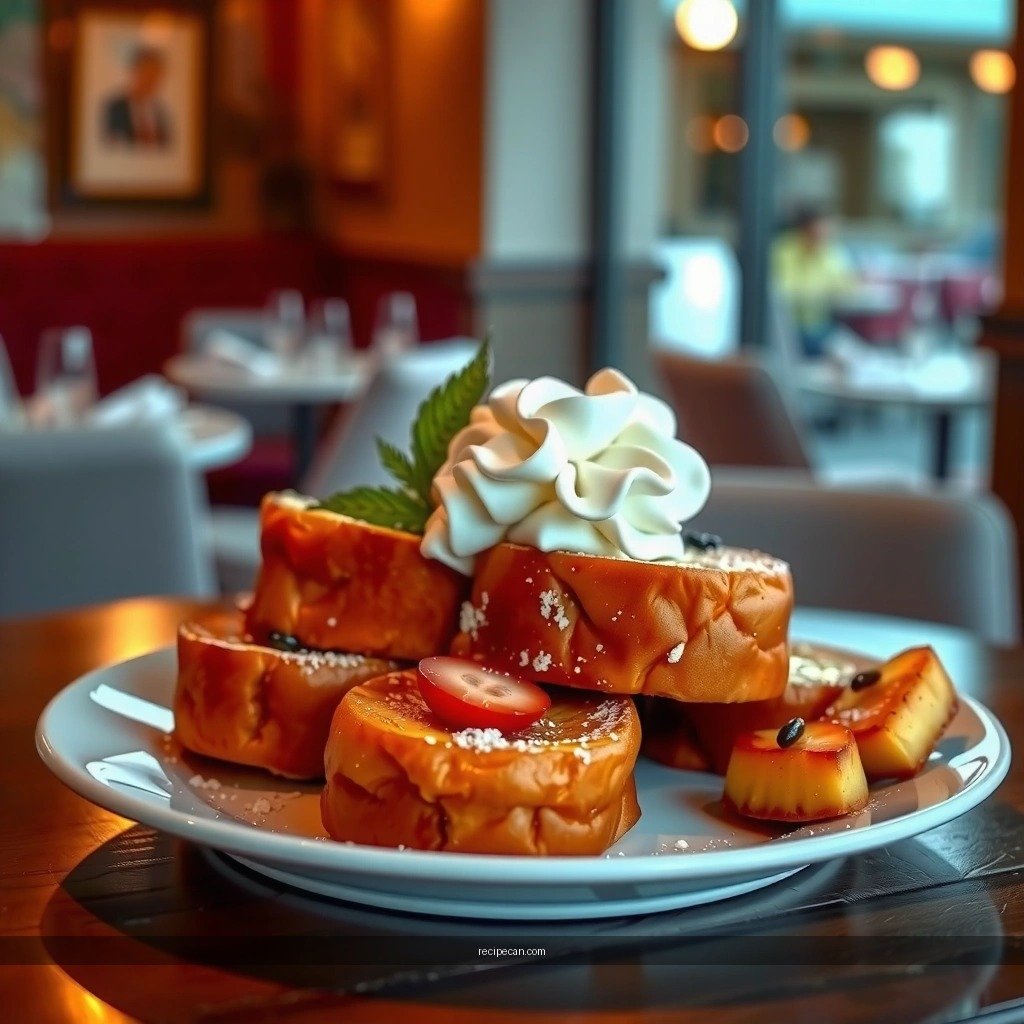
The soak step is where most “good” French toast becomes great—or where it turns soggy. The goal is absorption without saturation: you want the custard to penetrate and then, during cooking, transform into a tender, set interior.
1. Whisk custard until smooth.
Whisk eggs, milk (or half-and-half), vanilla, and salt until there are no visible streaks of egg. Smooth custard distributes evenly, improving consistency across slices.
2. Soak brioche briefly (or longer for extra custardiness).
For thick brioche, a quick soak followed by cooking usually yields the crispest exterior with a custardy center. For extra richness, soak a touch longer—but keep an eye on texture. Brioche is delicate: it absorbs quickly because of its buttery, tender crumb.
3. Let excess drip off.
Before it hits the pan, allow excess custard to run off. This prevents pooled custard from steaming the bread instead of browning it, which is the main cause of sogginess.
How to judge doneness from the custard stage:
When you lift a slice, it should look “coated” rather than dripping. If it’s pouring custard, you’ve oversoaked.
Texture-oriented perspective:
French toast is essentially bread + egg proteins + controlled heat. The egg proteins coagulate as temperature rises, giving the interior structure. Meanwhile, sugars and milk solids on the surface caramelize, creating the crisp crust. Your soak time and drip-off directly affect how much of that egg protein is available inside vs. sitting on the surface.
How to Cook It (Crispy Outside, Soft Inside)
Cooking is a controlled browning process, not a rush job. Medium heat is your friend because it lets the center set before the outside burns. If your pan is too hot, the bread can brown quickly while the interior remains custardy-wet.
1. Heat a skillet or griddle over medium heat and melt butter.
Use enough butter to coat the surface. Butter adds flavor and enables even browning. If butter browns too fast, reduce heat slightly—over-browned butter can taste bitter.
2. Cook until deep golden brown, flipping once.
Place soaked slices in the pan and cook until the underside is deeply golden. Flip once and cook the second side until equally golden. Flipping more often disrupts crust formation and can pull the custard apart.
3. Adjust heat as needed to avoid burning before the center sets.
Look for steady sizzling. If it’s aggressively bubbling, heat is likely too high. If it barely sizzles, it may be too low to develop crispness.
Timing guidance (practical, not rigid):
– Thick brioche often needs longer per side than thin slices.
– Your target is golden-brown edges and a set, tender interior.
Best technique for a custardy center:
Pressing the bread is usually counterproductive—it can squeeze out custard and moisture. Instead, let time and heat do the work. If you want extra assurance, you can finish in a low oven (around 200°F / 95°C) for a few minutes after pan-frying so the center sets without darkening the crust.
Toppings and Serving Ideas
Toppings don’t just add sweetness—they influence perceived texture. For crispy French toast, consider toppings that don’t instantly flood the crust.
Classic pairings
– Maple syrup (drizzle, don’t soak)
– Powdered sugar (adds a dry sweetness that preserves crispness)
Fruity options
– Berries (fresh acidity cuts richness)
– Sliced bananas (best with a brief sauté or a light caramel drizzle)
– Caramelized apples (add warmth and texture; great for brunch spreads)
Savory twist (for a non-traditional plate)
– Butter or honey
– Flaky salt (a small pinch elevates flavor the way it does in pastries)
Serving strategy tip:
Serve immediately or keep warm uncovered so the crust stays crisp. If you plate and wait, the steam from the center can soften the crust.
Make-Ahead and Storage Tips
French toast is often a make-ahead-friendly dish—especially if you separate “custard prep,” “slice prep,” and “cooking timing.” This reduces last-minute chaos while keeping quality high.
– Prep custard in advance and slice brioche ahead of time.
Store custard covered in the refrigerator. Slice brioche and keep it dry at room temperature or refrigerate in a container.
– Store leftovers in the fridge and reheat gently to retain texture.
Refrigerate in an airtight container. When reheating, warm gradually so the interior doesn’t become rubbery.
– For best results, rewarm in a skillet or oven, not the microwave.
Microwave reheating steams the bread and usually reduces crispness. Skillet reheating on low to medium heat (briefly, flipping once) restores crust better. An oven at a low temperature can also work.
If you want to prep overnight:
Soaking overnight can be tempting, but brioche absorbs quickly. If you do an overnight soak, use less time in the future (try a shorter soak) and be conservative with custard pooling. For most people, a “soak right before cooking” approach delivers the crispest results.
Troubleshooting Common Issues
Even reliable brioche French toast recipes can fail when conditions shift—slice thickness, pan temperature, or soak length. Here are targeted fixes:
– Not crispy enough:
Increase heat slightly and cook a touch longer. Also ensure you’re not overcrowding the pan; overcrowding traps steam and prevents crust formation.
– Too soggy:
Reduce soak time and always let excess custard drip off. Soggy French toast usually comes from oversoaking or low-heat cooking that steams rather than browns.
– Burnt edges:
Lower heat and use thicker slices if possible. Burnt edges also occur if butter browns too fast—switch to a slightly cooler pan or use a butter blend (or add butter more gradually) to control browning.
Quick diagnostic checklist:
1) Was the pan medium-hot and evenly heated?
2) Did the slices look coated but not dripping?
3) Did you flip only once when the first side was deeply golden?
If you can answer those three questions confidently, you’re already ahead of most French toast attempts.
You’ll get the best brioche French toast by using thick brioche, soaking in a simple custard, and cooking on medium heat until deeply golden. Try this recipe next, then adjust soak time and skillet temperature to match your preferred level of crispness—happy cooking!
Frequently Asked Questions
What makes brioche French toast better than regular French toast?
Brioche is richer and softer than typical bread, so it absorbs custard without turning dry or tough. Its buttery flavor creates a more indulgent “custardy” center and a golden, lightly crisp exterior. That’s why brioche French toast tastes like a brunch café classic instead of a basic breakfast.
How do you make brioche French toast that’s custardy in the middle?
Use a generous egg-and-milk (or cream) mixture and let each slice soak long enough to absorb liquid—about 20–30 minutes if your bread is slightly stale. Cook over medium heat so the custard sets without burning the outside, and flip once when the first side is golden. If you want extra custard, lightly press the slices in the pan and avoid cooking on high heat.
Why does brioche French toast sometimes get soggy, and how can you prevent it?
Sogginess usually happens when the brioche is over-soaked or cooked too hot, causing the outside to soften before the center sets. Try soaking briefly (or in two shorter dips) and use medium heat with a preheated pan. For best results, allow excess custard to drip off before placing the bread in the skillet, and serve immediately after cooking.
Which bread thickness is best for brioche French toast?
For brioche French toast, aim for slices about 3/4 to 1 inch thick so you get a custardy center with a crisp edge. Thinner slices cook too quickly and can turn dry or uneven, while very thick slices may burn outside before the middle fully sets. If you’re using a loaf from the bakery, cut uniformly so each piece cooks at the same rate.
What’s the best way to reheat leftover brioche French toast without losing texture?
Reheat slices in an oven or toaster oven at around 325°F (165°C) until warmed through, usually 8–12 minutes depending on thickness. Avoid microwaving if you can, because it often makes brioche French toast soggy and soft. For extra crispness, rewarm on a lightly greased skillet for a minute per side, then serve right away.
References
- Google Scholar Google Scholar
https://scholar.google.com/scholar?q=brioche+french+toast+recipe - Google Scholar Google Scholar
https://scholar.google.com/scholar?q=french+toast+brioche+egg+soak+custard - Google Scholar Google Scholar
https://scholar.google.com/scholar?q=french+toast+brioche+soaking+frying+browning - French toast
https://en.wikipedia.org/wiki/French_toast - Brioche
https://en.wikipedia.org/wiki/Brioche - https://www.britannica.com/topic/French-toast
https://www.britannica.com/topic/French-toast - https://www.britannica.com/topic/Brioche
https://www.britannica.com/topic/Brioche - Custard
https://en.wikipedia.org/wiki/Custard - https://en.wikipedia.org/wiki/Egg_(food
https://en.wikipedia.org/wiki/Egg_(food - Milk
https://en.wikipedia.org/wiki/Milk