This basic french toast recipe delivers the quickest path to golden, custardy slices using simple pantry ingredients and a clear step-by-step method. Follow the easy soaking and pan-frying instructions to know exactly when the bread is cooked through and ready to serve. It’s the best choice when you want classic French toast fast—no special equipment required.
Make basic French toast by dipping bread in a quick egg-and-milk custard, then pan-frying until golden brown—tender inside, crisp outside. With a simple ingredient ratio, a short soak, and steady medium-heat cooking, you can reliably produce café-style texture at home without special skills.
French toast is one of the most forgiving breakfast formats, but it’s also one of the easiest places to “almost get it right.” The goal isn’t just browning—it’s controlled custard penetration, even heat transfer, and enough surface dehydration to create a crisp edge while keeping the center soft. Below is a step-by-step approach built around practical culinary fundamentals: a well-whisked egg mixture, correct bread selection, disciplined soaking, and consistent frying temperature.
What You’ll Need (Ingredients)
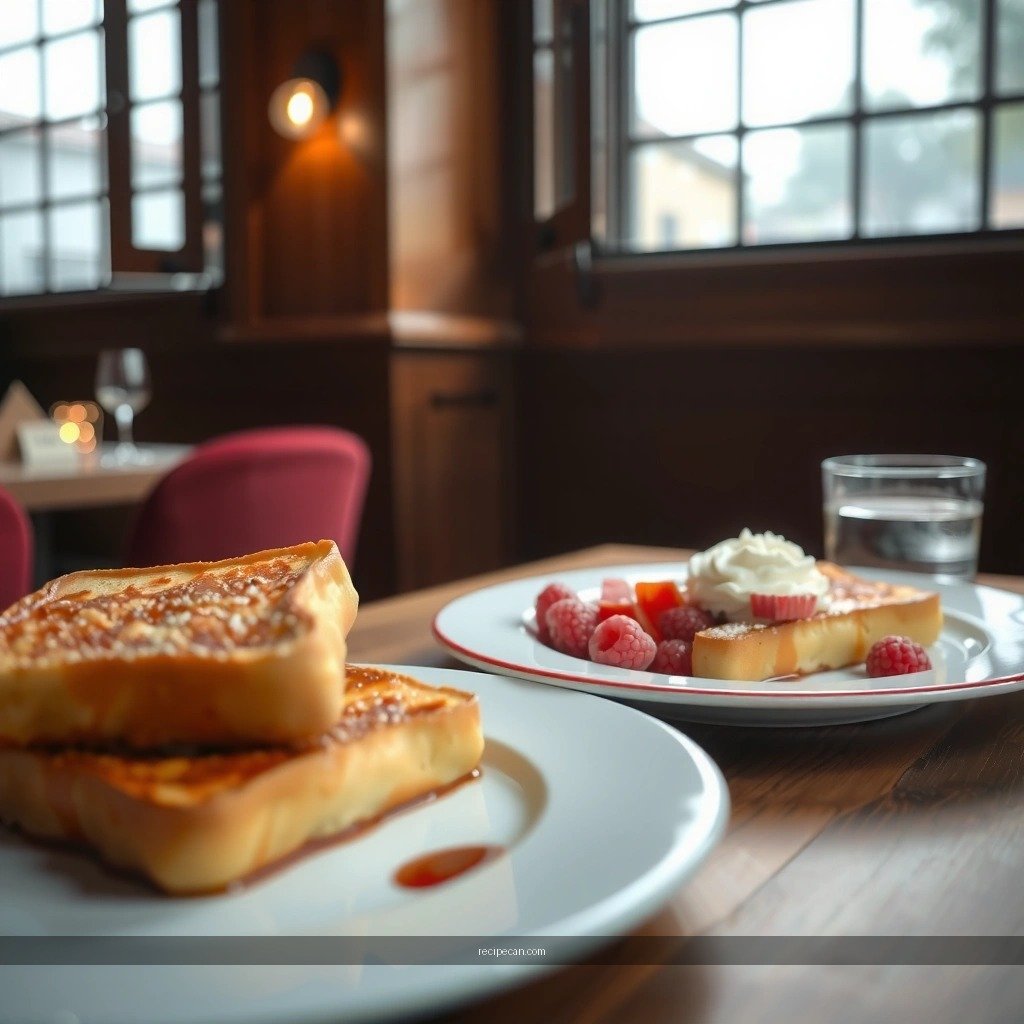
To make French toast, you need a custard base (eggs + milk) and a flavor system (salt, vanilla, and spice). For frying, you need fat that can brown effectively—either butter for classic flavor or a neutral oil for higher heat tolerance.
– Bread (sourdough or brioche work great), eggs, and milk (or half-and-half)
– Cinnamon, vanilla, salt, and butter (or neutral oil) for frying
Smart ingredient choices for better results
– Bread: Sourdough, brioche, challah, or French bread all work well. Brioche gives a sweeter, richer custard; sourdough contributes structure and tang that prevents the toast from tasting flat.
– Milk vs. half-and-half: Whole milk keeps the custard lighter. Half-and-half increases richness and can improve browning because of added fat.
– Cinnamon & vanilla: These are classic “custard bakery” notes. Use modest amounts—French toast should taste like toasted bread with warm aromatics, not like dessert batter.
– Salt: A pinch sharpens egg flavor and improves perceived sweetness.
Practical ratio to keep everything consistent
For standard, easy French toast servings, use 1 egg + 1/4 cup milk per 1–2 thick slices of bread (adjust as needed). If you want a more robust custard per slice, scale up to 2 eggs + 1/2 cup milk for about 4 slices of day-old bread.
How to Make the Egg Mixture
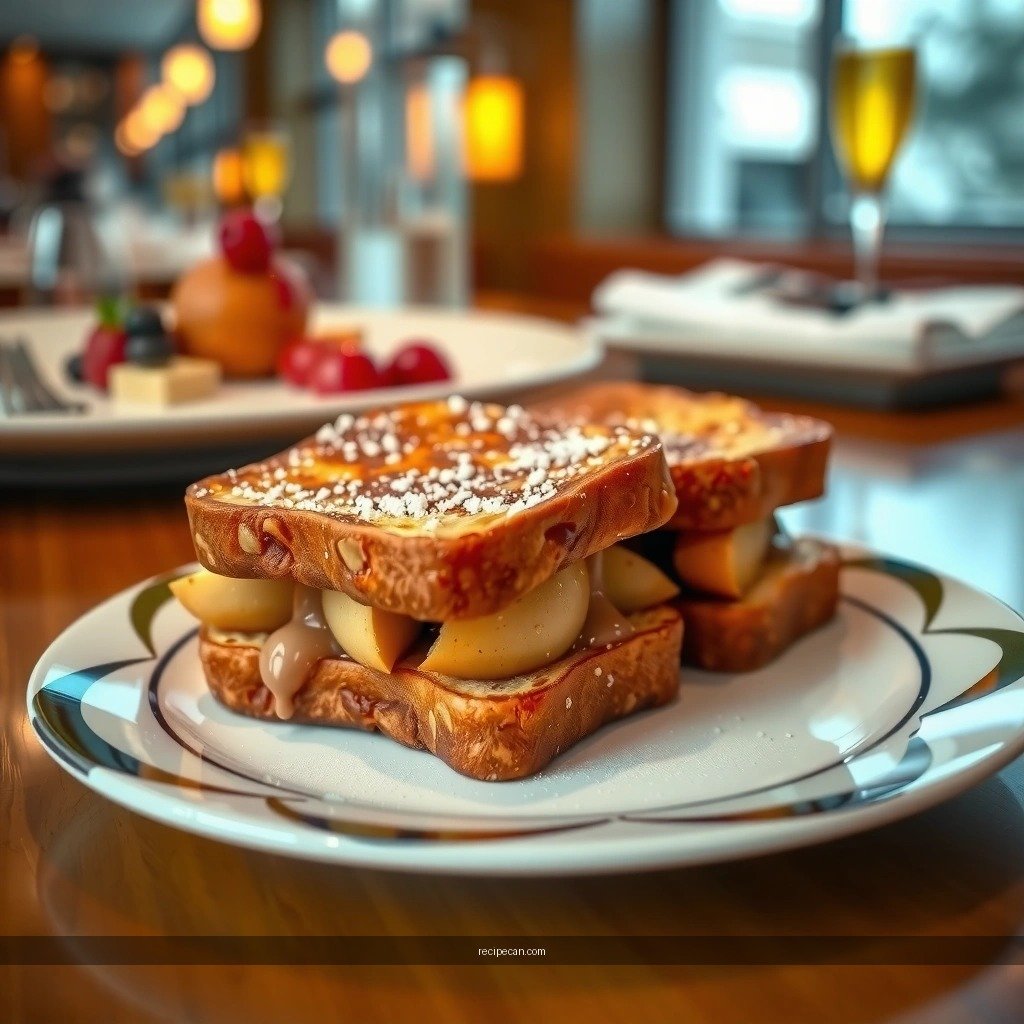
The egg mixture is the “engine” of French toast. It should be smooth, evenly aerated, and seasoned so the custard reads clearly in every bite.
– Whisk eggs, milk, cinnamon, vanilla, and a pinch of salt until smooth
– Let the mixture sit briefly so flavors meld
Step-by-step method
1. Whisk thoroughly: Crack eggs into a bowl, then whisk until the yolk and whites fully combine. Add milk, cinnamon, vanilla, and salt, and whisk again until no streaks remain.
2. Rest briefly (2–5 minutes): This short rest helps dissolve cinnamon and salt and allows the mixture to thicken slightly.
3. Test for pourability: The custard should coat the back of a spoon lightly. If it feels very thin, add one more egg; if it feels too thick, add a splash of milk.
Analytical perspective (why this works)
– Even whisking prevents “egg pockets,” which can create dry, rubbery spots.
– Correct seasoning matters because eggs can taste muted without salt.
– Short resting improves flavor integration without risking separation.
If you’re making French toast for a team or family breakfast, you can scale the custard easily. Use the ratio above, whisk in one batch, and keep it covered so it stays fresh while you fry.
Best Bread Prep Tips
Even the best egg mixture can’t overcome bread that’s too fresh or soaking practices that drive custard too deep. Bread prep is where professional texture control begins.
– Use slightly stale bread for less sogginess and better browning
– Slice evenly and avoid over-soaking—dip quickly, then shake off excess
Choose the right “staleness”
– Ideal: Bread that’s 1–2 days old, slightly dry to the touch.
– If fresh: Toast slices lightly in a dry pan for 30–60 seconds per side, or leave them uncovered for an hour to dry the surface.
Soaking discipline
– Quick dip approach: Dip each side just long enough to saturate the surface—typically 10–20 seconds per side for thick-cut bread.
– Shake off excess: This is critical. Excess custard drains back into the bowl and reduces sogginess.
– No long soaks: If bread sits in the mixture too long, the outside becomes mushy before the inside can firm up on the pan.
Cutting for even cooking
– Slice to consistent thickness (around 3/4 to 1 inch if possible). Uneven slices cook at different speeds, leading to burnt edges or undercooked centers.
Cooking Instructions (Golden & Crispy)
The pan is where French toast transitions from custard to crisp. Temperature control—specifically steady medium heat—creates the “golden” exterior without drying the interior.
– Melt butter in a skillet over medium heat
– Cook each side 2–4 minutes until browned, adding more butter as needed
Reliable cooking workflow
1. Preheat skillet: Heat on medium for a minute or two until the butter foams slightly.
2. Fry in batches (don’t crowd): Crowding drops pan temperature and makes French toast steam instead of fry.
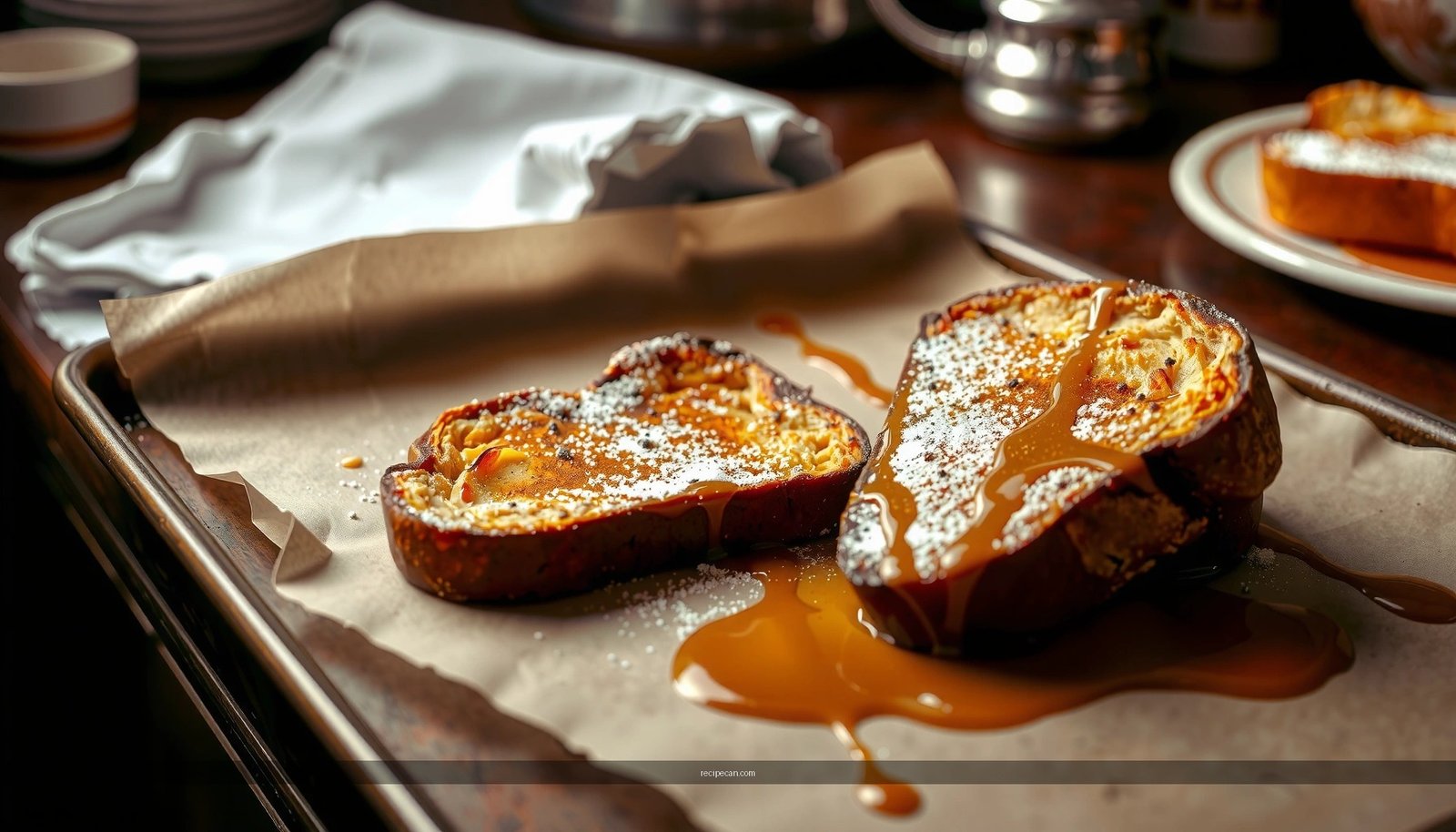
3. Time per side: Cook 2–4 minutes per side depending on thickness and pan heat. You’re looking for deep golden color and a custardy interior.
4. Adjust as needed: If browning happens too quickly, lower heat slightly. If it’s pale after 3–4 minutes, increase heat modestly or add a touch more butter and continue cooking.
Bottom line technique
– Golden color = active Maillard reaction (browning of proteins and sugars).
– Custardy center = sufficient egg coagulation (eggs set as temperature rises).
– Medium heat balances these two goals.
Data snapshot: Timing and doneness targets for thick vs. thin bread
Pan-Cooking Targets for Classic French Toast (Medium Heat)
| # | Bread Thickness | Dip Time | Cook Time/Side | Target Finish |
|---|---|---|---|---|
| 1 | Thin (1/2 inch / 12 mm) | 8–12 sec | 2–3 min | Golden, fully set |
| 2 | Medium (3/4 inch / 18–20 mm) | 10–18 sec | 2–4 min | Crisp edge, custardy center |
| 3 | Thick (1 inch / 25 mm) | 12–20 sec | 3–5 min | Deep golden, set through |
| 4 | Extra-thick (1 1/4 inch / 32 mm) | 10–15 sec | 4–6 min | Cooked center, not dry |
| 5 | Stale bread (day-old) | 10–18 sec | 2–4 min | Less sogginess, crisp lift |
| 6 | Fresh bread (needs care) | 6–10 sec | 2–3 min | Higher risk of softness |
| 7 | Crowded pan (avoid) | Any dip time ↑ | Any cook time ↑ | Steamed, uneven browning |
Serving Ideas & Toppings
French toast becomes memorable when toppings align with its custard profile—sweet and aromatic partners (maple, vanilla, berries) or textural contrasts (nuts, toasted fruit).
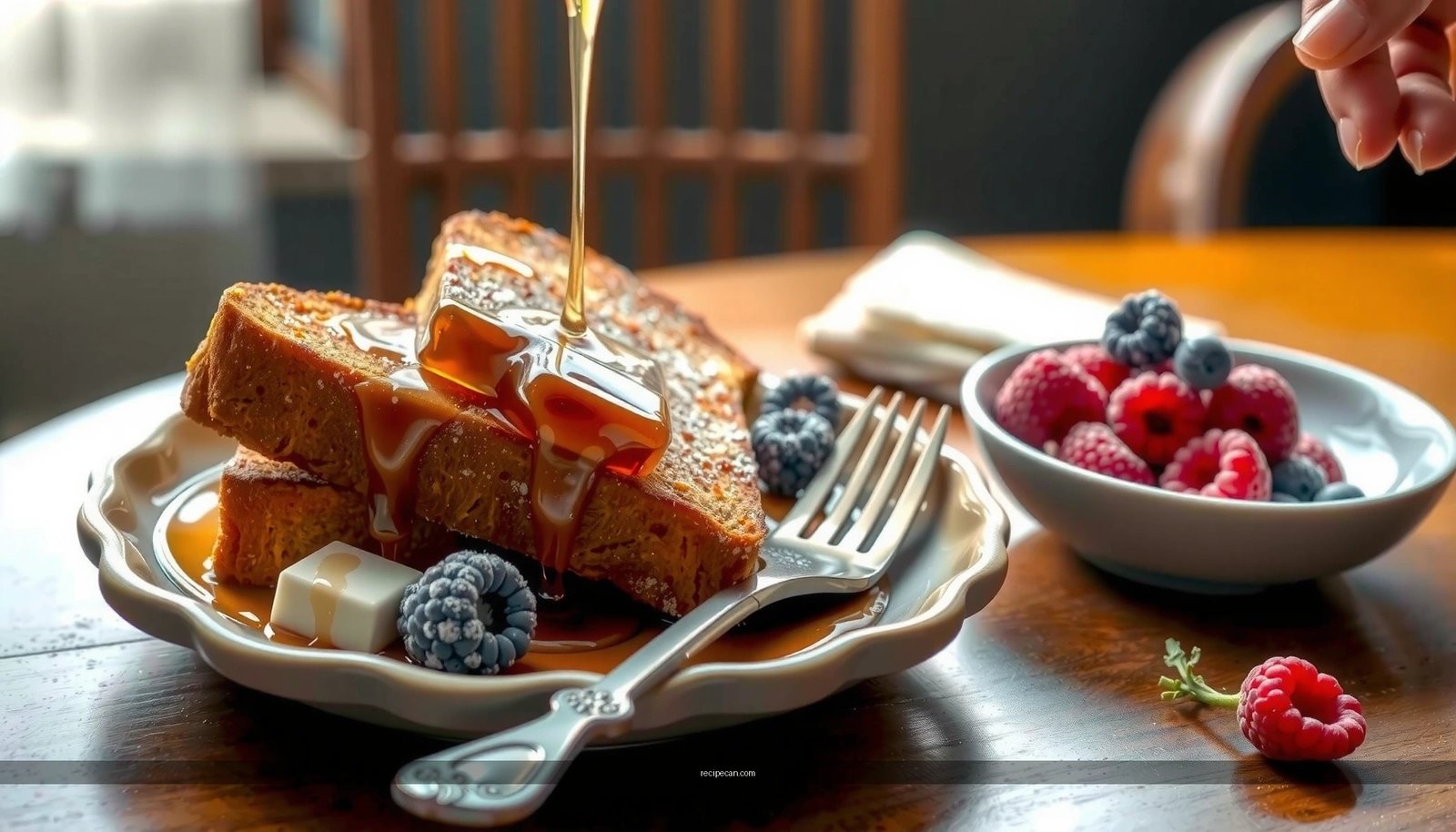
– Top with maple syrup, powdered sugar, fresh berries, or sliced bananas
– Add a quick butter drizzle or honey for extra flavor
Classic topping combinations (high success rates)
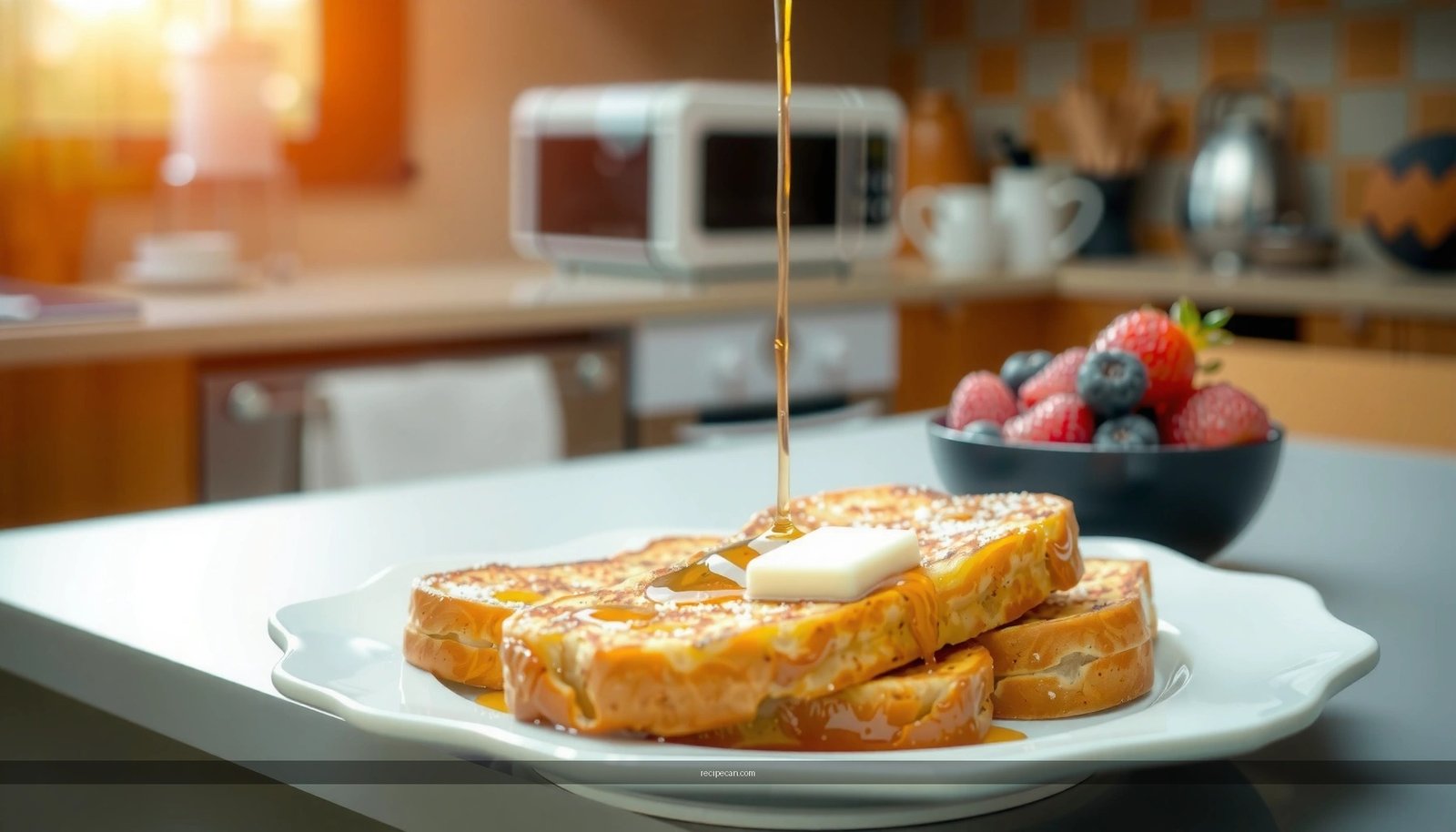
– Maple syrup + butter: Simple, balanced, and very consistent.
– Powdered sugar + berries: Bright acidity cuts through egg richness.
– Bananas + cinnamon + honey: Mimics warm bakery flavors and boosts aroma.
– Nut crunch (optional): Chopped pecans or walnuts add resistance to the soft center.
Service tips for texture
– Serve promptly; French toast starts losing crispness once steam builds.
– If you’re holding a batch, keep it on a low oven rack (not stacked on a plate) to preserve airflow.
For a “premium” finish without complexity
– Add a thin glaze: warm maple syrup mixed with a teaspoon of butter and a pinch of salt.
– Use fresh citrus zest (orange or lemon) over berries to brighten the palate.
Troubleshooting Common Issues
Even with a dependable recipe, home cooks encounter predictable failure modes. The fixes below are based on how bread structure and egg coagulation behave under heat.
– Soggy French toast: reduce soak time and cook on medium heat longer
– Too dark outside/undercooked inside: lower heat and continue cooking gently
Soggy French toast
What’s happening: Over-soaking lets bread absorb too much custard; then the outside doesn’t dehydrate fast enough.
Fix:
– Reduce dip time by 5–10 seconds per side
– Use medium heat longer instead of turning the heat up (high heat can brown the outside while leaving the interior soft)
– Ensure you’re not crowding the skillet
Too dark outside / undercooked inside
What’s happening: Pan is too hot or bread is too thick for the current heat profile.
Fix:
– Lower heat to medium-low and continue cooking 1–2 minutes per side
– Consider thinner slices next time or pre-toast bread briefly if using very fresh loaves
Dry or rubbery texture
What’s happening: Eggs over-coagulated due to too much heat or too long in the pan.
Fix:
– Shorten cook time and reduce heat
– Confirm your custard includes enough milk/half-and-half to keep it tender
Uneven browning
What’s happening: Cold spots in the pan or inconsistent thickness.
Fix:
– Preheat thoroughly
– Use evenly cut bread
– Flip when the first side is clearly set and browned, not when it looks pale
Flavor feels bland
What’s happening: Under-seasoned custard or weak aromatics.
Fix:
– Increase salt slightly (still a pinch)
– Add a touch more cinnamon or vanilla, but keep it balanced to avoid overpowering the eggs
Basic French toast is all about a well-whisked egg mixture, quick dipping, and steady medium-heat cooking for golden, custardy results. Make a batch now and try one topping you love—then adjust the soak time and heat next time to match your perfect texture.
Frequently Asked Questions
What’s the best basic French toast recipe for beginners?
Start with a simple custard: whisk eggs, milk (or half-and-half), a pinch of salt, and cinnamon, then soak bread briefly. Use thick slices of bread like brioche, challah, or Texas toast so the French toast holds together. Cook on a lightly greased skillet over medium heat until golden brown on both sides, then serve immediately with syrup or powdered sugar.
How do you make French toast without it turning soggy?
Use sturdy, slightly stale bread and soak each slice only long enough to absorb the egg mixture—about 20 to 30 seconds per side. Make sure your pan is hot before adding the bread so it browns quickly instead of steaming. Avoid overcrowding the skillet, and let excess custard drip off for a moment before cooking.
Why does my French toast fall apart, and how can I fix it?
French toast often falls apart when the bread is too thin or too fresh, or when you flip too early. Choose thicker bread and soak just until saturated, then cook until the underside is deeply golden before turning. If needed, press gently with a spatula to help it set, and use a nonstick pan or well-seasoned skillet for easier release.
Which type of bread is best for basic French toast?
Brioche and challah are popular because their structure absorbs custard well while staying tender. For a more budget-friendly option, Texas toast or thick-cut sandwich bread works reliably, especially if it’s slightly stale. Avoid very soft bread that can disintegrate, and aim for slices about 3/4 to 1 inch thick for the best texture.
How do you store and reheat leftover French toast?
Let cooked French toast cool completely, then store it in an airtight container in the refrigerator for up to 3 days. Reheat in a toaster oven or oven at 350°F until warm and crisp, or pan-fry briefly on low heat for a golden finish. For best results, avoid microwaving if you want the exterior to stay less soggy.
References
- French toast
https://en.wikipedia.org/wiki/French_toast - https://www.britannica.com/recipe/french-toast
https://www.britannica.com/recipe/french-toast - Easy French toast recipe | Good Food
https://www.bbcgoodfood.com/recipes/french-toast - https://www.theguardian.com/food/series/easy-recipes/2014/dec/17/french-toast-recipe
https://www.theguardian.com/food/series/easy-recipes/2014/dec/17/french-toast-recipe - https://www.fda.gov/food/buy-store-serve-safe-food/food-safety-answers-eggs
https://www.fda.gov/food/buy-store-serve-safe-food/food-safety-answers-eggs - https://www.nytimes.com/2019/04/24/dining/french-toast-recipe.html
https://www.nytimes.com/2019/04/24/dining/french-toast-recipe.html - Google Scholar Google Scholar
https://scholar.google.com/scholar?q=basic+french+toast+recipe - Google Scholar Google Scholar
https://scholar.google.com/scholar?q=french+toast+egg+milk+soaking+technique - https://scholar.google.com/scholar?q=egg+custard+cookery+absorption+breading+french+toast Google Scholar
https://scholar.google.com/scholar?q=egg+custard+cookery+absorption+breading+french+toast - Google Scholar Google Scholar
https://scholar.google.com/scholar?q=french+toast+history+and+culinary+technique