Get a dependable bruschetta with pesto recipe that delivers the freshest, most flavorful bite in under 20 minutes, with crisp bread and vibrant basil pesto. This step-by-step method answers the only question that matters: how to build bruschetta that’s bright, garlicky, and not soggy. Follow it exactly and you’ll get a crowd-ready appetizer with a clean, confident pesto finish every time.
Bruschetta with pesto is simple: toast bread, spread pesto, then top and serve immediately for the best flavor and crunch. In this recipe, you’ll make quick crostini using either homemade or store-bought pesto, learn a fast assembly flow that prevents sogginess, and get practical topping ideas (from classic tomato-basil to creamy burrata) for a restaurant-style result at home.
Gather Ingredients for Bruschetta with Pesto
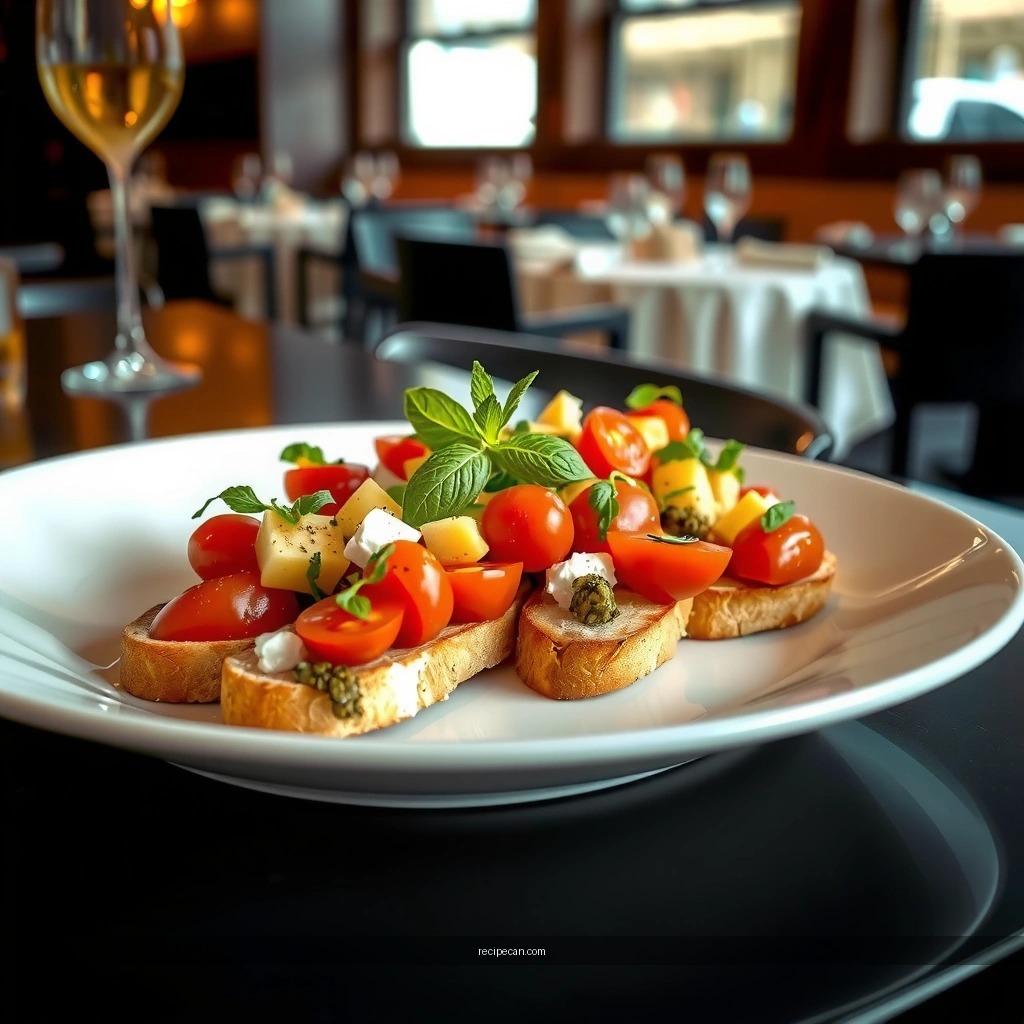
– Bread, pesto, and a few classic toppings (like tomatoes or basil) are all you need
– Choose fresh, flavorful pesto for the best results
– Optional add-ons: garlic, olive oil, flaky salt, and Parmesan
To keep this easy bruschetta recipe truly “quick,” focus on three ingredient categories: (1) structure (the bread), (2) flavor base (the pesto), and (3) fresh top layer (toppings added at the last moment).
Bread (for crispness):
Go for sturdy slices that can hold pesto without turning mushy—sourdough, ciabatta, or a baguette-style bread. If you’re making crostini, a thinner slice crisps faster and stays crunchy longer.
Pesto (for the main flavor):
Homemade pesto usually has brighter basil notes and a fresher aroma, while store-bought pesto is consistent and saves time. If your pesto tastes flat, adjust it before spreading:
– Stir in a small splash of lemon juice or extra olive oil to loosen the texture.
– Add a pinch of flaky salt if it’s under-seasoned.
– If it’s very thick, warm it for 5–10 seconds in the microwave to make spreading effortless.
Toppings (for contrast and freshness):
Classic bruschetta toppings are built for texture: juicy tomatoes or creamy cheese balanced against crunchy bread. Keep toppings bite-sized and dry-ish (more on that below).
Peak Quality Timeline for Bruschetta Components (General Guidance)
| # | Component | Peak Quality (Refrigerated) | Peak Quality (Frozen) | Use-When |
|---|---|---|---|---|
| 1 | Assembled bruschetta (bread + pesto + topping) | 0–30 minutes | N/A | Serve immediately |
| 2 | Toasted crostini (plain, unassembled) | Same day (best) | Not usually needed | Re-toast 2–3 minutes if needed |
| 3 | Homemade basil pesto | 3–5 days | 3–6 months | Best within 24–72 hours |
| 4 | Store-bought pesto (opened) | 5–7 days (keep chilled) | Possible in portions | Check label; follow “use by” |
| 5 | Chopped tomatoes for topping | 24 hours (best) | Not ideal (texture changes) | Avoid long pre-chop |
| 6 | Fresh mozzarella / burrata | 1–3 days | Freezing not recommended | Add last for best texture |
| 7 | Fresh basil (torn) | 24–48 hours | 6–12 months (pesto-style use) | Tear right before serving |
Prep the Bread for Perfect Crostini
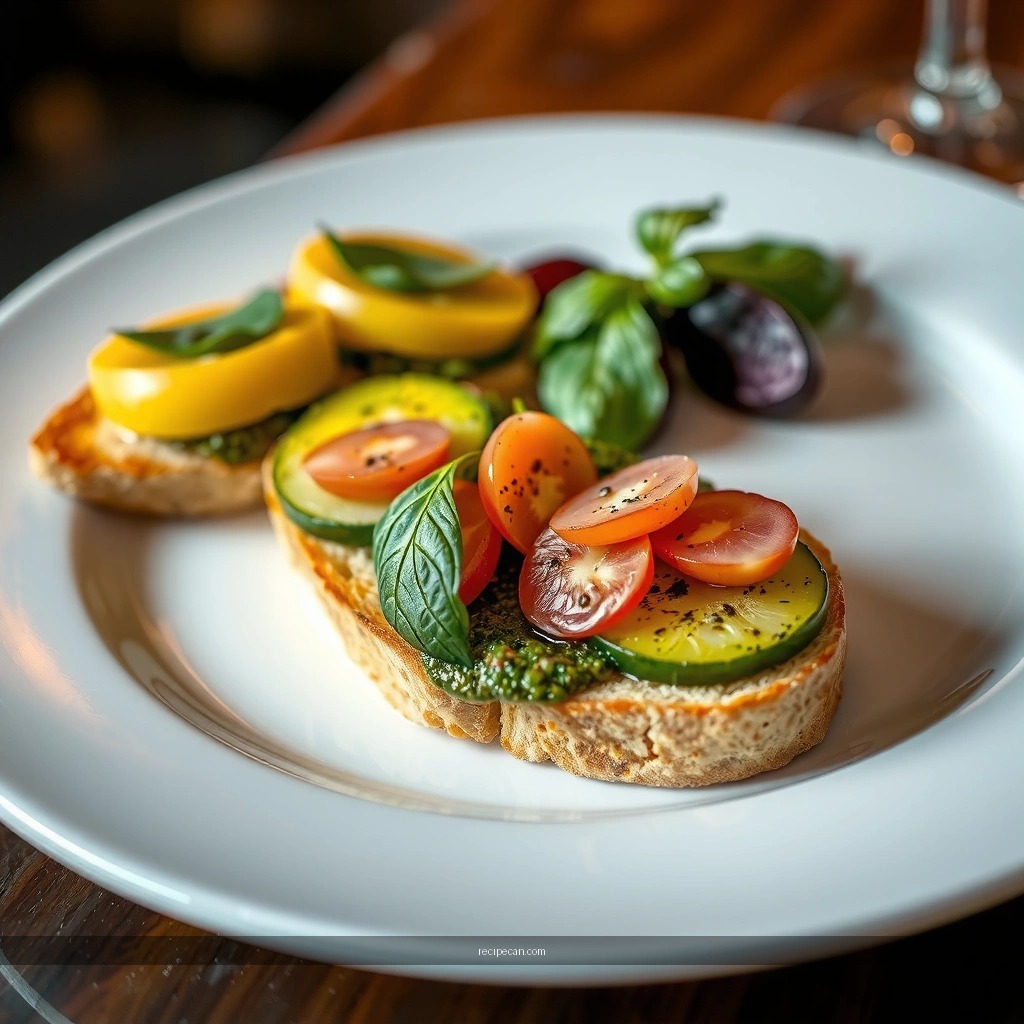
– Slice bread and toast until golden and crisp
– Rub with garlic and lightly drizzle with olive oil (optional)
– Let toasted bread cool briefly so it stays crunchy
Great bruschetta starts with bread that’s crisp enough to “hold” pesto. If your slices are thick, they may brown before they crisp; if they’re thin, they can burn quickly. Aim for golden edges with a firm bite.
Best-toasting method:
– Oven: Preheat to 425°F / 220°C. Bake 6–10 minutes depending on thickness, flipping once if needed.
– Skillet option: Toast over medium heat 1–2 minutes per side for smaller batches.
Garlic rub (optional but high-impact):
Rub halved garlic over warm bread right after toasting. The goal is aromatic infusion—not overwhelming garlic bite. If you prefer a subtler profile, skip direct rubbing and instead mix garlic into olive oil for a light drizzle.
Oil strategy:
A small drizzle of olive oil helps browning and adds a pleasant mouthfeel, but too much oil can soften bread. Think “gloss,” not “soak.”
Cooling time matters:
Let crostini cool 30–60 seconds before assembling. This prevents pesto from melting in a way that can create soggy spots.
Assemble the Bruschetta with Pesto
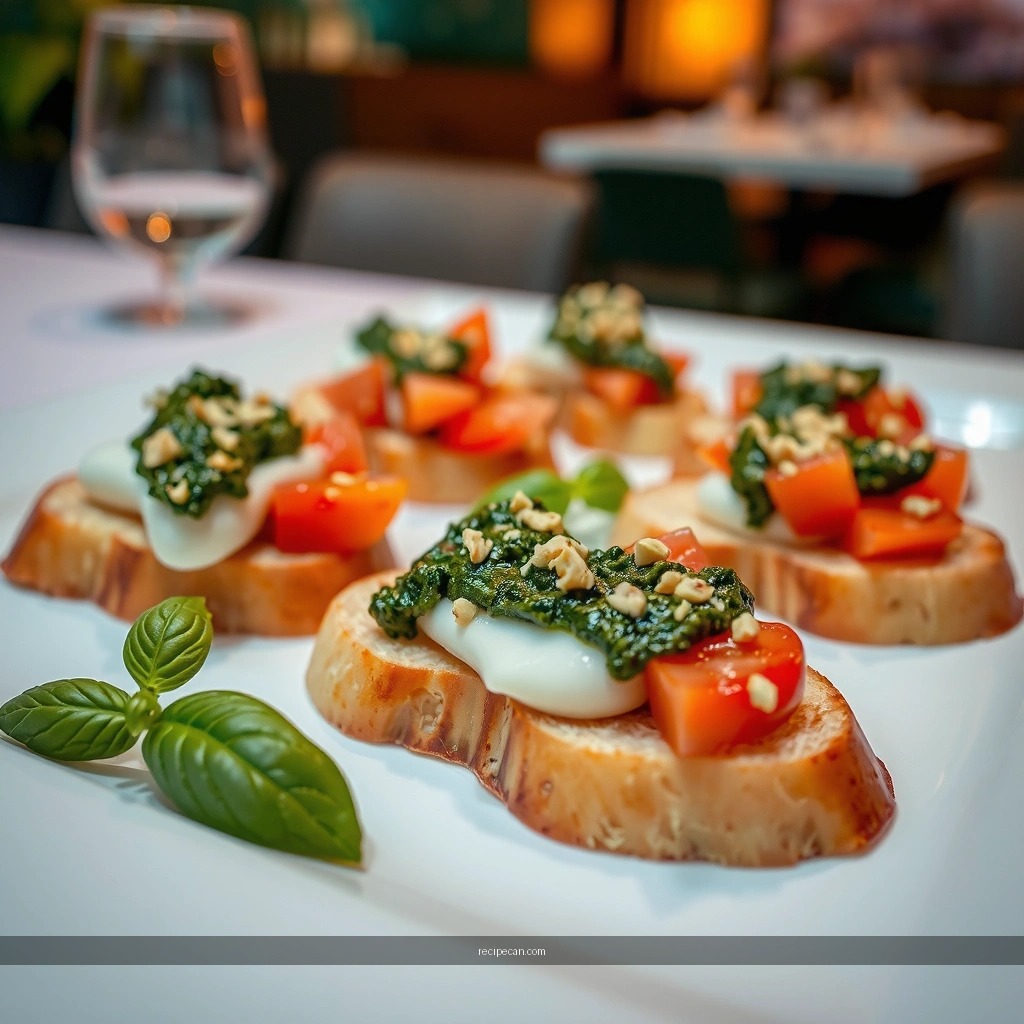
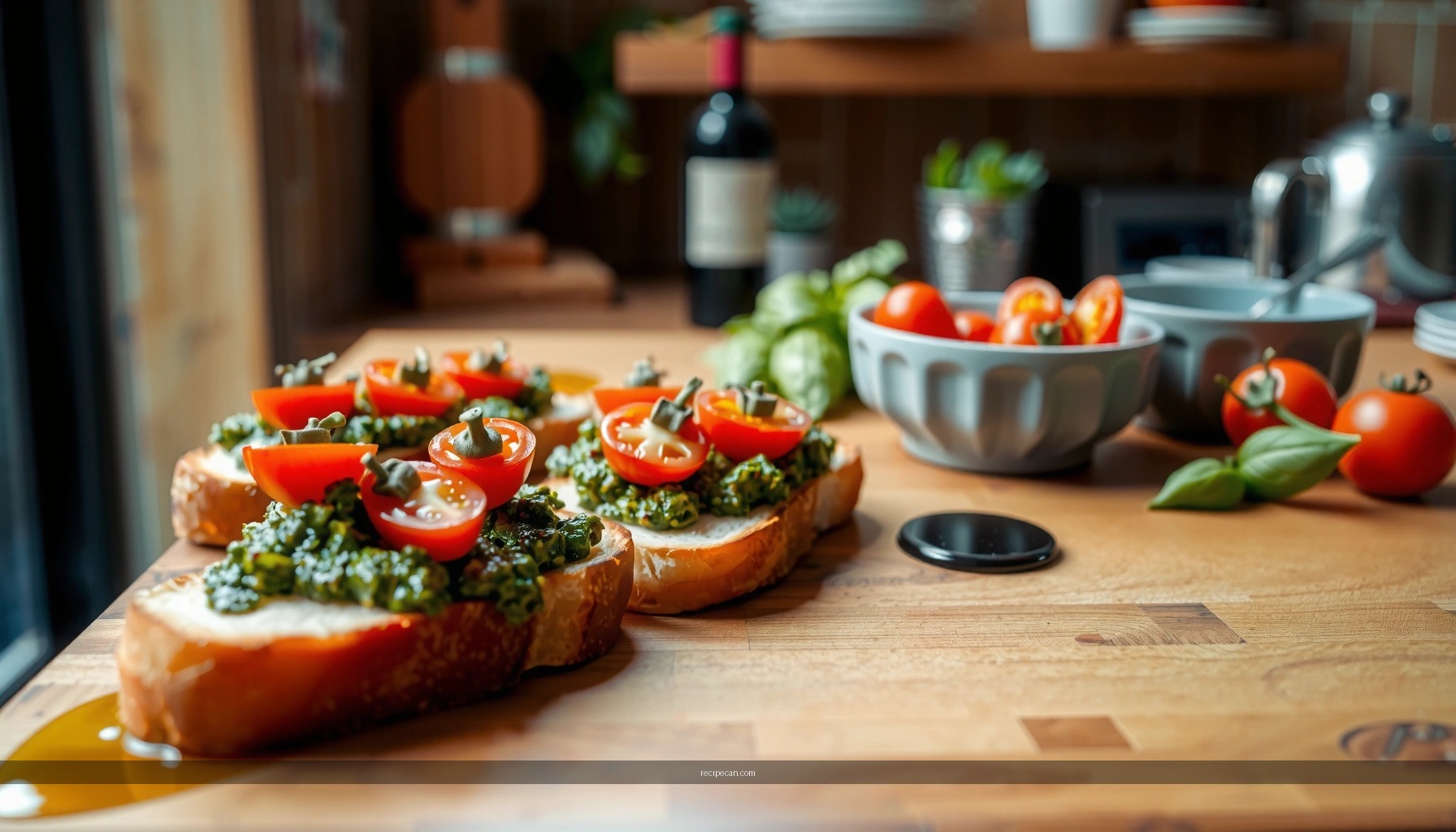
– Spread pesto generously over each toasted slice
– Keep portions balanced to avoid soggy bread
– Add toppings right after spreading for maximum freshness
Assembly is where the recipe moves from “good” to “memorable.” Bruschetta is essentially a timing exercise: crisp bread plus moist toppings equals a countdown to softness.
1) Spread pesto with control:
Use a spoon to spread pesto evenly. The layer should be generous enough to taste in every bite, but not so thick that it pools. If your pesto is very oily or runny, give it a quick stir first.
2) Topping last, topping fast:
Add tomatoes, basil, cheese, lemon zest, or chili flakes immediately after pesto hits the bread. The fresher the topping moment, the better the texture and aroma.
3) Portion and dryness are your texture tools:
– If using tomatoes: drain off excess juices or blot very lightly with a paper towel.
– If using mozzarella/burrata: pat surface moisture off gently.
– If using olives or roasted peppers: keep them chopped fine so they distribute without sliding.
4) Finish thoughtfully:
A light sprinkle of flaky salt can elevate flavor and sharpen the pesto. Add it after topping so it lands on the food, not trapped under pesto.
Add Classic Toppings and Variations
– Tomatoes + basil for a bright, fresh bite
– Mozzarella or burrata for extra creaminess
– Lemon zest or red pepper flakes for added zing
Here are practical topping formulas you can mix and match—each designed to complement pesto’s herbal, garlicky profile while preserving the bruschetta’s signature contrast of crisp + fresh.
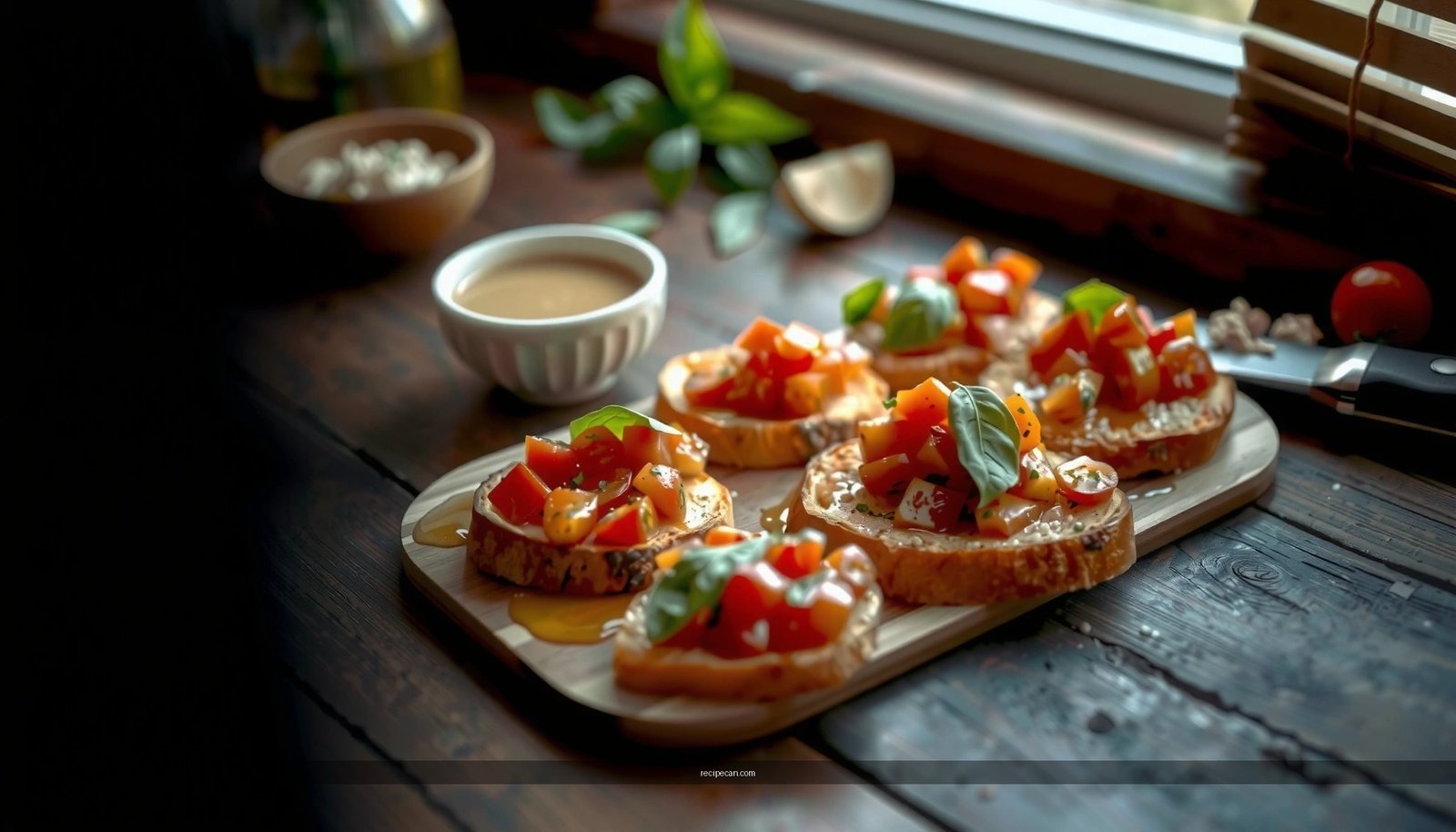
Classic Tomato-Basil (bright and crowd-friendly):
– Diced tomatoes (or cherry tomatoes halved)
– Torn basil
– Optional: a drizzle of extra virgin olive oil and a squeeze of lemon
Why it works: acidity wakes up pesto’s richness, while basil reinforces the herbal notes.
Creamy Variation: mozzarella or burrata (for a “pizzeria” effect):
– Fresh mozzarella slices or torn pieces
– Burrata for extra indulgence (add it last so it stays delicate)
Optional upgrades:
– Thin tomato slices under the cheese for moisture control
– A crack of black pepper plus flaky salt
Zing + Heat (for a modern twist):
– Lemon zest (microplane for fine zest)
– Red pepper flakes to taste
Why it works: citrus boosts perceived freshness; chili heat adds a clean, lingering finish.
Business-friendly plating tip:
If you’re serving more than a few people, set toppings in small bowls and station assembly at the last minute. This maintains quality and reduces the “kitchen bottleneck” effect.
Serve and Store Like a Pro
– Serve immediately for the best crunch and flavor
– Avoid storing once assembled—bread can soften quickly
– Prep components ahead: toast bread later or refresh with quick re-toast
Bruschetta’s quality is time-sensitive. Once assembled, the bread absorbs moisture from pesto and toppings, and the crisp texture declines quickly.
Best practice for service:
– Assemble in waves (e.g., 10–15 pieces at a time)
– Keep crostini warm but not steamy (a low oven is fine)
– Set toppings on the counter; keep refrigerated items chilled until the last moment
Storage reality (what to do instead):
– Don’t store assembled bruschetta if you want crunch.
– Do store components: pesto in an airtight container; sliced/chopped toppings separately; bread plain or toasted but unassembled.
Refreshing crostini:
If you toasted earlier, re-crisp just before serving:
– Oven: 3–4 minutes at 425°F / 220°C
– Or toaster: 1–2 minutes
This restores bite without changing flavor.
Make It in Minutes (Quick Method)
– Use store-bought pesto and no-fuss toppings for speed
– Toast bread while you mix or chop toppings
– Assemble in under 10 minutes for a fast appetizer
This quick method keeps the core formula—crispy bread + pesto + fresh topping—but removes extra steps that aren’t necessary for great results.
Workflow that reliably hits under 10 minutes:
1. Start toasting crostini (oven or skillet).
2. While bread cooks, chop tomatoes (or prep halved cherry tomatoes) and tear basil.
3. Open pesto and stir (optional lemon splash if needed).
4. Spread pesto, add toppings, finish with flaky salt and lemon zest (optional).
5. Serve immediately.
Fast pairing ideas when you’re short on time:
– Pesto + halved cherry tomatoes + basil + flaky salt
– Pesto + mozzarella + olive oil drizzle
– Pesto + roasted red peppers + lemon zest
Portion strategy for gatherings:
Plan roughly 1–2 crostini per person for a light appetizer, or 3–4 if you’re serving it as the main snack option.
Bruschetta with pesto is all about crisp toasted bread, generous pesto, and fresh toppings added at the last moment. Follow the steps above for easy, restaurant-style flavor—then make it your own with tomato, basil, or a creamy cheese variation. Try the recipe today and serve it immediately for the best crunch.
Frequently Asked Questions
How do I make bruschetta with pesto using fresh basil?
Start by toasting slices of crusty bread in the oven or on a skillet until golden and crisp, then rub them lightly with a cut garlic clove for extra flavor. Blend fresh basil with pine nuts, garlic, Parmesan, and olive oil to create a pesto, adjusting consistency with more olive oil as needed. Spoon pesto onto the warm bruschetta, then finish with a drizzle of olive oil and a sprinkle of Parmesan.
What’s the best bread for bruschetta with pesto?
The best bread is something sturdy with a crisp crust, such as ciabatta, baguette, or rustic Italian bread. Choose slices about 3/4-inch thick so they toast well without becoming too hard. Toasting matters: cook until the bread is firm and lightly browned, because soggy bread will ruin the texture contrast with pesto.
Which pesto works best for bruschetta—homemade or store-bought?
Homemade pesto is ideal when you want vibrant basil flavor and control over salt, garlic, and oil levels. Store-bought pesto works great for quick bruschetta with pesto, especially if you choose a high-quality option with real basil, olive oil, and Parmesan. If your pesto tastes strong or salty, thin it slightly with a spoon of olive oil before spreading.
Why is my bruschetta with pesto soggy, and how can I prevent it?
Bruschetta gets soggy when pesto is added too early or when the bread isn’t fully toasted. Prevent this by toasting the bread until crisp, letting it cool for a minute so steam settles, and then adding pesto right before serving. If you add tomatoes or fresh toppings, pat them dry and keep toppings separate until the last moment.
How can I upgrade a basic bruschetta with pesto for a crowd?
Use a topping strategy: spread pesto on toasted bread, then add finishing touches like cherry tomatoes (halved and lightly salted), mozzarella pearls, or thin-sliced roasted peppers. For extra flavor, add a squeeze of lemon juice, flaky sea salt, and freshly cracked black pepper just before serving. You can prep components ahead—toast bread and make pesto in advance—then assemble close to serving for the best texture.
References
- Bruschetta
https://en.wikipedia.org/wiki/Bruschetta - Pesto
https://en.wikipedia.org/wiki/Pesto - https://www.britannica.com/topic/bruschetta
https://www.britannica.com/topic/bruschetta - https://www.nytimes.com/interactive/food/recipe-pesto.html
https://www.nytimes.com/interactive/food/recipe-pesto.html - https://www.theguardian.com/food/2013/jun/07/homemade-pesto-recipe
https://www.theguardian.com/food/2013/jun/07/homemade-pesto-recipe - https://www.mayoclinic.org/healthy-lifestyle/recipes/rec-20126521
https://www.mayoclinic.org/healthy-lifestyle/recipes/rec-20126521 - Google Scholar Google Scholar
https://scholar.google.com/scholar?q=bruschetta+pesto+recipe - Google Scholar Google Scholar
https://scholar.google.com/scholar?q=pesto+recipe+traditional+italian+genovese - Google Scholar Google Scholar
https://scholar.google.com/scholar?q=bruschetta+with+pesto+recipe - bruschetta with pesto recipe – Search results
https://en.wikipedia.org/wiki/Special:Search?search=bruschetta+with+pesto+recipe