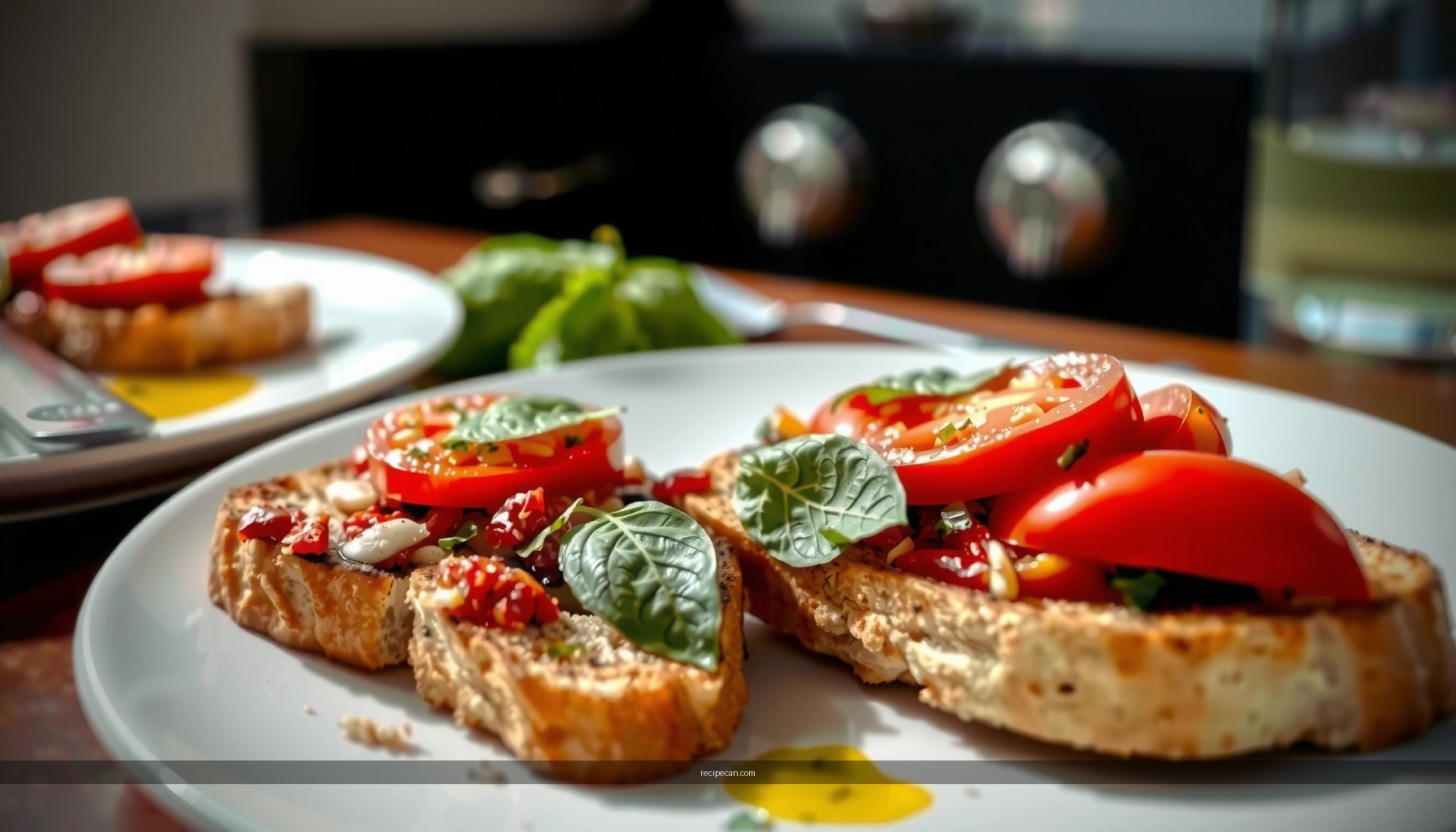
You can make a vegan bruschetta recipe that tastes like restaurant-quality—fresh tomatoes, garlicky olive oil, and a crisp toast—in under 20 minutes. This step-by-step method gives you the right topping ratio and best texture so every bite is bright, garlicky, and full of flavor. If you want the easiest way to serve vegan bruschetta that doesn’t fall flat, this is the one.
You can make restaurant-style vegan bruschetta fast by topping crisp, warm toast with a tomato–garlic–herb mixture brightened by olive oil and seasoning. This recipe focuses on the two things that matter most—properly seasoned topping and well-timed assembly—so your bread stays crunchy while the flavors taste bold and fresh.
Choose the Right Bread and Toppings

A great vegan bruschetta starts with a foundation that can handle juicy tomatoes without going limp. For business-style consistency (and repeatable results), treat bread choice like “structural engineering”: pick something sturdy, with enough crust to protect the crumb.
Bread that toasts well
– Sourdough: Tangy and sturdy, it holds up well to moist toppings.
– Baguette: Crunchy crust and airy interior; slice thick enough (about 3/4 inch) so it doesn’t collapse.
– Ciabatta (optional): Works if you toast thoroughly, but it can soak faster—watch the timing closely.
Tomatoes and herbs that drive flavor
– Ripe tomatoes (Roma or vine-ripened): Look for firm-but-giving tomatoes with fragrant aroma—sweetness and juiciness reduce the need for extra sugar or heavy sauces.
– Fresh herbs:
– Basil for classic Italian brightness
– Parsley for a cleaner, peppery green note
– Optional: oregano for a more Mediterranean profile
Quality signal: If you have the option, buy tomatoes the same day (or use refrigerated ones that are fully ripe). Bruschetta is “raw-material sensitive,” and flavor differences are noticeable.
What about vegan substitutes?
Because this recipe is dairy-free, you’ll rely on olive oil, garlic, and herb aromatics rather than cheese for punch. If you still crave richness, add optional upgrades later (see “Optional Vegan Upgrades”).
Make the Tomato-Garlic Bruschetta Mixture
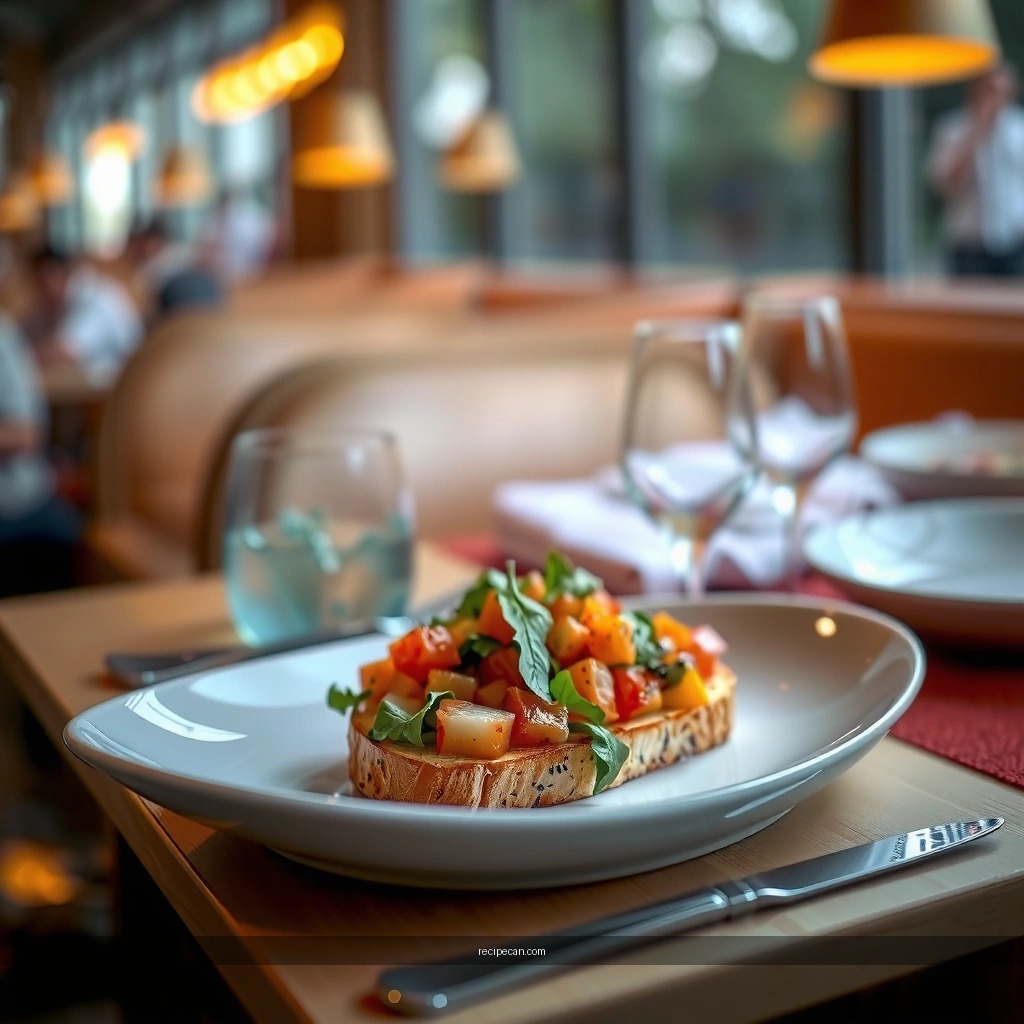
The topping is where most recipes either shine or fail. The goal isn’t just mixing—it’s seasoning distribution and flavor melding.
Simple method (works every time)
1. Dice tomatoes into small, even pieces (roughly 1/4–1/2 inch). This helps every bite get tomato, garlic, and oil.
2. Minced garlic: Use fresh minced garlic for sharp, aromatic impact. Start with 1–2 cloves per 2 cups tomatoes, then adjust.
3. Olive oil: A generous drizzle improves mouthfeel and carries flavor. Aim for about 2–3 tablespoons olive oil for a typical batch (enough to lightly coat without pooling excessively).
4. Salt: Add it early so tomatoes release more juice and create a naturally glossy topping.
5. Black pepper: Add to taste; it balances tomato sweetness.
6. Optional balsamic splash: A teaspoon to a tablespoon can add depth and mild acidity, especially if your tomatoes aren’t perfectly ripe.
Let it sit briefly
– Rest the mixture for 5–15 minutes. This isn’t “marinating for hours”—it’s just enough time for salt to penetrate and garlic–oil notes to bloom.
– If you let tomatoes sit too long, they can release too much liquid. For best crunch, assemble soon after resting.
When should you add herbs?
Add most herbs after mixing, then reserve a small portion for the top. This keeps aroma vivid—fresh basil, in particular, can taste dull if it sits under acid and heat for too long.
Timing matters: a practical view
Below is a quick reference for typical prep steps so you can coordinate topping and toast for crisp, not soggy, vegan bruschetta.
How Quickly Vegan Bruschetta Steps Pay Off (Typical Timing)
| # | Step | Recommended Time | Best Outcome Metric | Flavor Impact |
|---|---|---|---|---|
| 1 | Toast bread (golden + crisp) | 6–9 min | Crisp crust, dry crumb | ★★★★★ |
| 2 | Dice tomatoes | 4–7 min | Even pieces, consistent bite | ★★★★☆ |
| 3 | Toss tomato + garlic + oil | 6–10 min | Coated tomatoes, visible oil sheen | ★★★★★ |
| 4 | Rest mixture (flavor meld) | 5–15 min | Balanced salt + garlic aroma | ★★★★☆ |
| 5 | Assemble (top and serve) | 2–4 min | Topping sits on toast without pooling | ★★★★★ |
| 6 | Serve window after topping | 0–10 min | Toast stays crisp at first bite | ★★★☆☆ |
| 7 | Over-rest (too much liquid) | >30–45 min | More pooling; faster sogginess | ★★☆☆☆ |
Toast the Bread for the Perfect Crunch
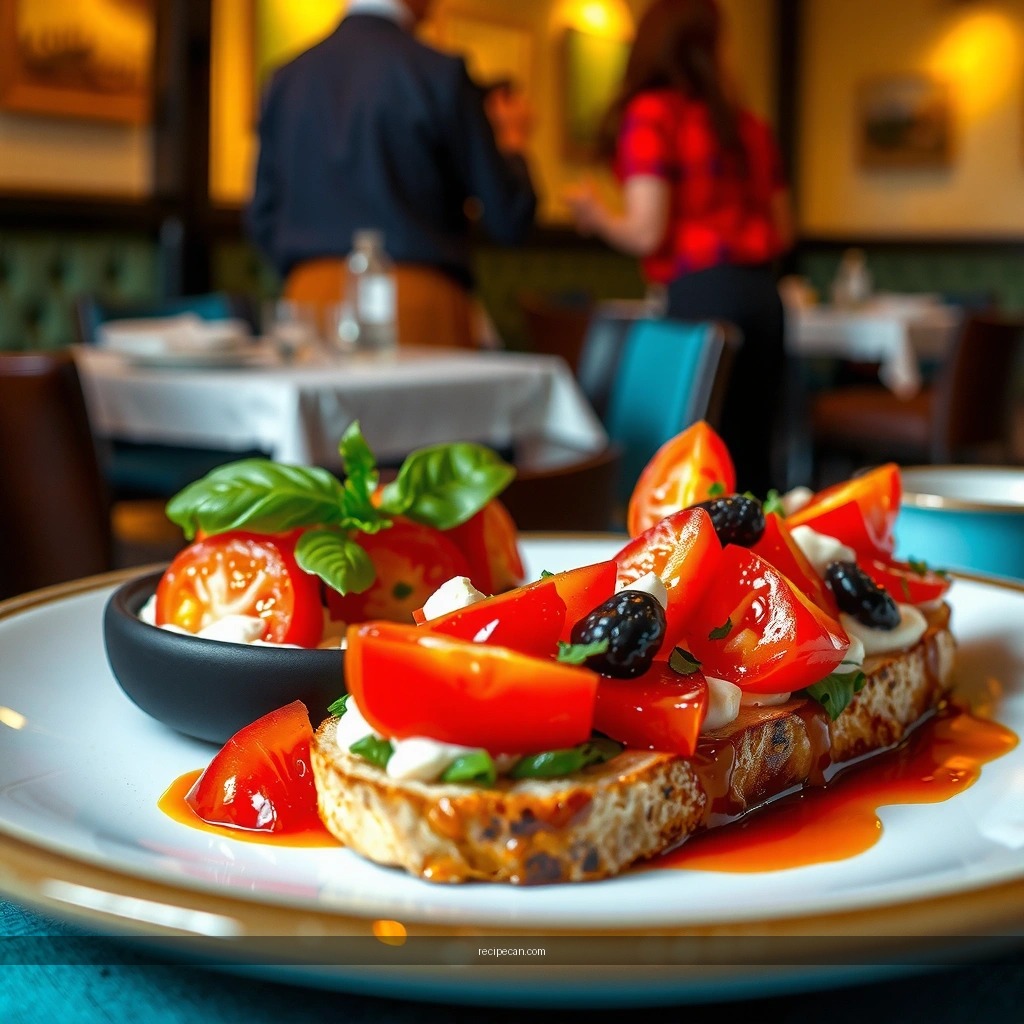
Toasting is where you protect the experience. If the bread isn’t crisp enough, the topping will soften it. If it’s over-dried, it can taste hard and bitter.
How to toast
– Toast in an oven or toaster until golden and crisp at the edges. For thicker slices, use the oven so heat reaches the center.
– Avoid burning: dark toast increases bitterness and can mask tomato sweetness.
Optional garlic rub
For extra classic flavor, rub the warm toast with a cut garlic clove right after toasting. This gives a gentle garlic aroma without concentrating raw garlic in the topping.
– Keep toast hot and dry until assembly.
– Use spooning technique: add topping generously, but avoid drowning slices in excess tomato liquid.
Pro tip for consistency: If you’re serving a group, toast in batches and assemble in waves so every slice gets the best chance at crunch.
Assemble and Season to Taste
This is the “last mile” where diners decide whether it tastes like a homemade meal or a restaurant dish.
Assembly steps
1. Spoon the tomato mixture on each slice right before serving.
2. Top with fresh herbs (basil or parsley) on the surface so aroma hits first.
3. Optional finishing touch: a drizzle of olive oil or a pinch of flaky salt.
Taste and adjust before serving
Tomatoes vary by sweetness and acidity. Use a quick tasting checklist:
– Too flat? Add a small pinch more salt or a tiny splash of balsamic/lemon.
– Too sharp? Add a bit more olive oil and a pinch of salt to round it.
– Too watery? Spoon off some excess liquid (or let the mixture sit slightly longer, then drain a teaspoon of juice).
Portion guidance
– For an appetizer, plan 1 thick slice per person with a generous spoonful.
– For a snack or smaller serving, use smaller pieces but keep topping-to-bread ratio balanced.
Optional Vegan Upgrades
Once the base is dialed in, upgrades let you tailor bruschetta to different flavor profiles—still fully vegan, but with more depth.
Add briny complexity
– Olives (chopped): add saltiness and a savory “umami lift.”
– Capers: tiny bursts of tang that make tomato taste brighter.
– Roasted red peppers: mellow sweetness and a smoky note.
Increase richness without dairy
– Chopped sundried tomatoes: intensify the tomato flavor and add a chewy, concentrated sweetness.
– Vegan parmesan: sprinkle lightly for a nutty/salty finish.
– Extra olive oil: a final drizzle can make flavors feel more “cohesive” even without cheese.
When to add upgrades
Add them to the tomato mixture or on top depending on texture:
– Texture-sensitive items (olives, capers): mix in.
– Delicate finishes (vegan parmesan, basil leaves): place on top right before serving.
Serving and Storage Tips
Vegan bruschetta is best served immediately, but you can prepare strategically to stay organized—especially if you’re hosting.
For best texture
– Serve within 0–10 minutes after assembling. That’s the window where bread is still crisp at first bite.
– If you need to wait, keep tomato topping separate and assemble closer to serving.
Meal-prep workflow (efficient and reliable)
– Prep the topping ahead: Make the tomato mixture, refrigerate, and bring it to near room temperature before serving (cold olive oil can feel muted).
– Toast right before eating: Crisp bread is the priority.
Storage
– Store leftover tomato topping in a sealed container in the fridge for 1–2 days.
– Keep in mind that the mixture will naturally release more liquid over time, so stir and taste again before serving.
Reheating note
– Re-toast bread if needed: a quick oven re-crisping can restore structure, but pre-topped bruschetta can never be as perfect as fresh assembly.
—
After you toast crisp bread, the key is letting the tomato-garlic mixture season properly and assembling right before serving. Follow the simple build—fresh tomatoes, herbs, olive oil, and garlic—for bold, classic bruschetta flavor without dairy. Make a batch today, add your favorite upgrades, and serve it as an easy appetizer or snack!
In conclusion, the best vegan bruschetta comes from two controllable variables: a sturdy, well-toasted bread and a tomato-garlic-herb topping that’s correctly seasoned and timed for assembly. Choose ripe tomatoes, rest the mixture briefly for flavor melding, toast until golden and crisp, and finish with fresh herbs for maximum brightness—then optionally customize with olives, capers, roasted peppers, or vegan parmesan to match your preferred flavor profile.
Frequently Asked Questions
What are the best tomatoes to use for a vegan bruschetta recipe?
Choose ripe, juicy tomatoes like Roma, heirloom, or vine-ripened varieties for the most flavor. If your tomatoes are watery, drain excess liquid and chop them finely so the vegan bruschetta topping stays thick and doesn’t soak the bread. For extra richness, add a touch of high-quality olive oil, salt, and garlic to the tomato mixture.
How do you make a vegan bruschetta topping that doesn’t get watery?
Salt the chopped tomatoes lightly and let them sit for 10–15 minutes, then drain any released juices before mixing with garlic, basil, and olive oil. You can also use less “wet” tomato types (like Roma) and chop them small to help the topping hold together. For best results, assemble the bruschetta right before serving so the bread stays crisp.
Which vegan cheese (or alternatives) work best on bruschetta?
Traditional bruschetta is often dairy-free, but if you want a cheesy vegan twist, try store-bought vegan feta, marinated tofu “ricotta,” or a cashew cream. For a simple option, skip cheese and rely on flavorful toppings like balsamic-glazed onions, olives, or extra basil and olive oil. If using cashew-based vegan cheese, add lemon juice to boost tang and balance the tomatoes.
Why should you toast the bread for vegan bruschetta, and what’s the best method?
Toasting prevents the bread from becoming soggy when you add tomato topping. Brush slices with olive oil, then bake at about 400°F (200°C) for 6–10 minutes or toast in a skillet until crisp and golden. Rub the toast with a cut garlic clove right after toasting for extra aroma without making it overly garlicky.
What’s the best way to prep vegan bruschetta ahead of time for parties?
Prep components separately: chop tomatoes and herbs, mix the topping, and store it in the fridge in an airtight container, but keep toasted or oiled bread separate. Assemble vegan bruschetta only when guests are ready to eat so the bread remains crunchy. If needed, re-crisp bread in the oven for a few minutes after toasting, then add the fresh topping.
References
- Google Scholar Google Scholar
https://scholar.google.com/scholar?q=vegan+bruschetta+recipe - Google Scholar Google Scholar
https://scholar.google.com/scholar?q=vegan+bruschetta+tomato+basil+recipe - Google Scholar Google Scholar
https://scholar.google.com/scholar?q=vegan+bruschetta+recipe+whole+wheat+bread - Bruschetta
https://en.wikipedia.org/wiki/Bruschetta - Caprese salad
https://en.wikipedia.org/wiki/Caprese_salad - https://en.wikipedia.org/wiki/Tomato_salad
https://en.wikipedia.org/wiki/Tomato_salad - https://www.thekitchn.com/how-to-make-bruschetta-260544
https://www.thekitchn.com/how-to-make-bruschetta-260544 - vegan bruschetta recipe – Search results
https://en.wikipedia.org/wiki/Special:Search?search=vegan+bruschetta+recipe - https://www.ncbi.nlm.nih.gov/search/research-articles/?term=vegan+bruschetta+recipe
https://www.ncbi.nlm.nih.gov/search/research-articles/?term=vegan+bruschetta+recipe