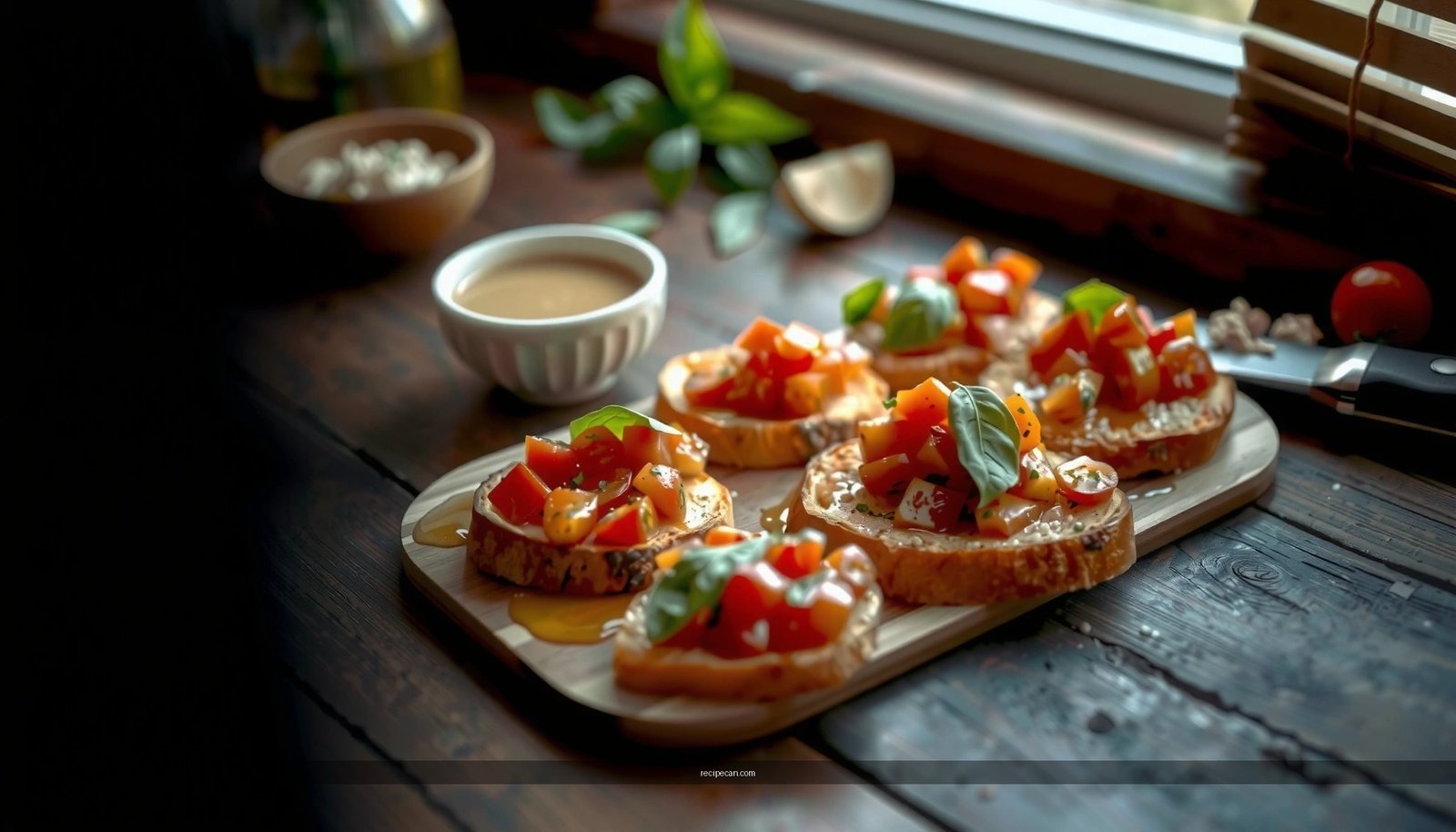
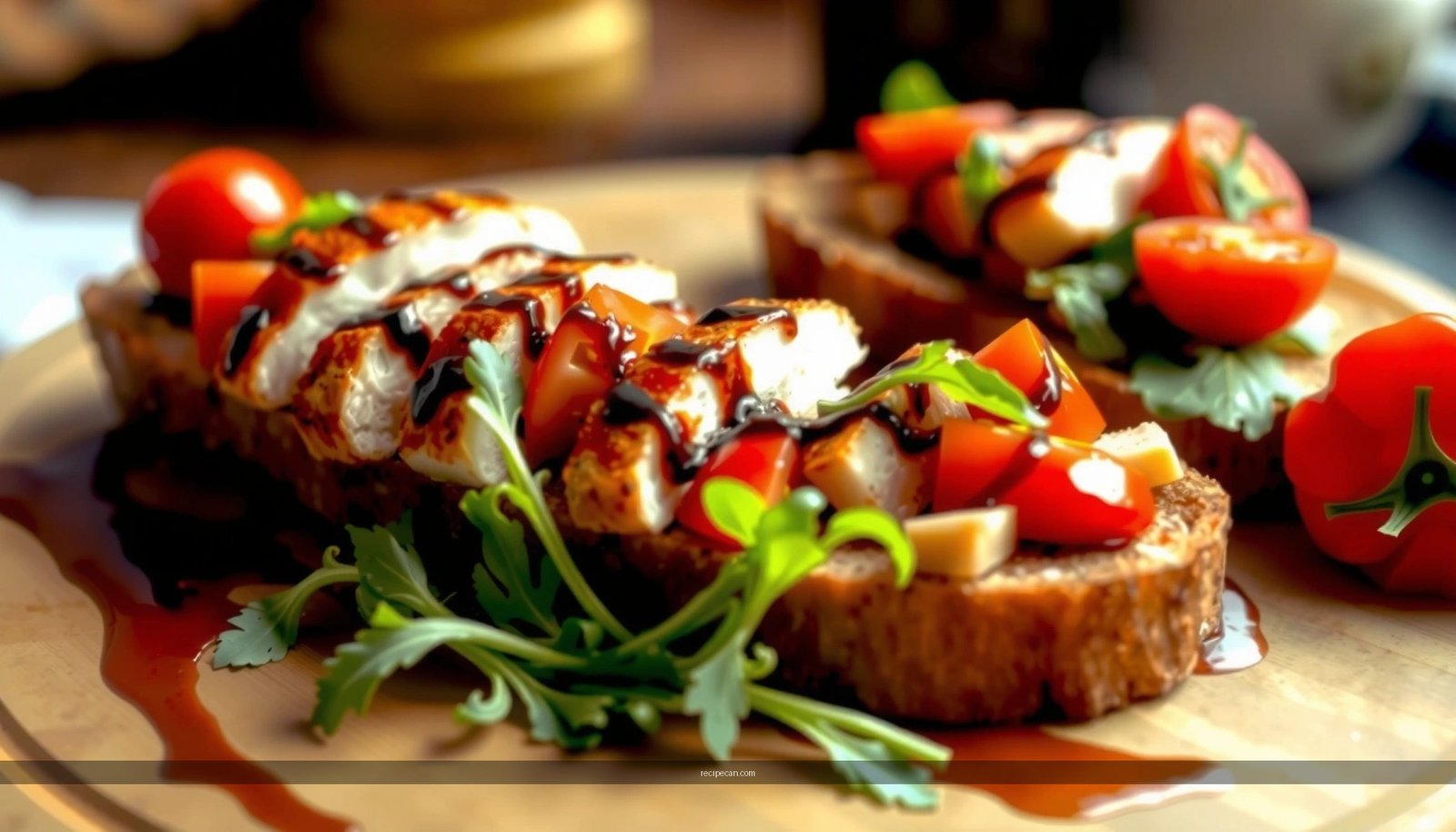
Get a burrata bruschetta recipe that delivers the creamiest bite without fuss: crusty grilled bread topped with fresh tomato, basil, and perfectly seasoned burrata. This is the clear winner if you want an appetizer that tastes restaurant-worthy in minutes, not an hour-long project. You’ll get the exact assembly order and timing to keep the bread crisp while the burrata stays rich and soft.
This burrata bruschetta recipe delivers an immediately impressive appetizer by combining crispy toasted bread with creamy burrata and a quick tomato-basil topping. In about 15 minutes, you can go from pantry staples to a crowd-pleasing starter with the right timing so the bread stays crisp.
Choose the Best Bread for Burrata Bruschetta
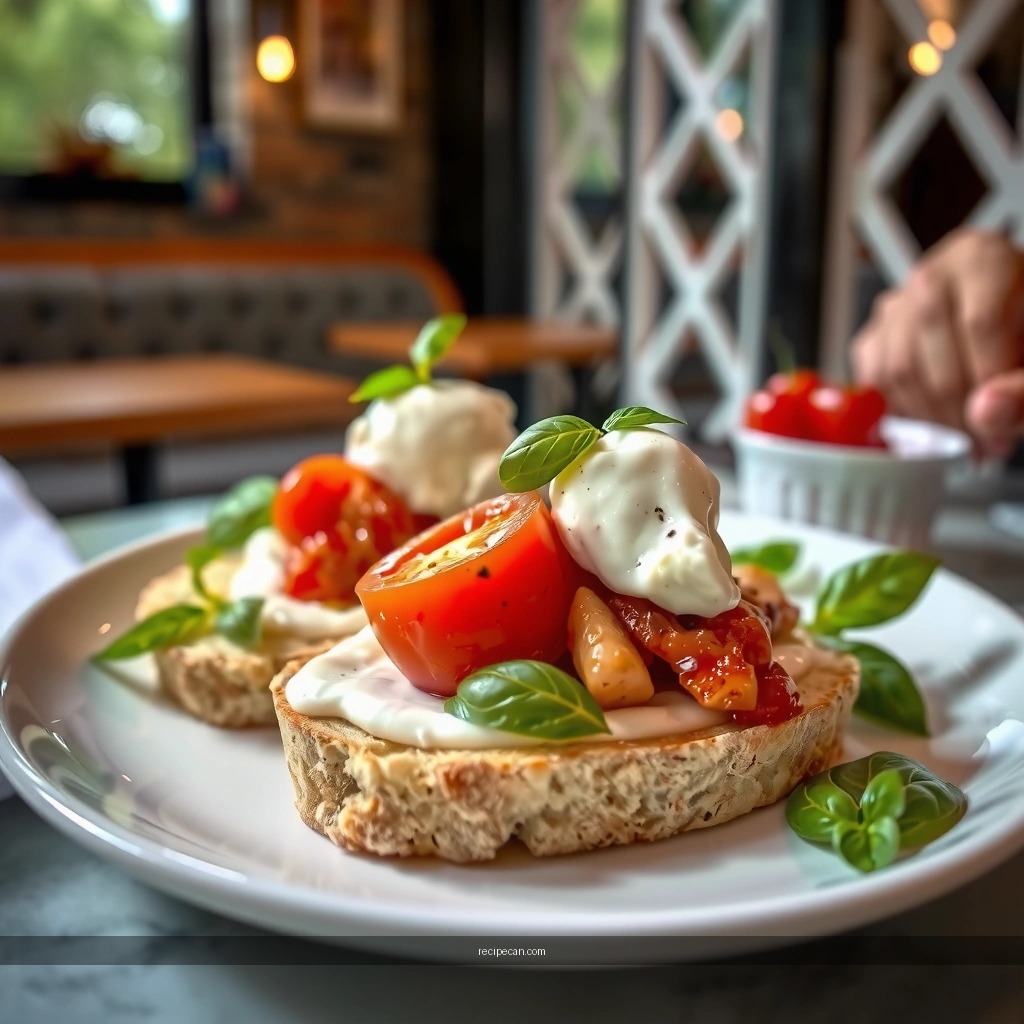
The bread is the structural “foundation” of burrata bruschetta. A good slice doesn’t just toast—it holds up under creamy toppings without turning soggy too quickly. For that reason, choose crusty, artisanal bread with a sturdy crumb.
Best options
– Ciabatta: Open crumb and airy interior; toasts quickly and develops a satisfying crunch.
– Rustic baguette: Classic bruschetta shape; crisp edges and a firm bite.
– Sourdough rounds or country loaf slices: Their tang complements tomatoes and helps balance the richness of burrata.
Slice thickness matters
– Aim for 3/4 to 1-inch slices. Thinner bread tends to crisp fast but can dry out; thicker pieces stay chewy and may not toast evenly.
– If using a baguette, cut at a slight angle for larger surface area—more toast for your toppings.
Pro tip for consistent results
– If your bread is very fresh, let it sit uncovered for 30–60 minutes so the surface dries slightly. This helps you get better browning in a skillet or oven.
Make the Tomato and Basil Topping
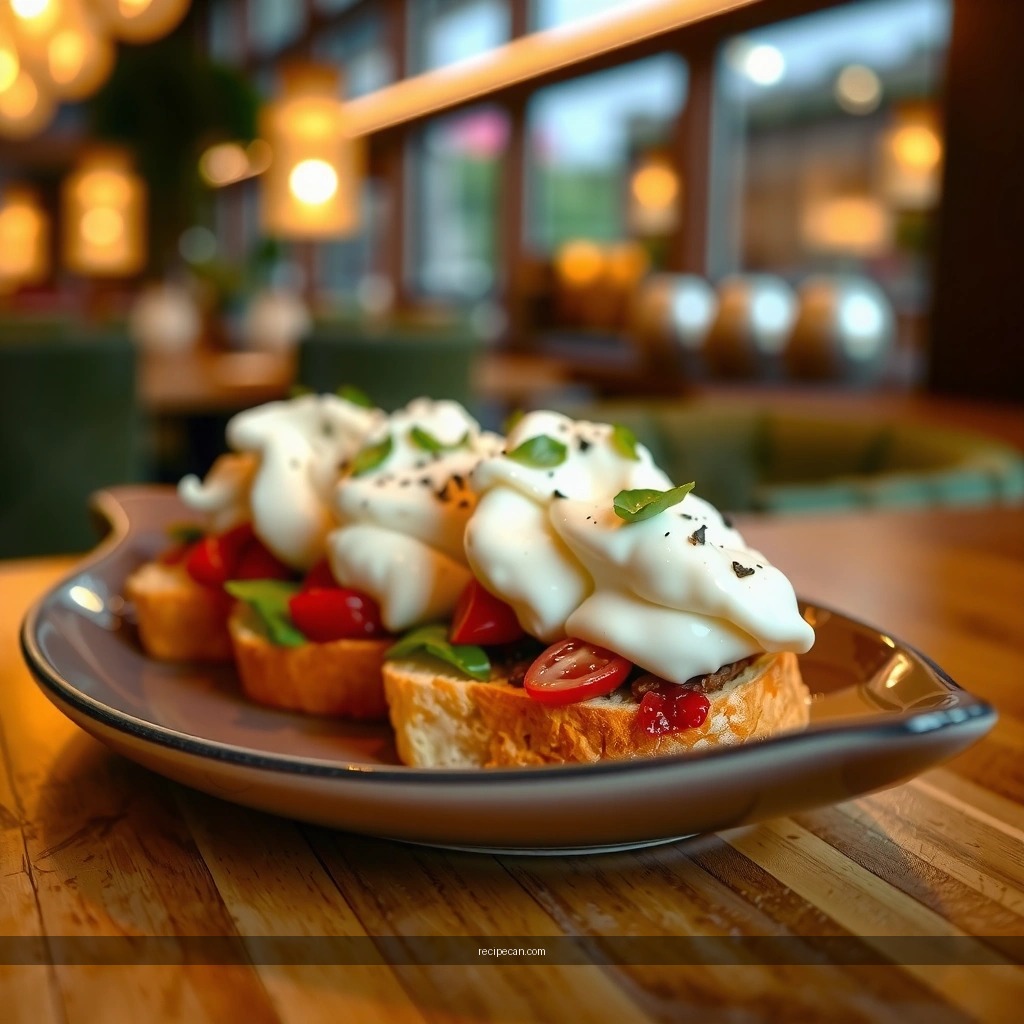
The tomato-basil topping should be flavorful, bright, and ready to add at the last minute. You’re building a quick “sauce” effect—without turning the bruschetta into a watery mess.
Core method
– Dice ripe tomatoes (Roma or vine-ripened are ideal). Smaller dice releases flavor while controlling excess juice.
– Add fresh basil and chop just enough to distribute throughout.
– Season simply and effectively:
– Extra virgin olive oil (for aroma and mouthfeel)
– Salt (to draw out tomato flavor)
– Black pepper (for balance)
Timing and moisture control
– If you toss tomatoes with salt and oil too early, they can weep and soften the bread. A practical approach is to:
– Mix tomatoes + basil + salt and pepper right before toasting (or within 5–10 minutes), then add the oil closer to serving.
– Or mix fully, but reserve a portion of the tomato mixture and spoon it on at the last second.
Elevate the flavor in seconds
– Add a small squeeze of lemon if your tomatoes taste flat—acid makes the tomato flavor pop.
– For a more “garden-fresh” aroma, use basil stems too (chopped finely), not just leaves.
Toast the Bread to Crispy Perfection
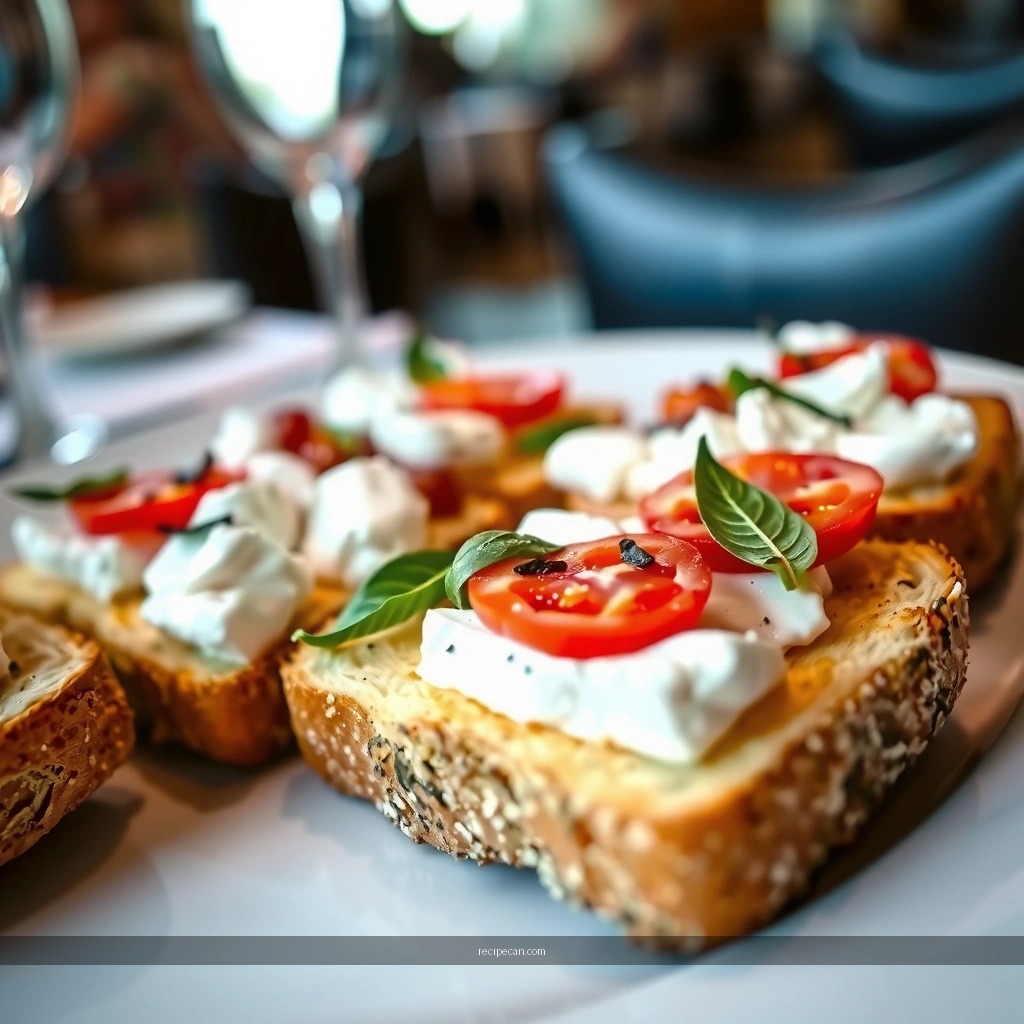
Crispy toast is what makes bruschetta feel premium. Since burrata is creamy and tender, your bread must be toasted enough to resist the toppings for at least a short window—ideally 5–10 minutes.
Two reliable techniques
1. Oven method (best for multiple servings)
– Toast at 425°F / 220°C until golden and firm, usually 8–12 minutes depending on thickness.
– Flip halfway if your oven has hot spots.
2. Skillet method (best for quick, even browning)
– Warm a skillet over medium-high heat.
– Add a small amount of olive oil and toast bread until crisp and deeply golden, about 1–2 minutes per side.
Garlic option
– For classic flavor, lightly rub the toasted bread with a cut garlic clove right after toasting.
– Keep it light—garlic should complement, not overpower, the burrata’s buttery taste.
Keep it warm without steaming
– Place toast on a tray and keep it in a low oven (around 200°F / 95°C) while you prep.
– Avoid covering with foil for long periods; trapped steam softens the crust.
Burrata vs. Similar Cheeses: Practical Texture & Flavor Fit for Bruschetta
| # | Cheese Choice | Main Texture | Tomato Pairing Match | Best Use in Bruschetta | User Rating |
|---|---|---|---|---|---|
| 1 | Burrata | Creamy core, soft exterior | High | Top hot toast; add tomatoes last | ★★★★★ |
| 2 | Mozzarella (fresh) | Soft, milky stretch | Medium-High | Serve slightly firmer; drain excess whey | ★★★★☆ |
| 3 | Ricotta | Creamy, spoonable | High | Dollop, then add tomato mixture immediately | ★★★★☆ |
| 4 | Cream cheese | Firm cream texture | Medium | Whisk with olive oil + herbs for lift | ★★★☆☆ |
| 5 | Goat cheese | Tangy, crumbly-creamy | Medium-High | Crumble lightly to avoid overpowering | ★★★★☆ |
| 6 | Feta | Salty, firm crumble | Medium | Use sparingly; reduce tomato seasoning | ★★★☆☆ |
| 7 | Parmesan (freshly grated) | Dry, savory granules | Low-Medium | Top after assembly for umami punch | ★★☆☆☆ |
Assemble Burrata Bruschetta
Assembly is where you protect contrast: hot crisp toast + cool creamy burrata + fresh tomato juices (added last). The order matters.
Step-by-step plating
1. Place burrata on top of the toasted bread.
– Use torn burrata (not sliced) for an elegant, marbled presentation.
2. Drizzle extra virgin olive oil over the burrata lightly.
– This boosts aroma and helps burrata feel “silky,” not bland.
3. Add the tomato-basil mixture right before serving.
– Spoon it onto each piece so the toast stays crisp.
Portioning guidance
– For a small appetizer, aim for about 1–2 tablespoons of tomato mixture per piece.
– Burrata amount depends on bread size, but a good target is a generous torn piece that spreads slightly across the toast.
Quality signal
– If burrata arrives very wet, pat the exterior lightly with paper towel. This reduces excess liquid that can prematurely soften the bread.
Finish with Flavor and Serving Tips
The final touches create “restaurant-level” nuance. They also provide a way to tailor flavor profiles without changing the core recipe.
Fast upgrades
– Chili flakes: A pinch adds gentle heat and makes tomatoes taste brighter.
– Balsamic glaze: Drizzle sparingly for sweetness and acidity contrast with the creamy dairy.
– Black pepper: Freshly cracked over the whole plate improves aroma immediately.
Serving strategy
– Serve within 5 minutes of assembling for best texture.
– If you’re hosting, keep elements separate:
– Toast bread until ready
– Burrata at fridge temperature (not frozen)
– Tomato mixture covered and lightly chilled
– Assemble only when guests arrive
Food safety and handling
– Burrata is perishable. Keep it cold until plating and don’t leave assembled bruschetta at room temperature for extended periods—especially in warm environments.
Variations to Try (Quick Swaps)
Once you master the classic burrata bruschetta recipe, small substitutions let you match seasonal produce and guest preferences.
– Swap tomatoes for roasted cherry tomatoes
– Roast at 400°F / 205°C with olive oil and a pinch of salt until blistered (about 15–20 minutes).
– Expect a deeper sweetness and caramelized flavor that pairs beautifully with burrata.
– Add prosciutto for a heartier bite
– Drape thin slices over the burrata just before serving.
– The salty, cured flavor creates a satisfying contrast to creamy cheese.
– Add arugula for peppery freshness
– Use a small handful of lightly dressed arugula under or beside the burrata.
– Keep dressing minimal (olive oil + lemon) to avoid sogginess.
– Try a herb swap (micro-differences that matter)
– Replace basil with tarragon for a slightly anise-like note, or mix basil with parsley for a more robust green flavor.
This burrata bruschetta recipe is fast, fresh, and guaranteed crowd-pleasing: toast crispy bread, add a simple tomato-basil topping, and finish with creamy burrata. Gather your ingredients and make your first batch today—then try one variation to find your favorite version.
Conclusion
When you focus on the three essentials—sturdy, well-toasted bread; a quick, well-seasoned tomato-basil topping; and burrata added at the right moment—burrata bruschetta becomes an easy, high-impact appetizer you can reliably serve to guests. Follow the timing tips, assemble close to serving, and use simple finishers like chili flakes or balsamic glaze to elevate flavor without complicating the process.
Frequently Asked Questions
What is the best burrata bruschetta recipe for beginners?
Start with thick slices of crusty bread, toasted until golden, then rub the warm bruschetta bread with garlic for a classic flavor base. Spoon high-quality burrata on top, and finish with juicy tomatoes, olive oil, salt, and fresh basil. If you’re new to making burrata bruschetta, keep toppings simple so the creamy burrata and bright tomato flavors stand out.
How do you keep bruschetta bread from getting soggy when adding burrata?
Toast the bread well and add toppings right before serving to preserve crunch. Use a light drizzle of olive oil instead of soaking the bread, and if your tomatoes are watery, remove excess seeds and pat them dry. For burrata bruschetta, add burrata last and spoon it directly onto the toast so the creamy center doesn’t melt into the bread too soon.
Why do chefs recommend using fresh tomatoes and basil for burrata bruschetta?
Fresh tomatoes provide acidity, sweetness, and moisture that balances the rich, buttery texture of burrata. Basil adds an herbal aroma that complements the creamy cheese and makes the whole dish feel “bright” instead of heavy. Together, they create a classic Italian bruschetta recipe style where the ingredients taste fresh rather than preserved or overly cooked.
Which tomatoes work best for burrata bruschetta—cherry, Roma, or heirloom?
Cherry tomatoes are great because they’re sweet, juicy, and easy to halve for quick assembly. Roma tomatoes are firmer and less watery, which helps prevent sogginess on your toasted bread. Heirloom tomatoes add beautiful color and complex flavor, making them an excellent choice if you want a standout burrata bruschetta appetizer for guests.
What’s the best way to serve burrata bruschetta as an appetizer for a crowd?
Set up a build-your-own burrata bruschetta station: pre-toast bread, prep tomato topping, and keep burrata chilled until serving. Slice the bread portions, then let guests assemble so the bread stays crisp and the burrata stays creamy. This approach is also practical for events because you can scale the tomato mixture and toppings without losing freshness.
References
- Google Scholar Google Scholar
https://scholar.google.com/scholar?q=burrata+bruschetta+recipe - https://scholar.google.com/scholar?q=bruschetta+with+burrata+tomato+olive+oil+recipe Google Scholar
https://scholar.google.com/scholar?q=bruschetta+with+burrata+tomato+olive+oil+recipe - Google Scholar Google Scholar
https://scholar.google.com/scholar?q=burrata+appetizer+bruschetta+recipe+technique - Burrata
https://en.wikipedia.org/wiki/Burrata - Bruschetta
https://en.wikipedia.org/wiki/Bruschetta - https://www.britannica.com/topic/bruschetta
https://www.britannica.com/topic/bruschetta - Caprese
https://en.wikipedia.org/wiki/Caprese - Mozzarella
https://en.wikipedia.org/wiki/Mozzarella - Olive oil
https://en.wikipedia.org/wiki/Extra_virgin_olive_oil - Italian cuisine
https://en.wikipedia.org/wiki/Italian_cuisine