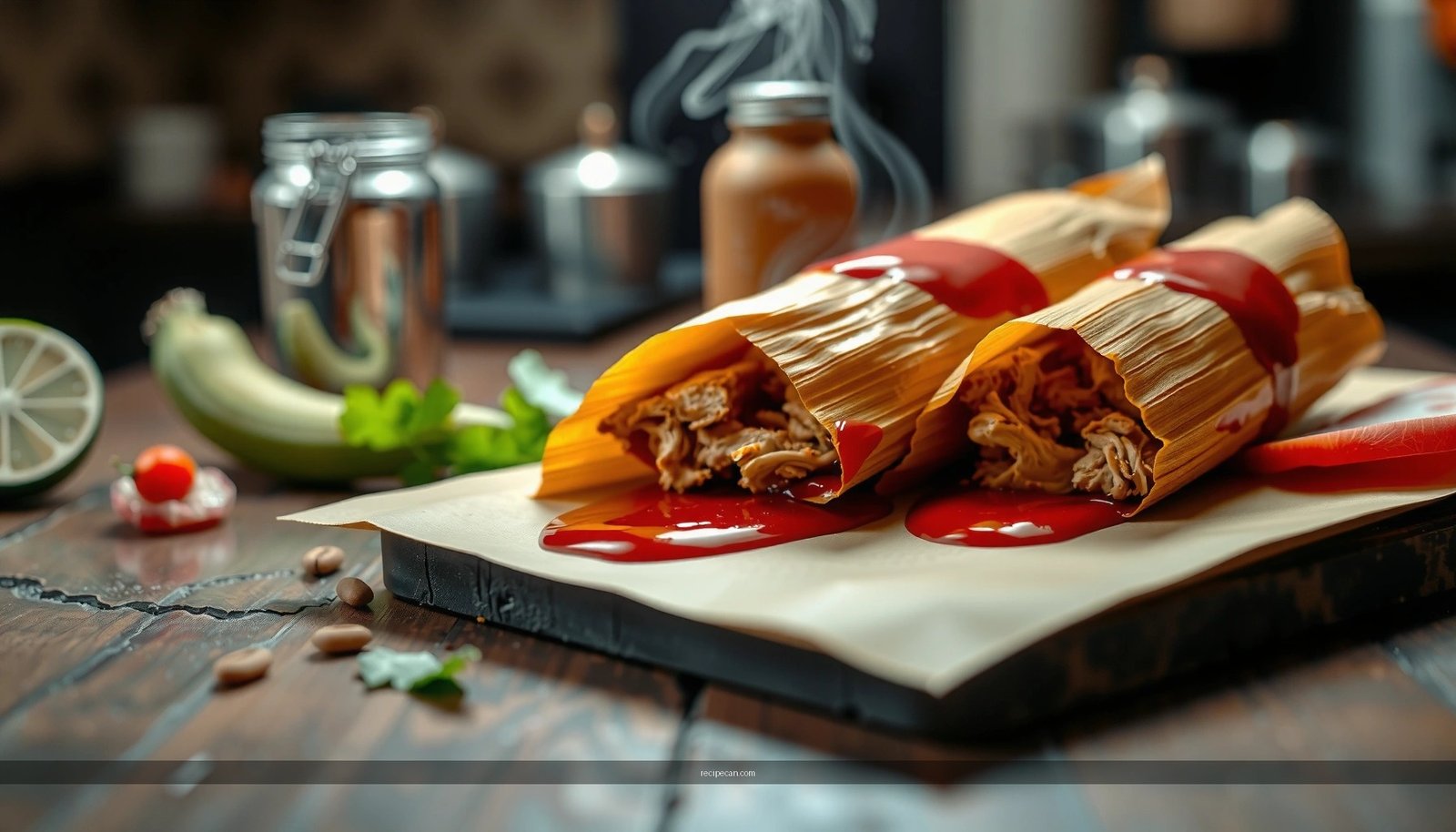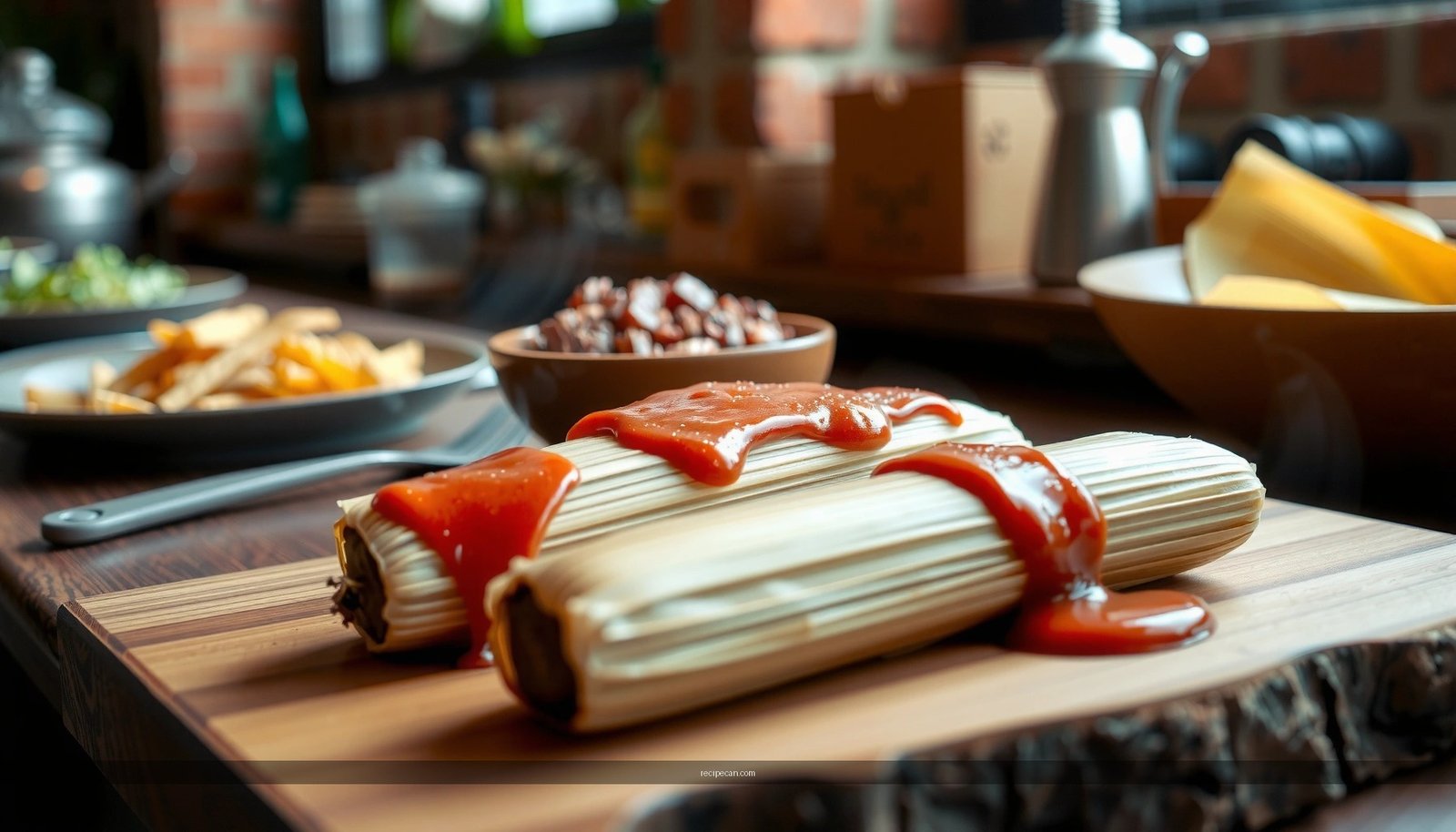
Get a reliable, step-by-step recipe for red chile pork tamales that delivers rich red chile flavor, tender pork, and tamales that steam up correctly every time. This method walks you through making the chile sauce, seasoning and cooking the pork, preparing the masa, assembling, and steaming until they set. If you want tamales with deep chile heat and a clean, firm masa finish, this is the winner technique.
Make classic red chile pork tamales by simmering tender pork in a deeply flavored red chile sauce, then spreading masa and steaming until the dough sets cleanly. This step-by-step guide covers both components—red chile pork and masa—so you can reliably assemble and steam tamales with restaurant-quality texture and flavor.
What You’ll Need (Ingredients & Tools)
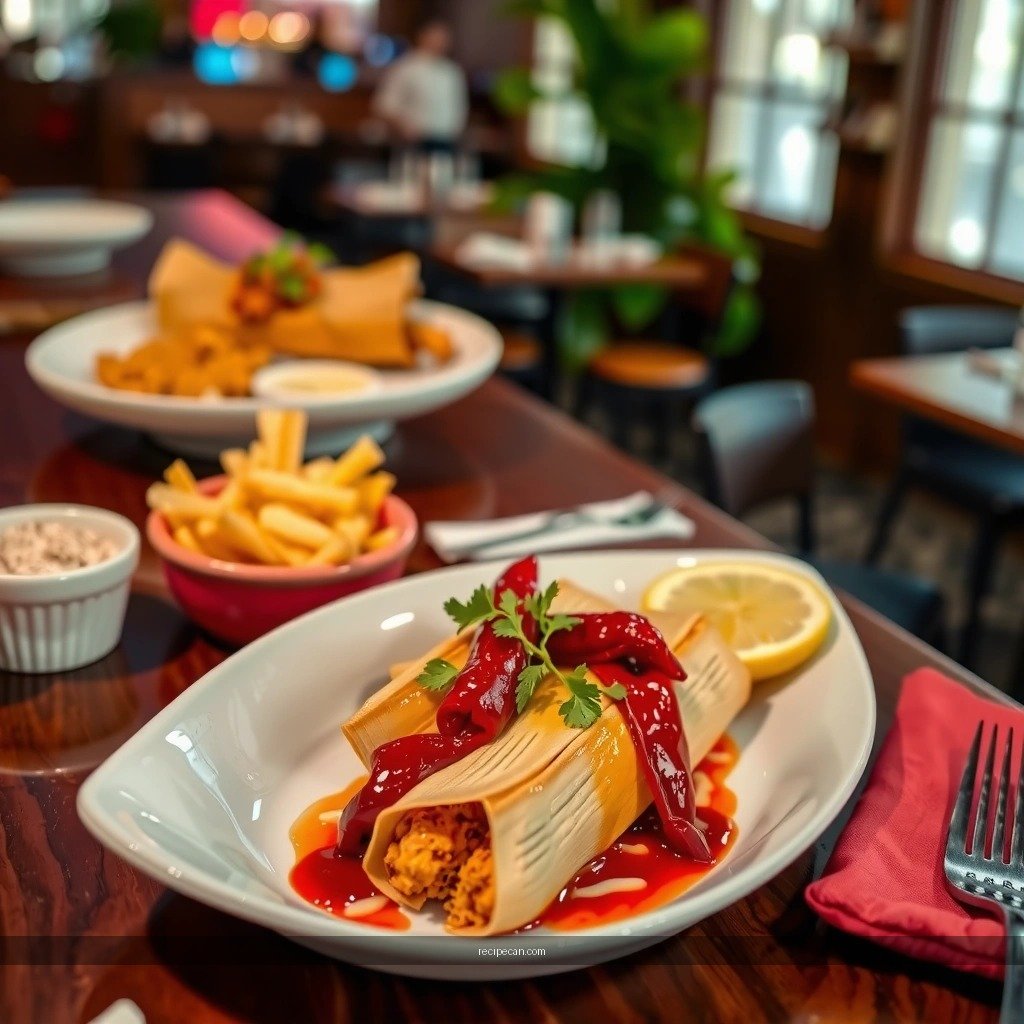
To make red chile pork tamales the “right way,” you need two things operating in sync: (1) a pork filling with balanced chile, fat, and salt, and (2) a masa dough with the correct hydration and lift. Before you start, measure ingredients for the red chile pork, prepare masa harina, and set up your steaming station and corn husks.
Core ingredients for the red chile pork filling
– Pork: bone-in or boneless pork shoulder (chuck/leg), cut into 2–3 inch chunks for even cooking
– Red chile: dried guajillo and/or ancho chiles (whole dried chiles, not ground) for authentic flavor and controlled heat
– Aromatics: onion and garlic (fresh)
– Broth or water: for blending chiles and adjusting sauce consistency
– Seasoning: salt; optional ground cumin for warmth and depth
Core ingredients for the masa (tamale dough)
– Masa harina: preferably “nixtamalized” for best traditional performance
– Fat: lard or high-quality vegetable shortening (for classic richness and emulsification)
– Broth: warm chicken broth or pork cooking liquid (improves masa flavor and cohesion)
– Salt: to season the dough
Tools that make the process consistent
– Tamale steamer (insert steamer pot, basket, or large stockpot + rack)
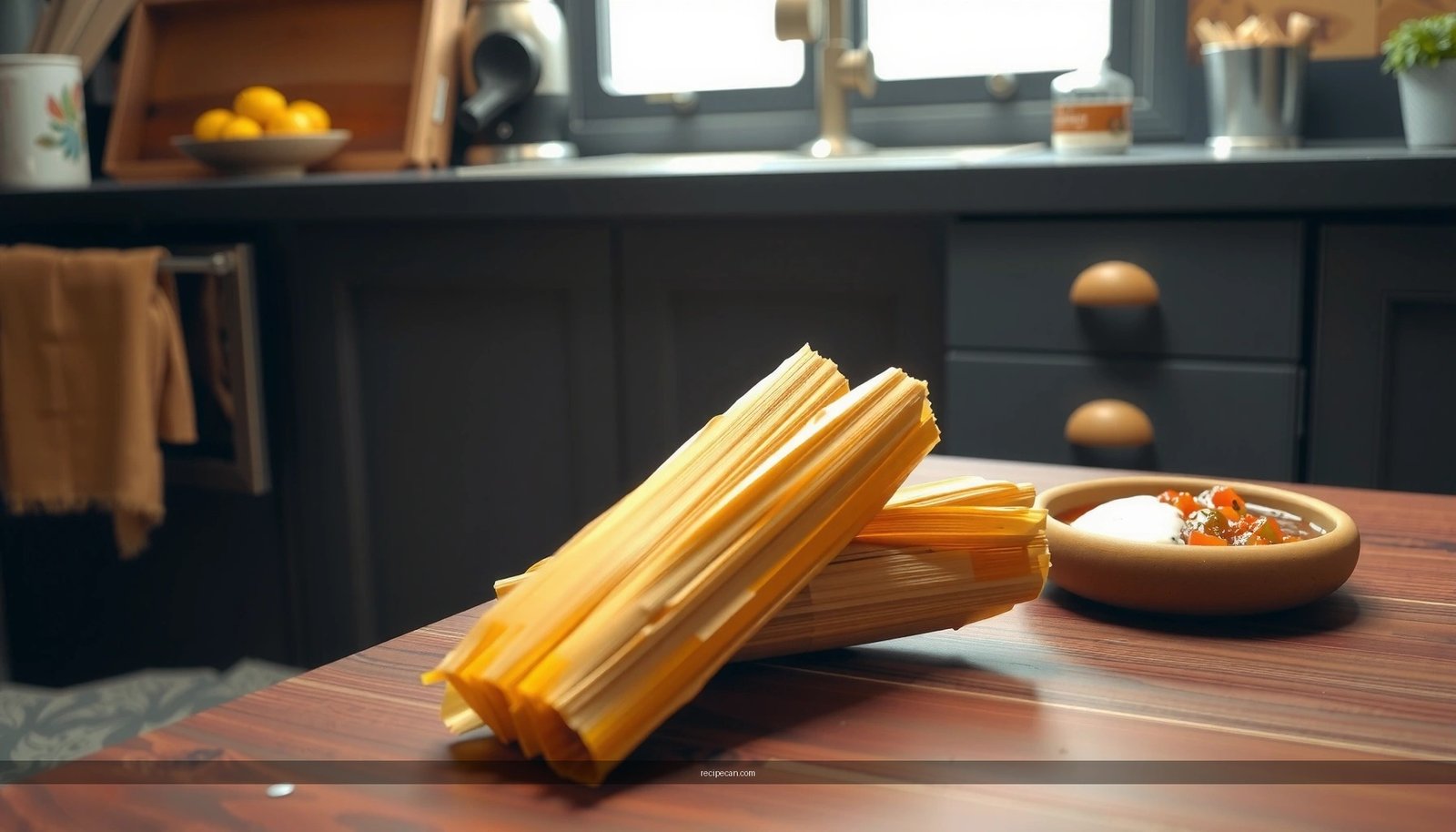
– Corn husks (dried) for proper wrapping and steam conduction
– Large mixing bowls (at least one for masa, one for sauce/pork)
– Blender (or immersion blender) to puree red chile sauce smoothly
– Large spoon/spatula for spreading masa
– Kitchen scale or measuring cups (masa hydration and fill-to-husk ratio matter)
Red Chile Pork Tamales: Ingredient Yields & Targets (Makes ~24–28 Tamales)
| # | Component | Recommended Amount | Target Result | Process Win |
|---|---|---|---|---|
| 1 | Pork shoulder | 2.25 lb (1.0 kg) | Tender, shred-friendly chunks | Moist filling |
| 2 | Guajillo + ancho chiles | 28–34 dried chiles total | Sauce that clings, not watery | Balanced chile flavor |
| 3 | Masa harina | 3 lb (1.36 kg) | Evenly hydrated dough | Reliable spread |
| 4 | Fat (lard/shortening) | 1.0–1.25 lb (450–570 g) | Lift + tender crumb | Better steam set |
| 5 | Warm broth for masa | ~3.5–4.5 cups (adjust) | Dough that spreads, holds shape | No gummy texture |
| 6 | Corn husks | 24–30 soaked husks | Flexible, not brittle | Clean folds |
| 7 | Steaming time | 1.25–1.75 hr | Masa pulls away cleanly | Set, non-wet dough |
Make the Red Chile Pork Filling
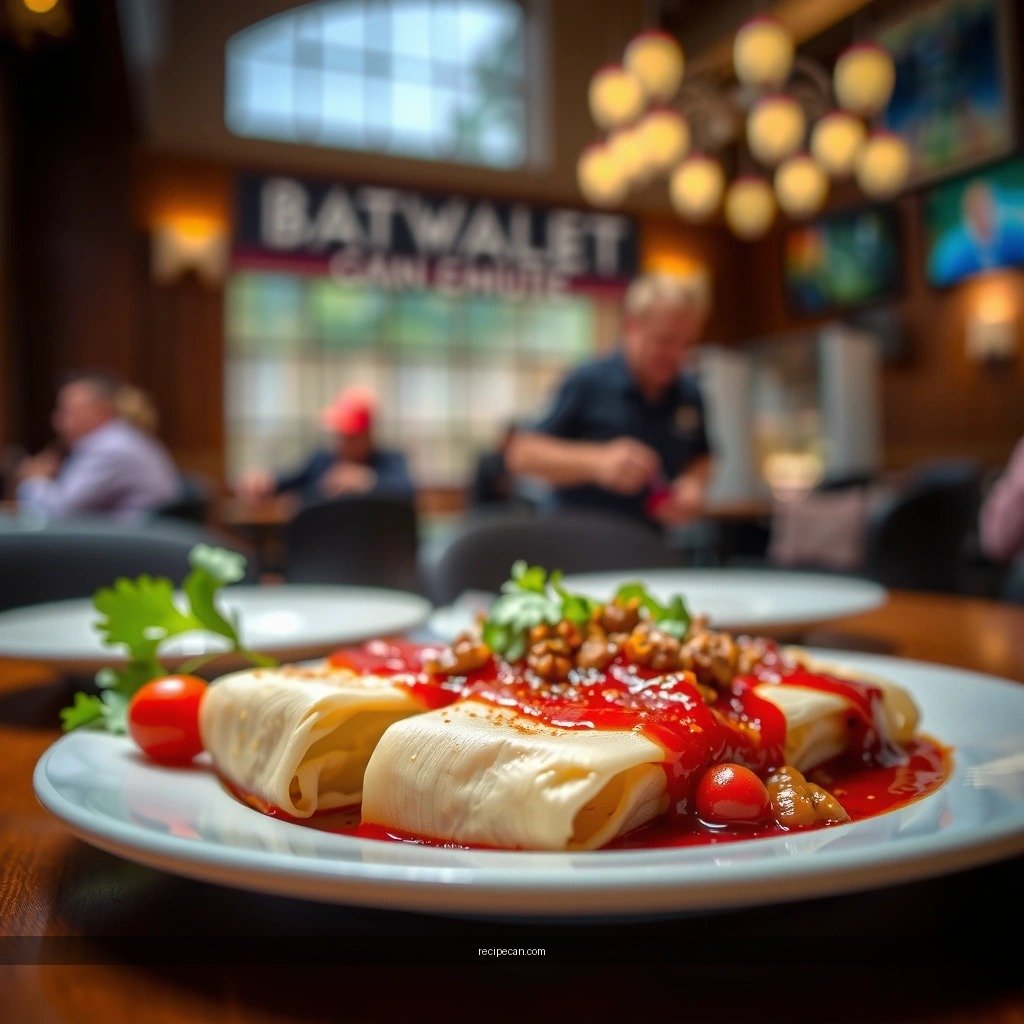
The filling is where red chile pork tamales earn their signature depth. Start by cooking the pork until tender; then simmer it with pureed chile sauce so the meat absorbs the chile’s fruitiness and earthiness while staying juicy.
1. Cook the pork
– Place pork shoulder in a large pot, cover with water or light broth, and bring to a steady simmer.
– Simmer until very tender—typically 60–90 minutes depending on chunk size—then remove pork to a plate (save some cooking liquid).
2. Toast and rehydrate the dried chiles (for maximum flavor)
– Briefly toast dried guajillos/ancho in a dry skillet (just until fragrant, not browned).
– Remove stems and seeds if you want more moderate heat, then soak in hot water 15–20 minutes until pliable.
3. Blend the red chile sauce
– Blend soaked chiles with a small amount of soaking liquid, onion, and garlic.
– For a richer, smoother sauce, blend until fully emulsified. If needed, strain for silkiness (optional, but helpful for uniform consistency).
4. Simmer pork with red chile sauce
– Add sauce to a pot, bring to a simmer, then return pork.
– Simmer 20–35 minutes so flavors meld and sauce thickens. Add salt gradually—treat the filling like you would braising sauce: it must be adequately seasoned before it goes into masa.
5. Finish with adjustments (professional technique)
– If the sauce tastes sharp or thin, simmer longer or add a small splash of pork cooking liquid to unify.
– If it tastes flat, a pinch more salt usually fixes it more reliably than adding extra chile.
Quality checkpoints
– The filling should be saucy but not runny; it should cling to pork.
– You should be able to taste chile, onion, garlic, and salt as distinct layers—not a single overpowering note.
– The pork should shred with a fork, but still hold its shape in filling chunks.
Prepare the Masa (Dough) for Tamales
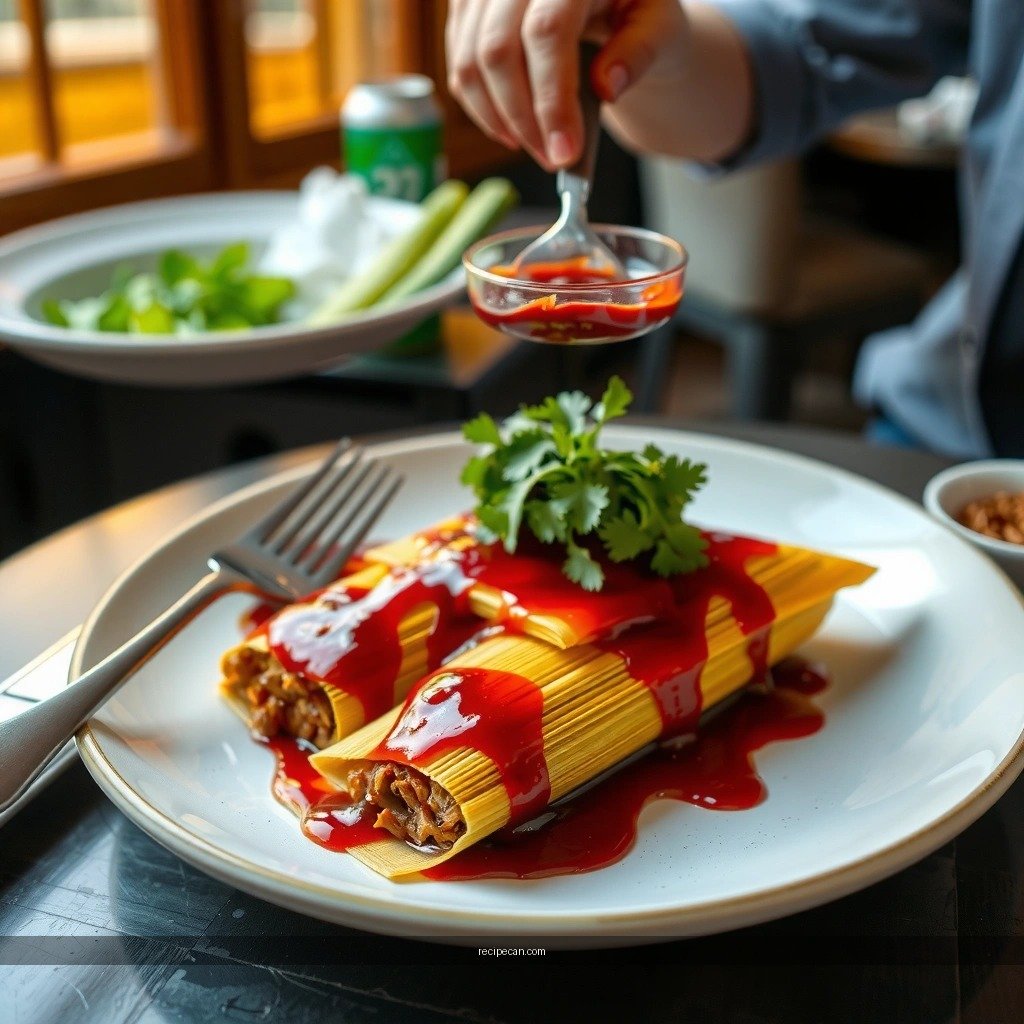
Masa harina consistency determines whether your tamales are tender, set, and sliceable. The goal is dough that spreads smoothly on a husk but is not watery—because watery masa can turn gummy or separate during steaming.
1. Cream fat for lift
– In a bowl, beat lard/shortening until fluffy. This step improves texture by trapping air, which helps masa puff and set.
2. Hydrate masa harina gradually
– Mix masa harina with warm broth in portions, alternating with the creamed fat.
– Continue mixing until cohesive and smooth. If the dough feels stiff, add broth one tablespoon at a time.
3. Season the dough
– Salt is essential here; under-seasoned masa tastes bland even if the chile pork is excellent.
4. Consistency test (the “spread without flooding” method)
– Use a spoon to scoop a small amount of masa: it should spread into a smooth layer but hold enough body that it doesn’t stream like batter.
– If it runs, add a bit more masa harina. If it cracks or won’t spread, add a little more broth.
5. Rest briefly
– Let masa rest 10–15 minutes. Hydration equalizes, and the texture becomes easier to spread.
Why this works (analytical perspective)
Nixtamalized corn flour develops structure as it hydrates and aerates. Over-hydration reduces that structure; under-hydration prevents smooth spread and can cause uneven steaming. Proper fat incorporation also supports tenderness and helps masa release from the husk when done.
Assemble the Tamales
Assembly is a craft, but you can make it systematic. The goal is even masa thickness, controlled filling amount, and tight folds so steam penetrates consistently.
1. Soak corn husks
– Soak dried husks in warm water 30–60 minutes (or until pliable).
– Drain and pat lightly—very wet husks can create excess water on the outside.
2. Lay husk and spread masa
– Arrange husk with the thicker end at one side.
– Spread a thin, even layer of masa (typically 1/4-inch or less), leaving a border at edges for sealing.
3. Add filling in the center
– Spoon red chile pork filling down the middle. Avoid overfilling—too much filling forces leaks and can prevent complete steaming.
4. Fold and arrange for steaming
– Fold sides toward the center, then fold to form a secure bundle (the exact style varies by region).
– Tie with cotton kitchen string if your method requires it, or arrange so the seam stays closed.
5. Maintain batch uniformity
– Try to assemble so tamales in the same batch are similar in size and thickness; that’s the simplest way to achieve consistent doneness.
Operational tip: Keep the masa covered while assembling to prevent drying. Dried edges can separate during steaming.
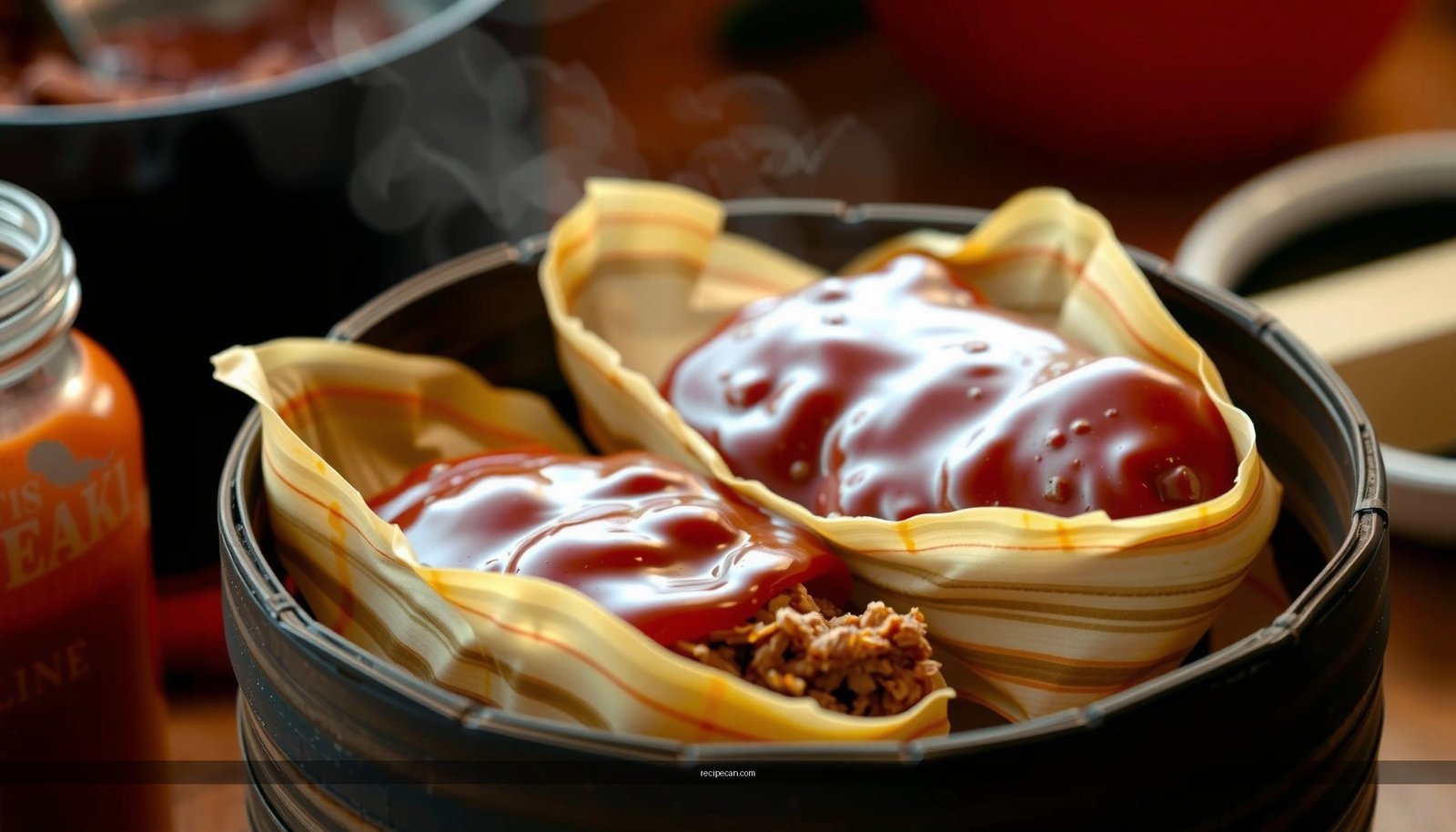
Steam the Tamales (Timing & Doneness)
Steaming is where patience and temperature control matter most. Tamales need steady steam, not boiling water blasts, and they benefit from batch discipline.
1. Set up your steamer
– Add water to the base pot and bring it to a simmer.
– Place a rack/basket above the water line so tamales steam from vapor, not direct submersion.
2. Steam in batches if needed
– Overcrowding slows steam circulation and increases cooking time variability.
– For best results, arrange tamales upright or slightly angled so steam flows around them.
3. Check water level periodically
– Keep water at a steady simmer; add boiling water as needed to maintain steam without dropping temperature.
4. Timing guideline
– Plan on about 1.25–1.75 hours, depending on tamale size and how full your steamer is.
– If you’re steaming multiple batches, you’ll learn your pot’s rhythm—use that experience for future reliability.
5. Doneness test (most reliable indicators)
– Masa should look set, not wet or sticky in the center.
– The masa should pull away from the husk cleanly when tested on one tamale.
– If it sticks, steam another 10–15 minutes and re-check.
Common failure points and fixes
– Masa sticks to husk: typically under-steamed or over-hydrated. Steam longer; next batch adjust broth down slightly.
– Masa feels gummy: often too wet. Reduce broth next time and rest masa longer.
– Filling leaks: overfilled or poorly sealed. Use less filling and tighten folds.
Serving & Storage Tips
Red chile pork tamales are best served hot, ideally with extra red chile sauce to boost aroma and moisture without compromising texture. Plan the serving window so tamales don’t sit too long before guests eat.
1. Serve the right way
– Serve tamales straight from steaming.
– Offer topping options like crumbled queso fresco, chopped onion, cilantro, or a drizzle of warmed red chile sauce.
2. Reheat correctly (to protect texture)
– Best method: steam again briefly until hot throughout.
– Microwave reheating can work, but use a damp paper towel and short intervals to avoid drying.
3. Refrigeration and freezing
– Cool tamales after steaming (so condensation doesn’t ruin masa texture).
– Refrigerate: up to ~3–4 days in airtight containers.
– Freeze: up to ~2–3 months tightly wrapped.
4. How to reheat from cold
– Thaw in the refrigerator overnight for faster reheating.
– Re-steam until steaming hot through the center; timing depends on size and starting temperature.
5. Flavor note for the red chile pork
– If your sauce thickened while cooling, warm it gently with a small splash of broth to restore a pourable consistency.
Pro workflow for big batches
If you’re making tamales for an event, cook filling earlier, prepare masa the day you assemble, and steam in scheduled rounds. This reduces last-minute bottlenecks and improves consistency across tamales.
Tamales are a process, but they’re also repeatable. When you simmer pork until tender, simmer the meat in a properly blended red chile sauce, and hold masa to a spreadable (not runny) consistency, you set yourself up for clean steaming results. Combine that with careful soaking, controlled filling amounts, and steady simmer steaming, and you’ll produce red chile pork tamales with authentic flavor, reliable texture, and confident doneness every time.
Frequently Asked Questions
What is the best recipe for red chile pork tamales?
A classic red chile pork tamales recipe uses pork shoulder simmered until tender, then mixed with a rich red chile sauce made from roasted dried chiles, garlic, and spices. For the masa, use fresh pork lard (or high-quality shortening), masa harina, and a properly hydrated broth so the masa is soft and spreads easily in the corn husk. Assemble with a layer of masa, a strip of red chile pork filling, and steam until the masa pulls cleanly from the husk. This balance of flavorful red chile pork and well-seasoned masa is what makes tamales taste “authentically” right.
How do you make red chile sauce for pork tamales without it turning bitter?
Start by toasting dried chiles lightly, then remove stems and seeds to reduce bitterness. Soak the chiles in hot water until softened, then blend into a smooth sauce; strain for a silkier texture. Simmer the sauce briefly with garlic, onion, and seasoning (often salt and a touch of fat) and taste as you go—if it’s bitter, add a small amount of broth or masa to mellow it. Keeping the sauce moderate in heat and avoiding over-toasting are key steps for red chile tamales sauce that tastes sweet-savory instead of harsh.
How do you prepare tender pork filling for red chile pork tamales?
Use pork shoulder or pork butt because the marbling helps it stay juicy after long cooking. Simmer the pork with enough liquid and aromatics like onion and garlic until it shreds easily, then shred and stir it into your red chile sauce so the pork absorbs flavor. If the filling seems too loose, simmer it a bit longer to thicken; if it’s too thick, loosen with warm broth. For the best result, cool the filling slightly before assembling so the masa won’t get runny.
Which corn husks and masa technique make tamales hold together better?
Choose dried corn husks that are pliable and free of heavy splits; soak them in warm water until flexible but not mushy. For masa, hydrate masa harina with hot broth gradually and whip the dough with lard until fluffy, which helps the masa steam evenly and stay light. A common test is that the masa should spread smoothly and feel soft, not wet—if it tears or smears badly, add a little more masa or broth as needed. Proper hydration and a well-aerated masa are major factors for red chile pork tamales that don’t crack or fall apart.
Why do red chile pork tamales come out dry or hard, and how can you fix it?
Dry tamales usually come from undercooking, not enough fat in the masa, or letting the dough be too stiff from insufficient broth. Hard tamales can also result from steaming too aggressively or not enough steam time for the masa to fully set. To fix dryness, ensure you steam at a steady simmer and check doneness by seeing if the masa loosens from the husk; add more boiling water to maintain consistent steam. If your masa feels stiff, rehydrate with warm broth in small amounts and whip again so the masa regains a smooth, spreadable texture.
References
- Google Scholar Google Scholar
https://scholar.google.com/scholar?q=red+chile+pork+tamales+recipe - Google Scholar Google Scholar
https://scholar.google.com/scholar?q=tamales+masa+preparation+nixtamalization - Google Scholar Google Scholar
https://scholar.google.com/scholar?q=New+Mexico+red+chile+preparation+pork - Tamale
https://en.wikipedia.org/wiki/Tamale - Masa
https://en.wikipedia.org/wiki/Masa_harina - Nixtamalization
https://en.wikipedia.org/wiki/Nixtamalization - New Mexico chile
https://en.wikipedia.org/wiki/New_Mexico_chile - Chili pepper
https://en.wikipedia.org/wiki/Chile_pepper - https://www.britannica.com/topic/tamale
https://www.britannica.com/topic/tamale - https://www.fsis.usda.gov/food-safety/safe-food-handling-and-preparation/food-safety-basics/safe-minimum-
https://www.fsis.usda.gov/food-safety/safe-food-handling-and-preparation/food-safety-basics/safe-minimum-