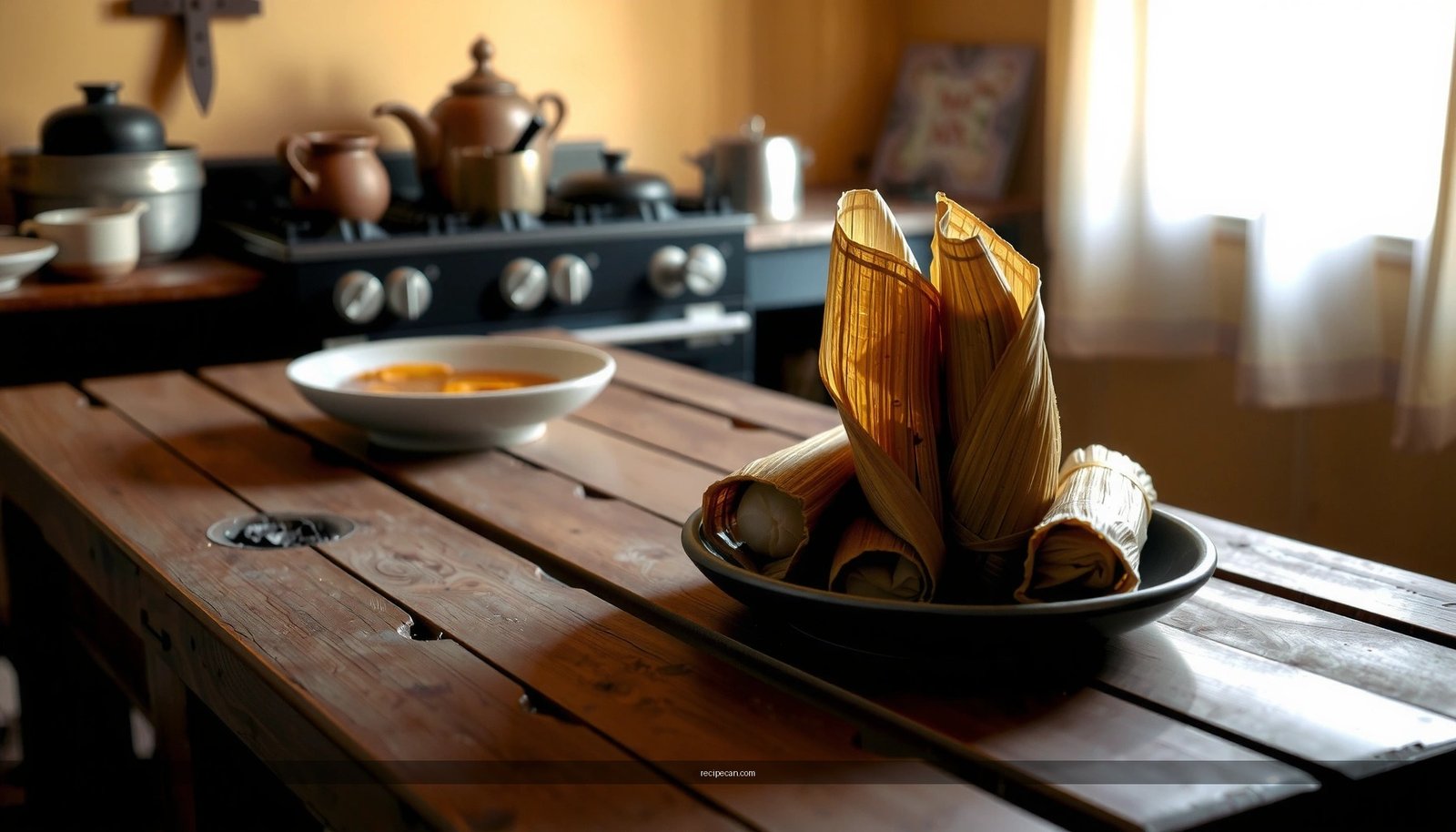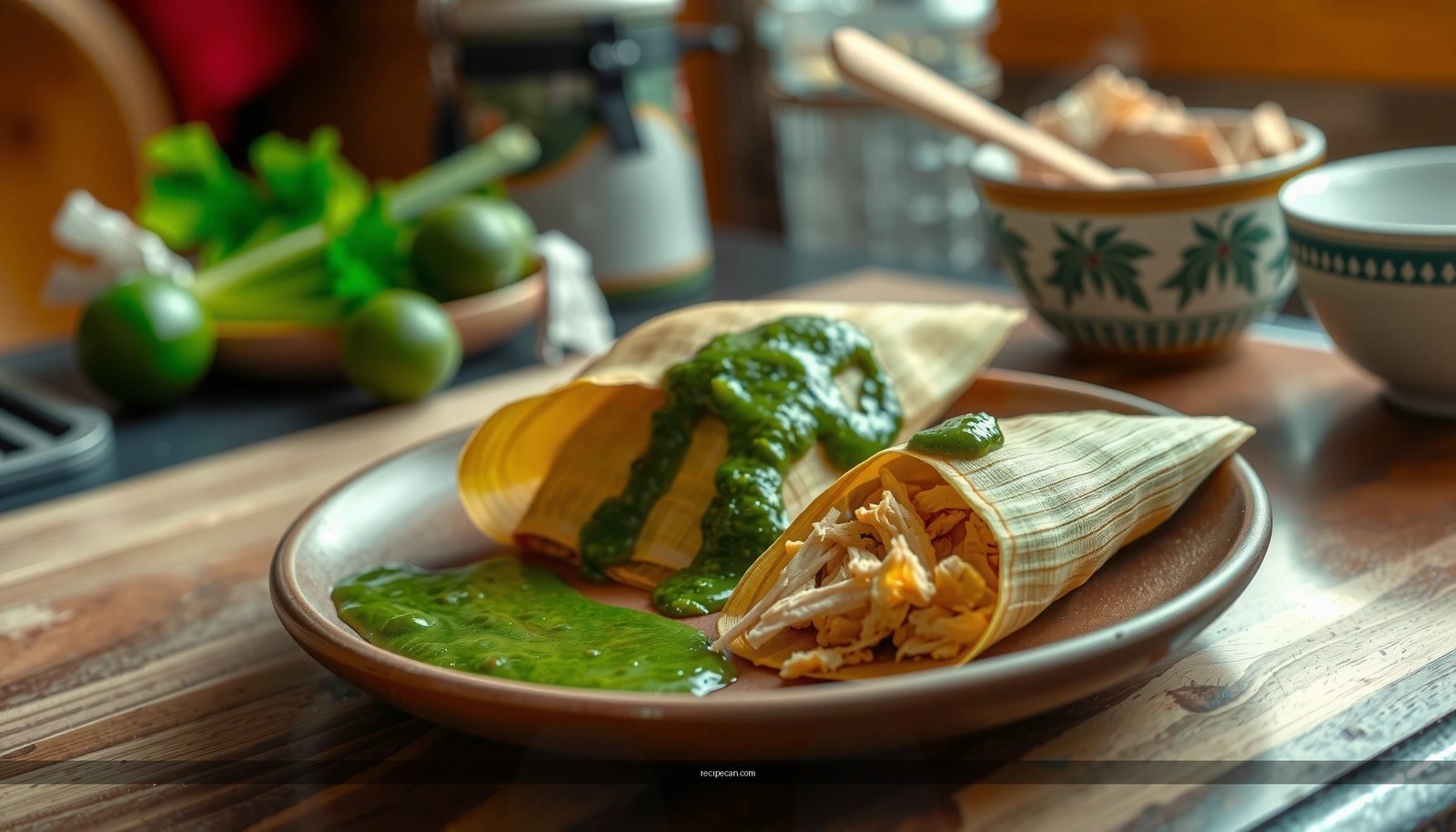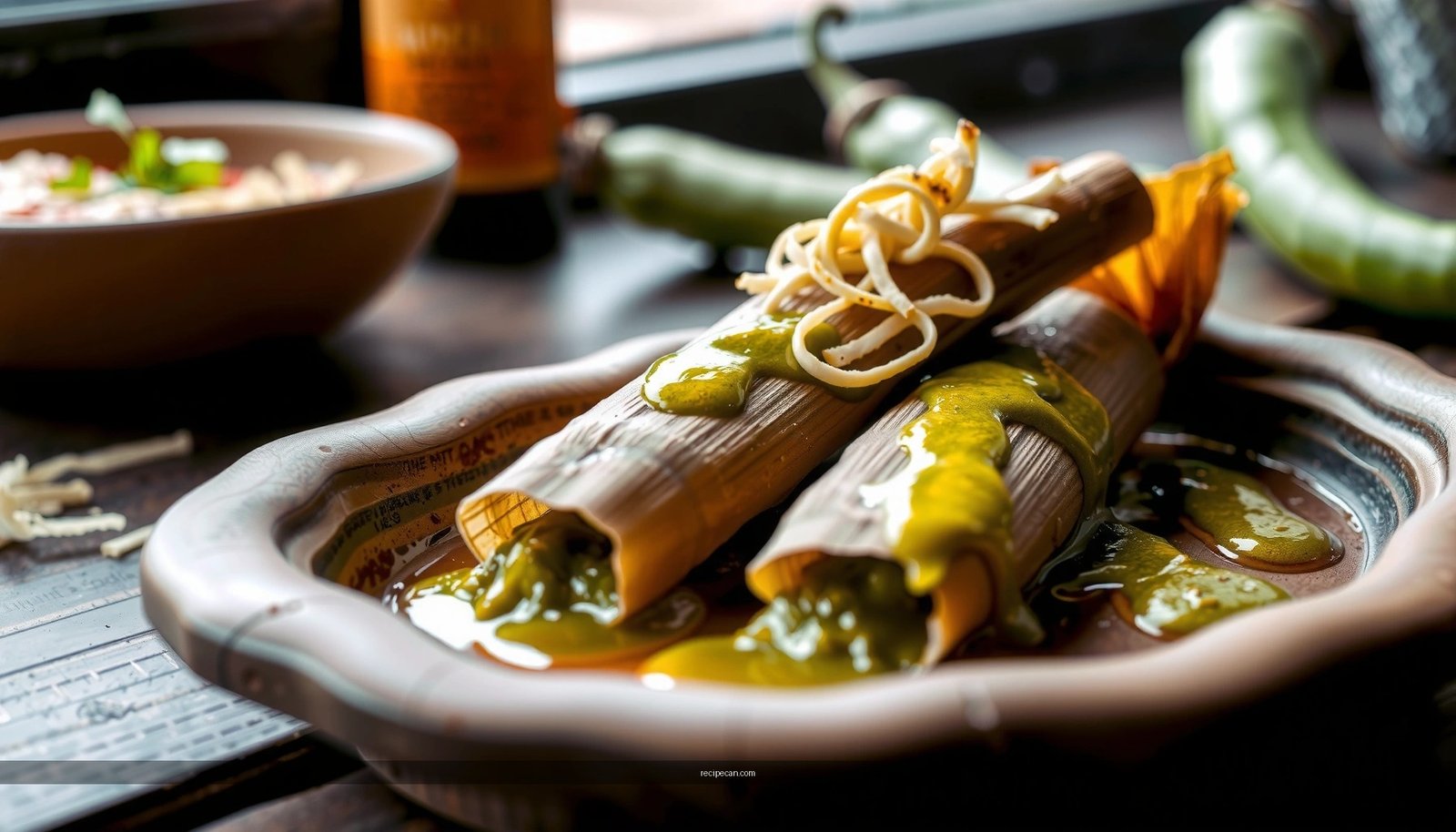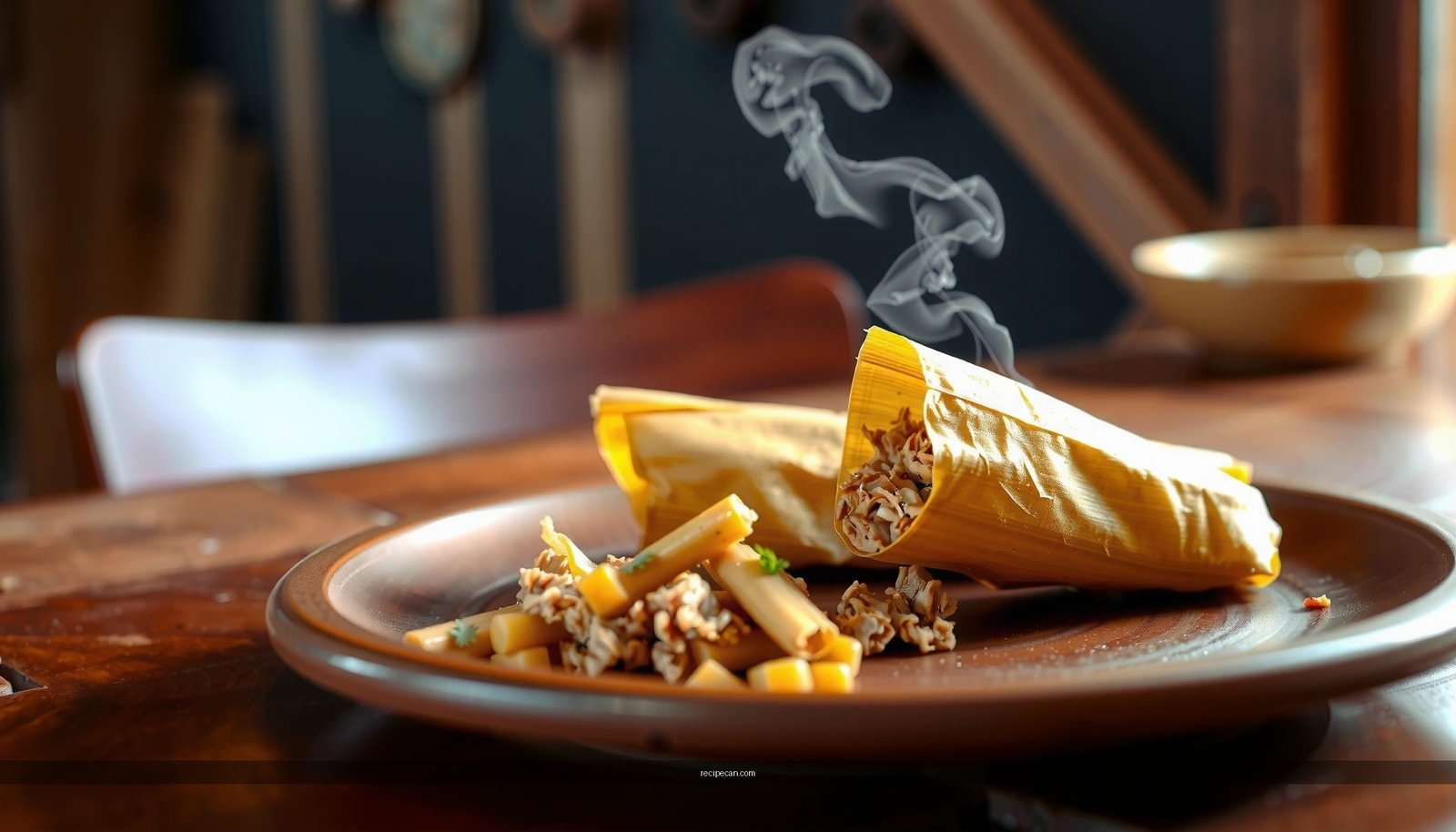
This easy Mexican pork tamale recipe delivers tender, flavorful tamales with the right masa-to-filling balance—without complicated steps. If you want a simple, authentic-style method that produces tamales you can confidently steam and serve, it answers that question from start to finish. Expect clear timing, practical tips, and bold pork flavor that tastes like it came from the kitchen of a pro.
Make easy Mexican pork tamales without complicated techniques by preparing a juicy, seasoned pork filling, mixing a smooth masa, and steaming until tender. This recipe focuses on the practical fundamentals—balanced seasoning, correct masa consistency, and reliable steaming—so you get authentic flavor with stress-free execution.
Ingredients for Easy Mexican Pork Tamales

To make this pork tamale recipe straightforward, you’ll rely on classic staples and a few “watch-the-texture” ingredients that determine success.
Core masa and wrapper ingredients
– Masa harina (corn flour for tamales)
– Lard (traditional) or neutral oil (simpler, lighter option)
– Warm broth (chicken or pork)
– Baking powder (helps masa lift and set)
– Salt
– Corn husks (for wrapping/steaming)
Traditional pork filling ingredients
– Pork shoulder (boneless pork butt works too)
– Onion (for sweetness and depth)
– Garlic (for aroma)
– Chili powder (mild-to-medium heat, color, and warmth)
– Ground cumin (savory, earthy profile)
– Mexican spices (a blend approach—commonly oregano + a touch of smoked paprika; keep it flexible)
Optional but helpful
– Salsa (for extra moisture and tang)
– Bay leaf (during pork simmer)
– Red chili sauce or chipotle in adobo (for a smokier version)
The ingredient strategy here is intentional: masa harina plus warm broth and fat creates a pliable dough, while pork shoulder provides enough connective tissue to become fork-tender and shred cleanly.
Tamale Workflow Times (Typical Home Kitchen)
| # | Step | Active Time | Total Time | Outcome Reliability |
|---|---|---|---|---|
| 1 | Soak corn husks | 10 min | 30–60 min | ★★★★☆ |
| 2 | Cook & shred pork | 25 min | 2.5–3.5 hrs | ★★★★★ |
| 3 | Simmer filling & thicken | 10 min | 15–25 min | ★★★★☆ |
| 4 | Mix masa (smooth dough) | 15 min | 20–25 min | ★★★☆☆ |
| 5 | Assemble & fold tamales | 35–55 min | 45–70 min | ★★★★☆ |
| 6 | Steam to set | 15 min | 75–105 min | ★★★★☆ |
| 7 | Rest & serve | 10 min | 15 min | ★★★★★ |
Prepare the Pork Tamale Filling
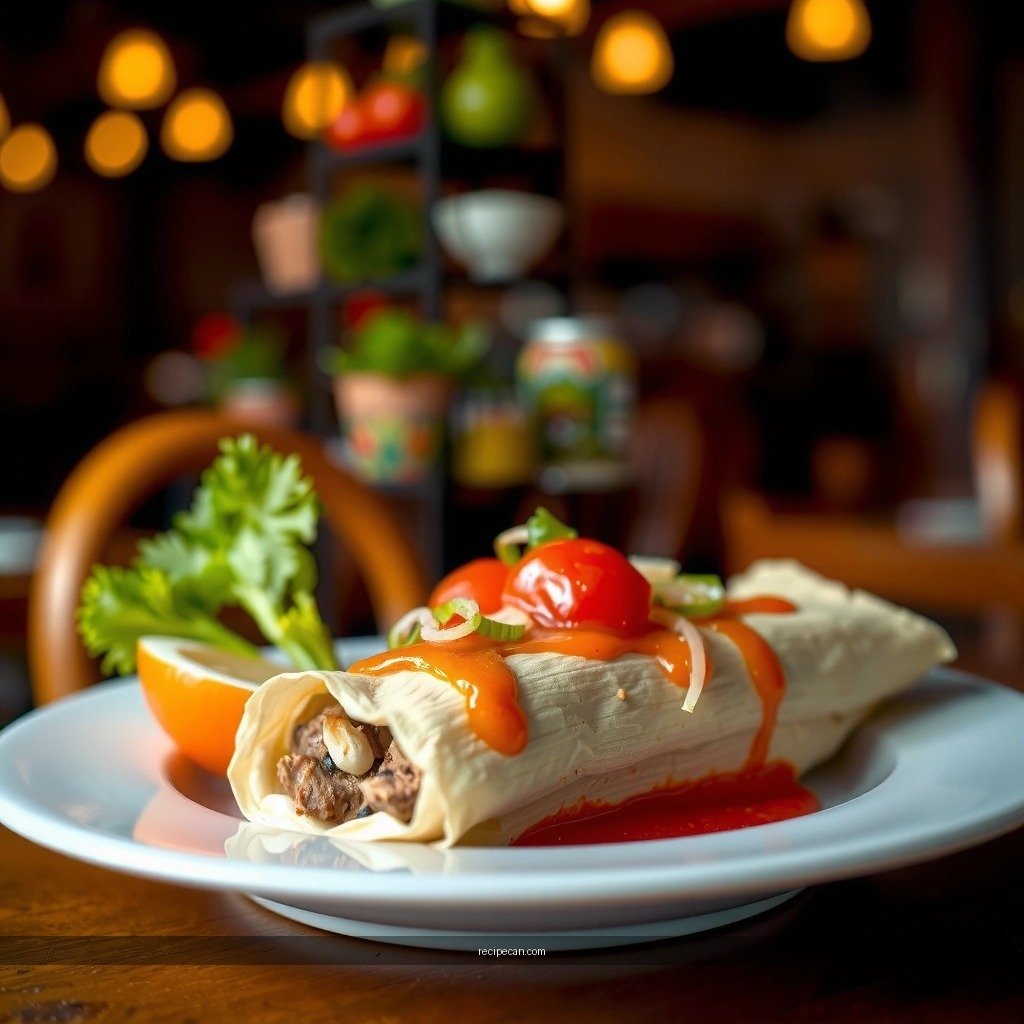
A great pork tamale filling should be tender, juicy, and thick enough to spread without being watery. Pork shoulder is ideal because it stays flavorful after hours of gentle cooking, then shreds into a satisfying texture.
1. Simmer the pork
– Add pork shoulder to a pot with onion, garlic, chili powder, cumin, salt, and enough broth or water to partially cover.
– Optional: include a bay leaf for a more traditional, rounded aroma.
– Simmer gently until the pork is fully tender—typically 2.5 to 3.5 hours depending on size.
2. Shred and season again
– Remove pork, shred with forks, and return it to the pot.
– Taste and adjust seasoning at this stage (salt, chili warmth, or cumin). This is where authentic flavor is secured.
3. Thicken for the right “tamale spread” consistency
– Let the shredded pork simmer with a bit of broth until it becomes moist but not loose.
– If you want extra tang and moisture, simmer in a spoon or two of salsa.
– Your target: a filling that holds together when spooned but still looks glossy—ideal for easy assembly.
Consistency checkpoint: If the filling pools in the center of a spoon, simmer 5–10 minutes more. If it seems dry, add broth a tablespoon at a time.
Mix the Masa (Key to Great Tamales)
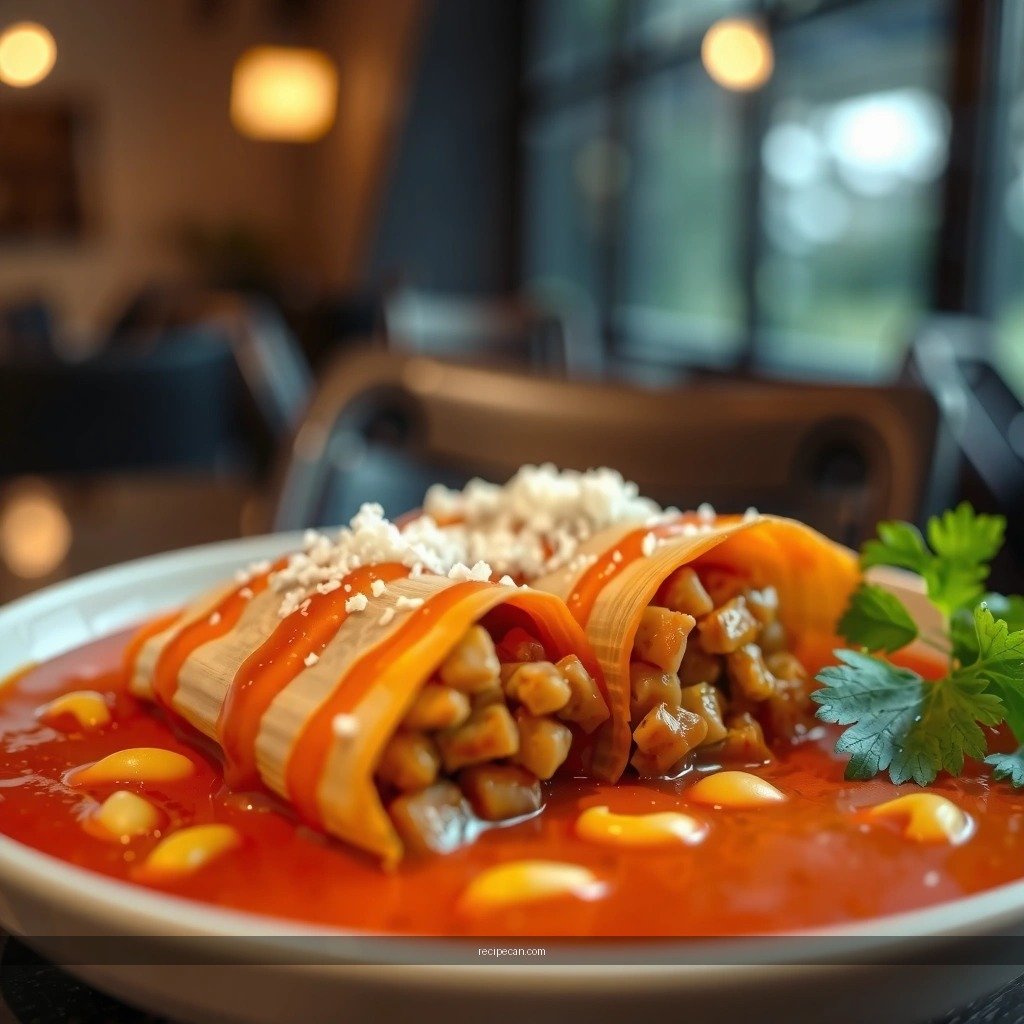
Masa is the technical heart of tamales. The most common home-kitchen issue is mixing masa too cold or too thick, leading to lumps and dry dough. This recipe avoids those pitfalls by emphasizing warm broth and a simple mixing method.
1. Whisk dry ingredients first (optional but helpful)
– Combine masa harina, baking powder, and salt in a large bowl.
2. Add warm broth gradually
– Pour in warm broth slowly while mixing.
– Mix until the dough looks smooth and evenly hydrated, with no visible dry clumps.
3. Incorporate fat for tenderness and spreadability
– Mix in lard or oil until the masa feels lighter and smoother.
– This step improves mouthfeel and helps masa steam into a tender, cohesive texture.
Masa texture goal (practical):
– It should spread thinly with a spoon but not be runny.
– If it tears or cracks, it likely needs more warm broth.
– If it spreads like paste-water, add a small amount of masa harina.
For business-style consistency, treat masa like a controlled production step: mix, rest briefly (5–10 minutes), then reassess. Masa often hydrates further as it rests.
Assemble the Tamales
Assembly is where “easy” really matters. If your husks are properly soaked and your masa is correctly hydrated, folding becomes fast and forgiving.
1. Soak corn husks
– Soak until pliable: usually 30–60 minutes in hot water (or longer for very dry husks).
– You want husks that bend without cracking.
2. Spread masa thinly and evenly
– Remove husk from water and shake off excess.
– Spread masa in a thin layer—thin enough to steam through evenly, thick enough to hold structure.
3. Add filling and fold securely
– Spoon a line of pork filling onto the masa (centered).
– Fold to enclose, then secure as you prefer (some cooks tie; others just fold tightly).
– Keep the filling portion consistent—this improves even cooking across batches.
Time-saving workflow: Assemble in small batches. For example, create 6–12 tamales, set them in a steamer rack area, then continue. It keeps the process rhythm-based instead of frantic.
Steam Your Tamales to Perfection
Steaming is the final “quality control.” Done correctly, the masa pulls away from the husk edges and the tamale feels firm, not mushy.
1. Steam with steady heat and enough water
– Use a steamer pot with enough water to generate steam for the full cook time.
– Keep water from boiling dry—this is one of the easiest ways to ruin a batch.
2. Cook in batches if needed
– Overcrowding can cause uneven steaming and longer cook times.
– If you have a large batch, steam in rounds.
3. Know the doneness signals
– Tamales are generally ready when masa feels set and the tamale maintains shape under gentle handling.
– A common expert check: open one tamale—if masa is fully cooked through and releases more easily from the husk, you’re there.
Practical range: For standard pork tamales, steaming commonly takes about 75–105 minutes, depending on tamale size and your stove/steamer setup. If they’re underdone, continue steaming in 10-minute increments, checking periodically.
Helpful Tips for Easy, Stress-Free Results
Small process improvements produce big quality gains—especially when making authentic pork tamales at home.
– Use warm broth when mixing masa
Warm liquid hydrates masa harina more evenly, reducing lumps and helping masa stay flexible rather than dry.
– Let the masa rest briefly
After mixing, rest 5–10 minutes. Hydration continues, and the dough becomes easier to spread.
– Check doneness with one “test tamale”
Instead of guessing, open the first tamale at the lower end of the steaming range. Adjust time based on what you see—this prevents both undercooked and over-steamed masa.
– Avoid watery filling
Juicy is good; runny is not. Thicken pork filling until it’s moist and cohesive so your tamales assemble cleanly without leaks.
– Keep steam consistent
If your steam is too weak, cook time stretches and texture can suffer. Maintain steady steaming, not a rolling boil that disrupts the pot.
If you’re aiming for a particular flavor profile, you can also calibrate spice without complicating the process:
– Milder version: reduce chili powder and add a pinch of dried oregano.
– Spicier version: add chipotle in adobo to the filling simmer or increase chili powder slightly.
You now have a straightforward easy Mexican pork tamale recipe with key steps for flavorful filling, smooth masa, and perfectly steamed tamales. Make a batch this weekend, follow the assembly and steaming tips, and serve them with salsa, queso, or a fresh side—then share your results (or ask if you want a milder or spicier version).
Frequently Asked Questions
What is the easiest Mexican pork tamale recipe for beginners?
An easy Mexican pork tamale recipe uses a simple masa preparada (corn dough) plus seasoned shredded pork cooked with Mexican spices. Start by preparing the pork filling with onion, garlic, and chili powder, then mix masa with broth or water until spreadable. Assemble on soaked corn husks, steam until set, and you’ll have classic tamales with less hassle than from-scratch dough.
How do I make tender pork filling for easy tamales?
Cook the pork shoulder until very tender, then shred it and simmer it briefly with the cooking juices, salt, cumin, and a mild chili base like dried guajillo or red chile powder. If you want it “tamale-ready” fast, use a pressure cooker or slow cook and keep adding a little broth so the filling stays moist. Taste the filling before assembling—good pork seasoning makes the whole easy Mexican pork tamale recipe taste authentic.
Which masa and steaming method work best for simple pork tamales?
For easiest results, use masa harina that’s labeled for tamales and follow the package instructions for mixing with warm broth. Steam tamales in a covered steamer (or a pot with a rack) with simmering water, keeping the water level below the tamales. Most easy Mexican pork tamale recipes steam about 45–90 minutes depending on size, and they’re done when the masa pulls cleanly from the husk.
Why do my tamales come out dry or bland, and how can I fix it?
Dry tamales usually come from masa that’s too stiff or over-steaming, so mix until the dough is soft and spreadable. Bland tamales often mean the pork filling or masa lacks enough salt and flavor, so season both layers and consider using flavorful broth instead of plain water. If the masa feels tough, let it rest briefly and add a little warm broth to loosen before assembling.
How do I assemble and store easy Mexican pork tamales so they reheat well?
Lay husks flat, spread masa evenly, add a strip of pork filling, then fold and tie loosely if needed. Let tamales cool before storing, then keep them in an airtight container in the refrigerator for up to 4 days or freeze for up to 3 months. Reheat by steaming or microwaving with a damp paper towel to restore moisture and avoid rubbery texture.
References
- Google Scholar Google Scholar
https://scholar.google.com/scholar?q=easy+Mexican+pork+tamale+recipe - Google Scholar Google Scholar
https://scholar.google.com/scholar?q=pork+tamales+masa+harina+corn+husk+steaming+traditional+recipe - Google Scholar Google Scholar
https://scholar.google.com/scholar?q=nixtamalization+masa+for+tamales+Mexico+pork+filling - Tamale
https://en.wikipedia.org/wiki/Tamale - Masa
https://en.wikipedia.org/wiki/Masa_harina - Carnitas
https://en.wikipedia.org/wiki/Carnitas - Nixtamalization
https://en.wikipedia.org/wiki/Nixtamalization - https://www.britannica.com/topic/tamale
https://www.britannica.com/topic/tamale - Husk
https://en.wikipedia.org/wiki/Corn_husk - https://en.wikipedia.org/wiki/Masa_(food
https://en.wikipedia.org/wiki/Masa_(food