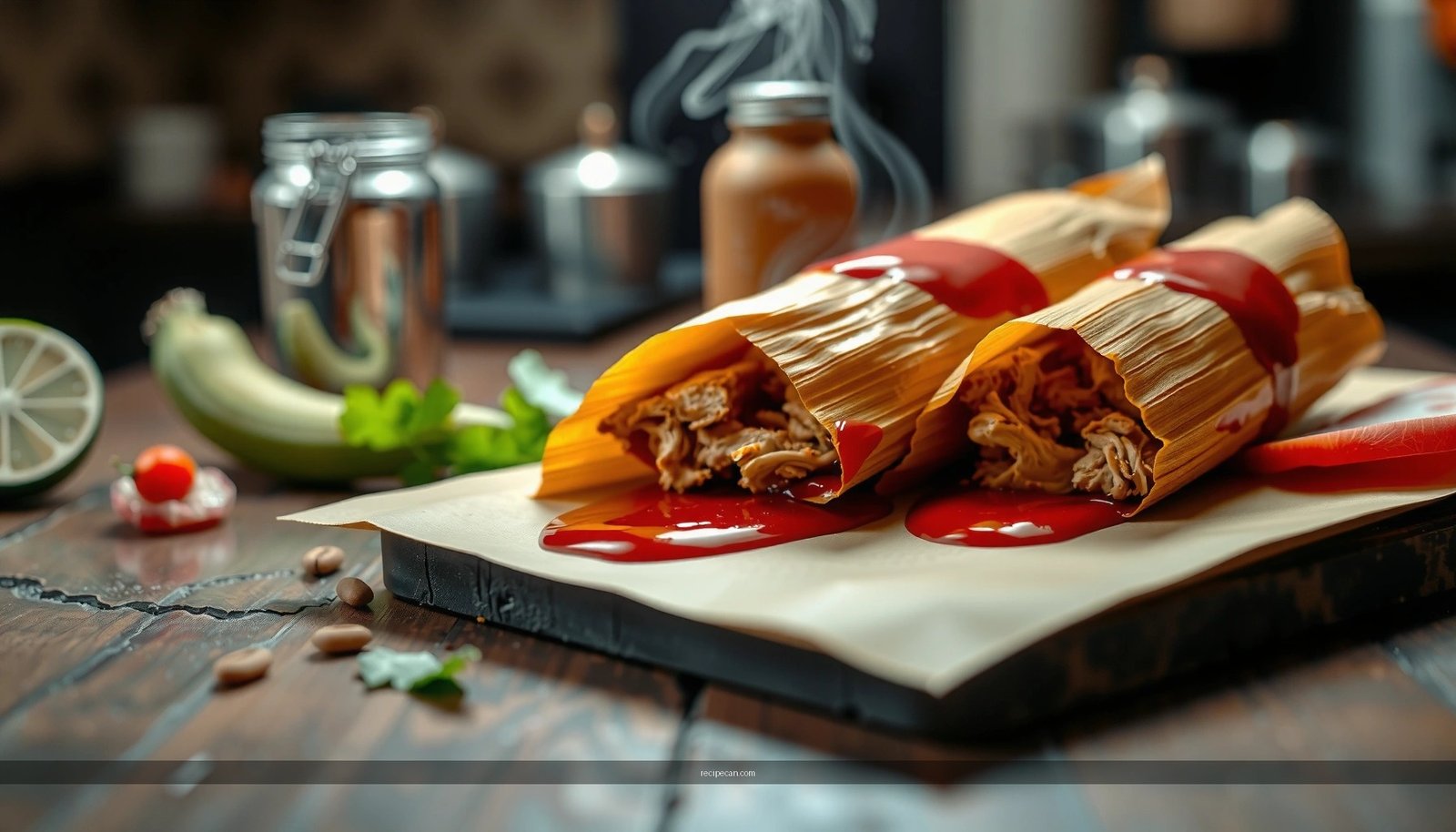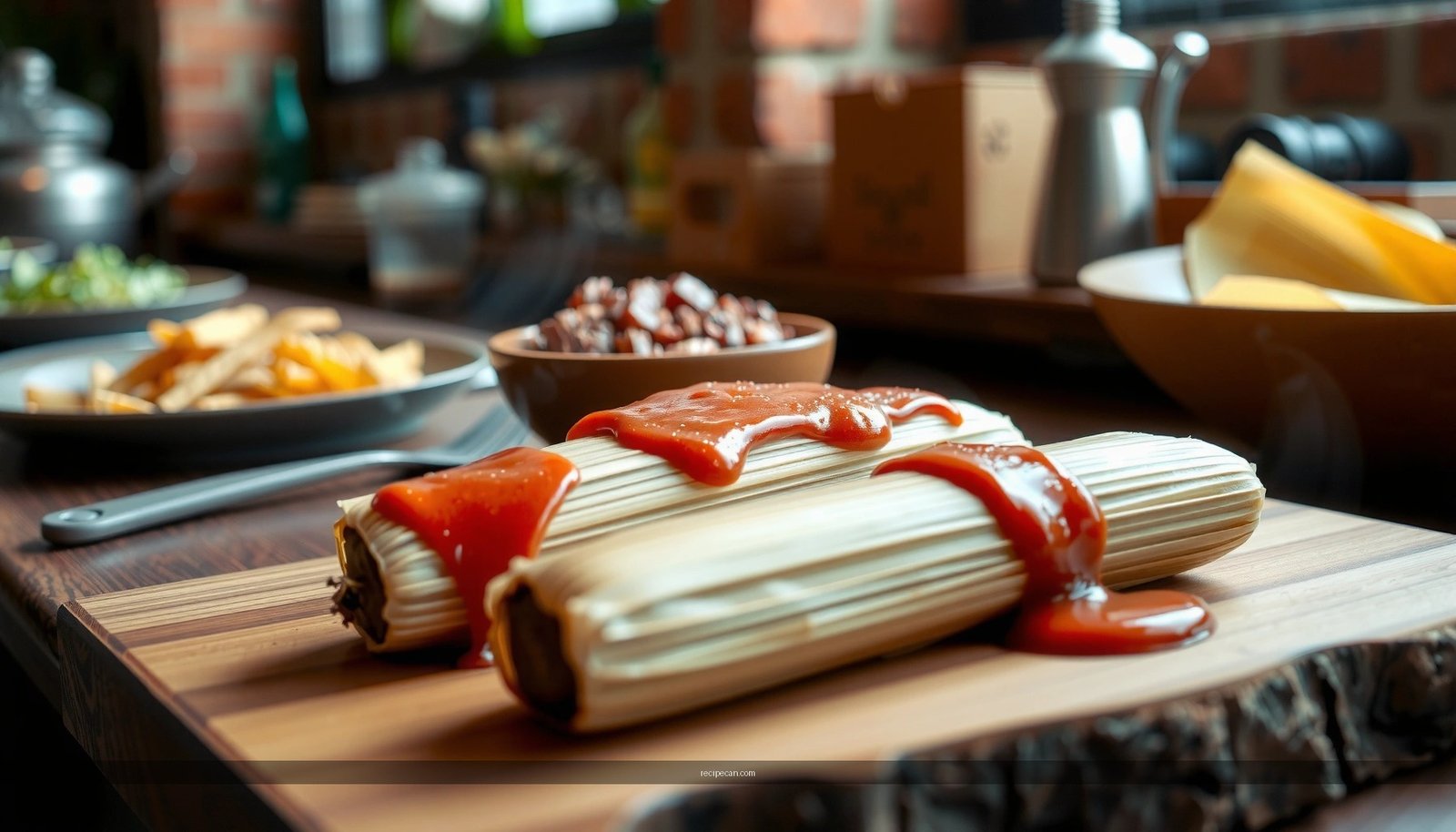
Find authentic Mexican tamales recipes you can actually make, with traditional favorites that taste like they came from a real kitchen. This guide delivers the clear winners—specific masa, fillings, and steaming steps—so your tamales hold together and come out tender every time. If you want tamales that are rich, properly seasoned, and unmistakably Mexican, you’ll know exactly what to cook and how to do it.
Make authentic Mexican tamales by using masa harina made for tamales, classic fillings, and consistent steaming until the masa releases from the husk—then you’ll get tender, flavorful tamales every batch. In this guide, you’ll find reliable recipes and step-by-step techniques (from seasoned masa to correct wrapping and doneness checks) so your tamales taste like they came from home.
Choose the Right Masa and Ingredients
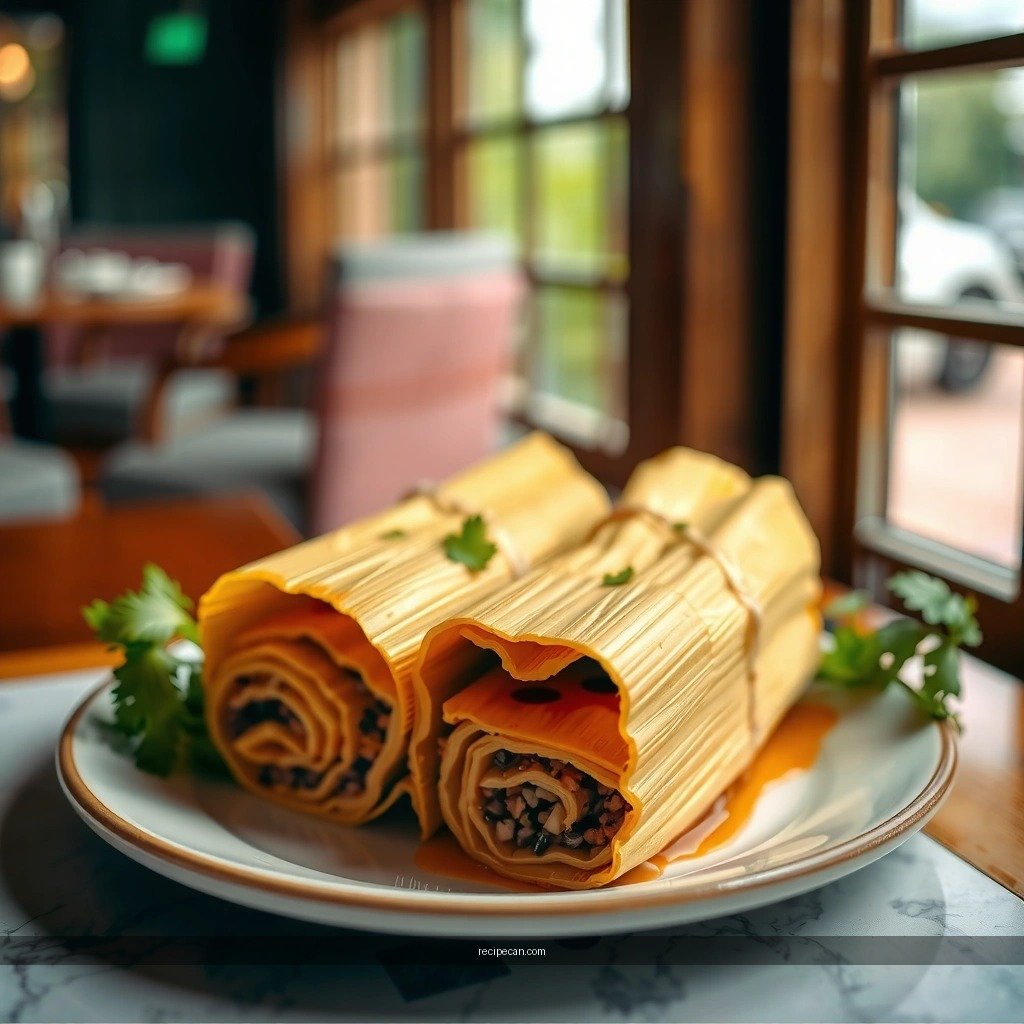
Authentic tamales start with masa that’s designed for tamal making. In many Mexican kitchens, the key difference isn’t “masa” in general—it’s the specific texture and hydration you get from masa harina labeled for tamales. That consistency matters because tamales rely on a precise balance of fat, moisture, and masa thickness to steam properly without turning gummy or dry.
What to do for traditional masa:
– Use masa harina labeled for tamales (often finer-ground and formulated for tamal hydration). If you use masa for tortillas without adjusting, the tamal masa can end up too dense.
– Season well for rich flavor. Many cooks season the masa with salt and aromatics (such as chicken broth for hydration and a bit of garlic-onion base, depending on household tradition). The goal is “savory depth,” not just saltiness.
– Keep lard or oil consistent for texture. Traditional tamales often use lard, which contributes to tender crumb and good spreadability. If you use oil, aim for a comparable fat ratio so the masa whips to a soft, airy consistency.
Analytical tip: Tamales are emulsions—fat + masa + water. If fat is too low, masa can dry and tighten. If too high, tamales can feel greasy and heavy. Taste and texture should align: the masa should be seasoned and pliable enough to spread thinly without cracking.
Practical mixing benchmark (use as a quality control check): When properly mixed, the masa will spread smoothly, hold its shape on a spoon, and feel light—not dry or gritty. If your masa looks stiff, add broth 1–2 tablespoons at a time; if it looks loose, add masa harina 1 tablespoon at a time.
Typical Masa Quality Checks (Tamale-Ready Targets)
| # | Masa Metric | Target | Why It Matters | Outcome |
|---|---|---|---|---|
| 1 | Salt level in masa | ~1–1.5% of masa harina weight | Ensures masa tastes complete | ★ Balanced flavor |
| 2 | Fat incorporation | ~10–20% fat by masa harina weight (house-dependent) | Improves tenderness & spread | ★ Soft, pliable masa |
| 3 | Hydration feel | Should spread without cracking | Prevents dry or gummy texture | ★ Even texture after steam |
| 4 | Masa aeration while beating | Whipped until visibly lighter | Supports tender crumb | ★ Fluffier steamed bite |
| 5 | Spread thickness (typical) | ~2–4 mm (about a coin’s thickness) | Ensures fully cooked masa | ★ No undercooked center |
| 6 | Post-steam masa release | Masa lifts slightly from husk edges | Signals doneness | ★ Properly steamed |
| 7 | Common failure signal | Cracks when spreading or feels dry | Likely under-hydrated masa | Needs adjustment |
Prepare Authentic Fillings
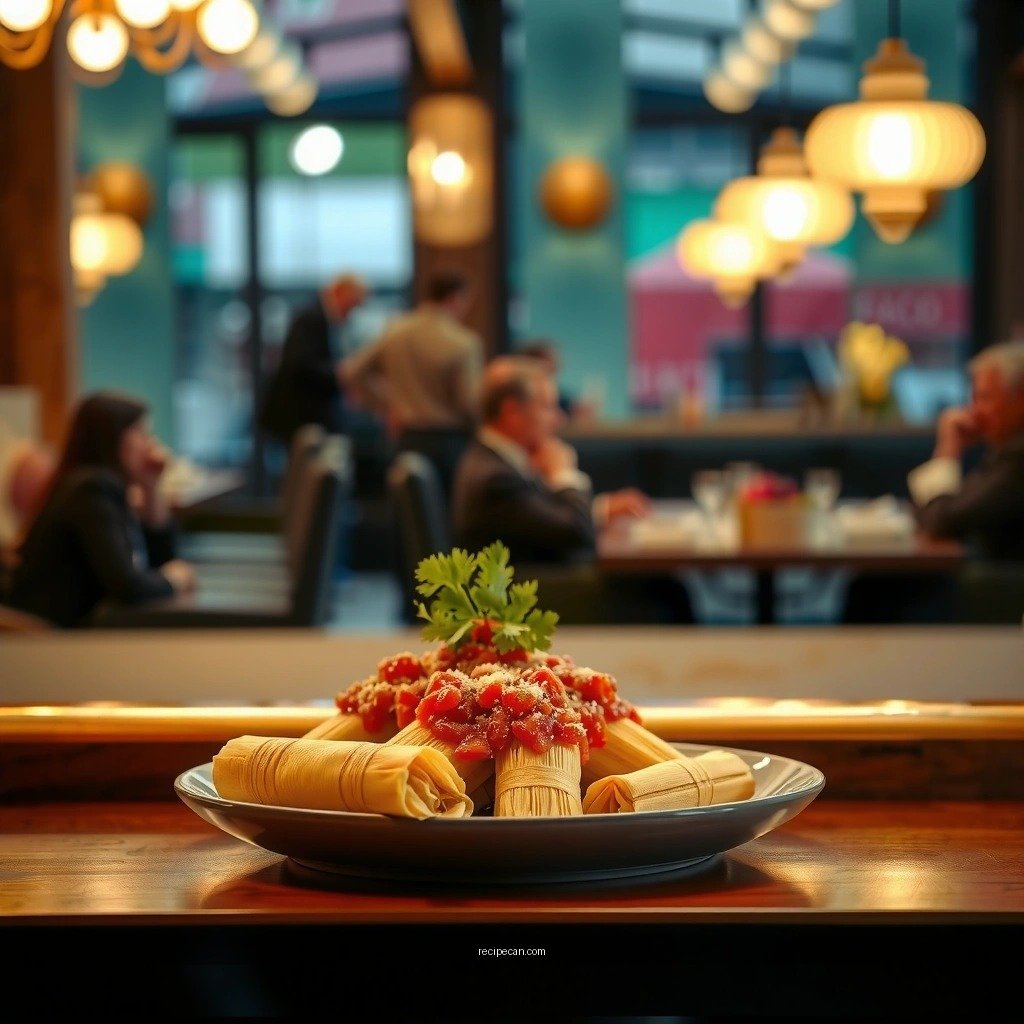
Traditional tamale fillings are all about balance: rich, seasoned protein (or vegetables), plus enough liquid so the filling doesn’t dry out during steaming. A filling that’s too dry will pull moisture from the masa, making the tamal tougher.
Classic filling options you can make at home:
– Pollo (chicken): Use cooked chicken simmered with aromatics (onion, garlic), then shred and combine with a mild sauce or broth-based seasoning.
– Pork (cerdo): Pork shoulder is the most forgiving. Simmer until tender, then season and shred. Let it cool slightly before assembling.
– Rajas con queso (chiles strips with cheese): Roast or soften poblanos or poblanos-style chiles, slice into rajas, and cook with onion and a little cream or cheese until glossy—not watery.
– Beans: Black beans or refried beans work well. Season with onion, garlic, and herbs/spices, then ensure the mixture is thick enough to hold but moist enough to steam through.
Actionable filling technique:
For the best authenticity, cook fillings a day ahead when possible. Resting improves flavor and thickens sauces naturally. When you assemble tamales, aim for filling temperature that’s warm or room temperature—hot fillings can loosen masa if you assemble too quickly.
Food-safety and consistency note: Keep fillings covered and refrigerated if you prep ahead. When you’re ready to assemble, reheat gently so you don’t introduce extra water that could cause soggy masa.
Learn the Correct Folding and Wrapping
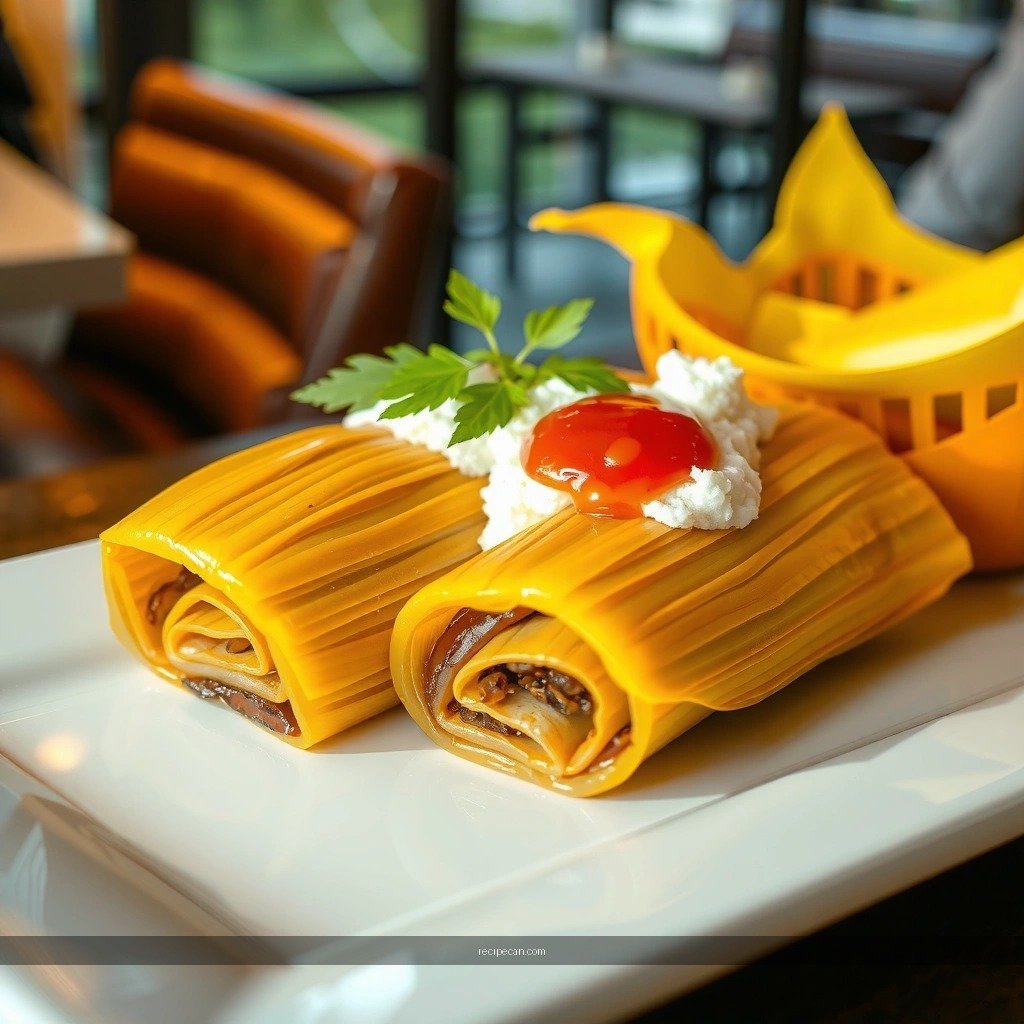
Wrapping is where many home cooks lose authenticity. Even if your masa and filling are excellent, loose or uneven wrapping can cause uneven steaming and messy results.
How to handle corn husks (huaraches vary, but this is standard for tamales):
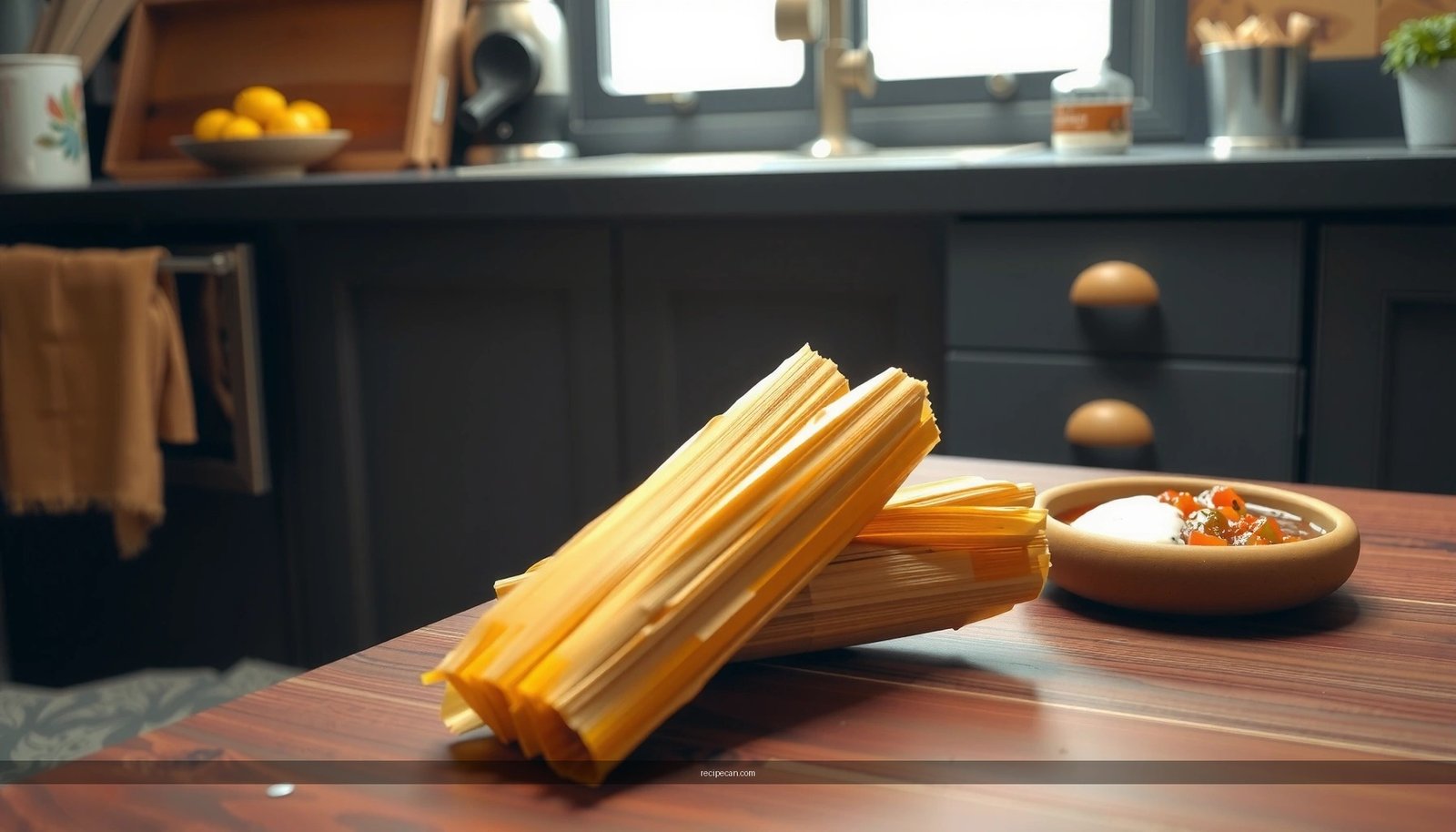
– Soak corn husks until pliable. Dried husks should become flexible without tearing.
– If husks are very thick or old, soak longer and keep them loosely submerged.
– Pat off excess water, but don’t let them fully dry back out.
Spreading and wrapping for tight shape:
– Spread masa evenly so the tamal cooks at the same rate throughout.
– Add filling in a controlled amount—overfilling can create gaps and blowout.
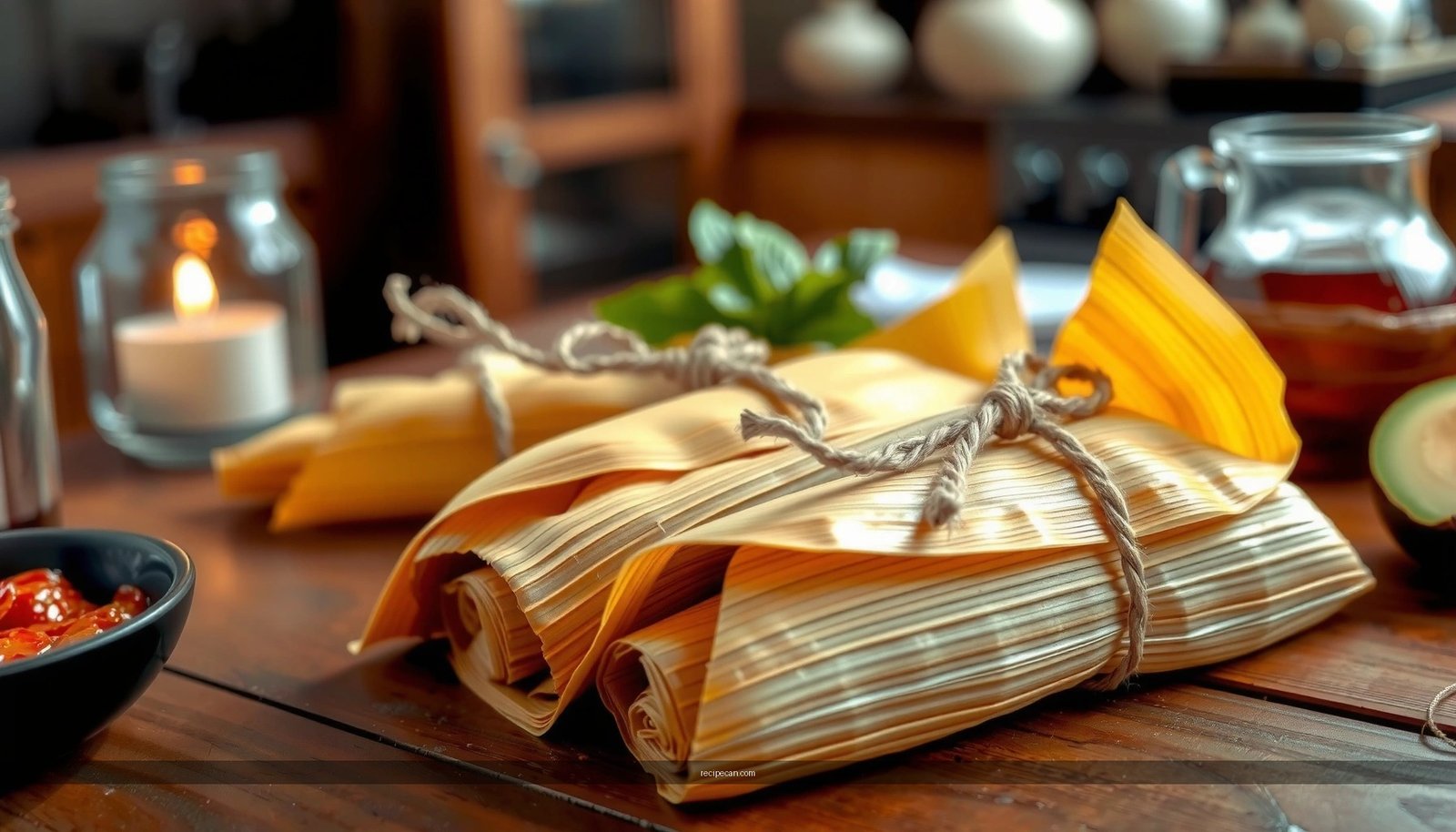
– Fold carefully and tie or secure according to your style (many traditions use strips of husk). The goal is a neat seal that contains filling while allowing steam to penetrate.
Analytical perspective: Tamales cook as a system—steam enters through the husk and cooks outward. If masa thickness varies, you’ll see a clear gradient: thin sections can overcook while thicker areas remain underdone. Uniform spreading is the simplest way to achieve consistent doneness.
Steam Tamales the Right Way
Steaming isn’t just “how long”—it’s maintaining stable steam conditions for the entire cook time. Authentic tamales typically require enough steaming time for masa to fully hydrate and cook through, especially in thicker central portions.
Steaming fundamentals:
– Use enough water so the steamer doesn’t run dry mid-cook.
– Maintain steady steam, not a rolling boil and not a weak trickle.
– Arrange tamales upright (if your steamer design supports it) or in a layered pattern that doesn’t trap steam unevenly.
Doneness check (best indicator):
– The masa should lift slightly from the husk edges and feel cooked through when you gently test a tamal after resting.
– If the masa still sticks firmly or feels soft in the center, extend steaming.
Resting matters: After steaming, allow tamales to sit for a short period (typically covered) so they set. Cutting or unwrapping too early can make them break or appear underdone even when they are cooked.
Troubleshooting Common Tamale Problems
Even experienced cooks refine their process. The good news: most tamale issues are correctable with small adjustments.
If your masa is too dry:
– Add small amounts of broth (1–2 tablespoons at a time) and mix until the masa returns to a smooth, spreadable texture.
– Check fat ratio and whipping time next batch—lack of aeration can also make masa feel dry even when hydrated.
If tamales are tough or undercooked:
– Toughness often comes from insufficient steam time or masa that was too thick.
– Extend steaming in increments, keeping heat steady.
– Ensure your steamer maintains consistent steam for the full duration. If your water level drops, restart steaming after you restore proper steam pressure/heat.
If husks tear or tamales leak filling:
– Short soaking time is the most common cause of torn husks.
– Use a smaller filling portion and tighten folds. Consistent wrapping prevents gaps.
If masa seems greasy:
– Reduce fat slightly next time, or whip less if your fat is breaking the emulsion.
– Confirm you’re using masa harina for tamales and following hydration guidance.
In practice, think of tamales as iterative: adjust one variable at a time—hydration, fat level, spread thickness, or steaming duration—and you’ll quickly dial in your “home standard.”
Serving, Storing, and Reheating
Authentic tamales shine with the right toppings and handling. Serve them warm so masa texture remains tender and the filling tastes freshly seasoned.
How to serve for maximum traditional flavor:
– Salsa (verde or roja)
– Crema (or Mexican crema)
– Queso fresco crumbled on top
– Pickled garnishes like onions or jalapeños for acidity and crunch
Storing safely and preserving texture:
– Cool tamales fully before storing to prevent condensation.
– Store in airtight containers or wrap securely. Many cooks freeze tamales for make-ahead convenience.
Reheating methods (best texture):
– Steaming: Reheat tamales covered with steam until hot through. This maintains the original steamed texture.
– Microwaving: Works in a pinch, but use a damp paper towel and shorter bursts, then rest. Ensure they’re heated through thoroughly.
Operational tip for batch cooking: If you plan to freeze, wrap tamales individually before placing them into a freezer-safe bag. That prevents freezer burn and makes portioning faster—ideal for family-style service.
Tamales turn out authentic when you balance seasoned masa, well-prepared fillings, tight wrapping, and steady steaming. Try one recipe from above, follow the wrapping and steaming tips closely, and then customize your favorite flavors—then make a batch ahead so you’re ready for your next family-style meal.
Frequently Asked Questions
What makes an authentic Mexican tamales recipe different from other tamales?
Authentic Mexican tamales usually follow traditional regional methods, like using masa harina mixed with lard (or traditional fat) and steaming in corn husks or banana leaves depending on the recipe. The fillings—such as red chile pork (puerco en salsa roja), green chile chicken (pollo en salsa verde), or sweet tamales—are seasoned with authentic Mexican spices and chiles for deep flavor. The texture should be tender and cohesive, not dry or gummy, and the masa should spread easily while holding shape when steamed.
How do I make authentic masa for Mexican tamales that doesn’t turn out dry or gummy?
Start with masa harina formulated for tamales and mix it with warm broth (or water) gradually until it becomes soft and spreadable. Many authentic Mexican tamales recipes beat the masa with lard for lightness, which helps prevent a dense or gummy texture. If you’re seeing dryness, add small amounts of warm liquid; if it’s gummy, reduce liquid next time and ensure you’re steaming at a steady temperature so the masa properly sets.
Which chiles are best for a traditional red chile tamales sauce (salsa roja)?
For authentic Mexican tamales, many cooks use dried chiles like guajillo for mild fruity heat, ancho for chocolatey richness, and árbol for extra kick if you want it spicier. Toast the chiles lightly, rehydrate them, then blend with garlic, onion, and broth until smooth before cooking into a thick salsa. This method helps the masa absorb the flavors evenly, so every bite tastes like a classic Mexican tamales recipe rather than just spicy filling.
How long should I steam tamales to cook them fully without overcooking the masa?
Cooking time depends on tamale size, but many authentic Mexican tamales recipes require about 60–90 minutes of steady steaming. You’ll know they’re done when the masa pulls away slightly from the corn husk and the center feels set, not wet. Keep the steamer lid closed as much as possible and maintain a consistent simmer—too little steam leads to undercooked masa, while prolonged heat can dry them out.
Why do my tamales fall apart or stick to the husk, and how can I fix it?
Tamales often fall apart if the masa is too wet, under-steamed, or the filling is overworked and makes the masa slide. If they stick to the corn husk, you may need to ensure the masa is cooked through and avoid overfilling; a properly steamed tamale should release cleanly. To improve results, use well-soaked husks, spread masa evenly, and follow a trusted authentic Mexican tamales recipe for correct steaming time and masa consistency.
References
- Tamale
https://en.wikipedia.org/wiki/Tamale - https://www.britannica.com/topic/tamale
https://www.britannica.com/topic/tamale - Masa
https://en.wikipedia.org/wiki/Masa_harina - Nixtamalization
https://en.wikipedia.org/wiki/Nixtamalization - https://en.wikipedia.org/wiki/Tamales_verdes
https://en.wikipedia.org/wiki/Tamales_verdes - Tamale
https://en.wikipedia.org/wiki/Zacahuil - Google Scholar Google Scholar
https://scholar.google.com/scholar?q=authentic+mexican+tamales+recipe - Google Scholar Google Scholar
https://scholar.google.com/scholar?q=traditional+Mexican+tamales+masa+nixtamalization+corn+dough - Google Scholar Google Scholar
https://scholar.google.com/scholar?q=history+cultural+meaning+of+tamales+Mexico+recipes - https://en.wikipedia.org/wiki/Mole_(sauce
https://en.wikipedia.org/wiki/Mole_(sauce