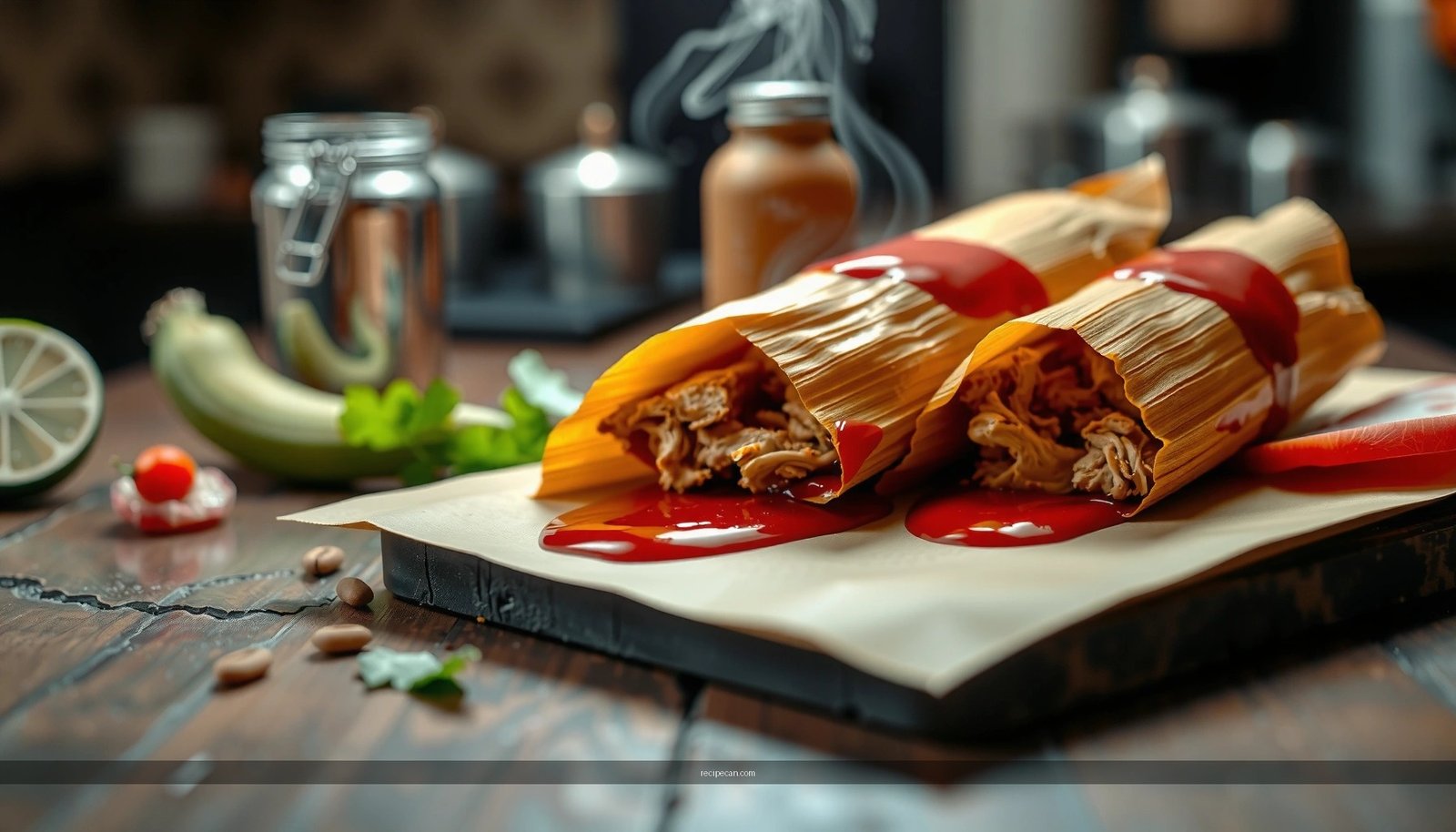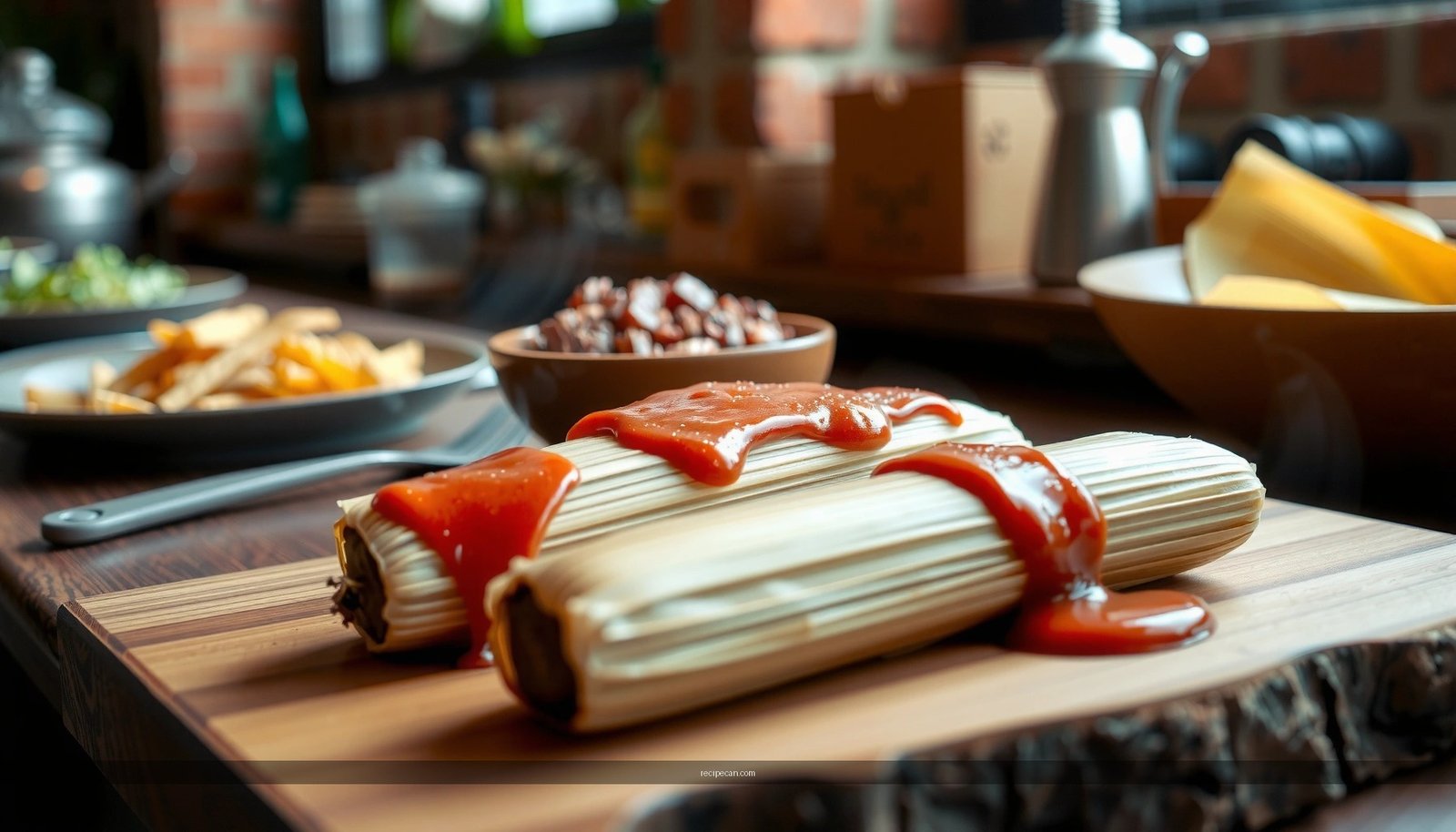
If you need homemade tamale recipes that actually work for beginners, this guide delivers the easiest traditional options—clear steps, reliable masa, and filling combos you can master without guesswork. You’ll get a winning path to tamales that hold together and taste like they came from home, whether you’re making them for the first time or rebuilding your confidence. By the end, you’ll know exactly which method to use for the results you want.
Homemade tamale recipes are easiest when you focus on two things: properly textured masa (corn dough) and well-seasoned filling, then steam them until the masa pulls cleanly from the husk. In this beginner-friendly guide, you’ll learn a simple, step-by-step tamale process—from masa and chile sauce to assembly and cooking—so your homemade tamales come out tender, flavorful, and “restaurant quality” even on your first batch.
Choose Your Homemade Tamale Style
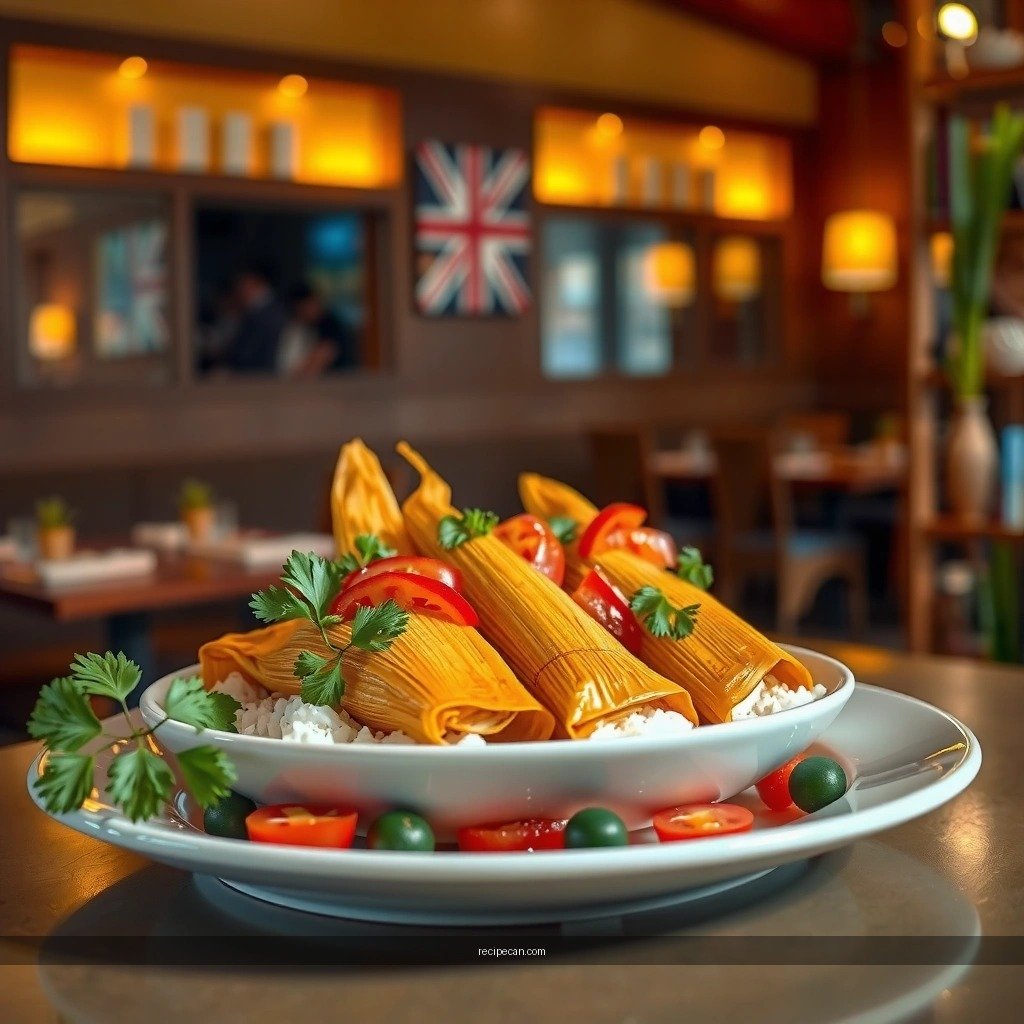
Before you start cooking, decide what kind of tamales you want to serve—this affects seasoning, chile intensity, and even how long you simmer the filling.
– Pick a classic filling like pork, chicken, or beef based on your preferences
– Pork (often carnitas-style): Rich and forgiving; fat helps keep tamales moist during steaming.
– Chicken (verde or roja): Leaner, but still excellent when cooked until tender and shredded.
– Beef (like brisket or shredded stew meat): Deeply savory; benefits from longer simmering to develop flavor.
– Decide on mild vs. spicy chile sauces to control heat level
For beginners, mild chile sauces reduce the risk of overdoing heat. A practical approach is:
– Start with a smaller portion of chile paste and add gradually.
– Reserve a portion of sauce before adjusting heat, so you can balance acidity and salt.
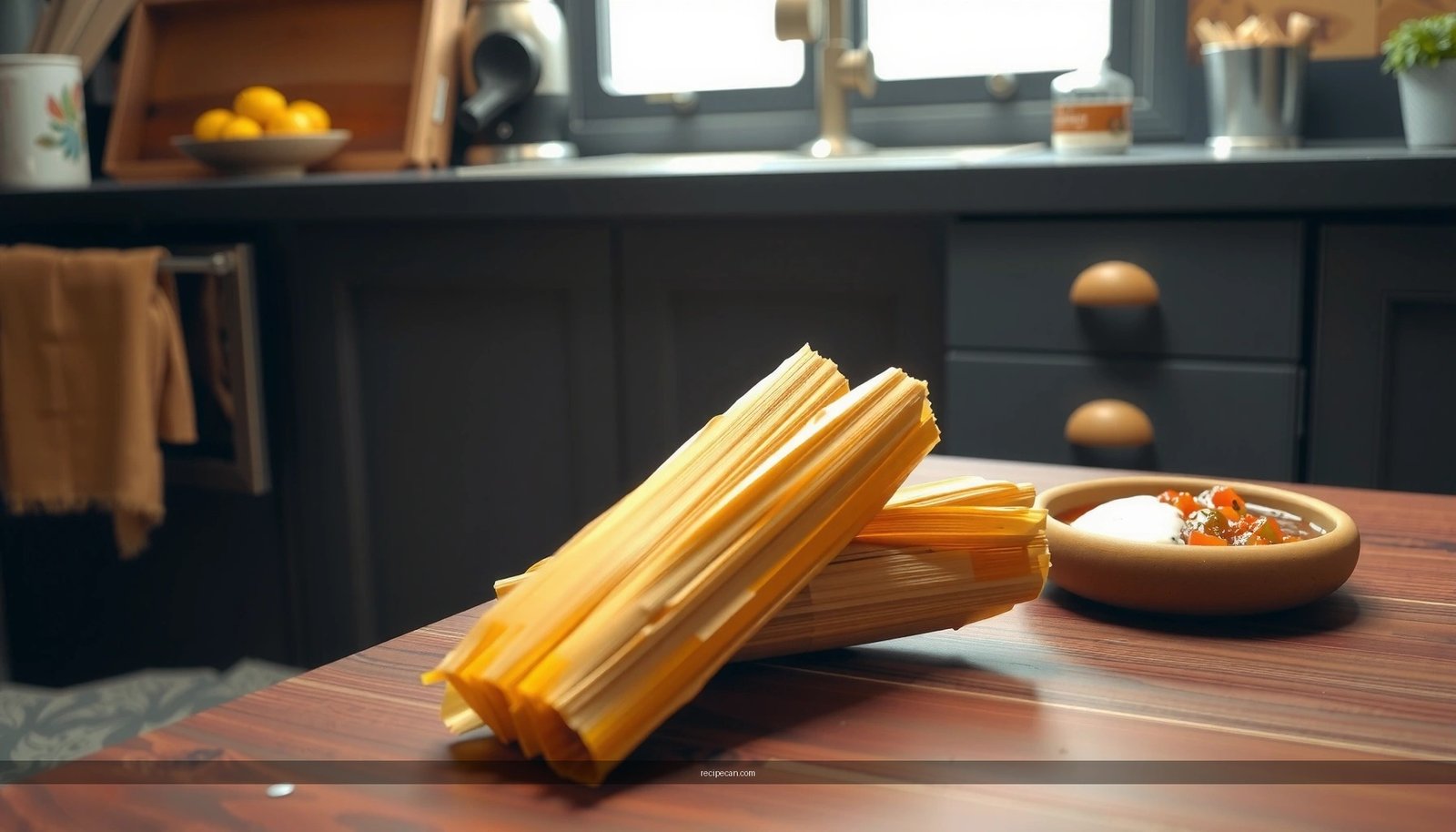
– Choose traditional corn husks or alternatives like banana leaves if available
– Corn husks are traditional and help create the classic “tamale” aroma.
– Banana leaves can work well for similar steaming and flavor release—just make sure they’re clean, pliable, and cut to a consistent size.
Beginner Tamale Planning: Masa & Filling Targets
| # | Tamale Style | Target Masa Moisture | Recommended Fill-to-Masa Ratio | Typical Steam Time | Consistency Check |
|---|---|---|---|---|---|
| 1 | Red Chile Pork (Rojas) | Spreadable, holds peaks | ~1:2.0 (filling to masa) | 75–90 min | Masa pulls cleanly |
| 2 | Green Chile Chicken (Verdes) | Creamy, not runny | ~1:2.2 | 70–85 min | Texture feels “set” |
| 3 | Beef in Adobo-Style Sauce | Soft, holds shape | ~1:2.1 | 90–105 min | Husk detaches easily |
| 4 | Mole-Style Chicken | Slightly stiffer for richness | ~1:2.0 | 80–95 min | No raw dough lines |
| 5 | Cheese & Roasted Chile (Beginner Mild) | Spreadable, airy | ~1:2.4 | 55–70 min | Edges set, filling warmed |
| 6 | Vegetarian Sweet Corn & Chile | Moist but not sticky | ~1:2.3 | 60–75 min | Clean release from husk |
| 7 | Chipotle-Style Pork (Medium Heat) | Holdable and smooth | ~1:2.1 | 75–90 min | Masa springs back lightly |
Prepare the Masa (Tamale Dough)
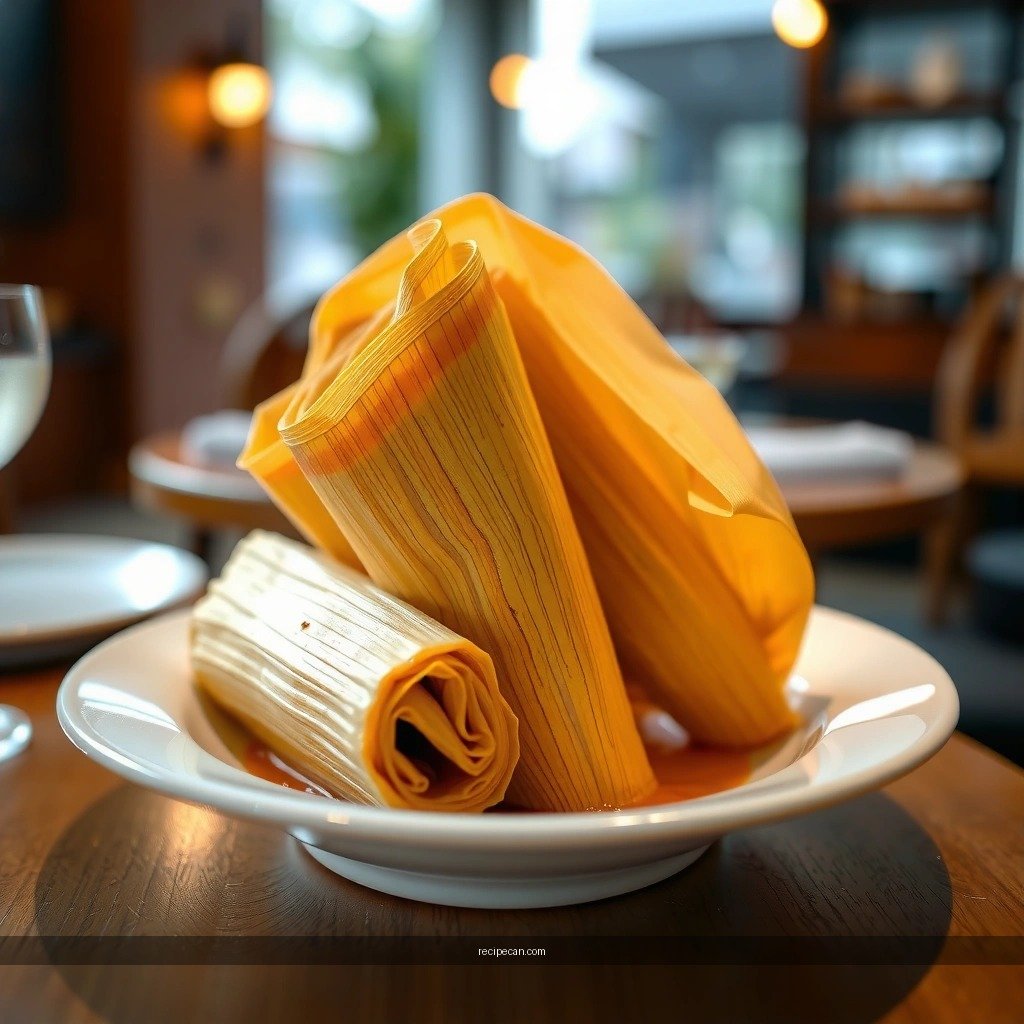
Masa is where beginner tamales can either become outstanding—or fall flat. The goal is a dough that’s spreadable, flavorful, and light once steamed.
– Use masa harina and follow the correct liquid-to-masa ratio for proper texture
Most masa harina brands behave similarly, but the “right” ratio depends on humidity and brand grind. As a reliable starting point for beginners:
– Add liquid gradually, mix, then rest briefly so the masa hydrates.
– Aim for a consistency similar to thick peanut butter: it should spread without running.
– Season the masa well so tamales aren’t bland after steaming
Seasoning needs to be present before steaming because masa flavors mellow as they cook. A good strategy:
– Mix in salt and aromatics early.
– Taste a small amount of masa mixture (cooked or spoon-test after a short simmer) to confirm it’s not under-salted.
– Whip or mix until smooth to help the dough stay light and tender
Traditional methods whip masa (often with a spoon or mixer) to incorporate air and improve tenderness. Practically:
– Mix until smooth and no dry lumps remain.
– If you notice stiffness, adjust with small additions of warm liquid.
Common beginner fixes:
– If masa tears when spread: it’s too dry—add a teaspoon at a time of warm liquid.
– If masa spreads too thin: it’s too wet—add a small amount of masa harina and mix again.
Make Flavorful Fillings and Chile Sauce
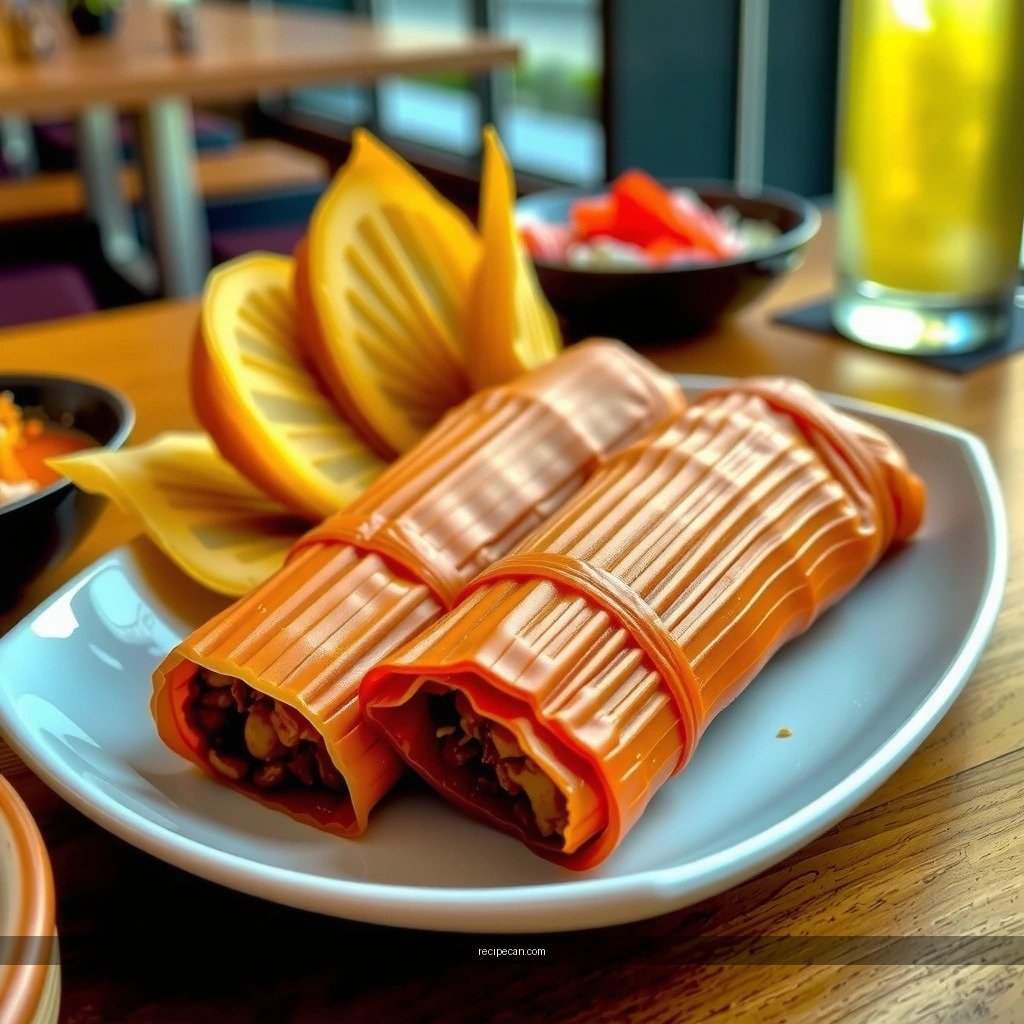
Great homemade tamale recipes rely on filling that’s savory, thick, and cohesive—not watery. Liquid fillings can cause soggy masa or prevent consistent steaming.
– Sauté aromatics (like onion and garlic) before adding meat and spices
Start by softening aromatics in oil until fragrant. This step builds a flavor base that can carry through both the filling and the chile sauce. Then add spices and toast them briefly so they bloom.
– Simmer until the filling is thick enough to hold in the tamales
The filling should mound on a spoon and resist spreading. If it’s loose, continue simmering:
– Excess liquid evaporates as it cooks.
– Thick fillings help masa set properly and keep tamales tidy during assembly.
– Blend or adjust chile sauce for balanced flavor and heat
Chile sauce should be flavorful on its own. For beginners, balance matters as much as heat:
– If it tastes too sharp: add a pinch of sugar or a bit more fat.
– If it lacks depth: simmer longer or add a small amount of toasted chile powder.
– If it’s too spicy: dilute with a little stock, broth, or additional crushed tomatoes/roasted peppers (depending on your sauce base).
Practical tip: Make extra chile sauce than you think you need. You can thin it slightly to moisten shredded meat, then reduce it for thickness.
Assemble Tamales the Right Way
Assembly determines whether your tamales hold together in the steamer and whether each bite is balanced.
– Spread masa evenly on the husk, leaving room at the edges
Use a spoon or small offset spatula to spread masa in an even layer. Leave space at the top edge (and sometimes the sides) so the fold seals properly.
– Add filling in a consistent amount for even cooking
Consistency is a quality lever. Portion the filling so each tamale has similar weight. If some have too much filling, those may take longer to cook or release steam unevenly.
– Fold tightly and secure so tamales stay intact during steaming
Fold using a firm but not overstretched technique. Tie with kitchen string if your husks don’t naturally hold—or if your batch is large and you want extra stability.
Assembly rhythm:
Set up a “line” with husks, masa, filling, and a tray for finished tamales. This reduces fatigue and improves uniformity—key for beginner success.
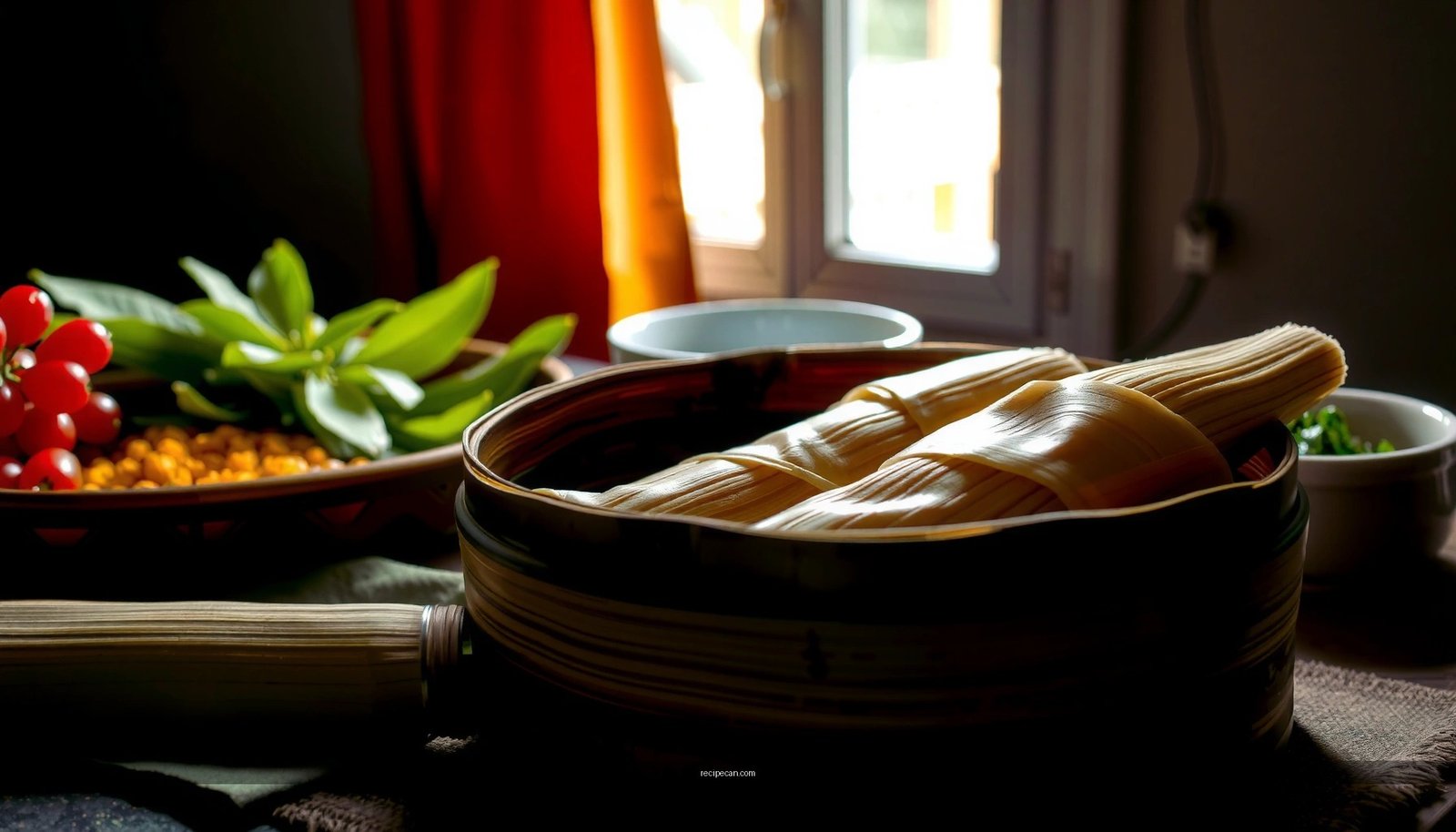
Steam to Perfect Texture
Steaming is where technique matters most. The goal is steady steam, not boiling turbulence.
– Steam in batches if needed, keeping water levels steady
Overcrowding can reduce steam flow and lead to uneven cooking. Use batches when necessary, and keep an eye on the water level so it doesn’t run dry.
– Cook until masa pulls cleanly from the husk
This is the classic visual test. When tamales are ready:
– The masa edges begin to detach cleanly.
– The surface looks set, not glossy or doughy.
– Rest briefly before serving to set the masa and improve flavor
After steaming, let tamales rest. This helps the masa firm up slightly and lets sauce flavors settle into the dough.
Troubleshooting timing:
– If masa still sticks: steam longer in 10–15 minute increments.
– If filling bubbles aggressively but masa isn’t set: heat may be high or water level low—aim for consistent steam.
Serving, Storing, and Reheating
Once you’ve made your homemade tamales, the next step is serving and storage—both affect taste and texture.
– Serve with salsa, crema, queso fresco, or a fresh lime squeeze
Choose toppings that match your chile style:
– Red chile (roja): Pair with crema and queso fresco for cooling contrast.
– Green chile (verde): Add a bright salsa and lime for freshness.
– Cool completely before storing to prevent sogginess
Hot tamales trap steam that can soften masa. Cool them at room temperature, then store in airtight containers.
– Reheat by steaming or microwaving with a damp paper towel for best results
– Steaming: best texture—wrap in foil and steam until warmed.
– Microwave: cover with a damp paper towel and heat in short intervals to avoid drying.
Storage note:
Tamales typically freeze well. Portion servings so you can reheat only what you need.
Homemade tamale recipes get easier once you master masa consistency, properly seasoned fillings, and consistent steaming time. Choose your favorite filling, assemble tightly, and cook until the masa releases cleanly—then serve fresh or store for later. Start with one batch this week and tweak the chile level and fillings as you go.
Frequently Asked Questions
What’s the best masa harina to use for homemade tamale recipes?
For most homemade tamale recipes, look for masa harina specifically labeled for tamales (often “nixtamalized” corn flour) so the texture hydrates correctly and forms a smooth masa. Brands can vary, but the key is that it’s finely ground and intended for masa, not just for tortillas. If your tamales taste bland, use masa harina with good corn flavor and always season the masa well with salt and fat.
How do I make tamales that don’t fall apart or get gummy?
To prevent homemade tamales from falling apart, spread a consistent masa thickness and avoid overfilling with filling, which can cause separation during steaming. Mix the masa until it’s smooth and check texture by ensuring it holds together without cracking; many cooks use a light fat (like lard or vegetable shortening) for proper structure. To avoid gummy tamales, steam until the masa pulls away cleanly from the husk and let them rest so excess moisture evaporates.
Why do my tamales taste bland, and how can I fix the flavor?
Bland flavor usually comes from under-seasoned masa or fillings that need salt, acid, and spice balance. Season the masa with salt and consider adding broth or aromatics for depth, while also tasting your salsa or sauce before assembling. If the filling tastes flat, a small amount of salt, lime juice, or toasted spices can dramatically improve homemade tamale recipes without making them too spicy.
Which fillings work best for beginner homemade tamale recipes?
Beginner-friendly options include shredded chicken in red or green salsa, pork cooked with chile sauce, and vegetarian fillings like beans with mild chile and cheese. These fillings are forgiving because they’re flavorful even if the moisture level isn’t perfect. Choose fillings with a thick, spoonable consistency so the tamales steam well instead of becoming soggy.
How long should I steam homemade tamales, and how do I know they’re done?
Most homemade tamale recipes require steaming until the masa is fully cooked and the filling is heated through, often around 1 to 1.5 hours depending on tamale size and your steamer setup. Check doneness by peeling back a husk slightly—if the masa pulls away easily and looks set (not wet or sticky), they’re ready. Let the tamales rest before serving, which helps the masa firm up and improves sliceable texture.
References
- Google Scholar Google Scholar
https://scholar.google.com/scholar?q=homemade+tamales+recipe - Google Scholar Google Scholar
https://scholar.google.com/scholar?q=tamale+masa+nixtamalization+corn+dough - Google Scholar Google Scholar
https://scholar.google.com/scholar?q=tamales+steaming+corn+husk+preparation - Tamale
https://en.wikipedia.org/wiki/Tamale - https://www.britannica.com/topic/tamale
https://www.britannica.com/topic/tamale - https://pubmed.ncbi.nlm.nih.gov/?term=tamale
https://pubmed.ncbi.nlm.nih.gov/?term=tamale - https://pubmed.ncbi.nlm.nih.gov/?term=nixtamalization+corn+masa+dough
https://pubmed.ncbi.nlm.nih.gov/?term=nixtamalization+corn+masa+dough - nixtamalization – Books – NCBI
https://www.ncbi.nlm.nih.gov/books/?term=nixtamalization - https://www.sciencedirect.com/search?qs=tamale
https://www.sciencedirect.com/search?qs=tamale - https://www.sciencedirect.com/search?qs=nixtamalization+corn+processing
https://www.sciencedirect.com/search?qs=nixtamalization+corn+processing