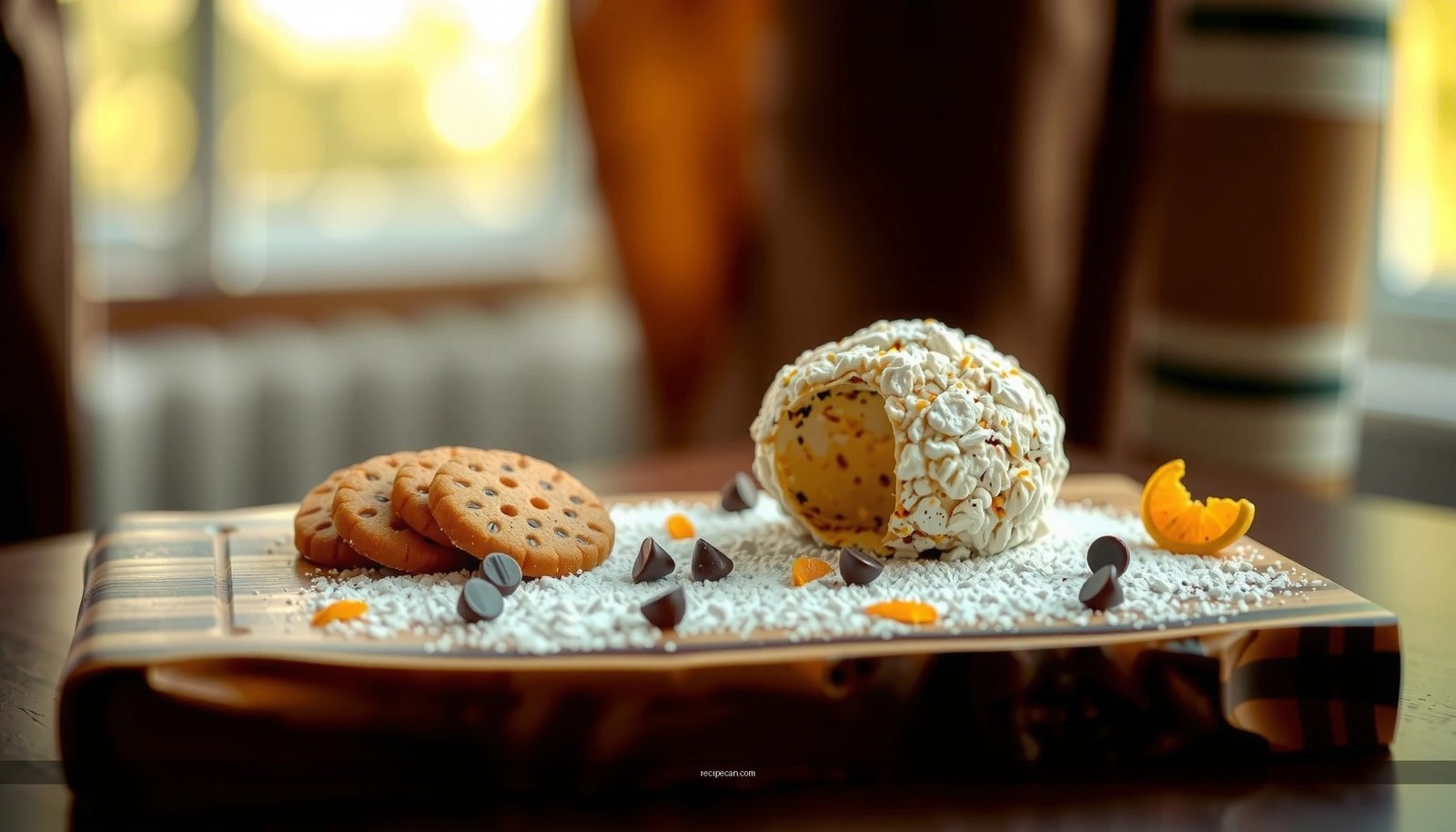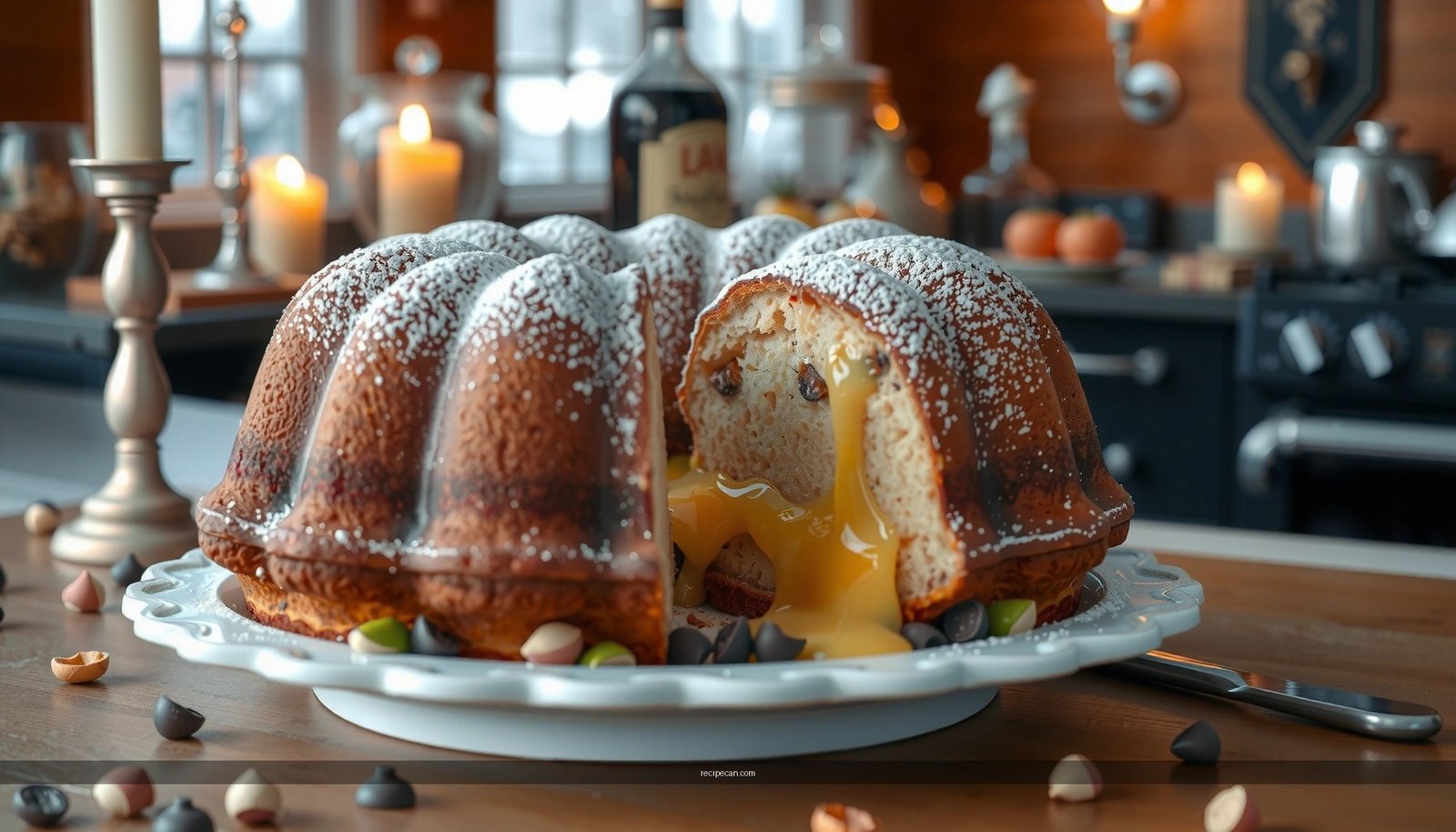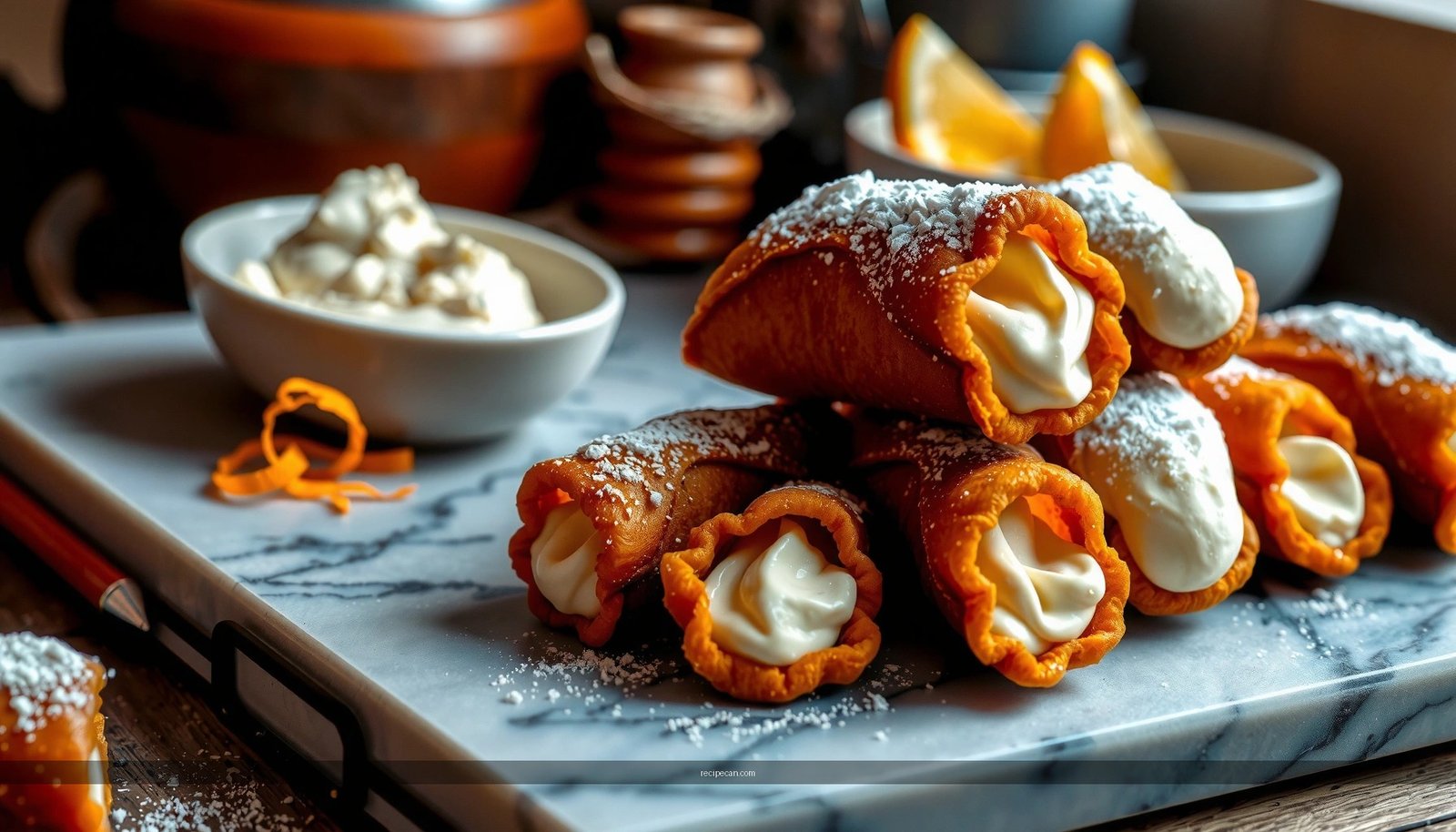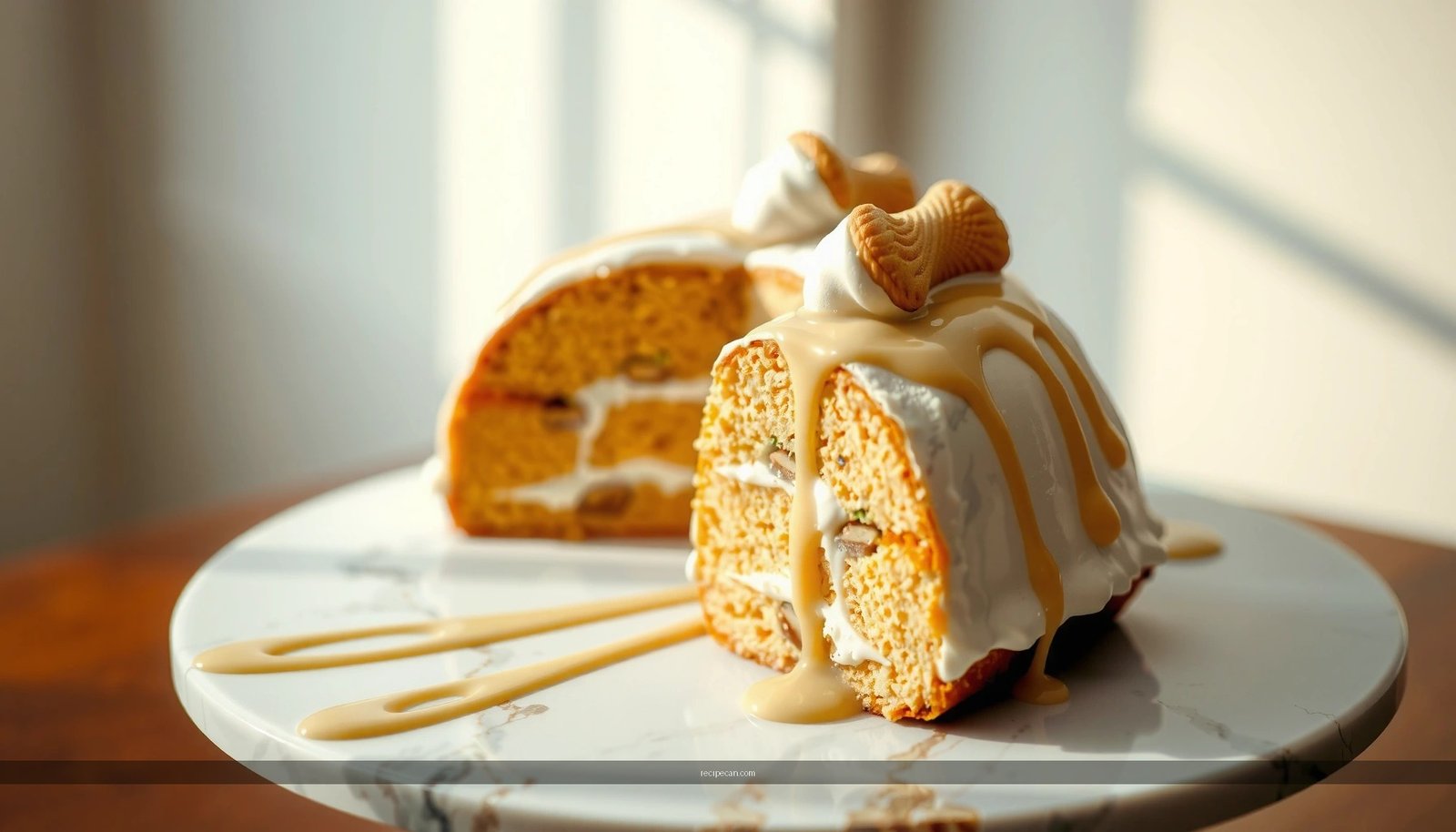
Find the best cannoli poke cake recipes that actually deliver the classic cannoli flavor in every slice—tender cake soaked with creamy filling. This guide picks the winners for what you want most: maximum cannoli richness, easiest assembly, and a finish that holds up in the fridge. If you want an easy, creamy cannoli-inspired poke cake without guesswork, you’ll get the exact approach and combinations that work.
Yes—you can make cannoli poke cake fast by baking a vanilla cake, poking holes, and soaking it with a sweetened ricotta mixture, then finishing with classic cannoli-style toppings; in this guide, you’ll find multiple easy variations (including no-bake topping, chocolate-drizzled, and gluten-free) plus make-ahead and troubleshooting tips so you can consistently deliver a crowd-pleasing, creamy dessert.
Classic Cannoli Poke Cake
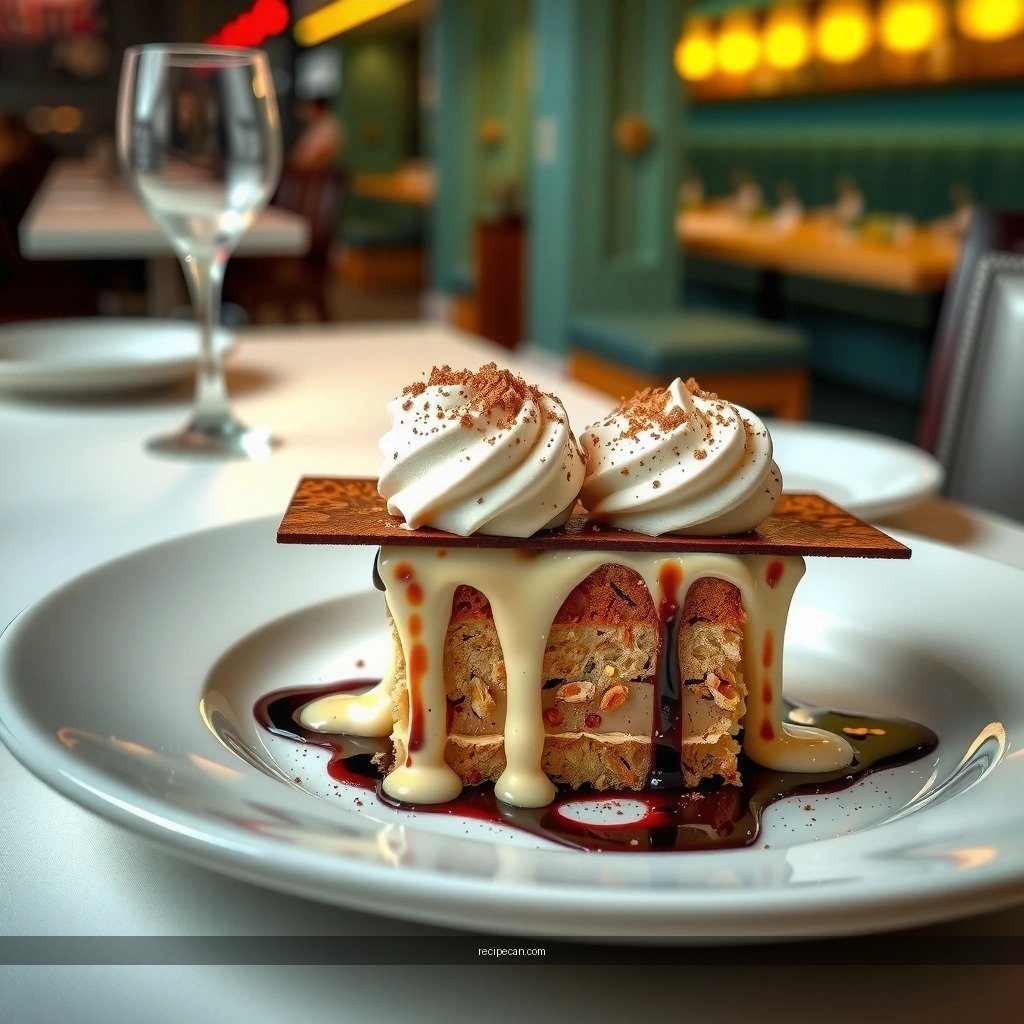
– Use vanilla cake as the base, then poke holes evenly for even filling
– Mix ricotta with powdered sugar and vanilla for that signature cannoli flavor
– Top with mini chocolate chips and/or chopped pistachios for a classic finish
A classic cannoli poke cake starts with the “structural” step: evenly spaced holes. Those holes act like reservoirs—when you pour the ricotta filling, the cake absorbs flavor instead of just sitting on top. To keep absorption consistent, poke holes about 1 to 1½ inches deep using the end of a wooden spoon or a thick skewer, and aim for a regular grid (for example, roughly 1-inch spacing across the surface).
For the cannoli filling, the goal is a sweet, creamy flavor that mimics traditional cannoli filling without becoming watery. Use well-drained ricotta (if yours is very wet, stir in a teaspoon or two of powdered sugar first and let it sit for 5–10 minutes, then drain briefly through a fine-mesh sieve). Then blend ricotta with powdered sugar, vanilla extract, and a pinch of salt. Salt matters more than most people expect—it sharpens the dairy sweetness and helps the vanilla read as “bakery-style.”
Actionable cannoli-style finishing ideas
– Mini chocolate chips: Add them to the filling and also sprinkle on top right before serving for texture contrast.
– Pistachios: Finely chopped pistachios bring a nutty, buttery finish that pairs naturally with vanilla and chocolate.
– Lemon zest (optional): A tiny amount (¼–½ tsp) lifts the ricotta flavor and brightens the overall profile.
Why this version works: vanilla cake + ricotta soak = soft cake texture, while the toppings restore crunch and visual appeal—essential for a cannoli-inspired dessert that doesn’t taste “one-note.”
No-Bake Cannoli Cream Topping
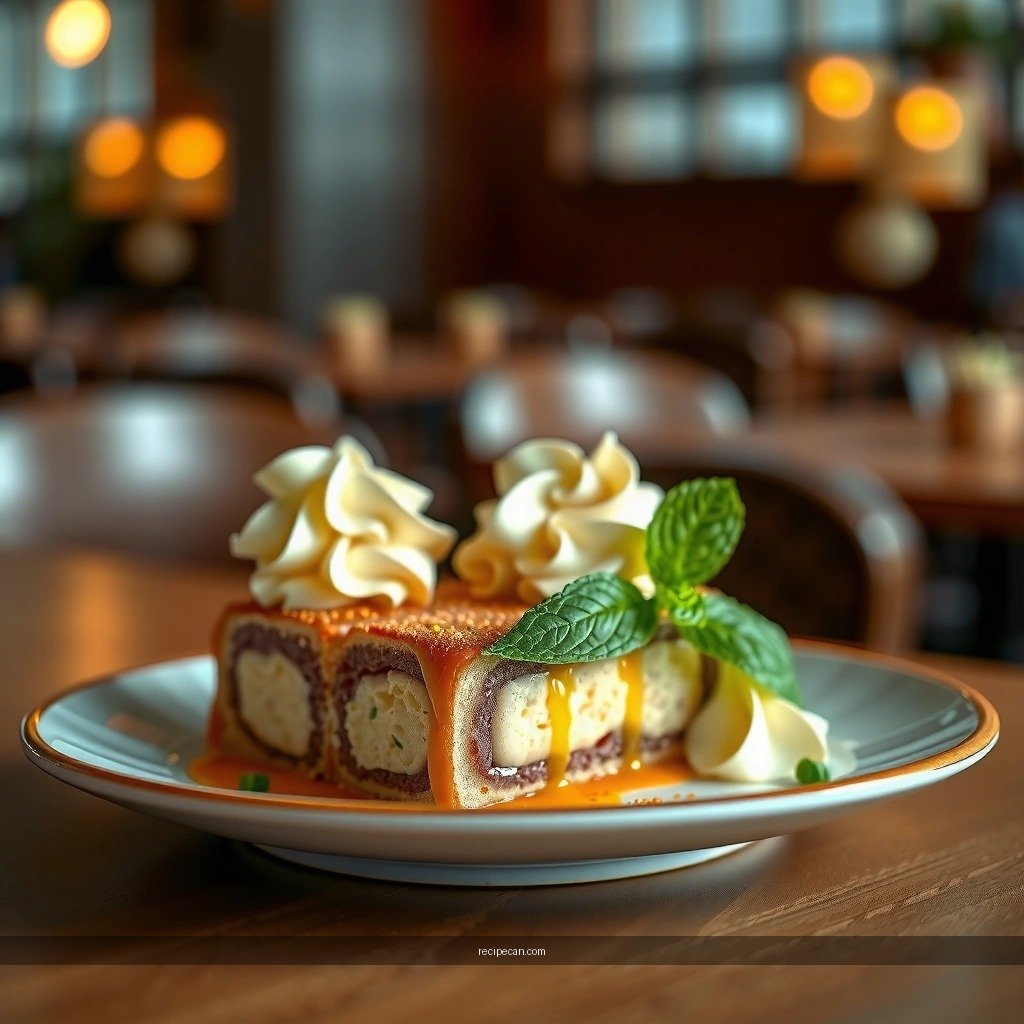
– Create a quick cannoli-style topping using whipped cream and ricotta
– Chill before serving to let the filling set and soften the cake perfectly
– Great option when you want faster prep with the same cannoli vibe
If you want a lighter, faster approach, use a no-bake cannoli cream topping. Instead of pouring a thicker ricotta soak and letting it fully saturate, you’ll create a fluffy cannoli cream that settles into the holes and softens the cake over time. This method is especially helpful when you’re short on time or prefer a more mousse-like texture.
To do it well:
1. Stir ricotta with powdered sugar, vanilla, and salt until smooth.
2. Fold in whipped cream (or whipped topping for convenience, though homemade gives better flavor).
3. Chill the mixture and then spread it over the poke cake.
The chilling step is not optional. It helps the cream firm enough to slice cleanly, and it also slows melting while the cake hydrates through the holes. Plan on at least 3–4 hours of refrigeration; for best results, overnight is ideal.
Best use cases
– Dessert tables where you need a make-it-and-set-it option
– Parties where you want a creamy top that doesn’t turn overly dense
– Busy schedules: mix in 10–15 minutes, chill, then assemble
Texture expectation: This version will typically feel more airy and creamy than the classic “soaked ricotta” method. If your audience loves a firmer cannoli filling feel, go classic; if they love mousse-like desserts, go no-bake.
Chocolate-Drizzled Cannoli Poke Cake
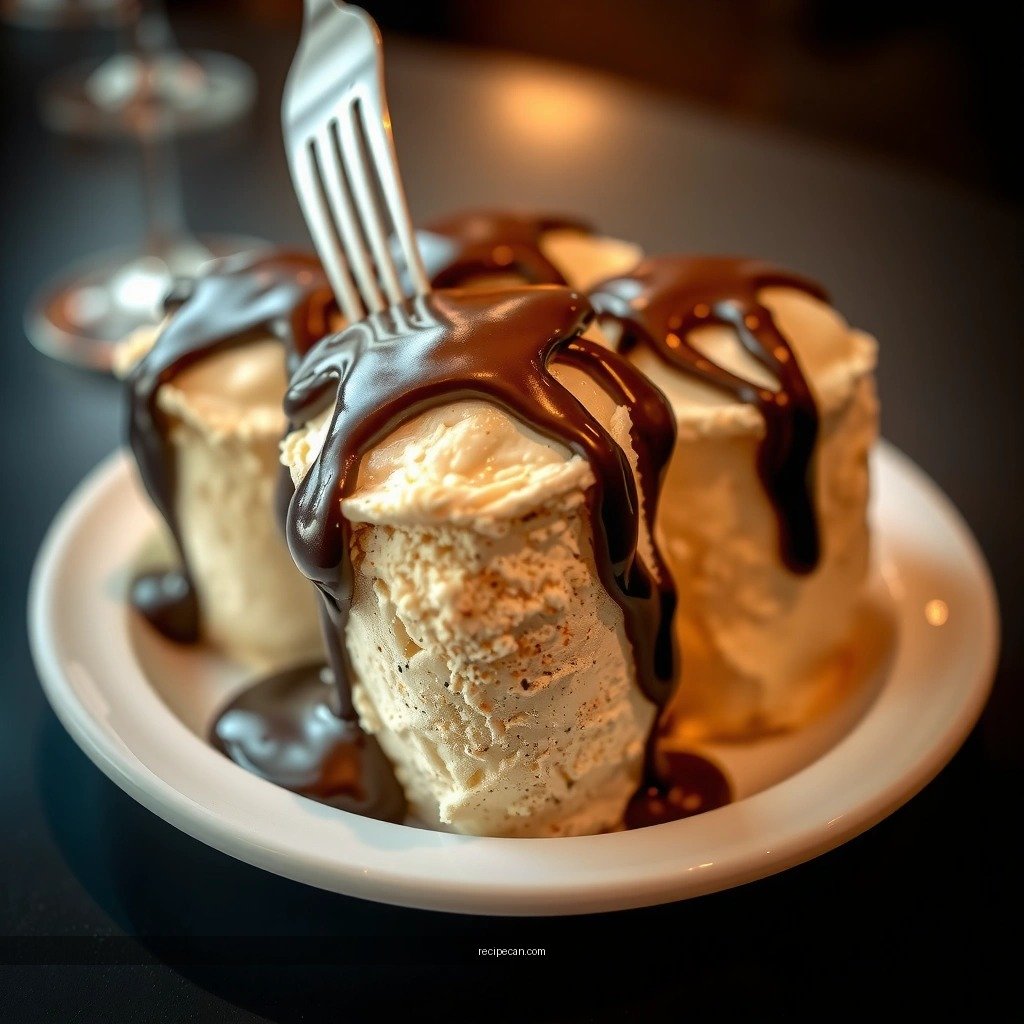
– Add cocoa or espresso to the batter for a richer base
– Drizzle melted chocolate over the cannoli filling layer
– Finish with crushed cookies or extra chips for crunch
For a deeper, more indulgent cannoli poke cake, add chocolate to either the cake batter or the filling stage—and drizzle real melted chocolate on top. This variation changes the overall “direction” of the dessert: instead of vanilla-forward, it becomes a cocoa-and-cream experience with classic cannoli sweetness.
Two ways to add chocolate
– Chocolate cake base: Stir cocoa powder into the batter for a richer foundation that still pairs well with ricotta.
– Espresso lift (optional): A small amount of espresso powder intensifies chocolate flavor without tasting like coffee.
Chocolate drizzle technique
– Let the melted chocolate cool slightly (warm, pourable—not hot) before drizzling.
– Drizzle over the ricotta-filled top layer, not directly into cake holes, to avoid a muddy chocolate distribution.
– Finish with crushed cookies (like wafer cookies or chocolate sandwich cookies) or extra mini chips for crunch.
Pro-level balance tips
– If you’re using a chocolate base, keep the ricotta filling slightly less sweet—reduce powdered sugar by 1–2 tablespoons for a more balanced profile.
– Always include salt in the filling. It improves both vanilla and chocolate perception.
Result: Each forkful hits creamy ricotta, cake tenderness, and a contrasting chocolate element—an easy way to make cannoli poke cake feel “gourmet” without complicated steps.
Gluten-Free or Low-Sugar Cannoli Poke Cake
– Swap in a gluten-free cake mix or your favorite gluten-free sponge recipe
– Use a low-sugar sweetener in the ricotta filling
– Expect best texture when the cake is fully chilled before topping
Cannoli poke cake can work beautifully with gluten-free and/or lower-sugar dietary goals, but the texture depends on two variables: the cake’s moisture behavior and the sweetener’s effect on dairy.
Gluten-free strategy (cake)
– Use a high-quality gluten-free vanilla cake mix or a tested gluten-free vanilla sponge recipe.
– Gluten-free cakes can be more fragile, so poke gently but thoroughly—holes should reach down, but avoid cracking the cake surface.
– Let the cake cool completely before poking and filling. Cutting corners here can create gummy texture.
Low-sugar strategy (filling)
– Replace powdered sugar with a low-sugar sweetener that measures similarly or use a blend designed for baking/icing.
– Because ricotta is dairy-heavy, you still want enough sweetness to echo cannoli filling. Start with a conservative reduction (for example, reduce by 25–40%), taste, and adjust carefully.
Chilling requirement
For gluten-free cannoli poke cake, full chilling is especially important. Gluten-free crumbs can hold moisture differently than wheat-based cake; chilling helps the filling thicken slightly and distribute evenly. Aim for at least 4–6 hours—overnight is best.
Serving tip: If you’re serving both gluten-free and regular guests, consider keeping toppings separate until assembly. Nuts and chips are safe add-ons for most diets, but sauces and cookie crumbles may contain hidden wheat—check labels.
Key Cannoli Poke Cake Choices and Expected Outcome (Baker Guidance)
| # | Recipe Variable | Typical Impact | Best For | Flavor Rating |
|---|---|---|---|---|
| 1 | Evenly spaced poke holes (≈1-inch grid) | More uniform soaking | Consistent slices | ★★★★★ |
| 2 | Well-drained ricotta (sieve if needed) | Less runniness | Clean topping set | ★★★★★ |
| 3 | Mini chocolate chips in filling | Better “cannoli” crunch | Classic texture profile | ★★★★☆ |
| 4 | Pistachios on top (finely chopped) | Nutty aroma + contrast | Elevated presentation | ★★★★☆ |
| 5 | Chocolate drizzle over set filling | Richer finish, controlled mess | Chocolate-forward guests | ★★★★★ |
| 6 | No-bake whipped-ricotta topping | Mousse-like creaminess | Fast assembly + lighter bite | ★★★★☆ |
| 7 | Extra chilling for gluten-free versions | Better slice integrity | Allergen-aware crowd | ★★★★☆ |
Make-Ahead & Storage Tips
– Assemble up to 1 day ahead for the most soaked, creamy texture
– Store covered in the fridge and keep toppings from getting too soggy
– Freeze cake layers only if needed; add fresh toppings after thawing
Cannoli poke cake is one of the few desserts where planning ahead genuinely improves results. The cake needs time to absorb filling, and the filling needs time to set into the crumb. If you’re serving for a party or event, build your workflow to maximize that “soak + set” window.
Best timeline
– Day -1 (recommended): Bake the cake, cool fully, poke holes, prepare ricotta filling, and assemble the base (with any moisture-sensitive toppings kept separate).
– Day 0: Add final toppings (like chopped pistachios and chocolate chips) shortly before serving if you want maximum crunch.
Storage best practices
– Store the cake covered in the refrigerator to prevent drying.
– Keep toppings in separate containers if you’re adding crunchy elements. Chocolate chips stay fine, but wafer crumbs and many cookie toppings can soften.
Freezing guidance
Freezing works best for the cake layers rather than an assembled, fully topped cannoli poke cake. Freeze cooled cake (wrapped tightly). Thaw in the refrigerator, then poke and fill. This reduces texture degradation and prevents toppings from becoming too wet.
Troubleshooting Common Issues
– If it’s too runny, chill longer and ensure ricotta is well-drained
– If holes don’t absorb well, poke deeper and keep spacing consistent
– If flavor is bland, boost vanilla and salt, and don’t skip chocolate chips
Even with a simple dessert concept, cannoli poke cake can go off-track due to moisture balance and technique. Here’s how to diagnose the most common problems quickly.
1) Filling is too runny
– Most likely cause: ricotta is too wet or mixture wasn’t thickened enough.
– Fix: drain ricotta (sieve), reduce added liquid ingredients, and chill longer—cold cheesecake-like fillings often tighten after refrigeration.
2) Cake isn’t soaking
– Most likely cause: holes are too shallow or spacing is inconsistent.
– Fix: poke deeper (about 1 to 1½ inches), and try a consistent grid across the entire surface. Also, ensure the cake is fully cooled before filling to prevent structural collapse.
3) Flavor tastes bland or flat
– Most likely cause: under-seasoning or too little vanilla/chocolate contrast.
– Fix: add salt to ricotta, increase vanilla slightly, and include chocolate chips (even in the classic version). A tiny amount of lemon zest can also help lift “dairy sweetness.”
4) Texture is overly soft
– Most likely cause: over-soaking or too much sweetened liquid.
– Fix: assemble up to 1 day ahead (rather than multiple days) or reserve a portion of filling to add closer to serving.
You’ll get the best results with a vanilla cake base, evenly poked holes, and a cannoli-inspired ricotta filling followed by a chilled rest. Choose a variation (classic, no-bake, chocolate-drizzled, or gluten-free) and make it ahead for maximum flavor—then try your favorite topping combo and serve chilled.
Frequently Asked Questions
What is a cannoli poke cake, and how is it different from a traditional cannoli cake?
A cannoli poke cake is a vanilla or yellow cake baked in a pan, then poked with holes and filled with a creamy cannoli-inspired filling, usually ricotta-based, that seeps throughout the layers. Unlike a traditional cannoli, which is a crisp fried shell filled with sweet ricotta, this recipe delivers the cannoli flavors in an easy, sliceable dessert. It’s also typically faster and less temperamental than making shells, making it ideal for gatherings.
How do you make a cannoli poke cake filling that stays thick and not runny?
Start with well-drained ricotta (or strain it briefly) so your cannoli poke cake filling isn’t watery. Fold ricotta with powdered sugar and add flavors like vanilla, mini chocolate chips, and optional orange zest, then chill the filling before pouring so it thickens and sets. If you’re concerned about texture, using mascarpone can help stabilize the ricotta while keeping the filling creamy.
Why does my cannoli poke cake turn soggy, and how can I prevent it?
Sogginess usually happens when the filling is too warm, the cake isn’t fully cooled, or the soaking liquid is excessive. Let the cake cool completely before poking, and chill the ricotta filling so it absorbs slowly rather than pooling. Use the right amount of filling—enough to soak into the holes without saturating the entire top—and consider covering loosely with foil while it chills.
What are the best cake flavors and pan sizes for cannoli poke cake recipes?
The most popular base for cannoli poke cake recipes is a vanilla or yellow cake, since it pairs well with sweet ricotta and chocolate chips. For consistent results, bake in a 9×13-inch pan for standard servings or use two 8-inch layers if you want a thicker, more layered look. Choose a slightly sturdier cake (not overly airy) so it can hold the filling without collapsing.
Which add-ins work best for a classic cannoli flavor in poke cake recipes?
For a classic cannoli vibe, include mini chocolate chips and vanilla, and consider orange zest for that traditional bright note. Some recipes also add cinnamon, toasted chopped pistachios, or a hint of lemon to complement the ricotta. If you want a richer taste, top the cannoli poke cake with a simple whipped cream or mascarpone frosting and an extra sprinkle of chocolate chips right before serving.
References
- Cannoli
https://en.wikipedia.org/wiki/Cannoli - Poke cake
https://en.wikipedia.org/wiki/Poke_cake - Ricotta
https://en.wikipedia.org/wiki/Ricotta - https://en.wikipedia.org/wiki/Mascarpone
https://en.wikipedia.org/wiki/Mascarpone - https://en.wikipedia.org/wiki/Cannoli_shell
https://en.wikipedia.org/wiki/Cannoli_shell - Sicilian cuisine
https://en.wikipedia.org/wiki/Sicilian_cuisine - https://en.wikipedia.org/wiki/Italian_cuisine
https://en.wikipedia.org/wiki/Italian_cuisine - Google Scholar Google Scholar
https://scholar.google.com/scholar?q=cannoli+poke+cake+recipe - Google Scholar Google Scholar
https://scholar.google.com/scholar?q=poke+cake+cannoli+ricotta+recipe - Google Scholar Google Scholar
https://scholar.google.com/scholar?q=cannoli+dessert+ricotta+chocolate+recipe