Wondering how much tiramisu recipe alcohol to use, and which spirit actually tastes right—rum, Marsala, or coffee liqueur? This guide gives you a clear, reliable winner: the right quantity and the best choice to make your tiramisu taste bold without turning it boozy or soggy. You’ll learn the exact amount to add and the common swap that keeps the classic flavor intact.
Use alcohol in tiramisu lightly—typically 1–3 tablespoons per batch—so the coffee flavor stays dominant while the mascarpone remains smooth. In practice, the “right” amount depends on the alcohol’s intensity (coffee liqueurs hit fast), but the method is consistent: quick soak, immediate layering, and adequate chilling to let the flavor round out.
Choosing the Best Tiramisu Recipe Alcohol
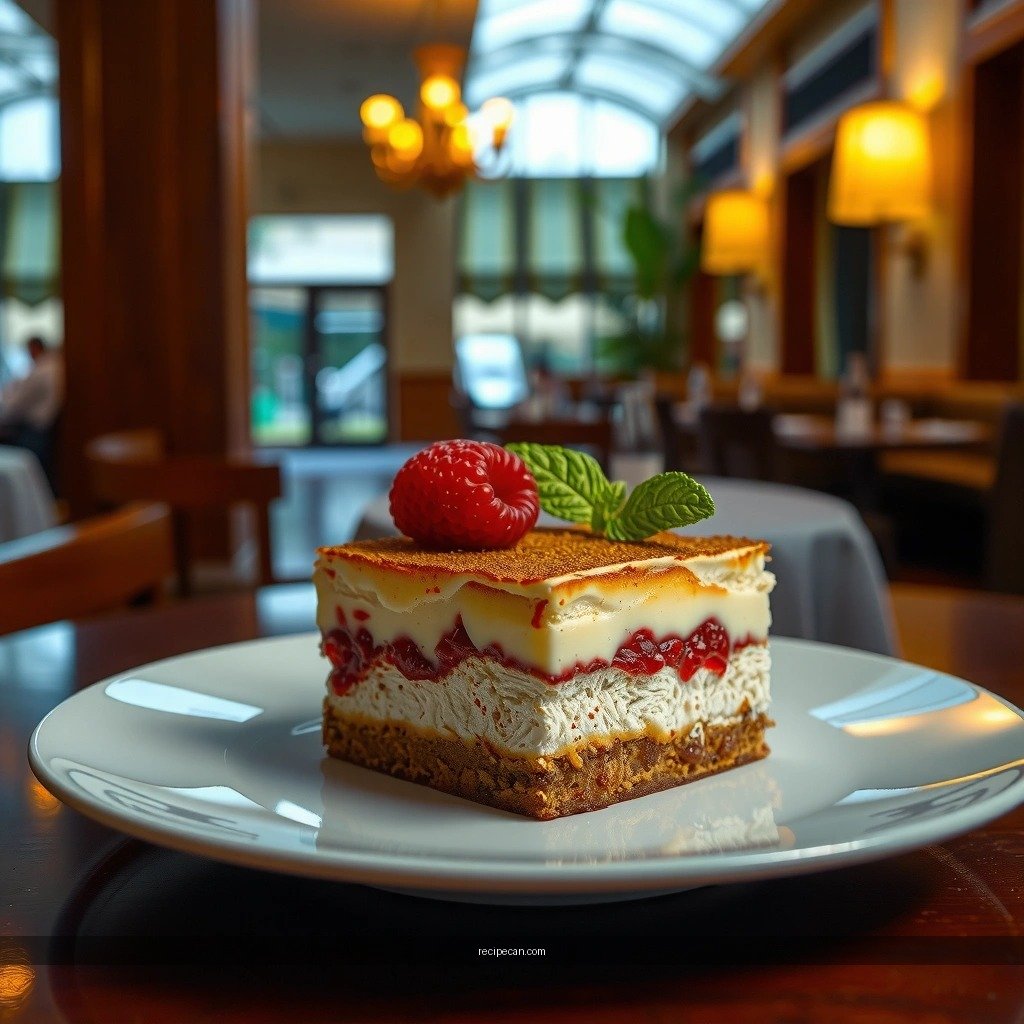
– Coffee liqueur (like Kahlúa) is the classic option for rich, dessert-like flavor
– Rum or brandy works well if you want a warmer, deeper taste
The best tiramisu recipe alcohol isn’t just about what’s in the bottle—it’s about how that spirit behaves when combined with coffee, sugar, and mascarpone. Tiramisu is fundamentally a layered system: ladyfingers provide structure, espresso provides bitterness and aroma, and mascarpone provides fat-based sweetness. Alcohol sits “between” these components, enhancing aroma and adding depth, but it can also destabilize texture if overused.
Coffee liqueur (classic, fastest flavor delivery)
Coffee liqueurs (Kahlúa-style) typically contain brew coffee flavor, caramel notes, and sweetened ethanol. That means:
– They “read” as dessert flavor immediately.
– You usually need less than with harsher spirits.
– They pair naturally with espresso because they share the same roasted-aroma family.
How it tastes when right: chocolatey, toasted, slightly syrupy—without tasting “boozy.”
Rum (warmth, spice, and caramel)
Rum adds a different dimension: vanilla-like warmth, sometimes molasses, sometimes spice. Rum works especially well when your espresso is strong and slightly bitter.
– Dark rum gives deeper, molasses-caramel notes.
– Light rum keeps things cleaner and lets espresso lead.
How it tastes when right: toasted sweetness and depth in the finish, with no sharp burn.
Brandy/Cognac (elegant heat and fruit-leaning aroma)
Brandy-based tiramisu alcohol can feel more refined—think dried fruit and oak warmth—but it’s also easier to overpower delicate mascarpone.
– If your brandy is quite strong or dry, start lower.
– Use brandy when you want “grown-up” aroma rather than dessert syrupiness.
How it tastes when right: subtle warmth, aromatic complexity, and a smooth finish.
Quick reality check: sweetness matters
Two bottles can have the same ABV yet feel totally different because one is sweetened. In tiramisu, sweetness affects:
– How quickly alcohol “seems” strong (more sugar can mask booziness).
– How quickly the ladyfingers soften (sugar increases liquid absorption).
That’s why recipes can disagree on “how much alcohol,” even when the method is identical.
Practical comparison (for one standard batch)
Below is a data-driven way to choose tiramisu recipe alcohol without guessing—using common commercial strength ranges and realistic dosing.
Tiramisu Alcohol Options: Typical Strength & Recommended Use (Per Batch)
| # | Alcohol type | Typical ABV | Recommended amount | Flavor pairing | Rating | Balance & control |
|---|---|---|---|---|---|---|
| 1 | Coffee liqueur (Kahlúa-style) | 20–26% | 1–2 tbsp | Espresso-forward | ★★★★☆ | +Easiest |
| 2 | Dark rum | 37–45% | 1–1.5 tbsp | Toasty, molasses | ★★★★☆ | +High control |
| 3 | Spiced rum | 30–40% | 0.75–1 tbsp | Warm spice notes | ★★★☆☆ | +Moderate control |
| 4 | Light rum | 35–40% | 1–2 tbsp | Clean, subtle warmth | ★★★★☆ | +Easy adjustment |
| 5 | Brandy / Cognac | 36–45% | 0.75–1 tbsp | Dried-fruit aroma | ★★★☆☆ | −Can overpower |
| 6 | Amaretto (almond liqueur) | 24–30% | 0.5–1 tbsp | Sweet almond notes | ★★★☆☆ | −Risk of dominance |
| 7 | Non-alcoholic coffee liqueur | 0–0.5% | 1–2 tbsp | Coffee-liqueur flavor | ★★★★☆ | +Most consistent |
How Much Alcohol to Add
– Start with about 1–2 tablespoons per batch and adjust to taste
– For stronger flavor, increase slightly, but avoid soaking too long to prevent sogginess
For most home tiramisu batches, the practical range is 1–3 tablespoons of alcohol total. But “per batch” needs a grounding assumption: a typical tray (or 8–10 servings) uses enough ladyfingers and espresso that the alcohol should be a flavor enhancer, not a liquid component.
A reliable dosing approach
1. Start at 1 tablespoon if you’re using rum/brandy or if your espresso is mild.
2. Start at 1.5–2 tablespoons if you’re using coffee liqueur (it’s often sweet and integrated).
3. If you want more, increase by ½ tablespoon, not by an entire additional pour—especially with high-proof spirits.
The texture ceiling: alcohol doesn’t just “add flavor”
Alcohol and coffee both thin the ladyfinger sponge. If you over-soak, you don’t just get “stronger flavor”—you get:
– compressed layers,
– watery pooling in the dish,
– a mascarpone layer that feels looser than intended.
Rule of thumb: if you plan to dip longer than a quick pass, reduce alcohol rather than trying to “compensate.”
How to tell you’ve gone too far (fast sensory cues)
– The top layer smells prominently “boozy” instead of coffee-chocolate.
– The dessert appears wet at the edges before chilling finishes.
– Slices collapse when lifted, even if chilled.
Preparing the Alcohol-Coffee Mixture
– Mix your alcohol with cooled espresso or strong coffee for an even soak
– Ensure the liquid is not hot so the mascarpone doesn’t melt or split
The soak mixture is where consistency is earned. Hot liquid can cause mascarpone to loosen, and uneven mixtures create patchy flavor.
Best practice method
1. Brew espresso (or strong coffee) and cool it to room temperature (or at most “warm, not hot”).
2. Stir in your chosen tiramisu recipe alcohol:
– Coffee liqueur: mix until uniform.
– Rum/brandy: stir thoroughly, then taste-check—spirits can read sharper before the chill rounds them.
3. Use a shallow dish for dipping so ladyfingers absorb evenly in one quick pass.
Ratio mindset
You’re not trying to create a cocktail; you’re building a targeted soak. A simple working range:
– ~½ to 1 cup coffee/espresso (depending on tray size)
– 1–2 tablespoons alcohol added into that volume
This keeps the liquid concentrated enough for flavor while limiting excess free liquid.
Alcohol-Free and Low-Alcohol Alternatives
– Use extra coffee, espresso concentrate, or vanilla extract for zero-alcohol tiramisu
– Try non-alcoholic coffee liqueur if you want similar flavor notes without spirits
Not every household can (or wants to) include spirits. Fortunately, tiramisu is forgiving—coffee flavor can do most of the heavy lifting.
Zero-alcohol strategies that still taste “complete”
– Extra espresso/coffee: increase intensity, not volume where possible. Espresso concentrate works because it delivers more flavor per tablespoon.
– Vanilla extract: add ½–1 teaspoon to the coffee mixture to mimic dessert-like aroma that alcohol often supplies.
– Cocoa and coffee balance: a slightly deeper cocoa (or a small increase in cocoa on top) can substitute for some of the “depth” alcohol would otherwise provide.
Non-alcoholic coffee liqueur (best substitute for many people)
Non-alcoholic coffee liqueur can carry much of the caramel-roast character typical of Kahlúa-style products. The key advantage is that you don’t have to guess whether you’ll “lose” that signature tiramisu aroma—then you can keep the soak method exactly the same.
Soaking Ladyfingers Without Overdoing It
– Dip quickly (about 1–2 seconds per side) for best texture
– Layer immediately to keep structure and prevent the dessert from becoming watery
Soaking is where many tiramisu failures happen, even when the alcohol amount is correct.
The correct dip technique
– Dip one side, hold briefly (about 1–2 seconds), flip, dip the other side.
– Transfer immediately to the dish or layer.
– Work in a steady rhythm so dipped ladyfingers don’t sit and absorb further.
Why time matters more than people think
Ladyfingers continue absorbing liquid even after removal, especially in humid kitchens. If your kitchen is warm or your ladyfingers are slightly stale, they may soften faster—so you may need to reduce the soak time more than the alcohol amount.
Layering discipline
– Spread mascarpone evenly between layers.
– Don’t press down hard; gentle smoothing is enough.
– Keep the next layer ready so your dipped ladyfingers don’t linger.
Serving and Storage Tips
– Chill at least 4 hours so flavors meld and the alcohol rounds out
– Store covered in the refrigerator and enjoy within 2–3 days for best texture
Tiramisu improves with rest because the liquid disperses, coffee aromas bloom, and alcohol (if present) integrates into the overall flavor profile.
Minimum chilling time
– At least 4 hours: flavors meld; slicing becomes cleaner.
– Overnight (8–12 hours): often best for aroma and structural cohesion, especially if you’re sensitive to booziness.
Storage best practices
– Cover tightly to prevent the top from drying out.
– Refrigerate at all times.
– For best texture, plan to eat within 2–3 days; after that, ladyfingers can continue to break down and the dessert becomes softer and less defined.
Final calibration guidance
Tiramisu recipe alcohol adds bold flavor, but the key is light, quick soaking and careful measurement. Choose an alcohol like coffee liqueur for the most classic taste, mix it with cooled espresso, and chill well before serving—then adjust next time in small increments (½ tablespoon at a time) until the coffee-forward profile matches your preference.
Frequently Asked Questions
What alcohol is best for tiramisu recipe alcohol in traditional recipes?
The most common choice for a tiramisu recipe alcohol is coffee liqueur, such as Kahlúa, because it blends naturally with espresso and cocoa. Some people also use marsala wine for a more classic Italian flavor, especially in recipes that want a slightly sweet, fortified taste. If you prefer a sharper note, dark rum works well, but keep the amount modest so it doesn’t overpower the coffee.
How much alcohol should I add to a tiramisu recipe to avoid it being too strong?
A typical tiramisu recipe uses about 1–3 tablespoons of alcohol per pound of mascarpone, depending on how bold you want the flavor. For example, if you’re soaking ladyfingers, use only enough alcohol to flavor the espresso mixture rather than saturate the cookies heavily. Taste your espresso-laced mixture first; if it feels too strong in the bowl, it will likely taste stronger in the finished tiramisu.
How can I make tiramisu alcohol-free while keeping the flavor?
To make alcohol-free tiramisu, replace liqueur with a nonalcoholic alternative, such as nonalcoholic coffee flavoring or alcohol-free marsala substitutes. You can also boost flavor using extra espresso, a splash of vanilla extract, or a small amount of instant espresso powder in the soaking liquid. This keeps the dessert tasting like classic tiramisu without alcohol, while still supporting the coffee-and-cocoa profile.
Which alcohol works best for tiramisu recipe alcohol if I don’t want the taste of wine or rum?
If you want to avoid a distinct wine or rum flavor, coffee liqueur is usually the safest “least noticeable” option because it harmonizes with espresso. Alternatively, using a small amount of vanilla liqueur can add sweetness without dominating the coffee notes. The key is to choose an alcohol that complements coffee and doesn’t compete with mascarpone’s creamy sweetness.
Why does tiramisu taste different when it includes alcohol, and how should I adjust the recipe?
Alcohol can change tiramisu’s flavor by intensifying the coffee aroma and balancing sweetness, but too much can make the dessert taste harsh or overly boozy. If you increase tiramisu recipe alcohol, reduce added sugar slightly or use stronger espresso to maintain balance. Also, let the tiramisu rest before serving—chilling helps the flavors meld, making the alcohol taste smoother and more integrated.
References
- Tiramisu
https://en.wikipedia.org/wiki/Tiramisu - Marsala
https://en.wikipedia.org/wiki/Marsala - List of liqueur brands
https://en.wikipedia.org/wiki/Coffee_liqueur - Amaretto
https://en.wikipedia.org/wiki/Amaretto - Rum
https://en.wikipedia.org/wiki/Rum - Liqueur
https://en.wikipedia.org/wiki/Liqueur - Alcohol by volume
https://en.wikipedia.org/wiki/Alcohol_by_volume - Google Scholar Google Scholar
https://scholar.google.com/scholar?q=tiramisu+alcohol+marsala - Google Scholar Google Scholar
https://scholar.google.com/scholar?q=tiramisu+coffee+liqueur+recipe+alcohol - Google Scholar Google Scholar
https://scholar.google.com/scholar?q=mascarpone+alcohol+absorption+dessert