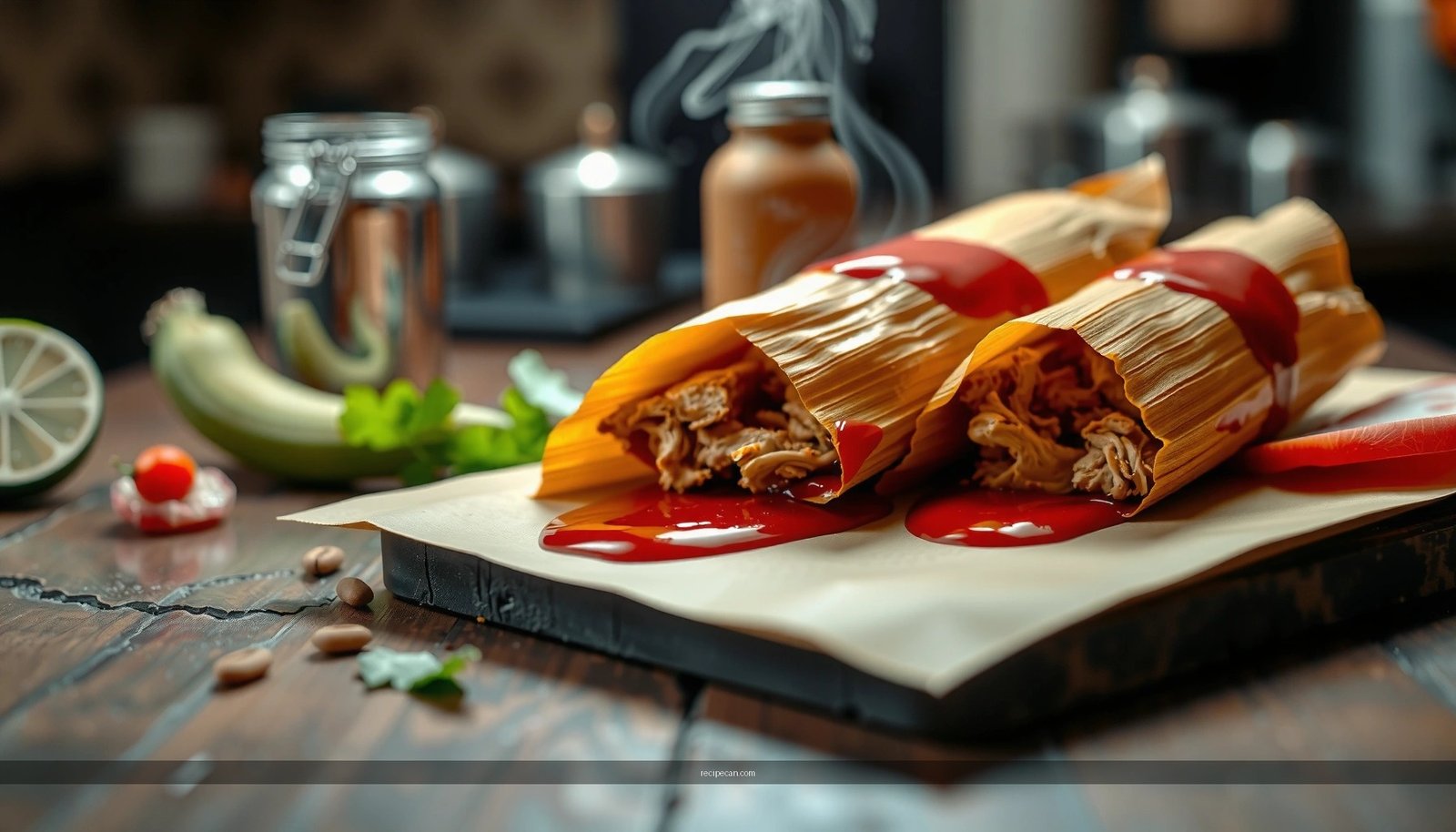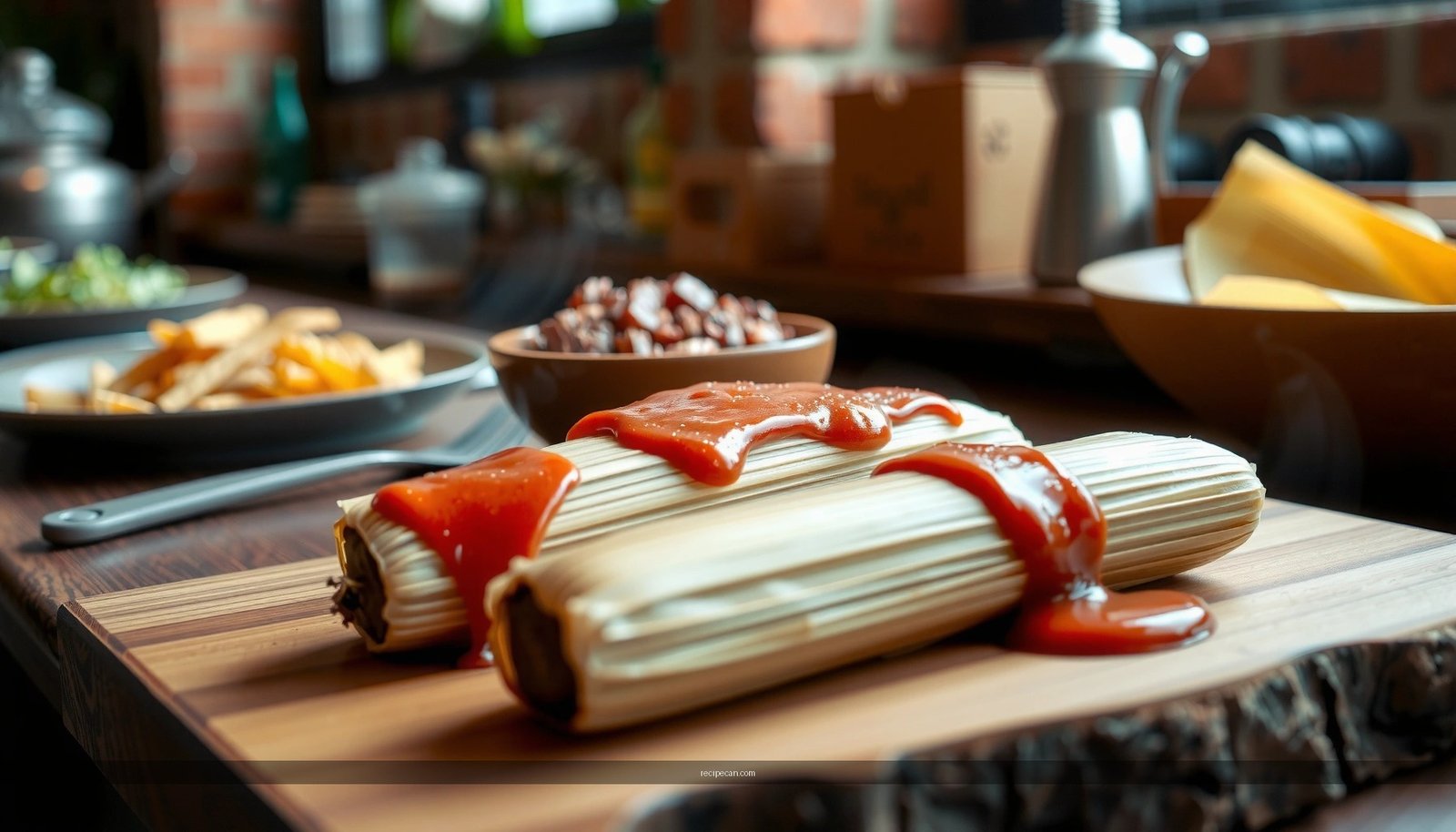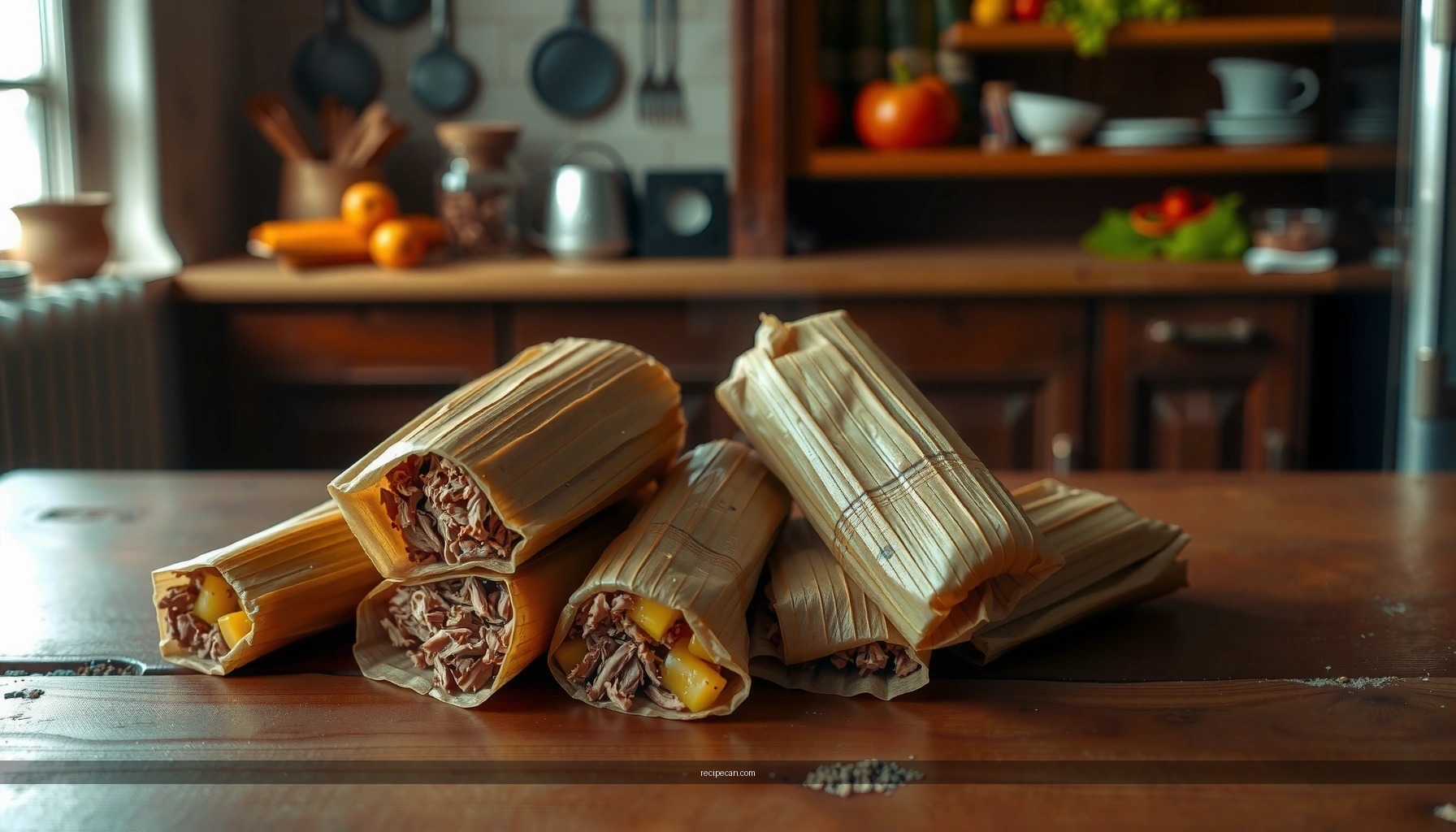
Get an authentic pork tamales recipe that delivers real masa flavor and tender, shreddable pork in every batch. This step-by-step guide answers how to cook pork for tamales, season it properly, and assemble and steam tamales until they set cleanly. If you want pork tamales that taste traditional and hold together beautifully, follow this method.
Make tender, flavorful pork tamales by braising the pork until fork-tender, building a deeply seasoned masa, and steaming until the masa pulls cleanly from the husk. This pork tamales recipe breaks down the process into masa, filling, assembly, and steaming—so you can reproduce authentic results batch after batch.
Pork Tamales Ingredients
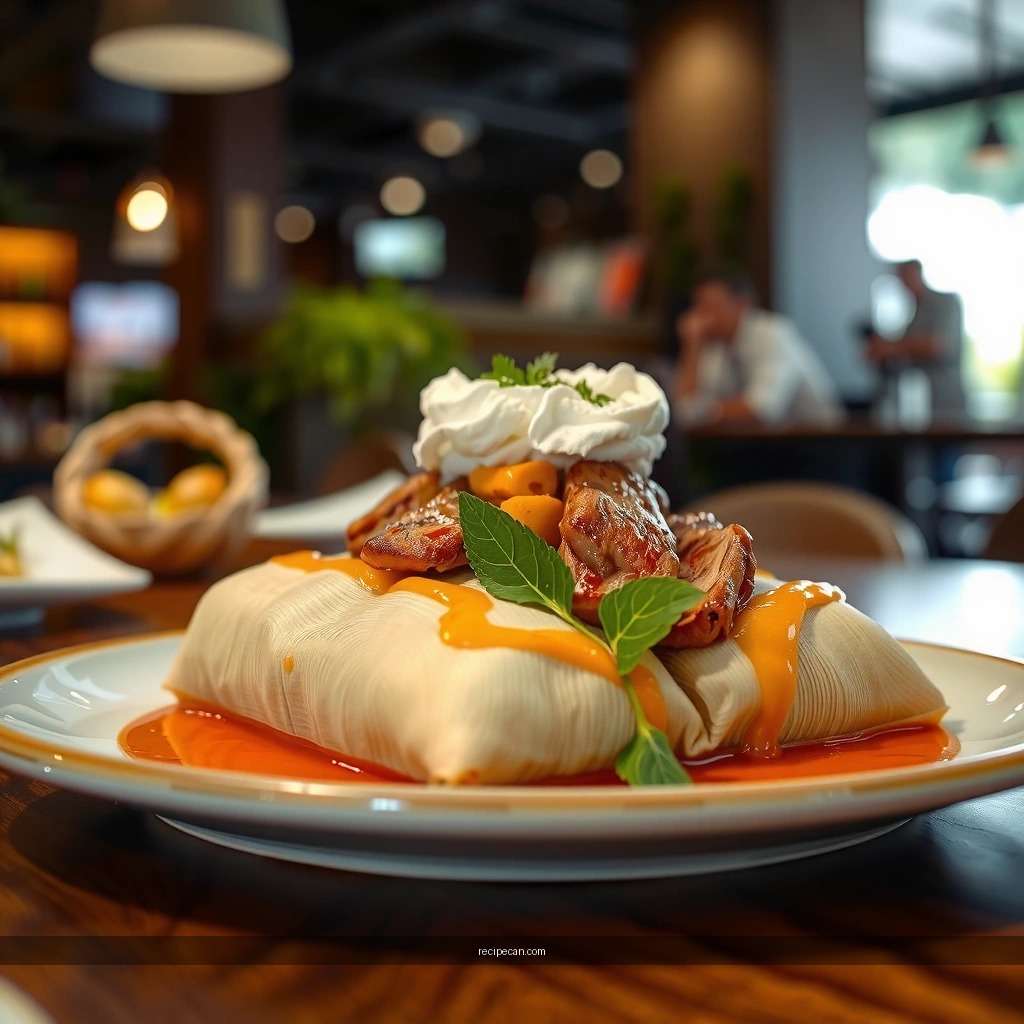
Authentic pork tamales are all about balance: savory, well-reduced pork filling; aromatic seasonings; and a masa that’s properly hydrated and aerated so it cooks up light and cohesive.
Masa (Main Components)
– Masa harina (nixtamalized corn flour), such as Maseca or similar
– Chicken or pork broth (hot), for the right hydration and flavor
– Lard (traditional) or high-quality baking fat (for a similar texture)
– Salt (to season the masa)
– Optional but common: a pinch of baking powder (helps lift), and ground cumin or Mexican oregano (light aroma)
Pork Filling (Main Components)
– Pork shoulder (pork butt), cut into chunks (best for shredding)
– Chili sauce and/or ground chile powder (for color and heat)
– Garlic (minced or blended)
– Onion (diced or blended)
– Spices such as ground cumin, black pepper, and Mexican oregano
– Optional seasoning layers
– Bay leaf
– Apple cider vinegar or lime juice (to brighten the sauce)
– Chicken or pork broth (to loosen and simmer the filling)
Tamales Basics + Optional Add-ins
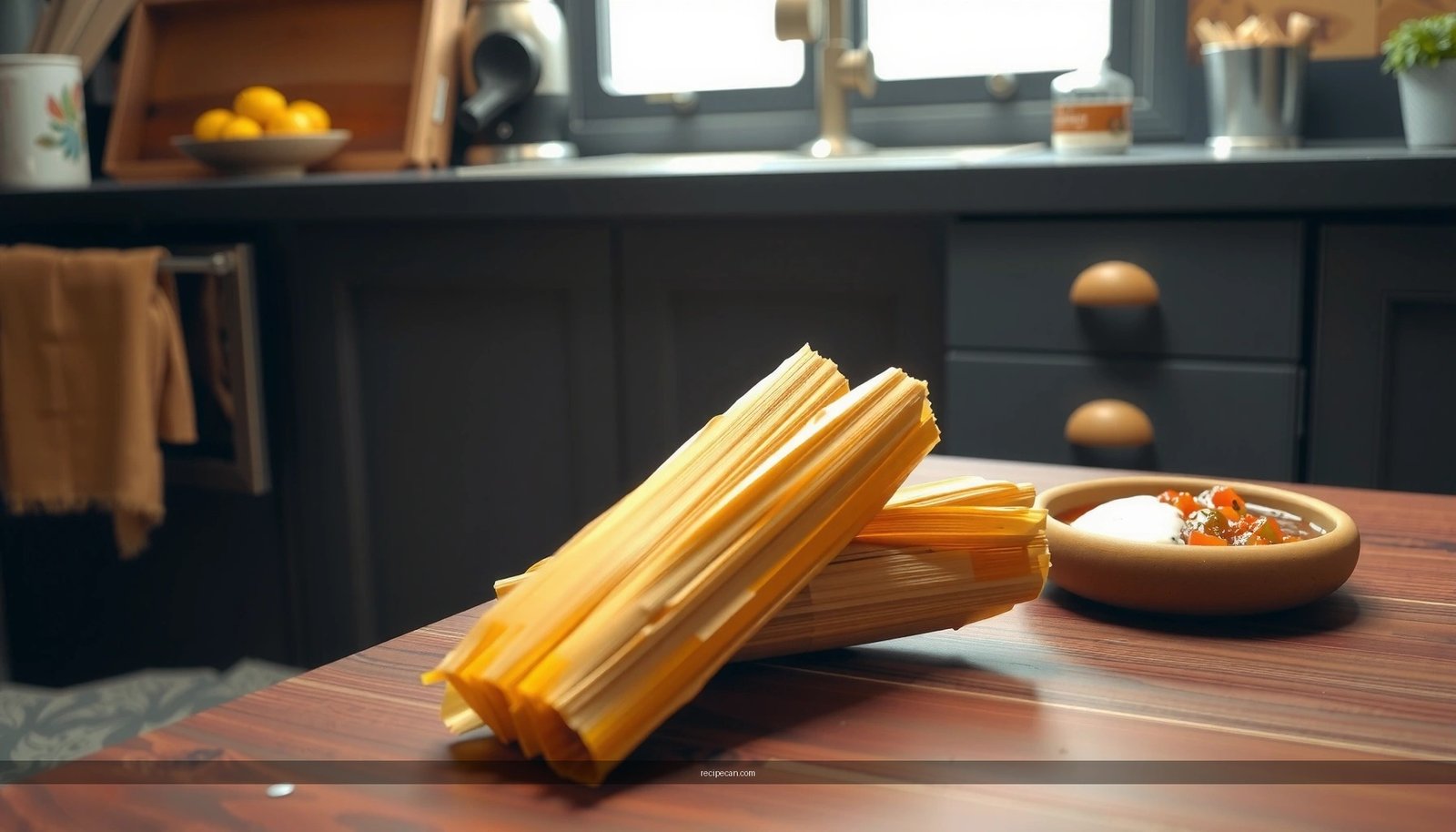
– Corn husks (dried)
– Optional add-ins (use sparingly so they don’t disrupt steaming)
– Raisins (sweet touch; common in some regional styles)
– Green olives (salty, savory pop)
– Poblano rajas (roasted pepper strips, small amounts)
Prepare the Pork Filling
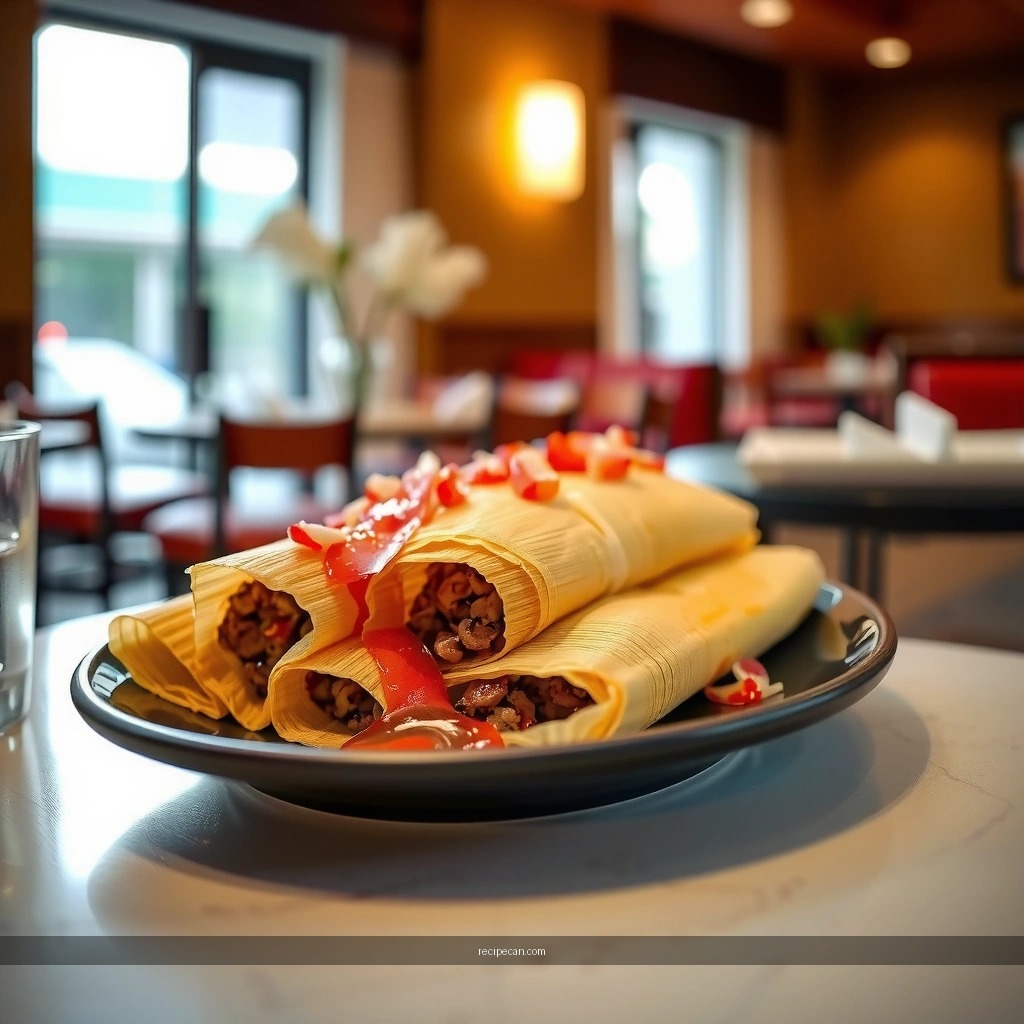
The pork filling is the engine of a great tamale. If the meat is undercooked, the flavor and texture suffer; if the sauce isn’t reduced, the filling can be watery and difficult to assemble.
1. Braise the pork until fork-tender
– Season pork shoulder with salt and pepper, then braise it with onion, garlic, and aromatics.
– Cook at a gentle simmer (stovetop) or in a covered pot/oven until the pork is fork-tender—it should shred easily with little resistance.
2. Shred or chop thoroughly
– Shred the pork using two forks, or chop it smaller if you prefer a more compact filling.
3. Simmer with chiles and seasonings for depth
– Add chili sauce (or rehydrated chiles blended into a sauce) plus cumin and Mexican oregano.
– Simmer until the filling becomes thick and cohesive, not runny. The goal is a spoonable filling that stays put inside the masa.
4. Taste and adjust before assembling
– The filling should taste slightly more seasoned than you’d want for eating straight because masa is mild and will mellow flavors.
– Adjust with salt and, if needed, a touch of acid (lime or vinegar) to keep the chile flavor bright.
To make consistency easier, use a target range for braising temperature and total cook time—especially if you’re making a large batch.
Pork Shoulder Braising Targets for Shreddable Tamale Filling
| # | Braising Approach | Typical Temp Range (°F) | Cook Time Range (hrs) | Filling Consistency | Outcome Rating |
|---|---|---|---|---|---|
| 1 | Low, steady simmer (covered) | 190–195 | 3.0–4.0 | Easily shreddable | ★ ★ ★ ★ ★ |
| 2 | Slightly higher simmer (covered) | 195–200 | 2.5–3.5 | Very tender, less stringy | ★ ★ ★ ★ ★ |
| 3 | Oven braise, Dutch oven | 200–205 | 2.5–3.0 | Falls apart cleanly | ★ ★ ★ ★ ★ |
| 4 | Pressure cooker (shredding mode) | — (high pressure) | 1.0–1.5 | Tender, may need re-simmer | ★ ★ ★ ★ ☆ |
| 5 | Slow cooker (low setting) | ~190–200* | 6.0–8.0 | Very tender, consistent | ★ ★ ★ ★ ★ |
| 6 | High heat simmer (watch closely) | 200–210 | 2.0–2.5 | Tender but risk dryness | ★ ★ ★ ☆ ☆ |
| 7 | Short cook / low braise time | 170–185 | 1.5–2.0 | Not fully tender | ★ ★ ☆ ☆ ☆ |
\Slow cooker “low” varies by brand, so use tenderness (fork test) as the primary signal.
Make the Masa for Tamales
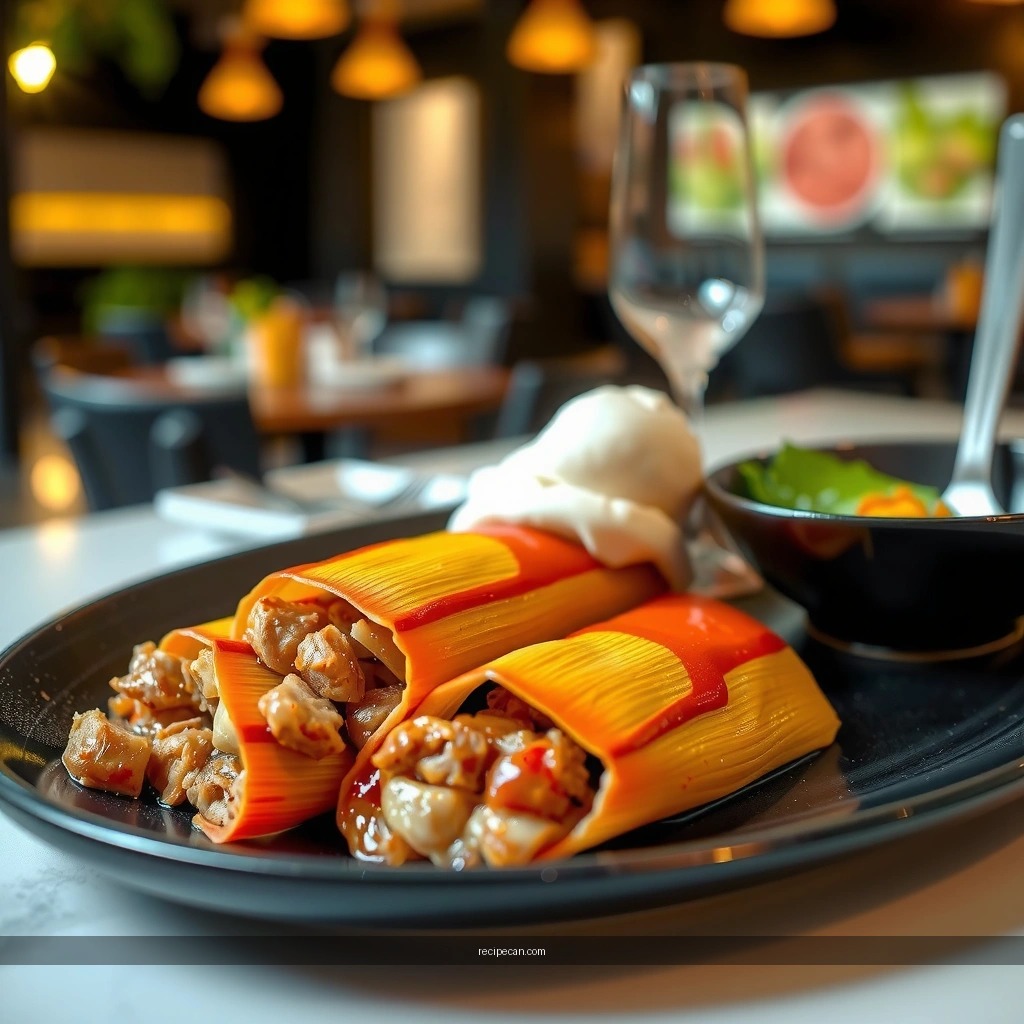
Masa is where tamales become either fluffy and cohesive—or dense and crumbly. The key is hydration plus aeration: you want masa that spreads easily but still holds structure when steamed.
1. Mix masa harina with hot broth
– Use hot broth to help the masa hydrate evenly and reduce lumps.
– Season the mixture with salt (and optional spices). Mix until smooth.
2. Whip in lard (or baking fat)
– Whip until the masa looks lighter and more spreadable. This step improves texture and helps it cook into a tender bite.
– If your masa feels greasy, you may have added too much fat; if it feels dry, add broth a little at a time.
3. Do the quick “spoon test”
– The masa should hold a shape when spooned and not immediately collapse.
– In some kitchens, cooks also check if it floats slightly in water (a traditional indicator), but the spoon test is more practical and consistent.
A reliable professional approach: aim for butter-like spreadability—not runny, not stiff. That consistency directly affects how cleanly the masa pulls from the husk later.
Assemble the Tamales
Assembly is mostly technique, and technique is what makes your finished tamales uniform.
1. Soak corn husks until pliable
– Soak in warm water until flexible, then pat dry to prevent excess water from steaming off into the masa.
2. Spread masa evenly
– Use the back of a spoon to spread masa into a thin, even layer.
– Leave a margin near the edges so it seals cleanly when folded.
3. Add pork filling carefully
– Place a line or mound of filling in the center.
– Avoid overfilling—too much filling increases the risk of leaks and uneven steaming.
4. Fold securely
– Fold husks so the masa encloses the filling and the tamale holds its shape.
– Stack assembled tamales on a tray so they’re ready for the steamer in a smooth workflow.
Steam the Tamales
Steaming determines texture. The tamales must cook through, set the masa, and develop that signature “pulls cleanly” feel.
1. Arrange tamales properly in the pot
– Place tamales standing upright when your steamer design supports it, or arrange them folded-end-down if you’re using a typical steaming insert.
– Ensure there’s enough water in the base pot so steaming stays consistent.
2. Steam consistently—don’t let it run dry
– Keep an eye on the water level and refill as needed.
– Avoid uncovering too frequently; each opening extends cooking time and can dry surfaces.
3. Cook until masa sets and releases cleanly
– Start checking after the typical steaming duration (often 60–90 minutes depending on size and masa thickness).
– When done, the masa should detach from the husk without tearing.
Practical quality control: if the masa still feels tacky or sticks heavily to the husk, continue steaming and recheck in 15–20 minute increments. Tamales are forgiving—but patience matters.
Serving, Storing, and Reheating
Pork tamales taste best when the masa has had time to fully set and the flavors have melded.
Serving
Serve with classic toppings:
– Salsa roja or salsa verde
– Mexican crema
– Queso fresco
– Extra chile sauce (especially if your filling is mild)
Storing
– Cool completely before refrigerating to avoid condensation and sogginess.
– Store in an airtight container in the refrigerator for several days, or freeze for longer storage.
– Freeze tamales flat or in a single layer, then bag them once firm to prevent sticking.
Reheating (Best Methods)
– Steaming (recommended): Re-steam until hot throughout. This restores moisture and texture.
– Microwaving (workable): Heat with a damp paper towel over the tamales to prevent drying. Rotate once if your microwave heats unevenly.
Freshly steamed pork tamales are all about tender pork, well-seasoned masa, and patient steaming. Follow this step-by-step pork tamales recipe, then adjust spices to your taste; once you nail the process, you can batch-cook and freeze for quick, delicious meals—try making your first batch this weekend.
Frequently Asked Questions
What is the best recipe for pork tamales with rich flavor?
A classic pork tamales recipe starts with seasoned masa (typically masa harina, lard or vegetable shortening, baking powder, salt, and warm broth) and a flavorful pork filling made with pork shoulder simmered until tender. For maximum taste, season the pork with chile sauce (like guajillo and ancho), garlic, cumin, and onion, then shred and cook briefly with the sauce to thicken. Use broth to get the masa to a smooth, spreadable consistency and assemble with corn husks for an authentic result.
How do I make pork tamales masa that doesn’t crack or turn out dry?
The key is the consistency of your masa: it should be soft and spreadable, and ideally float slightly in water before steaming. Use warm pork broth (or a mix of broth and water) gradually until the masa reaches the right texture, and whip in lard thoroughly for tenderness. If your masa feels dry or cracks while spreading, mix in more warm broth a little at a time and steam promptly so it stays moist.
How do I cook pork for tamales so it’s tender and easy to shred?
Use pork shoulder or pork butt because the fat and connective tissue break down during simmering, producing tender meat. Cook the pork in seasoned chile sauce (or simmer first with aromatics, then combine with chile) until it easily pulls apart with a fork, then shred. After shredding, return the pork to the pot to simmer briefly so the filling absorbs flavor and thickens slightly for better stuffing.
Which chile sauce is best for pork tamales, and how do I blend it?
Many people use a guajillo and ancho chile blend because it delivers a balanced mild-to-medium heat and deep, smoky flavor. Toast dried chiles lightly, soak them until soft, then blend with garlic, onion, salt, and warm water or broth until smooth. Cook the blended sauce in a pot to reduce and concentrate, then toss the shredded pork in the sauce to create a cohesive, flavorful tamales filling.
Why are my pork tamales tough or greasy, and how can I fix the steaming process?
Tough tamales often come from undercooking the masa or using masa that’s too thick, while greasy tamales can result from an overly fatty filling or steaming too briefly. Steam tamales in a covered steamer with enough water to generate steady steam—adding water as needed—so they cook through without drying out. Test doneness by checking that the masa pulls away slightly from the husk and is fully set in the center; if needed, steam longer in 15–20 minute increments.
References
- Tamale
https://en.wikipedia.org/wiki/Tamale - https://www.britannica.com/topic/tamale
https://www.britannica.com/topic/tamale - Pork Tamales Recipe | Mexican Recipes | PBS Food | PBS Food
https://www.pbs.org/food/recipes/pork-tamales/ - Google Scholar Google Scholar
https://scholar.google.com/scholar?q=pork+tamales+recipe - Google Scholar Google Scholar
https://scholar.google.com/scholar?q=how+to+make+tamales+pork+masa+nixtamal - Google Scholar Google Scholar
https://scholar.google.com/scholar?q=tamales+pork+traditional+preparation+technique - https://pubmed.ncbi.nlm.nih.gov/?term=tamales
https://pubmed.ncbi.nlm.nih.gov/?term=tamales - https://www.cdc.gov/foodsafety/food-handling.html
https://www.cdc.gov/foodsafety/food-handling.html - tamales nixtamal – Search Results – PMC
https://www.ncbi.nlm.nih.gov/pmc/?term=tamales+nixtamal - Google Scholar Google Scholar
https://scholar.google.com/scholar?q=recipe+for+tamales+pork