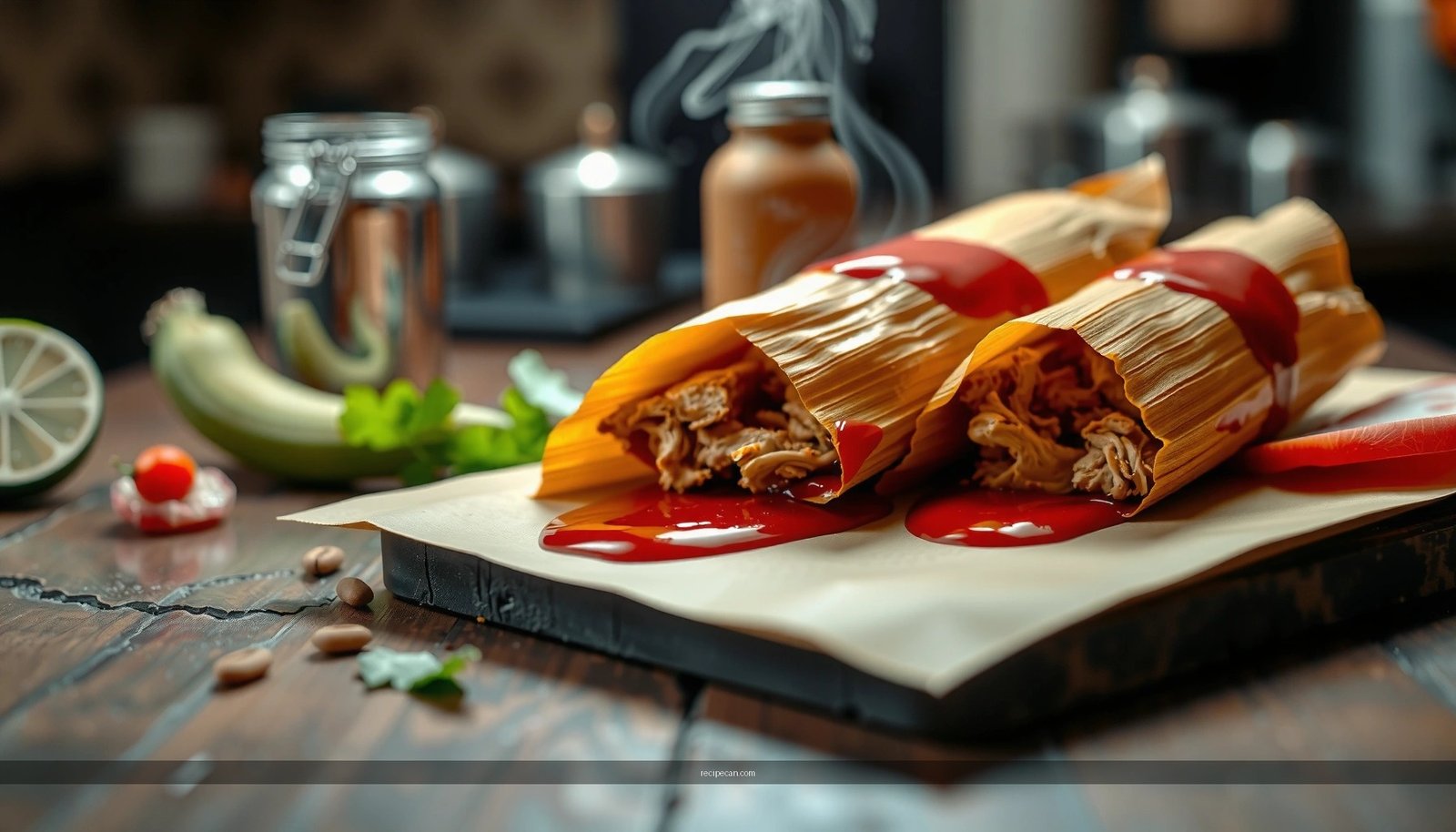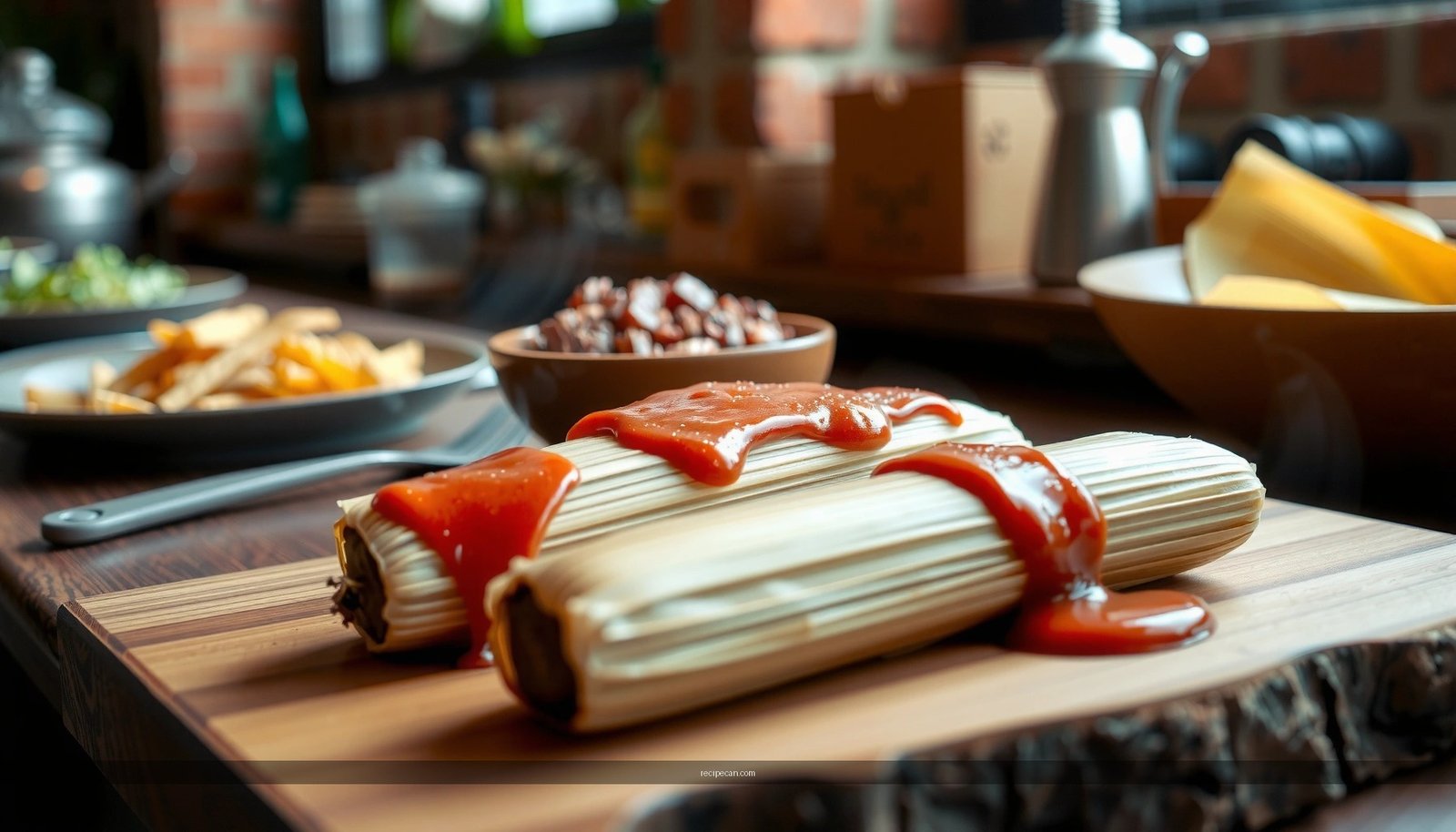
This recipe for Salvadoran tamales delivers the clear winner: flavorful, moist tamales with a rich masa and savory filling that taste like they came from El Salvador. You’ll get step-by-step instructions for the masa, the pork or chicken filling, and the correct wrapping and steaming so they hold together and cook through every time. Follow it closely and you’ll know exactly how to make Salvadoran tamales that earn top marks for texture, seasoning, and authentic style.
Make Salvadoran tamales by steaming seasoned masa filled with savory meat (often pork or chicken) wrapped in banana leaves; the result is tender, aromatic, and deeply flavorful. This guide walks you through making the masa, building a cohesive meat filling, and steaming with the right timing and wrapping technique so your tamales hold structure and taste authentically.
Gather Ingredients for Salvadoran Tamales
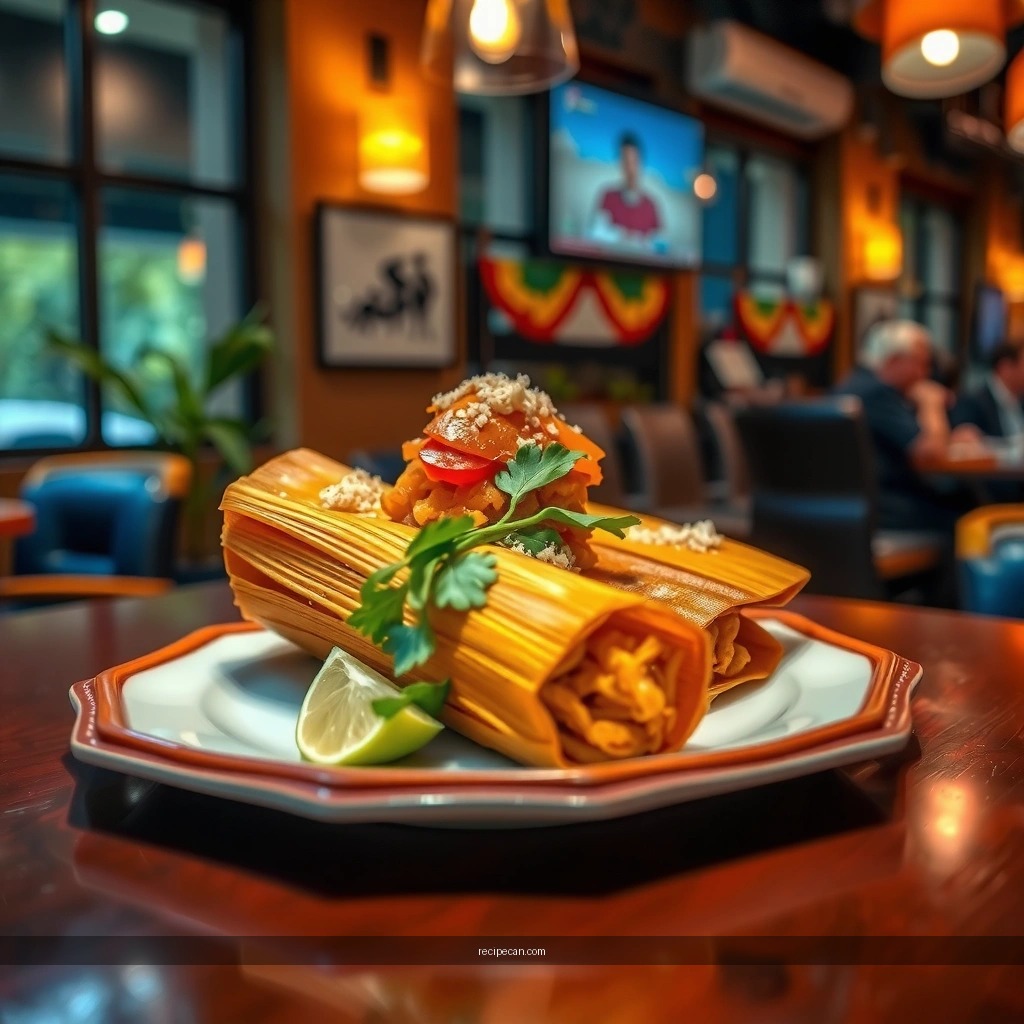
Salvadoran tamales start with two foundations: masa harina (corn dough) and a well-seasoned savory filling. For best results, use ingredients that support both flavor and texture—especially the lard/fat used in the masa and the liquid used to hydrate it.
Base ingredients (masa + filling)
– Masa harina (corn flour for tamales)
– Chicken or pork (bone-in for richer broth, or boneless with added simmer time)
– Broth (chicken or pork broth for masa; it boosts flavor versus plain water)
– Aromatics: onion and garlic
– Spices: cumin, black pepper, and salt as your flavor framework
Wrapping and steaming
– Banana leaves (traditional, fragrant, and naturally flexible when softened)
– Kitchen string or natural twine to secure folds and prevent leaks
– Optional: a steamer insert and extra hot water for consistent steam
Common flavor enhancers (optional, but very typical in home kitchens)
– Olives and capers for a briny, savory depth (especially common with chicken fillings)
– Tomato/pepper sauce (or a tomato-based salsa) to unify the filling into a cohesive, spoonable mixture
– Optional garnish for serving: salsa roja, curtido, or extra sauce
Pro tip for consistency: if you’re making a batch, plan for even portion sizes—they cook at the same rate, which is crucial for tamale texture.
Tamale Batch Planning for Even Steaming (Salvadoran-Style)
| # | Tamales (Count) | Steaming Time Target | Broth for Masa (cups) | Meat Yield Goal | Result Quality |
|---|---|---|---|---|---|
| 1 | 12 | 90–105 min | 3.0 | 2.0–2.5 lb cooked | High |
| 2 | 16 | 105–120 min | 4.0 | 3.0–3.5 lb cooked | Very High |
| 3 | 20 | 120–135 min | 5.0 | 4.0–4.8 lb cooked | High |
| 4 | 24 | 135–150 min | 6.0 | 5.0–6.0 lb cooked | Very High |
| 5 | 8 | 75–90 min | 2.0 | 1.2–1.6 lb cooked | High |
| 6 | 10 | 85–100 min | 2.5 | 1.6–2.1 lb cooked | Medium (crowding risk) |
| 7 | 30 | 150–180 min | 7.5 | 7.0–8.4 lb cooked | Medium (requires multi-level steaming) |
Make the Masa (Dough) for Tamales
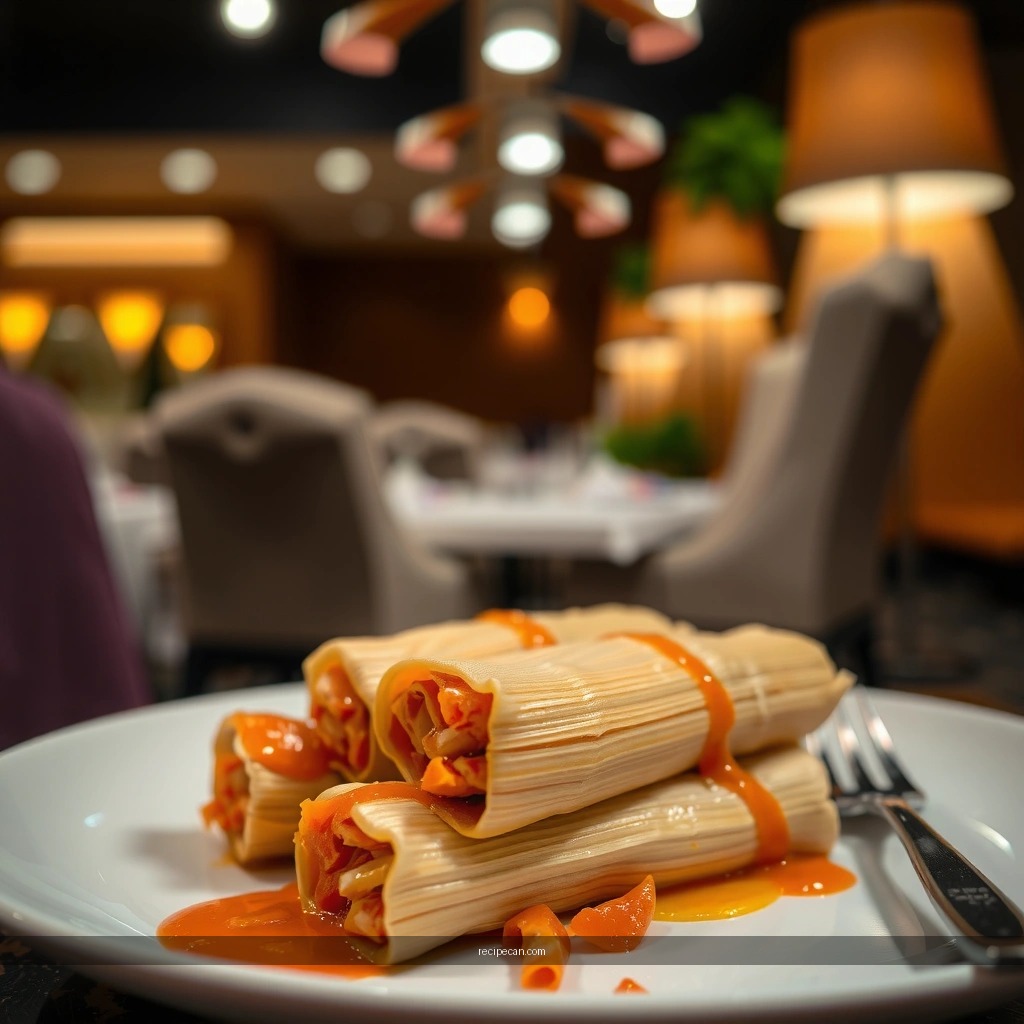
A great Salvadoran tamale masa is smooth, spreadable, and capable of steaming into a tender yet cohesive cake. Masa that’s too stiff will feel dense; masa that’s too wet can separate. Your job is to hit the “spread without tearing” window.
Key process
1. Hydrate masa harina with hot broth
Use broth (not just water) so the masa is already seasoned. Mix until no dry flour remains and the dough looks satin-smooth.
2. Add salt, then check flavor early
If the dough tastes flat before steaming, the tamales will taste flat after steaming.
3. Fold in fat for tenderness
Incorporate lard or vegetable shortening until fully blended. Fat improves mouthfeel and helps the masa stay tender during steaming.
4. Rest briefly
Resting allows hydration to finish and the masa to thicken slightly, which makes spreading easier and improves structure.
Analytical tip: The best way to gauge masa readiness is by texture, not just measurements. When you spread a thin layer on a banana leaf, it should hold shape and edges should be clean—no cracking, no watery pooling.
Prepare the Savory Filling

The filling’s role is more than “meat inside dough”—it must be seasoned, moist, and cohesive so it distributes evenly and doesn’t leak out during steaming.
1. Cook the meat until tender
Simmer pork or chicken with onion, garlic, and enough liquid to create a rich base. Bone-in cuts typically produce better flavor and shred more easily.
2. Shred thoroughly
Shred while warm so strands separate cleanly. Consistent shredding prevents uneven bites and helps the sauce cling.
3. Simmer with sauce ingredients until cohesive
Add tomato/pepper sauce and any briny elements like olives or capers. Reduce until the filling is thick enough to spoon, not run.
4. Taste and adjust salt/spice before assembling
This is non-negotiable: tamales are steamed, so the flavors must be right at assembly time.
Common filling targets
– Moist but not watery: If the filling looks slick or pools, it will steam-leak into the banana leaf seam.
– Bold enough to stand alone: Masa is mild; the filling provides the “main narrative” of flavor.
Assemble and Wrap the Salvadoran Tamales
Assembly is where technique meets consistency. Even with excellent masa and filling, sloppy wrapping leads to leaking, uneven cooking, and difficult unwrapping.
Step-by-step assembly
1. Soften banana leaves first
If leaves are stiff, warm them briefly so they become pliable and less likely to tear.
2. Spread an even layer of masa
Aim for a uniform thickness—too thick causes dense centers; too thin may over-steam and dry.
3. Add a measured amount of filling
Keep portions consistent so cooking time remains reliable across the batch.
4. Fold and tie securely
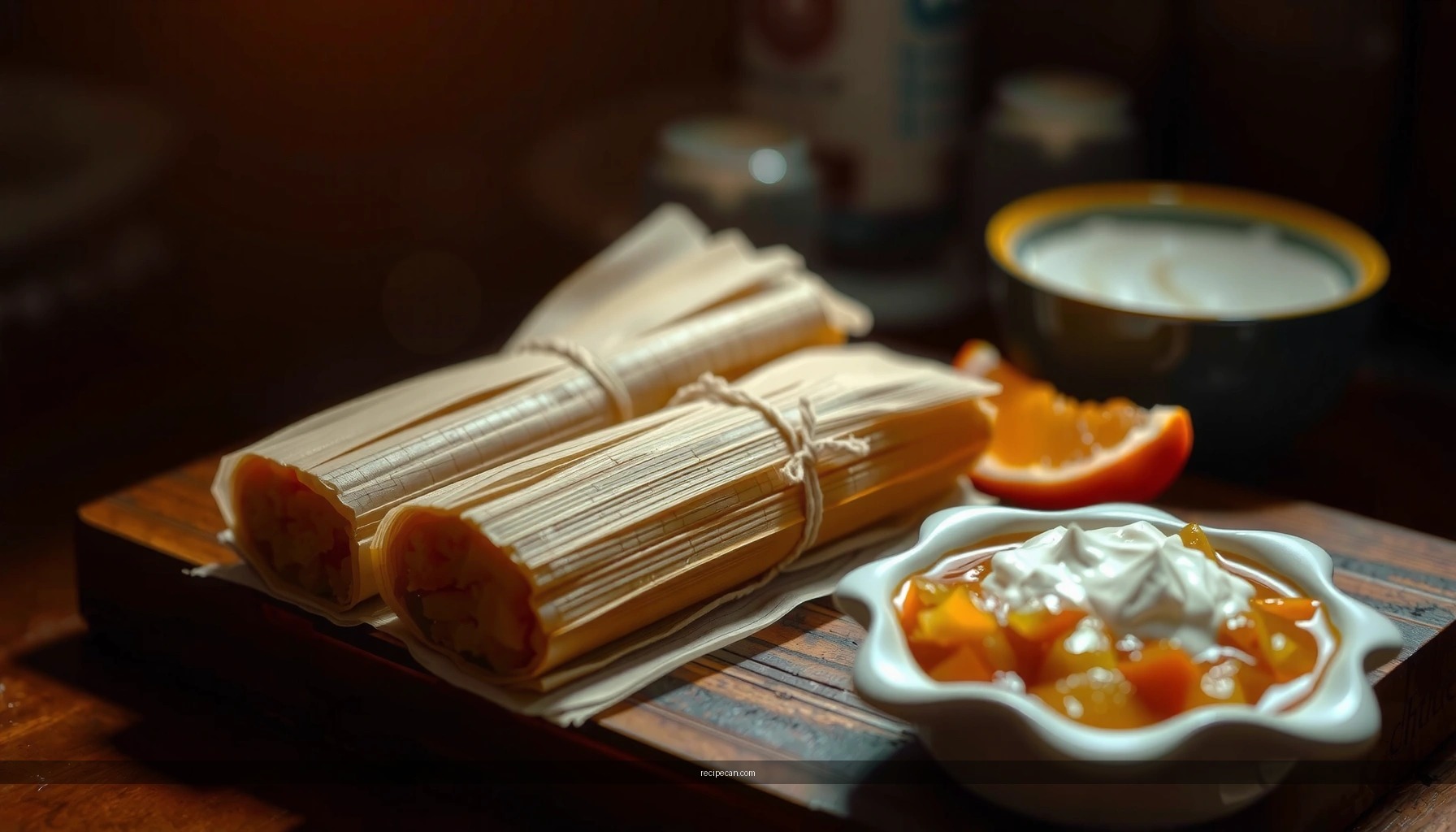
Fold to enclose filling and form a tight seam. Tie with kitchen string just enough to hold shape during steaming without compressing the tamale too much.
Practical guidance
– If your masa sticks to the back of a spoon, you’re likely short on fat or hydration.
– If banana leaves tear, your leaves may be under-softened—warm them longer or trim sharper edges before spreading.
Steam Until Perfect Texture
Steaming is where Salvadoran tamales transform from raw components into a cohesive, tender dish. The goals are simple: set the masa, cook the filling through, and prevent dryness.
Steam setup
– Arrange tamales so steam circulates evenly. Many cooks steam upright or in a way that minimizes direct water contact on the wrapped surface.
– Maintain water level and steam temperature; steam should be steady, not intermittent.
Timing and doneness checks
– Start with your planned time window based on batch size (see the data table for planning).
– Check periodically by opening one sacrificial tamale: the masa should feel set and hold together; it should release from the banana leaf with minimal tearing.
– Rest is important: let tamales sit briefly before unwrapping so the interior moisture redistributes and the masa firms up.
Why rest matters: Hot tamales can break apart because the starch structure is still stabilizing. A short rest helps the tamale keep its shape when you remove the banana leaf.
Serve, Store, and Reheat
Tamales are naturally meal-prep friendly. Proper cooling and reheating preserves the steamed texture and prevents the masa from becoming rubbery or dry.
– Serve with salsa roja for acidity and heat
– Add curtido for tangy crunch (cabbage pickled-style)
– Offer extra sauce on the side so diners can adjust brightness and spice
Storage
– Cool completely before sealing to avoid condensation inside the container.
– Refrigerate covered for short-term use or freeze for longer storage.
Reheating without drying out
– Best method: steam again until warmed through.
– Microwave method (works in a pinch): heat with a damp paper towel and short intervals, which helps the masa retain moisture.
Quality note: Flavor often improves after resting overnight, especially for the meat filling, as the sauce settles and the tamale becomes more integrated.
Salvadoran tamales succeed when you treat masa as a controlled dough, build a flavorful filling you can taste before assembly, and steam long enough for the starch structure to set. Follow the key sequence—hydrate and season the masa, simmer the meat mixture until cohesive, wrap tightly in banana leaves, and steam until the masa releases cleanly—then let the tamales rest before unwrapping. If you tell me whether you prefer pork or chicken tamales, I can tailor the filling seasoning (including how spicy and how briny) to match your taste and the kind of bite you want.
Frequently Asked Questions
What is the traditional recipe for Salvadoran tamales?
Salvadoran tamales (tamales salvadoreños) are made with masa (typically seasoned corn dough) and filled with a savory mixture such as pork with tomato, onions, and spices, then wrapped in banana leaves and steamed. The dough is usually made with masa harina mixed with salt and sometimes fat (like lard), and the filling is cooked until flavorful before assembly. After wrapping, the tamales are steamed until the masa is set and the filling is heated through.
How do you make the masa for Salvadoran tamales from scratch?
Start with masa harina and mix it with warm water gradually, along with salt and fat, to create a smooth, spreadable dough. Many cooks season the masa to taste with ingredients like achiote or spices, depending on their family style, then mix until it’s light and cohesive. If you want a reliable texture, rest the masa briefly before assembling so it hydrates evenly and spreads without tearing.
How do you assemble and wrap Salvadoran tamales so they don’t fall apart?
Cut and clean banana leaves, then soften them slightly so they bend without cracking. Spread a portion of masa on the leaf, add the cooked pork filling (including any sauce), and fold carefully, sealing the edges tightly with twine or a simple fold method. Proper sealing is key—if the seam isn’t secure, steam can loosen the tamale, so aim for a snug wrap before tying.
Why are my Salvadoran tamales gummy or undercooked?
Gummy tamales often come from steaming too briefly, using masa that’s too wet, or not cooking the filling long enough for proper moisture balance. Under-seasoned or dense masa may also lead to a heavy texture, especially if the dough wasn’t mixed well or rested before forming. Steam tamales steadily until the masa firms up and the leaf feels hot and pliable throughout, and avoid opening the steamer repeatedly during cooking.
Which filling is best for Salvadoran tamales—pork, chicken, or another option?
Pork is the most common filling for Salvadoran tamales because it provides rich, savory flavor that pairs well with tomato, onion, garlic, and traditional spices. Chicken can work well if you prefer a lighter taste, but you’ll still want to cook it with enough seasoning and sauce so it stays flavorful after steaming. For classic results, choose a filling that’s well-cooked and not too watery, since excess liquid can affect the texture of the masa during steaming.
References
- Tamale
https://en.wikipedia.org/wiki/Tamale - Salvadoran cuisine
https://en.wikipedia.org/wiki/Salvadoran_cuisine - Salvadoran cuisine
https://en.wikipedia.org/wiki/Cuisine_of_El_Salvador - Nacatamal
https://en.wikipedia.org/wiki/Nacatamal - https://www.britannica.com/topic/tamale
https://www.britannica.com/topic/tamale - Google Scholar Google Scholar
https://scholar.google.com/scholar?q=Salvadoran+tamales+recipe - Google Scholar Google Scholar
https://scholar.google.com/scholar?q=tamales+de+El+Salvador+masa+ma%C3%ADz+receta - Google Scholar Google Scholar
https://scholar.google.com/scholar?q=history+of+tamales+in+El+Salvador - https://en.wikipedia.org/wiki/Masa_(food
https://en.wikipedia.org/wiki/Masa_(food - Humita
https://en.wikipedia.org/wiki/Humita