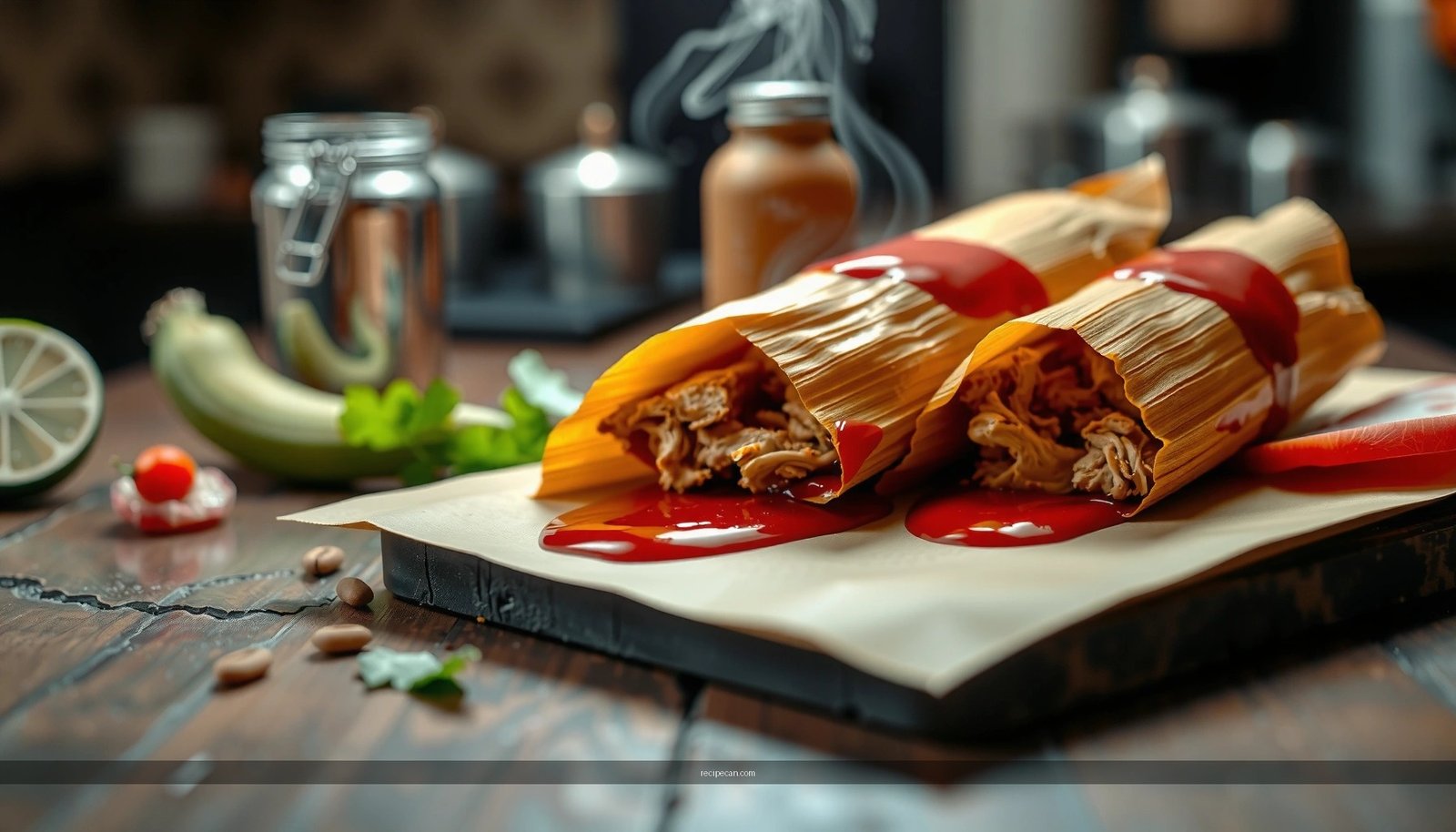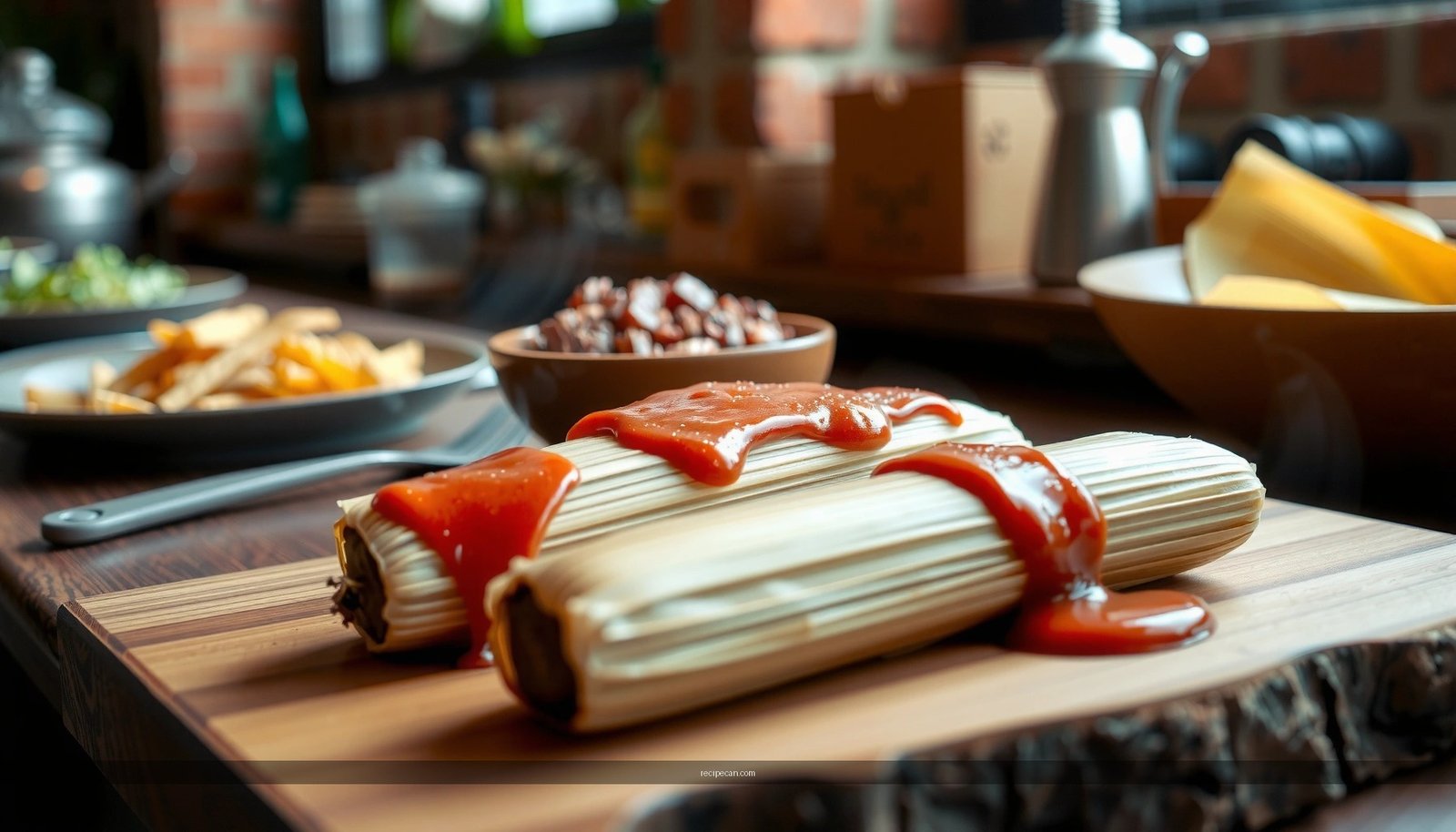
Get homemade tamales recipes that deliver consistently: tender classic masa with rich, authentic flavor and fillings that actually taste like Mexico. You’ll get a clear winner between traditional and simplified methods, with the steps and ratios that prevent bland masa or watery filling. Follow this guide and you’ll have tamales that steam up clean, slice well, and taste great from the first bite.
Make homemade tamales recipes at home by nailing a smooth, well-seasoned masa and pairing it with a filling you’ll actually crave—then steam until firm and tender. If you focus on masa consistency, tight assembly, and steady steam, you can turn a classic process into a repeatable workflow that produces tamales with reliable texture and deep flavor.
Gather Ingredients and Essential Tools
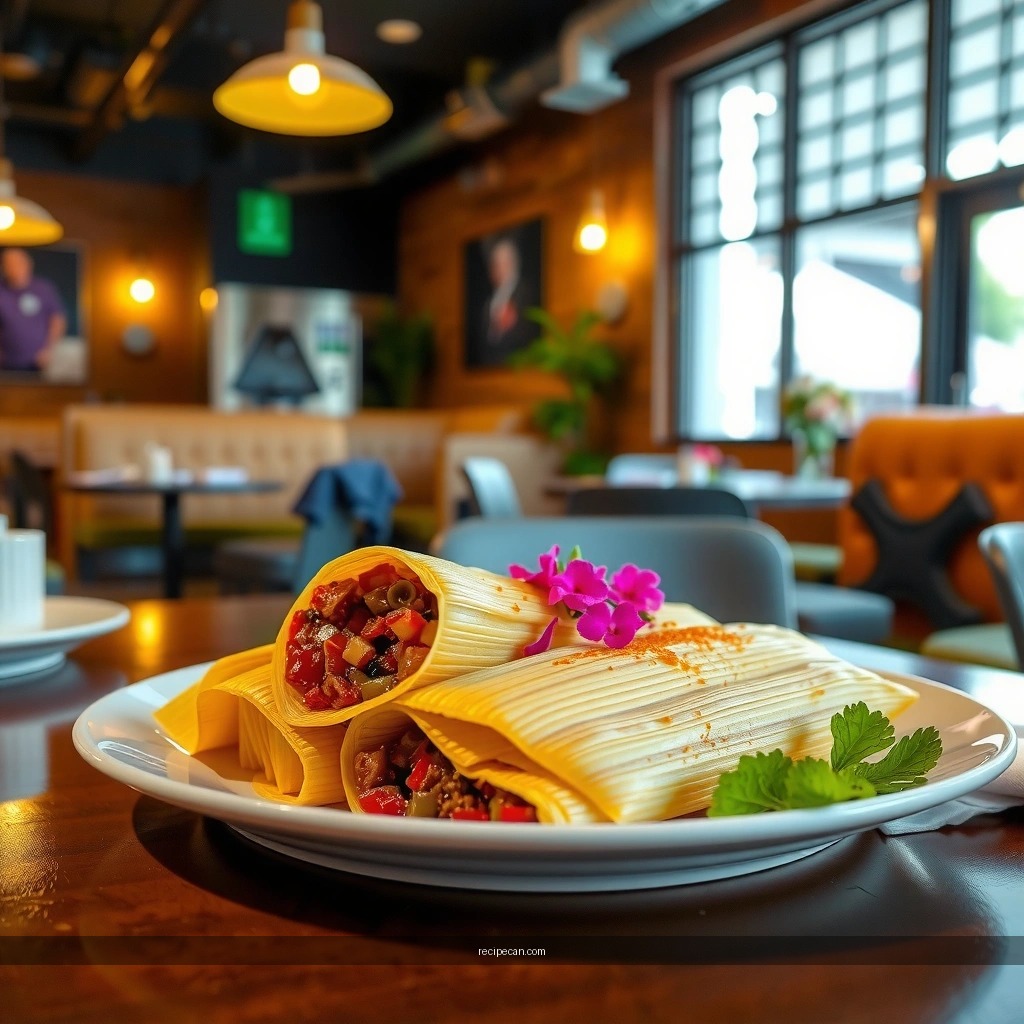
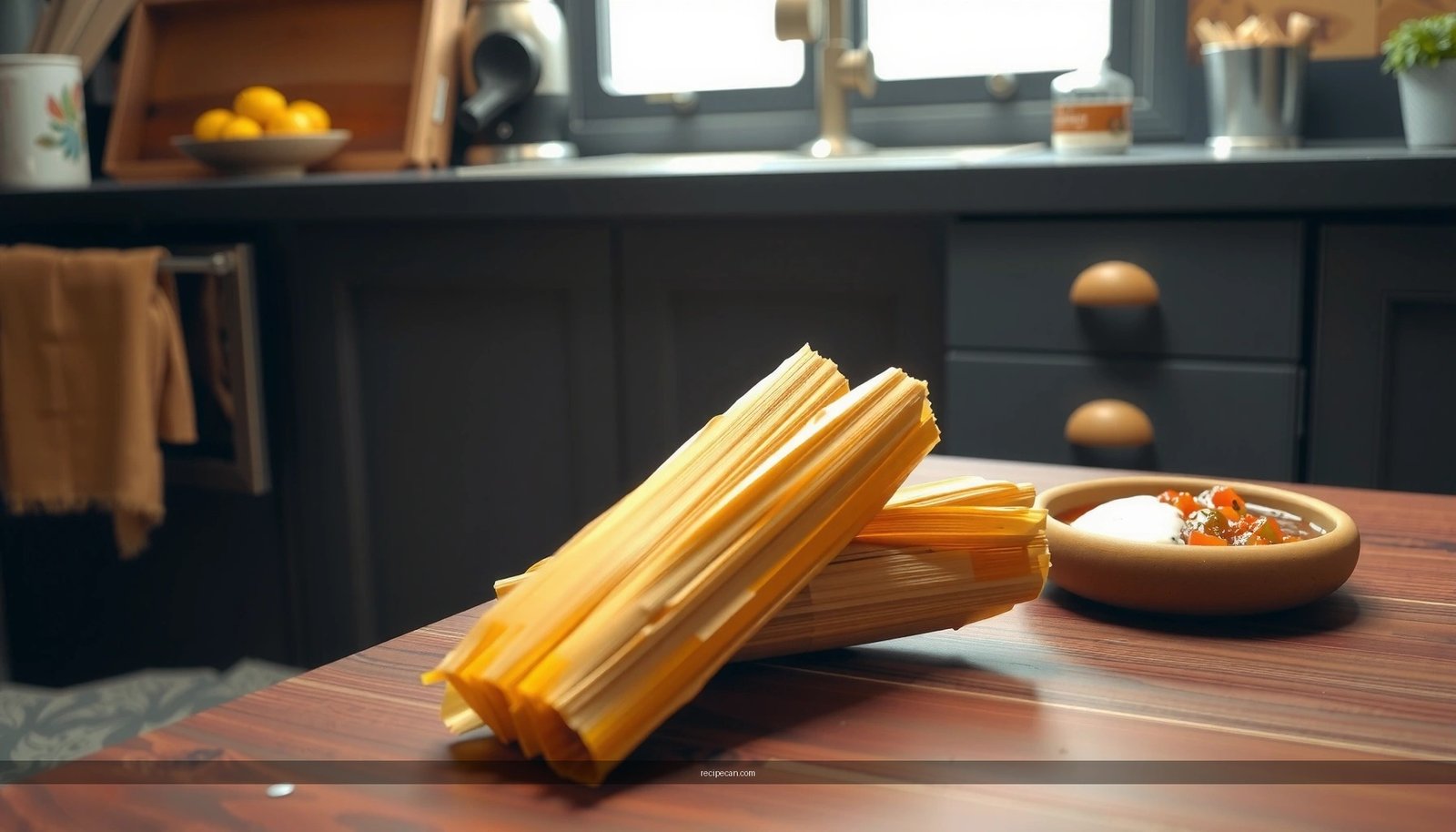
Homemade tamales succeed or fail long before the steamer heats up. Start by stocking dependable masa staples and then build your filling mix based on the flavor profile you want—savory, smoky, rich, or lightly spiced. For classic results, use quality masa harina (not quick-mix substitutes), and plan for enough corn husks to keep assembly efficient (slightly more than you think you need).
Core ingredients to prioritize
– Masa harina (corn dough flour): This is the foundation. Choose a reputable brand and check that it’s fresh.
– Corn husks: Whole dried husks work best for consistent folding and structure. If you can only find smaller husks, plan to adjust trimming.
– Broth or stock: Warmed broth (chicken or pork) improves flavor and helps masa hydrate evenly.
– Fat (often lard): Used for richness and to create a light, cohesive masa texture. You can substitute a neutral oil in some recipes, but classic mouthfeel typically comes from lard or a lard blend.
– Seasonings: Salt, ground spices, garlic, and optional chili powders to match your filling style.
Filling strategy
– Decide early whether your tamales will be meat-forward (pork or chicken), comfort-forward (beans with cheese), or classic-simple (cheese with mild chiles).
– For consistency across a batch, portion fillings so each tamale has a similar “center” weight.
Essential tools that make tamales easier (and faster)
– Large steamer (pot + steamer rack, or a tamale steamer insert)
– Bowls for mixing masa
– Measuring spoons/cups (small seasoning changes matter)
– Kitchen towels (to manage husk moisture and keep surfaces clean)
– Sharp knife (for trimming husk edges and portioning ingredients)
– Food-safe thermometer (optional but helpful): for steam consistency
Pro tip for workflow: If you’re steaming on a schedule, set up husks and filling first. Once masa is mixed and resting, you want to assemble promptly so your dough stays at peak spreadability.
Masa Consistency Targets for Classic Tamales (Batch Planning)
| # | Tamale Outcome Goal | Preferred Masa Texture | Hydration Direction | Quality Impact |
|---|---|---|---|---|
| 1 | Smooth spread without tearing | Silky, paddleable | Add broth 1–2 tbsp at a time | ★★★★★ |
| 2 | Holds shape during folding | Firm enough to layer | Rest 15–20 min after mixing | ★★★★☆ |
| 3 | Cook-through without gummy centers | Evenly hydrated paste | Avoid big broth dumps | ★★★★★ |
| 4 | Tender, not dense | Light, cohesive crumb | Whip fat until glossy | ★★★★☆ |
| 5 | Doesn’t crack after steaming | Elastic, well-seasoned | Season before final texture check | ★★★★☆ |
| 6 | Avoids dryness on reheating | Moist, set masa | Steam to full set before cooling | ★★★★☆ |
| 7 | Prevents overly wet, slippery masa | Too loose = collapse risk | If loose, add 1 tbsp masa harina | ★★★☆☆ |
Make the Perfect Tamale Masa
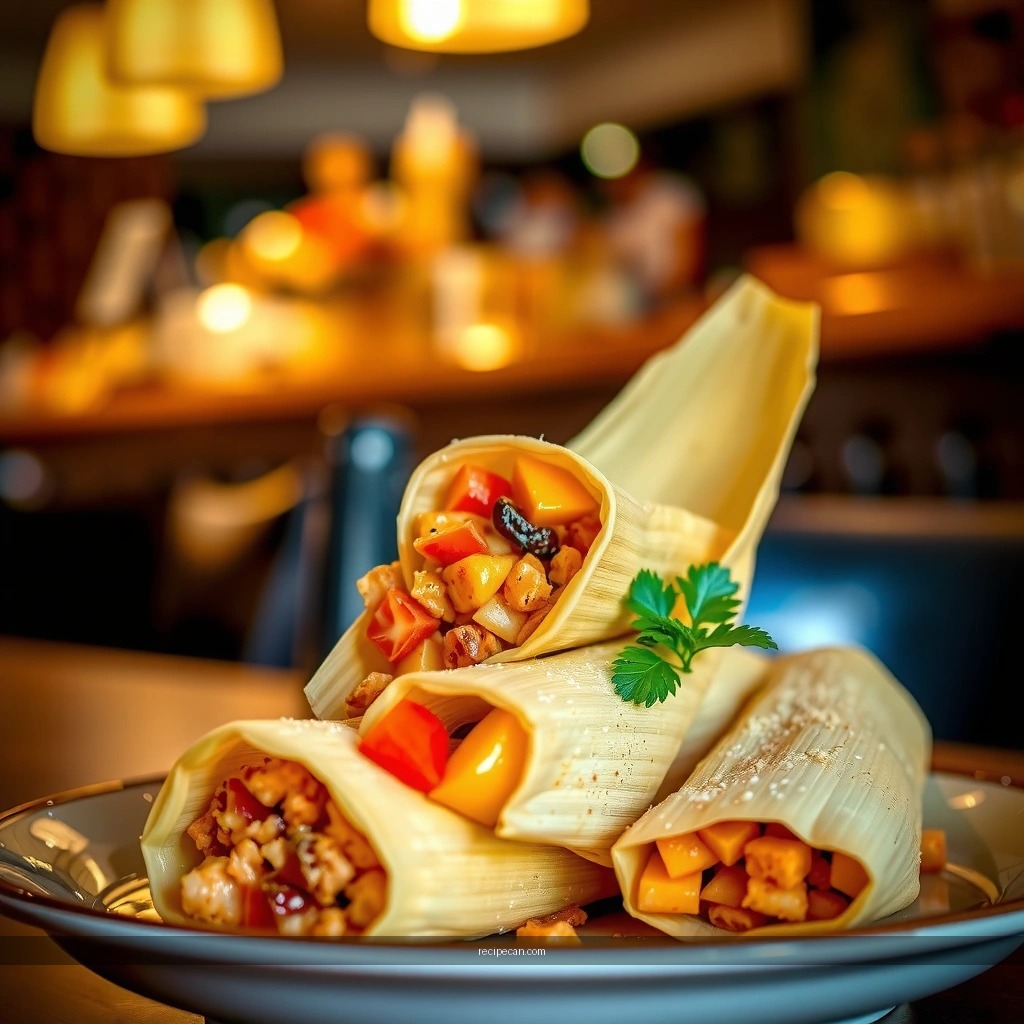
Tamale masa is a hydration and texture exercise. A professional approach treats it like building a consistent dough system: hydrate masa harina fully, incorporate fat for tenderness, and season so the masa tastes complete even before you hit the filling.
1) Hydrate masa harina in stages
– Warm broth helps masa harina bloom more evenly.
– Add liquid in small increments so you can stop at “spreadable,” not “runny.”
– Mix until you no longer see dry flour pockets; then rest the mixture to let hydration finish.
2) Season for balance, not just salt
Classic masa shouldn’t taste flat. Instead, aim for a well-rounded base:
– Salt (non-negotiable for tamales)
– Garlic and/or onion powder
– Ground cumin or mild spices (optional, but common in regional styles)
– Chili notes if your filling leans mild—this prevents flavor mismatch
3) Incorporate fat for tender texture
When fat is whipped or creamed into masa, it contributes to:
– A softer bite
– Better mouthfeel after steaming
– Reduced stickiness during assembly
4) Know the “spreadable” test
A good spreadable masa should:
– Hold a smooth layer without dragging
– Not pool or sag when you assemble
– Set during steaming without turning gummy
If masa tears when spread, it’s usually too dry or insufficiently rested. If it spreads but looks wet or slumps, it’s too hydrated—add masa harina gradually until it firms up.
Troubleshooting guide (quick diagnostic mindset)
– Dry masa: add broth 1–2 tbsp at a time, then rest again
– Gummy center risk: ensure consistent hydration and steam long enough
– Blues in flavor: add salt before assembly; you can’t “fix” bland masa with extra filling
Choose Classic Fillings and Seasoning
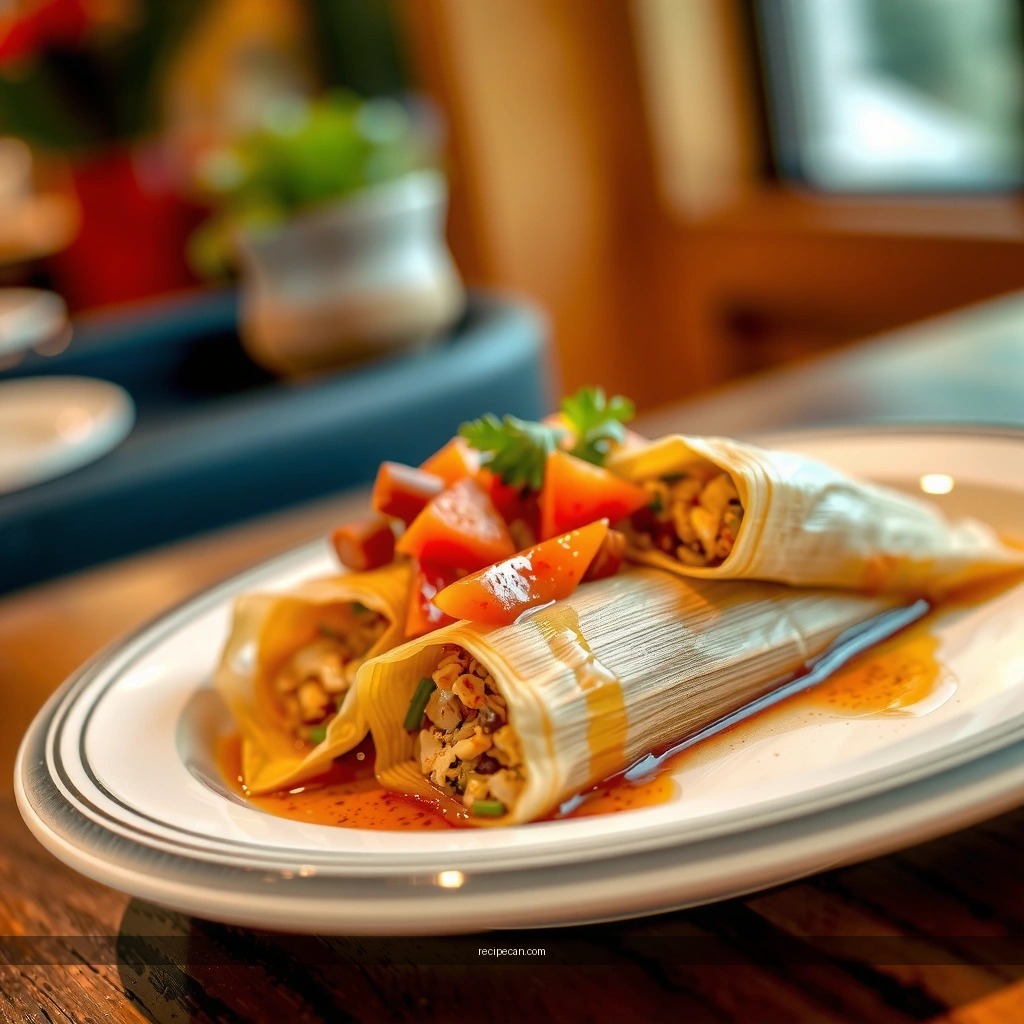
The best homemade tamales recipes treat masa as the canvas and the filling as the painting. Traditional fillings keep things predictable: pork, chicken, beans, and cheese are favorites because they steam well and taste great with masa.
Classic filling options
– Pork (often shredded): Works beautifully with chili, garlic, and smoky notes.
– Chicken: Typically lighter than pork; pair with mild green or red chile for balanced heat.
– Beans: Black beans or refried-style beans deliver hearty texture and excellent vegetarian tamale potential.
– Cheese: Great for “quick win” batches—especially when combined with a mild chile or sautéed pepper mix.
Season like the filling matters as much as the masa
A common business-style mistake in home cooking is under-seasoning the filling. Because tamales are wrapped and steamed, flavor can mellow—so target bold seasoning upfront:
– Use aromatics (onion/garlic) and spices that bloom (toast or simmer briefly in oil)
– Add acidity carefully (a little tomato or lime) to brighten richness
– If using chili peppers or sauce, simmer until flavors integrate rather than just heating through
Consistency across a batch
– Portion fillings to a similar weight per tamale so cooking time stays even.
– Keep liquid levels controlled: very wet fillings can cause uneven steaming or soggy masa edges.
Heat alignment tip
If your masa is seasoned mildly, choose fillings with enough punch to “meet” the masa on the flavor map. If your masa is bold (chili-spiced), use a steadier filling so it doesn’t become one-note heat.
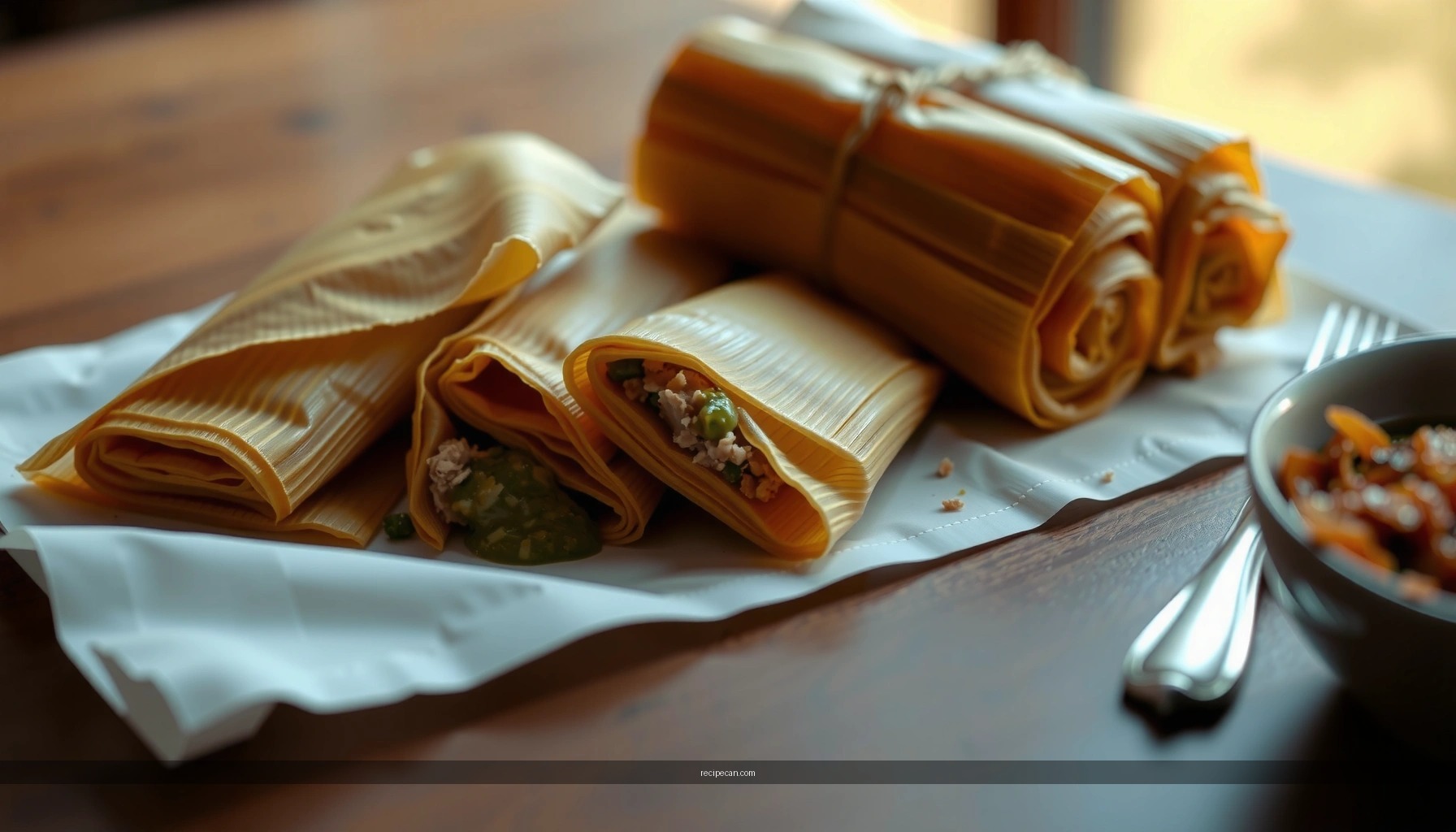
Assemble Tamales Correctly
Assembly is where homemade tamales transition from “ingredients” to “finished product.” The folding method affects steam penetration, structure, and the final unwrapping experience—so handle husks and masa with care.
1) Soak corn husks until pliable
– Dried husks need time in warm water to soften.
– Remove husks when flexible, not when fully waterlogged.
– If husks are still stiff, they’ll tear during folding and lead to messy tamales.
2) Spread masa evenly
– Aim for a consistent thickness; uneven spread creates uneven cook-through.
– Don’t overfill with masa. A thin base that’s spread evenly is easier to steam and unwrap.
3) Add filling in the center
– Place filling where it can be sealed and steamed without squeezing out.
– Keep filling edges clean so masa-to-filling contact is stable.
4) Fold tightly for even cooking
Tightly folded tamales:
– Maintain shape
– Prevent filling escape
– Steam more uniformly
Professional workflow suggestion
Assemble on a lined station (clean towel or parchment) so masa doesn’t stick to your workspace. Once you wrap a batch, set them upright or stacked as your steamer design requires.
Quality check during assembly
– Look for sealed seams.
– Ensure husks hold without gaps.
– Confirm each tamale has a similar size footprint; this reduces uneven cooking.
Steam Tamales Until Tender
Steaming is controlled cooking: consistent steam temperature, stable water level, and correct doneness cues. If the process stalls (water runs out or steam is weak), the masa can stay undercooked while the filling overwarms.
1) Maintain steady steam
– Keep enough water in the pot so the steamer doesn’t lose pressure/heat.
– Check periodically, especially during long steaming sessions.
– If using a tall stack, rotate levels or adjust stacking to avoid “hot spots.”
2) Prevent water from touching tamales
– Your goal is steam, not boiling water.
– Use a rack/insert setup so tamales are elevated.
3) Timing depends on tamale size
Rather than rigid timing alone, use doneness tests:
– Masa set test: the masa should feel firm rather than sticky.
– Unwrapping test: a properly steamed tamale unwraps with minimal tearing and holds together.
– Texture target: masa should be tender and cohesive, not raw or gummy.
4) Let them cool briefly before serving
Cooling helps masa finish setting and makes tamales easier to handle. Serve warm for best flavor, but don’t rush the unwrap immediately at peak steam.
Common steaming mistakes
– Water evaporates early → undercooked masa
– Overpacking steamer → steam doesn’t circulate
– Opening the lid constantly → temperature drops and cooking time stretches unpredictably
Store and Reheat for Best Flavor
Homemade tamales recipes often shine as meal prep because they store well. The key is cooling properly, storing airtight, and reheating with moisture so masa doesn’t dry out.
How to cool and store
– Cool tamales completely before refrigerating or freezing to reduce condensation.
– Wrap tightly or store in airtight containers/bags.
– For refrigeration, consume within a few days for best texture.
– For freezing, freeze individually if possible (paper or parchment barrier helps prevent sticking).
Reheating methods that preserve texture
– Steaming (best): Put tamales in a steamer with a light barrier and steam until hot throughout.
– Microwaving (works if you manage moisture): Use a microwave-safe cover or damp paper towel and reheat in short intervals, checking frequently.
Reheat temperature matters
Overheating can dry masa. Reheat just until hot in the center, then rest briefly so heat distributes evenly.
Flavor retention tip
If your filling has strong chile flavors, tamales often taste even better after storage because flavors meld during rest. That’s why reheating gently is worth the extra attention.
Conclusion
Homemade tamales recipes come down to disciplined masa (proper hydration, seasoning, and fat for tenderness), correct assembly (pliable husks, even spread, tight folds), and steady steaming until the masa is fully set. Once you master those three pillars, you can confidently iterate with classic fillings—pork, chicken, beans, or cheese—adjusting heat and texture to match your preferences.
Frequently Asked Questions
What are the best homemade tamales recipes for beginners?
A beginner-friendly homemade tamales recipe usually uses a simple filling like shredded chicken with mild salsa verde or red chile sauce and a straightforward masa mixture. Look for recipes that specify masa hydration (broth or warm water) and that include clear cooking times for steaming. Starting with corn husks and a basic fold makes it easier to focus on flavor and texture without complicated shaping.
How do I make tamales from scratch, step by step?
Start by soaking corn husks until pliable, then make masa harina dough with warm broth, salt, and fat (often lard or vegetable shortening) until fluffy. Prepare your filling (like pork in red chile or chicken in green sauce), assemble by spreading masa, adding filling, and folding the husks. Steam homemade tamales until the masa pulls away slightly and the center is fully cooked, checking periodically and adding water to the pot as needed.
Why does my masa for homemade tamales come out dry or gummy?
Dry masa is usually caused by insufficient liquid or overworked dough, while gummy tamales often happen when the fat isn’t whipped enough or the dough is too wet. Use warm broth gradually to reach a smooth, spreadable consistency, and aim for airy texture by mixing until lighter. If you’re using homemade tamales with lard/shortening, beat it well before incorporating masa harina so the dough cooks tender.
Which filling works best for flavorful homemade tamales—pork, chicken, or beef?
Pork is a classic choice because it stays juicy during steaming, especially for rich red chile or green chile pork tamales. Chicken is easier for many homemade tamales recipes since it cooks quickly and absorbs salsa flavor well, making it great for beginners. Beef can be excellent for deeper, slower-cooked fillings, but it typically needs extra attention to ensure the filling is tender before assembly.
How long do homemade tamales need to steam, and how can I tell when they’re done?
Most homemade tamales take about 1 to 2 hours of steaming, depending on tamale size and whether the filling is fully cooked before assembly. They’re done when the masa is set and firm, and a thin toothpick or skewer inserted near the center comes out clean. You can also check by peeling back a husk—properly cooked tamales should feel moist but not raw, and the masa should hold together without smearing.
References
- Tamale
https://en.wikipedia.org/wiki/Tamale - https://www.britannica.com/topic/tamale
https://www.britannica.com/topic/tamale - Google Scholar Google Scholar
https://scholar.google.com/scholar?q=homemade+tamales+recipe - Google Scholar Google Scholar
https://scholar.google.com/scholar?q=how+to+make+tamales+masa+recipes - https://scholar.google.com/scholar?q=traditional+Mexican+tamales+recipe+steaming+instructions Google Scholar
https://scholar.google.com/scholar?q=traditional+Mexican+tamales+recipe+steaming+instructions - Tamales | Good Food
https://www.bbcgoodfood.com/recipes/tamales - https://www.nytimes.com/guides/splurge/how-to-make-tamales
https://www.nytimes.com/guides/splurge/how-to-make-tamales - Google Scholar Google Scholar
https://scholar.google.com/scholar?q=homemade+tamales+recipes - homemade tamales recipes – Search results
https://en.wikipedia.org/wiki/Special:Search?search=homemade+tamales+recipes - https://www.ncbi.nlm.nih.gov/search/research-articles/?term=homemade+tamales+recipes
https://www.ncbi.nlm.nih.gov/search/research-articles/?term=homemade+tamales+recipes