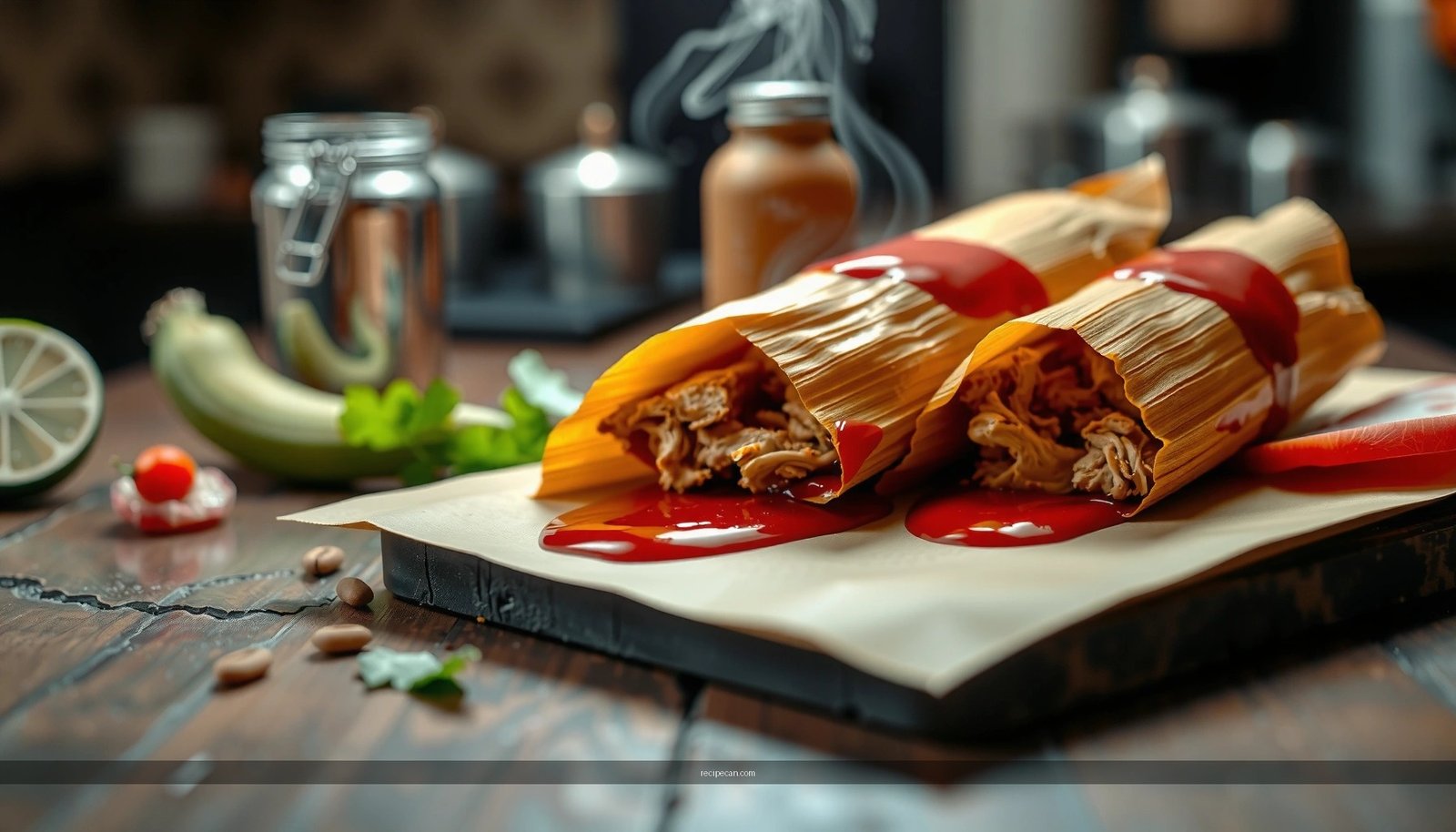
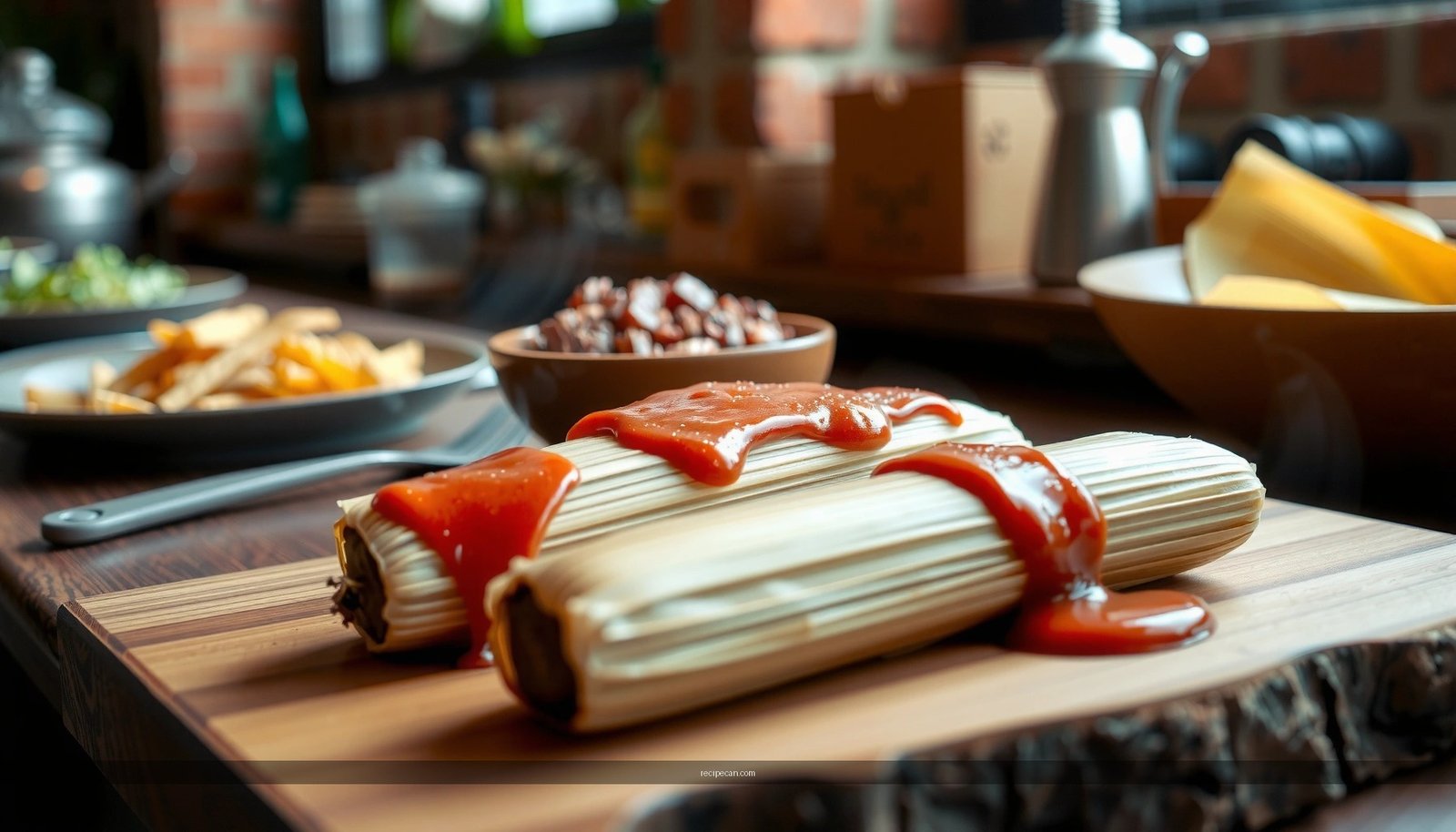
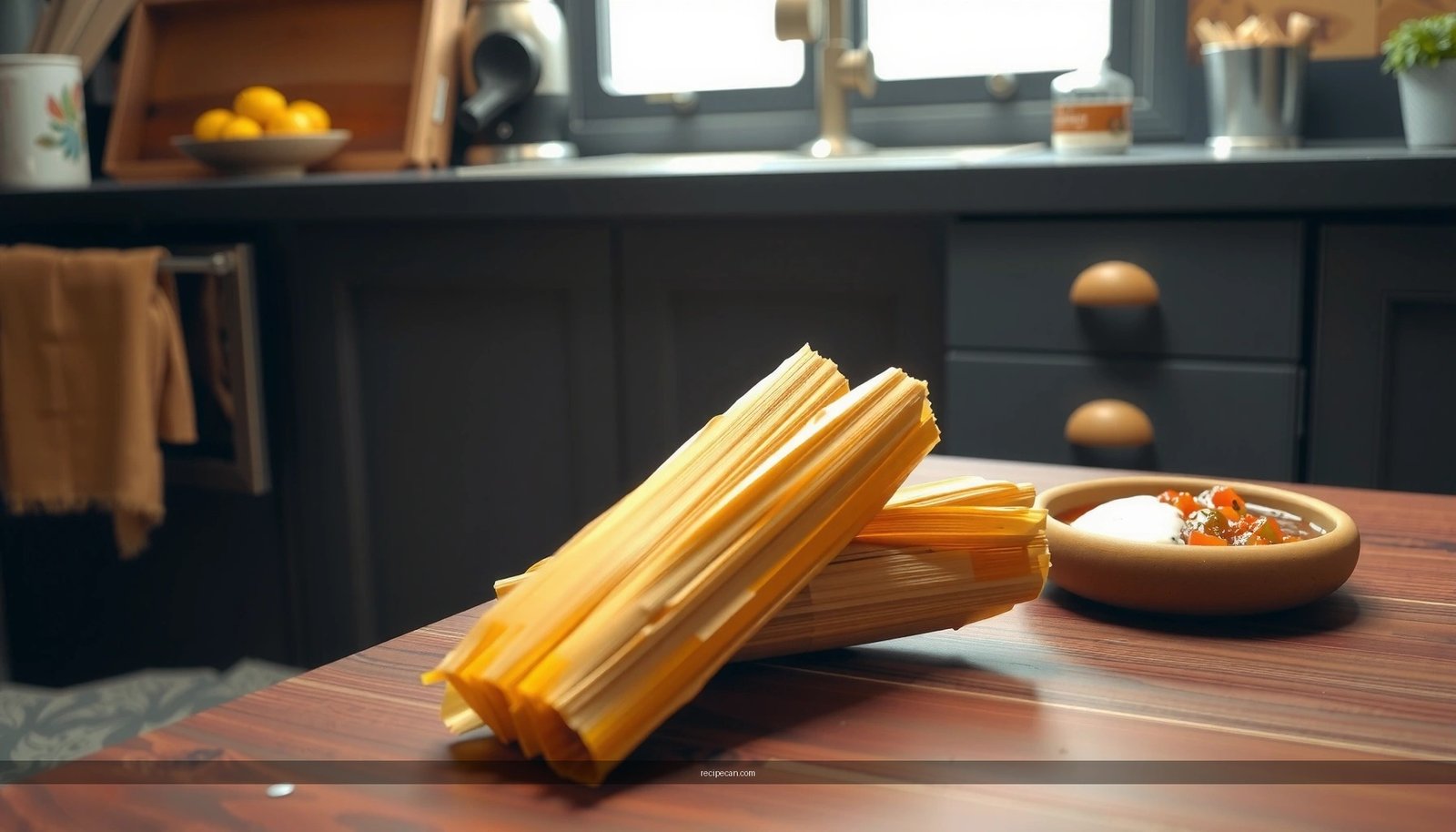
Get a reliable recipe for masa for tamales that produces authentic, spreadable masa with the right corn flavor and texture every time. You’ll learn exactly how to cook the corn/masa base, mix in fat, and season so the masa holds its shape without turning dry or gummy. Follow these steps and you’ll know you’ve nailed the consistency before you ever wrap or steam.
Yes—authentic tamale masa is achievable at home: use masa harina as the base, cream your fat (lard or shortening), then hydrate with warm broth until the dough is smooth and spreadable. This guide walks you through exact ingredients, a reliable mixing method, and practical texture checks so your masa holds up beautifully during steaming.
What You Need for Masa for Tamales
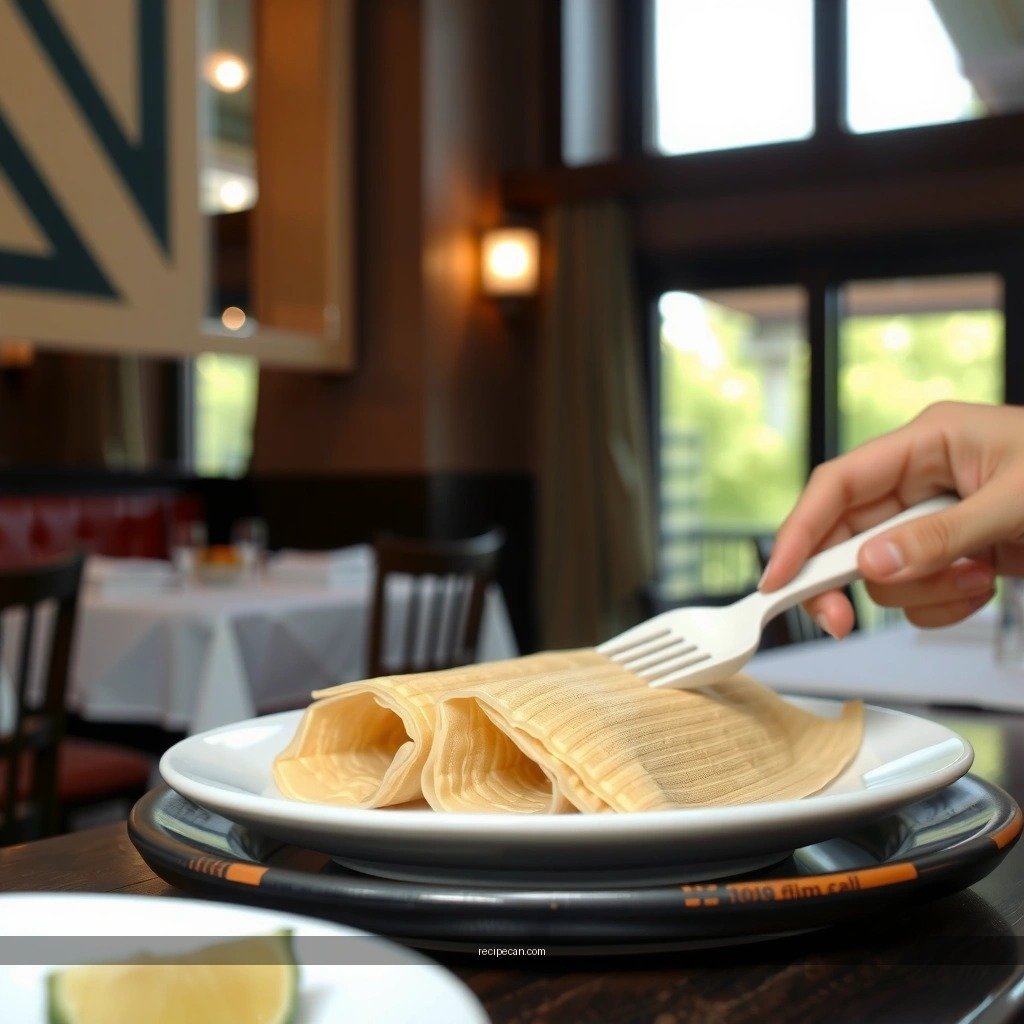
– Use masa harina as the base for classic tamale dough. Masa harina is nixtamalized corn that rehydrates into a cohesive dough; it’s what gives tamales their signature corn flavor and spring.
– Choose your fat (lard or shortening) for rich flavor and tender texture. Fat improves spreadability, helps moisture distribution, and supports a softer bite after steaming.
– Have warm broth and salt on hand to season and hydrate the masa. Warm liquid reduces lumps, and correct salting is the difference between “corny” and fully flavored tamales.
Pro tip: Plan for warm broth. Cold liquid can cause uneven hydration, leaving dry pockets that make masa tear or crack when spread.
Ingredients and Measurements
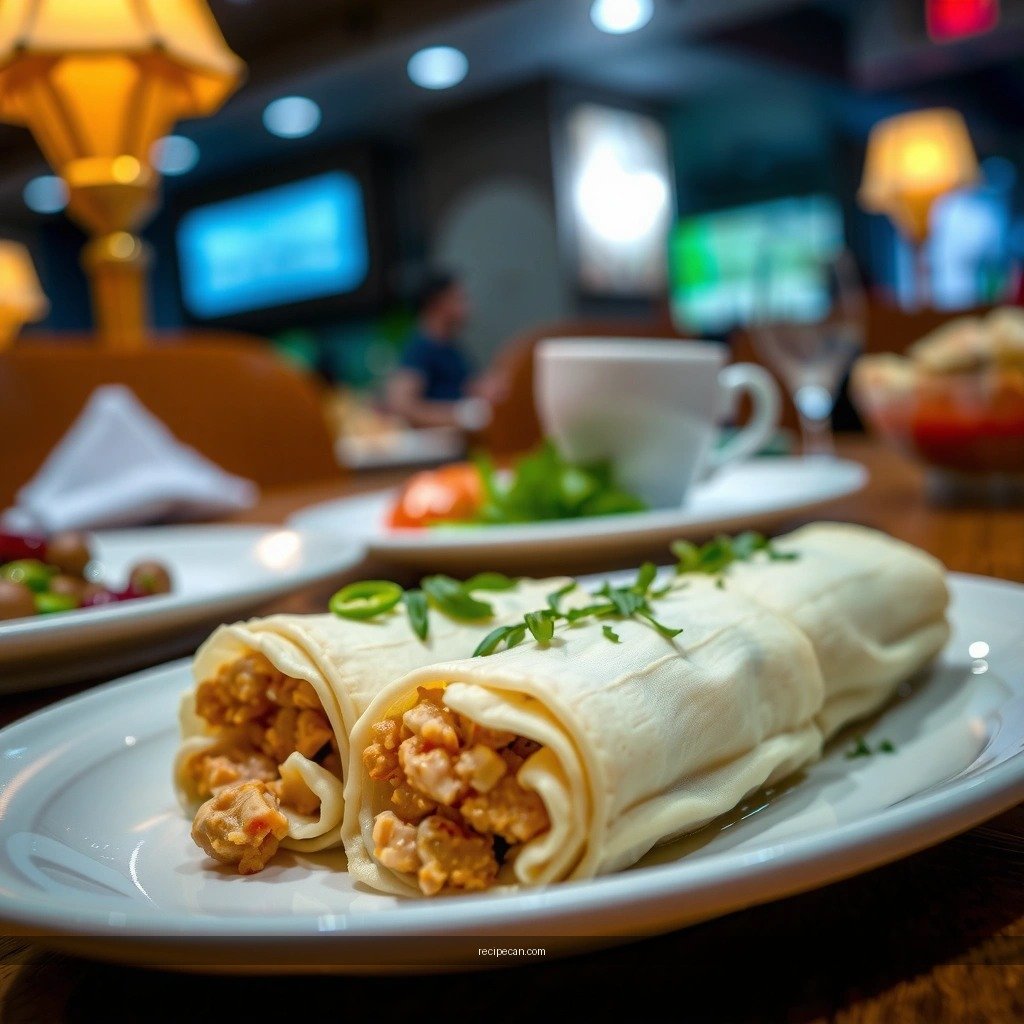
– Measure masa harina, fat, salt, and warm broth for balanced dough. A consistent base recipe matters because tamale masa is forgiving only if you start with stable ratios.
– Use aromatics like baking powder and optional spices to enhance flavor. Baking powder adds subtle lift and a more tender crumb—especially helpful when you steam longer or use lean fillings.
– Keep liquids warm so the masa mixes smoothly without lumps.
Authentic baseline (1 batch makes about 24–30 tamales, depending on leaf size)
Use this as your starting point, then adjust broth by tablespoonfuls during texture checking:
– Masa harina: 2 cups (about 280–300 g)
– Fat (lard or shortening): 1/2 cup (about 110–125 g)
– Fine salt: 1 1/2 tsp (start here; adjust to taste)
– Warm chicken or vegetable broth: ~1 1/4 to 1 1/2 cups (300–360 mL), warmed (not boiling)
– Baking powder: 1/2 tsp (optional but recommended for a tender texture)
– Optional seasonings (choose one direction, not all):
– 1 tsp ground cumin (savory profiles)
– 1–2 tsp garlic powder (if your filling is mild)
– 1–2 tsp dried oregano (works well with bean or chicken fillings)
Why these measurements work: Tamale masa needs enough fat to coat corn particles and enough warm liquid to fully hydrate the masa harina—without turning watery.
Step-by-Step Instructions
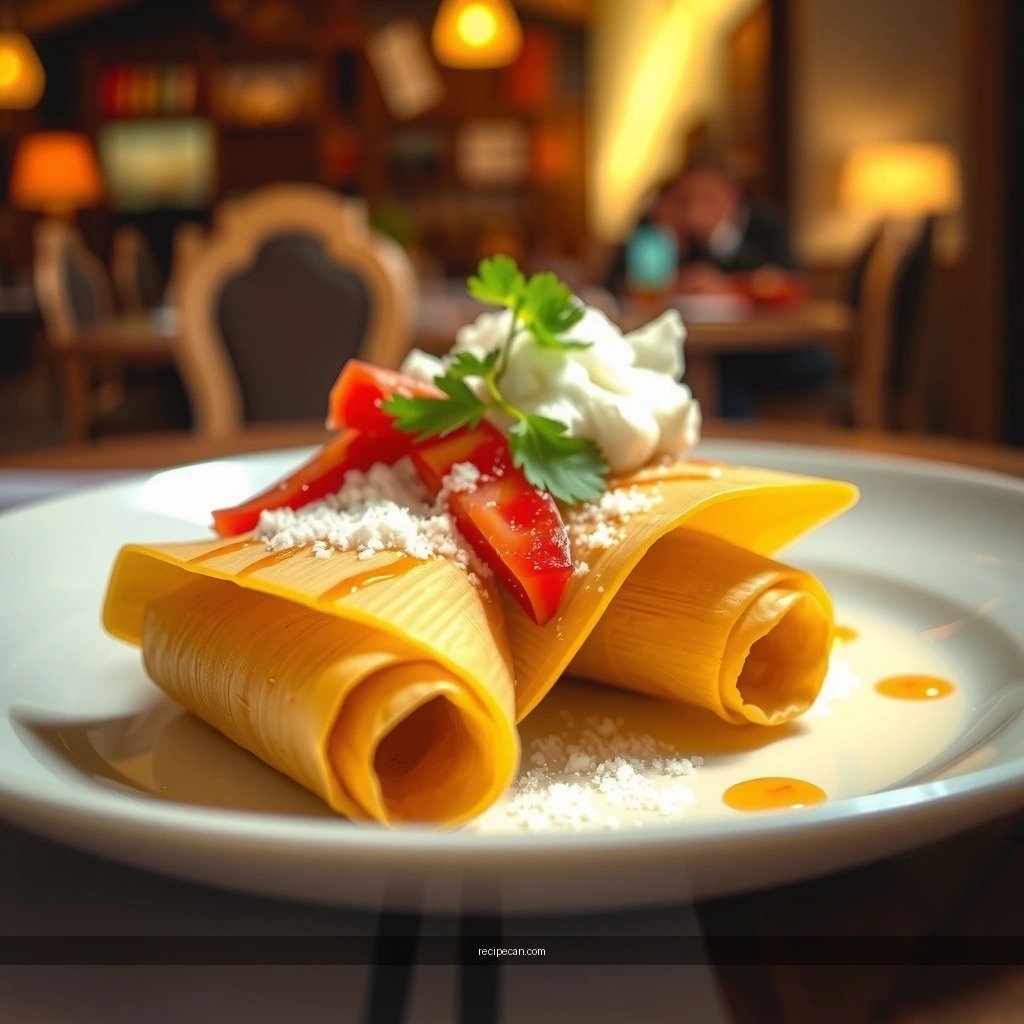
– Cream the fat, then gradually mix in masa harina and seasonings. Creaming incorporates air and helps the dough feel lighter and spread more easily.
– Add warm broth slowly until the masa becomes soft and pliable. Don’t dump in all the liquid at once—masa harina hydrates at different speeds depending on brand and humidity.
– Mix thoroughly to remove dry spots and create an even dough.
Method that reliably produces smooth, spreadable masa
1. Prep your bowl and liquid
– Warm your broth and keep it covered to maintain warmth.
– Sift baking powder (if using) into the masa harina to reduce clumps.
2. Cream the fat
– In a large mixing bowl, beat the lard/shortening until creamy and slightly lighter in color (about 1–2 minutes).
– This step sets you up for better texture—tough tamales often trace back to under-creamed fat.
3. Add masa harina and dry seasonings
– Add masa harina + salt + baking powder.
– Mix on medium until the mixture looks like damp sand (no big dry patches).
4. Hydrate with warm broth, gradually
– Add broth 1/4 cup at a time, mixing after each addition.
– At first, it may look too thick; it loosens as the masa fully hydrates.
5. Mix to uniform smoothness
– Continue mixing until the dough is evenly hydrated and smooth.
– If it’s still dry, add broth 1 tablespoon at a time.
6. Rest briefly
– Cover the bowl and rest masa for 10–20 minutes.
– This hydration “finishes” and improves spreadability for leaf wrapping.
Fat Choice Impact on Masa Spreadability (1 Batch: 2 cups masa harina)
| # | Fat option (for tamales) | Fat used | Warm broth needed* | Salt level | Spreadability rating |
|---|---|---|---|---|---|
| 1 | Lard (traditional) | ~115 g (≈40–42%) | ~1 3/8 cups (330 mL) | 1 1/2 tsp | ★★★★★ |
| 2 | Pork shortening | ~115 g (≈40–42%) | ~1 1/2 cups (360 mL) | 1 1/2 tsp | ★★★★☆ |
| 3 | Beef tallow | ~110–120 g (≈38–43%) | ~1 1/2 cups (360 mL) | 1 1/2 tsp | ★★★★☆ |
| 4 | Vegetable shortening | ~115 g (≈40–42%) | ~1 1/4–1 3/8 cups (300–330 mL) | 1 1/2 tsp | ★★★☆☆ |
| 5 | Chicken schmaltz | ~115 g (≈40–42%) | ~1 1/2 cups (360 mL) | 1 1/2 tsp | ★★★★☆ |
| 6 | Olive oil (works, but adjust) | ~100–105 g (≈35–37%) | ~1 5/8 cups (390 mL) | 1 1/2 tsp | ★★☆☆☆ |
| 7 | Refined coconut oil | ~105–115 g (≈37–42%) | ~1 1/4–1 3/8 cups (300–330 mL) | 1 1/2 tsp | ★★★☆☆ |
Broth amounts vary by masa harina brand and room humidity. Use these as targets, then rely on texture checks in the next section.
Getting the Right Masa Consistency
– The masa should be spreadable, not runny, and hold its shape on a leaf.
– If it’s too dry, add broth a little at a time; if too wet, add a bit more masa harina.
– Test by pressing—your dough should feel smooth and slightly airy.
The “press and shape” test (most reliable)
Use a small amount of masa and do three quick checks:
1. Spread test: When you spread it on a softened leaf, it should form an even layer without tearing.
2. Hold test: It should keep its shape; it shouldn’t slump into a puddle.
3. Texture test: Press gently with a spoon. The surface should look smooth and cohesive, with no gritty dry spots.
Adjustments when your masa is off
– Too dry / cracking: Add broth 1 tablespoon at a time, mix 20–30 seconds, then re-check. Over-correcting makes masa sticky.
– Too wet / loose: Sprinkle in masa harina 1 tablespoon at a time, mix thoroughly, and re-check after a short rest.
– Lumpy despite mixing: Let the dough rest 10 minutes, then mix again. Hydration may “catch up” after rest.
How to Prepare and Store Masa
– Cover the masa and let it rest briefly for better texture before assembling.
– Keep it covered to prevent drying while you prep tamales.
– Refrigerate leftover masa in an airtight container and use within a few days.
Resting and covering are not optional
Once you hit the correct consistency:
– Cover tightly (plastic wrap directly on the surface, then cover the bowl) to prevent a dry skin.
– Rest 10–20 minutes before assembling. This improves spreadability and helps the dough steam evenly.
Storage guidance (practical and safe)
– Refrigerate: Transfer to an airtight container; use within 3–4 days for best texture.
– Rehydrate if needed: Before using leftovers, mix in warm broth 1 tablespoon at a time until the dough returns to spreadable consistency.
– Avoid freezing for best results: Freezing can slightly change hydration behavior. If you must freeze, thaw in the fridge and re-adjust with broth, but expect some texture variance.
Common Mistakes (and How to Fix Them)
– Lumpy masa: add warm broth gradually and mix until fully smooth.
– Bland flavor: season the dough properly with salt (and optional seasonings).
– Tough tamales: ensure the fat is creamed well and the masa isn’t overmixed or over-dried.
Troubleshooting table stakes
1) Lumpy dough
– Cause: Broth added too quickly or too cold; insufficient mixing; no rest.
– Fix: Use warm broth, add gradually, mix until uniform, then rest 10–20 minutes.
2) Bland tamales
– Cause: Salt too low, or masa not seasoned evenly.
– Fix: Salt should be present in the masa itself. If your tamales taste flat after steaming, your filling may be seasoned well but the base isn’t—correct the next batch by adjusting salt upward slightly (e.g., +1/4 tsp increments).
3) Tough or dense texture
– Cause: Fat not creamed enough; dough too dry; overworking to “fix” dryness.
– Fix: Cream fat longer (up to 2 minutes), keep masa moisturized, and adjust with broth rather than adding more dry masa harina right away.
4) Masa tears when spreading
– Cause: Too dry or surface skin already formed from uncovered dough.
– Fix: Cover while working; if a skin forms, scrape it in and rework with a splash of warm broth.
5) Masa slides off the leaf
– Cause: Too wet.
– Fix: Add masa harina gradually and rest; then re-check spreadability.
After you mix, season, and get the masa to the right spreadable consistency, you’re ready to assemble and steam tamales with confidence. Use this recipe for masa for tamales as your baseline, adjust broth as needed for texture, and make sure your dough stays covered while you work. Try it on your next batch—then taste-test and fine-tune seasoning to your preference.
A great tamale masa is consistent, smooth, and resilient—meaning it spreads neatly, steams evenly, and complements your filling rather than fighting it. Start with the ratios in this recipe, cream your fat properly, hydrate with warm broth in controlled increments, and use the press-and-hold tests to dial in the ideal texture every time.
Frequently Asked Questions
What is a traditional recipe for masa for tamales?
A common traditional masa recipe for tamales uses masa harina, warm water or broth, fat (often lard or vegetable shortening), baking powder, and salt. The masa harina is mixed with the liquid until smooth, then the fat is beaten in to create a lighter, spreadable texture. Many cooks let the masa rest briefly so the flour hydrates evenly for better steaming results.
How do I make tamale masa without lard?
You can replace lard with vegetable shortening or a neutral oil-based fat for a similar texture in masa for tamales. For best results, use softened shortening and beat it well with the masa so the mixture becomes fluffy rather than dense. If using oil, reduce the amount slightly and adjust with extra masa harina or warm broth until the masa holds shape and spreads cleanly.
Why is my tamale masa too dry or cracking?
Dry, cracking masa usually means the masa harina didn’t fully hydrate or you didn’t add enough warm liquid. Add warm broth or water a little at a time, mixing thoroughly after each addition, until the masa feels smooth and pliable. Also avoid overmixing after it loosens—overworking can make masa gummy instead of creamy.
Best way to test if masa is ready for tamales?
A reliable test is the “float test”: scoop a small piece of masa and gently place it in water—if it floats, it’s properly mixed and hydrated. If it sinks, you need more air and moisture, so beat in a bit more fat or add warm broth as needed. The masa should also spread easily without tearing when you form a small ball and flatten it.
Which consistency should masa have for spreading and rolling tamales?
Tamale masa should be thick but spreadable—like soft mashed potatoes—so it spreads evenly on the corn husks without running. When you press a small amount with a spoon, it should hold shape and look matte, not watery. If the masa is stiff, add warm broth; if it’s loose, mix in a little more masa harina to reach the right thickness.
References
- Google Scholar Google Scholar
https://scholar.google.com/scholar?q=masa+for+tamales+nixtamalization - Google Scholar Google Scholar
https://scholar.google.com/scholar?q=nixtamalization+masa+harina+properties+tamales - Google Scholar Google Scholar
https://scholar.google.com/scholar?q=masa+harina+recipe+for+tamales+hominy - Tamale
https://en.wikipedia.org/wiki/Tamale - Masa
https://en.wikipedia.org/wiki/Masa_harina - Nixtamalization
https://en.wikipedia.org/wiki/Nixtamalization - Corn tortilla
https://en.wikipedia.org/wiki/Corn_tortilla - https://www.britannica.com/topic/tamale
https://www.britannica.com/topic/tamale - https://pubmed.ncbi.nlm.nih.gov/?term=nixtamalization+masa+harina
https://pubmed.ncbi.nlm.nih.gov/?term=nixtamalization+masa+harina - https://pubmed.ncbi.nlm.nih.gov/?term=tamale+masa
https://pubmed.ncbi.nlm.nih.gov/?term=tamale+masa