Find the best boba tea recipes for making easy homemade boba tea at home, with step-by-step instructions that deliver chewy tapioca pearls and balanced flavor every time. This guide answers which combinations of tea, milk, and sweetener produce the most consistently café-style cups—whether you want classic milk tea or fruitier options. Expect fewer steps, clear measurements, and troubleshooting for the biggest failure points so your first batch doesn’t miss.
You can make boba tea at home by cooking chewy tapioca pearls, brewing a strong tea base, and assembling with milk (or a dairy-free alternative) plus sweetener. This guide walks you through reliable boba tea recipes, the best method for pearl texture, and easy flavor customization—so your next cup tastes restaurant-level without guesswork.
Essential Ingredients for Boba Tea Recipes
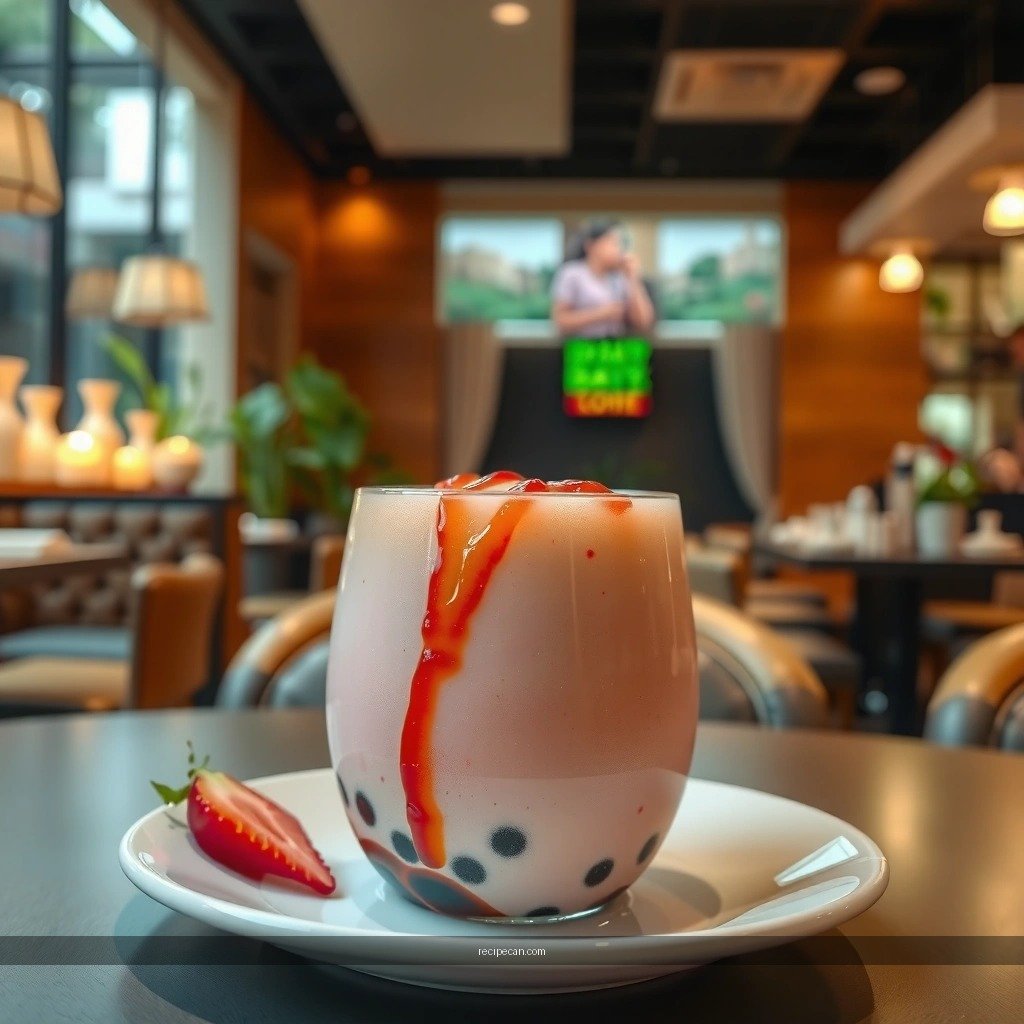
– Tapioca pearls (cooked until chewy and translucent)
Choose “instant” pearls for speed or “classic” pearls for a chewier, more traditional bite. Regardless of type, you’ll get the best results when you follow the boil/simmer/rest steps rather than only relying on the package time.
– Tea base (black tea, green tea, or jasmine)
For classic milk tea, black tea provides the bold backbone that balances sweetness and dairy. Green tea works well for lighter, fresher blends, while jasmine adds a floral aroma that pairs naturally with fruit syrups.
– Sweetener + milk options (sugar syrup, honey, oat milk, etc.)
Boba tea is as much about balance as it is about ingredients. A thick “brown sugar” style syrup can read caramel-like, while honey adds floral sweetness. For milk, use dairy if you want classic mouthfeel, or use oat milk for a creamy, naturally slightly sweet profile.
Quick professional tip: Sweeten the *tea base* first. That reduces “sugar float” and improves flavor consistency across each cup, especially if you’re serving multiple drinks.
Boba Pearl Texture Targets Using a Standard Stovetop Method
| # | Cook Stage | Water Temperature | Typical Time | Chew Score | Result Risk |
|---|---|---|---|---|---|
| 1 | Bring water to active boil | 90–100°C | 1–2 min pre-boil | ★★★★★ | Low |
| 2 | Add pearls; stir immediately | Boiling | 0–1 min | ★★★★☆ | Low |
| 3 | Boil to set outer layer | 95–100°C | 4–7 min | ★★★★☆ | Low |
| 4 | Simmer until translucent | 85–95°C | 12–18 min | ★★★★★ | Medium-Low |
| 5 | Rest off heat (covered) | Steam retention | 8–12 min | ★★★★☆ | Low |
| 6 | Rinse briefly to cool | Cool water | 5–10 sec | ★★★★☆ | Medium-Low |
| 7 | Soak in syrup (or brown sugar) | Room-temp syrup | 2–5 min | ★★★★★ | Low |
How to Cook Perfect Boba Pearls
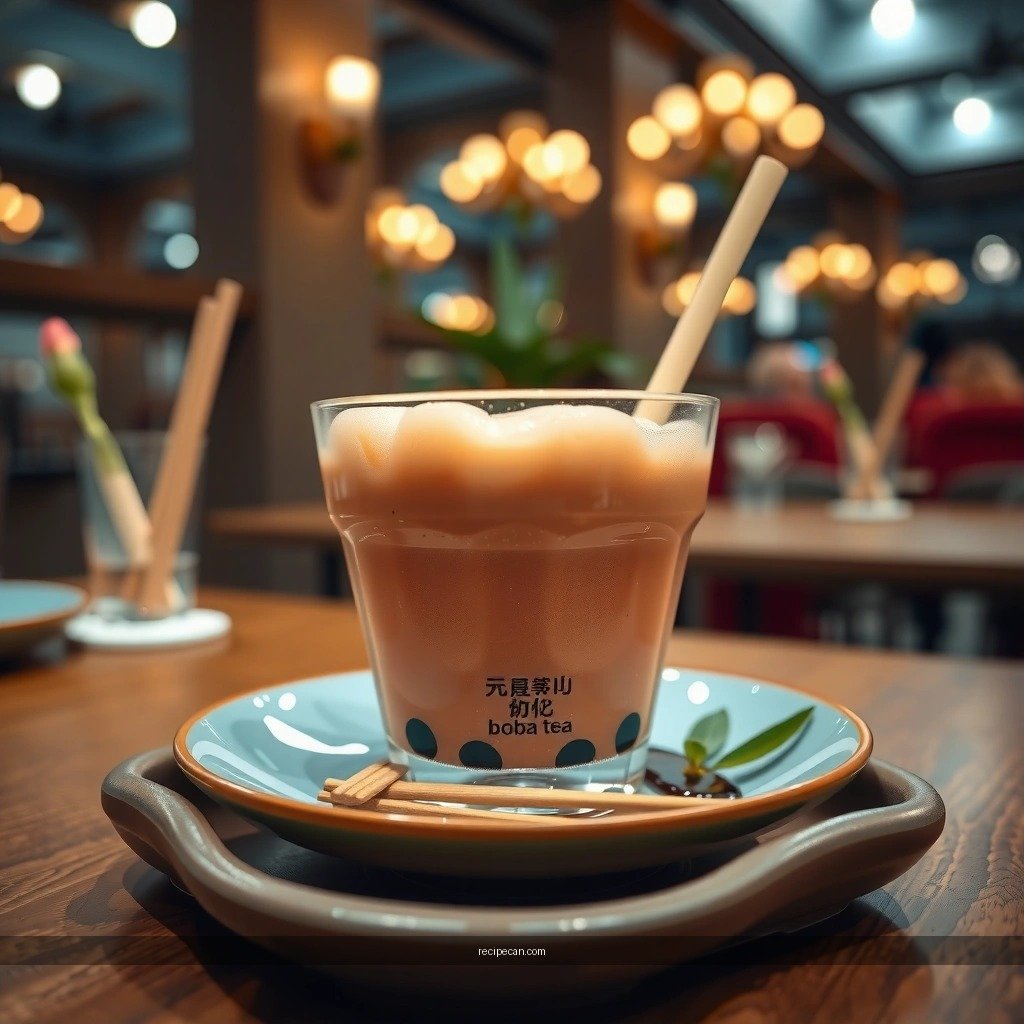
Making great boba pearls is mostly a heat-management process: boil to set the exterior, then simmer to fully cook the center, then rest to finish hydration. Here’s the method that consistently delivers chewy, translucent pearls:
– Boil pearls, then simmer and rest for ideal chew
Start with a rolling boil. Add pearls and stir right away so they don’t clump. After the initial boil, lower to a gentle simmer until the pearls look mostly translucent. Then rest off heat (covered) to let the interior finish cooking evenly. This reduces the classic problem of “hard core” pearls.
– Use the right water-to-pearl ratio and timing for texture
Too little water can cause uneven cooking; too much can cool the pot and slow gelatinization. Practically, you want enough water to keep motion during simmering. If your pearls feel undercooked after the recommended simmer time, add 1–2 minutes rather than pushing the boil longer.
– Rinse briefly and soak with syrup to prevent sticking
A brief rinse helps stop excess surface starch and makes pearls easier to handle. Then soak in a light syrup (sugar syrup or brown sugar syrup). This is the professional trick for keeping pearls glossy and separate while maintaining chew.
Serving workflow recommendation: Start cooking pearls 20–25 minutes before assembling (depending on pearl type), and brew/chill tea in parallel so everything is ready at the same time.
Classic Milk Tea Boba Recipe
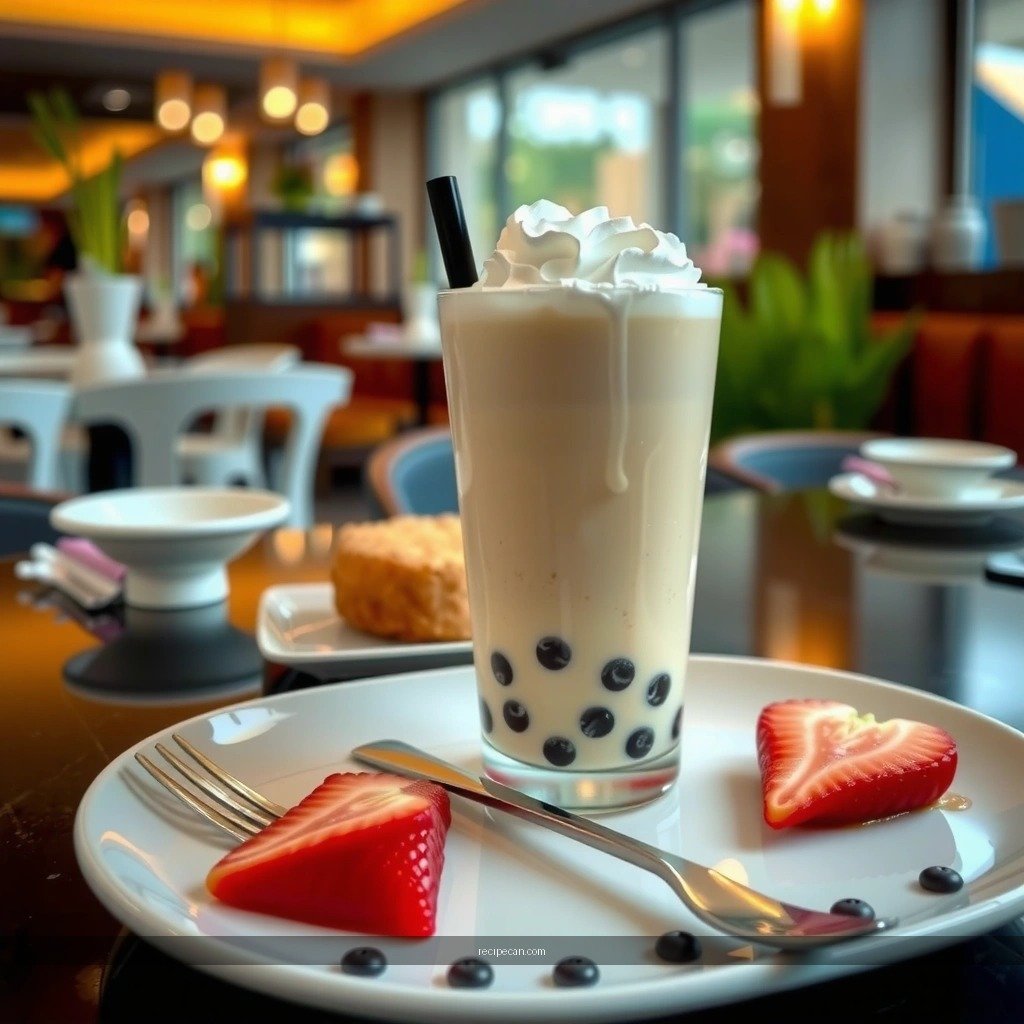
This is the “anchor” recipe. Once you nail classic milk tea, you can confidently branch into fruit, matcha, or coffee-style flavors.
Ingredients (1–2 servings):
– 1–1.5 cups cooked tapioca pearls
– 2 cups brewed black tea (strong brewed)
– 2–4 tbsp sweetener (to taste), or sugar syrup
– 3/4–1 cup milk (dairy) or oat milk/almond milk (for dairy-free)
– Ice (if serving chilled)
Method:
1. Brew tea strong: Use black tea and steep so it’s richer than you’d drink plain (milk will soften the intensity). Cool slightly, or brew ahead and refrigerate.
2. Sweeten the tea base: Stir in sugar syrup/honey/sweetener while the tea is warm for easy dissolving.
3. Mix milk and tea: Combine milk with the sweetened tea. For a more cohesive flavor, taste and adjust sweetness before assembling.
4. Assemble: Add cooked pearls to a cup filled with ice, then pour in the tea-milk mixture. Stir well or shake in a sealed container for a smooth, foamy texture.
5. Strain only if desired: Many homemade boba drinks skip straining without losing quality—just keep your brewing consistent.
Texture note: Pearls keep best when fresh. If you’re making ahead, store pearls separately and add them to each cup right before serving.
Fruit and Tea Flavor Variations
Fruit boba tea works when you treat fruit as a flavor system: acidity + sweetness + aroma. Instead of dumping fruit juice, use fruit syrups, purees, or concentrated blends for steadier flavor.
– Create refreshing blends using fruit syrups or purees
Try a mango-black tea, strawberry-green tea, or peach-jasmine blend. If using puree, strain it for a smoother mouthfeel and to prevent pulp settling.
– Pair lighter teas (green/jasmine) with citrusy flavors
Green tea supports bright profiles like yuzu, lime, or orange. Jasmine pairs beautifully with peach and lychee notes because the floral fragrance echoes fruit aromas.
– Adjust sweetness and ice to match your taste
Citrus drinks often taste best with slightly lower sweetness and extra ice. Add a small amount of syrup first, then increase gradually. If you like it “dessert sweet,” keep tea-to-syrup balanced rather than overpowering with fruit concentrate.
Fast formula:
– Tea + milk base (same as classic)
– Swap black tea for green/jasmine
– Replace part of the sweetener with fruit syrup/puree
– Add fruit flavor to the tea, not only to the milk, to improve overall consistency
Starbucks-Style and Creamier Boba Options
If you want a café-like richness, adjust the creamy base and the sweet profile, not just the flavoring.
– Use condensed milk or cream for a richer profile
Condensed milk adds body and a caramel-like sweetness that feels indulgent. If using it, reduce other sweeteners so the final drink doesn’t become cloying.
– Add flavor boosters (vanilla, brown sugar, matcha)
Vanilla bean paste (or vanilla extract) makes milk tea taste “rounded” and aromatic. Brown sugar syrup gives depth that complements black tea. Matcha adds both flavor and visual appeal; whisk matcha with a small amount of warm water first to prevent clumps.
– Shake well to improve consistency and froth
For that thick, smooth “signature” feel, shake the tea, milk, and syrup vigorously with ice. You’ll aerate the drink slightly and emulsify fat and sugars for a more stable texture.
Example: Brown Sugar Vanilla Milk Tea
– Brew strong black tea, sweeten lightly
– Add brown sugar syrup plus condensed milk
– Whisk or shake with ice until creamy
Storage, Timing, and Serving Tips
Professional-quality boba tea depends on timing—especially for the pearls and chilled components.
– Serve pearls immediately for the best chew (or reheat carefully)
Pearls gradually soften once cooked. For best results, portion pearls into cups as you build each drink. If you must reheat, warm gently with minimal time to avoid mushiness.
– Keep tea and milk chilled to avoid watery texture
If you pour hot or room-temperature tea over ice, dilution happens quickly and the flavor becomes flat. Chill your tea base first, then assemble.
– Try batch-making components and assembling fresh per cup
You can streamline without sacrificing quality:
– Brew tea and chill (batch)
– Cook pearls and keep in syrup separately
– Mix milk/tea base only when serving (for best texture)
Practical serving plan for multiple drinks: Cook pearls first, assemble in small batches (e.g., 2–4 cups), and keep the remaining pearls covered in syrup to preserve gloss and chew.
If you follow the pearl timing, brew a strong tea base, and customize sweetness and milk, you’ll get great boba tea recipes every time. Pick one classic milk tea and one fruit variation to start, then experiment with small adjustments—make your next cup today.
Frequently Asked Questions
What is the best way to make boba tea at home without lumps?
Start by boiling your tapioca pearls until fully chewy, then simmer just long enough to keep the center from turning hard. If you’re making boba syrup, let it dissolve completely in hot water before mixing with brewed tea. For the creamiest texture, cool the tea base slightly, then shake or stir with the milk/creamer and sweetener to prevent separation. Finally, rinse the cooked boba briefly and let it sit in simple syrup so the pearls don’t clump.
How do I cook tapioca pearls for boba tea so they’re chewy, not gummy?
Use the package’s timing as a baseline, then adjust by taste because pearl sizes vary by brand. Once they’re boiled, reduce heat and keep them at a gentle simmer to cook evenly through without turning gummy. After boiling, let the pearls rest in syrup for 10–20 minutes so they develop a better bite for your boba tea recipes. If your boba turns too soft, shorten the simmer time; if it’s tough, add a few minutes and cover while cooking.
Why does my boba tea taste watery even when I measure the ingredients?
Watery flavor usually comes from weak brewed tea or too much ice in the glass. Brew your tea base stronger than you think you need, chill it if you’re serving cold, and sweeten with a concentrated syrup so flavor isn’t diluted. Also, avoid adding boba too early—tapioca pearls absorb some sweetness and water over time. For consistent results, combine boba with syrup separately and assemble right before serving.
Which tea works best for classic milk tea boba recipes?
Black tea is the most common choice because it provides a bold, malty flavor that pairs well with milk and brown sugar syrup. If you want a lighter, floral profile, try chai-style spiced tea or a robust oolong tea as a base. For matcha boba tea recipes, use ceremonial or culinary matcha dissolved in warm water (or shaken with a splash of milk) to prevent grittiness. Taste-test your tea base before adding milk so you can adjust sweetness and strength.
Best way to sweeten boba tea—brown sugar syrup, honey, or condensed milk?
Brown sugar syrup is a favorite for traditional boba tea recipes because it caramelizes slightly and gives the pearls a deep flavor coating. Honey works well if you want a lighter sweetness, but it may be more delicate with strong black tea bases. Condensed milk adds a rich, creamy sweetness—great for milk-forward drinks, but it can overpower tea if you use too much. A good approach is to start with a smaller amount, mix thoroughly, and adjust sweetness to match your preferred balance of tea, milk, and chewy boba.
References
- Bubble tea
https://en.wikipedia.org/wiki/Bubble_tea - Tapioca
https://en.wikipedia.org/wiki/Tapioca - https://pubmed.ncbi.nlm.nih.gov/?term=bubble+tea
https://pubmed.ncbi.nlm.nih.gov/?term=bubble+tea - https://pubmed.ncbi.nlm.nih.gov/?term=tapioca+pearls
https://pubmed.ncbi.nlm.nih.gov/?term=tapioca+pearls - https://www.sciencedirect.com/search?qs=bubble+tea
https://www.sciencedirect.com/search?qs=bubble+tea - bubble tea | Nature Search Results
https://www.nature.com/search?q=bubble%20tea - Bubble tea | Definition, Origins, Types, Ingredients, & Health Benefits | Britannica
https://www.britannica.com/topic/bubble-tea - Google Scholar Google Scholar
https://scholar.google.com/scholar?q=boba+tea+recipe - Google Scholar Google Scholar
https://scholar.google.com/scholar?q=bubble+tea+recipe+tapioca+pearls - Google Scholar Google Scholar
https://scholar.google.com/scholar?q=homemade+bubble+tea+milk+tea+recipe