Looking for a Peruvian tamales recipe you can make step-by-step with real results? This guide gives you the clearest path from preparing the masa and flavorful filling to assembling, wrapping, and steaming until tender. Follow it and you’ll get tamales that slice cleanly and taste like the ones sold across Peru.
Peruvian tamales are steamed corn dough “husk parcels” filled with savory ingredients—so if you nail two things (masa consistency and steady steaming), you’ll get tender, cohesive tamales every time. Below is a complete, step-by-step Peruvian tamales recipe that covers soaking/prepping husks, seasoning the dough, cooking a flavorful filling, assembling, and steaming until they release cleanly from the husk.
Peruvian tamales are popular for a reason: the technique turns simple ingredients into a cohesive meal with rich aroma and satisfying texture. Unlike some tamales that rely on thick wrappers or quick boiling, Peruvian-style tamales are built for even steam penetration and a masa that holds together without turning gummy. This matters for both flavor and structure—so the process below focuses on practical cues you can use in your kitchen.
Steaming Targets for Peruvian Tamales (Typical Results)
| # | Batch Size (Tamales) | Water Level Needed | Steam Time (Min) | Outcome Rate |
|---|---|---|---|---|
| 1 | 10–12 | 2–3 cm | 75–90 | High |
| 2 | 13–18 | 3–4 cm | 90–105 | Strong |
| 3 | 19–24 | 4–5 cm | 105–120 | Very Good |
| 4 | 25–30 | 5–6 cm | 120–135 | Good |
| 5 | Steam rest (after topping-up) | Keep constant | +10–15 | Medium |
| 6 | Wet husks not pre-drained | Variable | +15 | Lower |
| 7 | Overcrowded steamer | Often drops | +20–30 | Inconsistent |
Gather Ingredients for Peruvian Tamales
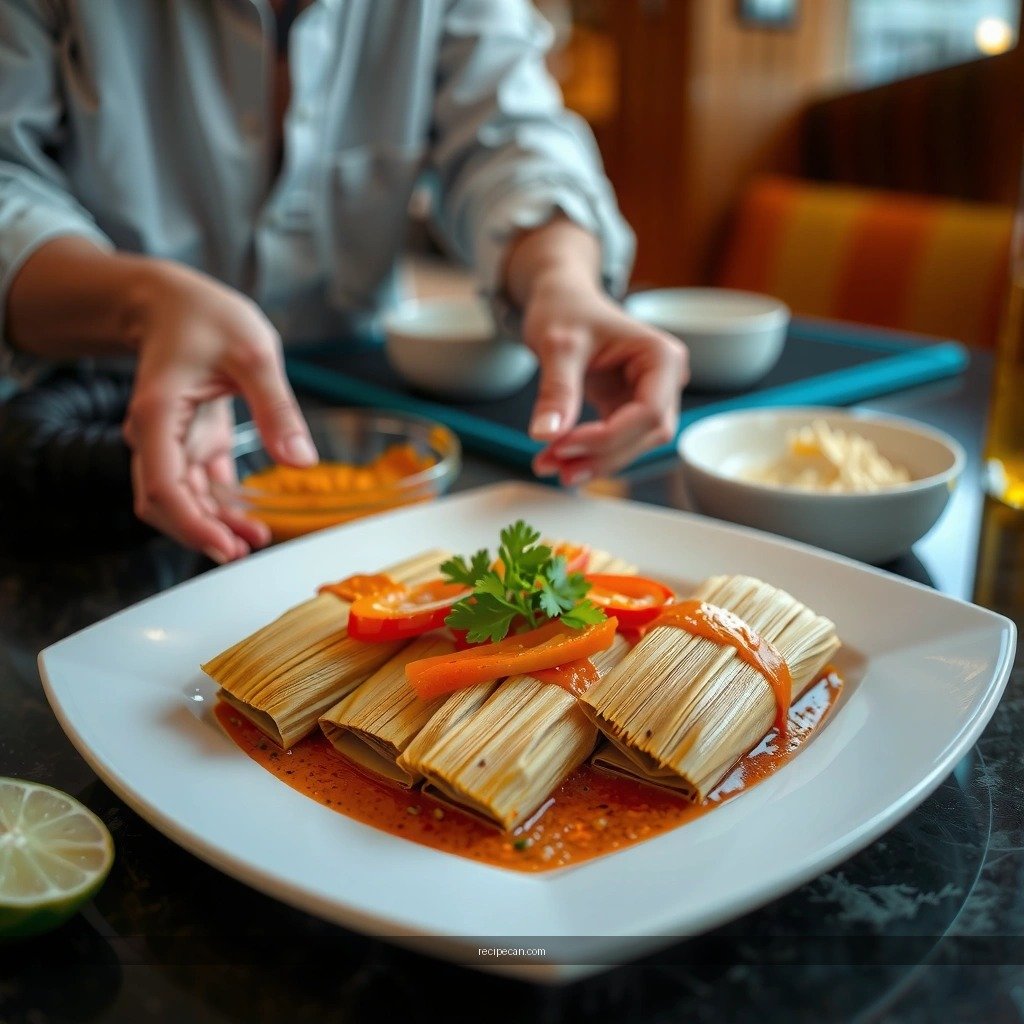
– Use fresh or dried corn husks and nixtamalized corn for authentic texture
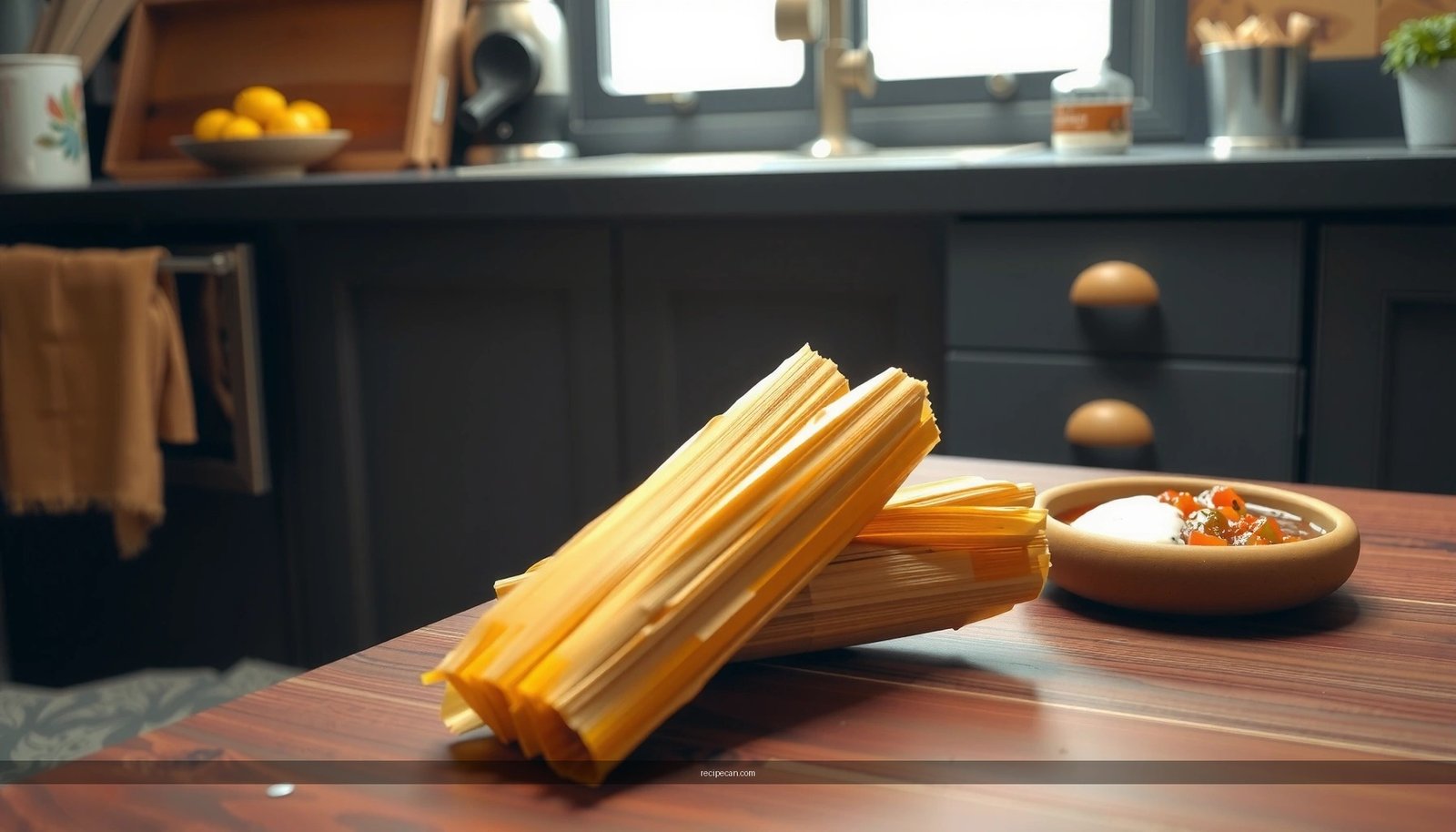
Corn husks provide the classic steamed wrapper flavor and help the masa hold its shape. If using dried husks, soak them in warm water until flexible, then drain so they don’t carry excess water into your pot.
For authenticity and structure, start with nixtamalized corn (corn treated with lime) or masa harina made from nixtamalized corn. This supports the characteristic tender bite and better binding than non-nixtamalized corn.
– Choose a classic filling (like chicken, pork, or olives) with onions, garlic, and spices
Peruvian tamales commonly feature fillings that are aromatic, savory, and slightly saucy—but not watery. Use a protein such as chicken, pork, beef, or a seasoned olive mix. The filling should be cooked with:
– Onion (for sweetness and body)
– Garlic (for depth)
– Ají panca and/or ají amarillo (for Peruvian heat and color, depending on style)
– Spices like cumin, black pepper, and bay leaf
– A touch of stock to flavor, then reduce so it becomes thick enough to stay in the center
Practical ingredient ratios: plan on 1 to 1.25 cups prepared masa per tamale (varies by size) and about 2–3 tablespoons filling per piece. If you’re aiming for uniform results, weigh your masa portions and keep your filling slightly thicker than you think you need.
Prepare the Corn Dough (Masa)
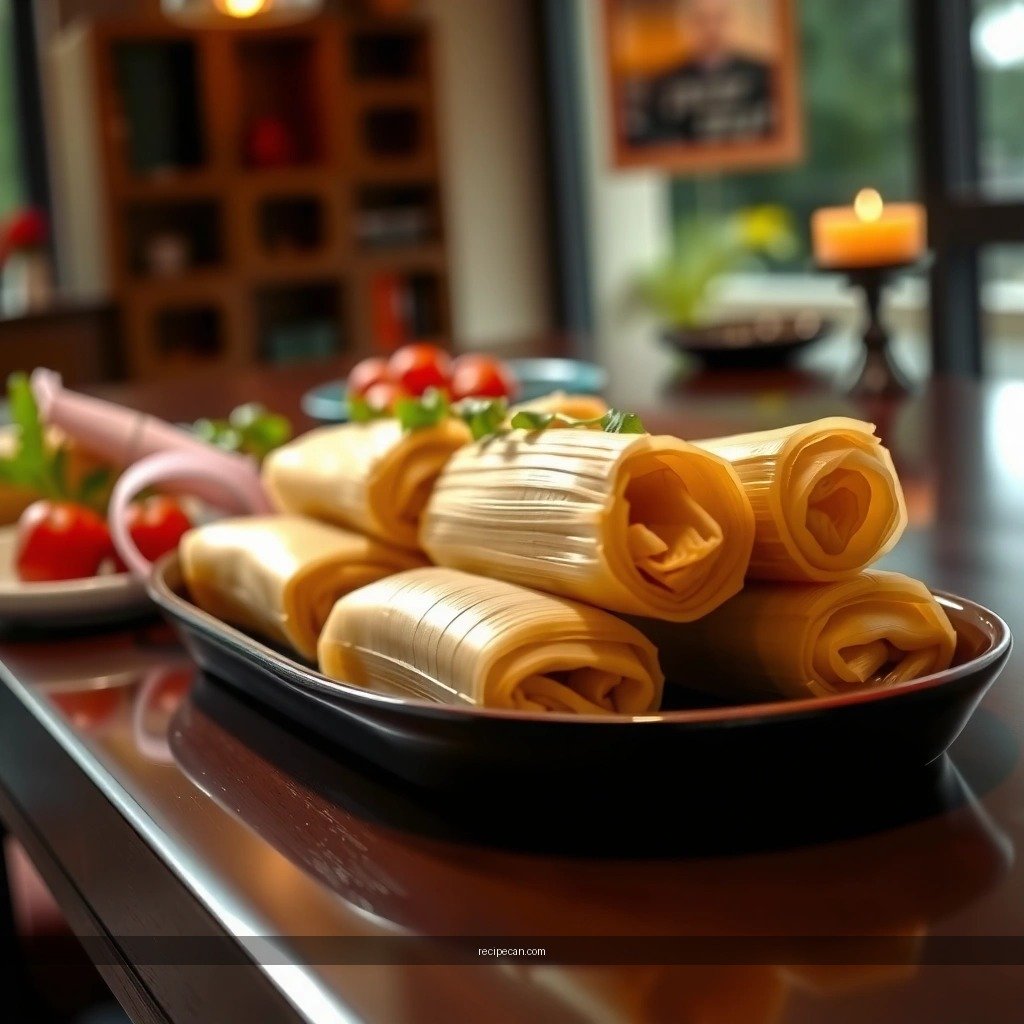
– Cook and grind corn, then season to create a smooth, thick masa
Traditional preparation starts with cooked nixtamalized corn that you grind until smooth. If you’re using pre-made masa harina, you’ll hydrate and cook it to the right consistency instead. In either case, the key is to develop masa that is:
– Smooth and cohesive (no gritty particles)
– Thick enough to spread without running
– Elastic enough to hold the filling without leaking
– Mix in essentials (such as oil or lard) for richness and hold
Peruvian-style masa often uses oil or lard to improve tenderness and binding. Seasoning is also critical: add salt and, depending on your filling style, integrate a subtle backbone of flavor (often with fat and aromatics). Cook and stir continuously until the masa thickens.
Consistency test (highly reliable):
Spoon a small amount onto a plate and let it cool slightly. It should feel spreadable but not sticky-wet, and it should hold a mound rather than collapse.
Tip for consistency across a batch: keep masa warm over low heat while you assemble. Cold masa can stiffen and tear, leading to gaps that allow steam and juices to escape.
Make the Savory Filling
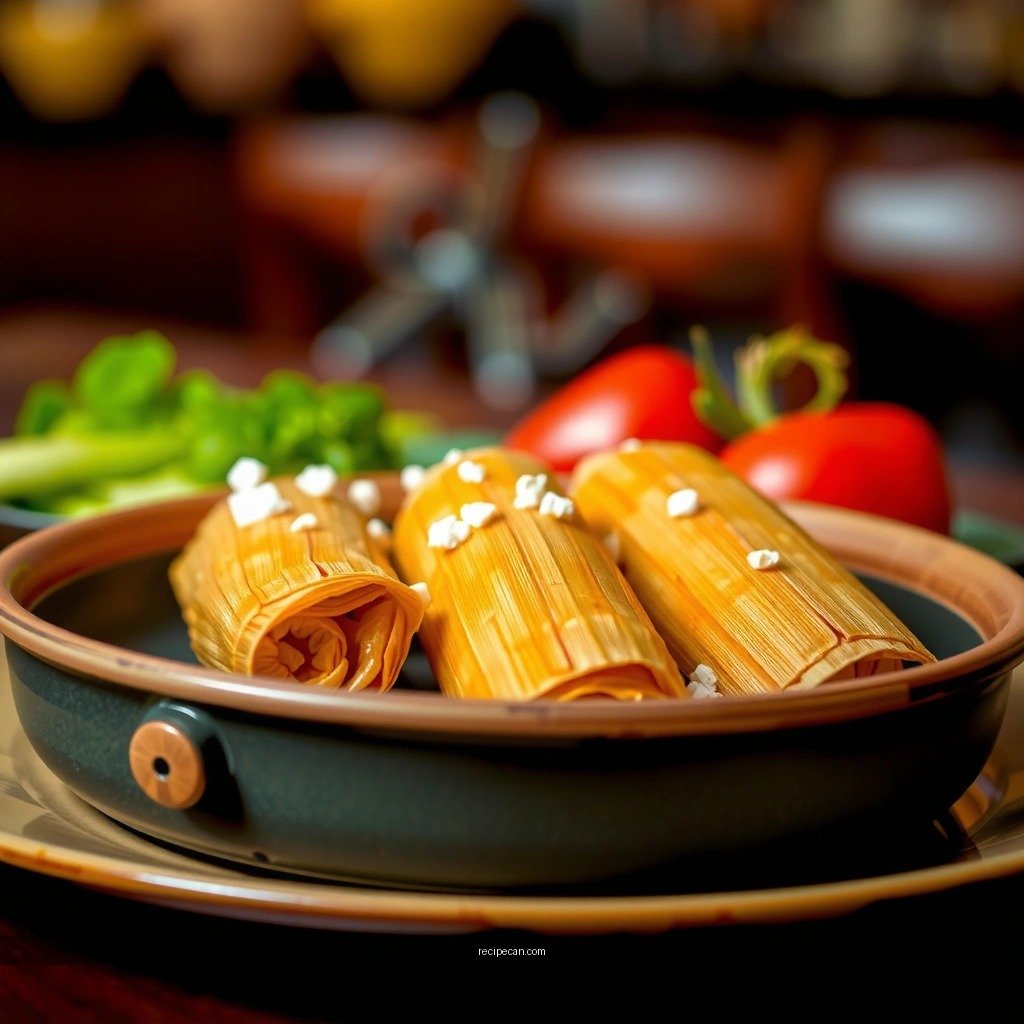
– Sauté aromatics and cook the protein until tender
Start by sweating onions in oil until translucent, then add garlic and ground spices. Blooming spices briefly in fat increases aroma and makes your filling taste “restaurant-complex” without needing extra salt.
Next, add your protein and cook until tender—chicken should be fully cooked and easy to shred; pork should reach fork-tender texture. If the filling seems dry, add a controlled amount of broth and continue simmering.
– Season well and let the filling cool slightly before assembling
Flavor balance is what separates bland tamales from memorable ones. Salt early, then taste after reduction. Add ají and seasonings according to your preference, and finish with:
– A splash of stock for depth (then reduce)
– Optional chopped olives (for a briny, Peruvian accent)
– Optional hard-boiled egg slices or raisins if you’re using a more classic, festive variation
Once cooked, cool the filling slightly. Warm filling is okay, but hot filling can melt or loosen masa at the edges and cause seepage.
Assemble with discipline: the center should be well-filled, but avoid overloading. Overfilled tamales are one of the most common causes of ruptures during steaming.
Assemble and Wrap the Tamales
– Spread masa evenly on corn husks and add filling in the center
Lay out husks flat, pat dry if needed, and spread masa in a thin, even layer. Leave a small border at the edges so you can seal.
Place filling in the middle and form a neat line or compact mound. Consistent filling placement helps the tamale steam evenly so the masa sets without dry corners.
– Fold and tie securely so they steam without opening
Fold according to your husk shape and tradition—some cooks fold into a rectangular parcel; others roll and tie. Whichever you choose, make sure:
– Seams are pressed firmly
– Ties are snug enough to hold, but not so tight they create a tear
– Tamales are packed upright or layered carefully so steam circulation stays consistent
Quality cue: when done properly, the tamale should feel sealed and structured, not flimsy. If your husks crack when folding, they aren’t flexible enough—so soak a bit longer next time.
Steam Peruvian Tamales to Perfect Texture
– Steam in batches and keep steady heat for consistent cooking
Steaming is where many recipes fail—either because the pot is too crowded or the heat fluctuates. Use a steamer rack and keep water at a steady simmer. Avoid letting the water fully evaporate during steaming; refill carefully so you don’t introduce cold water into the pot.
Use the table above as a practical planning reference: smaller batches typically steam more evenly because steam can circulate around each tamale.
– Check doneness by firmness and easy separation from the husk
Doneness signals matter more than the clock. As tamales steam, the masa hydrates and sets. Look for:
– Firm, cohesive masa texture
– Minimal stickiness on the husk
– Ability to peel back a corner without tearing
If the masa still looks wet, steam longer; if it’s too firm, you may have overcooked or used masa that was too dry to begin with.
Troubleshooting quick fixes:
– Masa too loose: cook a bit longer next time until thicker before assembling.
– Seepage during steaming: filling likely too hot or too watery; also check husk sealing.
– Dry masa: steaming may have been too brief or heat too low.
Serve and Store Your Tamales
– Serve warm with sauces, slices of cheese, or aji if desired
Classic Peruvian serving styles pair tamales with complementary flavors that add brightness and heat. Consider serving with:
– Ají amarillo or ají sauce
– A spoon of creamy sauces if you want richness
– Shaved queso fresco or queso slices for mild saltiness
Warm tamales taste even better the next day because the masa fully hydrates while resting.
– Refrigerate and reheat by steaming or gentle warming to keep them moist
For best texture, store tamales wrapped or in an airtight container. Refrigerate and reheat by:
– Steaming again (best texture): 10–20 minutes depending on size and temperature
– Or gently warming in a covered dish with a splash of water
Avoid microwaving uncovered, which can dry the masa. If you reheat from refrigerated, steam is the safest path to preserving tenderness.
If you want to scale up for a gathering or business catering, tamales are excellent make-ahead food. Plan the workflow: cook filling first, prep husks and masa in advance, then assemble close to steaming time for consistent texture.
Peruvian tamales recipe success comes down to well-seasoned masa, a flavorful (but not watery) filling, tight, reliable wrapping, and steady steaming. Follow these steps end-to-end, then adjust the filling to your favorite style—try making a batch this week and share your results!
Frequently Asked Questions
What are the main ingredients in a Peruvian tamales recipe?
A classic Peruvian tamales recipe often includes masa (corn dough), chicken or pork filling, onions, garlic, ají amarillo, and olives for briny flavor. Many versions also use raisins or hard-boiled eggs depending on regional style and family preference. You’ll also need caldo or broth to keep the masa moist and spreadable while cooking, plus hojas (banana leaves or corn husks) to wrap the tamales for steaming.
How do you make Peruvian tamales so the masa doesn’t turn out dry or uneven?
Start by cooking or rehydrating corn-based masa properly, then season it with ají amarillo, salt, and enough broth to achieve a thick but spreadable texture. If your masa feels stiff, add warm broth gradually and mix until smooth to prevent lumps and dryness. When assembling, spread an even layer of masa on the leaves, don’t overload the filling, and steam until fully set so each tamal slices cleanly.
Why do Peruvian tamales sometimes taste bland, and how can you fix it?
Bland tamales usually come from under-seasoned masa or weak flavor in the filling, especially if the ají amarillo or aromatics (onion and garlic) aren’t cooked enough. Taste your seasoning base before assembling—your chicken/pork filling should be well-balanced and savory, not watery. For a quick improvement, you can also add a pinch of salt and a little more ají amarillo to the masa before steaming.
Which type of wrapper is best for a Peruvian tamales recipe—banana leaves or corn husks?
Banana leaves and corn husks both work, but banana leaves often provide a smoother texture and a subtle aroma that many people love. Corn husks are traditional and convenient, but they must be softened so they wrap tightly without tearing. Whichever you choose, soak or steam the leaves first and trim any thick stems so the tamales cook evenly and release cleanly.
How long should you steam Peruvian tamales, and how do you know they’re done?
Most Peruvian tamales recipes require steady steaming for about 60–90 minutes, depending on tamal size and how thick the masa layer is. They’re done when the masa is firm and cooked through, and the tamal feels set when you gently open one or test the center with a toothpick. If the center looks wet or the masa is still tacky, continue steaming in 10–15 minute intervals until fully cooked.
References
- Tamale
https://en.wikipedia.org/wiki/Tamale - Humita
https://en.wikipedia.org/wiki/Humita - https://en.wikipedia.org/wiki/Masa_(food
https://en.wikipedia.org/wiki/Masa_(food - Peruvian cuisine
https://en.wikipedia.org/wiki/Peruvian_cuisine - https://en.wikipedia.org/wiki/List_of_Peruvian_dishes
https://en.wikipedia.org/wiki/List_of_Peruvian_dishes - https://www.britannica.com/topic/tamale
https://www.britannica.com/topic/tamale - Google Scholar Google Scholar
https://scholar.google.com/scholar?q=Peruvian+tamales+recipe - Google Scholar Google Scholar
https://scholar.google.com/scholar?q=Peru+humitas+traditional+recipe - Google Scholar Google Scholar
https://scholar.google.com/scholar?q=tamales+Peru+corn+masa+food+preparation - Google Scholar Google Scholar
https://scholar.google.com/scholar?q=Peru+indigenous+corn+maize+tamales+ethnography