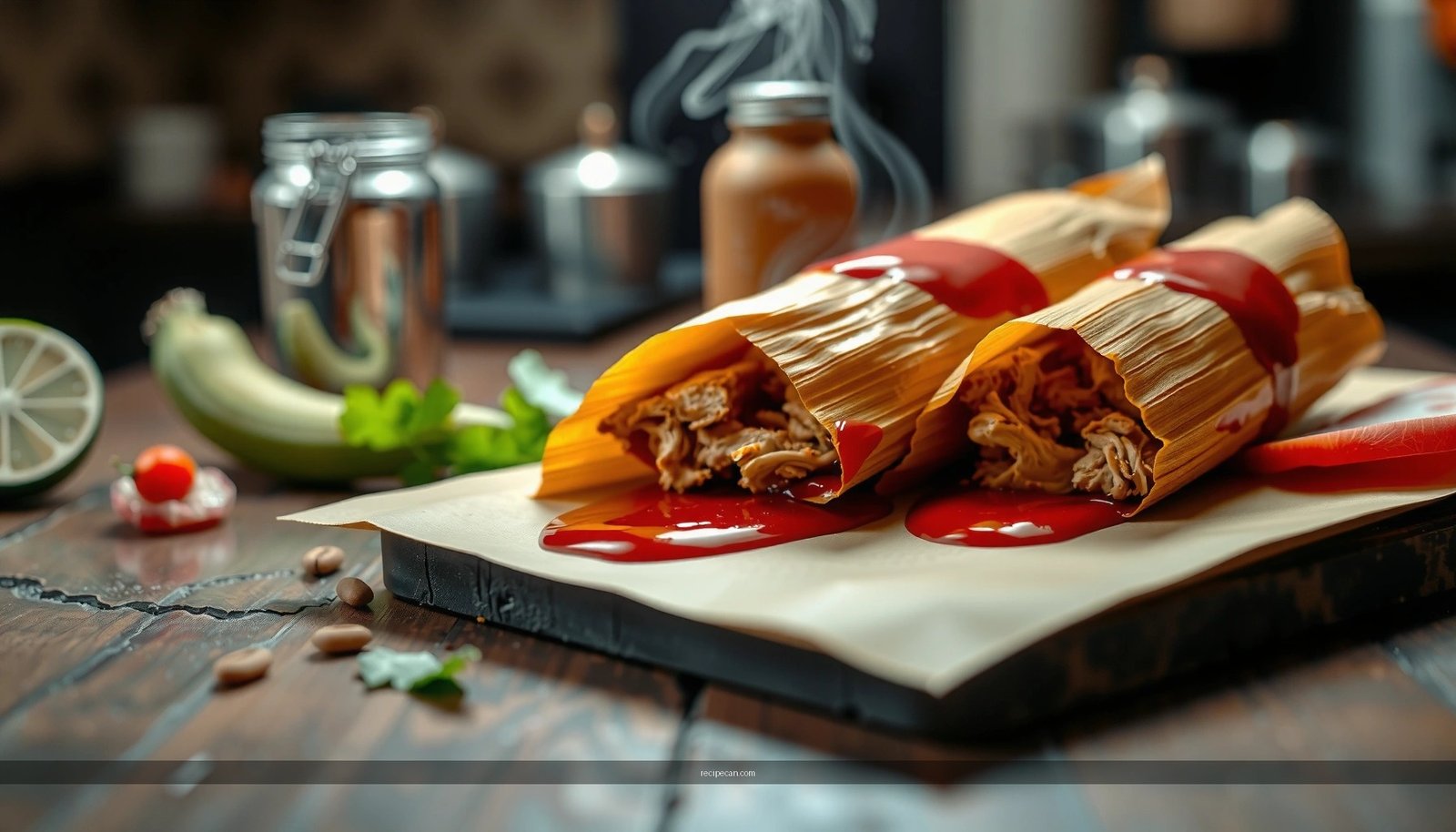
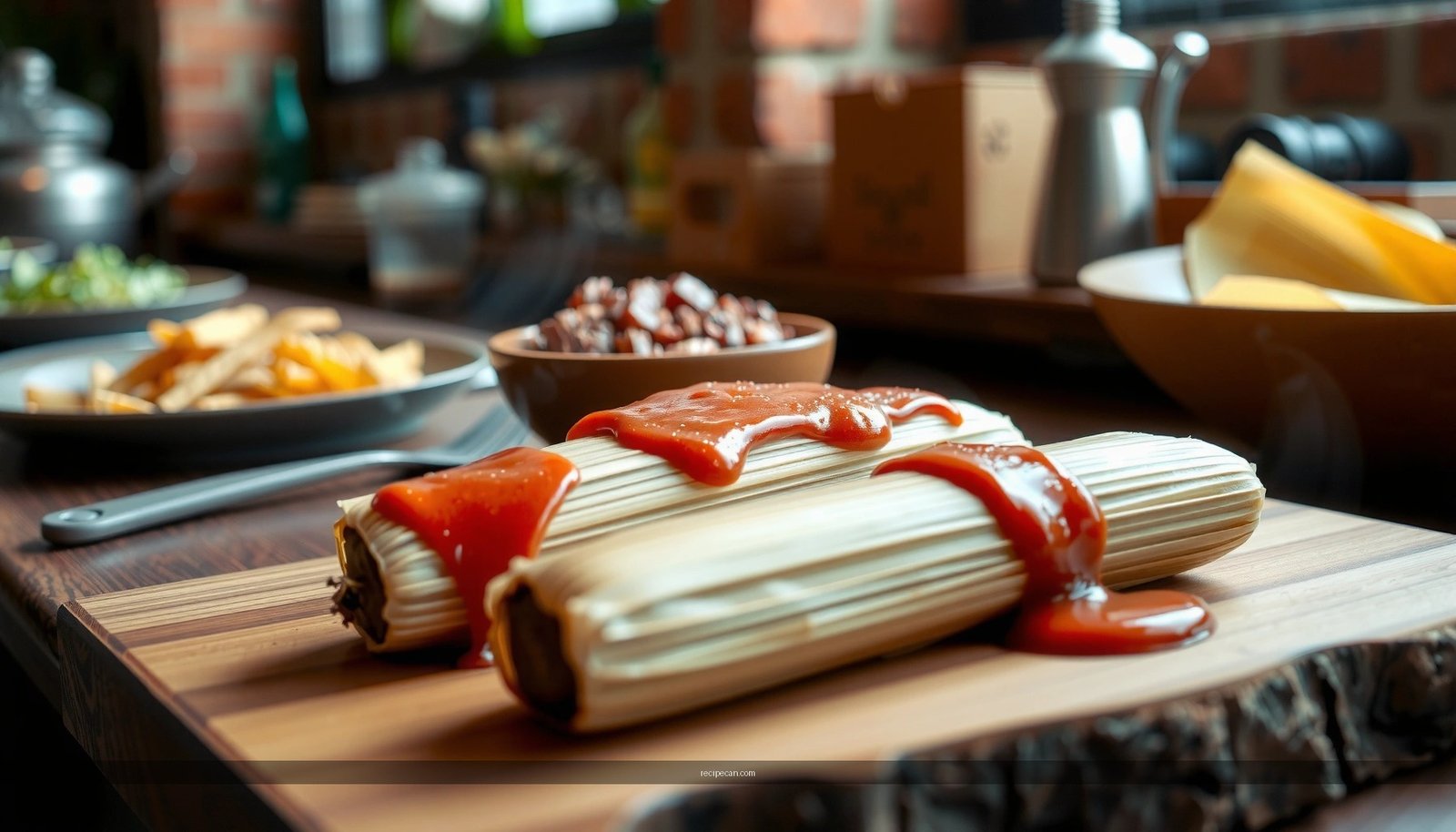
Get the best tamale recipe sauce you’ll actually want to spoon over every batch, with a simple method that turns basic ingredients into deep, chili-forward flavor. This sauce is the clear winner when you want reliable results—balanced heat, rich tomato depth, and just enough tang to make the masa shine. Follow the steps and you’ll know exactly how to get the thickness, seasoning, and finish right on the first try.
A great tamale recipe sauce is one that simmers into a thick, clinging chile base without losing balance—salt, tang, and heat all have to land cleanly. Use a simple workflow (rehydrate chiles → blend with aromatics → simmer → adjust thickness and seasoning) so your sauce consistently coats masa and tastes great across every batch.
Choose the Right Sauce Base
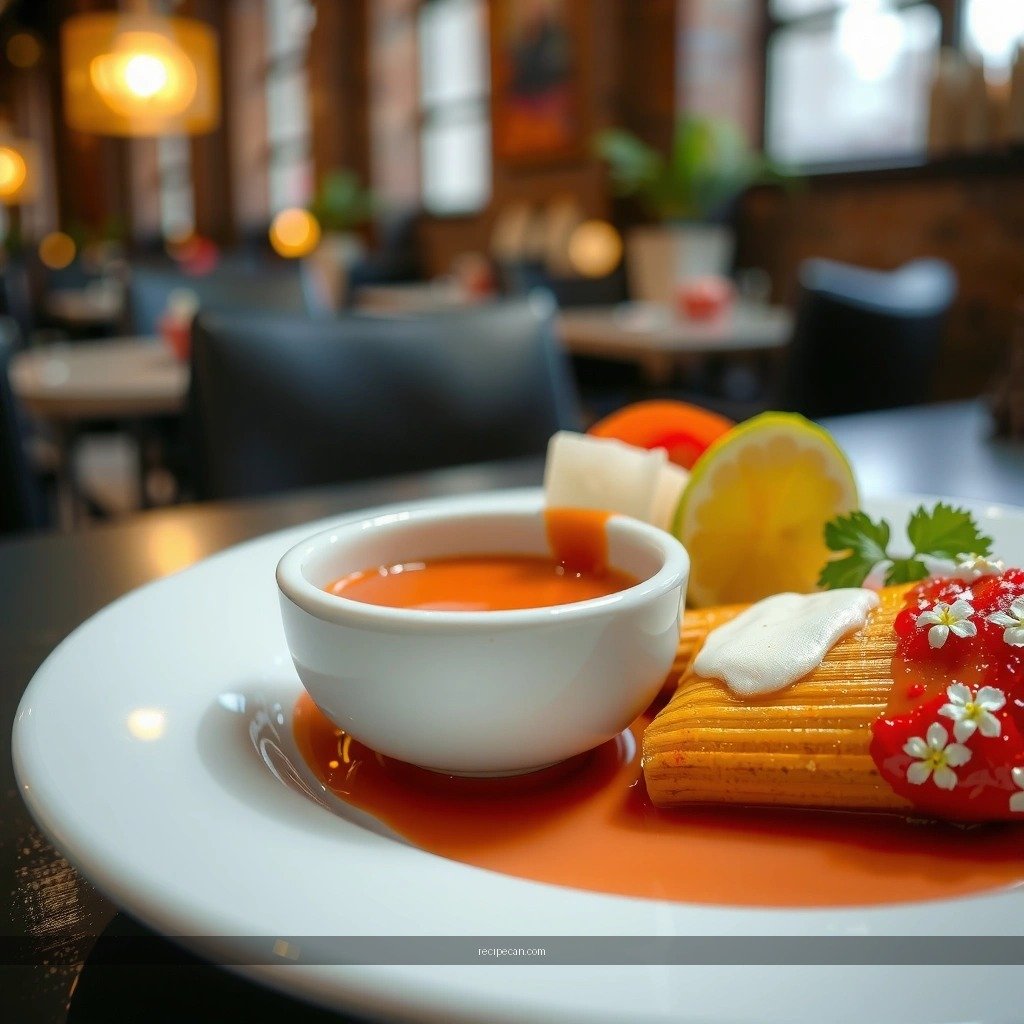
The sauce is the flavor engine of your tamales, so choosing the right base is step one. In practice, most successful tamale recipes sauce styles fall into three categories:
– Red chile sauce: Usually deeper, smoky, and more complex. Red sauces are ideal if you want a richer “overall” flavor that stands up to pork, chicken, and even roasted vegetables.
– Green chile sauce: Fresh, tangy, and more herb-forward. Green sauces are a strong match for chicken, cheese filling, and brighter salsas.
– Salsa-based sauce: Faster and very approachable. This approach works especially well when you’re using high-quality jarred salsa or when you want a lighter sauce texture for delicate masa.
Thickness control starts here, too. Tamale sauce should be thick enough to cling to masa rather than pool on the plate. During simmering, use broth or water as your “thickness dial”—start slightly thicker than you think you need, because it will loosen as it cools and thicken again as steam evaporates.
As you develop the sauce, taste early and often. Look for three balances:
1. Salt (brings out chile and aromatics)
2. Tang (prevents the sauce from tasting flat—common sources are tomato, vinegar, or tomatillo)
3. Heat (should build, not overwhelm)
If you’re aiming for consistent results, it helps to know which chile styles deliver certain flavor notes. The table below compares popular chile options used in tamale recipe sauce bases and how they typically behave in flavor and heat.
Chile & Sauce Profile for Tamale Recipe Sauce (Common Use, Heat, and Flavor)
| # | Chile/Ingredient | Typical Use | Flavor Notes | Heat Level |
|---|---|---|---|---|
| 1 | Guajillo chiles | Red chile sauce base | Dried fruit, mild smoke, toast | ★★★☆☆ |
| 2 | Ancho chiles | Richer red chile sauce | Cocoa, raisin, warm spice | ★★★☆☆ |
| 3 | New Mexico chiles | Balanced red sauce | Toasted chile, moderate smoke | ★★★★☆ |
| 4 | Hatch green chiles (roasted) | Green chile sauce | Earthy, sweet pepper, tang | ★★★★★ |
| 5 | Tomatillos (for blended green sauce) | Tang + body in green sauces | Citrus tang, bright vegetal notes | ★★☆☆☆ |
| 6 | Chipotle in adobo | Smoky depth in red sauces | Smoked pepper, savory-sweet | ★★★★☆ |
| 7 | Roasted salsa (jarred or fresh) | Quick salsa-based tamale sauce | Balanced heat, tomato-forward | ★★★☆☆ |
Roast and Rehydrate the Chiles
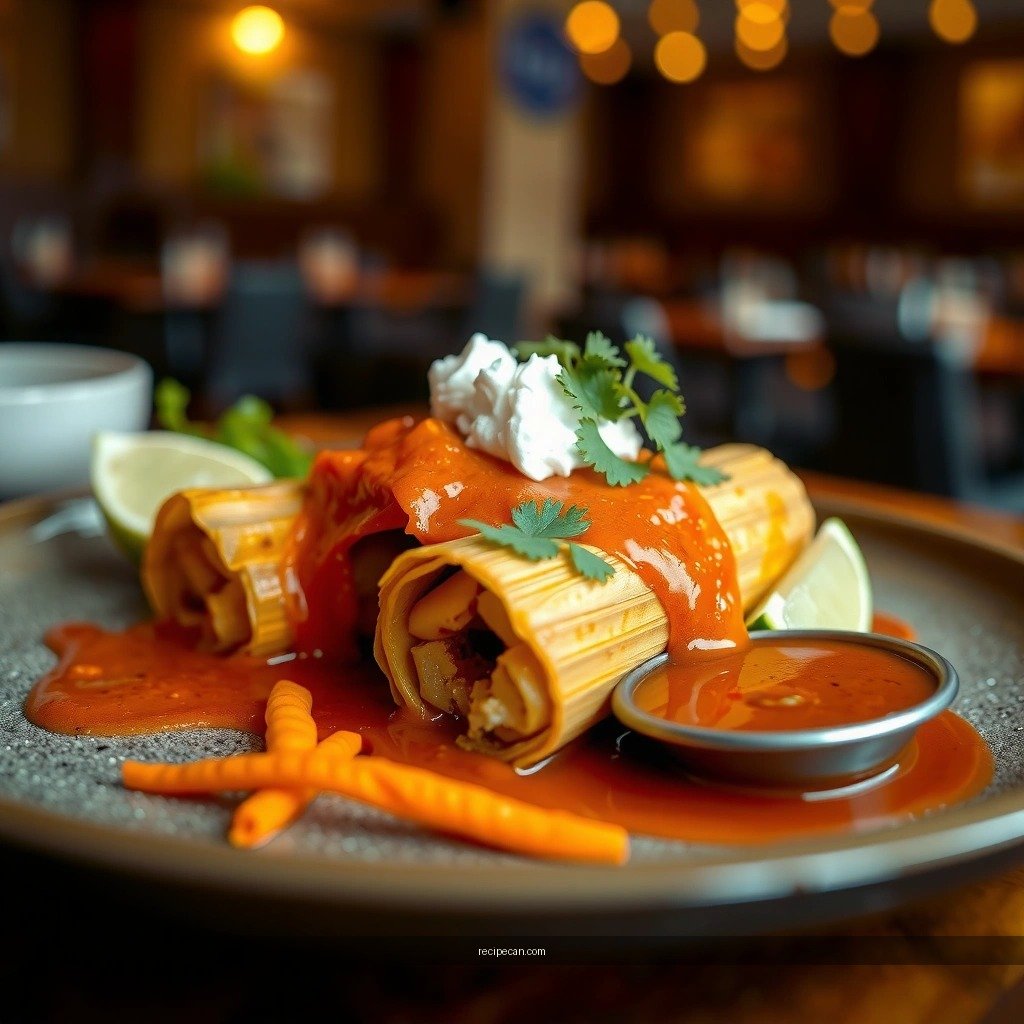
For most serious tamale recipe sauce results, dried chiles should be roasted and rehydrated correctly. Roasting intensifies flavor by toasting the chile’s surface oils; rehydrating prevents the sauce from turning chalky or bitter.
Practical method:
1. Briefly roast dried chiles in a dry pan over medium heat, just until fragrant and slightly pliable (usually 10–25 seconds per side). Avoid burning—burnt chiles taste harsh, not smoky.
2. Rehydrate in hot water or broth. Use enough liquid to cover, and soften until the chiles are flexible (often 15–25 minutes depending on thickness).
3. Blend with aromatics (onion, garlic, and sometimes a bit of tomato or tomatillo). Blend until smooth, then return to the pot.
For restaurants and high-volume cooks, this step is non-negotiable for quality. A well-rehydrated chile base yields a sauce that’s both silky and stable—so it thickens evenly when simmered.
Build Flavor with Aromatics and Spices
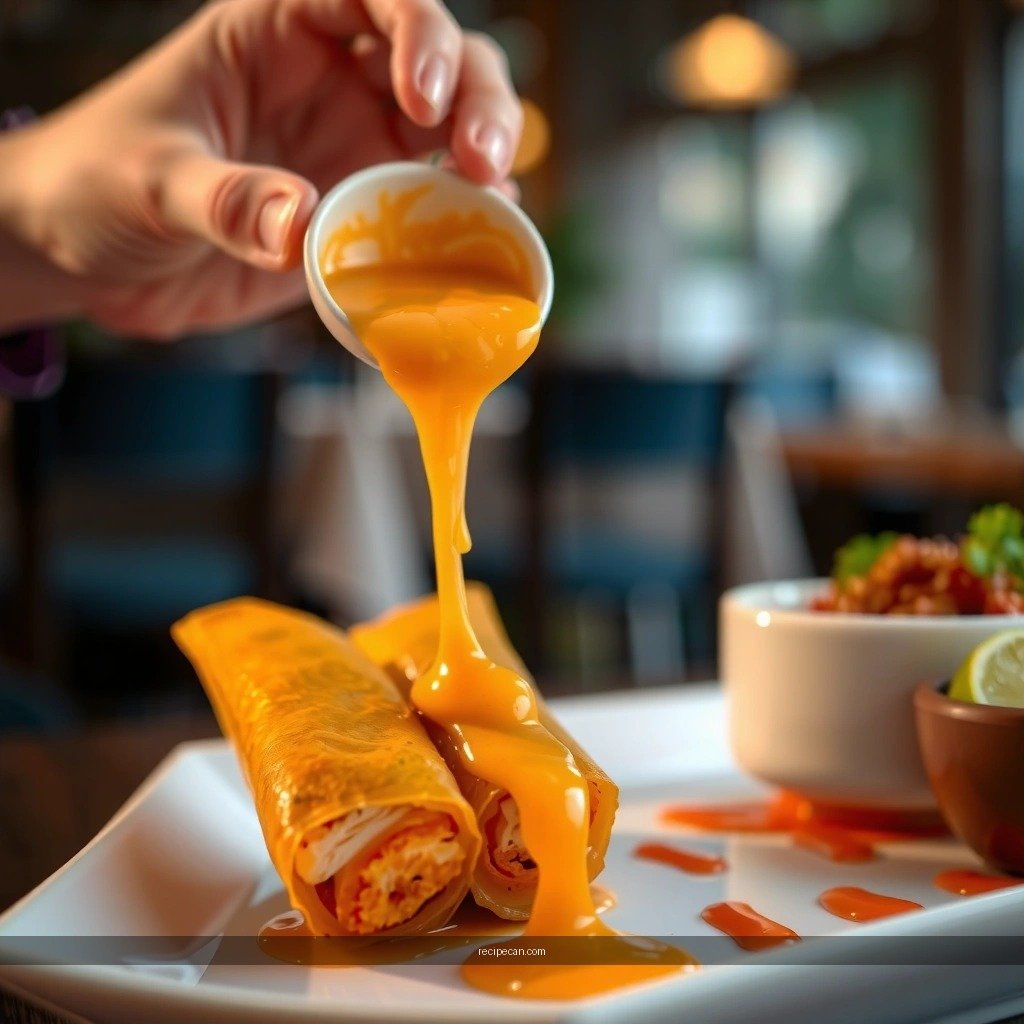
Once your chile base is blended, it’s time to build depth. The strongest tamale recipe sauce flavors typically come from layered aromatics and spices rather than heat alone.
Additions that consistently work:
– Garlic and onion: Build savory foundation. Sautéing them briefly before adding to the chile base often improves roundness.
– Cumin: Warm, earthy, and classic for chile sauces.
– Oregano: Works particularly well in red chile sauces; use sparingly so it doesn’t dominate.
– Smoked paprika (optional): Adds a gentle smoky “echo,” especially helpful when you’re not using chipotle.
Brightening is also crucial. Consider:
– A small amount of tomato sauce for sweetness and body
– A splash of vinegar or squeeze of lime (especially for green chile sauces) to prevent a “stewy” flatness
Simmering is where these notes meld. A 10–20 minute simmer after blending usually smooths harsh edges and helps the sauce reduce slightly. If your sauce tastes raw or “one-dimensional,” it usually needs more simmer time rather than more spices.
Get the Right Thickness for Tamales
A common tamale sauce problem is wrong viscosity: either too thin (runs off masa) or too thick (clings too aggressively and can feel heavy).
You have two main routes:
– Strain for silky: If you want a refined texture that spreads evenly, strain the sauce after blending. This reduces chile skin and seeds.
– Keep texture for rustic: If you prefer a more traditional, hearty feel, leave the sauce unstrained. For many home cooks, this is also more forgiving because texture hides minor imperfections.
How to adjust thickness:
– Too thick? Add broth a splash at a time and simmer 2–3 minutes to re-integrate.
– Too thin? Simmer longer, uncovered, to evaporate liquid. Stir frequently to prevent sticking.
– Watch carryover: Sauce often thickens as it cools, so judge thickness while still warm.
Goal for serving is simple: the sauce coats a spoon and holds a thin layer. It should not pool at the bottom of the plate, nor should it be so thick that it turns into paste when warmed.
Simimmer, Season, and Adjust Heat
Seasoning timing is the difference between “good sauce” and “memorable tamale recipe sauce.” Season at the end or at least after simmering, because early salt can mask chile complexity while early acids can dull as flavors reduce.
A controlled adjustment strategy:
– Heat control:
– Want milder sauce? Use fewer chiles, remove more seeds, or replace one chile with a gentler option.
– Want more heat? Add additional roasted chiles (small amounts) rather than relying solely on hot sauce, which can change flavor profile.
– Tang and salt: Add salt in small increments; add vinegar or lime only after simmering so you don’t over-brighten.
– Bitterness rescue: Chile bitterness usually comes from under-roasting, over-roasting, or insufficient simmering. If bitterness appears:
– Simmer 5–10 minutes longer
– Add a pinch of sugar (start with a small amount; it should round flavors, not taste sweet)
This is also where you can refine mouthfeel. If your sauce seems grainy, blend longer or strain; if it tastes flat, it often needs a touch more salt or a small bright acid.
Serve and Store Your Tamale Sauce
Timing matters. For best flavor and consistency:
– Use immediately if possible. Warm sauce clings better to masa.
– If you need to hold it, let it cool slightly, cover to prevent a skin from forming, and rewarm gently while stirring.
Storage guidance:
– Refrigerate in a sealed container for up to 4–5 days. Sauces keep well because the chile components and acids inhibit spoilage.
– Freeze portions if you’re batch cooking. Freeze in measured containers (for example, amounts that match a specific number of tamales) so reheating is predictable.
Reheating tips:– Thaw overnight in the refrigerator.
– Reheat on the stove over low heat with a splash of broth if needed. Stir frequently; tamale sauce can thicken as it warms and reduces.
When you make extra, you turn a weekend project into a repeatable workflow. Next batch becomes “reheat and adjust,” not “start from scratch.”
A quick, simmered chile-based tamale recipe sauce—balanced, thick, and well-seasoned—is the key to flavorful tamales. Make your sauce in a few steps (rehydrate, blend, simmer, and adjust), then taste and tweak until it’s perfect; try a red or green version and save extra for your next batch.
Frequently Asked Questions
What is the best tamale recipe sauce, and what makes it taste authentic?
The best tamale recipe sauce usually balances roasted chile flavor with a little sweetness and depth from aromatics like garlic or onions. Most authentic sauces use dried chiles (such as guajillo, ancho, or pasilla) blended with broth, then simmered and thickened slightly so it clings to the masa. Look for a sauce that’s savory, mildly smoky, and not watery—this is key for rich tamale filling flavor.
How do I make tamale recipe sauce from dried chiles without it turning bitter?
Start by toasting dried chiles briefly, then remove the seeds and stems to reduce bitterness. Soak the chiles in hot water or broth until softened, then blend with fresh garlic and onion and strain for a smooth tamale recipe sauce. Simmer the blended sauce and taste as you go, adjusting with a pinch of salt, a bit of sugar or tomato, and extra chile heat if needed.
How thick should tamale recipe sauce be, and how can I fix it if it’s too thin?
Tamale sauce should be pourable but thick enough to coat the back of a spoon, not run off immediately. If your tamale recipe sauce is too thin, simmer it uncovered to reduce or whisk in a small amount of masa harina slurry (masa harina + water/broth) and cook a few minutes until thickened. If it’s too thick, thin with warm chicken or vegetable broth a little at a time so the flavor stays balanced.
Why does my tamale recipe sauce taste flat, and how do I boost flavor?
Flat sauce is often caused by under-seasoning, not roasting chiles enough, or skipping aromatics and simmer time. Boost flavor by simmering the sauce with onion, garlic, and a small amount of spices like cumin or oregano, then finish with salt and a tiny splash of vinegar or lime juice for brightness. Adding a roasted tomato or a small pinch of sugar can also improve depth without making the sauce sweet.
Which chiles are best for tamale recipe sauce, and what flavor does each one bring?
Guajillo chiles give a mild to medium earthy heat and a tangy finish, making them a popular base for tamale sauce. Ancho chiles add a deeper, raisin-like sweetness and smoky richness, while pasilla chiles bring complexity and moderate heat. For a well-rounded tamale recipe sauce, many cooks blend guajillo + ancho (and optionally pasilla for extra depth) to create a flavorful, cohesive sauce.
References
- https://en.wikipedia.org/wiki/Tamale
https://en.wikipedia.org/wiki/Tamale - https://en.wikipedia.org/wiki/Mole_(sauce
https://en.wikipedia.org/wiki/Mole_(sauce - Mole (sauce)
https://en.wikipedia.org/wiki/Mole_poblano - Mole (sauce)
https://en.wikipedia.org/wiki/Mole_verde - Salsa (food)
https://en.wikipedia.org/wiki/Salsa_roja - Enchilada
https://en.wikipedia.org/wiki/Enchilada_sauce - Chipotle
https://en.wikipedia.org/wiki/Chipotle - Google Scholar Google Scholar
https://scholar.google.com/scholar?q=tamale+sauce+mole+poblano - Google Scholar Google Scholar
https://scholar.google.com/scholar?q=tamales+salsa+roja+red+chile+recipe - Google Scholar Google Scholar
https://scholar.google.com/scholar?q=tamale+preparation+sauce+traditional+Mexican+cuisine