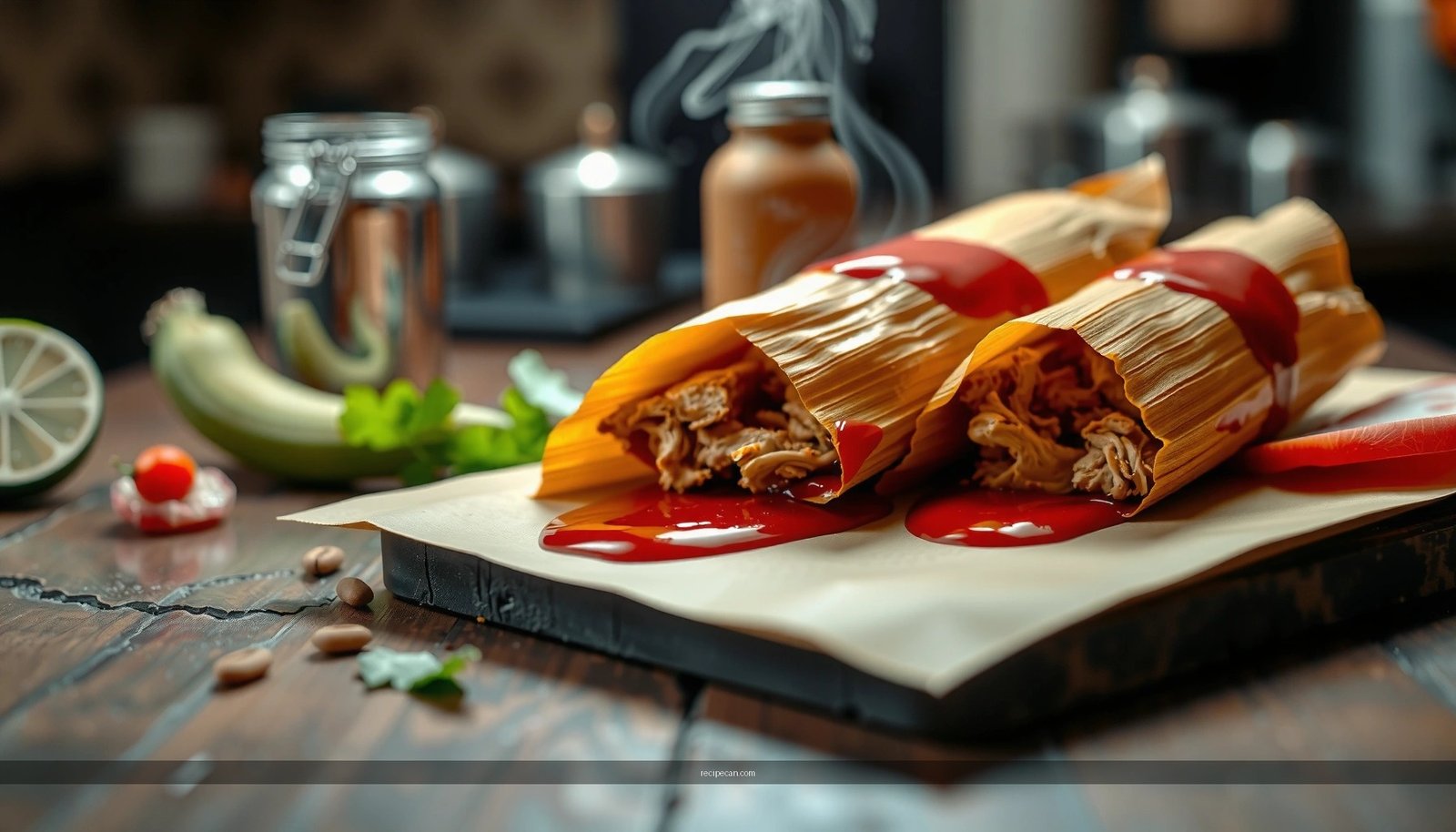
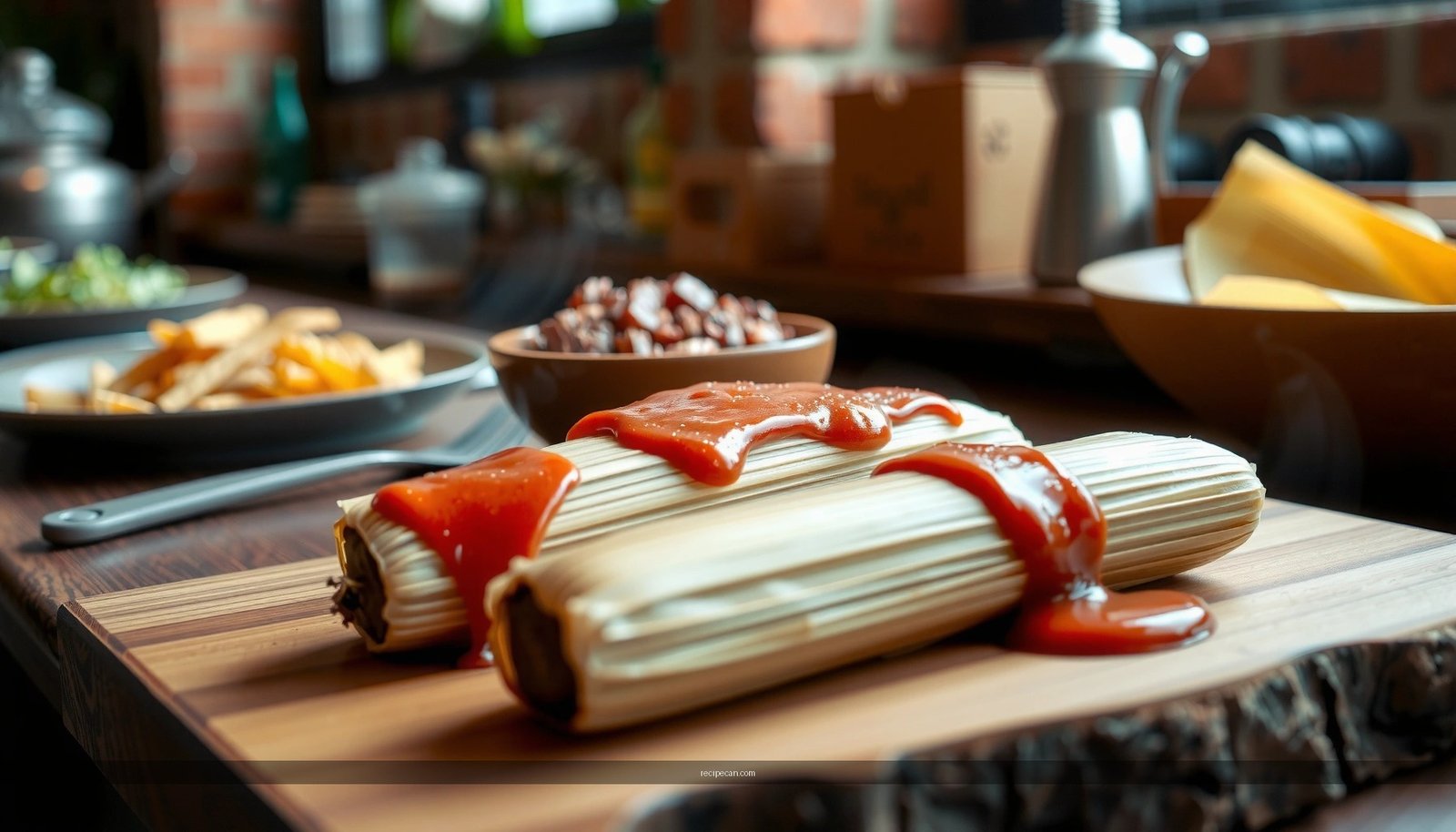
This best tamale masa recipe delivers the easiest way to make authentic tamale masa with the right texture, whether you’re using fresh pork, chicken, or cheese filling. If you’ve struggled with dense, gummy, or flavorless masa, this version gives you a consistent masa every time. Follow the steps and ratios once, and you’ll know exactly what to look for from dough consistency to steaming results.
The best tamale masa is made with warm, flavorful broth and beaten (whipped) until light and spreadable—then steamed until set. If you get the fat-to-dough ratio right and aim for a dough consistency that spreads without tearing, your masa will bake into tender, cohesive tamales that hold up to any filling.
Making consistently excellent tamale masa isn’t about memorizing a single “secret ingredient”—it’s about controlling hydration, texture, and seasoning across every batch. Masa harina (corn flour) absorbs liquid differently depending on brand, grind, and how fresh the product is, which is why good recipes emphasize broth temperature, gradual mixing, resting time, and careful beating. Below, you’ll learn how to build authentic flavor, dial in the correct spread, and use practical doneness checks so your masa performs reliably every time—whether you’re making classic pork tamales, chicken in salsa verde, or vegetarian options.
Masa Harina Performance Targets for Tamales (Practical Kitchen Benchmarks)
| # | Masa Harina Type | Typical Broth Hydration (by weight) | Expected Spreadability | Batch Outcome Reliability |
|---|---|---|---|---|
| 1 | Nixtamalized corn masa harina (fine grind) | 1.10–1.25× | Excellent | High |
| 2 | Nixtamalized corn masa harina (medium grind) | 1.15–1.30× | Very good | High |
| 3 | “Instant” masa harina | 0.95–1.15× | Good (watch stiffness) | Medium–High |
| 4 | Yellow corn masa harina (less uniform) | 1.20–1.40× | Variable (rest matters) | Medium |
| 5 | Masa harina for tortillas (not labeled tamales) | 1.05–1.20× | May tighten after rest | Medium–High |
| 6 | Freshly opened masa harina (stored cool/dry) | 1.10–1.25× | Reliable | High |
| 7 | Older masa harina (6–12+ months) | 1.20–1.45× | Often drier; add broth | Lower |
Gather Ingredients for the Best Tamale Masa
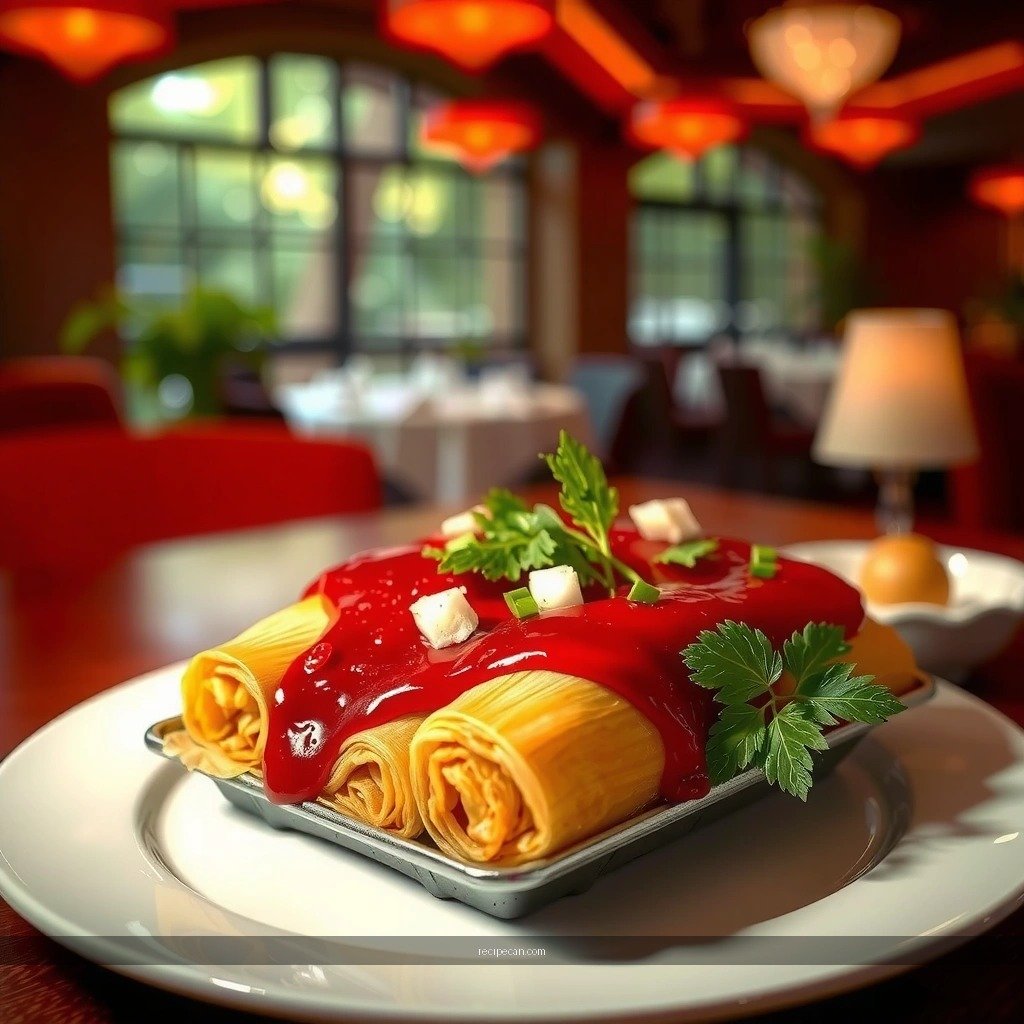
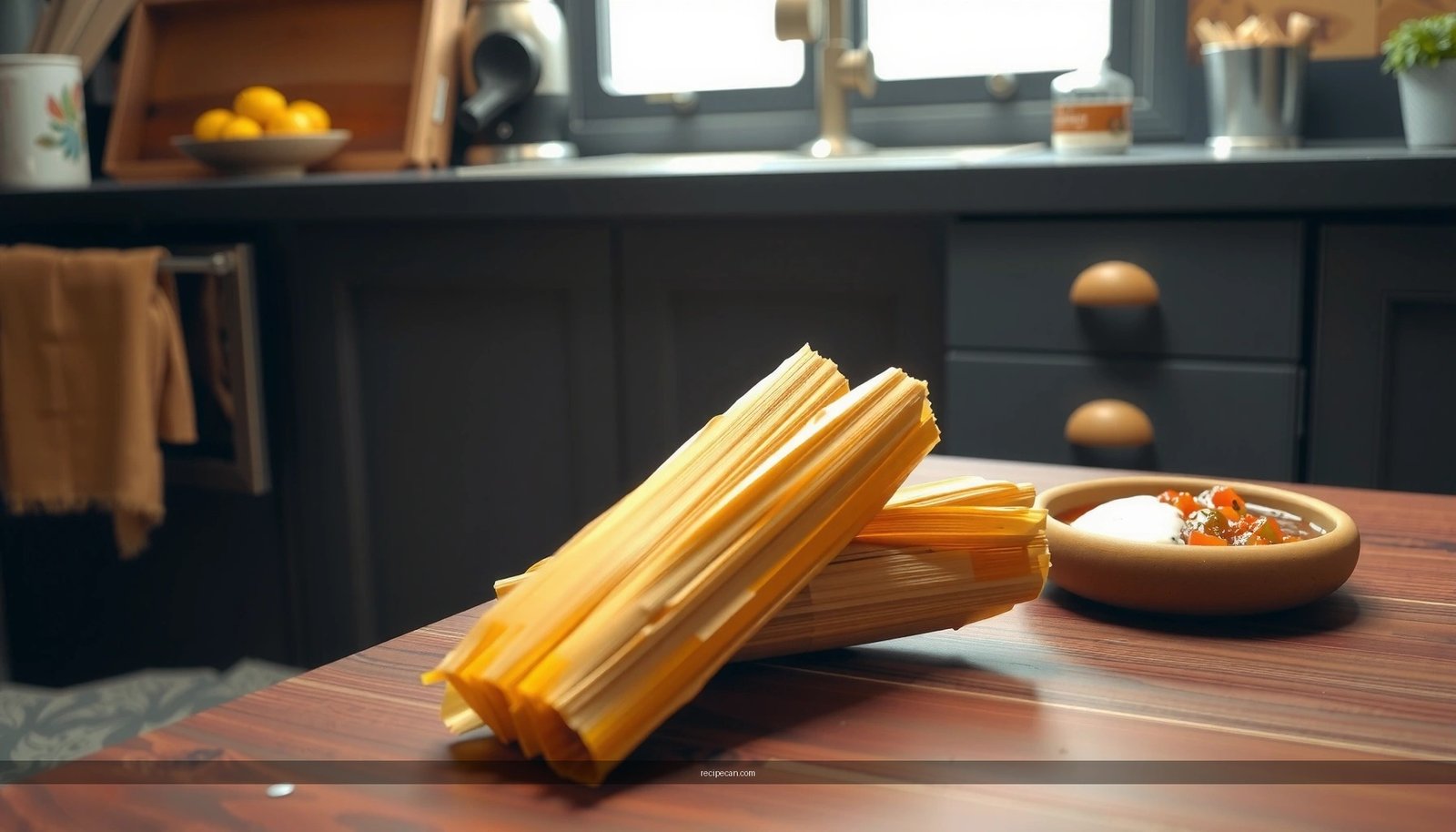
Start by assembling ingredients that support consistent texture and authentic flavor. Tamale masa is primarily masa harina plus fat and broth—everything else is tuning.
– Use masa harina as your base and choose high-quality broth for depth of flavor
Masa harina is nixtamalized corn flour, and it’s what gives tamales their structure and characteristic corn taste. For broth, choose a rich option (chicken stock, pork broth, or a well-seasoned vegetable broth). Cold or bland liquid will make it harder to achieve “classic” tamale flavor and can lead to uneven hydration.
– Include the right amount of fat (typically lard or vegetable shortening) to keep masa tender
Fat is the tenderness engine. Lard is traditional and widely used in Mexican-style tamales because it contributes flavor and helps the dough stay supple during steaming. Vegetable shortening works as a consistent substitute with a slightly different mouthfeel.
Practical ratio target: for every 1 lb (454 g) masa harina, use about 1/2 to 2/3 cup fat (roughly 100–140 g, depending on how rich you want the masa). If you add too little fat, masa can taste “dry” even when hydrated; too much fat can make it greasy and prone to softening too much during steaming.
Actionable sourcing tip: pick masa harina labeled for tamales or explicitly nixtamalized. If you’re buying for the first time, check the grind—fine/medium tends to hydrate more evenly, which helps you reach the correct spreadable consistency with less trial and error.
Mix Masa with Broth for the Right Consistency
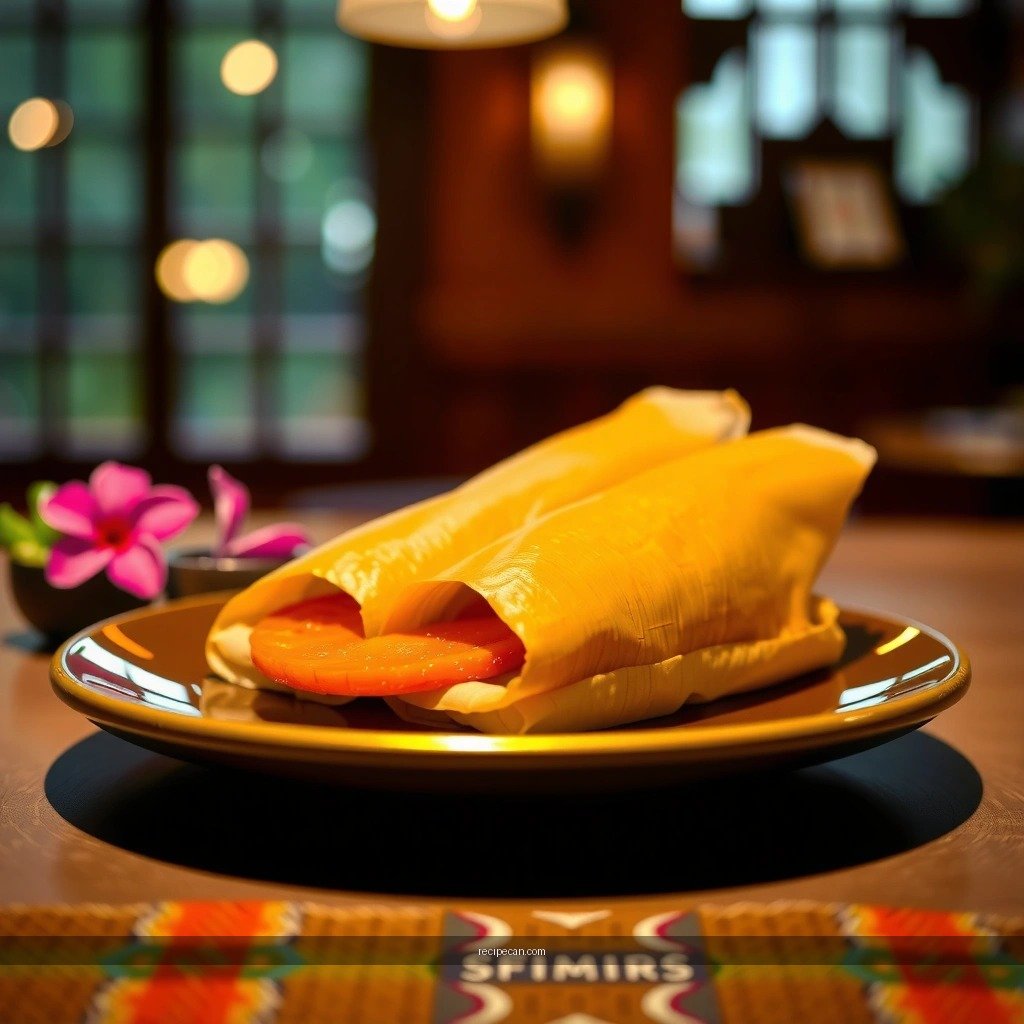
Correct hydration is where most homemade tamales succeed or fail. The goal is a dough that spreads smoothly, holds its shape on the husk, and doesn’t crack.
– Add warm broth gradually until the dough is smooth and spreadable
Warm broth (not boiling, but comfortably hot) hydrates masa harina faster and reduces lumps. Add broth in portions—mix, assess, then add more. Expect the dough to look thick at first; after resting, it becomes more cohesive and spreadable.
– Let the mixture rest so the masa hydrates evenly and bakes up better
Resting allows water absorption to continue and lets the dough’s texture stabilize before steaming. A solid rule is 20–30 minutes, covered, at room temperature. If your dough still feels grainy after resting, it usually needs another small splash of warm broth rather than more fat.
Consistency benchmarks that matter:
– It should spread like thick cake batter—smooth, not soupy.
– It should mound slightly and then relax, rather than immediately running off the husk.
– When you drag a spoon through it, you should see clean lines that slowly soften.
If your masa becomes too stiff, adjust with 1–2 tablespoons warm broth at a time. If it’s too loose, sprinkle in 1–2 tablespoons masa harina, mix thoroughly, and rest again briefly.
Season Your Tamale Masa for Bold Flavor
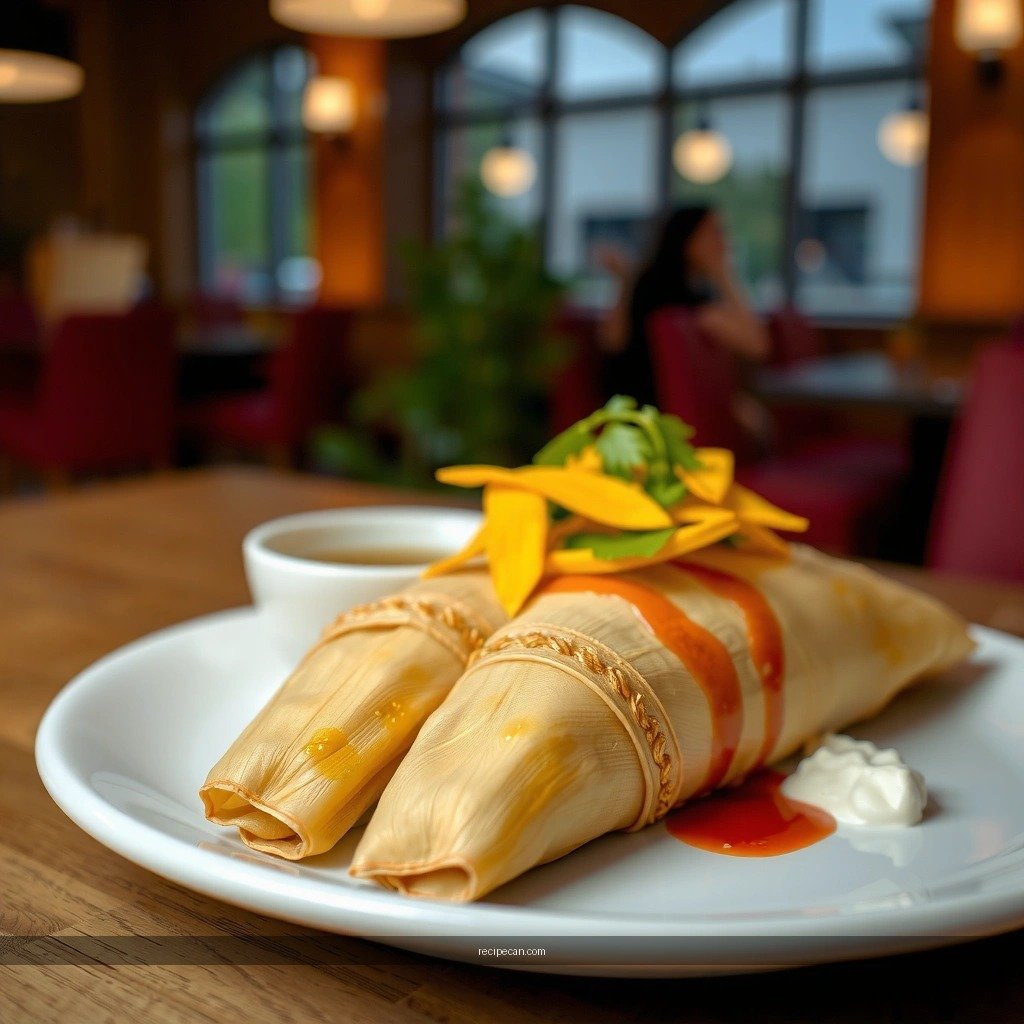
Masa seasoning is often overlooked because people focus on the filling. However, well-seasoned masa is what makes tamales taste complete and “restaurant-level.”
– Salt the masa properly and consider mild spices or broth seasoning
Use salt to bring out corn flavor and balance richness from the fat. Many cooks also add a touch of spice—commonly ground cumin (a small amount), garlic powder, or Mexican oregano—but the key is moderation. Over-spicing masa can fight your filling, especially if your filling is already bold.
– Taste-test the dough (it should taste flavorful, like the tamales will)
Since masa is steamed (not “cooked away” like some browning), it should taste good on its own. A helpful professional approach is to taste a spoonful after resting: if it tastes flat, fix it now before forming tamales.
Quick tuning approach (high reliability):
1. Mix and rest.
2. Taste a small amount of masa (it should be warm enough to taste).
3. Add salt or a restrained amount of seasoning in small increments.
4. Re-mix and rest 5–10 minutes.
Note: Don’t add acidic ingredients (like lime juice) directly to the masa unless your tradition specifically does so. In many tamale styles, lime is involved earlier in the nixtamalization process, and adding more acid later can affect texture.
Whip and Beat for Light, Tender Tamales
Whipping masa creates a lighter, more cohesive texture that spreads evenly and steams up tender rather than dense.
– Beat the masa until lighter in texture—this helps create a fluffy, cohesive bake
After mixing, beat the dough until it looks slightly aerated and smoother. This can be done with a hand mixer, stand mixer, or strong whisking plus elbow grease. Aeration improves how masa sets in steam—helping it hold integrity without becoming heavy.
– Avoid overmixing; stop once the dough reaches a smooth, aerated feel
Overmixing can make the dough too elastic or break the structure you want, leading to a less desirable mouthfeel. Stop when you see consistent texture: no dry pockets, no visible lumps, and a sheen that signals the fat and moisture are evenly distributed.
Practical technique: beat in short bursts (20–30 seconds), then scrape the bowl and reassess. Masa should become noticeably lighter, not runny.
Test Doneness: The Float Test and Texture Checks
Even with great technique, masa texture can drift due to brand differences in masa harina and humidity levels in your kitchen. Doneness and readiness tests help you correct problems early.
– Use a float test (if it rises, it’s ready) or rely on a spread-and-hold check
The float test is a quick indicator that hydration and structure are right. If a small ball or dollop rises to the surface when placed in water, your masa likely has the right air-and-moisture balance.
If you prefer not to float-test, use a spread-and-hold check: spread a thin layer on a husk. If it spreads smoothly and holds shape without cracking or shrinking back, you’re close.
– Adjust with a splash of broth or a bit more masa harina as needed
Use micro-adjustments. Don’t “fix” with big changes—big changes cause overcorrection.
– Too thick/stiff: add 1–2 tablespoons warm broth, mix, rest 5–10 minutes.
– Too soft/wet: add 1–2 tablespoons masa harina, mix, rest 5–10 minutes.
Why this works: masa continues to hydrate and set during resting and steaming, so small adjustments often lock you into the correct final texture.
Prep and Cook for Best Results
Finally, preparation and steaming determine whether your masa performs the way it should. Even excellent masa can turn out inconsistent if thickness and cook time vary.
– Spread masa evenly on husks and aim for consistent thickness
Spread with confidence: uniform thickness yields uniform steaming. Too thick can lead to undercooked centers; too thin can dry out or tear. A good target is a layer that covers the husk with a smooth, even thickness—enough to “seal in” the filling.
– Steam tamales until set, rotating as needed for even cooking
Steam with steady heat and sufficient water in the pot. Avoid letting the pot go dry. Rotating tamales helps compensate for hot spots in the steamer.
Don’t rush: masa needs time to set through steam; when it’s ready, it should feel firm, not gummy.
Operational tips for consistency:
– Keep tamales upright and well packed (without crushing).
– Use a lid that traps steam effectively.
– If you’re batching for events, consider doing a small test run to confirm steaming time for your pot and steamer setup.
Optional process control: After your first batch, note total steam time and whether you needed extra adjustments to the masa. That feedback becomes your “recipe calibration” for future sessions.
Masa Texture Troubleshooting at a Glance
| # | What You Notice | Likely Cause | Best Fix | Expected Result |
|---|---|---|---|---|
| 1 | Masa cracks when spread | Under-hydrated | Add 1–2 tbsp warm broth; rest | Smooth spreads |
| 2 | Masa is too sticky/wet | Over-hydrated | Add 1–2 tbsp masa harina; rest | Tighter set |
| 3 | Dense, heavy tamales | Not enough whipping | Whip until aerated; avoid overmixing | Lighter texture |
| 4 | Lumps even after resting | Insufficient mixing or too-cool broth | Warm broth + thorough mixing; rest again | Smoother masa |
| 5 | Bland corn flavor | Undersalted or neutral broth | Add salt in small increments; taste | More depth |
Making the best tamale masa is about warm broth, proper seasoning, and beating the dough to the right texture. Use the consistency and float/texture checks to fine-tune your batch, then steam until perfectly set. If you want consistently great tamales, make a small test batch first and adjust until your masa matches your ideal feel.
In short, your “easy, authentic” advantage comes from three controllable variables: (1) hydration with warm, flavorful broth, (2) correct fat-to-masa balance for tenderness, and (3) aeration from whipping for light, cohesive steaming. Get those right, then prep and steam with even thickness and steady heat—your tamales will come out reliably tender, flavorful, and ready to impress every time.
Frequently Asked Questions
What is the best tamale masa recipe for fluffy, spreadable masa?
The best tamale masa recipe typically uses masa harina plus fat (usually lard or vegetable shortening) and a flavorful broth to hydrate the dough. Cream the fat until light, then mix in masa harina gradually with warm broth until the masa is smooth and spreadable. A good test is the “float test”: if a small bit of masa rises in water, it’s airy enough for tamales that hold their shape.
How do you make tamale masa from scratch without lumps?
Start by mixing masa harina with warm broth gradually, using a spoon or stand mixer to break up any dry clumps. Mix long enough to fully hydrate the flour, and then fold in creamed fat for a smoother, lighter texture. If you still see lumps, add a tablespoon of warm broth at a time and mix again—overhydrating lightly is easier to fix than underhydrating.
Why does my tamale masa turn out dry or rubbery?
Dry or rubbery tamale masa is usually caused by using too little broth or not mixing/hydrating the masa harina long enough. Overmixing after the masa is fully hydrated can also make it feel tough, so stop when it’s smooth and elastic. Using room-temperature fat and warming the broth helps the masa come together evenly for a tender, moist result.
Which fat is best for tamale masa: lard, shortening, or butter?
Many people swear by lard because it creates rich flavor and the ideal light, tender texture for tamales. Vegetable shortening is a good option if you prefer a neutral taste and consistent results, while butter can work but may change flavor and texture depending on the recipe. For the most classic “best tamale masa recipe” performance, choose the fat you can whip properly and mix evenly into the masa.
Best tamale masa recipe: what seasoning and liquid should you use?
Flavor your masa with warm chicken or vegetable broth and salt—many cooks add garlic powder, onion powder, or a pinch of cumin for extra depth. Some traditional recipes include a bit of baking powder for lift, especially if you want extra fluffy tamales. Keep the masa seasoned but not overpowering; the filling is usually the main star, and the masa should complement it with a balanced, savory taste.
References
- Tamale
https://en.wikipedia.org/wiki/Tamale - Masa
https://en.wikipedia.org/wiki/Masa_harina - Nixtamalization
https://en.wikipedia.org/wiki/Nixtamalization - Tortilla
https://en.wikipedia.org/wiki/Tortilla - Hominy
https://en.wikipedia.org/wiki/Hominy - Cornmeal
https://en.wikipedia.org/wiki/Cornmeal - Lard
https://en.wikipedia.org/wiki/Lard - https://www.britannica.com/topic/tamale
https://www.britannica.com/topic/tamale - Google Scholar Google Scholar
https://scholar.google.com/scholar?q=best+tamale+masa+recipe - Google Scholar Google Scholar
https://scholar.google.com/scholar?q=nixtamalization+masa+dough+tamales