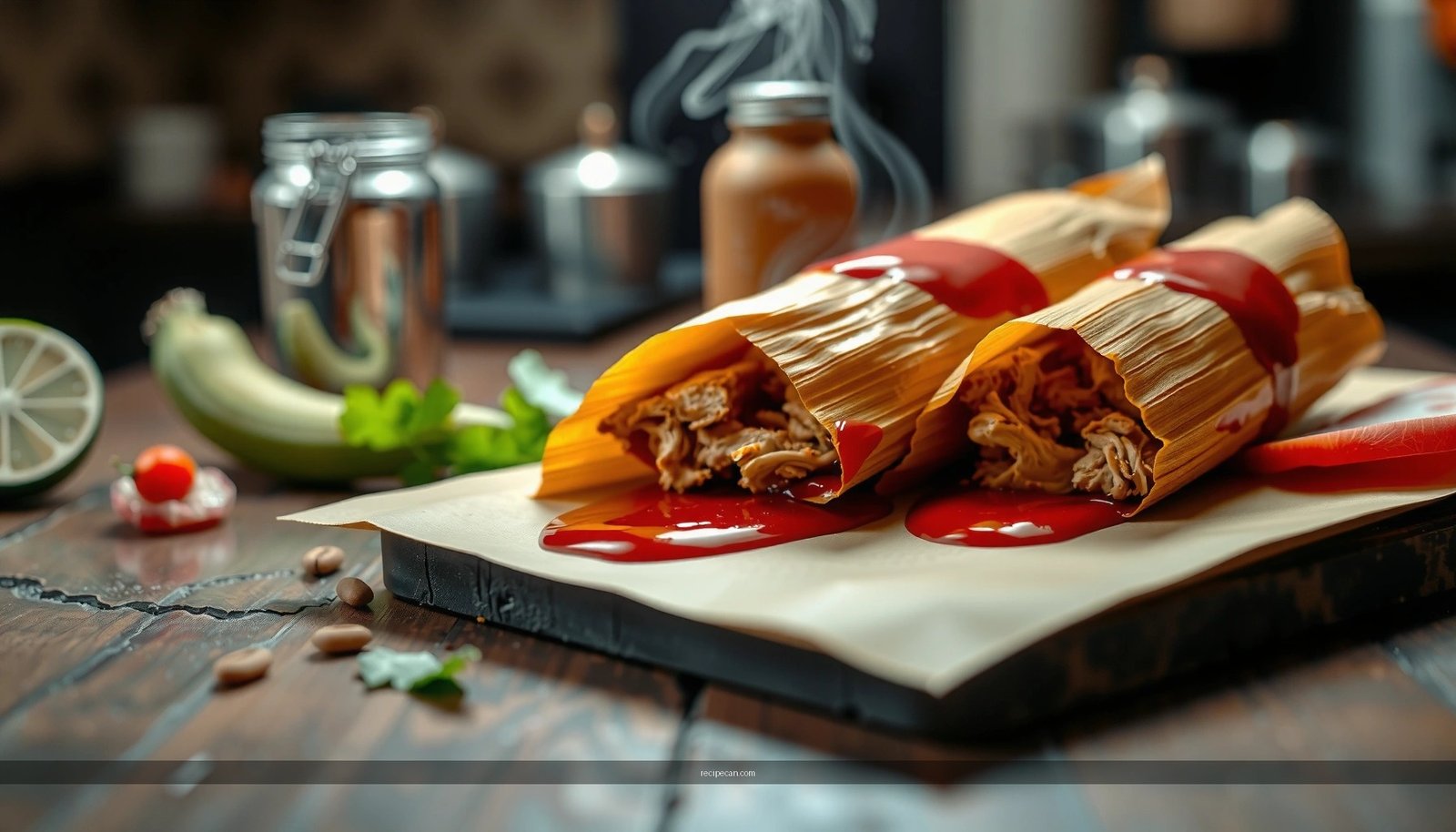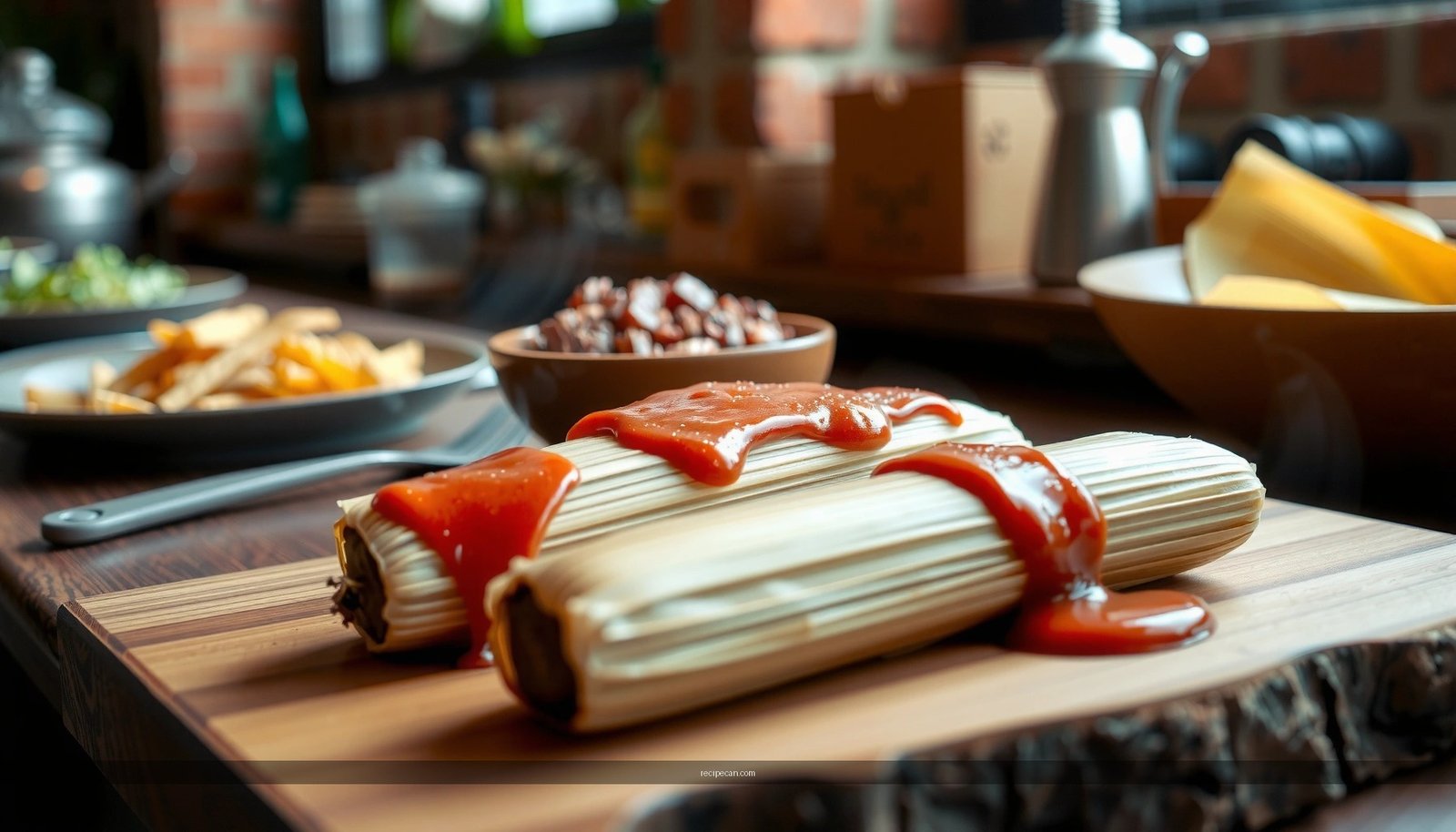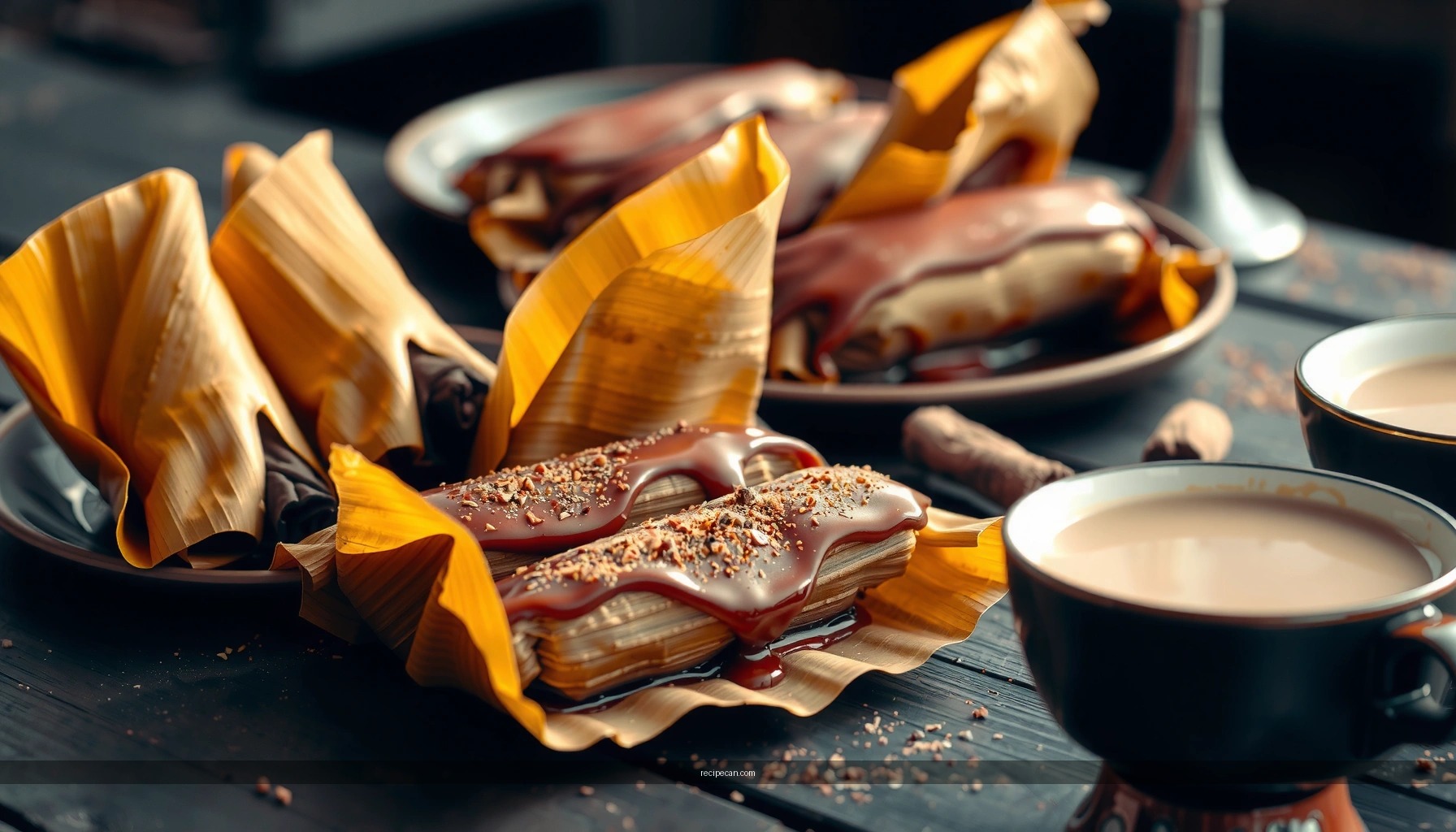
Looking for a sweet tamales recipe Mexican style that actually delivers “dulce tamales” with the right masa texture and a bold cinnamon-vanilla sweetness? This guide walks you through making tasty dulce tamales step by step, from preparing the sweet filling to steaming until they’re tender and slice-clean. If you want the most reliable method for classic Mexican sweet tamales at home, this is the one to follow.
Sweet tamales (tamales dulces) are easy to make at home once you master two things: a smooth, sweet masa and steaming them until the corn husks release cleanly. Follow the steps below to prepare classic sweet masa, choose a traditional filling like pineapple or raisins, and steam with the right heat and timing for tender, sliceable tamales.
Sweet Tamales Recipe Mexican Ingredients
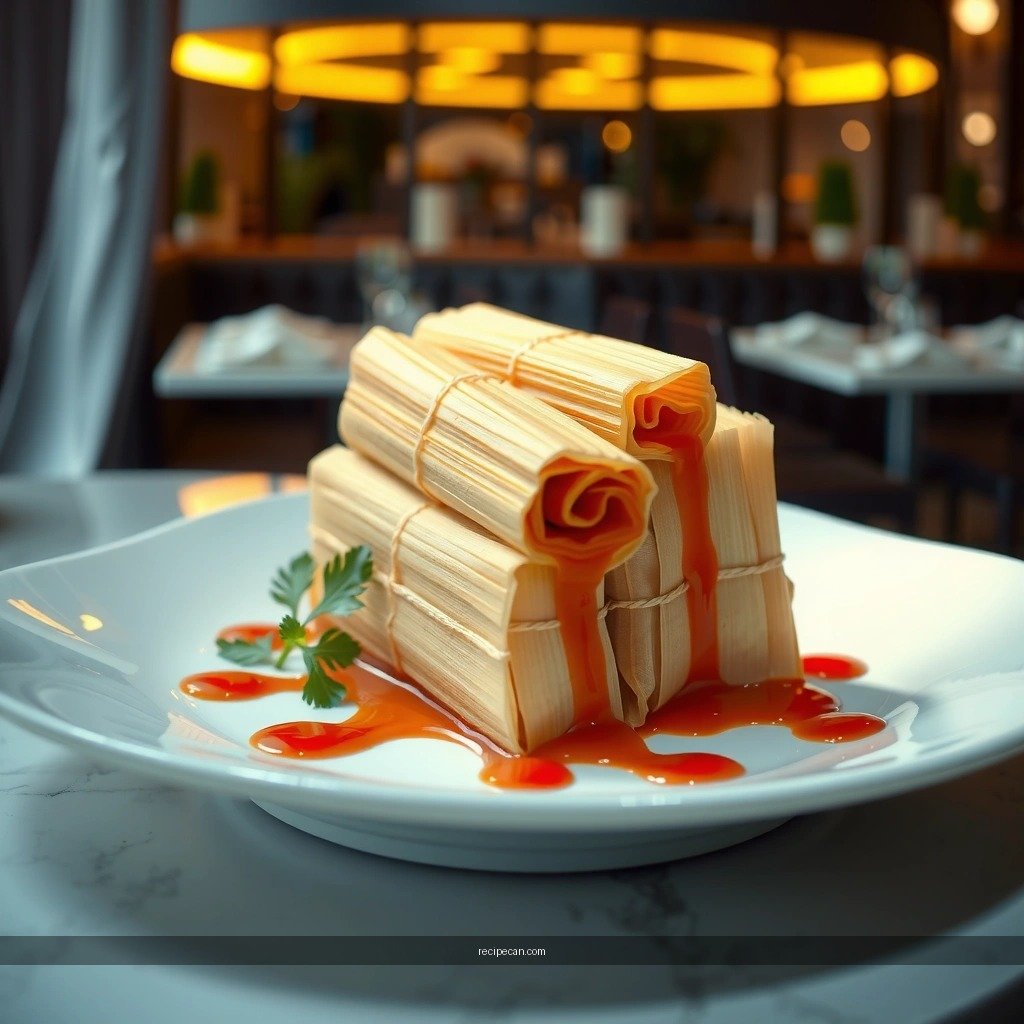
Making sweet tamales is essentially a three-part system: masa (the sweet corn dough), filling (fruit, spice, or chocolate), and steam conditions (moisture and consistent heat). Below are the ingredient categories you’ll use for a reliable Mexican-style dulce tamale result.
Masa ingredients (corn flour, fat, broth, and sweetener)
– Masa harina (corn flour): Provides the corn flavor and structure.
– Fat (lard or vegetable shortening): Creates tenderness and helps the masa spread smoothly on the husk.
– Broth (chicken or vegetable) or water: Hydrates masa and improves flavor depth.
– Sweetener (sugar or piloncillo): Most Mexican dulce tamales use sugar or piloncillo dissolved into the liquid for a warm, caramel-like sweetness.
– Salt: Essential for balancing sweetness and enhancing corn flavor.
– Optional flavorings: A small amount of vanilla or cinnamon in the masa can complement fruit fillings.
Filling options (pineapple, raisins, cinnamon, or chocolate)
Choose one classic direction—or combine two, keeping your filling moist but not watery.
– Pineapple filling: Cooked pineapple (fresh or canned) with a little sugar and cinnamon until slightly thick.
– Raisins filling: Raisins soaked or simmered with a touch of syrup (or piloncillo) to soften.
– Cinnamon: Works in both fruit and raisin fillings; use it as a warm background note, not an overpowering spice.
– Chocolate (optional): Mexican chocolate or chocolate chips can be used in small amounts with cinnamon; the trick is preventing grainy melting by ensuring the tamales are sealed well and steamed properly.
> Pro tip for commercial-style consistency: Sweet tamales taste best when fillings are pre-cooked and thickened slightly. Watery filling can weep out during steaming and make masa slide.
Sweet Tamale Fillings: Texture & Flavor Profile (Practical Guide)
| # | Filling | Best Texture Target | Approx. Sweetness | Tamale Success Indicator |
|---|---|---|---|---|
| 1 | Pineapple (cooked) | Thick, spoonable | Medium | Clings to masa without leaking |
| 2 | Raisins (simmered) | Soft, glossy | Medium-High | Stays intact when cooled |
| 3 | Cinnamon sugar | Dry-leaning spice blend | Low-Medium | No syrup pooling on husks |
| 4 | Chocolate (Mexican) | Firm chunks or thick paste | High | Melts into masa without overflow |
| 5 | Pineapple + raisins | Thick fruit with suspended raisins | Medium-High | Even sweetness in every bite |
| 6 | Apple + cinnamon | Stewed, not watery | Medium | Holds shape after cooling |
| 7 | Chocolate + cinnamon | Dense, spoonable paste | High | Chocolate stays contained during steaming |
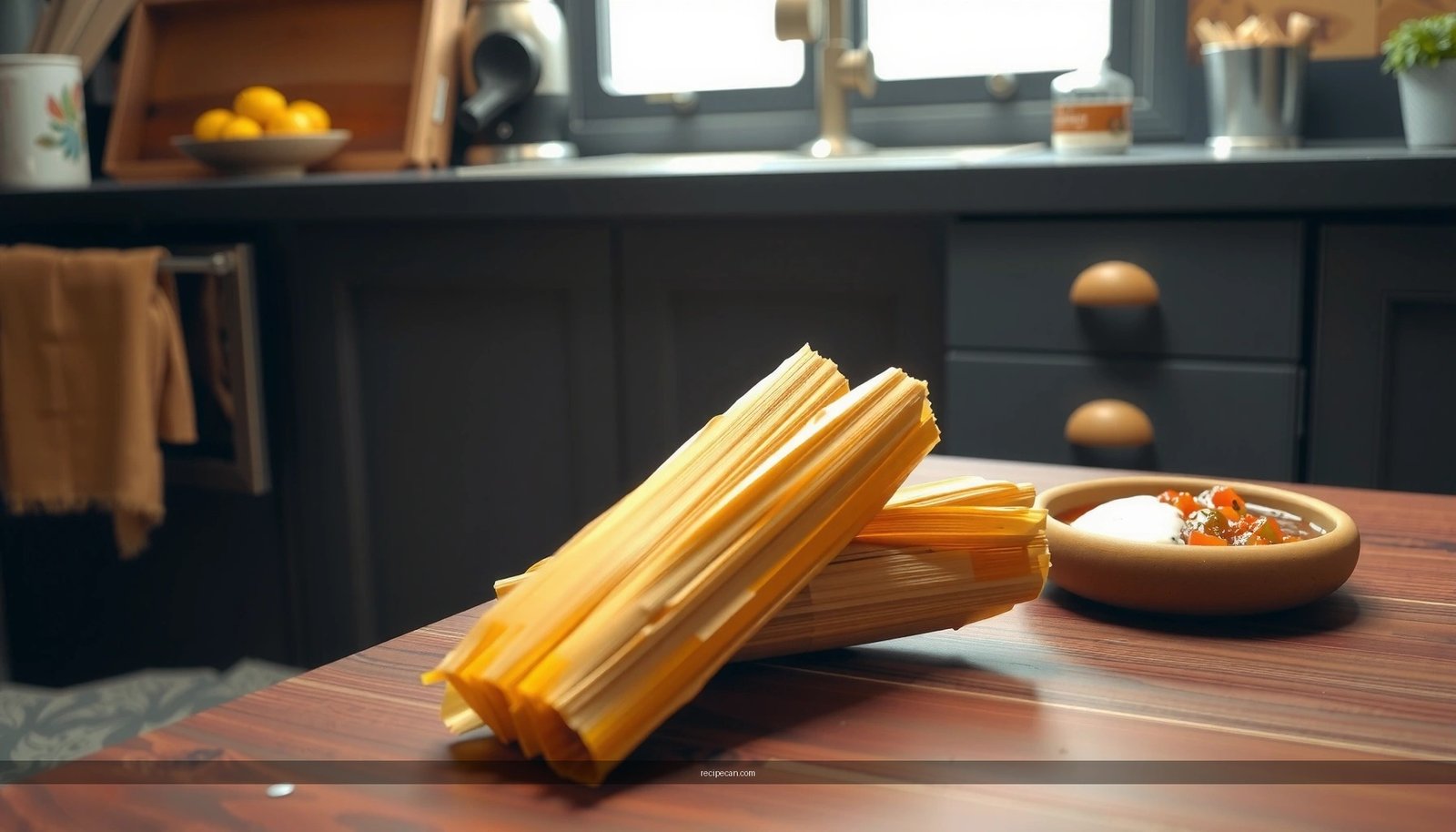
Prep the Corn Husks for Sweet Tamales
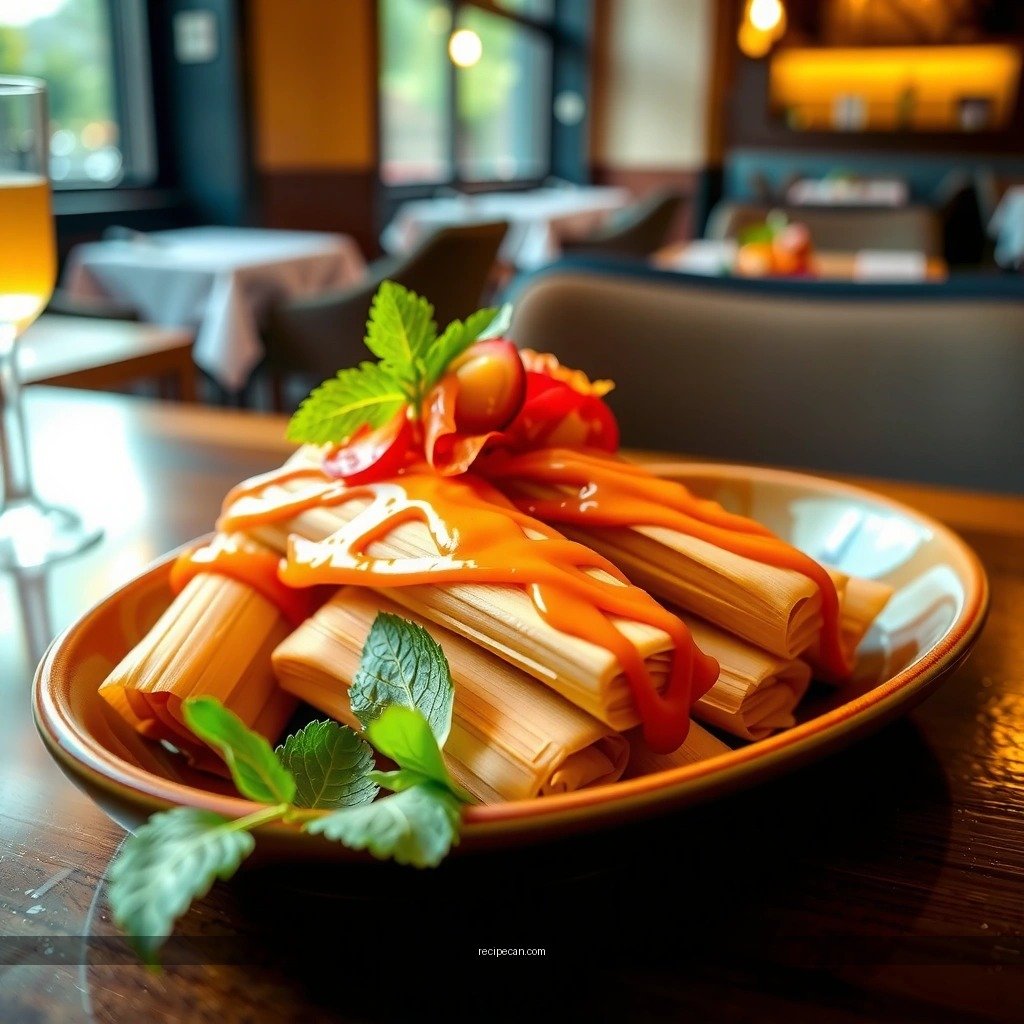
The husks are more than packaging—they control moisture, aroma, and how evenly the tamale steams. If husks tear, your tamales leak and cook unevenly.
– Soak husks until flexible so they won’t tear
– Submerge dried corn husks in warm water for 30–60 minutes, or until pliable.
– If husks are very dry, extend soaking until they bend without cracking.
– Pat dry and keep them ready for easy assembly
– Shake off excess water, then lay husks flat.
– Keep them slightly damp (not dripping) so the masa spreads without tearing fibers.
> Quality check: When you pinch a husk, it should flex and fold easily. If it resists and feels brittle, soak longer—this is one of the most common causes of “messy” steamed tamales.
Make the Sweet Masa (Dulce Tamale Dough)
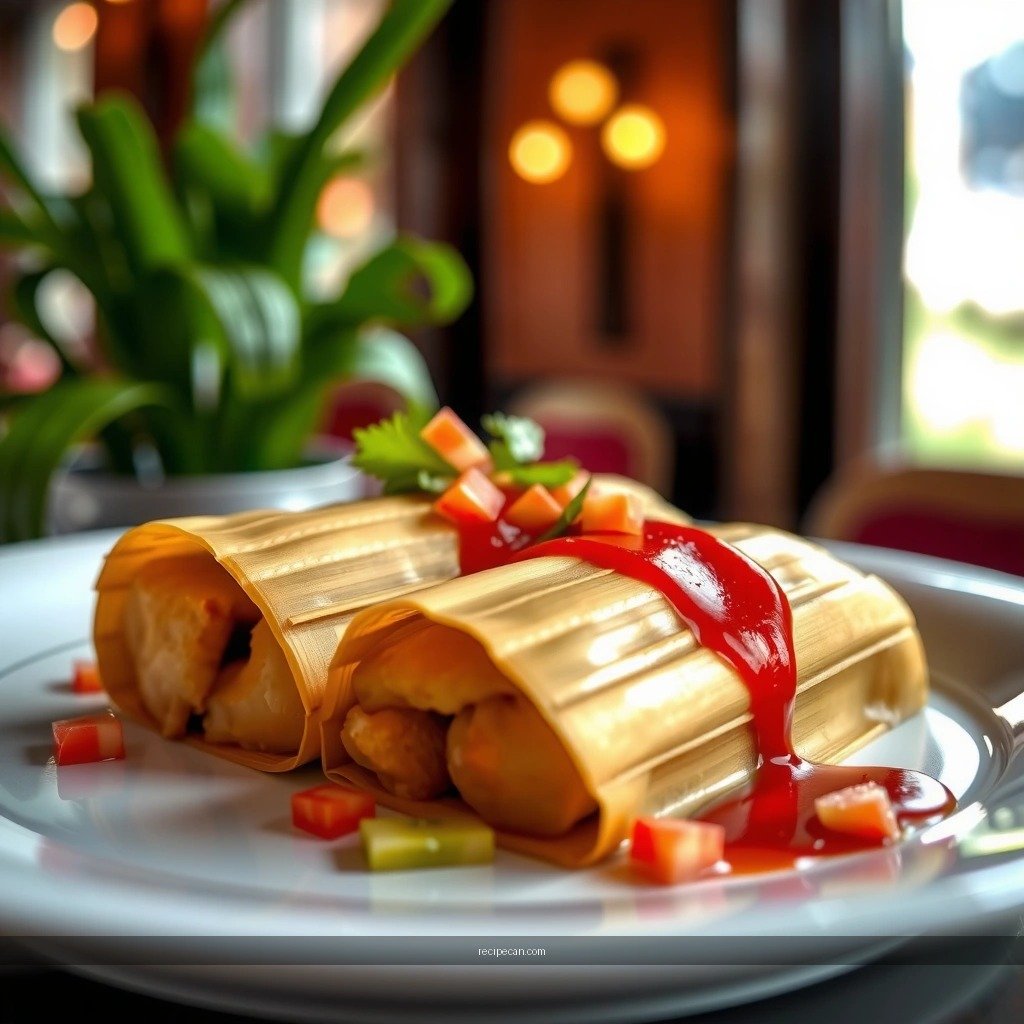
Sweet masa should be soft, spreadable, and able to hold structure after steaming. Think of it as dough that applies like frosting but behaves like corn-based bread once cooked.
– Mix masa until smooth and spreadable
– In a bowl, combine masa harina with salt and dissolved sweetener (sugar/piloncillo) plus broth.
– Add fat (lard or shortening) and mix until the texture looks uniform—no dry granules.
– If needed, add broth a tablespoon at a time to reach a spreadable consistency.
– Season and sweeten to balance the filling
– For most classic dulce tamales, sweetness should complement, not overpower.
– Add cinnamon (optional) in a restrained amount if your filling is fruit-heavy; chocolate fillings can handle less cinnamon in the masa.
Texture target: when you spread masa on a husk, it should form a smooth layer with gentle peaks and should not crumble or separate. If it’s too stiff, add a little more broth; if it’s too loose, mix longer or add a small amount of masa harina.
Assemble and Fill the Tamales
Assembly determines the final eating experience—how clean the bite is, whether filling stays inside, and how the tamale maintains shape during steaming.
– Spread masa evenly on husks
– Lay out a softened husk with the thicker end oriented for easier folding.
– Spread a consistent layer—aim for even thickness so steaming time is predictable.
– Add filling and fold tightly for clean, even steaming
– Place a portion of filling in the center (not too close to the edges).
– Fold husk sides over, then fold again so the filling is sealed inside.
– Tie with strips of husk if needed, but avoid over-tightening that can squeeze filling out.
Practical guidance for portioning:
A good starting point is to use “roughly one spoonful” of filling per tamale, but adjust based on husk size. Overfilling is the fastest route to leaks; underfilling can make tamales taste mostly like sweet corn dough.
Steam Sweet Tamales Until Tender
Steaming is where dulce tamales become tender rather than gummy. Consistency matters: steady steam, correct water level, and enough time for the masa to fully cook through.
– Use a steamer pot with proper water level and timing
– Fill the pot with water up to the level below the steamer rack (so husks aren’t submerged).
– Bring to a steady boil, then reduce to maintain a reliable steam.
– Arrange tamales upright or flat depending on how your steamer supports them—avoid overcrowding so steam circulates.
– Check for doneness and rest tamales before unwrapping
– Start checking after 60–90 minutes, depending on tamale size and dough thickness.
– Done tamales separate from husk edges and feel set, not doughy.
– Rest 10–20 minutes before unwrapping. Resting helps masa set and reduces tearing.
Doneness test (reliable and professional):
If you pull back a husk corner and the masa looks fully opaque with no wet streaks, they’re ready. If you see sticky, undercooked dough, steam in 10–15 minute increments.
How to Serve and Store Mexican Sweet Tamales
Serving and storage are where flavor and texture either peak or decline. Sweet tamales should be warmed evenly so the masa softens without becoming soggy.
– Serve with hot chocolate, coffee, or a splash of syrup
– Classic pairing: hot chocolate for a rich, dessert-like experience.
– Coffee works especially well with pineapple or raisin tamales because it contrasts sweet notes with bitterness.
– If your filling is mild, add a light drizzle of piloncillo syrup or a dust of cinnamon.
– Store refrigerated and reheat by steaming or microwaving (covered)
– Cool completely before refrigerating to prevent condensation.
– Store in an airtight container. They typically keep 3–4 days in the fridge.
– Reheat by:
– Steaming: best texture; warm until hot throughout.
– Microwaving: cover with a damp paper towel and heat in short bursts.
Storage note: Avoid leaving tamales at room temperature for long periods. Corn dough and fillings are best handled safely to maintain quality.
Sweet tamales are all about balanced sweet masa, flavorful filling, and steaming until they’re perfectly tender. Follow this layout step-by-step, then customize your filling to your taste—try pineapple for a classic Mexican flavor and steam a batch today for a delicious treat.
In conclusion, mastering dulce tamales comes down to preparation precision: flexible husks, smooth sweet masa, sealed and portioned fillings, and patient steaming until fully set. When you combine those elements and reheat properly, you’ll get tamales with clean, sliceable texture and a well-rounded sweetness—exactly what makes this Mexican sweet tradition so consistently satisfying.
Frequently Asked Questions
What is a traditional sweet tamales recipe Mexican-style?
A traditional sweet tamales recipe Mexican-style typically uses masa (corn dough) flavored with cinnamon and piloncillo (or brown sugar), then filled with a sweet center like shredded pineapple, raisins, or coconut. Many recipes also include a small amount of vanilla and a pinch of salt to balance the sweetness. The tamales are steamed until the masa is fully cooked and firms up around the filling.
How do you make sweet tamales Mexican without the masa cracking or drying out?
To prevent sweet tamales from cracking, use masa that’s well-hydrated and fully mixed, ideally with a consistency similar to thick cake batter or smooth peanut butter. If your masa feels dry, add warm water or broth a little at a time; if it’s too loose, stir in extra masa until spreadable. During steaming, keep a steady simmer and avoid removing the lid too often so the steam stays consistent.
Why do my sweet tamales taste bland even though I used piloncillo or sugar?
Sweet tamales can taste bland when the masa isn’t seasoned enough or when the piloncillo isn’t fully dissolved into the cooking liquid. Make sure to cook the piloncillo with water until it’s syrupy, then let it cool slightly before mixing into the masa. Also include complementary flavors like cinnamon, vanilla, and a small amount of salt—salt makes the sweetness taste richer instead of flat.
Best sweet filling for Mexican sweet tamales—pineapple, coconut, or raisins?
The best sweet filling depends on the flavor profile you want: pineapple is bright and tangy, coconut is rich and dessert-like, and raisins add chewy sweetness. If you want a classic Mexican sweet tamales taste, try pineapple with a little cinnamon and sugar, or coconut with vanilla for a more indulgent filling. For balanced flavor, avoid overly watery fillings by draining pineapple well and cooking it briefly to thicken.
Which corn husks work best for steaming Mexican sweet tamales?
For Mexican sweet tamales, use dried corn husks that are flexible enough to fold without tearing. Soak them in warm water for 30–60 minutes (or until pliable), then pat lightly to remove excess water before assembling. If your husks are too stiff or tear easily, they can affect how well the tamales hold together and may lead to uneven steaming.
References
- Tamale
https://en.wikipedia.org/wiki/Tamale - https://www.britannica.com/topic/tamale
https://www.britannica.com/topic/tamale - Mexican cuisine
https://en.wikipedia.org/wiki/Mexican_cuisine - Masa
https://en.wikipedia.org/wiki/Masa_harina - Panela
https://en.wikipedia.org/wiki/Piloncillo - Dulce de leche
https://en.wikipedia.org/wiki/Dulce_de_leche - Nixtamalization
https://en.wikipedia.org/wiki/Nixtamalization - Google Scholar Google Scholar
https://scholar.google.com/scholar?q=sweet+tamales+recipe+mexican - Google Scholar Google Scholar
https://scholar.google.com/scholar?q=tamales+dulces+mexico+recipe - Google Scholar Google Scholar
https://scholar.google.com/scholar?q=traditional+mexican+tamales+sweet+fillings+masa+pineapple+piloncillo