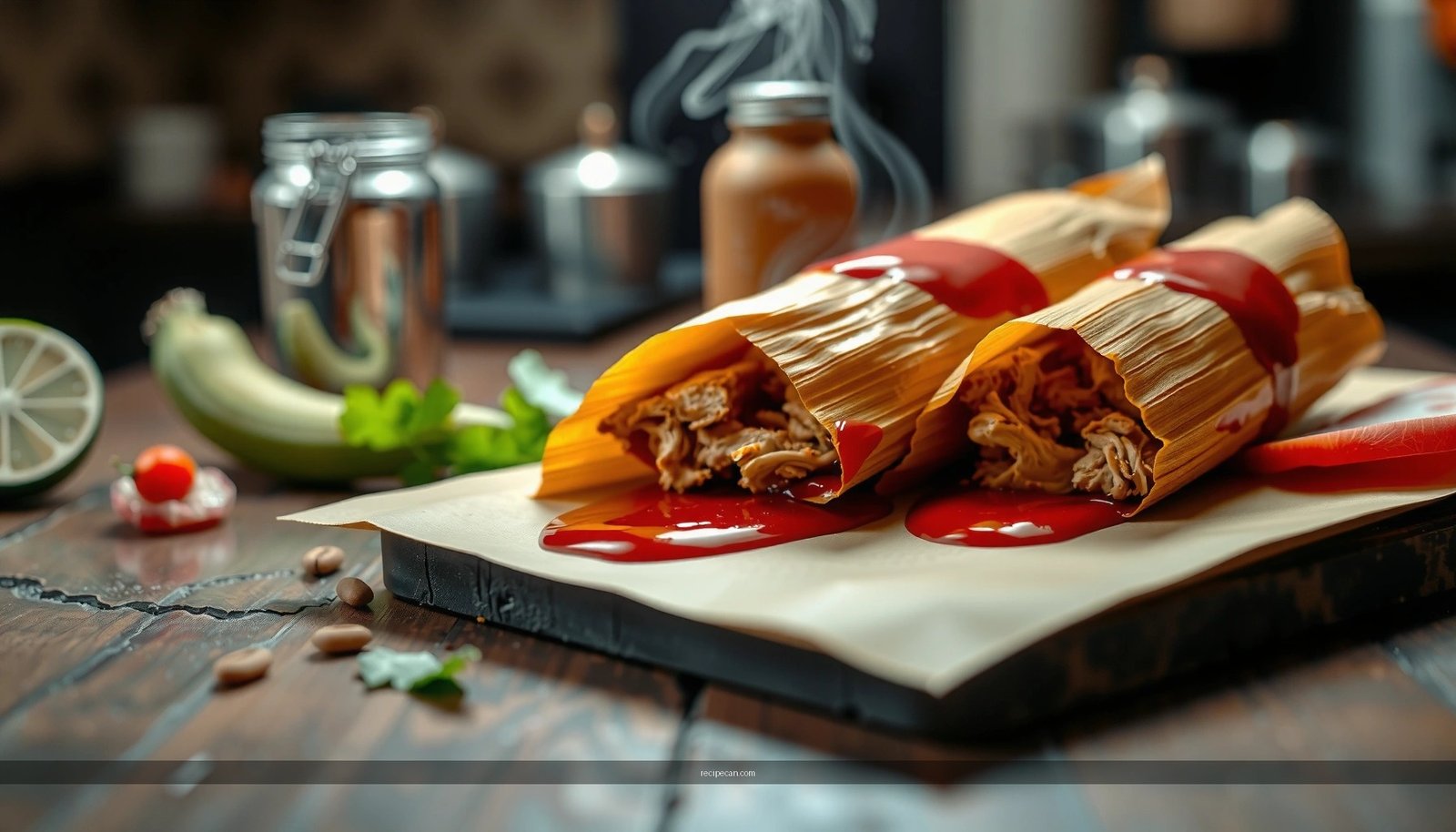
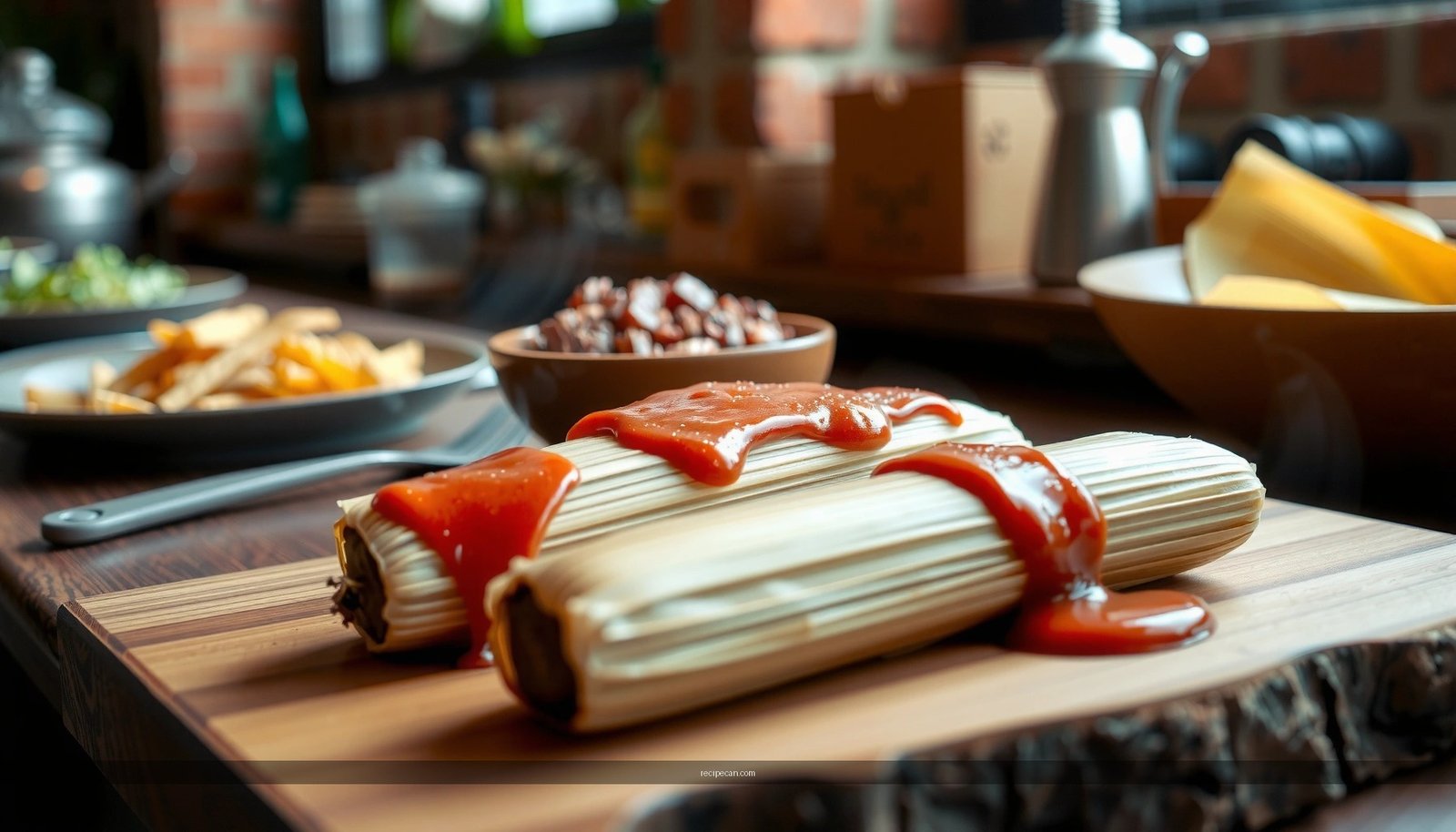
This Mexican tamales recipe with chicken delivers tender masa and a deeply seasoned filling that tastes right whether you’re steaming for family dinner or making tamales ahead for a party. Follow these step-by-step instructions and you’ll get cleanly wrapped tamales with the right texture—no guesswork. If your question is how to make classic chicken tamales that hold together and don’t come out bland, this is the winner.
Make classic Mexican chicken tamales at home by steaming tender corn masa filled with savory shredded chicken and a vibrant red or green chile sauce—using the right masa consistency and steaming time is the key to success. Below, you’ll get a step-by-step workflow for prepping the masa, building a juicy filling, assembling clean folds, and steaming until the tamales pull easily from the husk.
Ingredients for Mexican Chicken Tamales
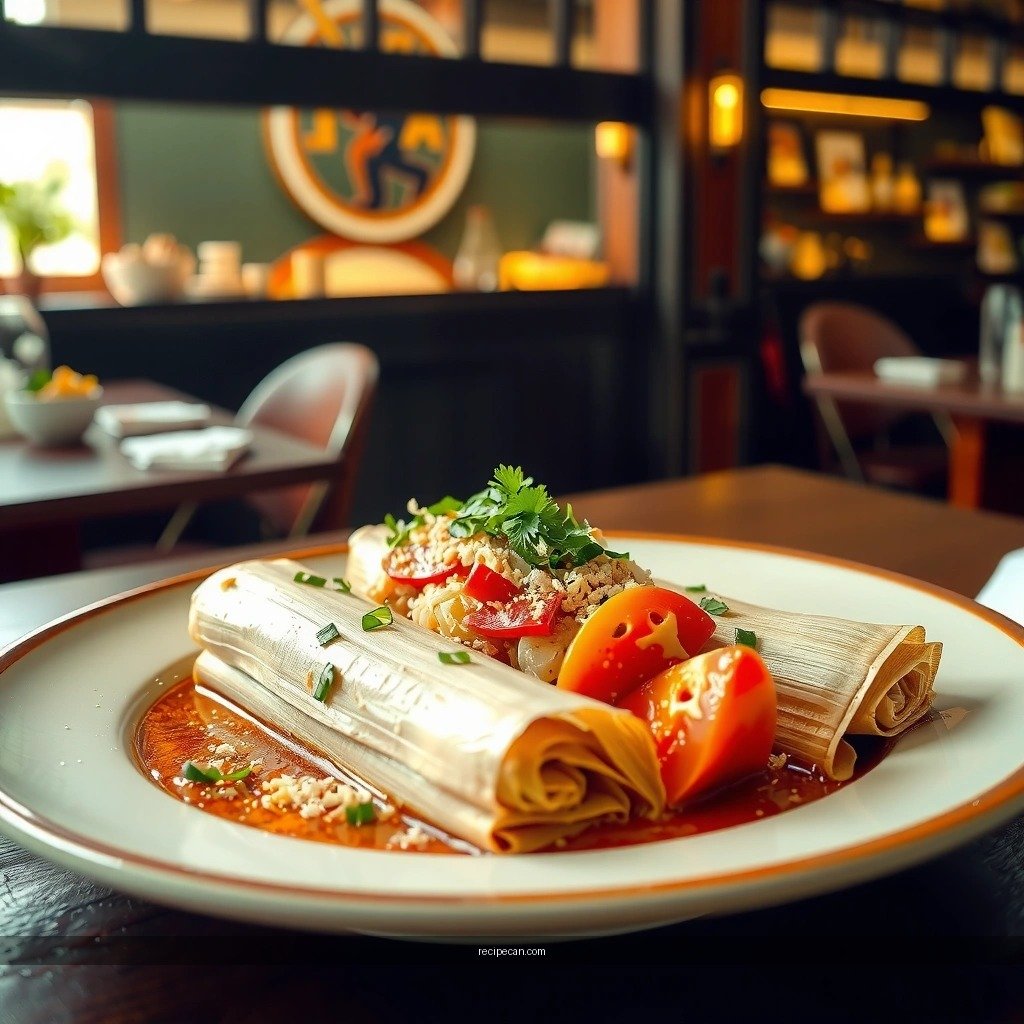
Tamales are all about balance: flavorful masa, well-seasoned filling, and steam-cooked structure. This recipe focuses on traditional elements—corn masa harina, corn husks, and a chicken filling dressed in chile sauce—so the end result is cohesive, rich, and distinctly “Mexican tamales” in flavor.
Core components you’ll need:
– Corn masa (masa harina) plus flavorful broth (chicken broth or the cooking liquid from the chicken) to hydrate the masa for spreadability
– Shredded chicken, simmered until tender and then mixed with red or green chile sauce
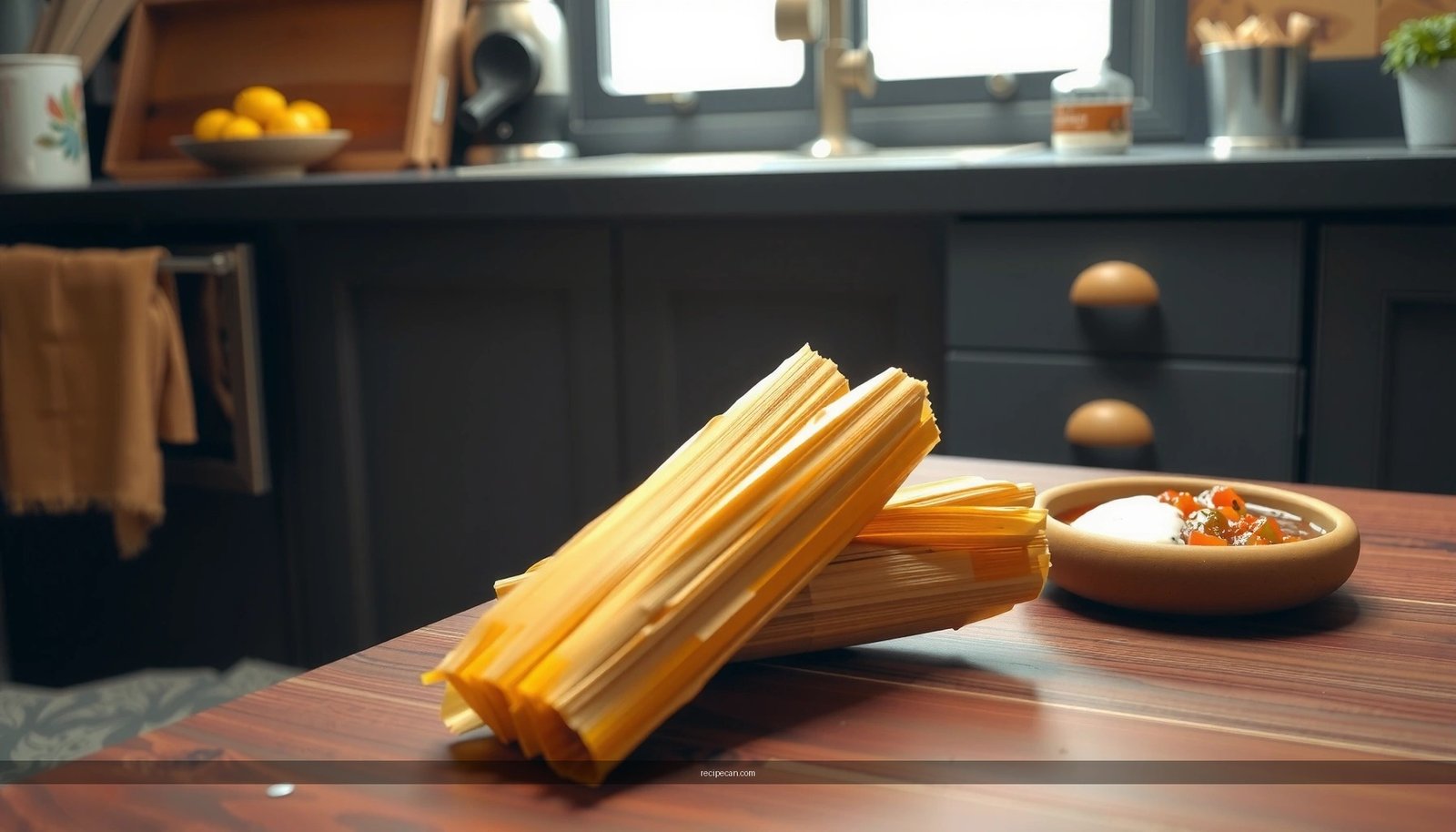
– Corn husks (for steaming). If using dried husks, you’ll soak and soften them before assembling
– Fat for masa (commonly lard or vegetable shortening) to help the tamales stay moist and set properly during steaming
– Seasonings (salt is essential; many cooks also add garlic powder or ground cumin for depth)
Why these choices matter:
– Masa harina + broth creates a masa that tastes “complete” even if you eat a piece without toppings.
– Fat + properly hydrated masa improves texture and helps the masa firm up while staying tender.
– Chile sauce mixed into chicken prevents dryness and ensures every bite has sauce flavor.
Typical Tamale Batch Specs for 1 Ripe Steaming Session (Home Cooking)
| # | Batch Size (Approx.) | Corn Husks | Total Cook Time | Masa Hold-Up |
|---|---|---|---|---|
| 1 | 20–24 tamales | 22–26 husks | ~75–95 min | Excellent |
| 2 | 28–32 tamales | 30–34 husks | ~95–115 min | Very good |
| 3 | 36–42 tamales | 38–44 husks | ~115–140 min | Good |
| 4 | 45–52 tamales | 48–55 husks | ~140–165 min | Mixed |
| 5 | First-time cooks (smaller) | 18–24 husks | ~75–105 min | Excellent |
| 6 | Thicker/denser masa | Use standard | +10–20 min | Softer pull |
| 7 | Different steamer capacity | Allow space | Varies by crowding | Overpacked = risk |
This “batch spec” table is useful because steaming is where tamales succeed or fail. More tamales and tighter crowding slow down heat penetration, often leading to soft masa that doesn’t set evenly.
Make the Chicken Filling
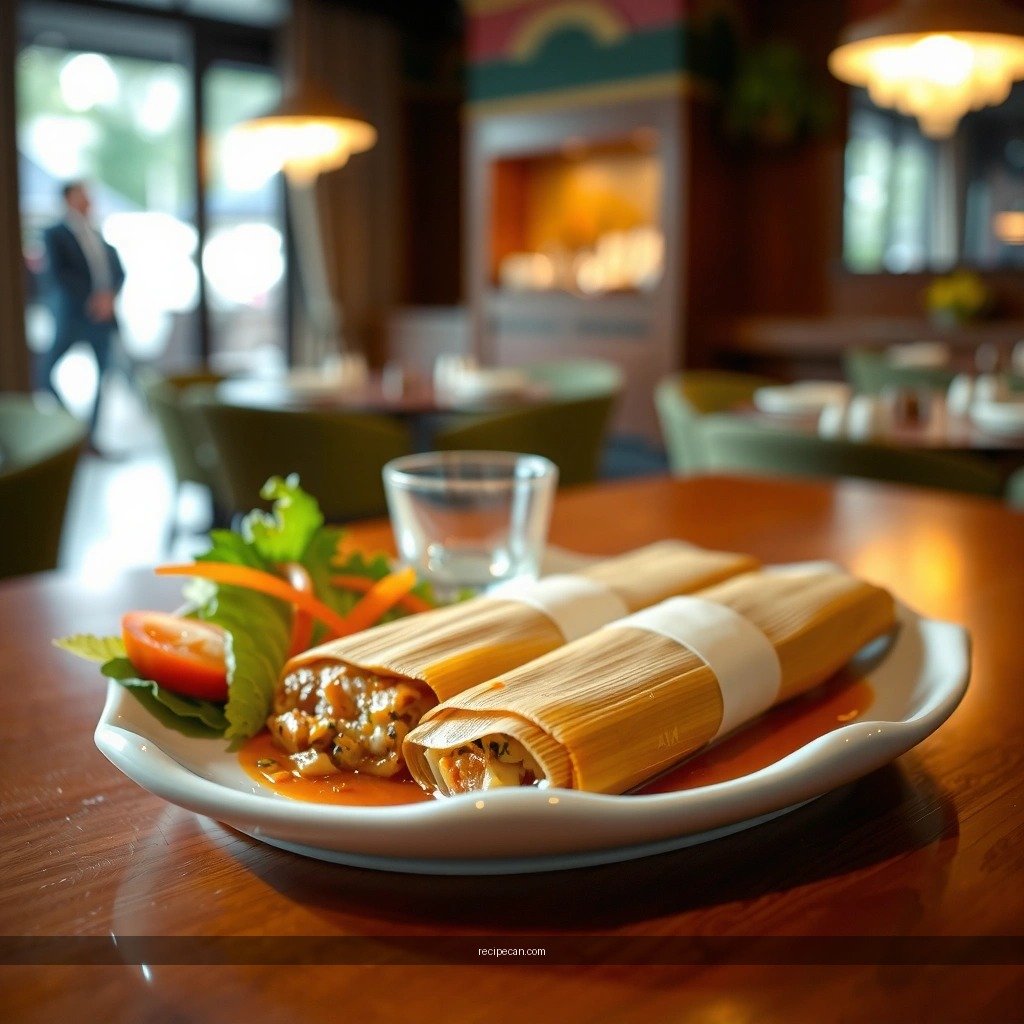
A great Mexican tamales recipe starts with filling that’s tender, juicy, and seasoned—not just shredded chicken. You want bite-ready texture that holds together and absorbs chile flavor.
Step-by-step filling approach:
1. Simmer the chicken with aromatics such as:
– onion
– garlic
– bay leaf (optional)
– cumin and/or dried oregano
2. Cook until tender—usually until the chicken shreds easily. Then:
3. Shred the chicken and return it to the pot or a mixing bowl.
4. Sauce it with your chosen chile:
– Red chile sauce (mild to smoky depending on your chiles)
– Green chile sauce (often brighter, made with tomatillos or green chiles)
Red vs. green sauce—what to expect:
– Red tamales typically taste deeper and warmer (chile + roasting/rehydration notes).
– Green tamales tend to be tangier and more aromatic (tomatillo/green chile brightness).
Actionable quality tips:
– Don’t drown the chicken. It should look glossy and saucy, but not soupy—excess liquid can weaken the masa during steaming.
– Use some chicken broth in the filling if your sauce is too thick; keep a silky, spoonable consistency.
– Taste for salt. Many fillings taste “fine” before saucing but need salt after chile addition.
Prepare the Tamale Masa
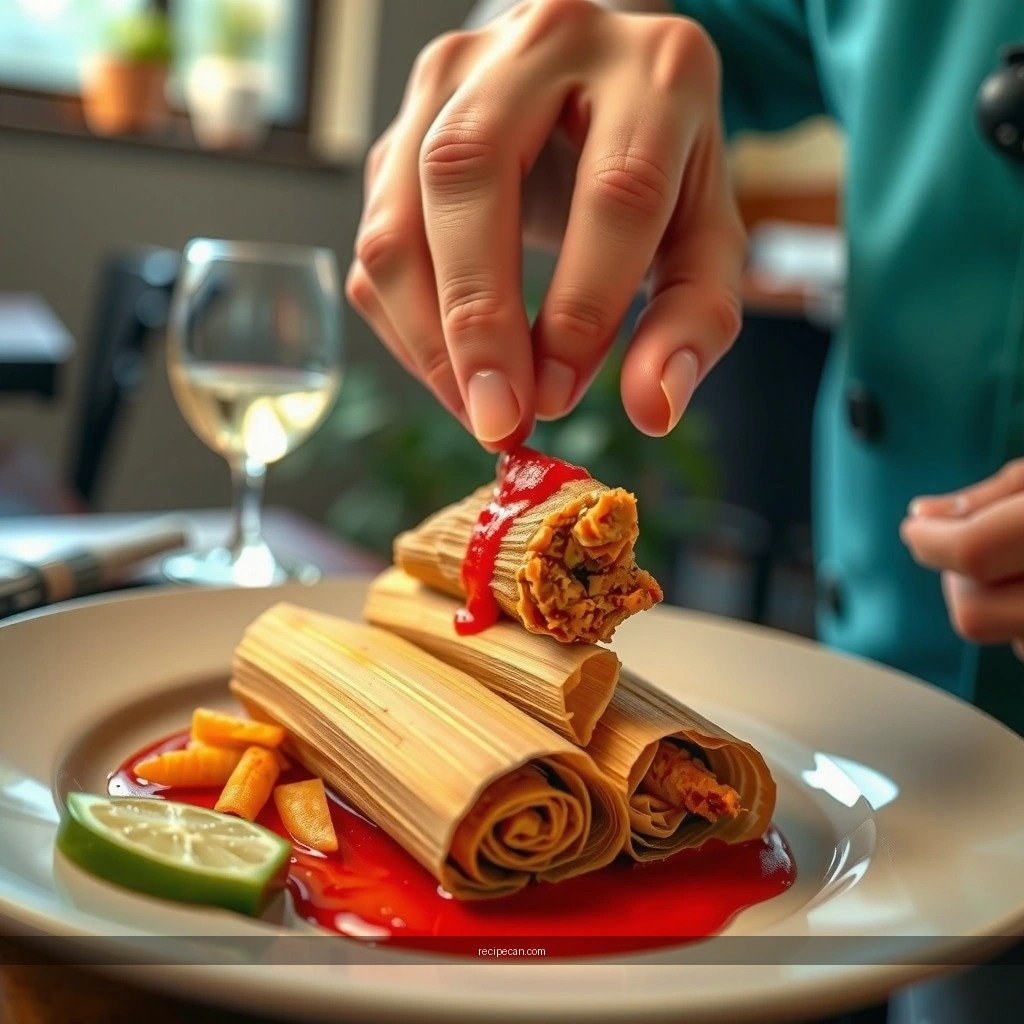
Tamale masa is the technical heart of the recipe. If the masa is too dry, it won’t steam smoothly; too wet, and it won’t set or will tear during assembly.
A reliable masa method:
1. In a mixing bowl, combine masa harina with warm broth (often chicken broth or the chicken cooking liquid).
2. Add fat (lard or shortening). Mix thoroughly until the texture looks cohesive.
3. Season the masa. Salt is non-negotiable; additional spices can include:
– garlic powder
– ground cumin
– a pinch of dried oregano
Consistency targets (the “professional” approach):
– The masa should be soft and spreadable—like thick peanut butter—without being runny.
– It should hold a groove when spread, rather than slump.
Practical testing:
– Spread a small amount on a husk; it should form a smooth layer you can fold over filling without cracking.
– If it feels stiff, add broth a tablespoon at a time. If it feels loose, incorporate a small amount of masa harina.
Why properly beaten masa matters:
In professional kitchens, fat-aerated masa sets more evenly. At home, thorough mixing helps prevent dry pockets and ensures the finished tamales pull cleanly from the husks.
Assemble the Tamales
Assembly should be deliberate and efficient: good tamales are consistent in portioning and fold security. Your goal is to create a sealed “packet” that holds chicken filling while steaming.
How to assemble (step-by-step):
1. Prep corn husks:
– Soak dried husks until pliable.
– Pat lightly so they’re damp, not dripping.
2. Spread masa:
– Place a husk flat.
– Add a layer of masa in the center, leaving margins for folding.
3. Add filling:
– Spoon a portion of chicken chile mixture in the center of the masa layer.
– Avoid overfilling; excess filling can leak and create thin spots in masa.
4. Fold securely:
– Fold the husk to enclose the masa and chicken.
– Tie with kitchen string if your husk structure needs it (not all styles require tying).
Professional presentation tips:
– Keep masa thickness relatively uniform across tamales—this improves steaming consistency.
– Use the same scoop size for filling each time; uneven portions lead to uneven cooking.
– If a husk tears, swap it immediately—structural integrity affects steam circulation and texture.
Steam the Tamales (Timing and Tips)
Steaming is where patience pays off. You want consistent heat, enough water to generate steady steam, and a closed lid to maintain temperature.
How to steam correctly:
1. Use a tamale steamer or a deep pot with a steamer insert.
2. Add water to the base—enough to steam throughout the cook.
3. Arrange tamales upright or stacked depending on your steamer, with space for steam circulation.
4. Keep the lid closed as much as possible to prevent temperature drops.
Timing guidance (what to watch for):
– Tamales are typically steamed until the masa firms up and pulls away from the husk.
– Total time often ranges around 75–165 minutes, depending on batch size and masa thickness.
– For large batches, rotate the placement midway if your steamer is uneven (front/back heat differences happen).
Common failure modes and fixes:
– Masa stays wet or gummy: usually under-steamed or too wet masa. Steam longer next time and consider slightly stiffer masa consistency.
– Masa cracks while folding: masa may be too dry or husks too stiff. Ensure husks are fully soaked and masa is properly hydrated.
– Leaking filling: assembly overfilled or sauce too thin. Thicken sauce slightly next batch or reduce filling portion.
A good rule: aim for tamales that lift cleanly from the husk edges when done. That “pull” test is more reliable than guessing by minutes alone.
How to Serve and Store Chicken Tamales
Once steamed, tamales are best enjoyed warm. Toppings add freshness, acidity, and salt balance—making the chile and chicken taste even more vivid.
– Salsa (red or verde)
– Crema (or a tangy Mexican crema-style sour cream)
– Queso fresco or crumbled cotija
– Extra chile sauce for bold heat lovers
– Chopped cilantro and onion for brightness
Storage best practices:
– Cool tamales to room temperature before refrigerating (prevents condensation and sogginess).
– Refrigerate in an airtight container.
Reheating for best texture:
– Steam to reheat when possible (best texture and moisture retention).
– If microwaving:
– cover with a damp paper towel
– reheat in shorter intervals
– rest briefly before serving
Freezing note (for make-ahead planning):
– Tamales freeze well. Wrap individually for convenience, then thaw overnight in the refrigerator and re-steam to refresh texture.
Mexican chicken tamales are all about building great masa, a flavorful chicken filling, and steaming them until perfectly tender. Follow the steps above for filling, assembly, and timing, then serve hot with your favorite toppings—try making a batch and reheating leftovers the next day for an easy win.
Frequently Asked Questions
What is the best Mexican tamales recipe with chicken?
A classic Mexican tamales recipe with chicken typically uses corn masa, lard or vegetable shortening, and a savory chicken filling seasoned with chile and aromatics. Many home cooks choose red chile (like guajillo or ancho) for the chicken so the tamales have a rich, tangy flavor. Look for a recipe that includes properly hydrated dried chiles, seasoned chicken, and masa that whips until light for tender tamales.
How do you make Mexican tamales with chicken without the masa sticking?
To prevent masa from sticking, use banana leaves or corn husks that are well cleaned and properly steamed or softened before assembly. Keep a small bowl of warm water nearby and lightly wet your hands so the masa spreads smoothly when you add it to the corn husk. For the filling, cool the chicken mixture slightly before spooning so it doesn’t melt the fat in the masa.
Why do my chicken tamales turn out dry or dense, and how can I fix it?
Dry or dense tamales usually come from masa that wasn’t whipped enough or was too dry before steaming. Make sure your masa is the right consistency—spreadable but not watery—and beat it until fluffy, then season it well with salt. Also, steam consistently and don’t undercook; most Mexican tamales need enough steam time to fully set the masa around the chicken filling.
Which chiles are best for chicken tamales in Mexican recipes?
For a traditional Mexican chicken tamales flavor, many cooks use guajillo and ancho chiles for a balanced smoky, mild-to-medium heat profile. If you want more depth, you can add a small amount of pasilla chile or chipotle for extra smokiness and warmth. Toast the chiles lightly, rehydrate them in hot water, and blend into a smooth sauce before simmering with the chicken.
How long should you steam chicken tamales and how do you know they’re done?
Chicken tamales typically require about 1 to 2 hours of steaming, depending on their size and how vigorous the steam is. They’re done when the masa releases easily from the corn husk and feels firm but tender, not sticky or wet in the center. You can test one by carefully opening a tamal—if the masa pulls away cleanly and the filling is hot throughout, your Mexican tamales recipe with chicken is ready to serve.
References
- Google Scholar Google Scholar
https://scholar.google.com/scholar?q=mexican+tamales+recipe+chicken - Google Scholar Google Scholar
https://scholar.google.com/scholar?q=tamales+de+pollo - Google Scholar Google Scholar
https://scholar.google.com/scholar?q=nixtamalization+corn+masa+tamales - Tamale
https://en.wikipedia.org/wiki/Tamale - Masa
https://en.wikipedia.org/wiki/Masa_harina - Nixtamalization
https://en.wikipedia.org/wiki/Nixtamalization - https://www.britannica.com/topic/tamale
https://www.britannica.com/topic/tamale - https://pubmed.ncbi.nlm.nih.gov/?term=tamales
https://pubmed.ncbi.nlm.nih.gov/?term=tamales - https://pubmed.ncbi.nlm.nih.gov/?term=nixtamalization+corn+dough
https://pubmed.ncbi.nlm.nih.gov/?term=nixtamalization+corn+dough - https://pubmed.ncbi.nlm.nih.gov/?term=mexican+cuisine+corn+masa
https://pubmed.ncbi.nlm.nih.gov/?term=mexican+cuisine+corn+masa