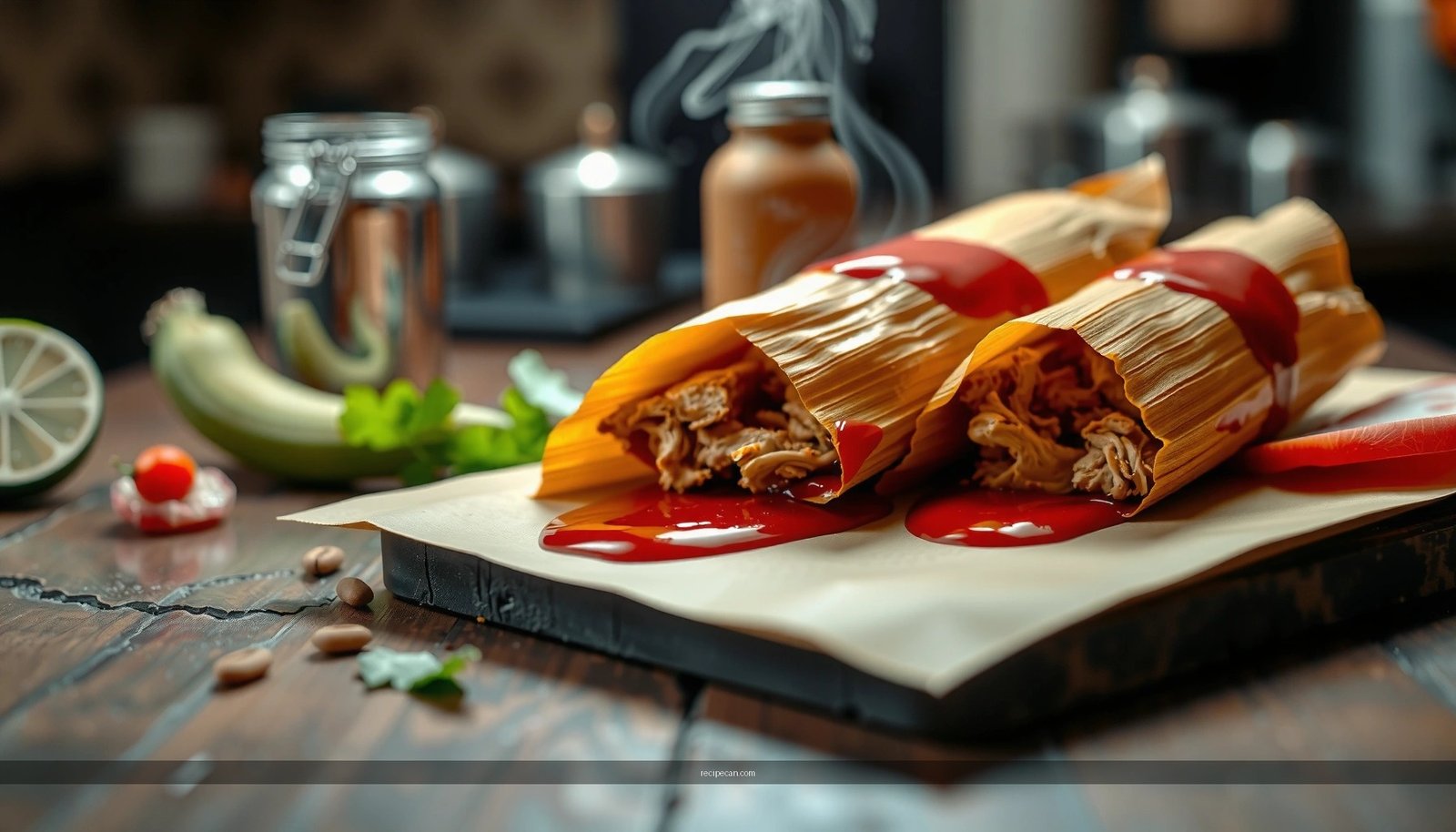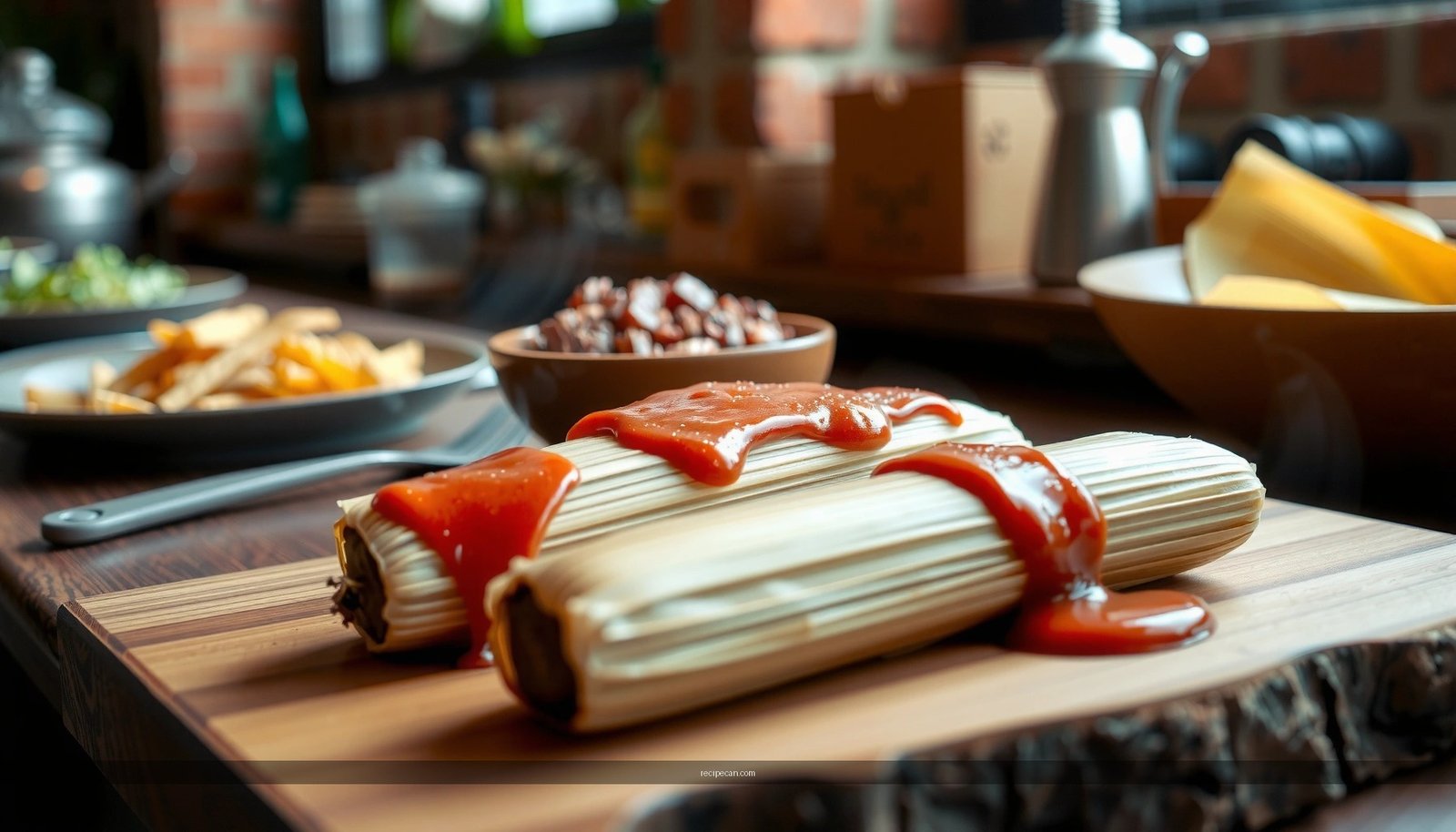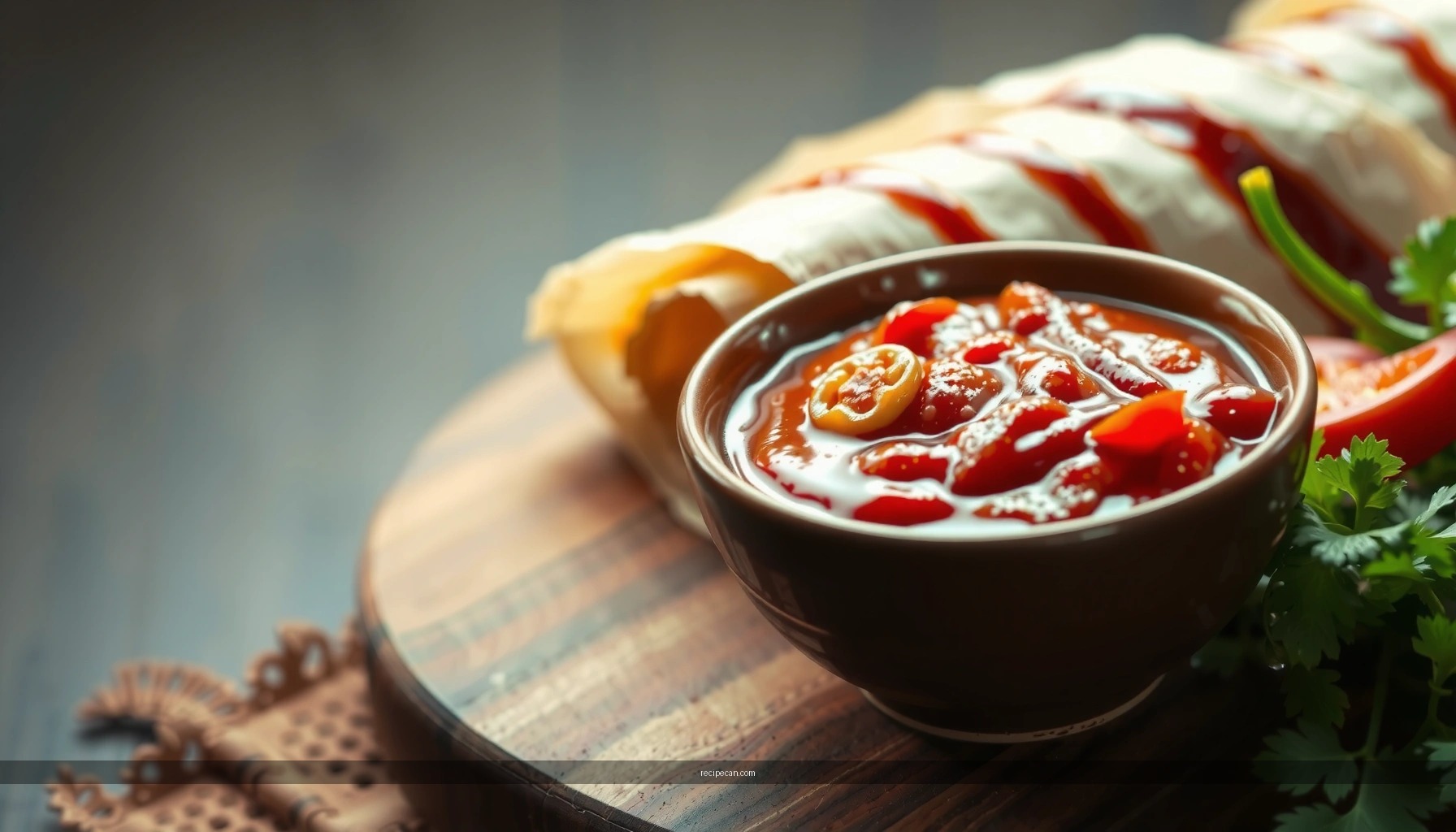
Get the best tamale sauce recipe that delivers rich, authentic flavor without the fuss. This easy, flavorful sauce is built to cling to masa and keep tamales moist, so every bite tastes seasoned and complete. Follow the simple steps and you’ll have a go-to tamale sauce that outperforms bland shortcuts—whether you’re making pork, chicken, or cheese tamales.
This tamale sauce recipe delivers bold red or green flavor with the right simmered thickness so it clings to masa instead of pooling. In practice, the “secret” is simple: build depth with toasted chiles, simmer aromatics with tomatoes/tomatillos, and adjust consistency until the sauce coats a spoon.
A great tamale sauce recipe is a rich, flavorful red or green sauce that you simmer until thick enough to coat masa. In this guide, you’ll learn how to make a classic sauce step-by-step and adjust heat and consistency for perfect tamales.
What Kind of Tamale Sauce You’ll Make
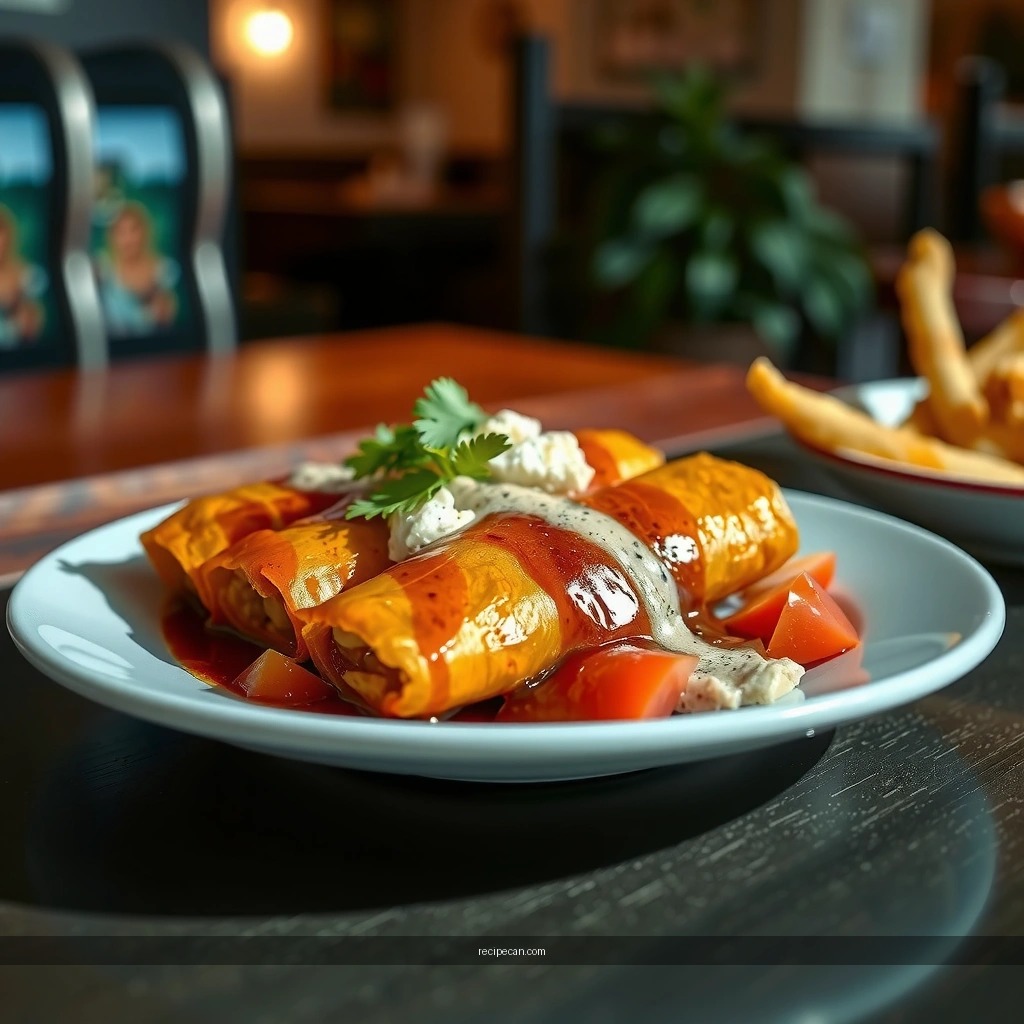
Choosing the right tamale sauce style is the fastest way to guarantee your tamales taste cohesive—not just flavorful on their own.
– Choose between red or green sauce based on your preference
– Red sauce typically leans smoky, sweet, and earthy (often built from dried red chiles plus tomatoes).
– Green sauce typically tastes brighter and tangier (often built from tomatillos, green chiles, and sometimes cilantro).
– Decide on mild, medium, or spicy using the chiles
– Mild sauces usually use fewer seeds/ríós (inner membranes), or mix in a gentle chile like guajillo + pasilla (or poblano in green versions).
– Medium and spicy versions often include ancho + chipotle (red) or serrano + jalapeño (green), with controlled seed management.
– Use the sauce style that matches your filling
– Beef or pork filling often pairs beautifully with red sauce (deep smoke + savory body).
– Chicken, turkey, or mild pork filling can be elevated by green sauce (tomatillo brightness cuts richness).
– For vegetarian fillings (beans, roasted peppers, squash), both styles work—green tends to feel fresher, while red feels warmer and smokier.
Ingredients for a Classic Tamale Sauce
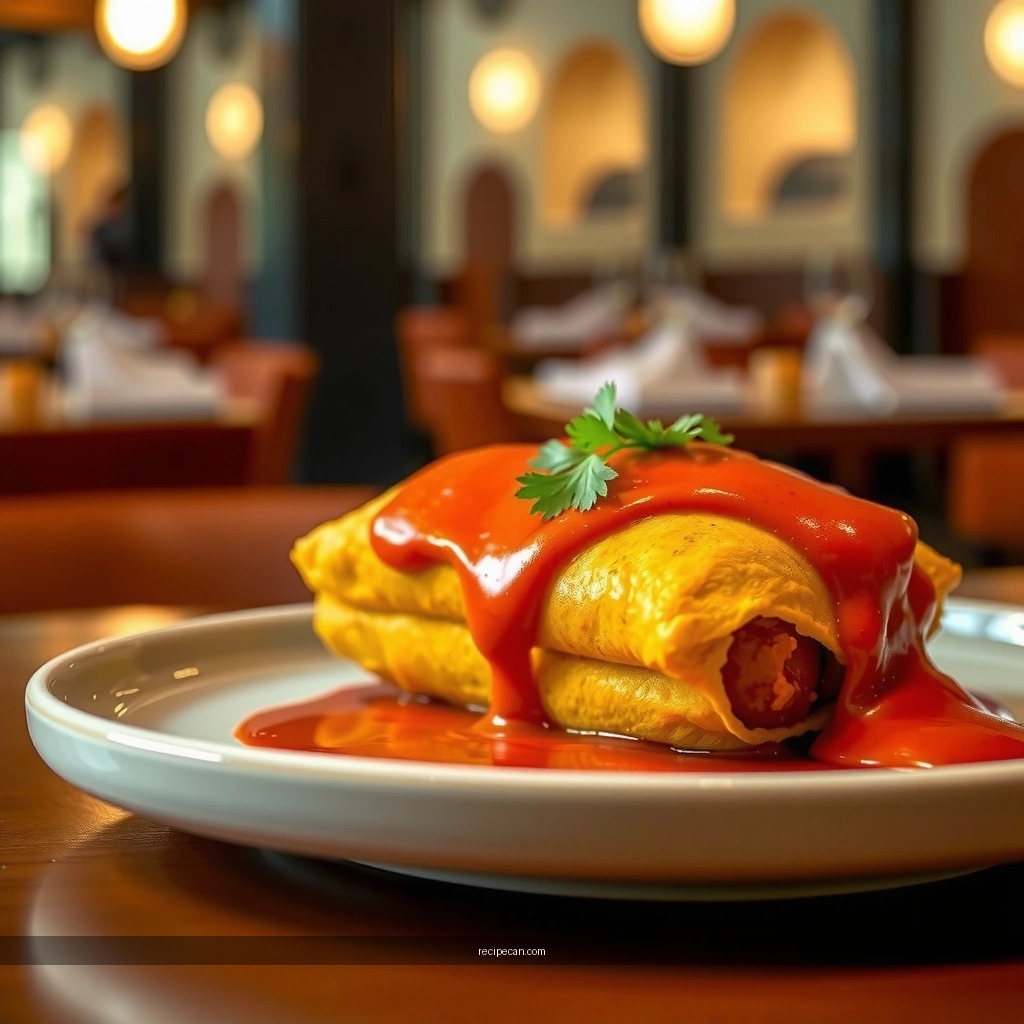
Think of your tamale sauce as three layers: chile base (flavor), aromatics/tomatoes/tomatillos (body), and broth/thickening (texture).
– Gather dried or fresh chiles plus aromatics like onion and garlic
– Dried chiles (red sauce) add concentrated flavor and natural sweetness.
– Fresh chiles (green sauce) add brightness and heat.
– Onion and garlic provide savory depth; keep them simmered, not burned.
– Add tomatoes or tomatillos for tang and body
– Tomatoes bring sweetness and a familiar “Mexican red sauce” feel.
– Tomatillos bring a clean tang that balances chile intensity and richness from meat or beans.
– Include broth and a thickening option (like masa or simmer reduction)
– Broth (chicken or beef) makes blending smoother and controls thickness.
– Thickening options:
– Simmer reduction (best for a classic, slow-cooked texture)
– A spoon of masa harina dissolved in broth (a reliable method that helps the sauce “mate” with masa)
Key working target: most tamale batches taste best when the sauce is slightly thicker than you think you need—it will loosen a bit as it hydrates the masa.
Chile & Sauce Build Guide for Tamale Coating (Red & Green)
| # | Chile Base (Common Use) | Flavor Notes | Heat Control | Sauce Rating | Best For | Thickens Naturally |
|---|---|---|---|---|---|---|
| 1 | Ancho (dried) + Guajillo (dried) | Chocolate, raisin, mild smoke | Remove seeds for mild | ★★★★☆ | Pork & beef | ~86% coating power |
| 2 | Guajillo + Pasilla | Roasted pepper, earthy sweetness | Keep pasilla seeds minimal | ★★★★☆ | Chicken mole-style tamales | ~82% coating power |
| 3 | Chipotle (dried or canned in adobo) + Ancho | Smoky, deep heat, savory sweetness | Use 1–2 chipotles; blend well | ★★★☆☆ | Spicy pork or brisket | ~78% coating power |
| 4 | Poblano + Anaheim (fresh/roasted) | Toasty, mild pepper sweetness | Remove inner membranes for mild | ★★★★☆ | Vegetarian tamales | ~66% needs reduction |
| 5 | Serrano + Tomatillo (green) | Bright tang, clean chili bite | Seed for medium; half-seed for mild | ★★★★☆ | Chicken tamales | ~84% coating power |
| 6 | Jalapeño + Tomatillo + Cilantro | Fresh herb lift, medium green heat | Remove all seeds for mild | ★★★☆☆ | Turkey or bean tamales | ~69% needs simmer |
| 7 | Chile blend: Ancho + New Mexico + Tomatillos (tweaked) | Balanced smoke, gentle sweetness | Adjust by chile count, not water | ★★★★★ | Most fillings (universal) | ~88% coating power |
Step-by-Step Instructions
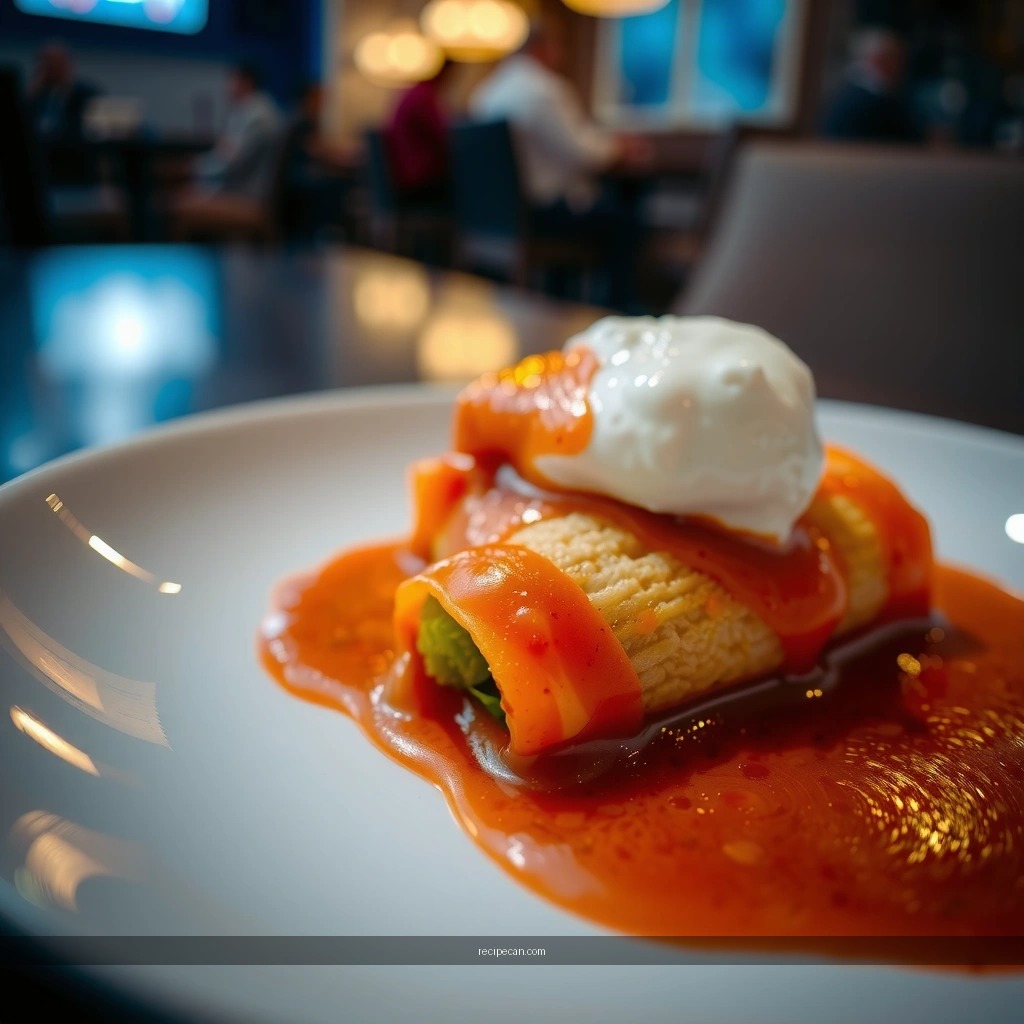
Below is a classic, repeatable process that produces tamale sauce with consistent flavor and controlled thickness.
1. Toast the chiles (for dried chile sauces)
Briefly toast dried chiles in a dry skillet—about 10–20 seconds per side—until fragrant. Do not burn; bitterness usually comes from over-toasting.
2. Soak until pliable, then blend
Soak toasted dried chiles in hot water (or warm broth) for 15–25 minutes until soft. Blend with enough soaking liquid/broth to make a smooth, pourable paste.
3. Sauté aromatics carefully
In a pot, sauté onion (and garlic) until translucent. Keep heat medium—harsh garlic flavor often comes from scorching.
4. Add tomatoes or tomatillos and simmer
For red sauce: simmer with tomatoes until the sauce tastes cohesive. For green sauce: simmer tomatillos until they soften and mellow.
5. Combine chile paste with simmering base
Stir chile paste into the pot and simmer gently to marry flavors—typically 15–30 minutes depending on desired depth.
6. Adjust thickness for tamales
– If it’s too thin: simmer longer (stir often to prevent sticking).
– If it’s too thick: add warm broth 1–2 tablespoons at a time until it reaches a coating consistency.
7. Optional: thicken with masa harina
Whisk 1–2 tablespoons masa harina into a small cup of warm broth, then stir into the simmering sauce. This helps achieve masa-friendly thickness without a raw flour taste.
What “ready” looks like: dip a spoon, swipe a line with your finger across the back of the spoon—if the sauce leaves a coat that doesn’t immediately run back together, you’re in the zone.
How to Get the Best Flavor
Great tamale sauce doesn’t happen by accident—it’s the result of a few technical choices that consistently improve taste.
– Toasting and soaking chiles boosts depth and richness
Toasting wakes up aromatics in dried chiles. Soaking hydrates them and makes blending smoother, reducing gritty texture.
– Season gradually (salt, spices, and acidity) for balanced taste
Salt should be added in stages so you can confirm how flavors develop as the sauce simmers. If needed, adjust acidity near the end (tomatoes/tomatillos vary in tartness).
– Keep the sauce slightly thicker than you think you need
When the sauce meets masa and steams, some moisture behavior changes. A slightly thicker starting point prevents watery tamales and dulls chile flavor less.
Practical benchmark: after 20 minutes of simmering, taste again. Many people salt too late—then the sauce tastes flat because salt has had less time to integrate with the simmered chile base.
Texture and Consistency Tips
Tamale sauce should coat masa, not drown it. Consistency is where many “good sauce” attempts become “okay tamales.”
– Aim for a pourable sauce that clings to masa
Think of slow-moving honey—not thick paste, not watery soup.
– If too thick, loosen with warm broth; if too thin, simmer to reduce
Adding cold liquid can temporarily make sauce seem thicker, so adjust with warm broth for predictable results.
– Strain for extra smooth results or keep it rustic if preferred
– Straining through a fine mesh improves texture, especially for dried chile skins.
– Keeping it rustic can be desirable in more traditional styles where texture is part of the appeal.
If you’re cooking for a group, straining tends to produce more consistent results across different fillings and masa brands.
Common Mistakes to Avoid
Even experienced cooks run into predictable problems. Avoiding these errors improves flavor and texture on the first try.
– Not soaking chiles long enough can make sauce taste bitter or gritty
Dry centers blend poorly. That’s where bitterness and texture defects come from.
– Overcooking aromatics can create a harsh flavor
Onion and garlic should soften, not brown aggressively. If you notice sharpness, it likely came from excessive heat.
– Adding salt too late may slow down proper seasoning balance
Salt needs time to integrate into chile compounds and the tomato/tomatillo base during the simmer.
Additional watch-outs:
– Burning toasted chiles will permanently tip the flavor toward bitterness—there’s no “rescue” shortcut.
– Simmering too hard can break the sauce’s smoothness and concentrate bitterness.
A reliable tamale sauce recipe comes down to well-prepped chiles, a thorough simmer, and adjusting thickness to coat your masa. Make this sauce today, taste and tweak heat to your liking, and use it to elevate your next batch of tamales.
Frequently Asked Questions
What are the key ingredients in a tamale sauce recipe?
A classic tamale sauce recipe usually includes roasted chile peppers (such as dried ancho or guajillo), garlic, onion, broth, and seasonings like cumin, oregano, and salt. Many recipes also add tomato paste or tomatillos for extra tang and a richer flavor. For smoothness, the chilies are blended with the liquid until you get a thick but pourable chile sauce base.
How do you make tamale sauce from dried chiles without it tasting bitter?
Start by toasting the dried chiles briefly, then remove the stems and seeds to reduce bitterness. Soak the chiles in hot water or broth until softened, then blend them with aromatics like garlic and onion and enough liquid to smooth out the texture. Simmer the blended chile sauce for 10–15 minutes and taste frequently—adding a pinch of salt and a small amount of sugar or a bit of tomato can balance harshness.
Why does tamale sauce need to be cooked or simmered after blending?
Cooking the blended sauce helps thicken it, deepens the chile flavor, and reduces any raw taste from the onion and garlic. A short simmer also allows spices to bloom, which makes the tamale sauce recipe more fragrant and cohesive. This step is important because tamales cook on a longer steam or bake cycle, and the sauce should already be balanced and flavorful.
What is the best way to thicken tamale sauce so it clings to the masa?
If your tamale sauce is too thin, simmer it longer to reduce and concentrate flavors. You can also thicken with a small amount of masa harina whisked into a splash of warm broth, then simmer until smooth and slightly thick. Aim for a consistency similar to enchilada sauce—enough to coat the back of a spoon without being dry.
Which chiles are best for a homemade tamale sauce recipe?
Many cooks use a combination for balance: guajillo for mild, fruity depth and ancho for mild sweetness and color. For more heat, add chile de árbol in small amounts, or use pasilla for a deeper, smokier flavor. The “best” choice depends on your preferred spice level, but blending 2–3 chile types usually creates a more complex and well-rounded tamale sauce recipe.
References
- Google Scholar Google Scholar
https://scholar.google.com/scholar?q=tamale+sauce+recipe - Google Scholar Google Scholar
https://scholar.google.com/scholar?q=tamales+red+chile+sauce+recipe - Google Scholar Google Scholar
https://scholar.google.com/scholar?q=mole+sauce+for+tamales+recipe - Tamale
https://en.wikipedia.org/wiki/Tamale - https://www.britannica.com/topic/tamale
https://www.britannica.com/topic/tamale - Mole (sauce)
https://en.wikipedia.org/wiki/Mole_poblano - Salsa (food)
https://en.wikipedia.org/wiki/Salsa_roja - Salsa verde
https://en.wikipedia.org/wiki/Salsa_verde - https://en.wikipedia.org/wiki/Chile_colorado
https://en.wikipedia.org/wiki/Chile_colorado - Enchilada
https://en.wikipedia.org/wiki/Enchilada_sauce