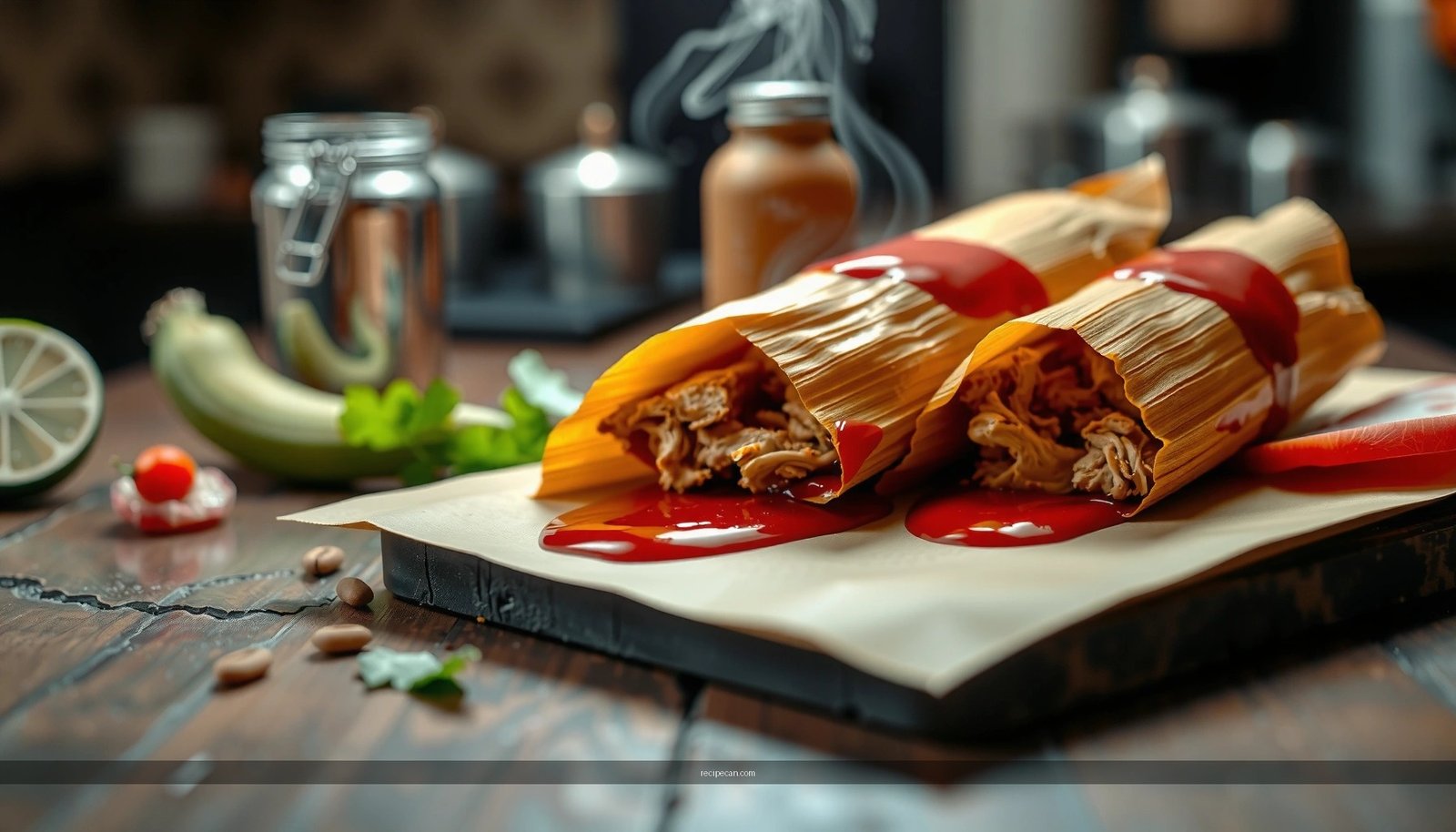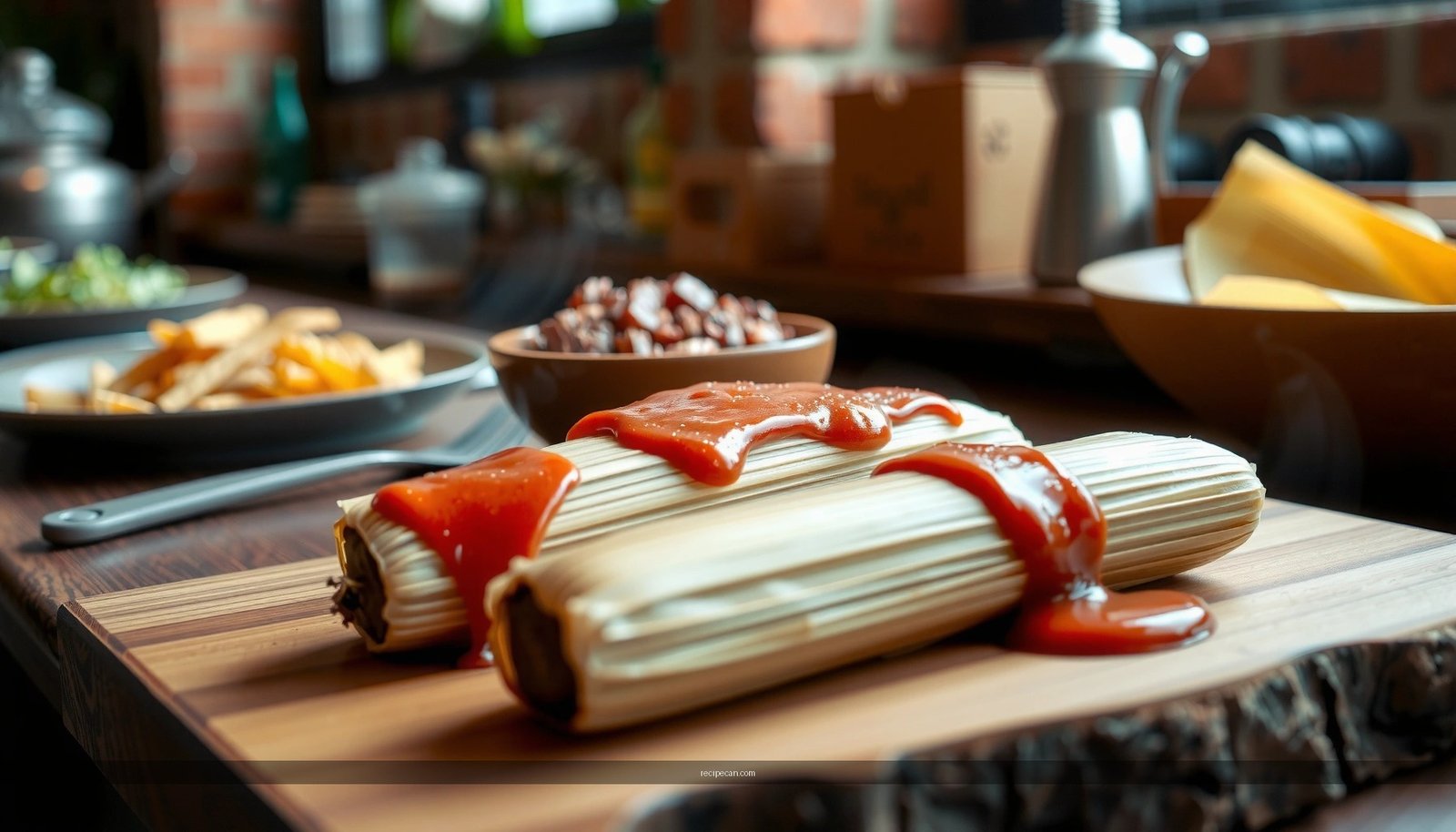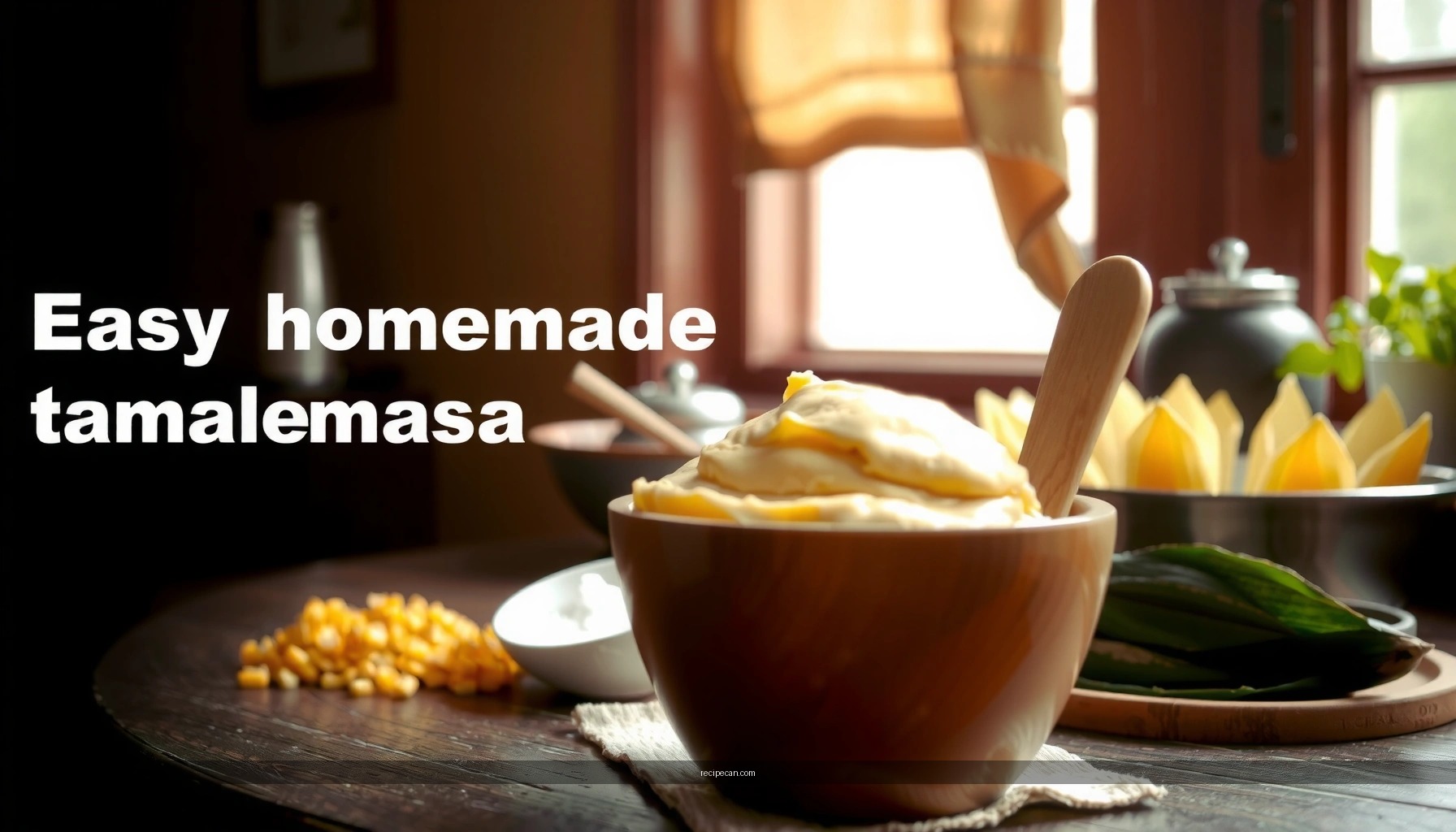
This masa recipe for tamales delivers the winning, no-fuss homemade tamale masa you can rely on every time—rich flavor, tender texture, and easy spreadability. You’ll learn exactly how to mix and cook the masa so it holds together without turning gummy or cracking while steaming. If your question is how to make tamale masa that comes out right, this is the direct answer.
Make tender, easy-to-spread tamales by hydrating masa harina properly and using the correct fat-to-broth ratio—then steam until the masa looks set at the edges. In this guide, you’ll learn how to mix tamale masa to a consistent, lump-free dough, season it with confidence, and prepare it for stuffing so your homemade tamales steam evenly every time.
Choose the Right Masa Ingredients
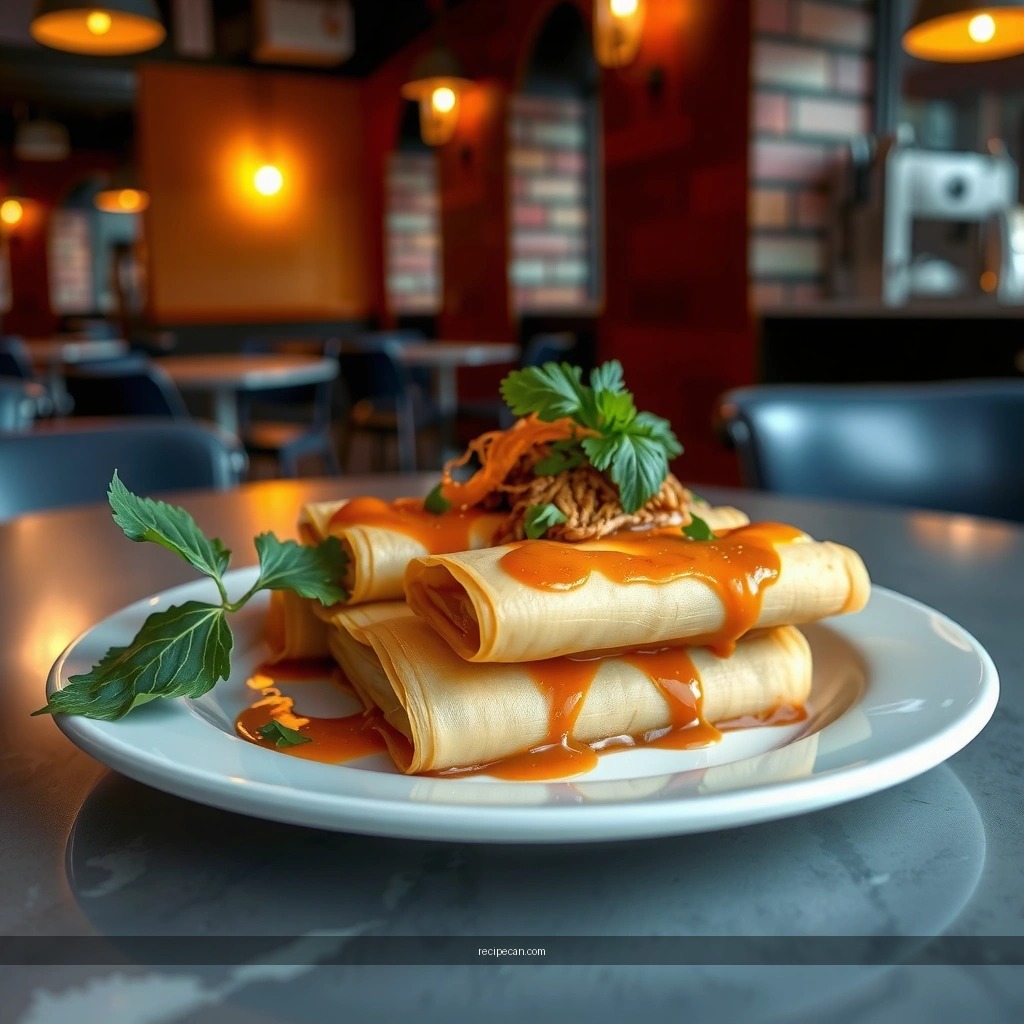
A great tamale masa recipe starts with materials that behave predictably under heat and moisture. The #1 ingredient choice is masa harina made specifically for tamales (often labeled “tamales” or indicating a comparable texture). This matters because tamales rely on a dough that can hold structure while steaming for an extended period—if you use an all-purpose masa harina that’s not formulated for tamales, you may end up with masa that’s either too fine (dry or crumbly) or too starchy (gummy).
What to look for when buying
– Masa harina labeled for tamales: Typically finer in grind and designed to hydrate into a stable dough.
– Fresh fat and quality broth: Fat (commonly lard) is what creates spreadability and tenderness; broth provides hydration and flavor depth.
Broth and fat work as a team
You’re essentially building a dough emulsion:
– Broth hydrates the masa and activates its thickening components.
– Lard (or other appropriate fat) coats masa particles and creates a silky, spreadable texture that resists cracking during steaming.
Practical expectation: even small ingredient differences (brand of masa harina, type of broth, fat temperature) can shift hydration by a surprising amount—so the recipe below focuses on ratios and texture checks you can apply every time.
Mix and Hydrate the Masa Properly
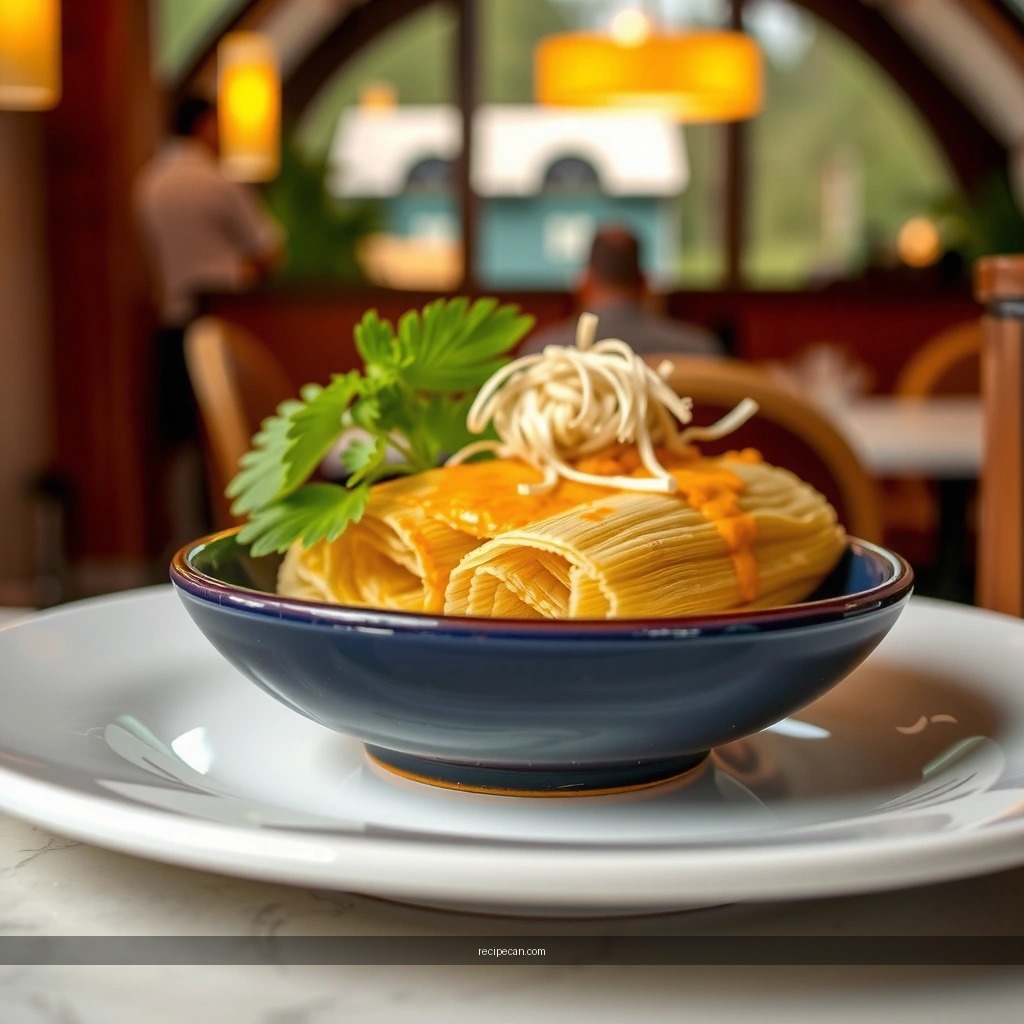
Proper hydration is the point where most “easy tamale masa” attempts succeed or fail. Masa harina should absorb liquid gradually so it forms a smooth dough rather than a gritty paste. Aim for warm broth, not hot broth—warm is enough to hydrate without cooking or curdling the fat.
A reliable mixing approach
1. Warm your broth until it’s comfortably hot but not simmering aggressively.
2. In a mixing bowl, add masa harina and start with a portion of the warm broth.
3. Stir until it becomes a thick slurry, then add more broth gradually, mixing until the dough looks cohesive.
4. Add lard after the masa begins to hydrate—this improves emulsion and texture.
5. Mix until the masa is lump-free and spreadable.
Why this order works
– Adding broth gradually prevents dry pockets.
– Hydrating first lets fat incorporate more evenly, reducing the risk of greasy streaks or uneven steam texture.
Texture targets (use these like a checklist)
– The dough should be soft enough to spread, not stiff like bread dough.
– It should feel creamy, with no visible granules.
– It should hold shape when lifted or smoothed on the husk.
Season for Flavor and Balanced Taste
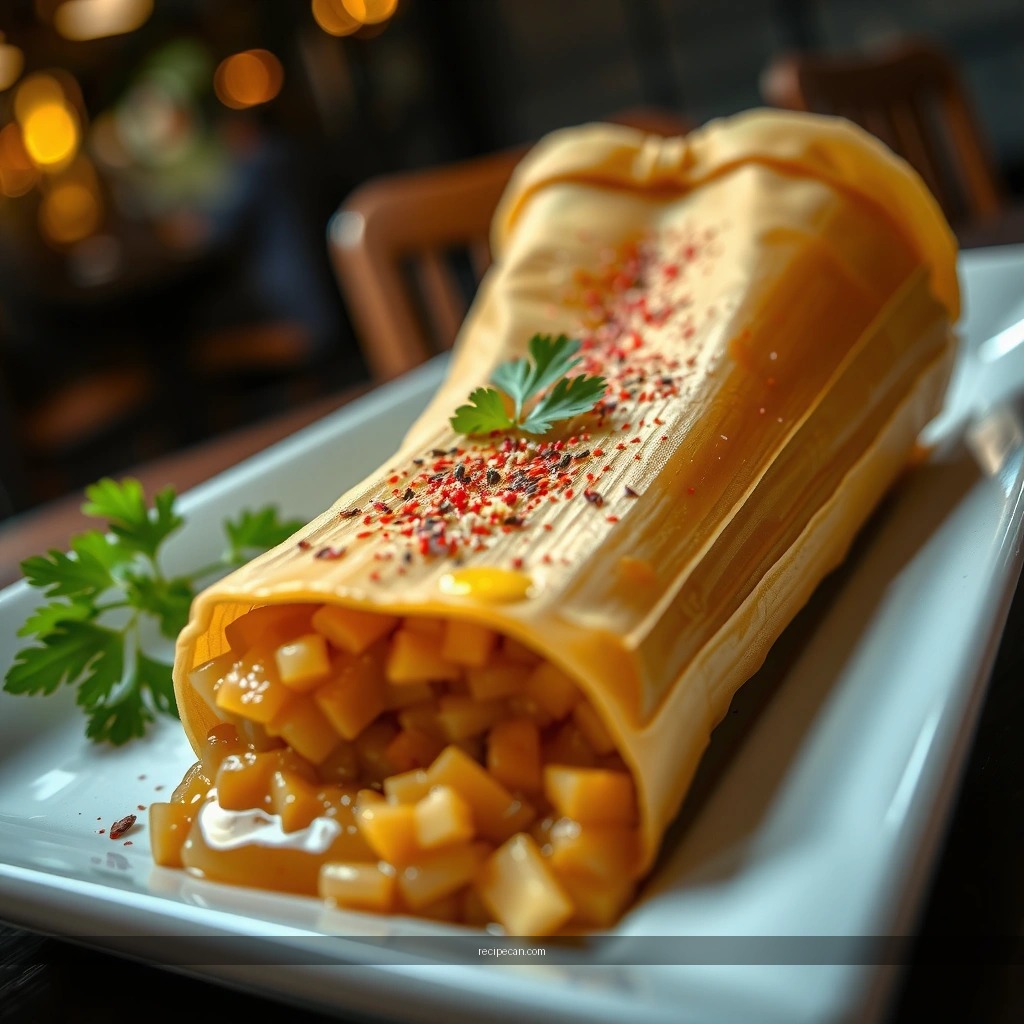
Seasoning tamale masa is less about “adding flavor” and more about creating balanced taste throughout the dough, not just around the filling. In professional kitchens, masa seasoning is treated as a core flavor system: it supports fillings (especially meats, cheeses, chiles, and vegetables) and prevents bland results.
Salt is essential
Most masa recipes require salt; however, you should add it gradually. Start with a conservative amount, mix well, and then reassess. If your broth is already salty, you may need slightly less salt in the dough.
Optional flavor boosters
If you want a more distinctive tamale flavor profile, you can incorporate one or more of the following:
– Baking powder (small amount): Helps tenderize and can improve lift in longer steaming.
– Spice additions: Ground cumin, garlic powder, dried oregano, or a touch of chile powder can add complexity—just keep it subtle so the masa doesn’t overpower the filling.
– Broth choice: Using a flavorful chile or stock-based broth can give you depth without extra spices.
Actionable seasoning workflow
– After mixing, taste a small amount of masa (cooled slightly).
– Adjust salt in small increments.
– Re-mix thoroughly for even distribution.
Achieve the Correct Dough Consistency
Even the best tamale masa ingredients can underperform if the dough consistency is off. Think of tamale masa as a spreadable suspension—too thick and it won’t steam evenly; too loose and it can tear the husk layer or slump.
The “perfect” consistency
– Creamy and easy to spread with a spoon.
– Holds together without being sticky.
– Forms a smooth layer on the corn husk with clean edges.
Adjustments that actually work
– Too thick? Add a little more warm broth (1–2 tablespoons at a time), then mix until fully incorporated.
– Too loose? Add a bit more masa harina (1–2 tablespoons at a time), mix, and let it rest 2–3 minutes before re-checking texture.
Why rest matters
After mixing, let the dough rest briefly. During that time, masa particles continue hydrating, making the texture settle into its true form. This reduces the temptation to “over-correct.”
To help you dial in consistency quickly, use the ratio targets below as a reference point. (Exact amounts can vary by masa harina brand and humidity.)
Tamale Masa Hydration & Fat Targets (Practical Benchmarks)
| # | Masa Harina | Warm Broth | Lard | Spreadability | Steam Hold | Consistency Verdict |
|---|---|---|---|---|---|---|
| 1 | 2 cups | 1 1/4 cups | 1/4 cup | ★★★★☆ | ★★★★☆ | Best Fit |
| 2 | 2 cups | 1 1/2 cups | 1/4 cup | ★★★☆☆ | ★★★☆☆ | May Slump |
| 3 | 2 cups | 1 1/4 cups | 3/8 cup | ★★★★☆ | ★★★★☆ | Rich & Tender |
| 4 | 2 cups | 1 cup | 1/4 cup | ★★☆☆☆ | ★★★★☆ | Too Thick |
| 5 | 2 cups | 1 1/4 cups | 3/16 cup | ★★★☆☆ | ★★★☆☆ | Less Tender |
| 6 | 2 cups | 1 1/3 cups | 1/4 cup | ★★★★☆ | ★★★★☆ | Consistent |
| 7 | 2 cups | 1 3/8 cups | 5/16 cup | ★★★★☆ | ★★★☆☆ | Balanced |
Prep and Spread the Masa on the Corn Husks
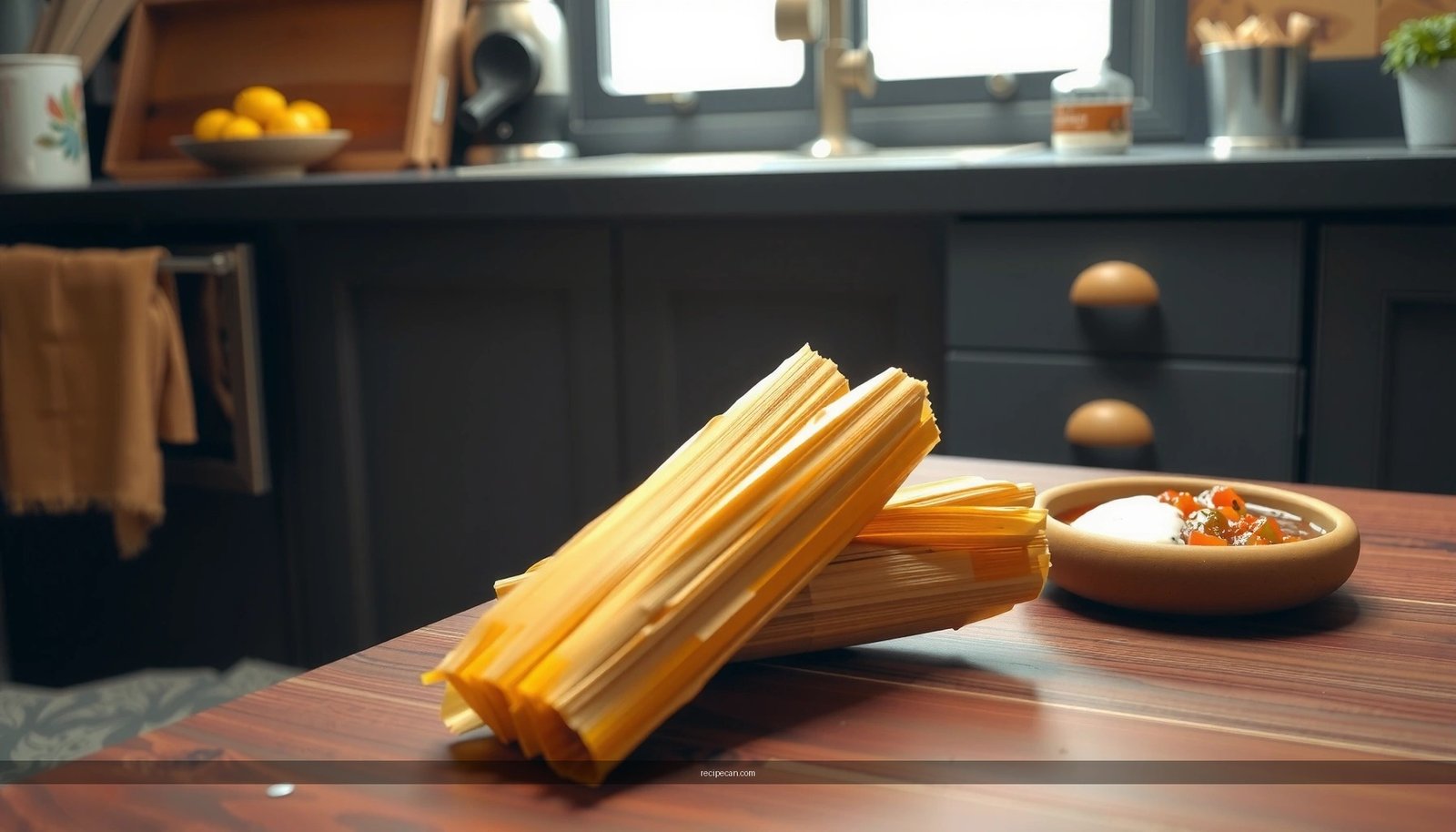
Preparation directly affects how neatly your tamales form and steam. Corn husks need to be flexible enough to fold but not overly wet—excess water can create uneven spread or steaming pockets.
Husk readiness checklist
– Soften husks (commonly by soaking or warming until pliable).
– Pat dry so the husks aren’t dripping; aim for damp, not wet.
Spreading technique for uniform steaming
– Use a spoon or offset spatula to apply masa.
– Spread to a consistent thickness across the husk.
– Leave space at the edges to allow folding without smearing.
– Keep the layer even; thick spots overcook while thin spots undercook.
Operational tip for speed and consistency
If you’re making tamales for a group, standardize your “portioning.” Measure masa scoops per tamale so thickness stays consistent. This is one of the fastest ways to produce predictable results—especially when cooking in batches.
Cook and Test Your Tamales for Doneness
Tamales are a long-steam product, and doneness is about texture, not just time. A correct steam process ensures the masa fully hydrates and sets while staying tender.
How to steam with control
– Use a steamer with adequate water so steam remains steady.
– Keep the water at a gentle simmer; avoid boiling turbulence that could disturb tamales.
– Arrange tamales so steam circulation is even (avoid overcrowding).
What “done” looks like
– Masa should appear set and firm around the edges.
– It should not look wet in the center.
– The husk should feel more “sealed” rather than raw or doughy when you check.
Testing without breaking your flow
– Steam one tamale as a tester if you’re dialing in a new ratio.
– Let the tester rest briefly—masa continues to set as steam escapes.
– Adjust your next batch based on what you observe:
– If masa seems under-set: steam longer.
– If masa feels greasy: fat ratio may be high.
– If masa cracks or tears: dough may be too stiff or husks too dry.
Resting improves final texture
After steaming, let tamales rest for a short period so the masa finishes setting. This reduces gumminess and helps the filling settle into the masa, improving sliceability and bite.
Make your tamales with a masa that’s properly hydrated, well-seasoned, and spread to even thickness—those steps are what lead to tender, flavorful results. Follow the mixing and consistency tips closely, then steam and test for doneness; if you want, try making a small batch first and adjust seasoning or liquid for your preferred texture.
Frequently Asked Questions
What is the best masa recipe for tamales, and what consistency should it have?
A classic masa recipe for tamales uses masa harina, warm water or broth, baking powder, salt, and fat (lard or vegetable shortening). The dough should be fluffy and spreadable—when you make a small ball, it should hold its shape, and the masa should smear smoothly on a spoon without being runny. Many cooks use the “whipped” method by beating the fat until light, then gradually mixing in liquids and masa harina for a tender tamal texture.
How do you make tamale masa from scratch if your dough is too dry or cracking?
If your masa harina mixture is dry or cracks when wrapped, add warm water or broth a little at a time, mixing thoroughly after each addition. For best results, re-check after every 1–2 tablespoons to avoid making the dough too soft. Also confirm you whipped the fat enough; under-whipped masa can feel stiff even if the liquid ratio is close, so a brief additional beating can improve texture.
Why does my masa for tamales turn out gummy or heavy, and how can I fix it?
Gummy tamales often happen when the masa is overmixed or when too much liquid is added too quickly, which can lead to a dense, pasty dough. To fix it, you can add a small amount of masa harina (or a bit more masa) and mix gently just until smooth, keeping the dough light. It also helps to rest the masa for 10–20 minutes so the flour hydrates properly before assembling tamales.
Which fat is better for tamale masa—lard or shortening—and how does it affect flavor?
Lard is the traditional choice for tamale masa because it boosts tenderness and gives a classic, savory flavor. Vegetable shortening can work well too, producing a lighter texture with a more neutral taste, but it may not replicate the same depth of flavor as lard. Whichever you choose, ensure it’s properly softened and well-beaten so your masa becomes fluffy and holds together for easy wrapping.
How long should tamale masa be steamed, and how do I know it’s cooked through?
Masa for tamales typically needs steaming until the dough is fully set and cooked through, which commonly takes about 60–90 minutes depending on tamal size and steamer setup. If your tamales are smaller, start checking around the 60-minute mark; larger ones may require closer to 90 minutes or more. A practical test is to check if the masa pulls cleanly from the husk and feels firm and fluffy rather than sticky or doughy in the center.
References
- Google Scholar Google Scholar
https://scholar.google.com/scholar?q=masa+for+tamales+recipe+masa+harina+lard+broth - Google Scholar Google Scholar
https://scholar.google.com/scholar?q=nixtamalization+masa+harina+cooking+dough+tamales - https://scholar.google.com/scholar?q=corn+masa+properties+for+tamales+water+fat+salt+lime Google Scholar
https://scholar.google.com/scholar?q=corn+masa+properties+for+tamales+water+fat+salt+lime - Tamale
https://en.wikipedia.org/wiki/Tamale - Masa
https://en.wikipedia.org/wiki/Masa_harina - Nixtamalization
https://en.wikipedia.org/wiki/Nixtamalization - Corn tortilla
https://en.wikipedia.org/wiki/Corn_tortilla - https://en.wikipedia.org/wiki/Masa_(food
https://en.wikipedia.org/wiki/Masa_(food - https://www.britannica.com/topic/tamale
https://www.britannica.com/topic/tamale - https://pubmed.ncbi.nlm.nih.gov/?term=nixtamalization+masa+harina+dough
https://pubmed.ncbi.nlm.nih.gov/?term=nixtamalization+masa+harina+dough