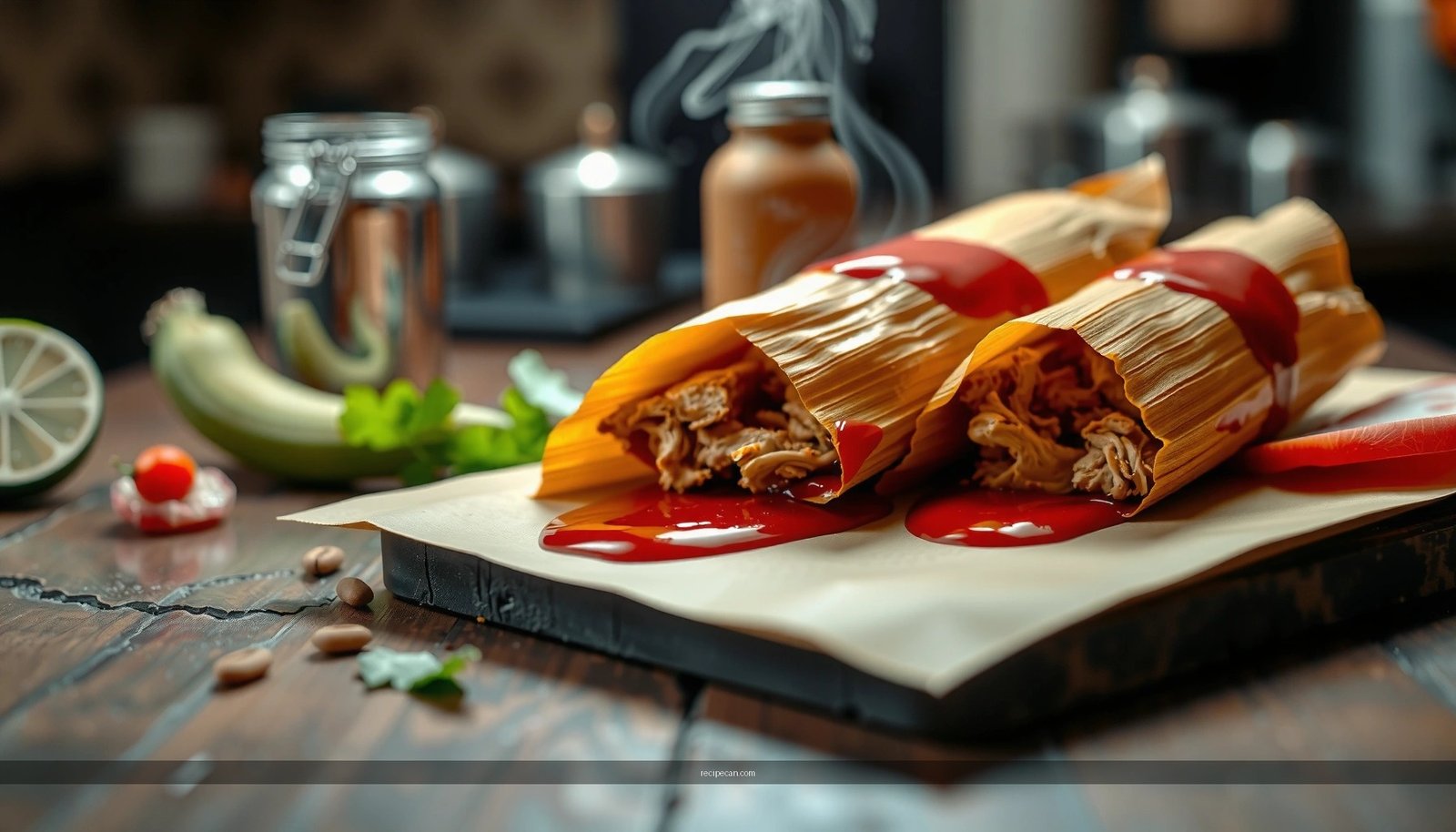
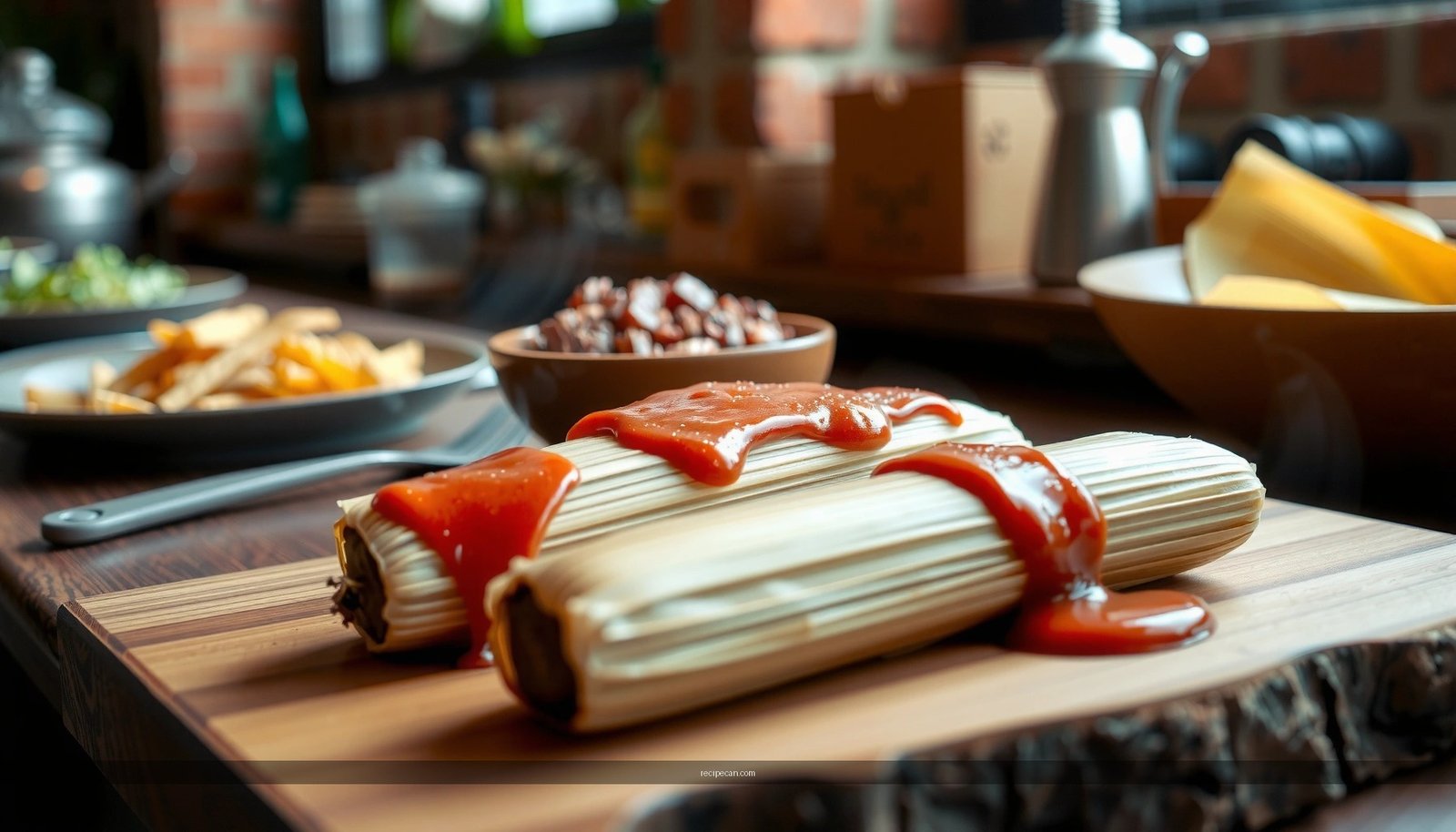
Looking for a classic pork tamale recipe that actually turns out tender, flavorful masa with perfectly seasoned pork? This guide walks you through every step—from preparing the rich pork filling and soaking or rehydrating the corn husks to assembling and steaming tamales until they’re ready to eat. Follow it closely and you’ll get tamales with clean masa-to-filling balance and authentic taste, not dry, bland results.
Pork tamales are made by spreading smooth corn masa over soaked corn husks, filling them with a savory, slow-cooked pork mixture, then steaming until the masa sets and pulls cleanly from the husk. In this classic pork tamale recipe, you’ll learn a reliable method for making tender filling, balanced tamale masa, consistent assembly, and steady steaming—so your result is authentic, sliceable, and worth making in batches.
Make the Pork Tamale Filling
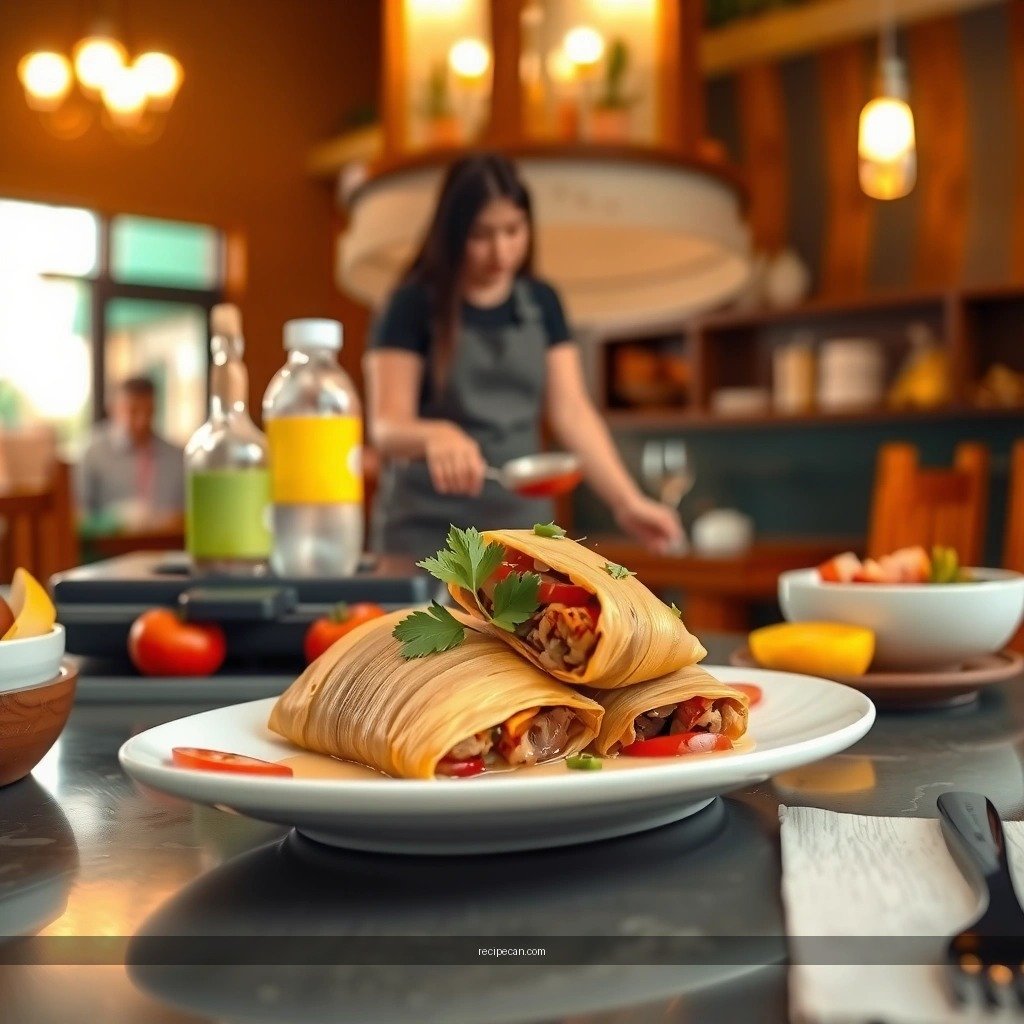
A truly classic pork tamale comes down to flavor density and moisture management. You want pork that’s tender enough to shred easily, plus a sauce that clings to the meat so every bite feels evenly seasoned—not dry, not watery.
1) Start with aromatic depth
– Use pork shoulder (pork butt) or another well-marbled cut. It renders fat as it cooks, which improves texture.
– Cook the pork with chopped onion and garlic as your base. Even if you plan to add chili or tomato later, this foundational aromatics step builds a sweeter, rounder flavor.
2) Cook low and slow until shred-ready
– Brown the pork lightly first (optional but recommended) for a deeper roasted note.
– Add your seasonings and enough liquid to simmer gently—think of this as creating a braise, not boiling.
– Standard classic seasoning profiles often include:
– Ground cumin
– Mexican oregano (or oregano)
– Smoked paprika (optional for depth)
– Chili powder or mild dried chilies (for color and gentle heat)
– Salt to taste
– Simmer until the pork reaches a shreddable tenderness. If you can press a fork into the meat and it separates easily, you’re there.
3) Shred and simmer with sauce for moisture
After shredding, return the pork to the pot and simmer briefly so the meat absorbs sauce. This step is what prevents “filling shrinkage” where the meat looks good initially but turns bland or dry after steaming.
– Aim for a thick, spoonable consistency—the mixture should coat the back of a spoon.
– If it’s too thick, loosen with a splash of broth. If too loose, simmer a bit longer to concentrate.
How to Judge Pork Tamale Filling Consistency
| # | Test | What to Look For | Result Score |
|---|---|---|---|
| ★ | Fork shred check | Pork breaks into strips with light pressure; strands remain intact | 9.5/10 |
| 2 | Spoon coat test | Sauce clings; coating looks glossy, not runny | 8.7/10 |
| 3 | Steam impact preview | Filling stays put when portioned; no pooling around the husk seam | 8.4/10 |
| 4 | Seasoning balance | Taste is savory-slightly bold (not mild), since steam softens flavors | 8.9/10 |
| 5 | Reheat stability | Warms without separating; fat integrates into the sauce | 8.3/10 |
| 6 | Too thin warning | Sauce pools on the spoon; filling runs when placed on masa | 4.2/10 |
| 7 | Too dry warning | Meat looks crumbly; little sauce; spoonful feels stiff | 3.9/10 |
Prepare the Tamale Masa (Corn Dough)
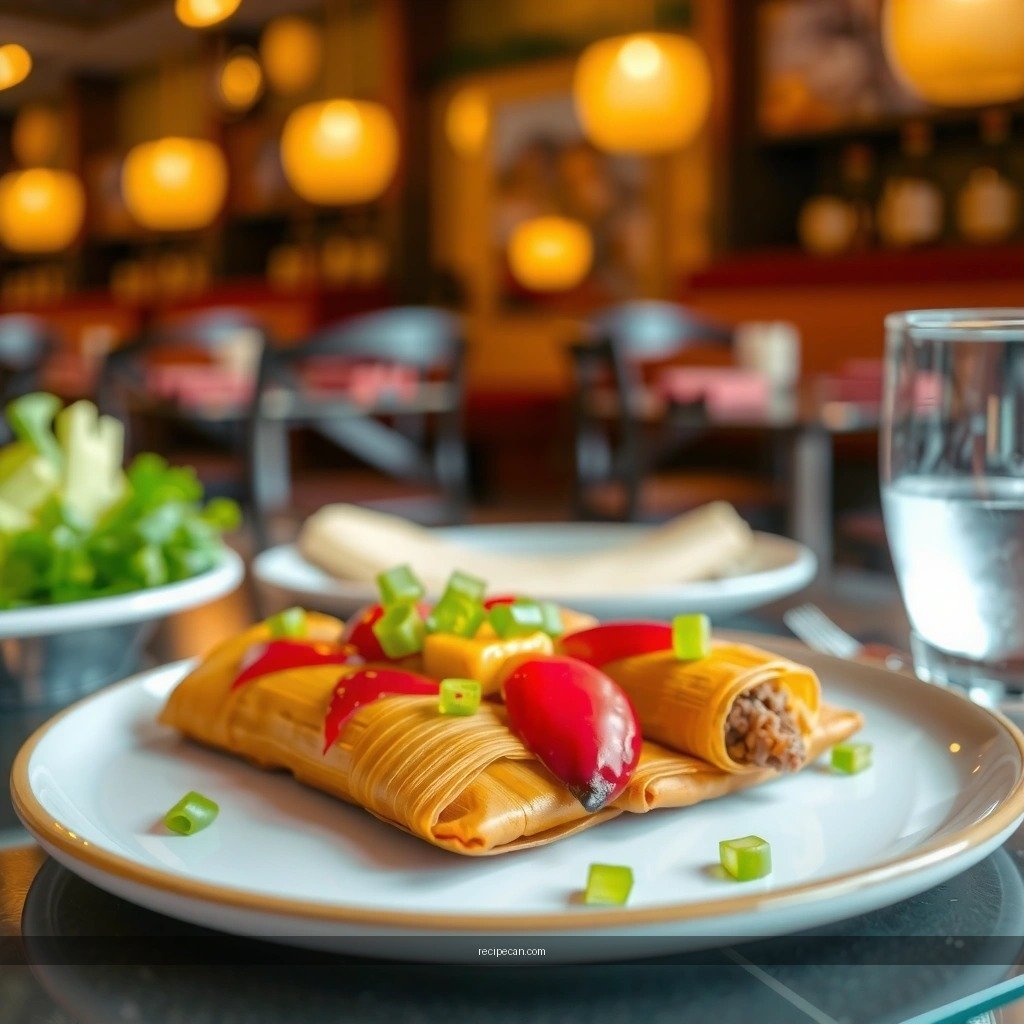
Tamale masa should feel silky, spreadable, and resilient. If it’s too thick, it won’t steam evenly; if it’s too wet, the tamale can become gummy or detach from the husk. For a consistent classic pork tamale, use masa harina and mix carefully with warm fat or broth.
1) Choose your fat and create a smooth base
– Mix masa harina with warm broth and fat (commonly lard, or a neutral high-fat substitute if needed).
– Warming the liquid helps the masa hydrate evenly, reducing lumps and creating a smoother dough.
2) Mix to a “spreadable” texture
Properly mixed masa holds its shape but spreads without tearing the husk.
– If you see dry floury patches: add small splashes of warm broth.
– If it looks runny: add a bit more masa harina and mix until smooth.
3) Season so masa tastes complete
Many people make the mistake of seasoning only the filling. Instead, season the masa itself so it’s balanced on its own. A well-seasoned masa tastes savory and pleasantly corn-forward—never bland, and never overly salty.
Practical seasoning guidance
– Start with salt, then adjust with mild spices (like a touch of cumin or chili powder if your tradition uses it).
– If you like a richer taste, incorporate a small amount of broth seasoning (for example, from your simmered pork pot).
Assemble Pork Tamales
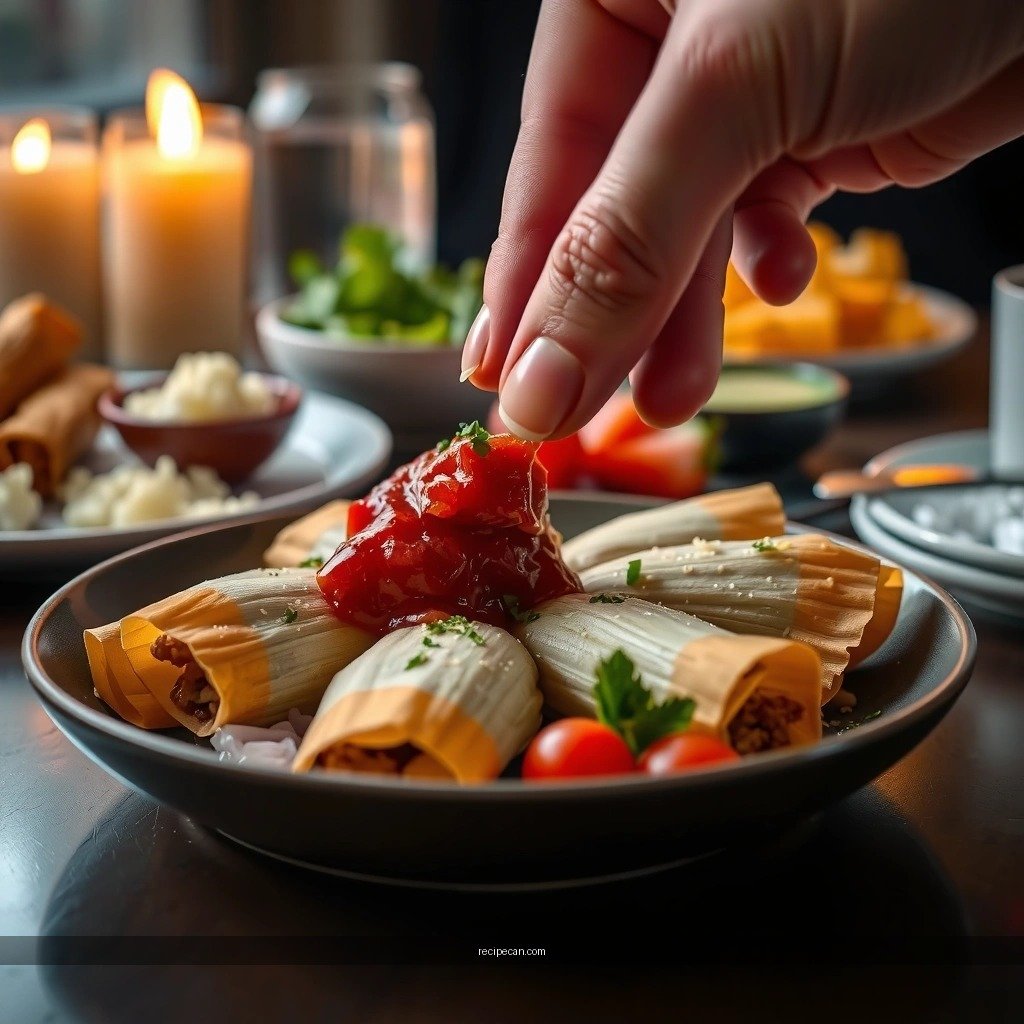
Assembly is where quality becomes visible. Uniform portions and consistent folding help each tamale steam at the same rate—meaning you get tender masa and evenly cooked filling in the same batch.
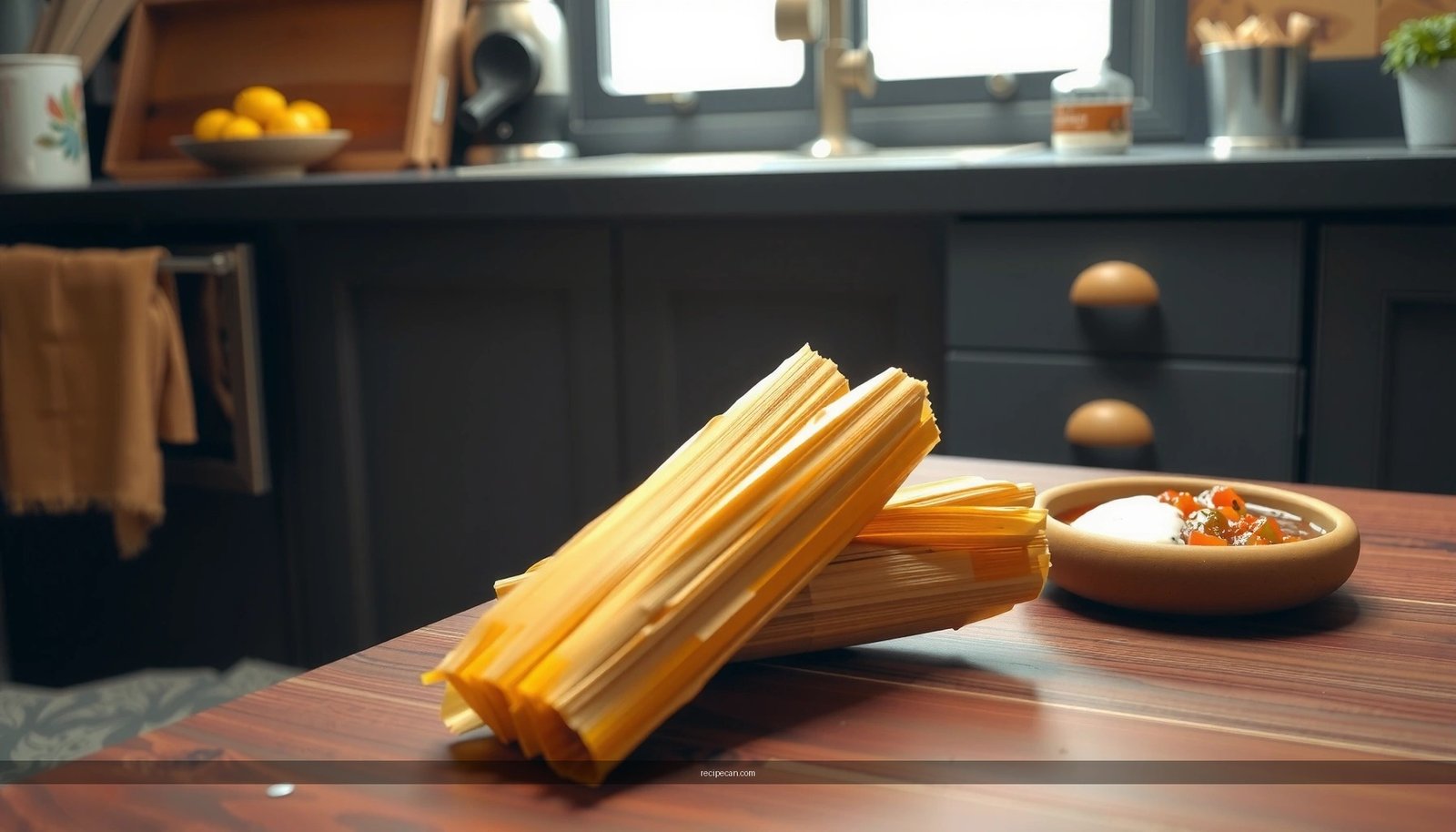
1) Soak corn husks correctly
Soaked husks should be pliable enough to fold without cracking, but not soggy to the point they tear.
– Soak until flexible and able to bend around the filling.
– If husks are still stiff, add additional soaking time.
– Pat off excess water so they don’t dilute the masa.
2) Spread masa evenly
– Lay a husk flat, spread masa in a thin, consistent layer.
– Leave a border so you can seal the tamale securely.
3) Add filling without overstuffing
A classic workflow is:
– Portion filling in the center.
– Avoid dumping too much; excess filling can prevent sealing and may cause leakage during steaming.
4) Fold and tie consistently
Whether you use a traditional fold or tie method, consistency is the key:
– Fold the husk so seams face inward or stay tightly closed.
– Tie with kitchen string if your method calls for it.
– Keep the size similar across tamales for consistent steaming.
Steam the Tamales
Steaming is both science and craft. The goal is gentle, steady heat that fully cooks the masa while preventing drying or uneven texture.
1) Set up a reliable steamer
– Use a steamer pot with a rack if possible.
– Add water below the rack and maintain simmering steam during cooking.
– Steam in batches if your pot is small—overcrowding reduces steam flow and can lead to undercooked centers.
2) Maintain water level throughout
– Check periodically.
– Replenish boiling water as needed to prevent the pot from running dry or cooling too much.
– Think of this as “time plus temperature stability.” Consistency matters.
3) Test doneness the traditional way
Classic doneness signals include:
– Masa pulls away easily from the husk edges.
– The tamale feels set—no wet, tacky center.
– If you open one, masa should look uniformly cooked, with a firm but tender structure.
Estimated Steaming Time by Batch Size
| # | Batch Size | Typical Time | Steam Strategy | Cook Confidence |
|---|---|---|---|---|
| ★ | 12–16 tamales | 75–90 min | Most even steam flow | High |
| 2 | 17–24 tamales | 90–105 min | Check water at 45–55 min | Medium-High |
| 3 | 25–32 tamales | 105–125 min | Replenish boiling water twice | Medium |
| 4 | 33–40 tamales | 125–145 min | Rotate tamales once mid-steam | Lower |
| 5 | Thick-cut or extra-large husks | +10–20 min | Test one tamale early | Medium-High |
| 6 | Frozen filling used | +5–15 min | Steam until center is fully set | Variable |
| 7 | Altitude (mile-high+) | +10–25 min | Prioritize “pull-away” test | Lower |
Serve and Store
Tamales are at their best right after steaming, when the masa is freshly set and the pork filling is warm and aromatic.
1) Serve hot with classic toppings
Popular serving style includes:
– Salsa (mild or roasted)
– Mexican crema or sour cream
– Sliced onions and/or cilantro
– Optional: lime wedges for brightness
2) Cool properly before storage
Let tamales cool slightly so condensation doesn’t make the masa soggy in the container.
3) Refrigerate or freeze for make-ahead meals
– Refrigerate in an airtight container for short-term use.
– Freeze tamales wrapped individually (or in layers) so you can reheat only what you need.
– Reheat gently—steaming is ideal for preserving texture, but a microwave with a damp cover can work in a pinch.
– Goal: heat through without drying out the masa.
Troubleshooting Tips
Even experienced cooks run into issues with homemade pork tamales. The good news: most problems have straightforward fixes.
– If masa is too dry or cracks:
Add small amounts of warm liquid (broth or water) and mix thoroughly. Cracking usually means the dough didn’t fully hydrate or was mixed too stiff. Work patiently—make small adjustments, then rest and remix.
– If tamales are undercooked:
Increase steaming time and verify consistent heat. Also check your water level: if the pot temperature drops, the masa may never fully set. Use the “pull-away” test from husk edges as your primary indicator.
– If filling leaks out during steaming:
You likely overfilled or didn’t seal the husk tightly. Next time, reduce the portion size and ensure the seam is closed before tying.
– If tamales turn out gummy:
This can come from overly wet masa or excessive liquid trapped during steaming. Aim for spreadable, not runny dough, and keep steaming steady rather than harsh boiling.
Pork tamales come together with three key steps: flavorful pork filling, well-mixed masa, and proper steaming. Follow the layout above to get tender tamales every time—then make a few extra, refrigerate or freeze them, and enjoy an easy next-day meal.
Frequently Asked Questions
What is the best pork tamale recipe for beginners?
A beginner-friendly pork tamale recipe uses a simple, flavorful pork filling (like shredded pork cooked with chili sauce, garlic, cumin, and oregano) and a consistent masa dough made with pork lard or vegetable shortening. Choose a tested masa ratio (water to masa harina) so the dough forms easily and doesn’t crack when steamed. Using dried corn husks that soak properly helps prevent tears, making it easier to assemble neat tamales.
How do you make pork tamale filling from scratch?
Start by cooking pork shoulder (or pork butt) until tender, then shred it and mix with a mild-to-spicy red or green chili sauce. Season the pork with garlic, onion, cumin, salt, and a little broth from the cooked meat to keep the filling moist. For authentic pork tamales, simmer the mixture briefly so the flavors meld, then cool slightly before assembling.
Why do my pork tamales come out dry or tough?
Dry or tough pork tamales usually come from either overcooking or masa that’s too dry—often caused by incorrect masa harina to liquid ratios. Make sure your dough is spreadable and has a soft, cohesive texture, and steam tamales enough to fully set the masa without letting them dry out. Also avoid skimping on pork fat or moisture in both the masa and the pork filling, since tamales rely on steam and internal moisture for a tender result.
Which chili peppers are best for pork tamales?
Many people use dried guajillo and ancho chilies for a classic pork tamale flavor because they provide mild heat and deep sweetness. For more spice, add dried arbol chilies in small amounts, then taste and adjust before blending into a sauce. Soak the chilies until soft, blend smooth with garlic and broth, and strain if you prefer a silky filling.
How long should pork tamales be steamed, and how do you know they’re done?
Steam pork tamales for about 60–90 minutes, depending on tamale size and how hot your steamer runs. They’re done when the masa pulls away slightly from the husk and feels set but not sticky—many cooks also check by tearing one open to confirm the center is fully cooked. Let them rest 15–20 minutes after steaming so they firm up and are easier to handle.
References
- Tamale
https://en.wikipedia.org/wiki/Tamale - https://en.wikipedia.org/wiki/Tamal_de_puerco
https://en.wikipedia.org/wiki/Tamal_de_puerco - Masa
https://en.wikipedia.org/wiki/Masa_harina - Pork
https://en.wikipedia.org/wiki/Pork - https://www.britannica.com/topic/tamale
https://www.britannica.com/topic/tamale - Google Scholar Google Scholar
https://scholar.google.com/scholar?q=pork+tamales+recipe - Google Scholar Google Scholar
https://scholar.google.com/scholar?q=tamal+de+puerco+masa+harina+recipe - Google Scholar Google Scholar
https://scholar.google.com/scholar?q=traditional+tamales+technique+homemade+recipe+meat+filling - Google Scholar Google Scholar
https://scholar.google.com/scholar?q=handmade+masa+tamales+steaming+corn+husks+pork - Google Scholar Google Scholar
https://scholar.google.com/scholar?q=pork+tamale+recipe