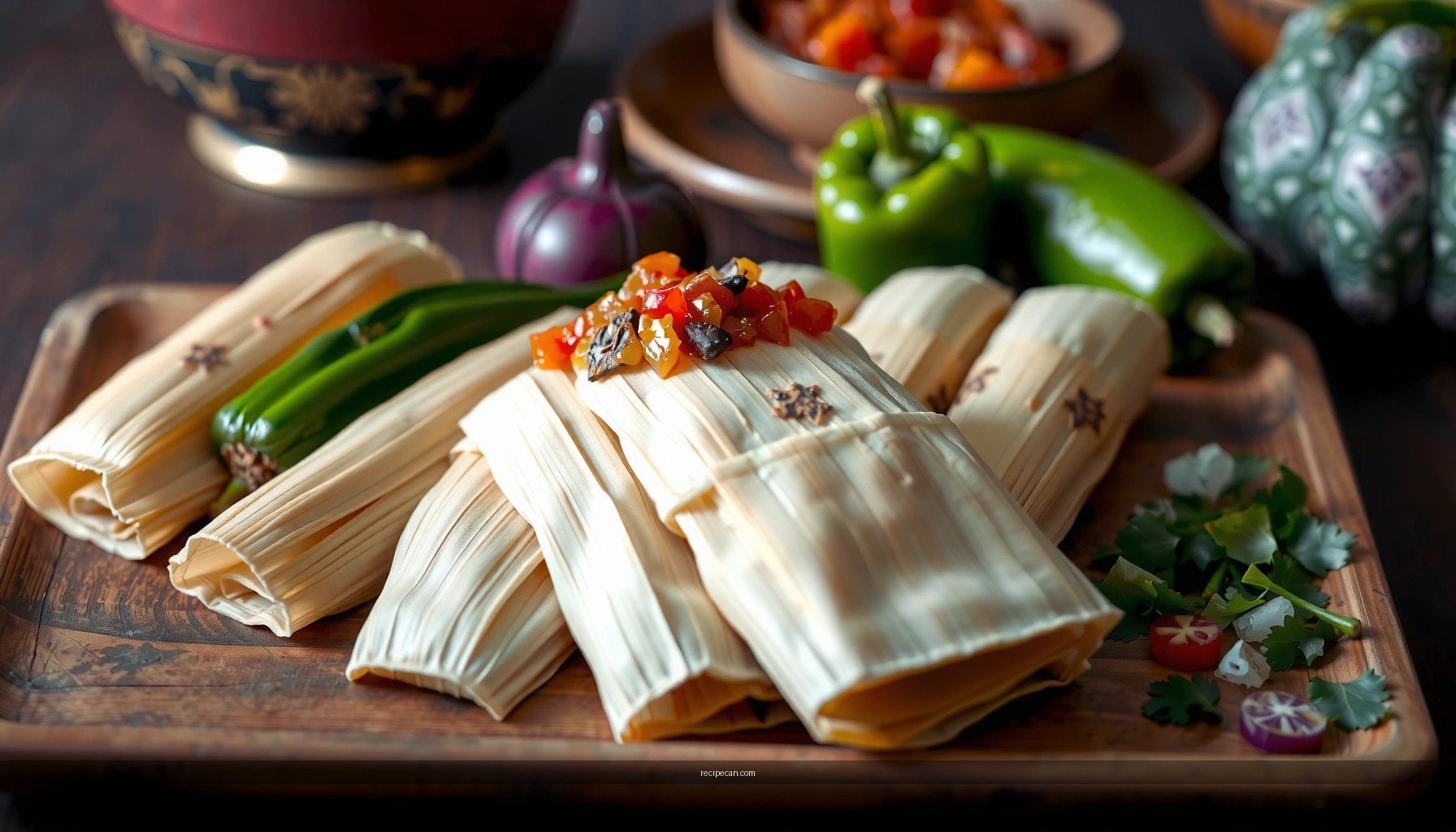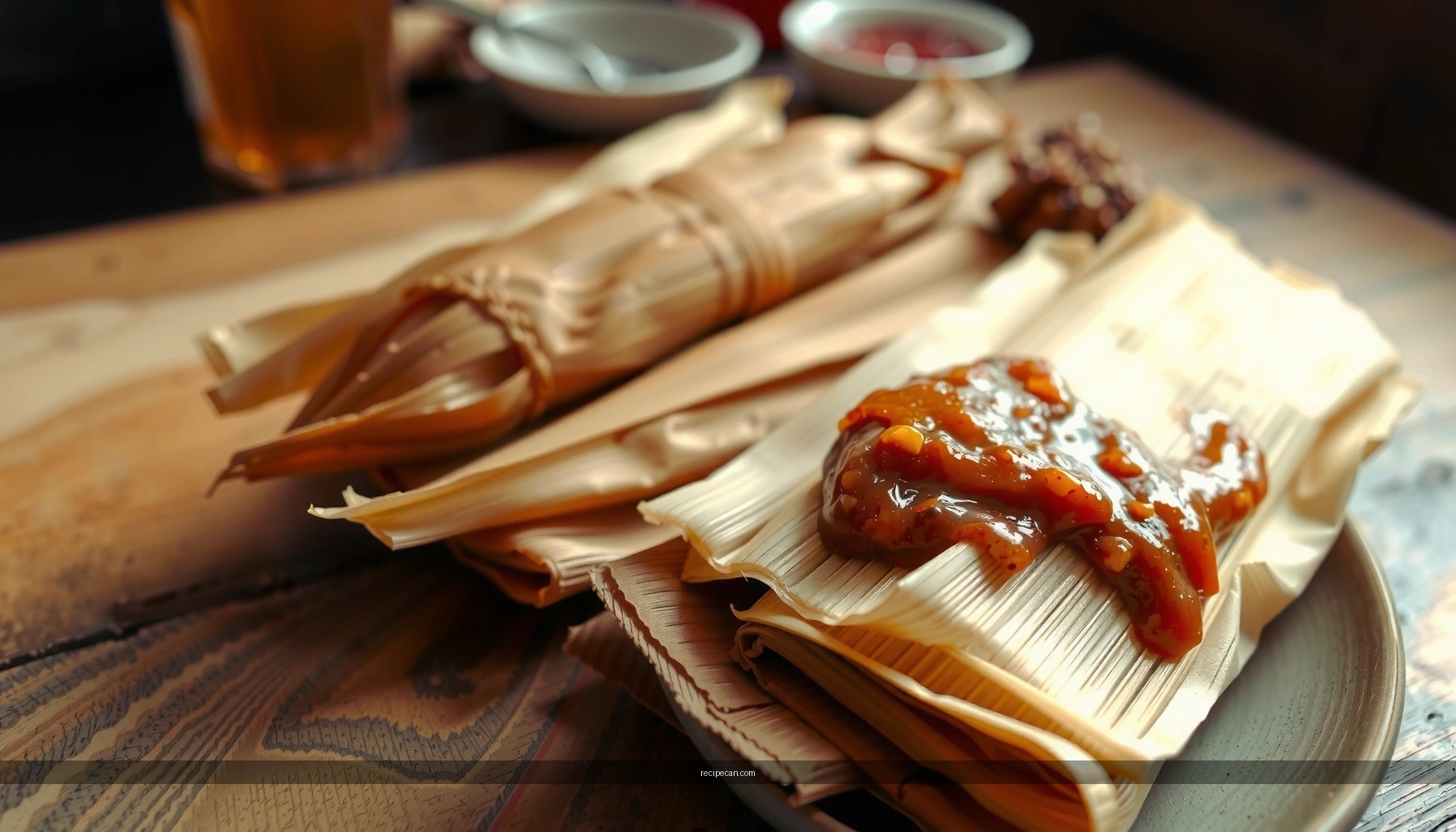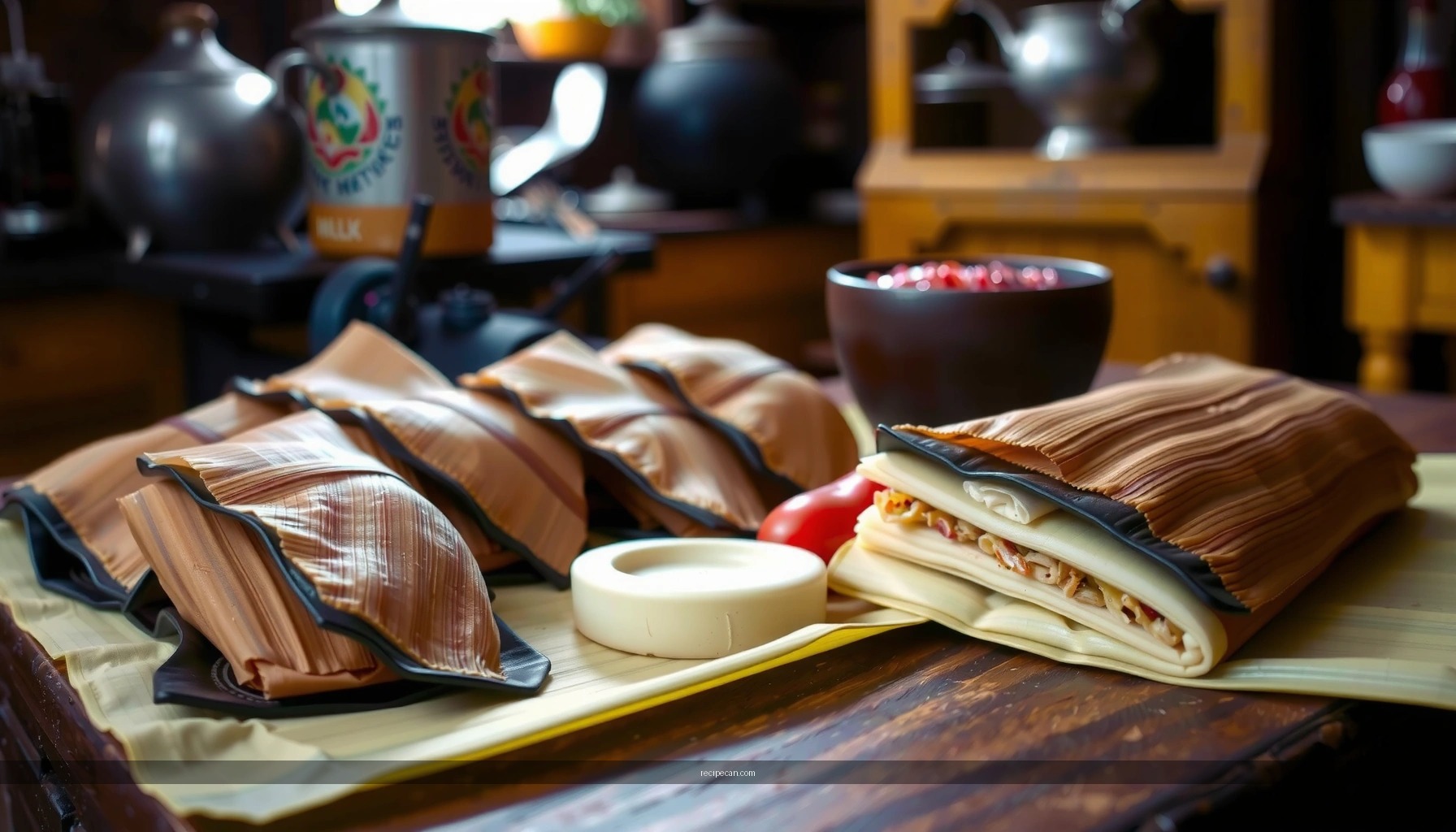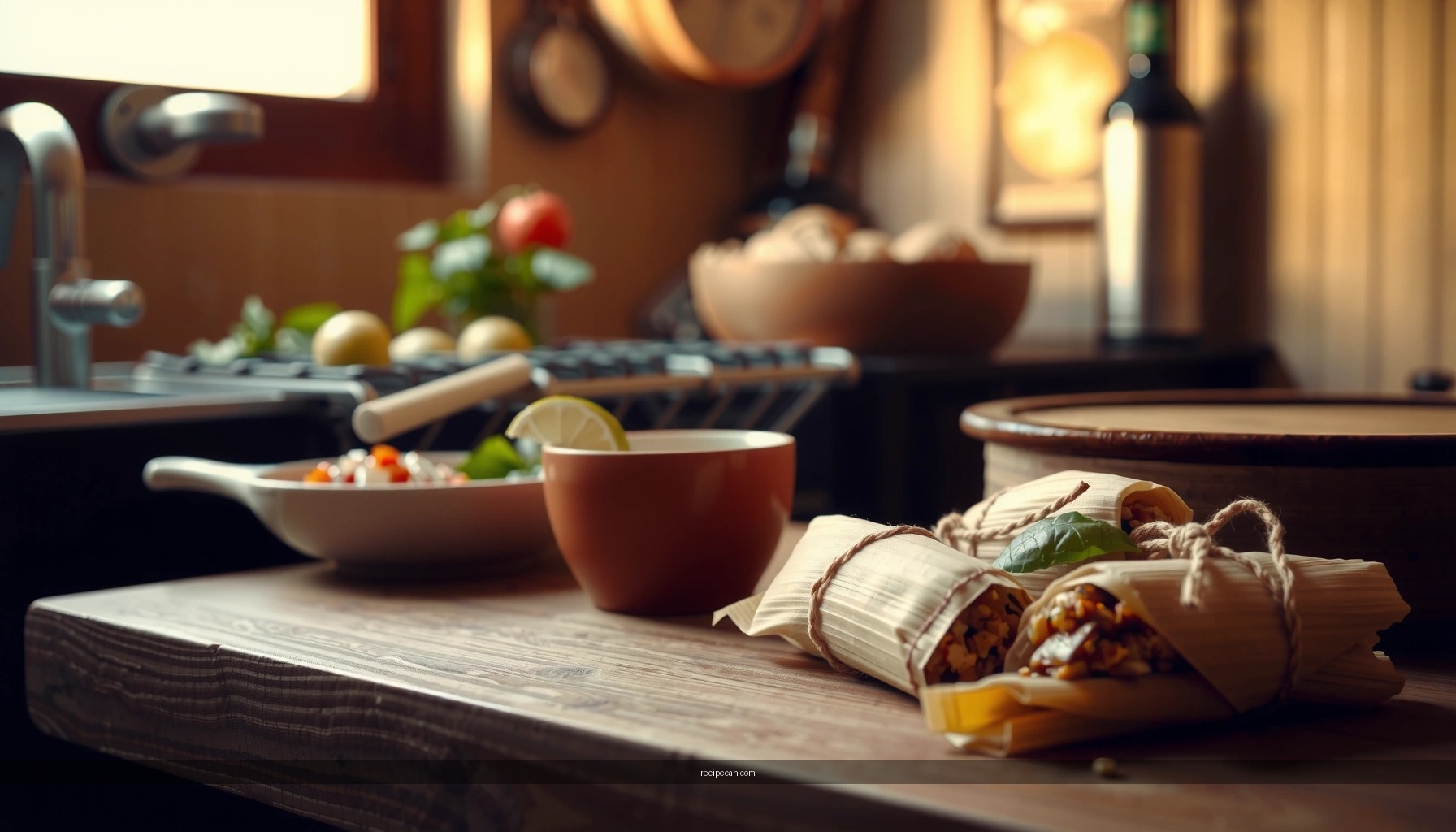
This chicken tamale recipe delivers classic, properly wrapped tamales with tender chicken filling and masa that turns out reliably—no guesswork required. You’ll get the exact steps for making the filling, seasoning the masa, assembling, and steaming until they’re ready to eat. If you want the straight answer to how to make chicken tamales at home the right way, this is your guide.
Skip store-bought—this chicken tamale recipe shows you how to make tender tamales with flavorful shredded chicken, masa, and simple assembly steps, so you can reliably serve restaurant-style tamales at home. You’ll get the practical ratios for great masa consistency, clear guidance on seasoning the filling, and a steaming timeline that helps the masa cook through and “set” without drying out.
Gather Ingredients for Chicken Tamales
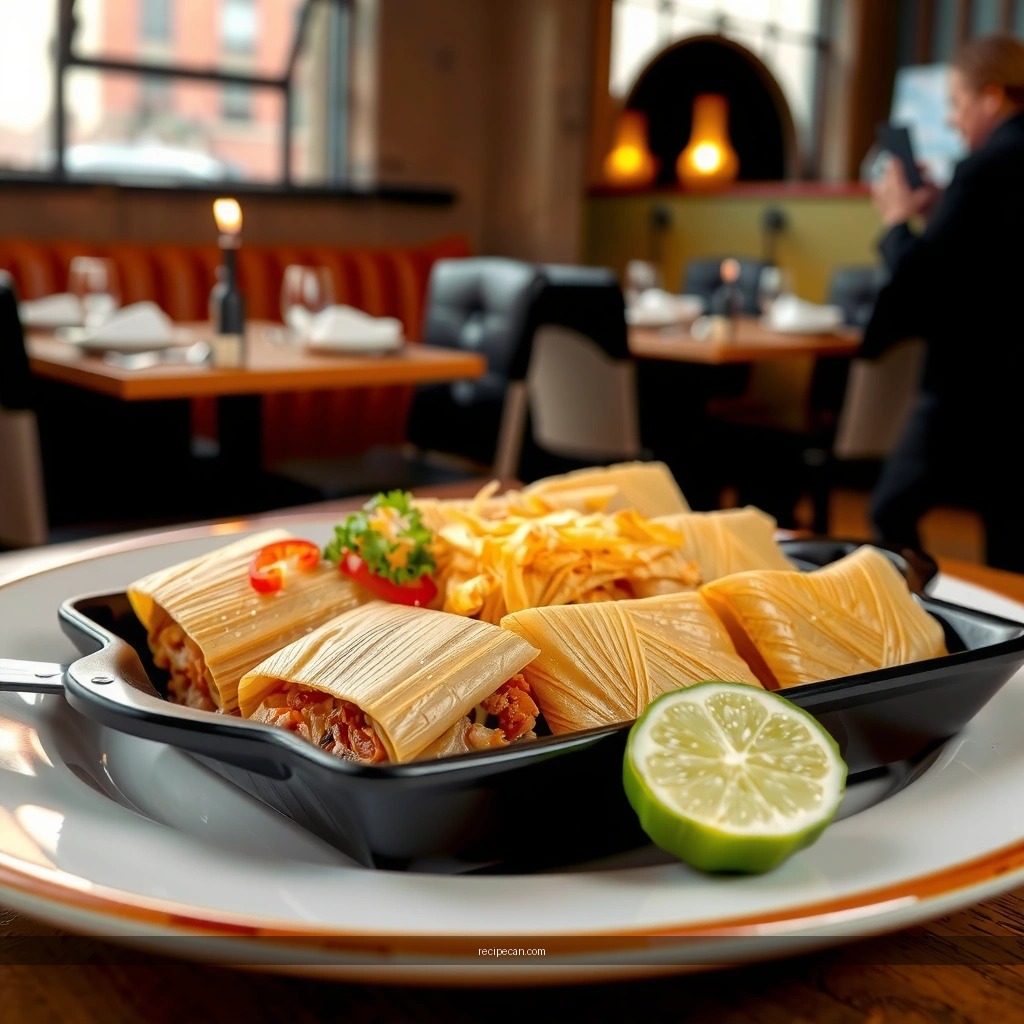
Classic chicken tamales start with two building blocks: well-hydrated masa and a filling that’s bold enough to season the entire bite. Before you cook, confirm you have everything organized—corn husks (or alternatives) and quality masa harina make the process smoother.
Core ingredients for the tamale masa
– Masa harina (corn flour): The foundation of tamales; use a tamale-specific masa harina if available, but regular masa harina works if it’s intended for tortillas/tamales.
– Warm broth/stock (chicken or vegetable): Instead of water, warm stock deepens flavor and improves masa richness.
– Fat (lard or neutral oil): Adds tenderness and a smoother texture. Lard typically yields the most classic, plush mouthfeel.
Core ingredients for the chicken filling
– Cooked shredded chicken: Rotisserie chicken works in a pinch, but shredding chicken you cooked yourself tends to deliver better depth.
– Aromatics: Onion and garlic are non-negotiable for a classic savory base.
– Chili profile: Use chili powder plus mild-to-medium chili sauce (or a blend) to create flavor without overwhelming heat.
– Seasonings: Salt is essential; spices (like cumin and Mexican oregano) round out the profile.
Husks and steaming setup
– Dried corn husks: Soak until pliable (usually 1–2 hours in warm water). If husks are too stiff, masa won’t fold cleanly.
– Steaming equipment: A steamer pot with a rack is ideal. Keep water at a gentle simmer.
Tamale Quality Targets for Consistent Results (Homemade Chicken Tamales)
| # | Quality Check | Target | When It Matters | Impact |
|---|---|---|---|---|
| 1 | Masa spreadability | Paddle/knife leaves slow ridges | During assembly | Prevents tearing & uneven cooking |
| 2 | Masa moisture (feel) | Not sticky; holds shape | Right after mixing | Improves tenderness |
| 3 | Filling seasoning | Savory & slightly bold | After shredding | Tamales taste balanced |
| 4 | Husk flexibility | Bends without cracking | Before assembly | Clean folds, secure tamales |
| 5 | Steaming water level | Below rack; gently simmering | During steaming | Even heat, no boil-over |
| 6 | Doneness cue | Masa pulls from husk edges | End of cook time | Cooked, tender texture |
| 7 | First-taste calibration | Taste one tamal early | Mid-to-late steaming | Avoids underseasoned or undercooked batches |
Make the Masa (Tamale Dough)
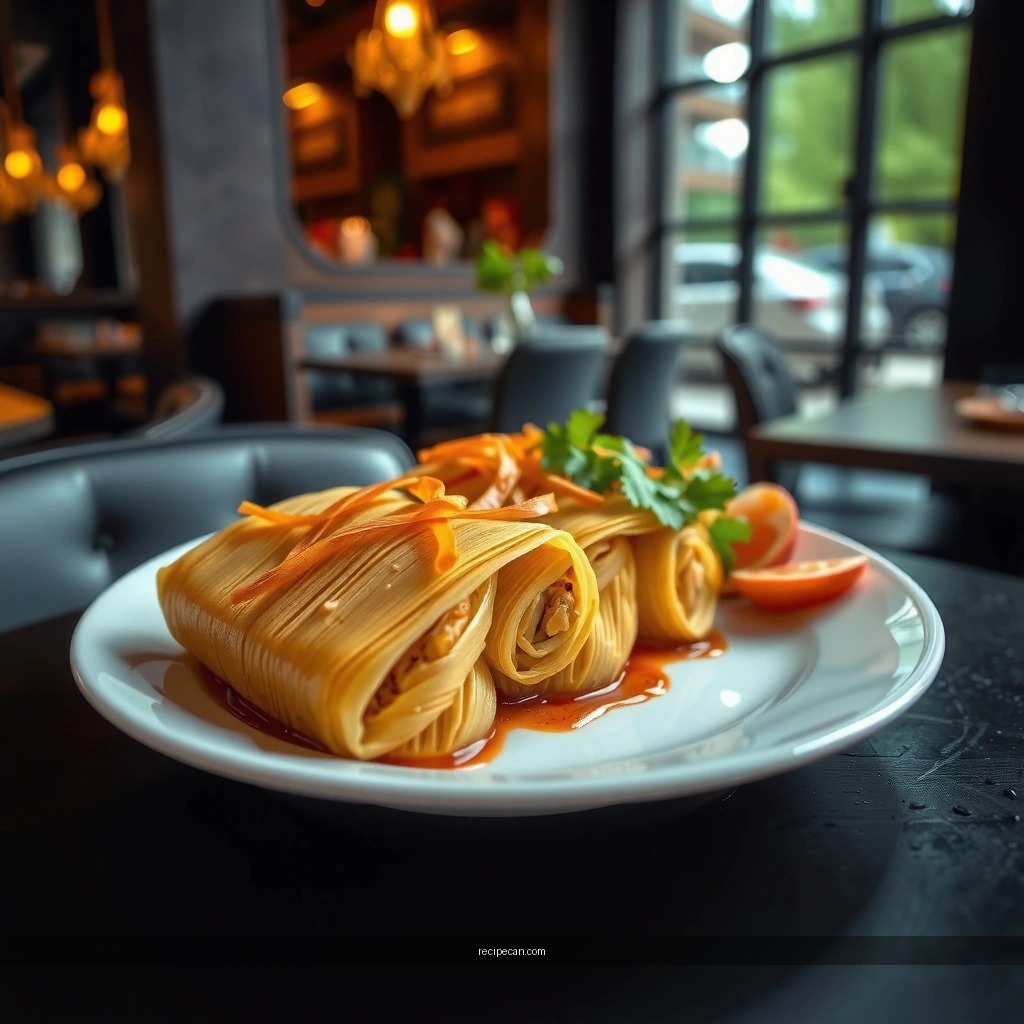
The masa is where most home cooks win—or struggle. Your goal is smooth, spreadable dough that stays pliable on the husk and cooks into a tender, cohesive interior.
1. Rehydrate masa harina with warm broth/stock
– Start with warm stock rather than cold liquid to help the dough hydrate evenly.
– Mix until no dry pockets remain, then beat to incorporate air and improve texture.
2. Adjust consistency precisely
– Masa should spread without running. If it’s too thick, add a little more warm broth. If it’s too loose, add a small amount of masa harina and mix thoroughly.
– A practical test: when you smooth it, it should hold ridges briefly instead of collapsing instantly.
3. Add fat for richness
– Lard gives the most classic flavor and silky mouthfeel; neutral oil is a solid substitute.
– Fold or beat the fat in after the dough is hydrated so it disperses evenly, contributing to a softer bite.
4. Season the masa lightly
– Many recipes rely on the filling for most flavor, but a small amount of salt and aromatics in the masa can elevate the overall taste.
Prepare the Chicken Tamale Filling
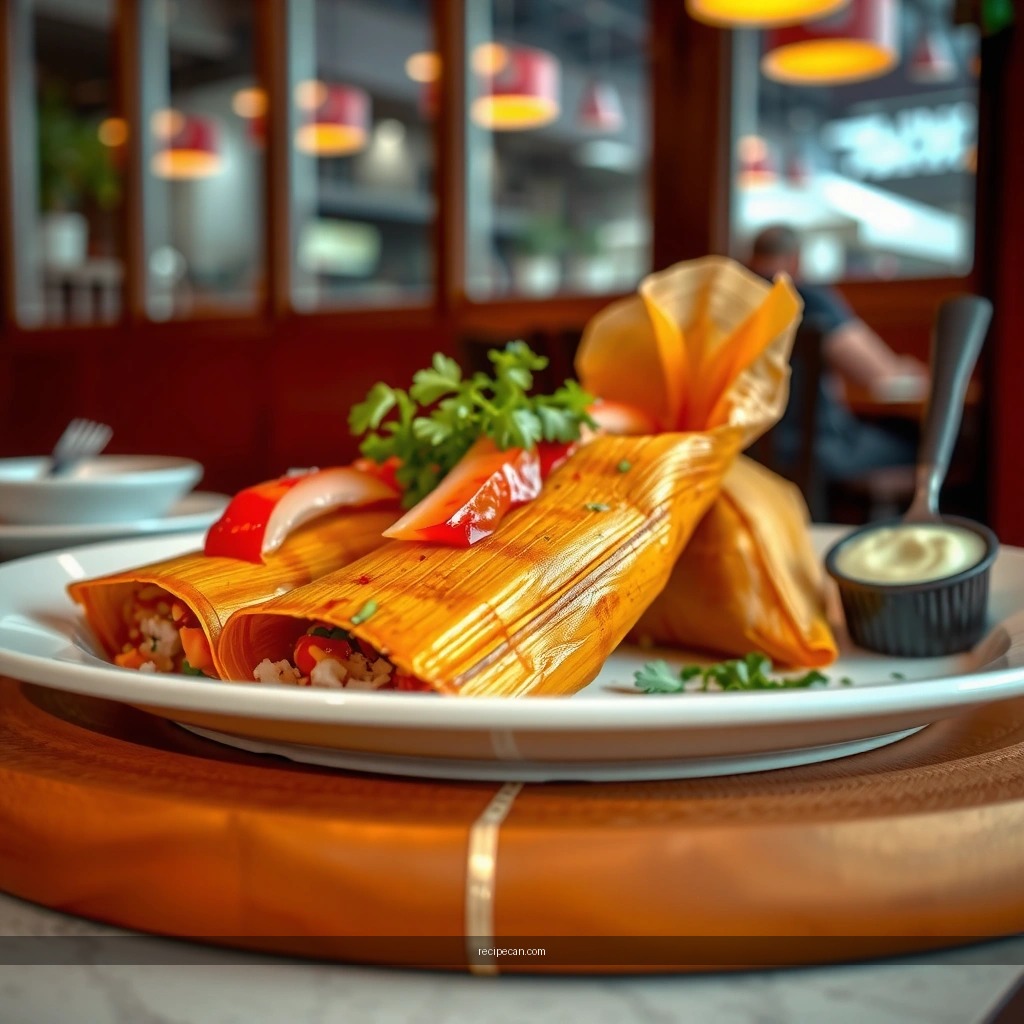
A classic chicken filling is seasoned, cooked until tender, then shredded so every bite has chicken and sauce. The key is balancing “robust” with “not overpowering,” because the masa moderates intensity during steaming.
1. Simmer chicken with aromatics
– Cook chicken with onion, garlic, and salt until fully tender.
– Use enough liquid to keep things moist as it simmers; you’ll later incorporate some sauce and adjust thickness.
2. Build a mild-to-medium chili sauce base
– Blend or stir chili components (for example: chili powder + a mild-to-medium chili sauce such as chipotle in adobo if you want gentle smoky heat).
– Simmer the sauce briefly so flavors meld and the raw chili notes cook out.
3. Combine, shred, and re-season
– Shred chicken while warm for easier texture.
– Mix shredded chicken back with chili sauce so filling is cohesive—neither watery nor paste-dry.
– Taste and correct salt. A well-seasoned filling is crucial; underseasoned chicken is the most common reason tamales taste bland even when the masa is perfect.
4. Optional texture enhancements
– For extra richness, you can add a small spoon of chicken fat or a touch of broth from the pot.
– If you prefer a cleaner bite, keep sauce moderately thick so it doesn’t seep excessively into the masa during steaming.
Assemble the Tamales
Assembly is straightforward once your husks are properly softened and your masa is spreadable. The goal is even thickness and secure folding so steam penetrates consistently.
1. Prepare the husks
– Drain soaked husks and keep them warm and pliable.
– Tear off any tough ends if needed, but avoid damaging the part you’ll wrap with.
2. Spread masa evenly
– Place a husk flat, thick-side up, and spread masa into a rectangle.
– Leave a slight border so folding can seal cleanly.
3. Add a line of chicken filling
– Spoon a line of chicken down the center—enough for flavor in every bite, but not so much that tamales burst during steaming.
4. Fold and secure
– Fold the sides toward the center (or in the direction that matches your husk shape), then fold the bottom up.
– Tie with kitchen string or use a strip of husk if you prefer traditional securing.
– Arrange tamales seam-side down or upright depending on your pot setup so they don’t open.
5. Batch strategy
– If you’re cooking with others, assign roles: one person spreads masa, one fills, one folds/ties, and one stacks in the pot.
– This reduces downtime and helps each tamal start steaming in sequence without drying out.
Steam Tamales to the Perfect Texture
Steaming is the “set and tender” stage. The primary variables are water control, steaming time, and doneness cues—especially whether masa pulls away from the husk.
1. Set up your steamer
– Use a covered pot with a rack.
– Add water below the rack so it creates consistent steam without boiling the tamales directly.
2. Maintain a gentle simmer
– You want steady steam, not rapid boiling.
– If water level drops, carefully add more hot water to prevent temp drops and uneven cooking.
3. Steam until masa cooks through
– Typical ranges can vary by tamal size and masa hydration, but you should plan for about 60–90 minutes as a starting point.
– Check doneness by:
– Looking for masa that feels set (not wet or gummy).
– Checking a tamal: masa should pull away from the husk edges fairly easily.
4. Rest briefly before serving
– After steaming, let tamales rest 10–15 minutes.
– This helps the masa firm up slightly for clean unwrapping and better sliceable texture.
5. Calibration tip (highly recommended)
– Steam one “tester” tamal earlier or check at the mid-point.
– If it’s undercooked, return the rest to steam; if it’s over-done, you’ll at least learn your pot’s timeline for next batch.
Serve and Store Your Chicken Tamales
Tamales are ideal make-ahead food because reheating is part of the normal serving cycle. Serve them hot, with toppings that match the filling’s chili profile.
– Salsa: Choose a salsa verde for bright acidity or a red salsa for deeper chili warmth.
– Crema or sour cream: Adds cooling richness.
– Queso fresco or cotija: Salty, tangy garnish that tightens flavor.
– Extra chili sauce: For heat lovers, drizzle lightly to keep the masa from getting soggy.
How to store
– Refrigerate: Store cooled tamales in an airtight container for up to 3–5 days.
– Freeze: Wrap individually (or in stacked layers with parchment between) and freeze up to 2–3 months for best quality.
How to reheat
– Best method: steaming
– Re-steam until hot throughout (often 10–25 minutes depending on size and whether frozen).
– Microwave (backup)
– Microwave gently with a damp paper towel to prevent drying, then rest briefly.
– For best texture, finish with a short steam if you have the time.
Enjoy your homemade chicken tamales by prioritizing masa consistency (spreadable, not runny), seasoning the chicken filling to taste confidently, and using a reliable steaming method with clear doneness cues. Make a batch, taste one early to confirm flavor, and store the rest for an effortless next meal—then try experimenting with your favorite salsa and chili sauce for new variations.
As a final takeaway, focus on three controllable variables—masa hydration, filling seasoning, and steady steaming. Get those right and you’ll consistently produce tender, classic chicken tamales with bold flavor and a texture that holds up whether served fresh or reheated days later.
Frequently Asked Questions
What is the best chicken tamale recipe for beginners?
A great beginner-friendly chicken tamale recipe uses shredded chicken, a simple red or green chile sauce, and masa harina mixed with warm broth and fat for easy spreading. Choose a medium-cooked consistency so the masa doesn’t tear when you fold the tamales. Start with smaller batches, steam until the masa pulls slightly from the husk, and keep the lid closed to maintain steady steam.
How do I make chicken tamales without dry chicken?
Cook the chicken in broth with aromatics like onion, garlic, and cumin, then shred it while warm so it stays tender. For juicier filling, simmer the shredded chicken briefly with the chile sauce and a little cooking liquid before assembling. You can also add a spoonful of salsa or broth to the filling if it thickens too much while you work.
How long should chicken tamales be steamed, and how do I know they’re done?
Most chicken tamales take about 60–90 minutes to steam, depending on tamale size and how tightly they’re packed. They’re done when the masa is set, pulls away slightly from the corn husk, and a toothpick or knife inserted near the center comes out mostly clean. If masa looks wet or sticky, steam longer in 10–15 minute increments, checking periodically.
Why does my masa crack or come out too sticky for chicken tamales?
Cracking usually happens when the masa is too dry, so add warm broth gradually until it’s smooth and spreadable. Stickiness often comes from using cold liquid, overmixing, or adding too much moisture—aim for a soft dough that holds shape. Many cooks also use a spoon test: the masa should be easy to spread without sliding off the husk, which helps prevent uneven cooking.
Which corn husks are best for chicken tamales, and how do I prep them?
Use dried corn husks labeled as suitable for tamales, then soak them in warm water for 30–60 minutes (or until pliable). If they’re not fully softened, they can tear when you fold, affecting the structure of your chicken tamales. After soaking, pat off excess water so the husks don’t leave too much moisture and so the tamales steam evenly.
References
- Google Scholar Google Scholar
https://scholar.google.com/scholar?q=chicken+tamale+recipe - Google Scholar Google Scholar
https://scholar.google.com/scholar?q=tamales+de+pollo+masa+harina+recipe - Google Scholar Google Scholar
https://scholar.google.com/scholar?q=nixtamalization+masa+tamales+corn+dough+steaming - Tamale
https://en.wikipedia.org/wiki/Tamale - Masa
https://en.wikipedia.org/wiki/Masa_harina - Nixtamalization
https://en.wikipedia.org/wiki/Nixtamalization - https://en.wikipedia.org/wiki/Hoja_de_ma%C3%ADz
https://en.wikipedia.org/wiki/Hoja_de_ma%C3%ADz - Husk
https://en.wikipedia.org/wiki/Corn_husk - https://es.wikipedia.org/wiki/Tamal_de_pollo
https://es.wikipedia.org/wiki/Tamal_de_pollo - https://www.britannica.com/topic/tamale
https://www.britannica.com/topic/tamale