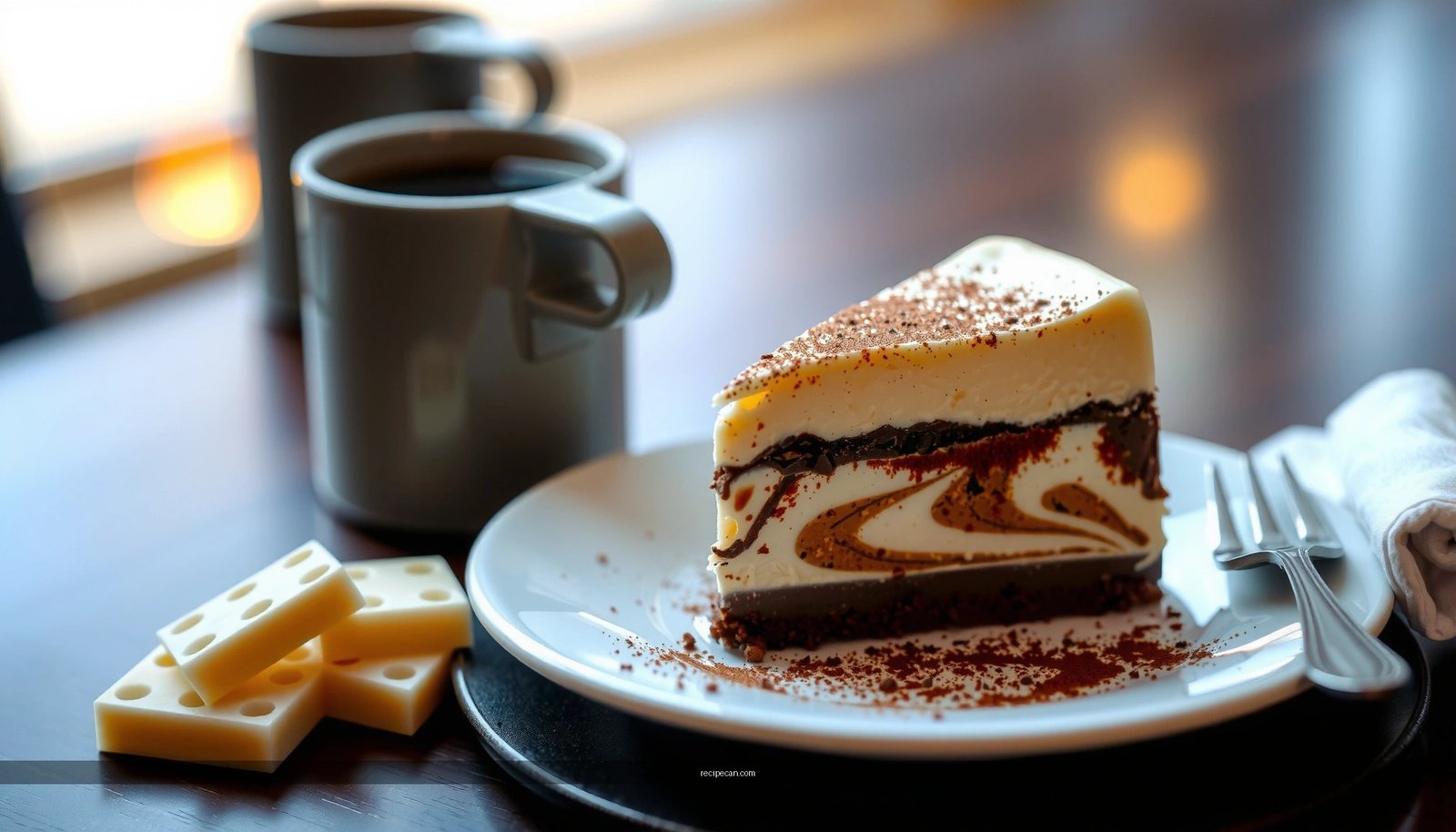
If you want a tiramisu with eggs recipe that delivers classic, creamy results, this is the one to follow. It shows how to cook the yolks into a silky zabaglione-style base, then fold it into mascarpone for a dessert that tastes rich without being heavy. You’ll get clear steps for assembling coffee-soaked layers and setting the tiramisu so it slices cleanly—easy enough for weeknights, impressive enough for guests.
Tiramisu with eggs delivers a classic, silky texture by turning egg yolks into a thick, glossy custard-style base and folding it into mascarpone—then layering it with quick coffee-soaked ladyfingers. Use the steps below for reliable results: smooth yolks, stable filling, careful assembly, and thorough chilling for clean slices and true tiramisu flavor.
Tiramisu’s signature appeal is its contrast: tender, coffee-kissed layers against a rich, creamy filling with an aromatic cocoa finish. When you add eggs, the dessert becomes even more custard-like—creamy but still structured—so you’re not just eating “cream on cookies,” you’re enjoying a cohesive dessert with a spoonable yet sliceable set. This recipe focuses on the “why” behind each step so you can consistently reproduce the best texture and flavor, even if you’re new to egg-based desserts.
Ingredients for Tiramisu with Eggs

– Gather mascarpone, egg yolks, sugar, coffee, ladyfingers, and cocoa powder
– Add optional flavorings like vanilla or a splash of coffee liqueur
– Use strong, cooled coffee for the soaking step
To make classic tiramisu with eggs, you’ll want ingredients that support two goals: a stable egg yolk–mascarpone emulsion and ladyfingers that soften quickly without collapsing. Here’s what to plan for:
Core ingredients (classic structure)
– Mascarpone (full-fat, chilled): The foundation of the creamy filling. Cold mascarpone holds shape better and reduces the risk of a loose mixture.
– Egg yolks: Provide custard richness and thickness. Use fresh, properly handled eggs for food safety and the best flavor.
– Sugar: Sweetens and helps stabilize the yolk mixture. Granulated sugar dissolves best when whisked over time.
– Strong coffee: Espresso or strong brewed coffee gives a deeper bitterness that balances sweetness.
– Ladyfingers (savoiardi): Best for their porous structure—coffee soaks in quickly while still holding form.
– Unsweetened cocoa powder: For bitterness and visual finishing. Dutch-process cocoa is especially common for a smooth, dark top.
Optional flavor enhancements (small choices, big payoff)
– Vanilla extract (1–2 tsp): Adds warmth that complements coffee without overpowering.
– Coffee liqueur (optional): A small splash (e.g., 1–2 tbsp) in the coffee intensifies the aroma.
– Pinch of salt: A professional trick—just a small amount can make the yolk and mascarpone flavors taste “rounder.”
Coffee soaking strategy
Use strong coffee that’s cooled to room temperature or slightly cool. Hot coffee can melt mascarpone filling during assembly by warming everything too quickly, and it can oversaturate ladyfingers.
Key Steps for Tiramisu with Eggs: Time & Temperature Targets
| # | Process Step | Target Time | Target Temperature | Outcome Quality |
|---|---|---|---|---|
| 1 | Whisk egg yolks + sugar | 5–7 min | Warm but not hot (~30–35°C) | ★ Stabilized & pale |
| 2 | Fold mascarpone into yolks | 2–4 min | Cold/room-cool (≤20°C) | ★ Thick, glossy cream |
| 3 | Coffee cooling before dipping | 15–25 min | Room temp (~20–24°C) | ★ Balanced bitterness |
| 4 | Dip ladyfingers | 1–2 sec per side | Coffee 20–24°C | ★ Soaked, not mushy |
| 5 | Initial chill after assembly | 2–4 hours | Refrigerated (≤4°C) | ★ Layers set & hold |
| 6 | Flavor meld (best taste window) | 8–24 hours | ≤4°C | ★ Best coffee–cream integration |
| 7 | Cocoa timing (final finish) | Right before serving | Cold dessert | ★ Prevents cocoa dissolving |
How to Make the Egg Cream Filling
– Whisk egg yolks with sugar until smooth and pale
– Fold the mixture into mascarpone until thick and creamy
– Keep the filling well chilled for easier layering
The egg cream filling is where tiramisu with eggs becomes unmistakably “classic.” Done correctly, it’s glossy, thick, and aerated enough to spread cleanly—without turning grainy or curdled.
1) Whisk egg yolks and sugar until pale and smooth
Start with room-temperature sugar and yolks (cold yolks can whisk unevenly). Whisk until the mixture looks paler and thicker, and you no longer see distinct sugar granules. This matters because:
– Dissolved sugar helps the yolk emulsion stay stable.
– Whisking incorporates air for a lighter mouthfeel.
Analytical note: You’re not trying to “cook” the yolks; you’re building viscosity and stability before combining with mascarpone. If you overheat yolks, proteins can coagulate too aggressively and create a grainy filling.
2) Fold into mascarpone gently
Add mascarpone in stages and fold rather than beat. The goal is to maintain a creamy structure:
– Too much mixing can loosen the mascarpone or make the filling feel heavy and dense.
– Gentle folding preserves thickness.
3) Chill to improve assembly performance
Once combined, refrigerate briefly—often 30–60 minutes—so the filling becomes easier to layer. In practice, this step reduces smearing and helps the tiramisu set cleanly into slices.
Assemble the Layers (Step-by-Step)

– Quickly dip ladyfingers in coffee—don’t soak too long
– Layer ladyfingers, then spread the mascarpone-egg cream evenly
– Repeat layers and finish with cocoa powder on top
Assembly is simple, but it’s also where many tiramisu recipes fail. The classic texture depends on moisture control: the coffee should penetrate ladyfingers, not flood them.
Step-by-step assembly method
1. Prepare your dish. Use a baking dish or loaf pan so you can portion cleanly. A glass dish helps you see even layering.
2. Dip ladyfingers quickly. Dip each side in cooled coffee for about 1–2 seconds. You want them pliable but intact.
3. First layer. Arrange dipped ladyfingers snugly to cover the base.
4. Spread egg cream evenly. Add mascarpone-egg filling and level it with a spatula. Don’t press aggressively—spreading gently protects the ladyfinger structure.
5. Repeat layers. Add another coffee-dipped layer and then another layer of cream.
6. Finish with cocoa. Dust the top with cocoa powder.
Texture control guidance
If your ladyfingers appear torn or collapsing, you likely dipped too long or used coffee that was too hot. If the layers seem too dry, dip slightly longer next time or ensure your coffee is strong enough to add flavor without relying on extra sugar.
Key Tips for Safety and Texture
– Use fresh, properly handled eggs and avoid leaving the dessert at room temp
– Chill thoroughly so the layers set and the flavors meld
– Aim for thick cream—overmixing can affect texture
Because this is an egg-based dessert, safety and stability are not optional—they directly affect eating quality.
Food safety essentials for egg-based tiramisu
– Use fresh eggs and keep them refrigerated until use.
– Avoid leaving assembled tiramisu at room temperature. Egg desserts can enter the “danger zone” quickly when exposed to warmth.
– Chill promptly after assembly and serve cold.
If you’re serving guests, plan your timeline so the dessert spends minimal time out of the fridge. A professional cadence looks like: assemble → immediate chill → transport chilled → plate and serve quickly.
Texture optimization: why chilling is essential
Chilling does more than firm the dessert. It:
– Helps the egg-cream filling set and stabilize.
– Allows coffee moisture to redistribute gently.
– Integrates flavors so each bite tastes uniformly “tiramisu,” not separate components.
For best results, aim for 8–24 hours in the fridge before serving when possible.
Prevent common filling issues
– Grainy filling: typically from overcooking or heating the yolk mixture. Keep whisking time efficient and avoid warming beyond the pale, smooth stage.
– Loose filling: often from overmixing or mascarpone not chilled. Fold gently and chill briefly before assembly.
– Mushy layers: over-soaked ladyfingers or weak coffee. Dip quickly and use strong, cooled coffee.
Serving and Storage
– Serve chilled for the best flavor and firm slice
– Store covered in the fridge for up to 2–3 days
– Add extra cocoa just before serving if you like a stronger finish
Serve tiramisu with eggs cold for the best balance of flavor and structure. The creamy filling firms in the fridge, making it easier to slice without collapsing the layers.
Serving best practices
– Dust cocoa at the last moment if you want a crisp, clean cocoa top. Cocoa can absorb moisture over time.
– For clean slices, use a sharp knife and wipe it between cuts.
Storage guidelines
– Cover tightly and refrigerate for up to 2–3 days.
– Texture may soften slightly after day two as the coffee continues to migrate through the layers, but flavor typically remains strong if properly chilled.
If you plan ahead: Assemble one day prior to serving. That timeline produces the most classic, cohesive tiramisu flavor—coffee aroma throughout, cream set properly, and layers that hold.
Tiramisu with eggs is all about a smooth egg-yolk mascarpone cream, quick coffee-soaked layers, and plenty of chilling time. Follow the steps above to get a classic, creamy result—then make a batch, chill it, and serve it to impress your family or guests.
Frequently Asked Questions
What is the classic tiramisu with eggs recipe and how is it different from eggless tiramisu?
A classic tiramisu with eggs recipe uses a yolk-based custard (often made with sugar and sometimes marsala or coffee) that’s folded into whipped mascarpone. This creates a richer, smoother texture and a more “custardy” flavor than eggless tiramisu. Eggless versions typically rely on whipped cream or additional mascarpone for structure, so the mouthfeel may be lighter.
How do you make tiramisu with eggs safely without scrambling the yolks?
Use gentle heat and whisk constantly when tempering or heating the egg yolks to make the sabayon or custard base. Keep the mixture below a simmer (around 160–170°F / 71–77°C) and remove it as soon as it thickens enough to coat a spoon. If you’re unsure, tempering—slowly adding hot liquid to yolks—reduces the risk of scrambling, resulting in a silky tiramisu filling.
Why do tiramisu recipes with eggs call for chilling before serving?
Chilling helps the mascarpone-egg mixture set properly and allows the flavors to meld. It also gives the ladyfingers time to absorb espresso and any alcohol, so the tiramisu with eggs tastes balanced rather than watery. For best results, refrigerate at least 4–6 hours, and overnight for a firmer, more cohesive dessert.
What’s the best type of eggs to use for tiramisu and how should you store it?
For tiramisu with eggs, use fresh, high-quality eggs and keep them refrigerated until use. Once assembled, store tiramisu in a covered container in the fridge and consume within 2–3 days for best texture and food safety. If you’re using a raw or lightly cooked egg preparation, chilling becomes even more important.
Which ingredients pair best with a tiramisu with eggs recipe for flavor—espresso, coffee, or liquor?
Espresso is the most common choice because it’s strong, aromatic, and cuts through the richness of mascarpone and egg custard. Many recipes also add a splash of coffee liqueur (like Kahlúa) or marsala wine for warmth and depth, but keep it modest so the flavor doesn’t overwhelm the creaminess. If you prefer no alcohol, use extra-strong brewed espresso or a mix of coffee and a small amount of vanilla to maintain the classic tiramisu flavor.
References
- https://en.wikipedia.org/wiki/Tiramisu
https://en.wikipedia.org/wiki/Tiramisu - Eggs as food
https://en.wikipedia.org/wiki/Egg_as_food - Mascarpone
https://en.wikipedia.org/wiki/Mascarpone - Eggs as food
https://en.wikipedia.org/wiki/Raw_egg - Tiramisu | Meaning, Ingredients, Origin, Desserts, & Taste | Britannica
https://www.britannica.com/topic/tiramisu - Google Scholar Google Scholar
https://scholar.google.com/scholar?q=tiramisu+recipe+egg+yolk - Google Scholar Google Scholar
https://scholar.google.com/scholar?q=tiramisu+raw+egg+food+safety - Google Scholar Google Scholar
https://scholar.google.com/scholar?q=eggs+in+desserts+tiramisu+microbiology - https://pubmed.ncbi.nlm.nih.gov/?term=tiramisu
https://pubmed.ncbi.nlm.nih.gov/?term=tiramisu - https://www.cdc.gov/foodsafety/communication/eggs.html
https://www.cdc.gov/foodsafety/communication/eggs.html