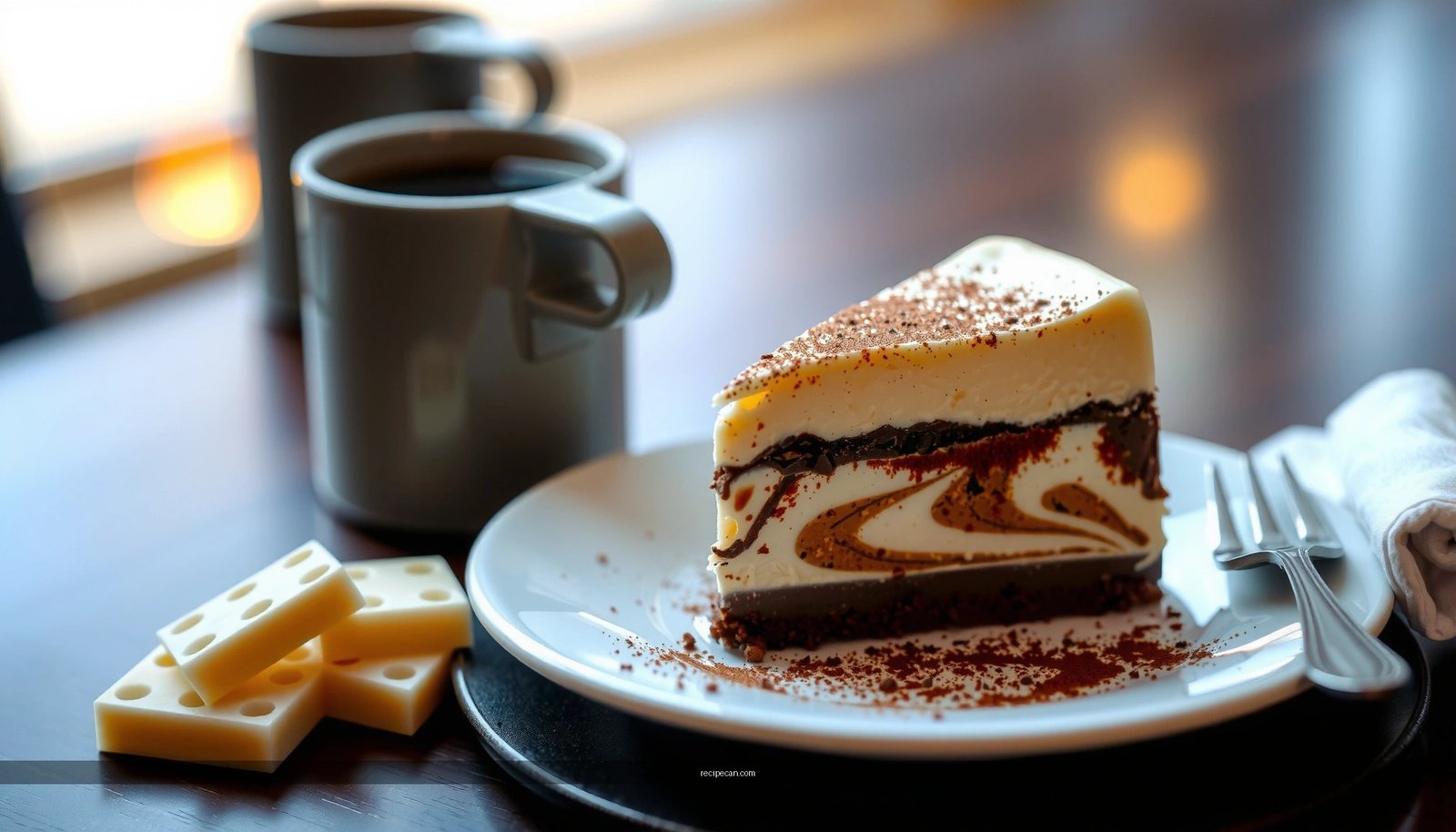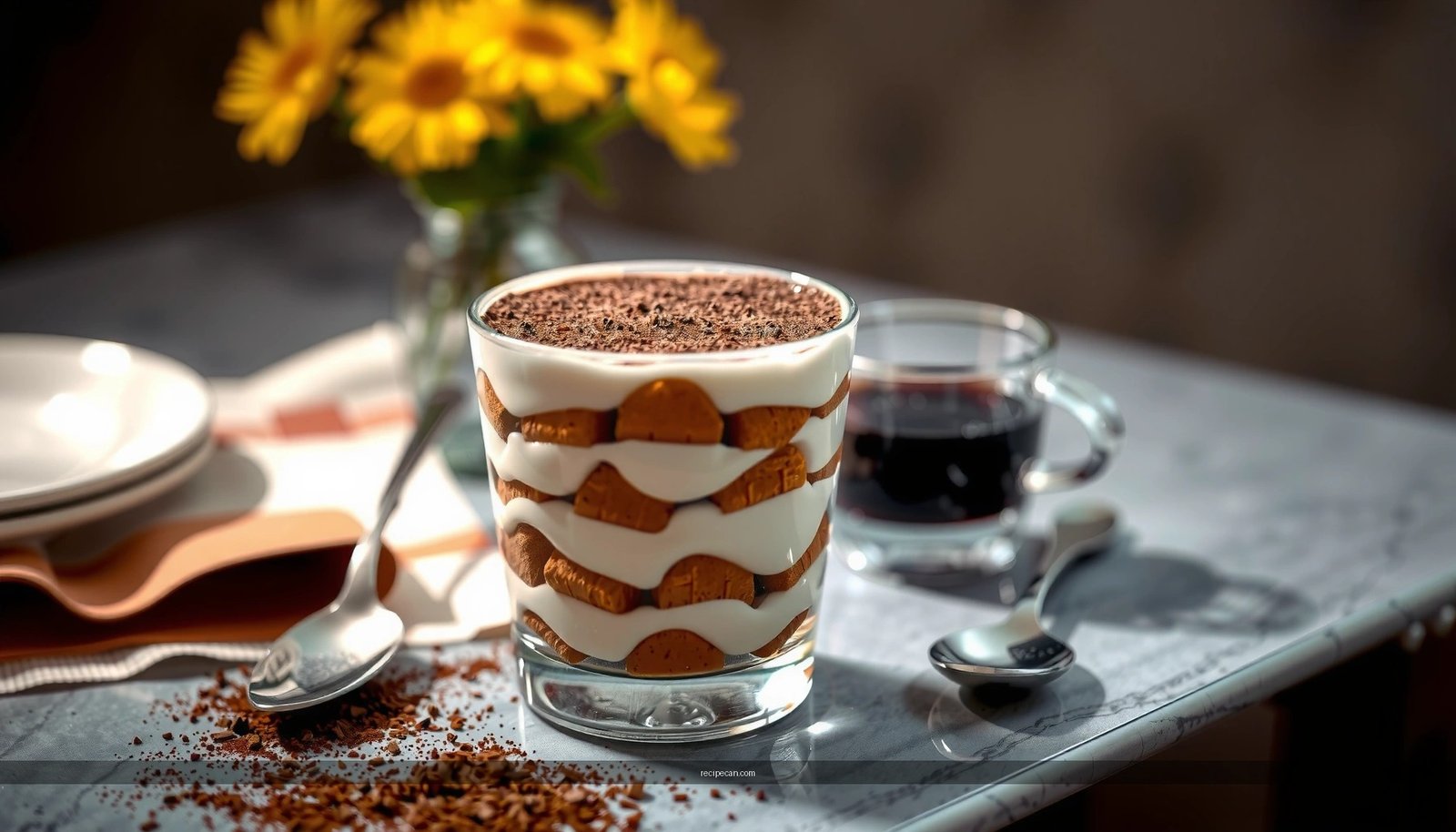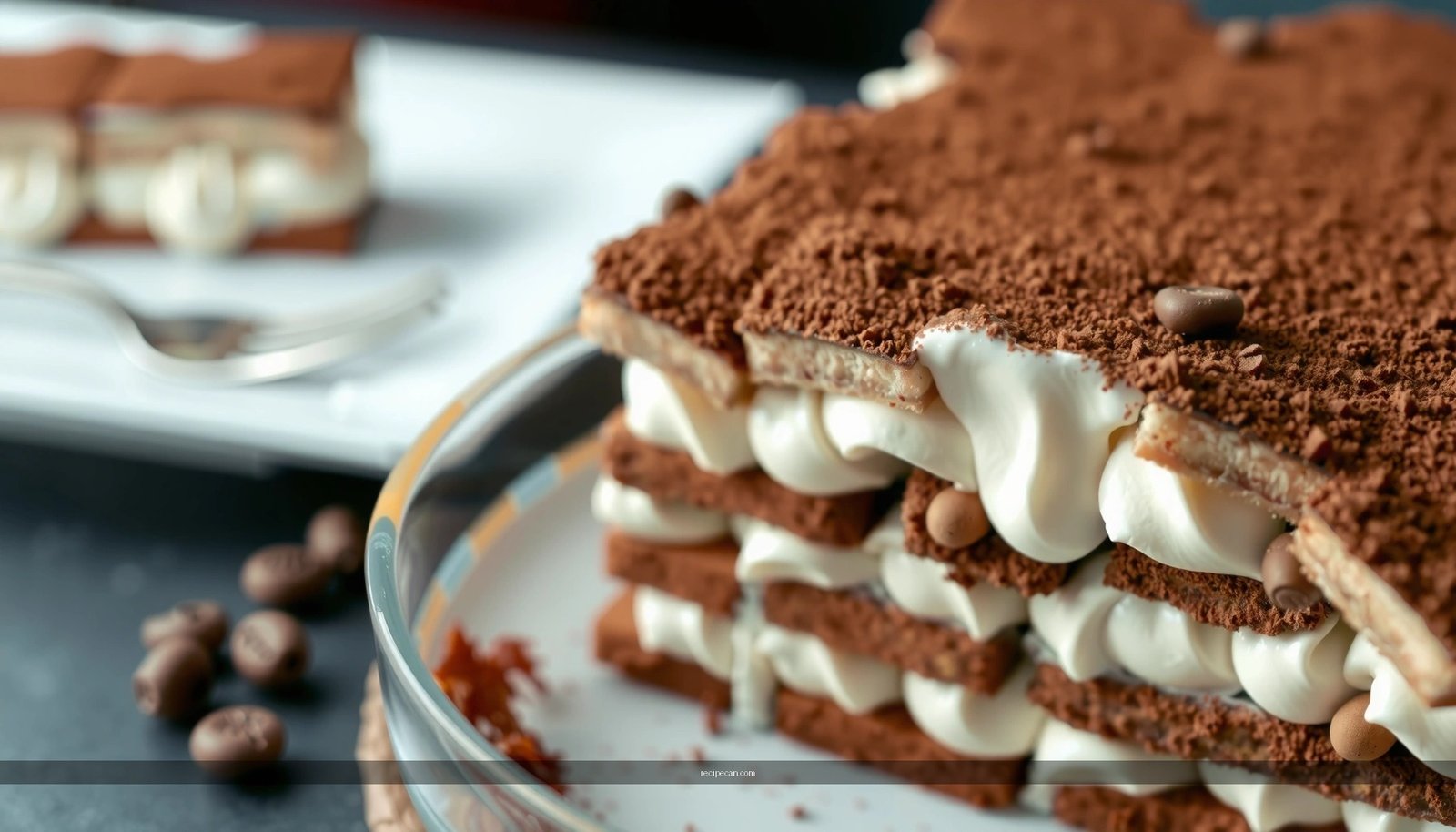
You want the Tiramisu Recipe NYTimes style that delivers unmistakably creamy mascarpone and perfectly soaked coffee layers—this is the one. Follow the classic NYT-leaning method step-by-step to nail the balance of espresso, cocoa, and structure so the dessert slices cleanly instead of turning soggy. If you’ve been chasing “restaurant tiramisu” texture at home, this recipe answers how to get it.
Make tiramisu using a disciplined build method: quick espresso dipping, a smooth mascarpone cream (with properly handled eggs), and enough chilling time for the structure to set. If you follow these classic NYTimes-style steps—layering ladyfingers and mascarpone evenly, then resting overnight—you’ll get a slice that holds its shape while staying creamy and coffee-forward.
Ingredients You’ll Need for Tiramisu
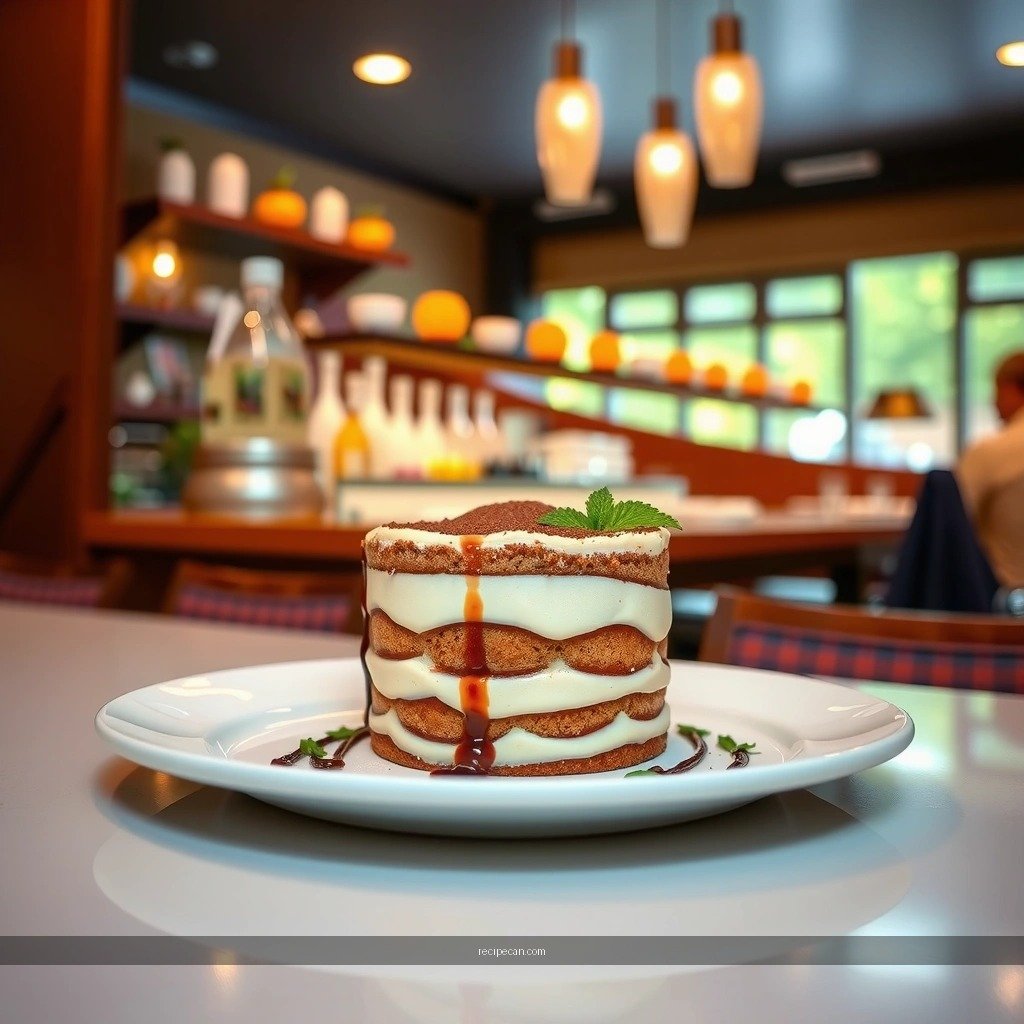
A classic tiramisu is not complicated, but it is precise. Each ingredient has a job: mascarpone provides body and sweetness, espresso supplies bitterness and aroma, and ladyfingers deliver the “coffee-soaked” texture without turning into mush. The NYTimes-style approach emphasizes repeatable assembly and predictable results—so start by gathering the core components below.
– Mascarpone, eggs, sugar, and vanilla for the creamy base
Mascarpone is the star: use full-fat for the richest mouthfeel. Eggs and sugar create a stable custard-like cream when handled correctly, and vanilla rounds out the flavor profile.
– Espresso (or strong coffee) and cocoa for the signature flavor
Use freshly brewed espresso for best results. Cocoa adds the characteristic bitter finish—important because tiramisu tastes sweeter than it is, so that bitterness keeps it balanced.
– Ladyfingers plus optional dark rum for classic depth
Traditional ladyfingers (savoiardi) are designed to absorb liquids quickly while still holding their form. A small amount of dark rum is optional but helps bring a “bakery-style” depth.
For best texture and consistency, plan your batch around a common format: a 9×13-inch (or similarly sized) baking dish. If you change pan size, the number of ladyfinger layers should be adjusted so the final height is consistent.
Tiramisu Build Decisions That Control Texture (Typical Outcomes)
| # | Control Point | What You Do | Result on Texture | Impact Rating |
|---|---|---|---|---|
| 1 | Espresso dipping time | 1–2 seconds per side | Ladyfingers stay layered | ★★★★★ |
| 2 | Mascarpone mixing method | Fold gently, don’t overbeat | Cream stays silky | ★★★★☆ |
| 3 | Egg handling | Temper/heat as needed | Stable, safe custard base | ★★★★★ |
| 4 | Cream temperature before layering | Cool but not firm | Layers compress evenly | ★★★★☆ |
| 5 | Layer thickness | Even, repeatable spans | Slicing stays clean | ★★★★☆ |
| 6 | Chilling duration | 6+ hours, ideally overnight | Flavors meld; structure sets | ★★★★★ |
| 7 | Cocoa timing | Dust right before serving | Prevents cocoa “weeping” | ★★★★☆ |
Make the Mascarpone Cream Correctly
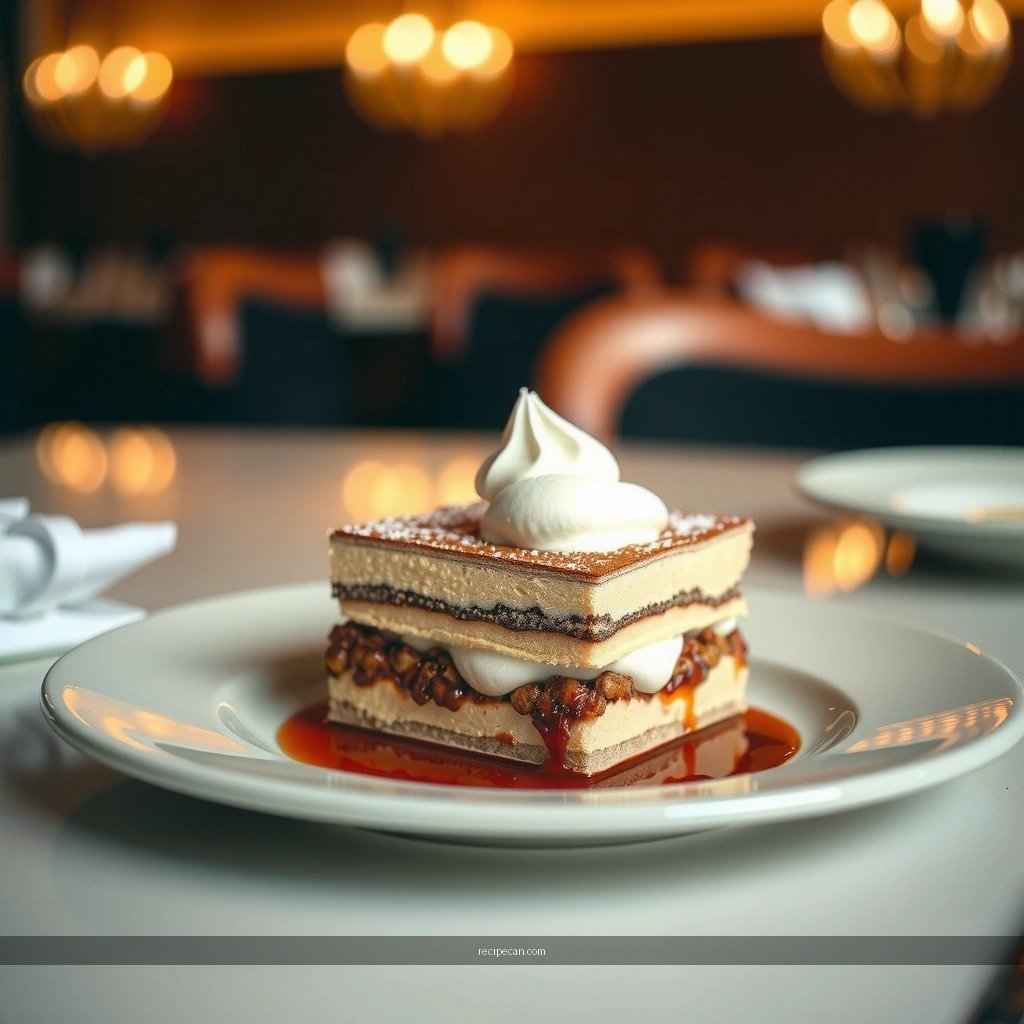
The mascarpone cream is where tiramisu either becomes a restaurant-level dessert or turns into something bland and unstable. The NYTimes-style principle is simple: use controlled technique so the cream is smooth, airy (but not fragile), and capable of holding layers after chilling.
– Whip or fold ingredients gently for a smooth, airy texture
Mascarpone can loosen if overmixed, but it can also become grainy if handled too aggressively after cold addition. Aim for a “just combined” texture. If your method includes whipped eggs whites (or whipped components), fold in stages so you keep air without deflating.
– Cook or temper eggs as directed for food safety (depending on the approach)
Many classic tiramisu recipes use raw or minimally cooked eggs. For a more dependable “make-and-serve” result, temper eggs with sugar over gentle heat (or fully cook into a thickened custard) before combining with mascarpone. This improves both safety and stability—key for a dessert that must hold its shape after slicing.
– Chill the mixture briefly so it layers cleanly
Once assembled, chill the cream for a short window (often 15–30 minutes) so it thickens slightly. If it’s too warm, it can run and blur layers; if it’s too cold and firm, it becomes harder to spread evenly.
Actionable quality checks:
– The finished cream should be lusciously smooth, with no visible curdling.
– When you lift a spoon, it should fall in ribbons rather than splashing.
– Your cream should spread with minimal force—like soft frosting.
Dip Ladyfingers in Espresso (No Sogginess)
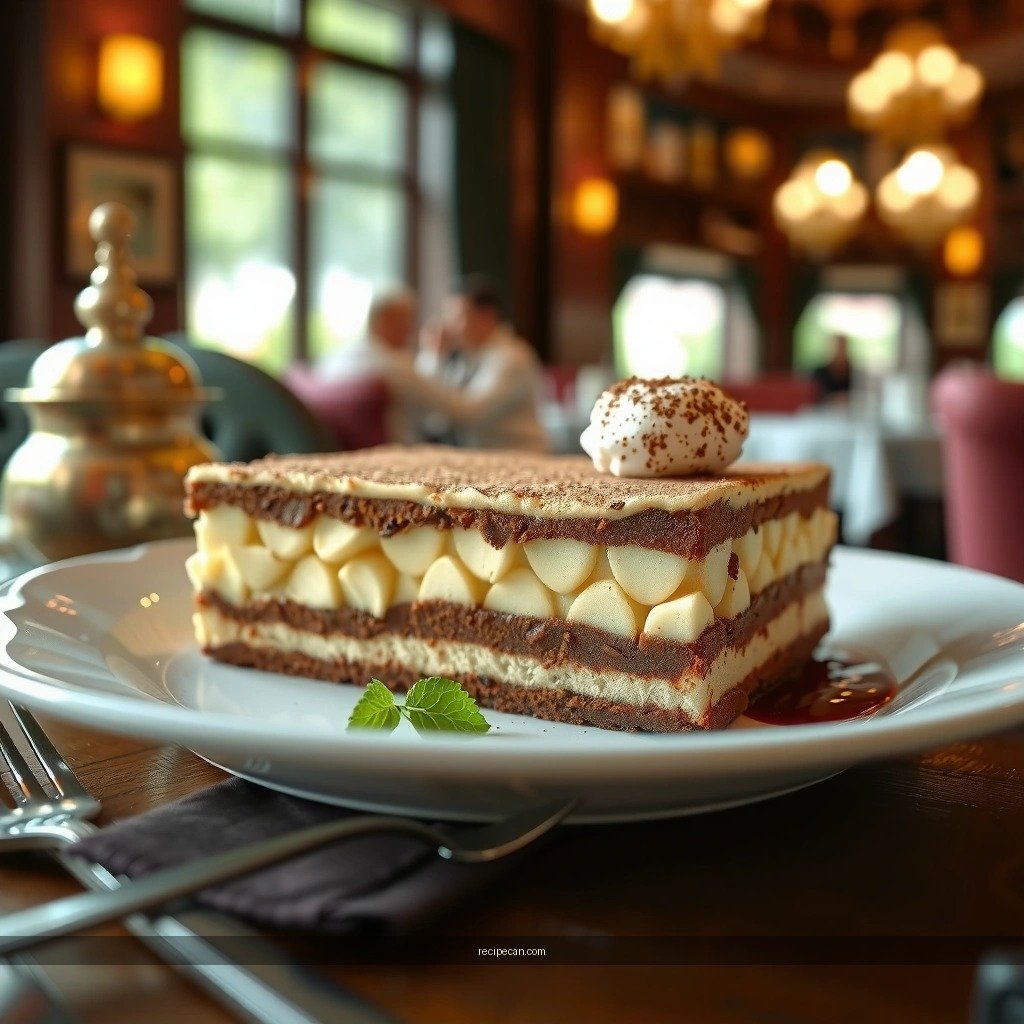
This is the step most people get wrong. The goal isn’t to soak ladyfingers until they collapse; it’s to coat them quickly so they absorb coffee flavors and then set in the fridge.
– Dip quickly—aim for flavor without soaking through
Dip each ladyfinger just long enough to wet the surface—think 1–2 seconds per side. If you’re using a broader dip, you can roll it through the espresso rather than submerging fully.
– Use espresso at the right temperature for even absorption
Warm espresso absorbs faster; cool espresso can leave uneven saturation. Brew espresso and let it cool slightly (often to room temperature or lukewarm) so absorption is controlled and consistent across layers.
– Let excess drip so layers stay structured
After dipping, hold the ladyfinger over the cup for a few seconds. Excess liquid is what turns neat layers into a watery bottom.
Operational tip: Work in batches. Dip a handful of ladyfingers, place them immediately, and keep your tempo steady. If you pause too long with dipped cookies sitting out, they’ll continue absorbing and soften beyond your target.
Assemble the Layers Like NYTimes
The assembly method is less about artistic flair and more about repeatability. A NYTimes-style approach tends to emphasize even distribution: each spoonful should deliver mascarpone cream, coffee depth, and cocoa on top in a predictable ratio.
– Alternate ladyfingers and mascarpone cream in even, repeatable layers
Start with a thin layer of cream to prevent slipping, then arrange ladyfingers in a consistent pattern (whole or broken pieces as needed). Spread cream evenly over them before repeating.
– Keep the top layer creamy for best cocoa coverage
Your top surface should be fully coated in mascarpone cream. If the top shows exposed ladyfingers, cocoa dusting will look patchy and the slice may crumble.
– Smooth the surface for a polished, sliceable finish
Use an offset spatula or the back of a spoon to create a uniform top. A smooth surface matters because it influences how the top layer compresses during chilling.
Slicing strategy preview: Once assembled, you want layers to “lock” together in the fridge. Even thicknesses reduce shear during cutting, which is why consistent spreading improves both presentation and texture.
Chill Time and Setting for Best Texture
Tiramisu is a make-ahead dessert by design. Chilling does two crucial things: it melds flavors and it hydrates ladyfingers in a controlled way so they soften without losing structure.
– Refrigerate several hours (or overnight) to let flavors meld
Plan for at least 6 hours, but overnight is the gold standard. The coffee flavor becomes integrated rather than sharp, and the cream firms up for clean slices.
– Avoid freezing, which can ruin texture and creaminess
Freezing can break the mascarpone emulsion and turn the cream grainy after thawing. It can also change how ladyfingers hydrate, leading to a less pleasant mouthfeel.
– Serve cold for the cleanest slices
Let it stay refrigerated until serving. If you slice right after taking it out, warmth loosens the cream and increases sliding.
Advanced scheduling tip: If you’re hosting, assemble in the morning, chill until evening or overnight, then dust cocoa right before guests arrive. That timing prevents cocoa from dissolving into a darker, streaky top.
Finish with Cocoa and Serving Tips
The finishing step is where tiramisu goes from “good” to “showstopper.” Cocoa timing, cutting technique, and storage all affect how the dessert looks and tastes.
– Dust cocoa generously right before serving to prevent weeping
Cocoa contains fine particles that can absorb moisture. Dusting immediately before serving preserves a dry, velvety look rather than a wet sheen.
– Cut with a clean, sharp knife and wipe between slices
A sharp knife makes precise cuts through cream and softened ladyfingers. Wipe the blade between slices to avoid muddy smears and keep edges crisp.
– Store covered in the fridge and enjoy within a few days
Tiramisu keeps well because the flavors improve with time in the refrigerator. Cover tightly to prevent fridge odors from absorbing and enjoy within 2–3 days for peak texture.
Serving suggestion: If your cocoa dusting is uneven, you can lightly re-dust after cutting—but do it quickly. The goal is to keep the top surface controlled while guests see the classic “dusted” finish.
Tiramisu recipe NYTimes style is all about the balance: properly made mascarpone cream, quick espresso dipping, and enough chilling time to set. Follow the layering steps, let it rest overnight, then dust with cocoa and serve chilled—if you want the best results, make it a day ahead.
In conclusion, the secret to a creamy, coffee-soaked tiramisu isn’t shortcuts—it’s technique. Build an even layer structure, dip ladyfingers quickly to avoid sogginess, use a stable mascarpone cream with correct egg handling, and refrigerate long enough for the dessert to slice cleanly. Do those essentials consistently, and your tiramisu will deliver classic flavor, dependable texture, and a professional presentation every time.
Frequently Asked Questions
What is the New York Times tiramisu recipe and what makes it different?
The New York Times tiramisu recipe is known for its focus on a balanced, not-too-sweet mascarpone filling and a technique that helps the dessert hold its shape. It typically uses coffee-soaked ladyfingers layered with mascarpone, eggs (or egg-based components), and a cocoa finish. Many readers like it because it tastes classic while still feeling modern in structure and texture.
How do you make a New York Times tiramisu recipe without curdling the eggs?
To avoid curdling, warm and temper the eggs gradually—don’t dump hot liquid into cold yolks at once. Keep the mixture over gentle heat (low to medium-low) and stir constantly until it thickens slightly, then remove from heat immediately. If you’re using a stand mixer or bowl method, chill promptly after mixing so the tiramisu recipe nytimes style sets cleanly without eggy bits.
Which coffee should you use for a tiramisu recipe nytimes style—espresso, instant, or brewed?
Most NYT-style tiramisu results work best with strong coffee like espresso or concentrated brewed coffee, since the ladyfingers need enough flavor to stand up to mascarpone. Instant coffee can work in a pinch, but dissolve it thoroughly and keep it strong so you don’t end up with a weak, watered-down tiramisu. Aim for room temperature or cooled coffee so the ladyfingers soften evenly without turning mushy too fast.
Best way to layer and soak ladyfingers for a NYT tiramisu?
For best results, quickly dip or brush the ladyfingers with coffee—brief contact is key so they absorb flavor without becoming soggy. Use an even layer of mascarpone between the rows to ensure each slice holds together. After assembling your tiramisu recipe nytimes method, refrigerate it long enough for the layers to meld, typically several hours (often overnight) for clean slicing and full flavor.
Why does my tiramisu taste watery or separate, and how can I fix it?
Watery tiramisu usually comes from over-soaking the ladyfingers or using coffee that’s too hot, which can loosen the layers. Separation can happen if the mascarpone mixture is overmixed, the eggs weren’t tempered correctly, or the mixture warms too much before chilling. To fix it, reduce soak time, chill the assembled tiramisu well, and make sure your mascarpone and egg components are blended smoothly but not heated beyond what the recipe calls for.
References
- Tiramisu
https://en.wikipedia.org/wiki/Tiramisu - Mascarpone
https://en.wikipedia.org/wiki/Mascarpone - Lady finger
https://en.wikipedia.org/wiki/Ladyfinger - Tiramisu | Meaning, Ingredients, Origin, Desserts, & Taste | Britannica
https://www.britannica.com/topic/tiramisu - https://www.nytimes.com/search?query=tiramisu%20recipe
https://www.nytimes.com/search?query=tiramisu%20recipe - Search recipes – BBC Food
https://www.bbc.co.uk/food/search?q=tiramisu - https://www.theguardian.com/food/search?q=tiramisu
https://www.theguardian.com/food/search?q=tiramisu - Google Scholar Google Scholar
https://scholar.google.com/scholar?q=tiramisu+recipe+history - Google Scholar Google Scholar
https://scholar.google.com/scholar?q=NYTimes+tiramisu+recipe - Google Scholar Google Scholar
https://scholar.google.com/scholar?q=tiramisu+mascarpone+ladyfingers+coffee