If you’re searching for a tiramisu recipe with mascarpone cheese, this classic, step-by-step method delivers the real signature texture and flavor—no shortcuts that make it taste flat or watery. You’ll get clear instructions for the mascarpone filling, the exact way to dip the ladyfingers, and the final chilling so the dessert sets cleanly. Follow it and you’ll know you’ve nailed classic tiramisu, not a compromise.
Make classic tiramisu with mascarpone cheese by whipping mascarpone, sugar, and eggs (or using a no-egg method), then layering with brief espresso-soaked ladyfingers and finishing with cocoa. If you follow the order below—and chill long enough—you’ll reliably get a creamy, sliceable dessert with stable layers rather than a loose, soggy, or grainy result.
Gather Ingredients for Tiramisu and Mascarpone
A great tiramisu starts with using ingredients that behave predictably: rich mascarpone for body, espresso for aroma, and ladyfingers that soften just enough without collapsing. Below is a reliable baseline recipe framework for one 8×8-inch (20×20 cm) pan (about 8–10 servings), plus variations for taste and dietary needs.
Core components
– Mascarpone cheese (signature layer): Use full-fat mascarpone at cool room temperature (about 60–68°F / 16–20°C) for best whipping.
– Espresso (cooled): Brew strong coffee/espresso and cool it so the soaking process doesn’t melt the cream.
– Ladyfingers: Choose dry-style “savoiardi” ladyfingers; they hold up better during brief dips.
– Cocoa powder (finish): Use unsweetened cocoa for balance against the sweetness of the cream.
– Optional flavor boosters: Vanilla extract, and rum (or coffee liqueur) for a classic, aromatic profile.
Eggs: classic vs. no-egg
– Classic (with eggs): Many traditional recipes use yolks for richness and structure. When using eggs, prioritize freshness and safe handling.
– No-egg option: You can replace eggs with methods like stabilized mascarpone cream (e.g., adding a small amount of gelatin set into the base) or using pasteurized eggless alternatives where available.
Flavor and consistency factors
– Sweetness control: Sugar amount directly affects both taste and texture—too much can loosen the cream; too little can make the tiramisu taste flat.
– Cocoa dusting: Apply cocoa only at the end. If you dust early, it can absorb moisture and dull the top’s texture.
Tiramisu Assembly Timing & Expected Texture (Typical Home Conditions)
| # | Process Step | Target Time | Texture Outcome | Overall Reliability |
|---|---|---|---|---|
| 1 | Whip mascarpone + sugar | 1–2 minutes | Smooth, thick ribbons | ★★★★★ |
| 2 | Fold in yolks (classic) | 30–60 seconds | Stable, cohesive cream | ★★★★☆ |
| 3 | Cool espresso after brewing | 15–25 minutes | No cream loosening | ★★★★★ |
| 4 | Dip ladyfingers per piece | 1–2 seconds per side | Soft but sliceable layer | ★★★★☆ |
| 5 | Chill before serving | ≥4 hours | Cream firms; flavors meld | ★★★★★ |
| 6 | Assemble at room temp | 10–20 minutes total | Layer integrity preserved | ★★★★☆ |
| 7 | Top cocoa dusting timing | Just before serving | Bright aroma; dry surface | ★★★★★ |
Prepare the Mascarpone Cream
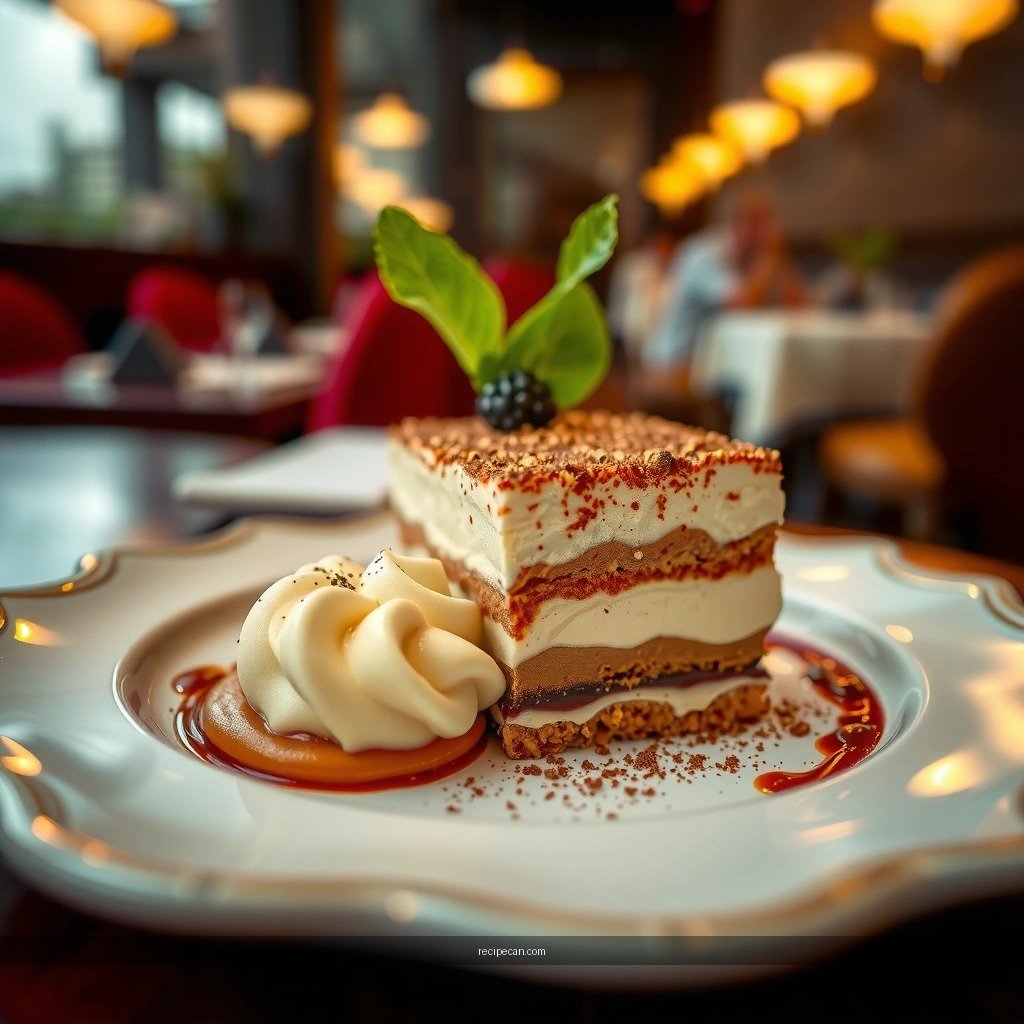
The mascarpone cream is the “engine” of tiramisu. Its success depends on whipping enough to create a thick, airy structure—without overmixing and causing graininess or separation.
Classic cream method (with eggs)
1. Whip mascarpone + sugar: Use a mixer on medium speed until the mixture becomes smooth and thick, with a consistent texture.
2. Add yolks carefully: Incorporate yolks (commonly yolks only) gradually, then mix briefly—just long enough to unify. Yolks contribute emulsification and thickness, which helps the final dessert set cleanly.
3. Fold gently if needed: If you include any whipped components (some variations use lightly whipped yolk/sugar or folded stabilizers), fold rather than beat to preserve a silky mouthfeel.
No-egg option (stability without yolks)
If you want a safe, egg-free approach, choose a stabilization strategy:
– Gelatin-set mascarpone cream: Bloom gelatin, dissolve, cool slightly, then whisk into the mascarpone mixture. Chill to set. This mimics the structure yolks provide.
– Pasteurized egg-free emulsifiers: Some baker’s products are designed to replicate classic custard stability; follow their ratios.
Key technique: avoid temperature shock
– Mascarpone should be cool but workable. If it’s too cold, mixing becomes difficult and lumpy; too warm can soften and fail to hold shape after chilling.
Common texture targets
– Smoothness: A uniform, spoon-coating cream.
– Body: Thick enough to spread without running.
– Stability: Layers should hold when sliced after chilling.
Brew and Cool the Espresso for Soaking
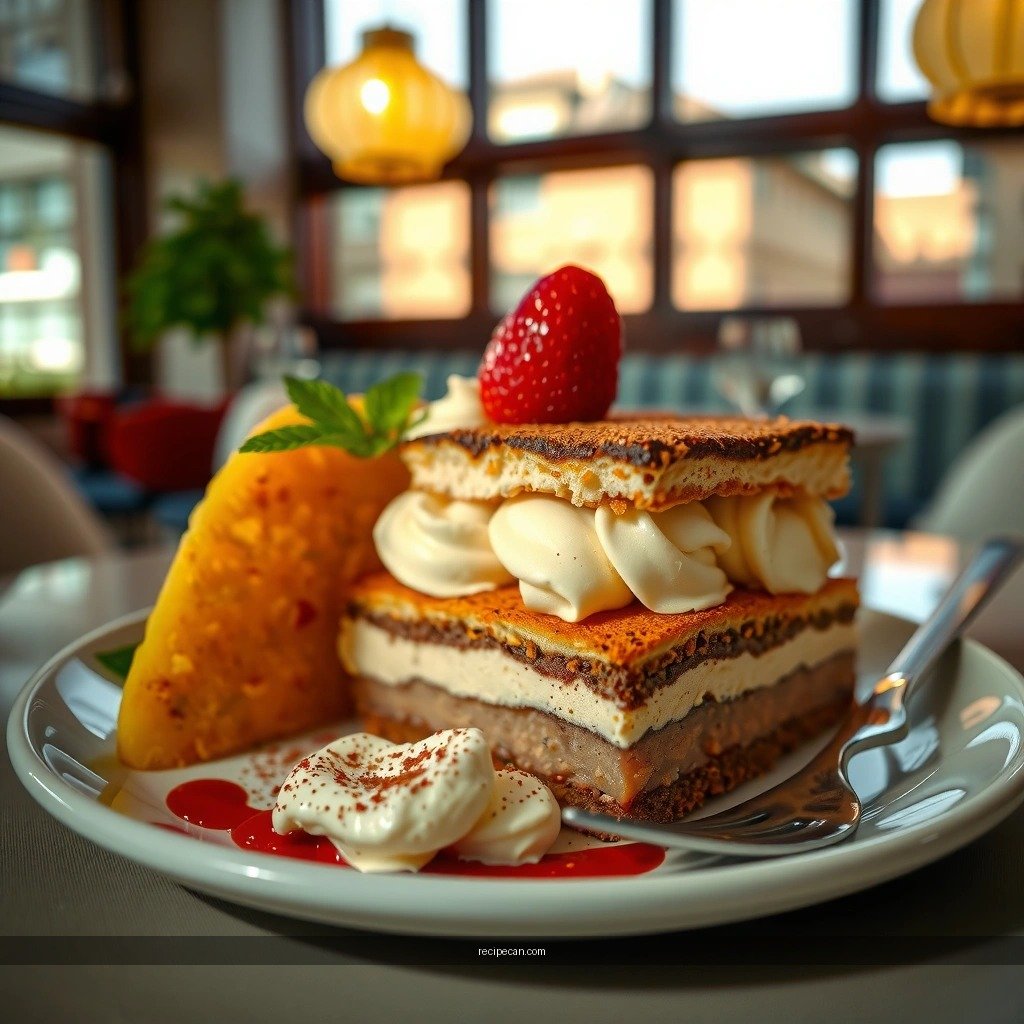
Espresso is both flavor and texture risk. Warm coffee liquefies cream; overly wet ladyfingers sink and bleed. The goal is aroma-rich liquid that is cool enough to keep your mascarpone stable.
Brew strong, then cool
– Brew strong espresso (or an equivalent strong coffee). Use a higher coffee-to-water ratio if needed—tiramisu is designed to taste distinctly coffee-forward even with sweet cream.
– Cool it fully before dipping. A practical benchmark is that the espresso should feel cool to the touch, not warm.
Dip ladyfingers briefly—this is where “classic” is won
– Dip each ladyfinger quickly (about 1–2 seconds per side).
– Remove and let excess drip off slightly before placing in the pan.
– If you’re working with multiple pieces, organize a steady “dip-and-lay” rhythm to prevent uneven soaking.
Optional flavor notes
Add one (not all) of the following to round the coffee flavor:
– Rum for a traditional, deeper aroma.
– Vanilla for a softer, dessert-like tone.
– A small pinch of salt can make the coffee taste more vivid without adding “saltiness.”
Assemble the Layers Correctly
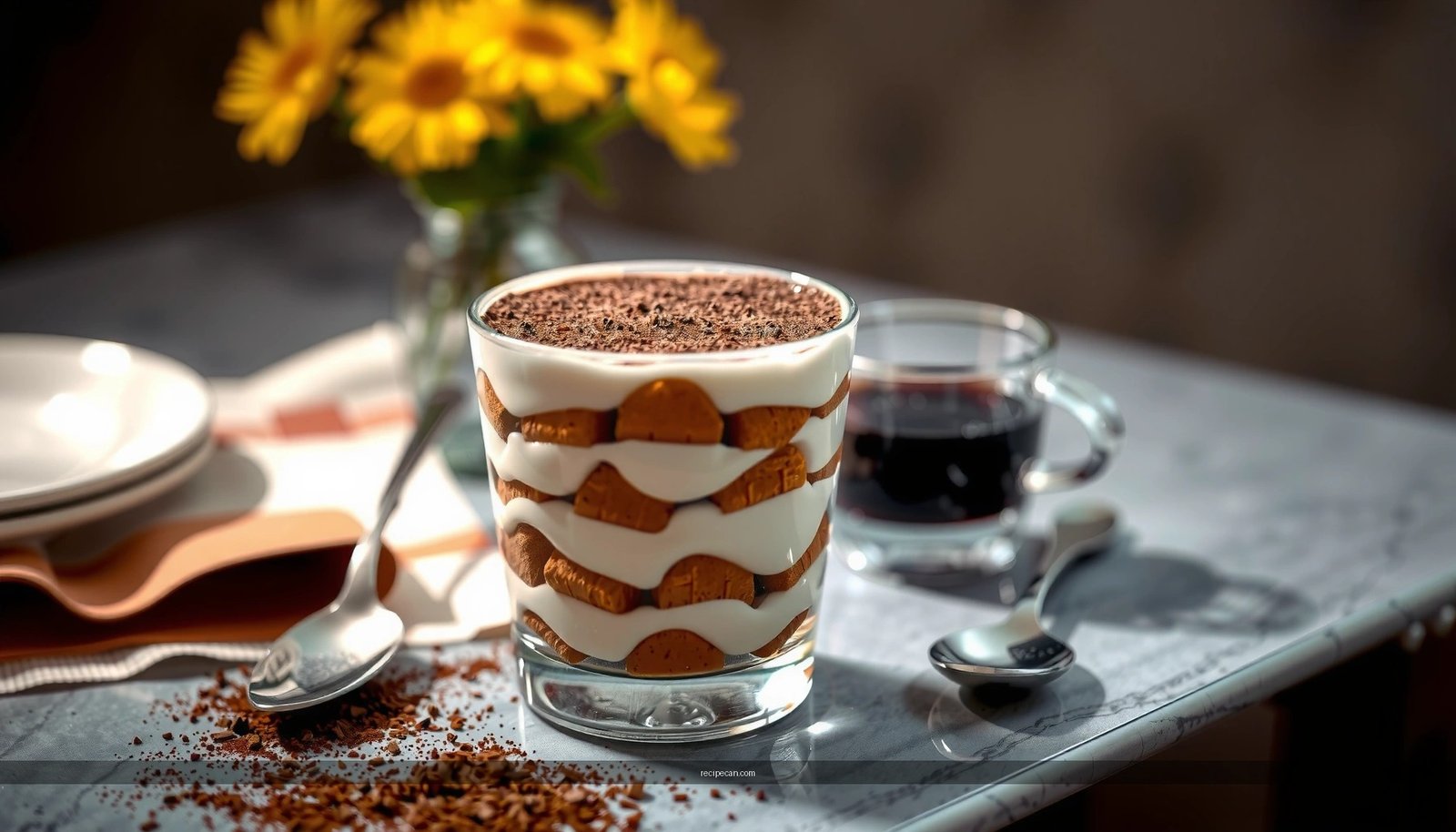
The assembly order affects both structural integrity and taste distribution. Classic tiramisu uses alternating layers so every bite contains espresso, cream, and cocoa.
The correct build order (most reliable approach)
1. Bottom layer: Spread a thin layer of mascarpone cream first. This helps prevent the base from tearing when you slice later.
2. First ladyfinger layer: Arrange espresso-soaked ladyfingers in a single, even layer. Fill gaps if needed.
3. Cream layer: Spread mascarpone cream evenly to the edges for consistent thickness.
4. Repeat: Add a second ladyfinger layer, then finish with the remaining mascarpone cream as the top layer.
5. Smooth the final layer: Use an offset spatula for a clean surface.
How to ensure even structure
– Don’t overload with liquid coffee: Brief dips only—pressing ladyfingers into espresso makes them absorb too much.
– Keep cream consistent: If your cream thickens too much during assembly, gently stir to loosen before spreading (but don’t beat).
– Plan your pan: If using an 8×8-inch pan, cut ladyfingers as needed so layers are uniform. Uneven thickness creates uneven set.
Chill for the Best Set and Flavor
Chilling isn’t optional—it’s what turns a layered bowl of ingredients into a unified, creamy tiramisu with clean slices.
Refrigeration schedule
– Minimum: 4 hours in the refrigerator.
– Best practice: Overnight (8–12 hours). This improves flavor integration and allows the cream to fully set.
Why chilling works
– The espresso migrates slightly, distributing coffee notes evenly.
– Mascarpone stabilizes, and the cream firms so that the dessert holds shape instead of collapsing.
Serve strategy
– Serve tiramisu cold, directly from the fridge.
– For cleaner slices, wipe your knife between cuts. If your kitchen is warm, return the pan to the fridge between servings.
Common Mistakes to Avoid
Even experienced bakers run into predictable issues with tiramisu. Use the checklist below to troubleshoot quickly.
– Over-soaking ladyfingers leads to watery layers
– Fix: dip for 1–2 seconds per side and remove promptly.
– Warmer mascarpone or coffee can cause texture issues
– Fix: cool espresso and use mascarpone at workable, not melted, temperatures.
– Under-chilling prevents the perfect creamy, sliceable consistency
– Fix: refrigerate at least 4 hours; overnight is ideal.
– Overmixing can cause graininess
– Fix: mix only until smooth and thick; stop early and fold gently if your method includes additional components.
– Dusting cocoa too early reduces impact
– Fix: cocoa right before serving for a dry, aromatic top.
Chill, layer, and finish with cocoa for the best tiramisu recipe with mascarpone cheese. Follow the cream steps, dip ladyfingers briefly, and refrigerate long enough for that classic set—then make your first batch and adjust sweetness or coffee strength to your taste.
Tiramisu success comes down to control: whip mascarpone to a smooth, stable cream; cool the espresso; dip ladyfingers quickly; assemble in alternating layers with clean spreading; and chill long enough to lock in structure. Get those details right, and you’ll consistently produce the creamy, sliceable classic tiramisu texture that makes mascarpone-based desserts so unforgettable.
Frequently Asked Questions
What is the best tiramisu recipe using mascarpone cheese?
A classic tiramisu recipe typically combines mascarpone cheese, eggs (or pasteurized eggs), sugar, espresso-soaked ladyfingers, and cocoa powder. For the most reliable texture, use full-fat mascarpone and beat it just until smooth before folding in the whipped egg mixture. If you want a richer tiramisu, consider adding a splash of vanilla or a small amount of rum, but keep the flavor balanced so the mascarpone remains the star.
How do I make tiramisu with mascarpone cheese without curdling the eggs?
To avoid curdling, temper the egg mixture by slowly whisking warm espresso or hot sugar syrup into the yolks while continuously stirring. Cook only until the mixture thickens slightly (or use a tested method with pasteurized eggs), then let it cool completely before combining with mascarpone cheese. When folding the mascarpone with the egg mixture, use gentle motions so the tiramisu cream stays silky and doesn’t separate.
Why does my mascarpone tiramisu taste runny or watery, and how can I fix it?
Runny tiramisu often happens when the ladyfingers soak too long or when the mascarpone cream wasn’t beaten to a thick, stable consistency. Use quick dips in espresso (about 1–2 seconds per side) and avoid soaking in watery coffee mixtures; strong, cooled espresso works best. Chill the assembled tiramisu for at least 4–6 hours (overnight is better) so the layers set and the mascarpone cheese firms up.
Which mascarpone cheese brand is best for tiramisu?
Look for mascarpone cheese labeled as “100% mascarpone” or made with high-fat dairy for the best tiramisu texture. Brands that list a rich, creamy ingredient profile usually whip and fold more easily, creating a stable mascarpone tiramisu filling. If you’ve had issues with graininess, try a different brand or check for freshness—older mascarpone can sometimes become less smooth.
What’s the proper ratio of mascarpone cheese to eggs and sugar for tiramisu?
A common starting point is about 500 g mascarpone cheese to 3–4 egg yolks and 1/3–1/2 cup sugar, adjusted to taste. Whisk the yolks with sugar until pale and slightly thick, then fold into mascarpone cheese to make a smooth tiramisu cream. Keeping the mascarpone ratio balanced helps prevent a filling that’s too soft or too dense, ensuring your espresso and cocoa layers shine.
References
- Tiramisu
https://en.wikipedia.org/wiki/Tiramisu - Mascarpone
https://en.wikipedia.org/wiki/Mascarpone - Tiramisu | Meaning, Ingredients, Origin, Desserts, & Taste | Britannica
https://www.britannica.com/topic/tiramisu - https://pubmed.ncbi.nlm.nih.gov/?term=mascarpone+cheese
https://pubmed.ncbi.nlm.nih.gov/?term=mascarpone+cheese - https://pubmed.ncbi.nlm.nih.gov/?term=tiramisu
https://pubmed.ncbi.nlm.nih.gov/?term=tiramisu - https://www.sciencedirect.com/search?qs=mascarpone%20cheese
https://www.sciencedirect.com/search?qs=mascarpone%20cheese - https://www.sciencedirect.com/search?qs=tiramisu
https://www.sciencedirect.com/search?qs=tiramisu - Google Scholar Google Scholar
https://scholar.google.com/scholar?q=mascarpone+cheese+composition+fat+protein - Google Scholar Google Scholar
https://scholar.google.com/scholar?q=tiramisu+ingredients+coffee+ladyfingers+mascarpone+food+science - Google Scholar Google Scholar
https://scholar.google.com/scholar?q=mascarpone+cheese+production+microbiology