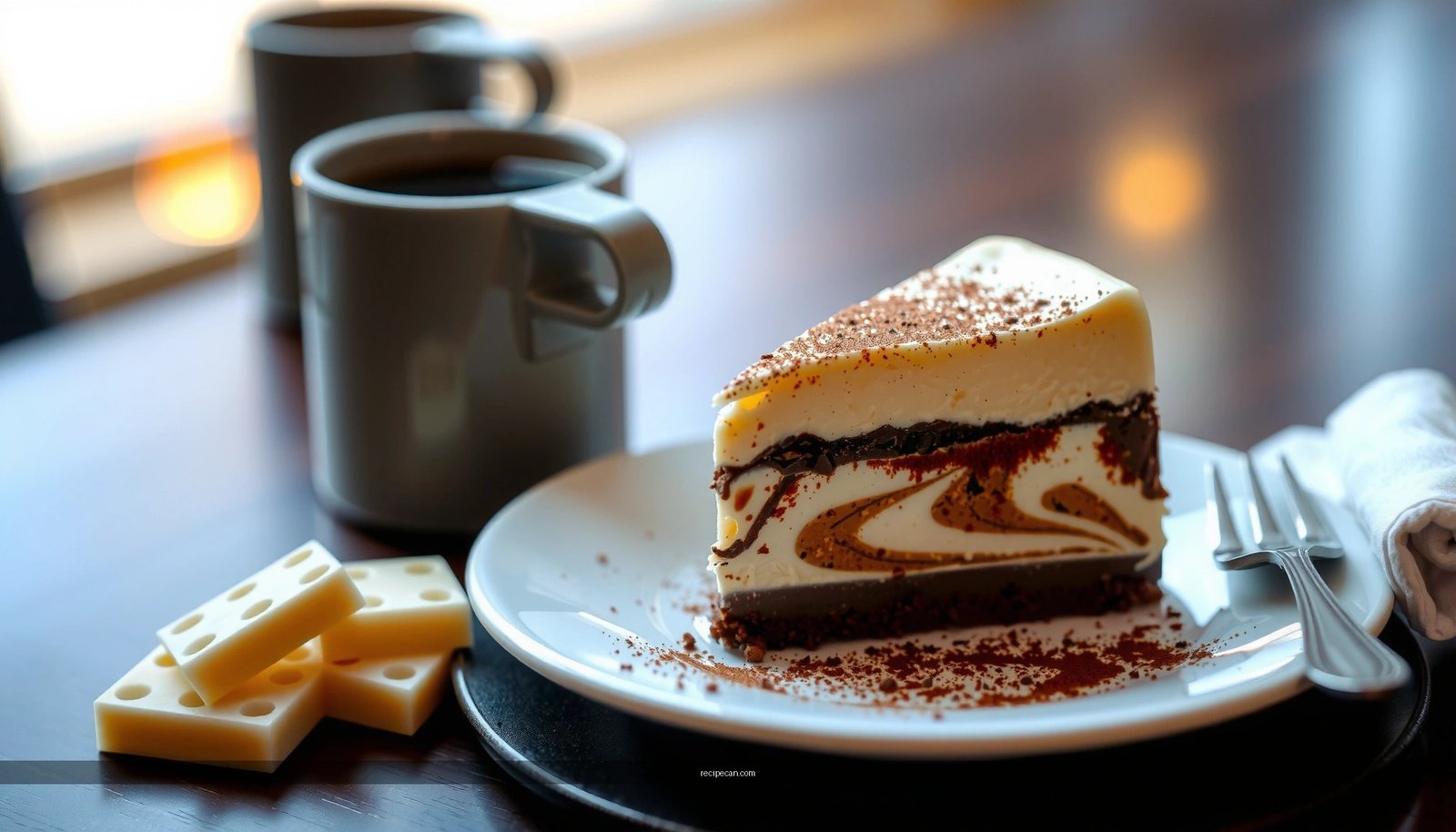
This eggless tiramisu recipe delivers the classic creamy, coffee-soaked dessert without eggs—so it answers the question: how do you make tiramisu that still tastes like tiramisu? Expect a rich mascarpone-style filling, clean layering, and the right balance of espresso bitterness and cocoa finish. If you want an impressive no-egg version that sets properly and slices beautifully, this is the one to follow.
Yes—this eggless tiramisu recipe delivers the same creamy, spoonable texture and classic coffee-and-cocoa finish by using a safe mascarpone filling thickened with whipped cream (or a light cornstarch custard substitute if you want extra firmness), then assembling coffee-soaked layers quickly so they stay tender rather than soggy. Below is a complete, step-by-step no-egg method with ingredients, assembly timing, and troubleshooting so you can reliably make a dessert that tastes like tiramisu—without the eggs.
Ingredients for Eggless Tiramisu

An eggless tiramisu is built on the same three pillars as the classic: (1) a rich mascarpone-style filling, (2) coffee-soaked sponge layers, and (3) a final cocoa dusting. The key is choosing substitutes that mimic structure (for slicing and scooping) while still tasting indulgent.
– Choose mascarpone, heavy cream (or coconut cream), coffee, and ladyfingers or eggless sponge
– Mascarpone provides the characteristic tangy richness.
– Heavy cream (or coconut cream for a dairy-free-leaning option) supplies body when whipped.
– Coffee/espresso provides bitterness and aromatic depth that balances the sweetness.
– Ladyfingers (store-bought) or eggless sponge give the tender, layered bite.
– Plan for cocoa powder, sugar, vanilla, and optional eggless thickener (cornstarch) if needed
– Use unsweetened cocoa powder for the classic finish.
– Sugar balances the coffee’s bitterness.
– Vanilla rounds out flavor and makes the filling taste bakery-like.
– If you’re worried about runniness (common with softer creams), a small cornstarch custard base helps set the filling.
– Gather espresso or strong brewed coffee for soaking
– Brew strong coffee (a little more concentrated than regular) and cool slightly so the sponge absorbs quickly without collapsing.
> Practical sourcing tip: If you cannot find true ladyfingers, use eggless sponge fingers, plain pound cake slices, or thin eggless vanilla sponge layers—just keep soaking time short.
Key Choices for Eggless Tiramisu Texture (Practice Benchmarks)
| # | Ingredient/Step Choice | Recommended Target | Why It Matters | Outcome Rating |
|---|---|---|---|---|
| 1 | Coffee strength | ~1.5× stronger than drip | Prevents a watery, “bland coffee” taste | ★★★★☆ |
| 2 | Mascarpone temperature | Cool room temp (not cold) | Helps mascarpone blend smoothly | ★★★★☆ |
| 3 | Whipped cream peak stage | Soft-to-medium peaks | Fluffy texture without graininess | ★★★★☆ |
| 4 | Soaking time per side | 1–2 seconds (quick dip) | Prevents soggy, collapsing layers | ★★★★☆ |
| 5 | Resting/chilling time | Overnight (≥8 hours) | Sets filling and melds coffee flavor | ★★★★★ |
| 6 | Cocoa finish timing | Dust just before serving | Keeps cocoa from dissolving into cream | ★★★★☆ |
| 7 | Optional cornstarch boost | Use if filling needs slicing firmness | Improves set when using softer creams | ★★★☆☆ |
Eggless Mascarpone Filling (No-Egg Method)
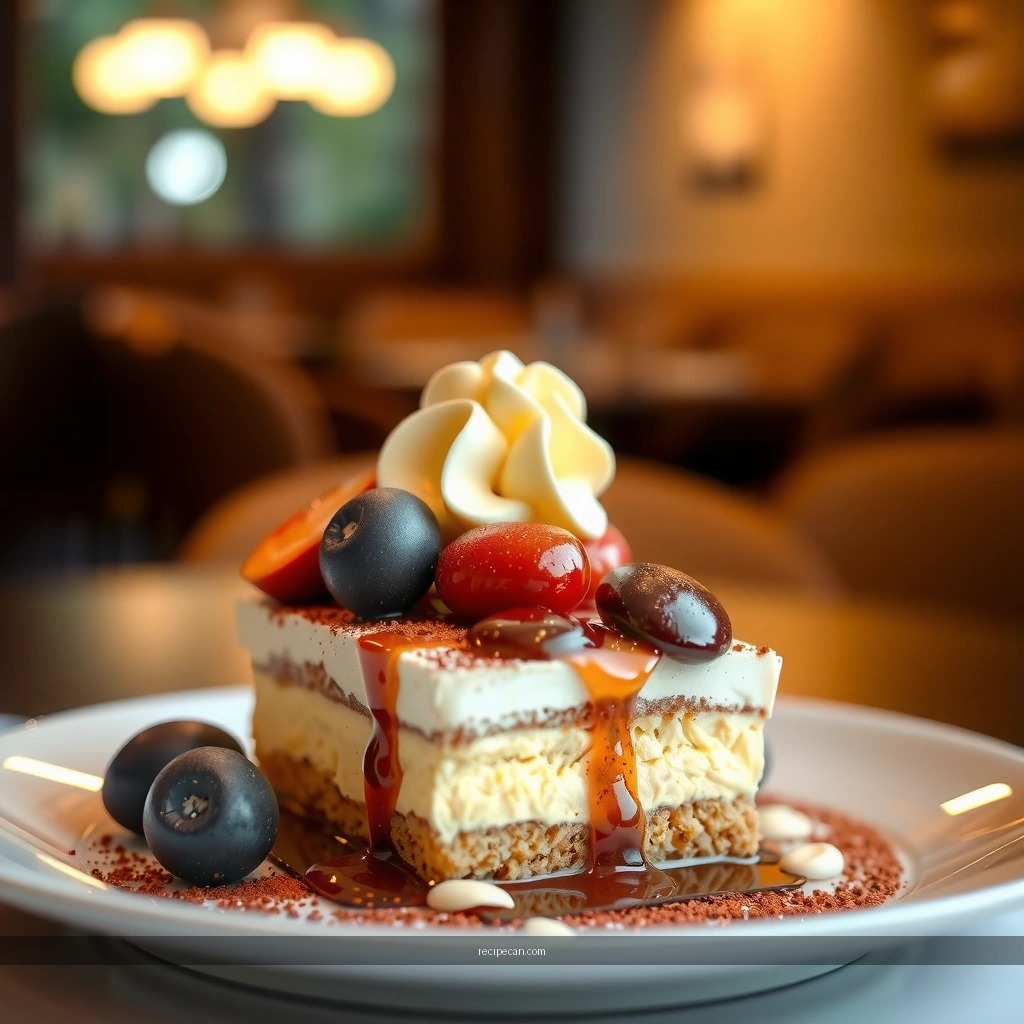
The heart of eggless tiramisu is the filling. Traditional versions rely on eggs to provide custard-like set; this recipe recreates that stability safely by thickening mascarpone with whipped cream, and optionally adding a minimal cornstarch custard substitute for firmer slicing.
Core filling method (whipped-cream thickened)
1. Soften the mascarpone slightly so it mixes without lumps.
2. Whip mascarpone with sugar and vanilla until smooth and glossy. This step matters: gritty sugar or under-mixed mascarpone leads to a grainy mouthfeel.
3. Whip cold heavy cream until you reach soft-to-medium peaks.
– Too stiff can become slightly buttery and may split when folded.
4. Fold whipped cream into mascarpone gently in 2–3 additions. Folding preserves air, which is what makes the filling “spoonable but airy.”
Optional: cornstarch custard substitute (for extra firmness)
If your climate is warm, or you want even cleaner slices, make a quick cornstarch base:
– Heat a small portion of cream or milk (you can use dairy or a neutral alternative) with sugar.
– Whisk in cornstarch and cook until it thickens to a pudding-like consistency.
– Cool completely, then fold into the mascarpone-whipped cream mixture.
When this helps most: if you’re using coconut cream (which can vary in fat content) or if you notice your filling is soft after chilling.
> Analytical note: Whipped cream sets primarily through fat crystallization and trapped air. Chilling long enough allows these structures to stabilize. Cornstarch adds a second stabilizing network—so the dessert is less vulnerable to humidity and temperature swings.
Coffee Soaking & Ladyfinger Alternatives
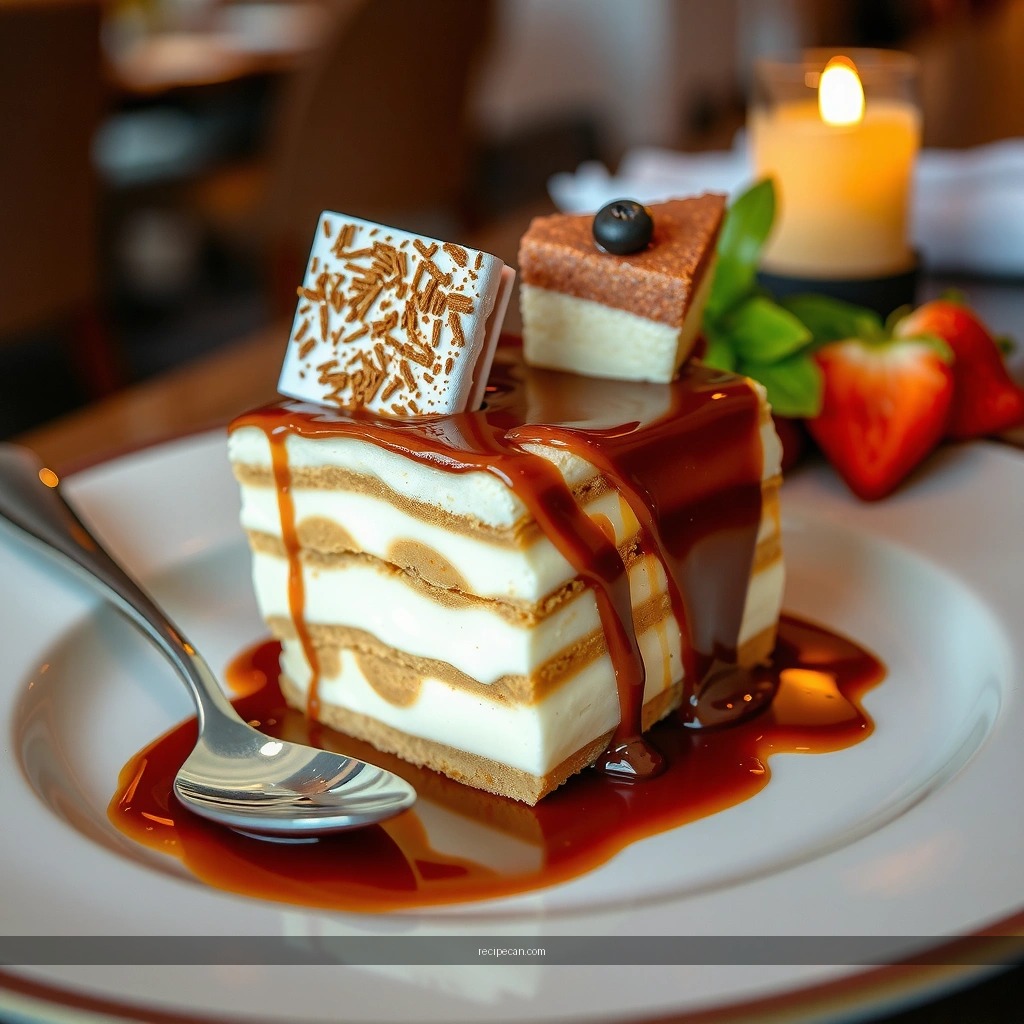
Tiramisu is unforgiving on timing: too much soaking makes layers gummy; too little makes them taste dry. Eggless tiramisu needs the same precision—just with eggless sponge alternatives.
1. Brew strong coffee/espresso and cool slightly before soaking
– Aim for coffee that’s warm-cool (not scalding). Very hot liquid can degrade sponge structure rapidly and melt the cream boundary.
2. Quick dip ladyfingers (or eggless sponge) to avoid soggy layers
– Dip each side for 1–2 seconds, then place immediately into the dish.
– If your ladyfingers are very thin, even 1 second per side may be enough.
3. Adjust sweetness by adding sugar to the coffee if desired
– If you prefer a sweeter tiramisu, dissolve sugar into the coffee while it’s still hot.
– Keep in mind: the mascarpone filling already has sugar—so add coffee sweetness gradually.
Ladyfinger alternatives that work well
– Eggless sponge fingers: best for classic texture.
– Plain eggless vanilla cake (thin slices): gives softer layers; reduce soaking time to prevent collapse.
– SAVoiardi-style cookies without eggs (if available): typically absorb quickly; test with one cookie first.
Tip: Make a mini test dip: soak one piece, assemble it, and chill for 10–15 minutes to evaluate how quickly it softens.
Layering the Tiramisu
Layering is where most home versions either become spectacular or start to break down. The goal is to create alternating textures: coffee-tender sponge and stable, creamy filling.
1. Start with a thin layer of filling
– This first layer acts like “glue,” preventing sponge from sliding.
2. Add soaked layers
– Arrange dipped ladyfingers/sponge in a single layer to avoid uneven thickness.
3. Repeat until you reach the top container level
– Common approach: 3 layers (sponge–filling–sponge–filling–sponge) for a standard baking dish.
4. Finish with mascarpone and a final dusting of cocoa powder
– Use a sieve for a fine cocoa blanket.
> Assembly best practice: Work in batches. If you soak a large stack of sponge at once, they will continue absorbing coffee while you assemble—leading to inconsistent softness. Dip, place, and move on.
What “perfect” looks like
– You should see sponge edges slightly darkened by coffee.
– Filling should hold ridges if you smooth the top with an offset spatula.
– After chilling, layers should slice cleanly without watery pooling.
Chilling & Serving Tips
Chilling is not optional; it’s the mechanism that turns creamy mixture into structured tiramisu. It also allows coffee flavor to diffuse evenly.
– Refrigerate at least 4–6 hours (overnight is best)
– For consistent results, choose overnight (8–12 hours).
– Use a sharp, warm knife to portion without smearing cocoa
– Dip the knife in hot water, wipe dry, and cut in firm strokes.
– Warming the blade prevents cream dragging and makes cleaner boundaries.
– Serve chilled for the best texture and flavor
– Tiramisu tastes richer when cold because fat is more stable and cocoa aromas remain pronounced.
Storage
– Cover tightly and refrigerate.
– Eat within 2–3 days for best texture. After that, the sponge can continue to soften, especially with high-moisture sponge bases.
Troubleshooting Eggless Tiramisu
If your eggless tiramisu doesn’t behave, the issue is usually one of three things: thickness, moisture exposure, or coffee balance. Here’s how to correct each problem.
– If filling is runny, chill longer and consider adding a touch more thickener
– Chill at least 6 hours; ideally overnight.
– For a future batch, use soft-to-medium peaks (not under-whipped) and consider the cornstarch custard substitute for firmer set.
– If layers are too soft, reduce soaking time and use firmer eggless ladyfingers
– Shorten to 1 second per side.
– Choose denser sponge/biscuit-style ladyfingers when available.
– If flavor is flat, strengthen coffee and increase vanilla or cocoa
– Brew stronger coffee or use espresso.
– Add a touch more vanilla to the mascarpone or increase cocoa intensity with a heavier final dusting.
Quick diagnostic:
If the dessert tastes okay but textures collapse—focus on soaking time and filling firmness. If texture is good but flavor is muted—focus on coffee strength, vanilla, and cocoa balance.
Eggless tiramisu can be just as creamy and indulgent as the classic—using a no-egg mascarpone filling and proper coffee-soaking. Follow the filling, layer, and chill tips above for perfect texture every time, then dust with cocoa and serve cold. Try the recipe this week and experiment with your favorite coffee strength or sponge for your ideal eggless tiramisu.
Frequently Asked Questions
What are the best eggless substitutes for tiramisu in an eggless tiramisu recipe?
Traditional tiramisu often uses egg yolks for a creamy zabaglione-style base, but you can skip eggs entirely. For an eggless tiramisu recipe, use mascarpone mixed with either sweetened condensed milk or a cooked cornstarch custard to achieve a thick, silky texture. You can also use dairy-free mascarpone alternatives if needed, just ensure they whip and spread well.
How do you make an eggless tiramisu recipe creamy without using raw eggs?
To keep the texture creamy, focus on properly whipping mascarpone (or your chosen cream cheese/mix) until smooth and lighter. Then fold it gently into a stabilized mixture like warm sweetened condensed milk or a quick cornstarch-thickened custard that has cooled. This method prevents graininess and ensures the eggless tiramisu holds its shape after chilling.
How long should you chill eggless tiramisu for the best flavor and texture?
Chill your eggless tiramisu for at least 4 to 6 hours, and ideally overnight, so the ladyfingers fully absorb the coffee and mascarpone blend. Overnight chilling also helps the tiramisu taste richer and more cohesive, with cleaner layers. If you’re short on time, aim for a minimum of 3 hours, but the texture may be slightly less set.
Which coffee and flavoring works best in an eggless tiramisu recipe?
Use strong brewed espresso, espresso concentrate, or very strong coffee so the flavor stands up after soaking. For the best classic taste, add a splash of rum or coffee liqueur (optional) and a pinch of cocoa powder to deepen the coffee notes. If you prefer non-alcoholic tiramisu, use vanilla extract or extra coffee instead to keep the flavor balanced.
Why does eggless tiramisu turn watery, and how can you prevent it?
Watery eggless tiramisu usually happens when the ladyfingers are soaked too long or the mascarpone mixture is too runny. Dip each ladyfinger quickly—just a second or two—so it absorbs coffee without collapsing, and use a thick, chilled mascarpone base for best results. Also ensure your custard or condensed milk mixture cools completely before combining to avoid a loose cream layer.
References
- Google Scholar Google Scholar
https://scholar.google.com/scholar?q=eggless+tiramisu+recipe - Google Scholar Google Scholar
https://scholar.google.com/scholar?q=tiramisu+without+eggs+mascarpone - Google Scholar Google Scholar
https://scholar.google.com/scholar?q=egg+substitutes+in+desserts+creams+%22tiramisu%22 - Tiramisu
https://en.wikipedia.org/wiki/Tiramisu - Mascarpone
https://en.wikipedia.org/wiki/Mascarpone - Lady finger
https://en.wikipedia.org/wiki/Ladyfinger - https://www.fda.gov/food/buy-store-serve-safe-food/eggs
https://www.fda.gov/food/buy-store-serve-safe-food/eggs - https://www.fsis.usda.gov/food-safety/safe-food-handling-and-preparation/eggs
https://www.fsis.usda.gov/food-safety/safe-food-handling-and-preparation/eggs - https://www.cdc.gov/salmonella/general/index.html
https://www.cdc.gov/salmonella/general/index.html - Food safety
https://www.who.int/news-room/fact-sheets/detail/food-safety