If you’re searching for the best Texas tea recipe, this is the one: a classic, bar-style version you can make at home with reliable flavor and an easy process. You’ll learn the exact ingredients and measurements, plus how to mix it so it tastes right every time. Follow this and you’ll have Texas tea that wins for straightforward sweetness, bold tea flavor, and a clean finish—whether you’re serving one glass or a crowd.
A Texas tea recipe is a simple, crowd-friendly cocktail that delivers a refreshing sweet-tea profile balanced with rum and citrus—best served cold over plenty of ice. In the sections below, you’ll get the classic ingredient list, a step-by-step mixing process, and practical tweaks so you can dial in sweetness, strength, and flavor depth for your next gathering.
What Is a Texas Tea?
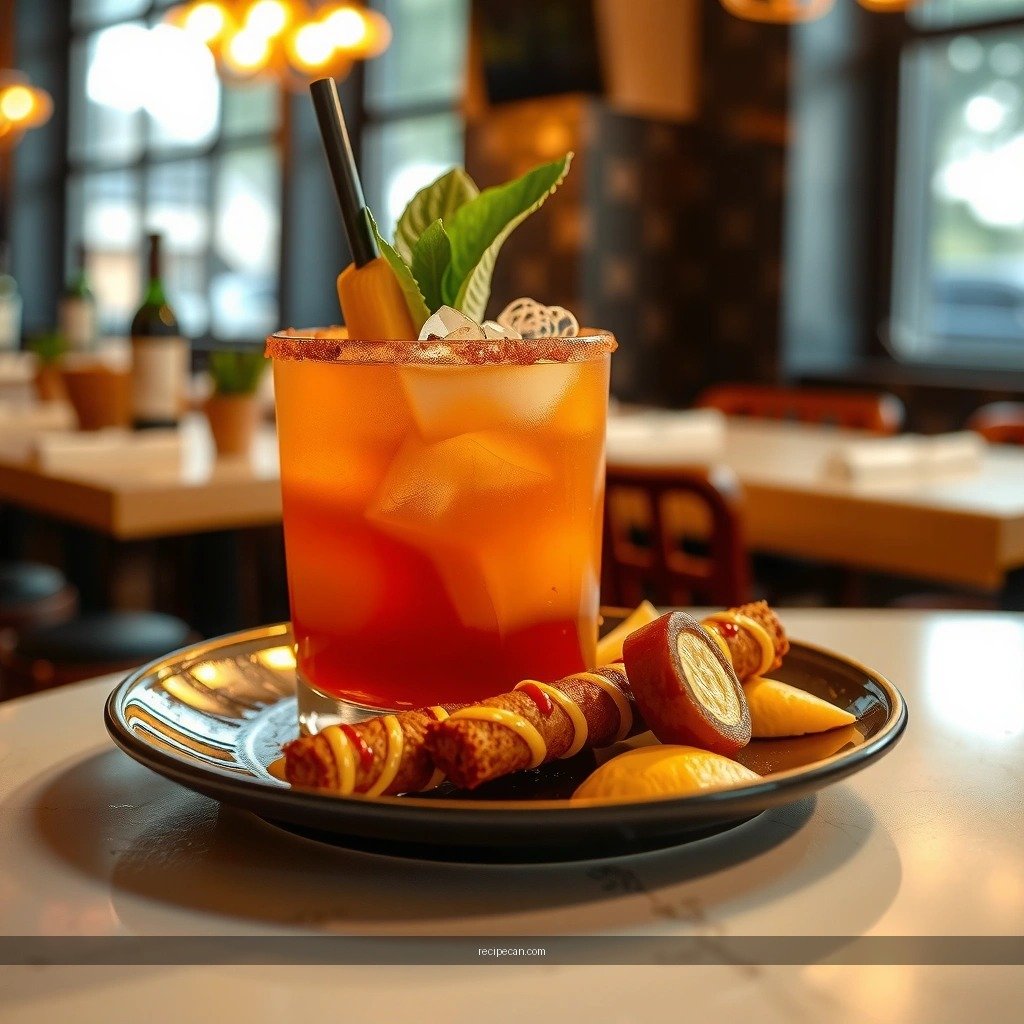
– A sweet, refreshing cocktail often served in batches for parties
– Commonly features rum paired with a tea-like flavor and citrus
Texas tea is essentially a “batch cocktail” concept built around one core idea: create the taste of sweet iced tea, then round it out with rum and a bright citrus note. While the name can lead to regional variations, most Texas tea recipes follow a consistent structure: a tea-style sweet base (often brewed sweet tea or a tea concentrate), rum for warmth and body, and lemon for lift.
From a planning perspective, this is a high-repeatability drink. It scales well into pitchers, it’s forgiving (you can adjust strength and sweetness after mixing), and it has a flavor profile that tends to appeal broadly—sweet, familiar, and refreshing without tasting like a heavy “liquor-forward” cocktail.
To be clear, Texas tea isn’t typically a “single garnish, single pour” drink like some classic cocktails. It’s designed for volume and flexibility: you mix first, taste second, and then serve immediately or chill until ready.
Ingredients for a Texas Tea Recipe
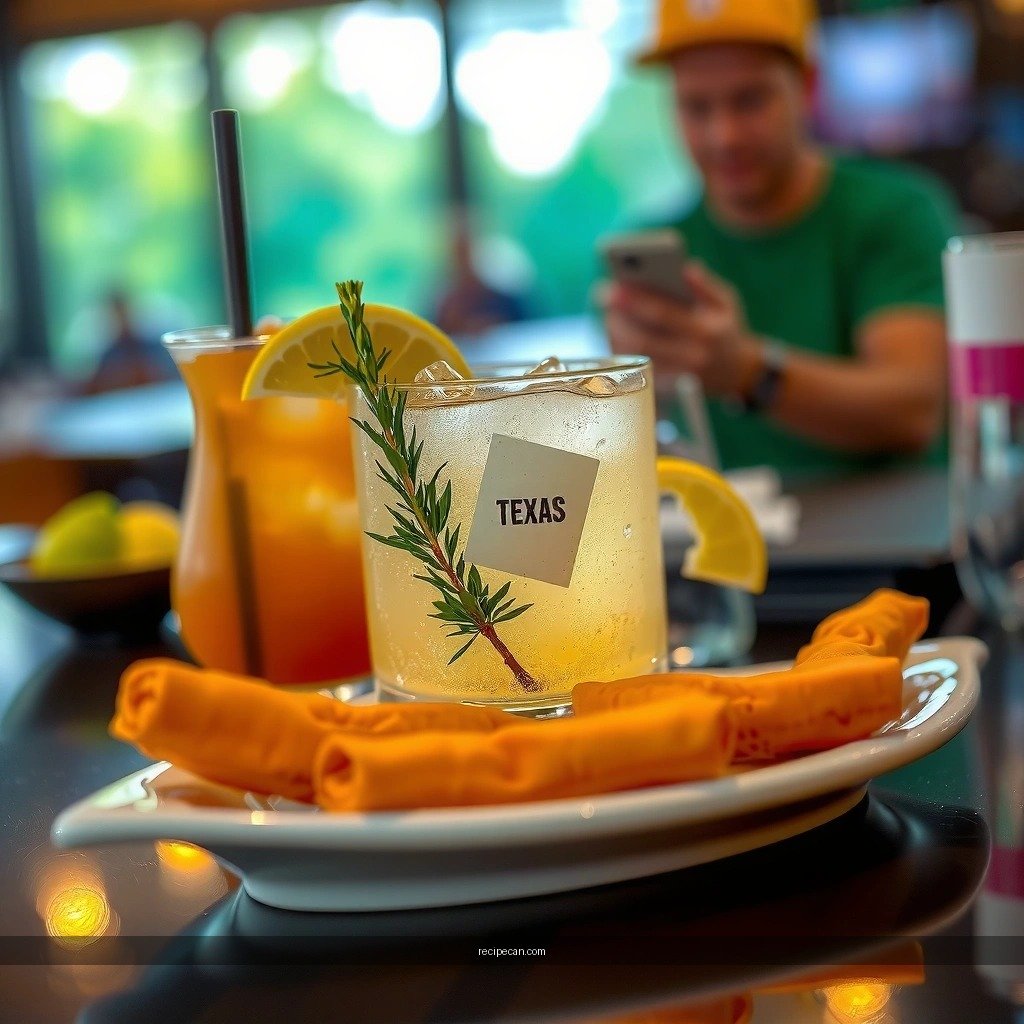
– Rum as the base spirit (choose your preferred style)
– Sweet tea or tea concentrate plus lemon (and optional sweeteners)
A strong Texas tea recipe depends on selecting ingredients that match the role they play in the flavor system: sweetness, tea character, alcohol structure, and citrus brightness.
1) Rum (the backbone)
Rum provides sweetness, warmth, and a mellow alcohol profile that blends smoothly with tea. In practice, you’ll find two common directions:
– Light or gold rum for a cleaner, more neutral rum presence.
– Spiced rum if you want a deeper, dessert-leaning flavor (think caramel-like warmth).
If you’re aiming for the “classic” vibe, light or gold rum is usually the most straightforward.
2) Sweet tea or tea concentrate (the flavor engine)
Texas tea is “tea first,” rum second. Choose the base you can control best:
– Brewed sweet tea: You can make it from scratch and tailor the sweetness precisely.
– Tea concentrate: Saves time and gives consistent results batch to batch.
If you use concentrate, be sure to dilute it according to the label before adding to your pitcher. Over-concentrating is a common reason Texas tea tastes harsh or overly “tea-like” rather than smooth.
3) Lemon (for brightness and balance)
Lemon prevents the drink from becoming one-note sweetness. Most Texas tea recipes incorporate lemon by:
– Adding lemon juice for fresh acidity
– Using lemon slices in the pitcher or for serving
– Including a touch of lemon zest for aroma (optional but effective)
4) Optional sweeteners (use selectively)
If your sweet tea is already properly sweet, you may not need additional sugar. That said, some tea concentrates can be under-sweet, and batch drinks sometimes require minor adjustments to match your crowd’s preferences.
5) Ice + serving considerations
Texas tea is best cold. Plan for large ice cubes or a lot of ice so the drink doesn’t dilute too quickly or turn watery before guests finish their first sip.
Typical Texas Tea Batch Ratios (Rum Strength vs. Sweet Tea Base)
| # | Batch Size | Sweet Tea (cups) | Rum (cups) | Lemon Juice (tbsp) | Crowd Preference |
|---|---|---|---|---|---|
| 1 | 1 pitcher (~8 servings) | 4 | 0.5 | 2 | Lower-alcohol |
| 2 | 1 pitcher (~10 servings) | 5 | 0.75 | 2.5 | Balanced |
| 3 | 1.5 pitchers (~15 servings) | 7.5 | 1.25 | 3 | Party-standard |
| 4 | 2 pitchers (~20 servings) | 10 | 1.75 | 4 | More rum-forward |
| 5 | 1 batch (~6 servings, small gathering) | 3 | 0.4 | 1.5 | Light & refreshing |
| 6 | 2-person pitcher (~4–5 servings) | 2.5 | 0.3 | 1.25 | If guests prefer mild |
| 7 | High-strength batch (~12 servings) | 6 | 1.1 | 3 | Strong tea + rum |
Step-by-Step Texas Tea Mixing Instructions
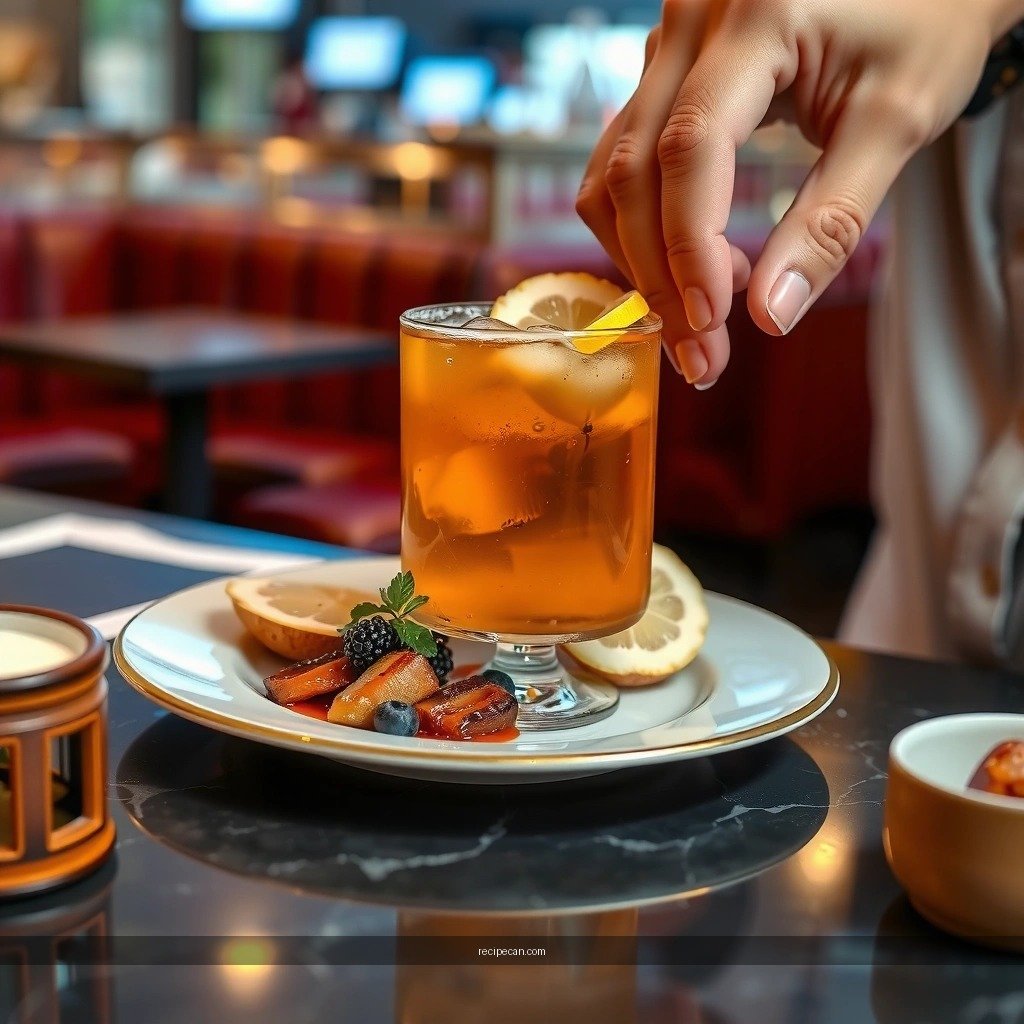
– Combine ingredients, stir well, and adjust sweetness to taste
– Chill before serving and serve over ice for best results
The Texas tea recipe workflow is designed to be simple and controllable. Think of it as building layers: tea base → rum → citrus → final sweetness calibration.
Step 1: Prepare your sweet tea base
If you’re using brewed sweet tea, start by making it strong enough to handle dilution from ice. As a practical baseline:
– Brew tea slightly stronger than “drinkable” tea
– Sweeten while warm so sugar dissolves fully
If using concentrate, dilute according to the label, then sweeten only if needed.
Step 2: Add rum to the pitcher
Pour the measured rum into your pitcher first (or add it after the tea base—either approach works, but adding rum to a partially filled pitcher can make it easier to mix thoroughly). Stir gently but consistently to integrate.
Step 3: Add lemon juice and citrus notes
Add lemon juice, then taste your mixture before chilling. You’re looking for a bright but not sour profile—enough acidity to prevent the drink from feeling syrupy.
If you want a more “tea-forward” aroma, add a small amount of lemon zest (optional), then stir and let it rest for 5–10 minutes.
Step 4: Adjust sweetness and strength
This is where you tailor the Texas tea to your specific audience:
– If it tastes too sweet, add more tea (or a splash of unsweetened tea) and a bit more lemon.
– If it tastes too mild, add a little more rum and stir thoroughly.
Make adjustments in small increments, especially for a batch. You can always add, but you generally can’t remove alcohol once it’s in.
Step 5: Chill, then serve over ice
Cover the pitcher and chill until cold. When serving:
– Fill glasses with ice first (this keeps the drink cold from the first pour)
– Pour the Texas tea over ice
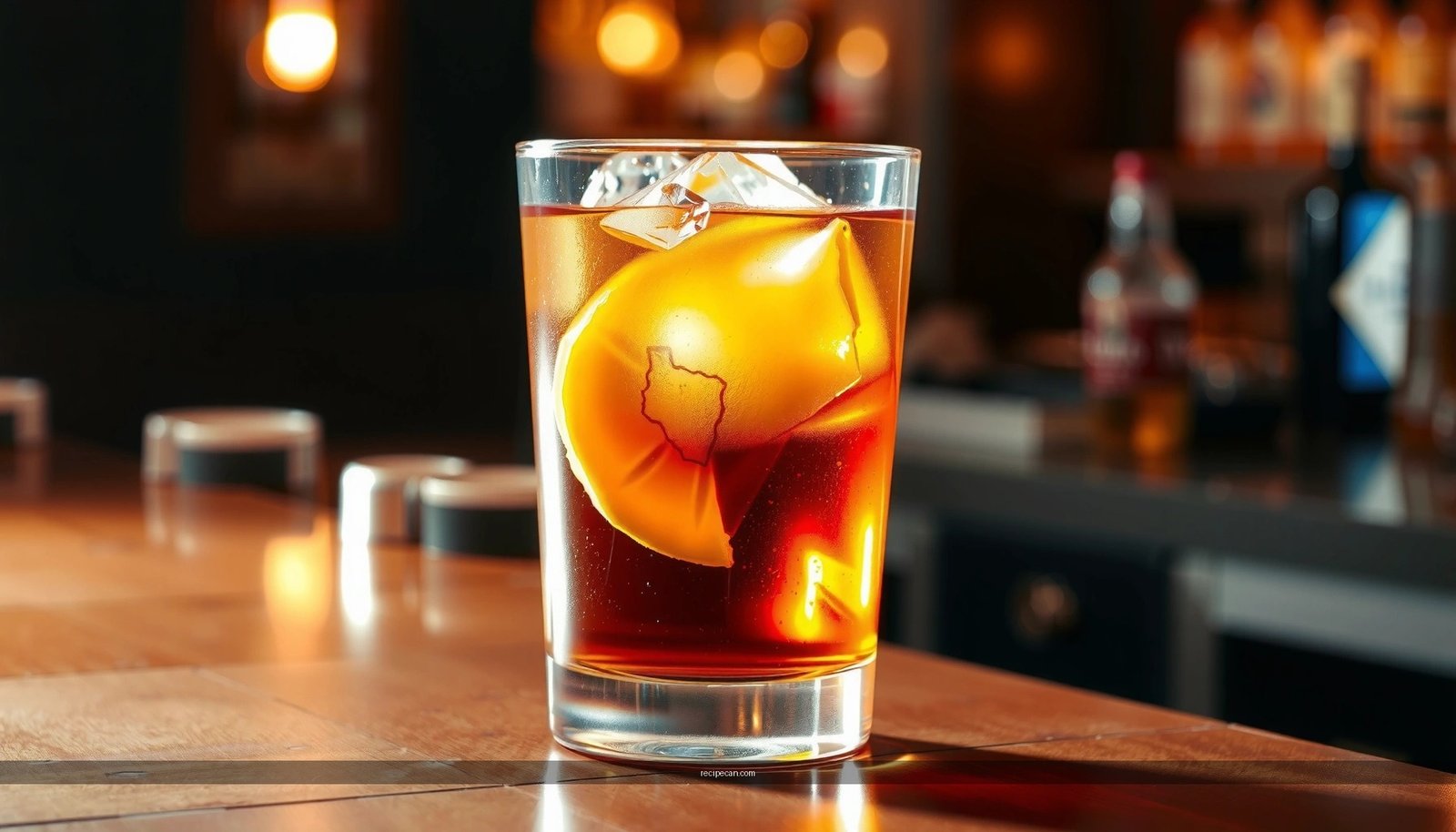
– Garnish with lemon slices or a lemon wheel for a clean, classic look
Professional tip: For a consistent pour across guests, stir the pitcher again right before service so any citrus or tea sediment distributes evenly.
Best Flavor Variations and Twists
– Add extra lemon or a splash of citrus for brightness
– Try different rums or a stronger tea flavor for deeper taste
Texas tea is flexible by design. Once you’ve mastered the classic balance, you can customize it without losing the drink’s identity (sweet tea + rum + citrus).
Variation 1: “Extra-bright” citrus Texas tea
If your crowd likes a sharper profile:
– Increase lemon juice slightly (by about 1 tbsp per pitcher, then taste)
– Add a small splash of orange juice or lime juice for complexity
This doesn’t turn the drink into a different cocktail—it keeps the citrus note layered rather than flat.
Variation 2: Spiced rum Texas tea (warm dessert edge)
Switch from light/gold rum to spiced rum for caramel and spice notes. Pair it with:
– Slightly stronger tea (steep tea a little longer or use concentrate at higher strength)
– A touch more lemon to prevent spice from dominating
Variation 3: Strong tea profile (bolder tea character)
For deeper “tea” flavor:
– Use a tea blend that stands up in cocktails (black tea works best)
– Reduce dilution by chilling the base before mixing with ice during serving
– Keep citrus stable—tea strength increases can make lemon feel muted, so adjust upward if needed
Variation 4: Tea + herbal contrast
For an unexpected but still coherent twist:
– Use a portion of tea base made from hibiscus or herbal berry tea (not overly floral)
– Keep the rum and lemon ratios similar
This creates a more aromatic drink while preserving the “tea soda/cocktail” identity.
Serving Tips for Parties
– Mix in a pitcher for easy batch serving
– Garnish with lemon slices or tea-infused accents for a classic look
Texas tea shines in party environments because it’s practical, scalable, and easy to standardize.
Batch organization that reduces waste
1. Use a large pitcher (or even multiple smaller pitchers) for ease of pouring.
2. Stagger preparation if you’re also doing food: mix the base, chill, and assemble close to serving time.
3. Keep extra lemon on the side for quick garnish refreshes.
Garnish ideas guests actually notice
– Lemon slices: Classic and visually consistent.
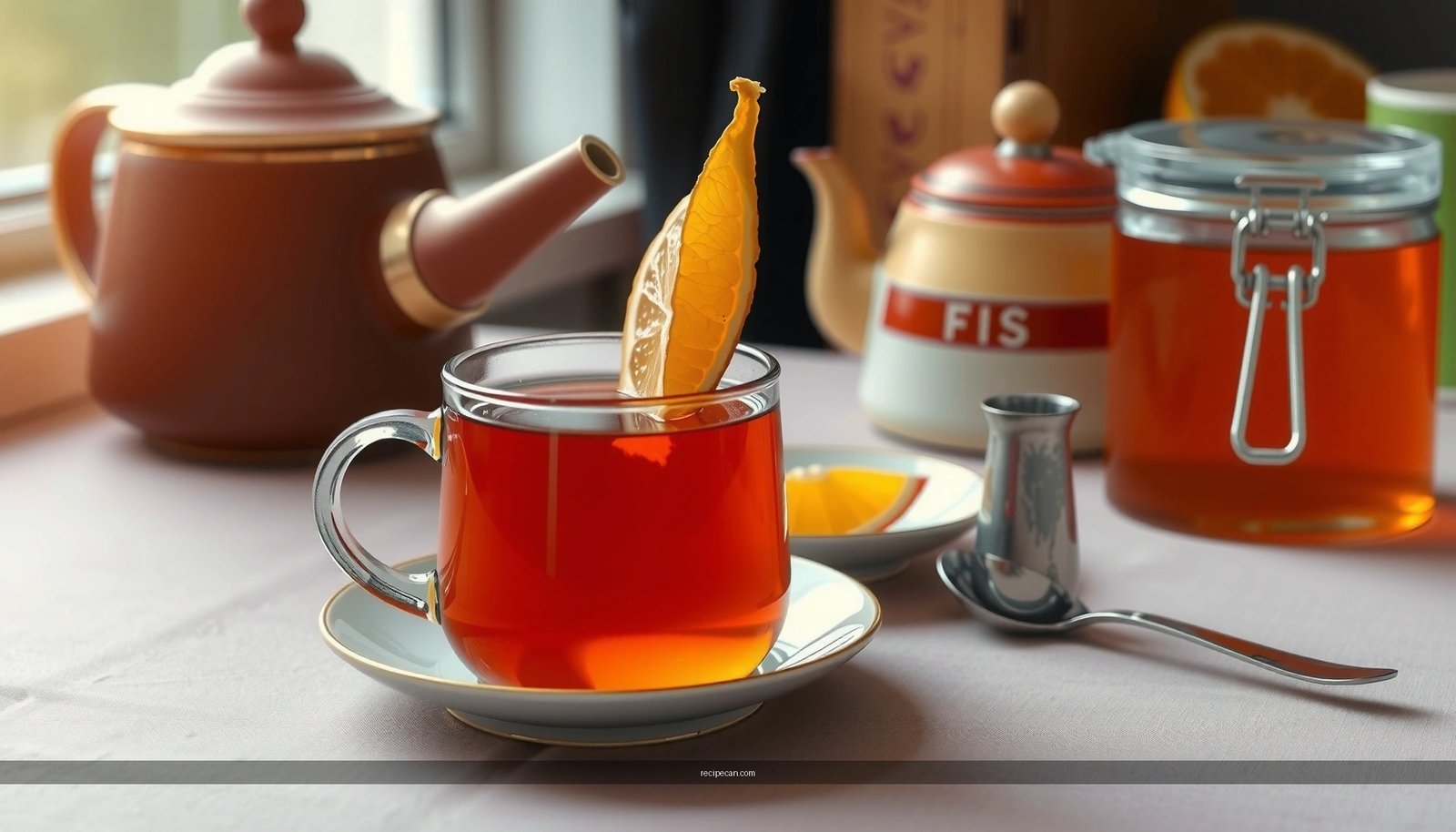
– Tea-infused lemon wheels: Steep lemon slices briefly in hot water, then cool, before adding to the pitcher. (Use subtly—this is about aroma, not flavoring the entire batch like a tea steep.)
– Ice strategy: Large cubes or lots of ice keep the drink cold without fast dilution.
Service pacing
Texas tea can start tasting slightly “softer” as it warms. To maintain flavor:
– Serve from the chilled pitcher
– Refresh ice frequently
– Stir right before the next wave of pours
What Rum Style Works Best in Texas Tea?
| # | Rum Style | Best For | Flavor Fit | Rating |
|---|---|---|---|---|
| 1 | Light Rum | Most “classic” Texas tea | Neutral warmth | ★★★★☆ |
| 2 | Gold Rum | Balanced tea + rum body | Slight caramel note | ★★★★★ |
| 3 | White Rum + Extra Lemon | Ultra-refreshing profile | Citrus-forward | ★★★★☆ |
| 4 | Spiced Rum | Dessert-like “tea punch” | Warm spice lift | ★★★★☆ |
| 5 | Dark Rum | Strong, molasses-leaning taste | Heavier finish | ★★★☆☆ |
| 6 | Overproof Rum (use sparingly) | Experienced mixers | More bite | ★★★☆☆ |
| 7 | Rum Liqueur (limit sweetness) | If you want extra flavor complexity | Sweet-leaning base | ★★★☆☆ |
Troubleshooting Common Issues
– Too sweet? Add more tea or lemon to balance the flavor
– Too weak? Increase rum slightly or use a stronger tea base
Even an easy Texas tea recipe benefits from a clear troubleshooting approach. The key is understanding which ingredient controls which part of the taste.
Problem: Too sweet
What it usually means: The tea base is overly sweet, or the lemon brightness is too low.
What to do:
– Add unsweetened tea (or additional brewed tea without sugar)
– Increase lemon juice gradually
– Reduce any added sweetener next batch
Problem: Too weak (not enough “kick”)
What it usually means: Rum proportion is low or tea base is diluting the alcohol profile.
What to do:
– Add a small amount of rum, stir, and taste
– Use a stronger tea base next time (less dilution, or concentrate at full strength before dilution)
Problem: Lemon tastes harsh or “thin”
What it usually means: Too much lemon juice without enough tea character to round it out.
What to do:
– Add more sweet tea to soften the acidity
– Let the pitcher chill 10–20 minutes; flavors integrate as it cools
Problem: Tea flavor is bland or disappears
What it usually means: The tea base is too light, or you used a tea that doesn’t hold up in cocktails.
What to do:
– Brew tea a bit stronger or steep longer
– Confirm you diluted concentrate correctly
– Consider switching tea type (black tea generally performs best)
Problem: Flavor gets less consistent during serving
What it usually means: Citrus and tea components can distribute unevenly in a large batch.
What to do:
– Stir the pitcher before each serving run
– Pour from the center, not only from the edges
Texas tea is designed to be tasted and adjusted. If you treat it like a “mix, then taste, then correct” drink rather than a fixed formula, you’ll get dependable results every time.
Texas tea is all about balancing sweet tea flavor with rum and citrus—then serving it cold and refreshing, usually over lots of ice. Follow the steps above, taste as you go, and make a batch for your next gathering. Start with the classic Texas tea recipe, then experiment with lemon intensity and rum style until the flavor matches your crowd’s preferences.
Frequently Asked Questions
What is the best Texas tea recipe using brewed tea and lemon-lime soda?
A classic Texas tea recipe combines strongly brewed black tea with a sweetener like simple syrup or sugar and often adds a splash of lemon juice for brightness. To finish, pour in lemon-lime soda (or another citrus soda) and stir gently so you keep the fizz. Serve it over ice with optional garnishes like lemon slices or mint.
How do you make Texas tea that tastes like a sweet Southern drink at home?
Start by brewing your black tea very strong—use more tea leaves or a longer steep time—then cool it slightly so the sweetness doesn’t taste harsh. Mix the tea with sugar (or syrup) until it’s well balanced, then add citrus and chill before topping with lemon-lime soda. This method helps your Texas tea stay flavorful and not watery, even when poured over ice.
Which ingredients are essential for a traditional Texas tea recipe (and what can you swap)?
The core components are strong black tea, a sweetener, and lemon-lime soda, with lemon juice often used to brighten the flavor. If you don’t have soda, you can try adding a bit of club soda plus extra citrus, but it won’t be as classic. For substitutions, use regular or caffeine-free black tea, and swap sugar with honey or flavored syrups to match your preferred taste.
Why does Texas tea taste better when it’s made ahead and chilled?
Chilling allows the flavors in your brewed tea, sweetener, and citrus to blend more evenly, resulting in a smoother, more “rounded” taste. Many people also find that the drink is less sharp and more refreshing once cold. For best results, prepare the tea mixture in advance and add the lemon-lime soda right before serving.
How much tea and sugar should you use for a large-batch Texas tea recipe?
For a large batch, brew about 8 cups of strong black tea and sweeten to taste—many recipes start around 3/4 to 1 cup of sugar depending on your preference and how sweet your soda is. Let the tea mixture cool, then mix in lemon juice and adjust sweetness until balanced. When ready to serve, top each glass with ice and add lemon-lime soda to maintain the carbonation.
References
- https://en.wikipedia.org/wiki/Texas_Tea_(cocktail
https://en.wikipedia.org/wiki/Texas_Tea_(cocktail - Texas tea
https://en.wikipedia.org/wiki/Texas_tea - Google Scholar Google Scholar
https://scholar.google.com/scholar?q=Texas+tea+cocktail+recipe - Google Scholar Google Scholar
https://scholar.google.com/scholar?q=Texas+tea+cocktail+history+origin - Google Scholar Google Scholar
https://scholar.google.com/scholar?q=%22Texas+Tea%22+drink+recipe+rum - https://books.google.com/books?q=%22Texas+tea%22+cocktail
https://books.google.com/books?q=%22Texas+tea%22+cocktail - Google Search
https://books.google.com/books?q=%22Texas+tea%22+recipe+cocktail+rum+vodka - https://books.google.com/books?q=%22Texas+tea%22+drink+punch+recipe
https://books.google.com/books?q=%22Texas+tea%22+drink+punch+recipe - Internet Archive: Digital Library of Free & Borrowable Texts, Movies, Music & Wayback Machine
https://archive.org/search?query=%22Texas%20tea%22%20cocktail%20recipe - https://catalog.hathitrust.org/Search/Home?lookfor=%22Texas+tea%22+cocktail&searchtype=all&ft=ft&results=20&sort=relevance
https://catalog.hathitrust.org/Search/Home?lookfor=%22Texas+tea%22+cocktail&searchtype=all&ft=ft&results=20&sort=relevance