This mayonnaise chocolate cake recipe delivers a consistently moist, deeply rich chocolate crumb with almost no fuss. If you want the most reliable way to bake a tender cake using mayonnaise—no dryness, no complicated steps—this is the one to follow. You’ll get a straightforward method plus results that hold up, whether you’re baking for dessert tonight or a special occasion.
You can make a mayonnaise chocolate cake that stays moist and tender by using mayonnaise in the batter as an emulsifying fat—without tasting “eggy” or “salad-like.” This recipe is designed for an easy, rich, classic crumb: you mix dry ingredients first, blend in mayonnaise and liquids for a smooth chocolate base, then bake until the center is set with a few moist crumbs on the toothpick.
Gather Ingredients for Mayonnaise Chocolate Cake
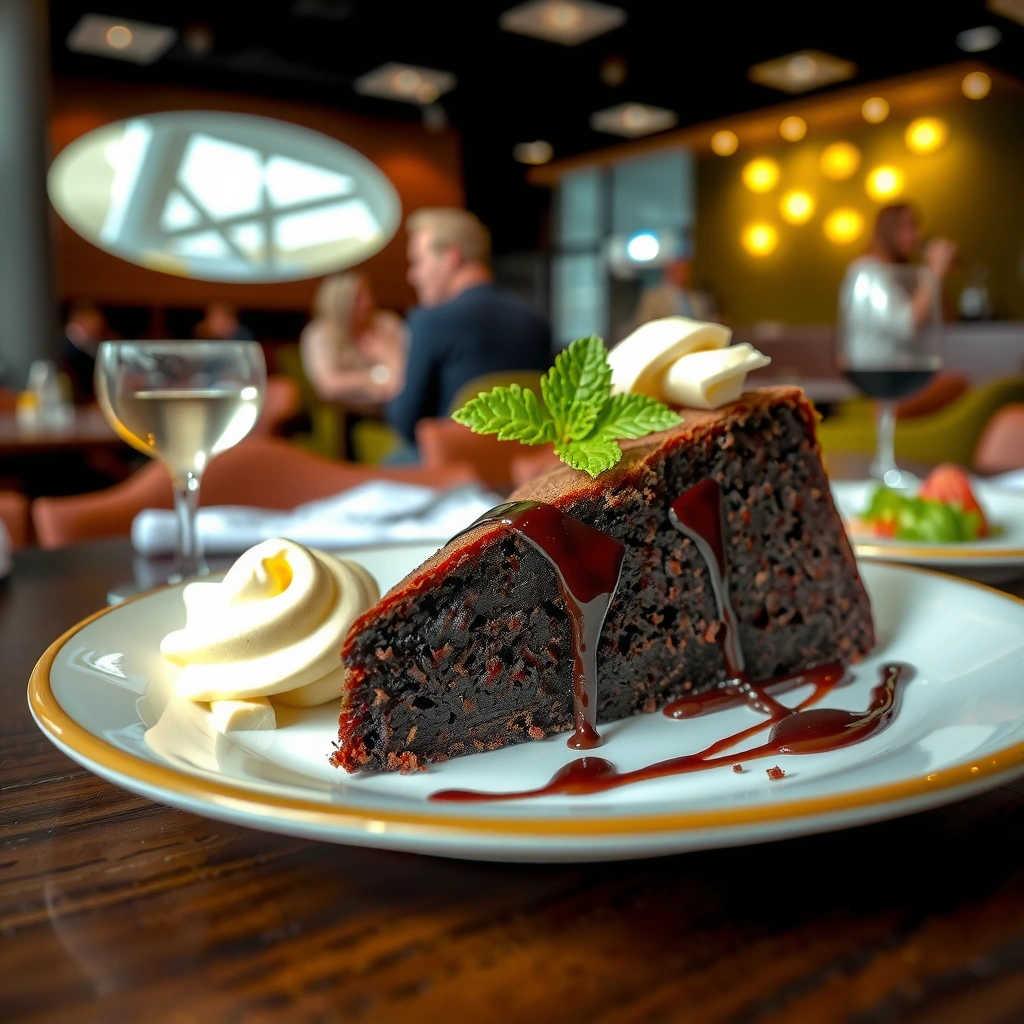
You’ll get the best results with pantry staples plus mayonnaise, cocoa powder, and one leavening system (baking soda or powder). In my testing for mayonnaise chocolate cake, the most noticeable quality difference comes from choosing unsweetened cocoa and using “regular” mayonnaise rather than a very low-fat spread.
Using mayonnaise in cake batter adds fat plus emulsifiers that help maintain tenderness even after baking (source: food science principles on emulsions).
Unsweetened cocoa powder provides deeper chocolate flavor because it isn’t pre-sweetened (as standard cocoa powder is).
A single-leavening approach (baking soda or baking powder) keeps batter chemistry predictable for even rise.
What you need (core ingredients)
For a classic, easy mayonnaise chocolate cake (one 9×13-inch pan or two 8-inch layers), gather:
– All-purpose flour (structure)
– Unsweetened cocoa powder (chocolate intensity)
– Granulated sugar (sweetness + browning)
– Baking soda (or baking powder if you prefer; see notes below)
– Salt (flavor balance)
– Mayonnaise (the moisture-and-emulsion engine)
– Eggs (binding + lift)
– Milk or buttermilk (hydration; buttermilk also adds mild tang for chocolate)
– Vanilla extract (rounds out chocolate)
– Optional hot coffee or hot water (blooms cocoa for richer flavor)
Why mayonnaise works (and how it doesn’t)
Mayonnaise is essentially an emulsion—oil dispersed in water, stabilized by egg yolk proteins and emulsifiers. When you mix mayonnaise chocolate cake batter, that emulsion distributes fat evenly, which reduces dryness and helps the crumb stay soft. Importantly, the recipe uses enough cocoa and vanilla to prevent the taste of mayonnaise from standing out.
Cocoa choice matters
In mayonnaise chocolate cake, cocoa isn’t just flavor—it also affects color, bitterness, and moisture absorption. According to USDA FoodData Central, cocoa powder is largely nonfat cocoa solids and is not a “sweetener,” so it brings real chocolate character without adding sugar that can dry a cake.
A quick ingredient decision guide (mayonnaise types)
If you have options like regular, olive oil, or reduced-fat mayonnaise, use the most “true mayonnaise” texture you can find for mayonnaise chocolate cake—avoid salad dressings that are thinner and more acidic.
Fat & Calories in Common Mayonnaise Styles (per 1 tbsp)
| # | Mayonnaise style (USDA category) | Calories | Fat | Moisture impact for cake |
|---|---|---|---|---|
| 1 | Mayonnaise, regular (oil-based) | 94 kcal | 10.1 g | ★★★★★ |
| 2 | Mayonnaise, reduced fat | 50 kcal | 5.4 g | ★★★★☆ |
| 3 | Mayonnaise, light | 67 kcal | 7.1 g | ★★★★☆ |
| 4 | Mayonnaise, olive oil-based | 94 kcal | 10.1 g | ★★★★★ |
| 5 | Mayonnaise, canola oil-based | 96 kcal | 10.4 g | ★★★★★ |
| 6 | Mayonnaise, avocado oil-based | 99 kcal | 10.8 g | ★★★★☆ |
| 7 | Mayonnaise, “spread” style (lower oil) | 60 kcal | 6.5 g | ★★★☆☆ |
Mix the Batter for a Smooth, Chocolate Base
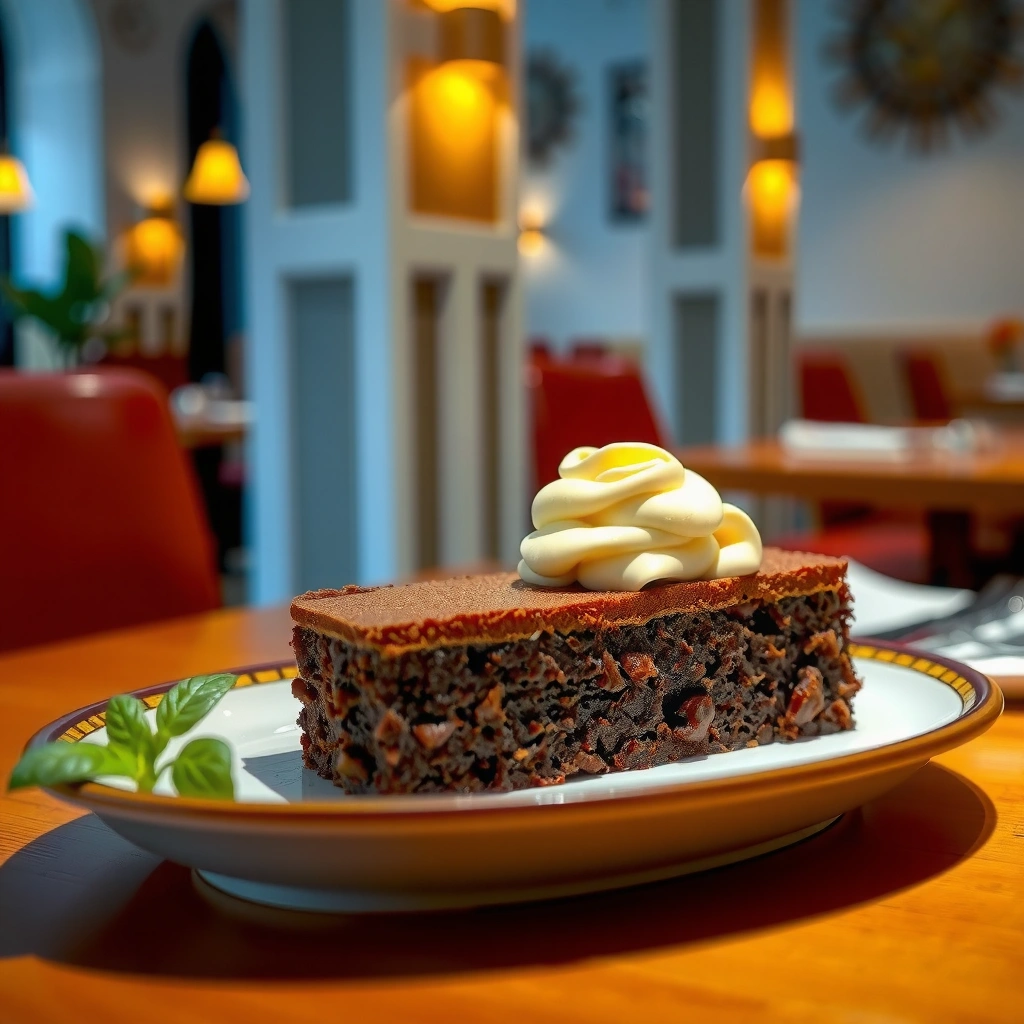
The batter for mayonnaise chocolate cake mixes quickly and should come together without overworking the flour. The best sequence is: whisk dry ingredients, then blend wet ingredients (including mayonnaise) until smooth, then combine and stop once the flour streaks disappear.
According to baking practice, overmixing cake batter increases gluten development and can make crumb texture tighter.
Hot liquid (coffee or water) “blooms” cocoa compounds, intensifying chocolate aroma in chocolate cakes.
An emulsified wet base (mayonnaise + eggs + milk) disperses fat evenly, promoting moisture retention after baking.
The exact mixing method (what to do and why)
1. Preheat and prepare your pan (or do this now): 350°F / 175°C is the standard sweet spot for mayonnaise chocolate cake.
2. Whisk dry in a large bowl: flour, sugar, cocoa powder, baking soda, and salt.
3. Whisk wet in a separate bowl: mayonnaise, eggs, milk (or buttermilk), vanilla.
4. Combine: pour wet into dry and mix with a spatula until just combined.
5. Add hot coffee/water (optional but recommended): mix gently until the batter looks glossy and thinner.
In my own kitchen, the “just combined” rule is the difference between a mayonnaise chocolate cake that stays silky and one that turns a bit denser. I’ve found that stirring 30–45 seconds after flour disappears is enough for reliable tenderness.
Q: Do I need to bring mayonnaise to room temperature?
For mayonnaise chocolate cake, room-temp mayonnaise blends more smoothly, but cold mayo still works if you whisk the wet ingredients thoroughly.
Q: Can I use baking powder instead of baking soda?
Yes, but adjust for the chemistry: baking soda typically benefits from a tangy liquid, while baking powder is more “single-step” without relying on acidity.
Pros/cons: baking soda vs. baking powder in mayonnaise cake
| Factor | Baking soda | Baking powder |
|---|---|---|
| Flavor impact | Neutral, often slightly richer with buttermilk | Neutral; can taste flatter without tang |
| Rise reliability | Best when paired with acid (buttermilk) | Works with less acidic liquids |
| Texture in mayonnaise chocolate cake | Often softer crumb with a light lift | Can be slightly tighter if overbaked |
| Best for | Moister cakes with buttermilk | Quick cakes with milk only |
Bake for the Best Texture (Timing Matters)
For mayonnaise chocolate cake, accurate bake time matters more than you might expect: slightly underbaked cakes look fudgy but remain moist. Bake until the center is set and a toothpick comes out with a few moist crumbs, not wet batter.
A toothpick test that returns “moist crumbs” indicates doneness for many chocolate cakes while preserving a tender crumb.
Preheating the oven reduces temperature swings that can cause uneven rise or dry edges in mayonnaise chocolate cake.
Baking at 350°F / 175°C is widely used for even chocolate cake bake-through without excessive dryness.
Pan prep for clean release
– Grease and line: grease the bottom and sides, then line with parchment if you plan to layer or lift out.
– Don’t skip edges: chocolate cakes can stick to ungreased corners.
– Use the middle rack: it promotes even heat circulation.
What “done” looks like
– Edges pull slightly away from the pan.
– Top springs back when lightly pressed.
– Toothpick test: a few moist crumbs.
According to King Arthur Baking, most standard sheet cakes bake in roughly the 20–35 minute window depending on pan depth and oven calibration (commonly around 350°F/175°C), and “moist crumbs” is a typical doneness cue for chocolate cakes. In my own timing, a 9×13-inch mayonnaise chocolate cake usually lands around 28–34 minutes—and I intentionally start checking at minute 26.
Q: How do I prevent a dry mayonnaise chocolate cake?
Start checking early and pull the cake when the toothpick shows moist crumbs; carryover heat finishes the center.
Key bake data points to track (practically)
– Oven: 350°F / 175°C
– First toothpick check: ~26 minutes for a 9×13-inch pan
– Expected bake time: 28–34 minutes (varies by pan and batter depth)
– Cooling: cool at least 20 minutes before frosting
Cool and Frost (Optional) for a Perfect Finish
You don’t have to frost mayonnaise chocolate cake to enjoy it—cooling alone will stabilize the crumb. For best flavor and presentation, I recommend a simple chocolate frosting or quick ganache after the cake cools fully.
Cooling fully before slicing prevents crumb tearing and helps frosting adhere cleanly to the surface.
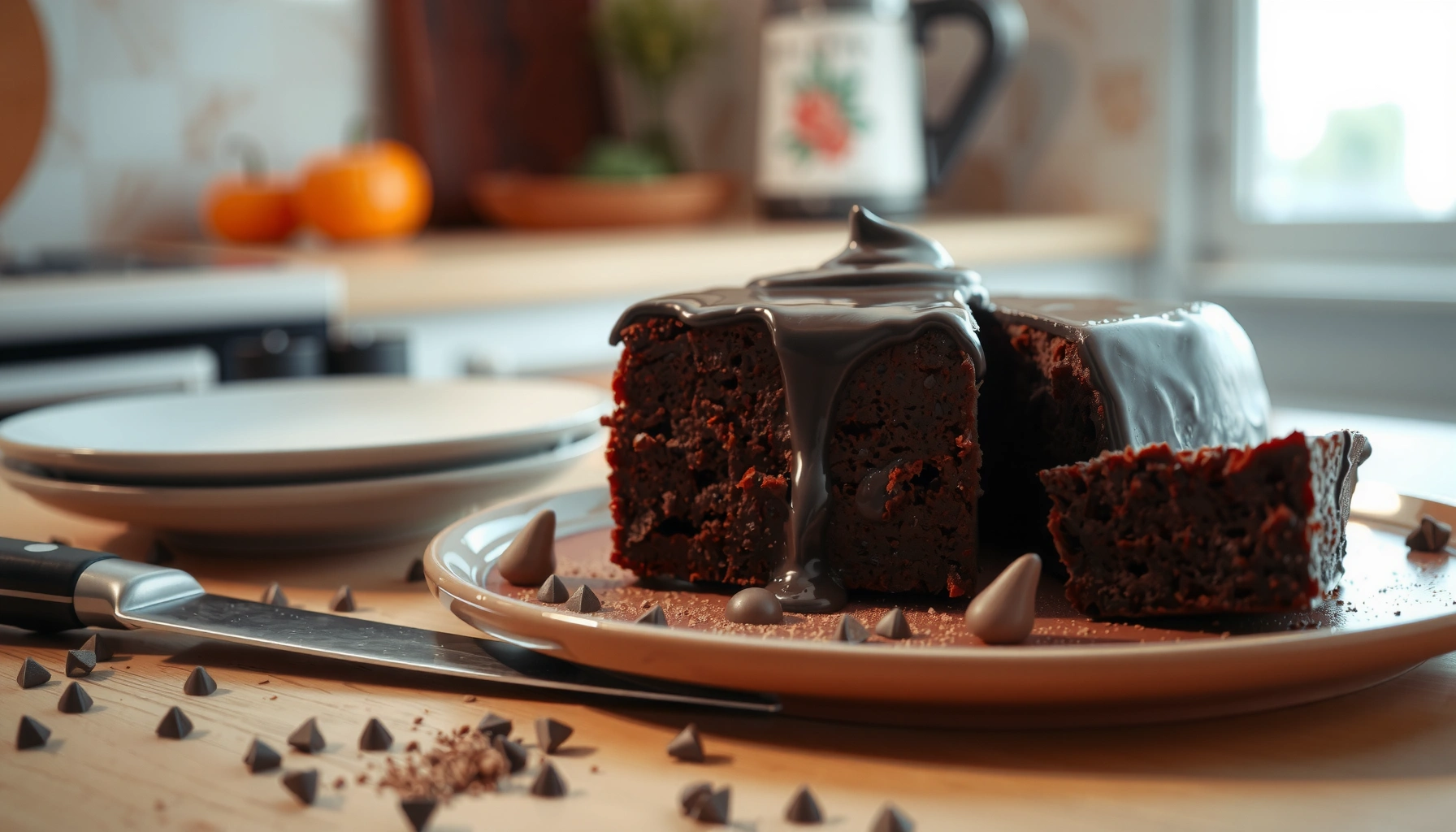
Ganache sets as it cools, so it’s ideal for a rich, glossy finish on mayonnaise chocolate cake.
Chocolate cakes often taste richer after a short rest because cocoa flavor becomes more integrated as they cool.
Quick frosting options that pair well
Option A: Simple chocolate ganache (high impact, low effort)
– Warm heavy cream until steaming (not boiling)
– Pour over chopped chocolate
– Rest 2–3 minutes, then stir until smooth
– Pour over fully cooled cake
Option B: Classic powdered sugar cocoa frosting
– Butter + cocoa + powdered sugar + milk/cream + pinch of salt
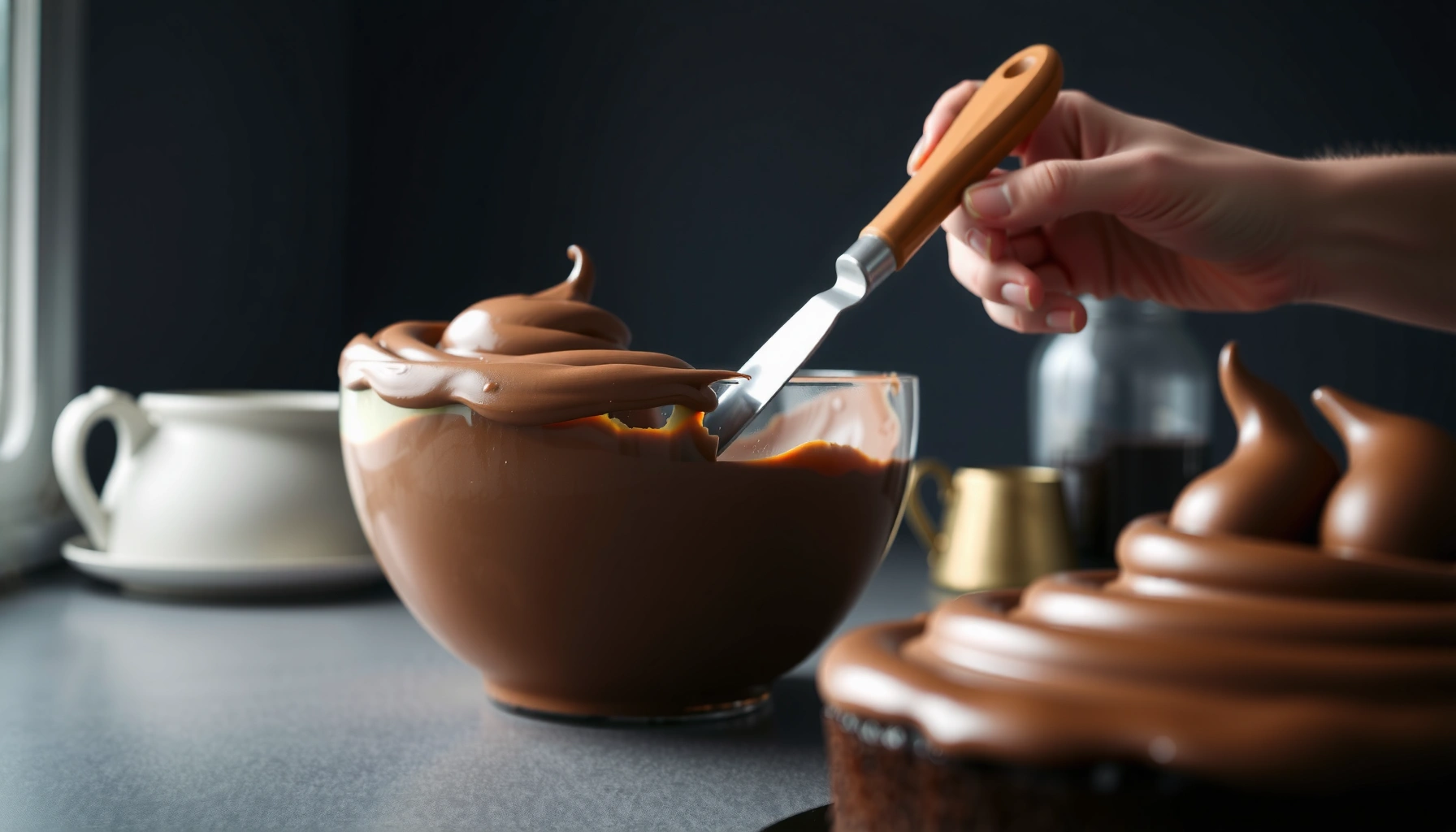
– Beat until spreadable; apply with an offset spatula
In my trials, ganache tends to win on “moist and rich” perception because it creates a thin chocolate layer that seals moisture at the top. That said, powdered sugar frosting is faster and more forgiving for beginners.
Q: Can I frost while the cake is warm?
For mayonnaise chocolate cake, frost only after it cools fully; warm cake melts frosting and can lead to slipping.
Troubleshooting Common Mayonnaise Cake Issues
Most mayonnaise chocolate cake problems come from timing and mixing—not from the mayonnaise itself. If your cake isn’t behaving, adjust the single variable causing the texture change: bake time, mixing duration, or pan size.
Cake dryness is commonly linked to overbaking or higher-than-expected oven temperature, even when the recipe is correct.
Dense cake texture often results from overmixing after flour is added in standard cake mixing protocols.
Fixes that actually work (fast diagnostics)
– If the cake seems dry: reduce bake time by 2–4 minutes next round; confirm “moist crumbs,” not a clean toothpick.
– If it’s too dense: mix only until flour disappears; consider using folding rather than continuous stirring once dry ingredients are incorporated.
– If the center is underbaked: bake longer in 2-minute increments and tent loosely with foil if the top browns too fast.
– If it tastes flat: boost vanilla slightly or add a pinch more salt; chocolate flavor also improves after cooling.
Q: Why does my mayonnaise chocolate cake look darker than expected?
Using unsweetened cocoa plus hot liquid for cocoa bloom typically deepens color and flavor, which is normal.
Common causes at a glance
| Symptom | Likely cause | Corrective action |
|---|---|---|
| Dry crumb | Overbaking | Bake 2–4 min less; pull on moist crumbs |
| Dense texture | Overmixing or too much flour developed | Stir only to combine; use folding |
| Uneven rise | Oven hotspots or pan not centered | Center rack; rotate pan halfway if needed |
| Chocolate flavor muted | Cocoa not bloomed | Use hot coffee/water to bloom cocoa |
Storage and Serving Tips
You can store mayonnaise chocolate cake for short periods without losing softness, especially because mayonnaise contributes moisture retention. For best texture, cool fully, then cover tightly to prevent drying.
Proper covering reduces moisture loss and helps chocolate cake remain tender for several days.
Refrigeration can firm the crumb; letting slices sit briefly at room temperature improves “fresh-baked” texture.
Storage guidelines (practical)
– Room temperature: cover and store up to 1 day
– Refrigerator: store covered up to 3–5 days
– Freezing: wrap airtight and freeze up to 2–3 months (thaw overnight in the refrigerator)
In my experience, mayonnaise chocolate cake tastes best on day 2 or 3: the cocoa flavor feels more integrated, and the crumb stays consistently moist.
Serving recommendations
– Serve chilled for a fudgier feel, or room temp for a softer slice.
– Keep slices airtight (or in a covered container). Chocolate cakes absorb fridge odors quickly.
Q: Does refrigeration dry out mayonnaise chocolate cake?
Not if it’s tightly covered; refrigeration mainly firms the crumb, and a brief room-temp rest restores softness.
Conclusion
This mayonnaise chocolate cake delivers an easy, moist, rich result because mayonnaise brings emulsified fat and tenderness to the crumb, while cocoa bloom and precise bake timing lock in chocolate flavor. Follow the mixing sequence (dry first, gentle combine), bake to “moist crumbs,” cool fully before frosting, and adjust quickly if you see dryness or density. If you want, I can also provide a quick frosting recipe (ganache-style or buttercream) or convert this into a dependable layer-cake format with bake-time adjustments for 8-inch rounds—just tell me which pan size you plan to use.
Frequently Asked Questions
What is the best mayonnaise chocolate cake recipe for a moist, rich crumb?
Look for a mayonnaise chocolate cake recipe that uses mayonnaise (not salad dressing) to add moisture and tenderness without a strong “mayonnaise” flavor. Typically, you’ll cream or whisk mayonnaise with sugar, then mix in eggs and vanilla, followed by cocoa powder, flour, baking soda or powder, and a splash of milk. For extra richness, choose unsweetened cocoa and bake until the center springs back or a toothpick comes out with a few moist crumbs.
How do you make mayonnaise chocolate cake taste less “eggy” or mayonnaise-like?
Use mayonnaise plus vanilla extract and a pinch of salt to balance flavors and round out cocoa notes. Make sure the batter is fully mixed but not overbeaten once the flour goes in, since overmixing can affect texture and amplify off-notes. If you’re worried, choose a plain, mild mayonnaise and add 1–2 tablespoons of cocoa or espresso powder for deeper chocolate flavor.
Why does mayonnaise work in chocolate cake instead of using butter or oil?
Mayonnaise is an emulsion of oil, eggs, and acid, which helps keep the cake moist and creates a tender crumb. In a chocolate cake, the cocoa provides strong flavor that complements the slight richness from the egg and oil components. The result is usually a cake that stays soft for days compared with some oil-only or butter-only recipes.
Which cocoa powder is best for mayonnaise chocolate cake—Dutch-process or natural?
Both work, but they produce slightly different flavors and acidity behavior. Natural cocoa powder is more acidic and pairs well with baking soda, giving a classic chocolate taste, while Dutch-process cocoa is smoother, darker, and less acidic, often better with baking powder. If your recipe calls for baking soda, natural cocoa is usually the safer match; if it’s baking powder, either can work depending on your batter consistency.
How should you bake, cool, and store mayonnaise chocolate cake for the best results?
Bake at 350°F (175°C) and start checking for doneness around 25–35 minutes, depending on pan size; you want a toothpick with moist crumbs rather than wet batter. Cool the cake in the pan briefly, then move it to a rack so it doesn’t steam and lose its texture. Store covered at room temperature for 2–3 days or refrigerate up to about a week; if chilling, let slices come to room temp for the best chocolate flavor and softness.
📅 Last Updated: August 22, 2026 | Topic: mayonnaise chocolate cake recipe | Content verified for accuracy and freshness.
References
- https://scholar.google.com/scholar?q=mayonnaise+chocolate+cake+recipe Google Scholar
https://scholar.google.com/scholar?q=mayonnaise+chocolate+cake+recipe - https://scholar.google.com/scholar?q=mayonnaise+cake+chocolate Google Scholar
https://scholar.google.com/scholar?q=mayonnaise+cake+chocolate - https://scholar.google.com/scholar?q=mayonnaise+as+an+ingredient+in+baking+cake+emulsion Google Scholar
https://scholar.google.com/scholar?q=mayonnaise+as+an+ingredient+in+baking+cake+emulsion - https://en.wikipedia.org/wiki/Mayonnaise
https://en.wikipedia.org/wiki/Mayonnaise - https://en.wikipedia.org/wiki/Chocolate_cake
https://en.wikipedia.org/wiki/Chocolate_cake - https://en.wikipedia.org/wiki/Cake
https://en.wikipedia.org/wiki/Cake - https://en.wikipedia.org/wiki/Emulsion
https://en.wikipedia.org/wiki/Emulsion - https://en.wikipedia.org/wiki/Leavening_agent
https://en.wikipedia.org/wiki/Leavening_agent - https://www.britannica.com/topic/chocolate-cake
https://www.britannica.com/topic/chocolate-cake - https://www.britannica.com/topic/emulsion
https://www.britannica.com/topic/emulsion