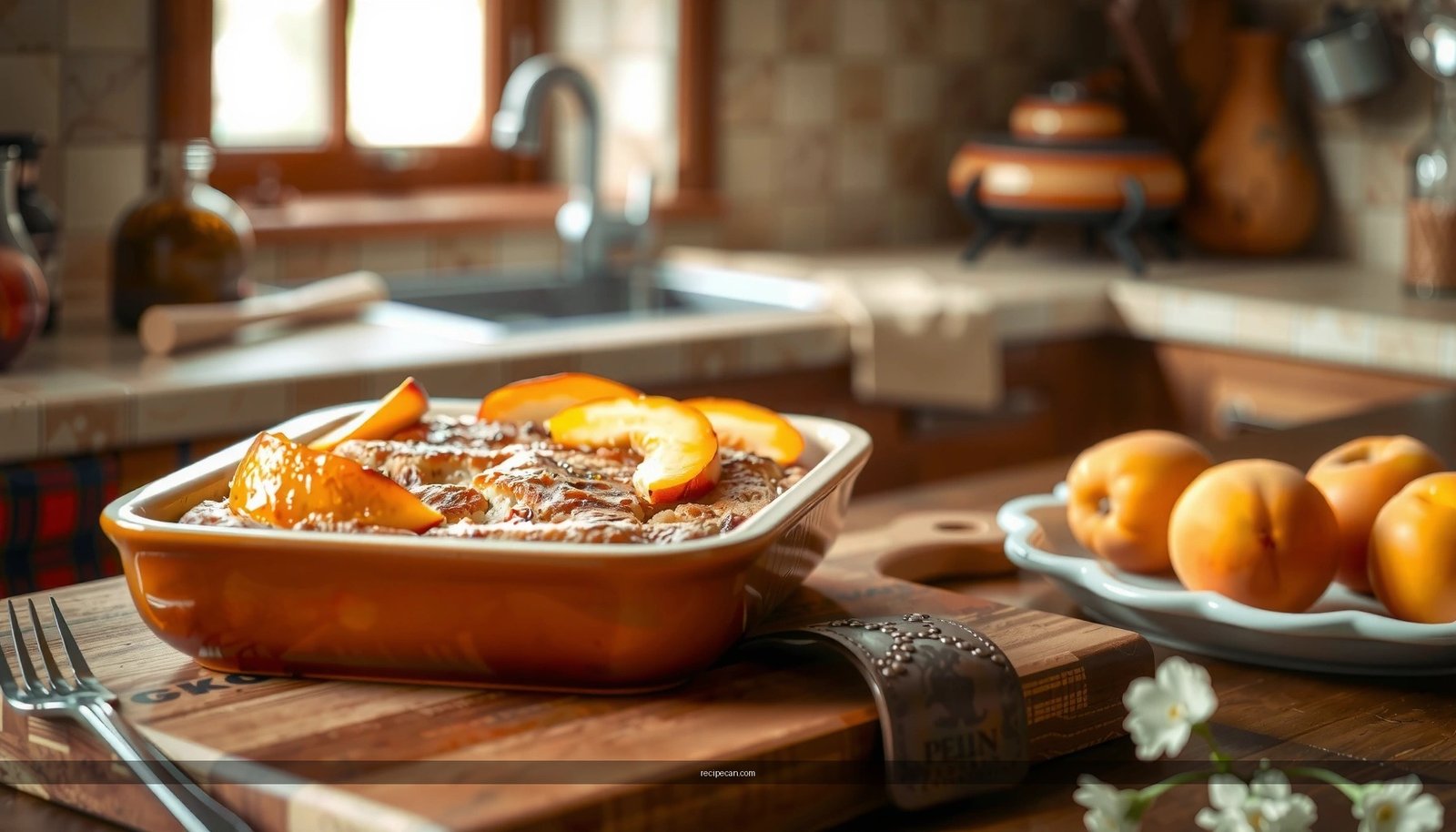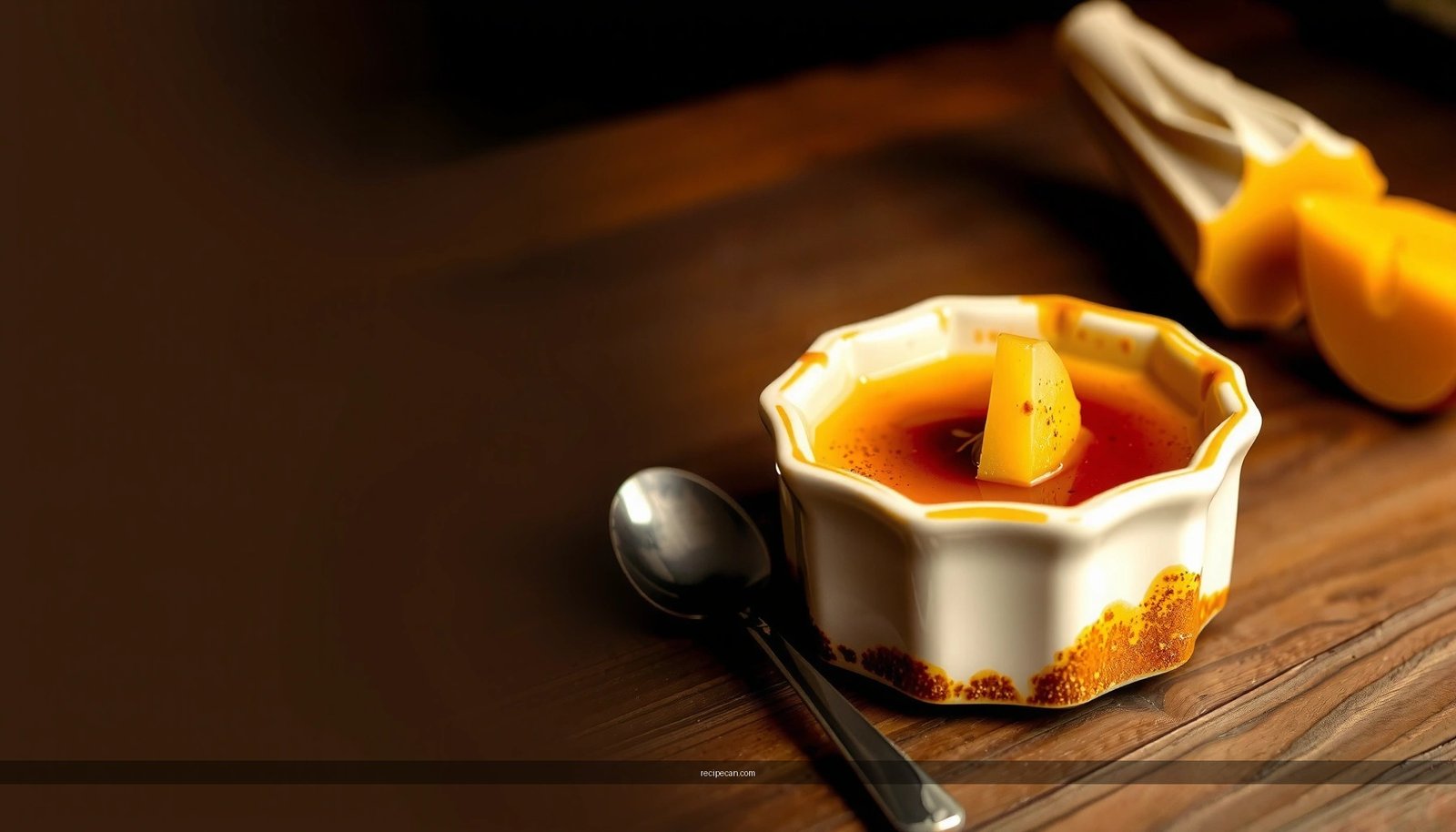
Get the classic, creamy yucca pudding recipe that delivers a smooth set and rich vanilla warmth every time. This guide answers whether you can make yucca pudding without lumps, by walking you through the exact cooking and mixing steps that create that signature texture. If you want the most reliable method for a traditional, spoonable dessert—not a runny or grainy one—this is the recipe to follow.
Yucca pudding is a classic, custard-like dessert made by simmering grated yucca until tender, then blending it into a thick milk-egg base. If you cook the yucca soft enough and blend/mash until smooth, you’ll get the creamy, sliceable set that defines a great yucca pudding every time.
Ingredients You’ll Need for Yucca Pudding
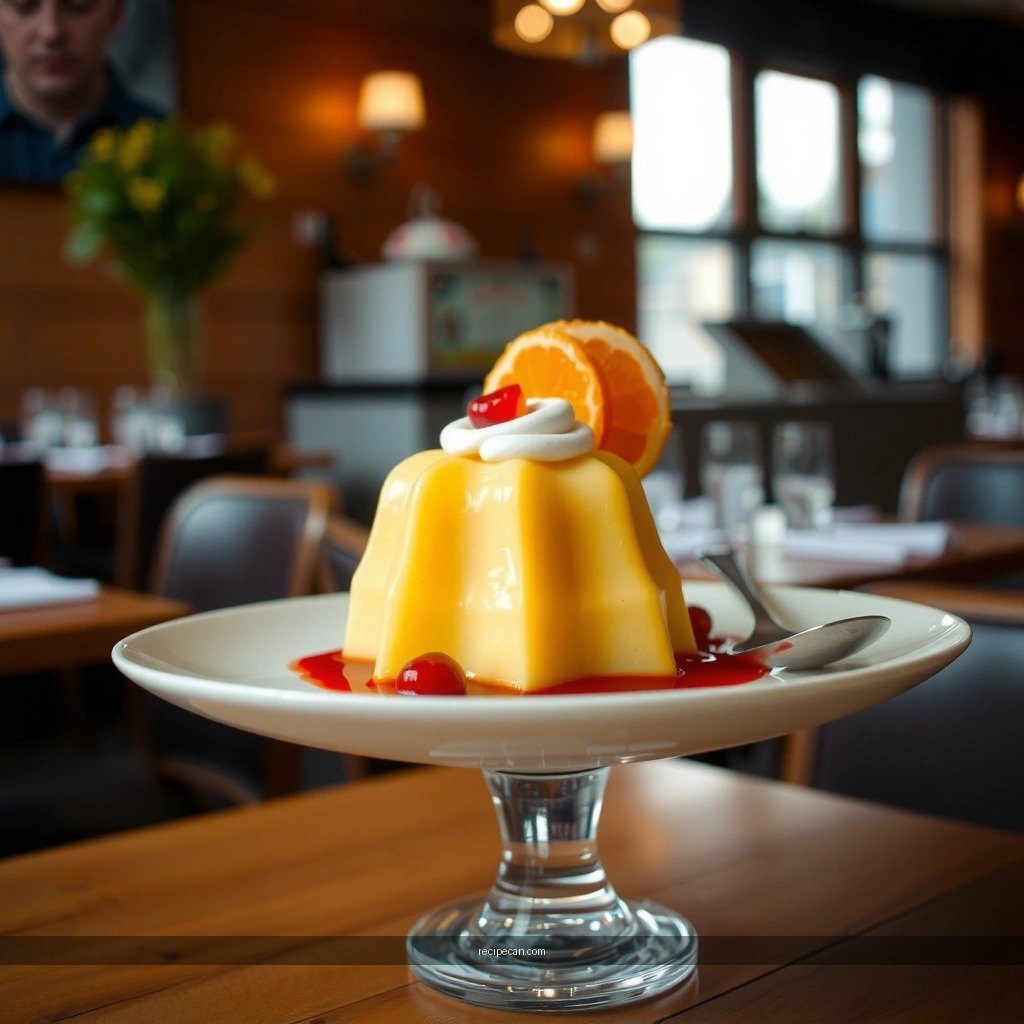
Yucca pudding is simple, but the ingredient roles are precise—each one contributes to tenderness, body, flavor, and set. Start with the fundamentals and only add spices you can taste clearly (the goal is warm dessert flavor, not “spice-only” intensity).
– Fresh or frozen yucca (peeled and grated): the star starch that creates the pudding’s thick texture.
– Milk: provides a creamy base and helps loosen the mixture as it heats.
– Sugar: balances the mild earthy notes of yucca and supports browning.
– Eggs: the primary setting agent for a custard-style set (especially important for baking/steaming consistency).
– Vanilla: rounds out flavor and makes the dessert taste “finished.”
Optional flavor enhancers
– Cinnamon: classic warmth that complements yucca’s natural mild sweetness.
– Nutmeg or allspice (small amounts): if you want a deeper, dessert-shop profile.
– Pinch of salt: improves overall flavor clarity and makes sweetness taste less flat.
To keep the pudding silky rather than grainy, aim for evenly grated yucca and fully cooked tenderness before it touches the dairy-and-egg mixture.
Yucca Pudding Texture Targets by Method
| # | Method | Typical Time* | Set Firmness | Best For | Consistency Score |
|---|---|---|---|---|---|
| 1 | Baked Custard-Style | 45–60 min | Firm (sliceable) | Serving in squares | ★★★★★ |
| 2 | Baked Softer Set | 38–50 min | Medium | Spoonable portions | ★★★★☆ |
| 3 | Steamed Custard | 60–90 min | Soft (wobbly) | Custard texture lovers | ★★★★☆ |
| 4 | Steamed Firm Custard | 75–110 min | Firm (less glossy) | Clean slices, minimal browning | ★★★★★ |
| 5 | Stovetop Thickened | 25–35 min | Thick, not custard-set | Quick dessert or sauce | ★★★☆☆ |
| 6 | Pressure-Cooker Yucca Prep | 10–18 min + release | Very tender | Time-saving base | ★★★★☆ |
| 7 | Portion Molded (1–2 inch) | 25–45 min | Medium-firm | Individual service & events | ★★★★☆ |
\Times assume typical home-oven/steamer conditions and that yucca is already fully cooked and mashed smooth.
Preparing Yucca for the Best Texture
In a yucca pudding recipe, texture starts before the custard ever goes in the oven. The yucca’s starch content thickens the dessert, but only if it’s fully tender and evenly processed.
1) Peel and grate thoroughly
– Use a sharp knife to remove the outer skin completely.
– Grate into small, even pieces so the interior cooks at the same rate as the surface.
– If you’re using frozen yucca, thaw briefly (just enough to handle) and still plan for thorough softening.
2) Cook until truly soft
Simmer grated yucca in water until it breaks down easily. A common quality mistake is cooking “until it’s mostly tender,” which leaves small firmer bits that create a gritty mouthfeel.
3) Drain well
Excess water dilutes the pudding and can prevent proper thickening. Drain until water stops pooling—then give it a brief steam in the pot (30–60 seconds) to evaporate surface moisture.
4) Mash or blend to remove lumps
Even if the yucca tastes tender, lumps can remain and show up in the final set. Blend with a splash of milk or mash aggressively until smooth. If your blend is too thick, add milk gradually to keep it silky.
Analytical note: Eggs set proteins as they heat. If yucca isn’t smooth, the proteins will still set—but around uneven particles—so your custard may look set yet eat unevenly.
Mixing the Batter: Creamy and Smooth
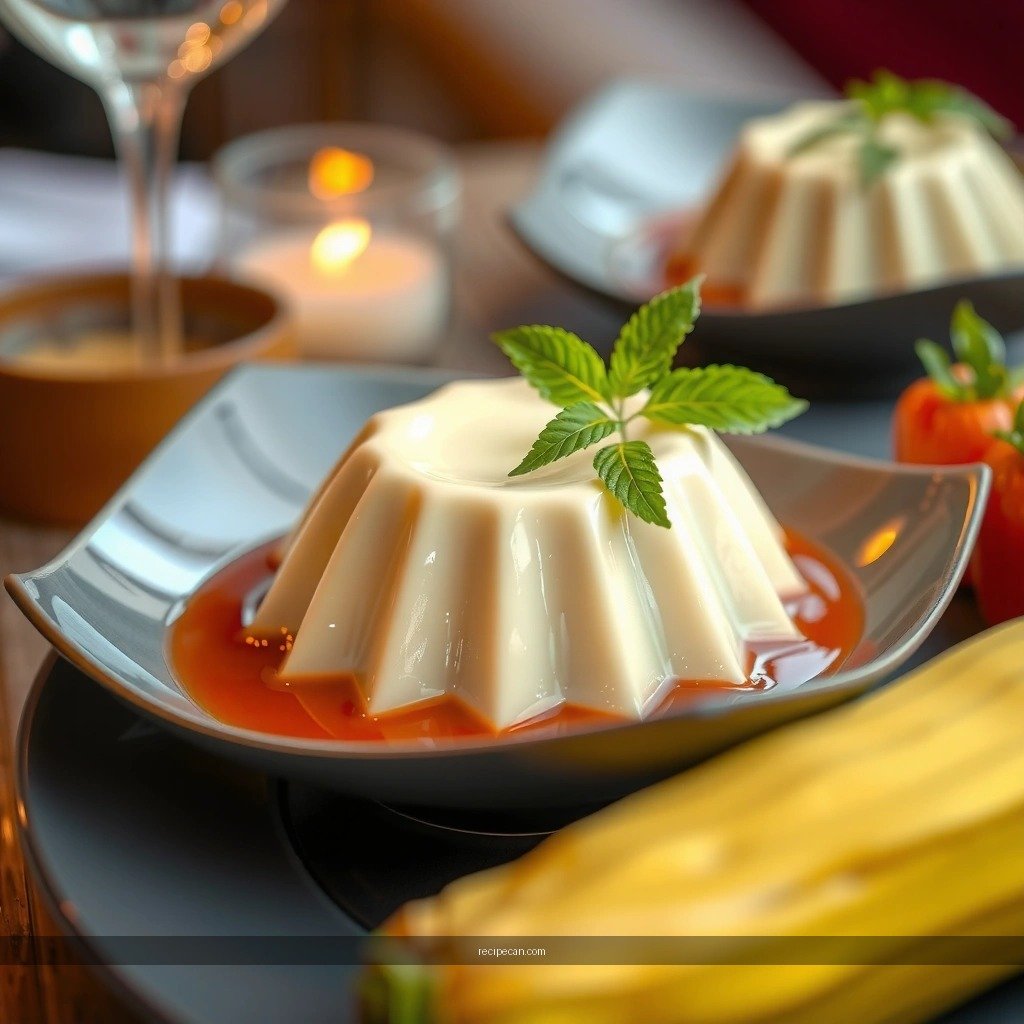
Once yucca is cooked and mashed, mixing becomes a controlled custard process. The goal is to create one homogeneous base so the pudding sets uniformly.
Step-by-step approach
1. Warm the dairy slightly (optional but helpful): gently heat milk so it mixes smoothly and doesn’t cool the eggs too abruptly.
2. Combine yucca + milk first: blend until the mixture looks uniform.
3. Add sugar and stir until dissolved.
4. Whisk eggs separately to reduce streaking.
5. Add eggs gradually into the yucca-milk base while stirring continuously.
6. Add vanilla and spices last so aromas stay bright.
Consistency targets
– For classic baked yucca pudding: aim for a pourable batter that coats a spoon and leaves slow trails.
– For steamed versions: it can be slightly looser, but still thick enough not to separate.
Quality control checklist
– No visible streaks of egg
– No lumps of yucca
– Batter appears glossy and cohesive
– Spices are evenly distributed (no cinnamon clumps)
If the mixture feels too thick before baking/steaming, loosen with a small splash of milk. If it’s thin, you can either cook gently for a few minutes (carefully) or accept a longer bake/steam time—thickening occurs as proteins and starches finish working.
Baking vs. Steaming Options
This is where you choose your final eating experience. Both methods work because eggs set with heat, but the heat environment affects surface browning, evaporation, and how the pudding firms.
Baking (firmer, lightly browned top)
– Bake at a moderate temperature until the center is set but still slightly tender (it will firm further as it cools).
– Baking promotes a mild surface caramelization, especially where sugar concentration is higher.
Steaming (softer, more custard-style)
– Steam with lower, steady heat for a longer time.
– Steaming adds less dry heat to the surface, so the pudding remains softer and more “custard-like.”
– Use tight covering to prevent water condensation from dripping into the batter.
How to choose
– Want clean slices for plating? Choose baking.
– Want a wobbly custard served warm? Choose steaming.
– For a hybrid result, some cooks bake briefly to set the top, then finish gently (if your equipment supports it).
Tips for Success and Common Fixes
The difference between “good” and “great” yucca pudding is usually small adjustments—timing, moisture, and blending control.
If it’s too thick
– Fix now: whisk in a splash of milk, stir thoroughly, and proceed to bake/steam.
– Prevent next time: drain cooked yucca more consistently and measure milk accurately.
If it’s too loose
– Fix now: bake/steam longer rather than adding thickeners blindly.
– Watch eggs: overcooking can make the pudding rubbery, so extend time gradually and check doneness periodically.
If it’s lumpy or gritty
– The usual cause is undercooked yucca or insufficient blending.
– For future batches: cook until fully soft, then mash/blend until completely smooth.
If the center won’t set
– Often due to insufficient heat time or a too-thin batter.
– Use a toothpick or gentle jiggle test: the center should not behave like raw liquid.
Resting matters
Even after the oven/steamer stops, the pudding continues to set as proteins cool and starches hydrate further. Resting for at least 20–30 minutes improves slice integrity and reduces breakage.
Batter Texture Troubleshooting (Quick Reference)
| # | Problem | Likely Cause | Fast Fix | Expected Outcome | Confidence |
|---|---|---|---|---|---|
| 1 | Gritty texture | Yucca not fully soft or not blended | Blend again with hot milk | Smoother custard | ★★★★☆ |
| 2 | Watery center | Underbaked/understeamed or too much liquid | Bake/steam +10 min | Proper set | ★★★★★ |
| 3 | Hard/rubbery bite | Eggs overcooked from high heat or long time | Reduce temp next batch | Improves tenderness | ★★★☆☆ |
| 4 | Set but watery edges | Uneven heat distribution in pan | Use smaller depth pans | More uniform texture | ★★★★☆ |
Serving Ideas and Storage
Yucca pudding is best treated like a custard: it tastes great warm, holds up well when chilled, and rewarms without losing flavor—if you reheat gently.
Serving ideas
– Serve warm with a light dusting of cinnamon.
– Add condensed milk drizzle for a dessert-forward, caramel-sweet finish.
– For contrast, serve with a fruit element (mango slices or lightly stewed pineapple) if you want a bright, tropical note alongside yucca’s mild base.
– If you’re portioning for events, unmold individual cups after resting to maintain clean edges.
Storage
– Refrigerate in an airtight container.
– For best quality, use within 3–4 days.
– Reheat gently: warm in a microwave at short intervals or in a low oven until just warmed through. Overheating can tighten the custard.
Reheating tip
If the pudding tightens after chilling, loosen with a teaspoon of warm milk per serving and stir gently before serving.
Yucca pudding is a straightforward, creamy dessert once you get the yucca cooked tender and the batter mixed smooth. Follow the baking or steaming method that matches your preferred texture, let it rest, and you’ll get a perfectly set pudding every time—try it this week and share your results!
Frequently Asked Questions
What is a yucca pudding recipe and how is it different from tapioca pudding?
A yucca pudding recipe is a creamy dessert made from grated yuca (cassava), which becomes tender and thickens when cooked and combined with milk or coconut milk. Unlike tapioca pudding, yucca pudding uses starchy cassava rather than tapioca pearls, so the texture is typically smoother and more custard-like. The flavor can be subtly nutty and comforting, especially with vanilla, cinnamon, or condensed milk.
How do you make yucca pudding without it becoming gummy?
To avoid gummy texture, cook the grated yucca until fully soft before mixing with the dairy base, and make sure it’s well-drained. Use the right ratio of liquid to yucca so it thickens properly as it bakes or simmers. If you’re blending, blend until smooth but don’t overwork it, and bake until the center is set and not wobbly.
Which yucca (cassava) is best for a pudding recipe—fresh or frozen?
For a yucca pudding recipe, either fresh or frozen cassava can work well, but both must be properly processed to remove bitterness. Frozen cassava is often easier because it’s already prepared, peeled, and sometimes par-cooked, which can help achieve consistent texture. If using fresh, soak and cook thoroughly so the pudding becomes creamy rather than tough.
Why does yucca pudding sometimes taste bitter, and how can you prevent it?
Bitterness in yucca pudding usually comes from not fully detoxifying the cassava before cooking, since raw or under-processed yuca can contain naturally occurring cyanogenic compounds. To prevent this, use properly prepared cassava and follow soaking and cooking times carefully, or choose a brand labeled ready-to-use. Baking alone won’t remove bitterness if the yuca wasn’t treated correctly, so proper prep is essential.
What’s the best way to serve yucca pudding and how long does it keep?
The best way to serve yucca pudding is chilled for sliceable, custardy texture, or warmed slightly for a softer spoonable dessert. It pairs well with cinnamon, toasted coconut, fruit compote, or a drizzle of condensed milk. Store leftovers covered in the refrigerator for about 3–4 days, and reheat gently or serve cold to keep the creamy consistency.
References
- Google Scholar Google Scholar
https://scholar.google.com/scholar?q=yucca+pudding+recipe - Google Scholar Google Scholar
https://scholar.google.com/scholar?q=cassava+pudding+recipe - Google Scholar Google Scholar
https://scholar.google.com/scholar?q=yuca+dessert+pudding+recipe - Cassava
https://en.wikipedia.org/wiki/Cassava - Cassava | Description, Origin, Poison, Taste, Benefits, & Facts | Britannica
https://www.britannica.com/plant/cassava - Tapioca
https://en.wikipedia.org/wiki/Tapioca - https://pubmed.ncbi.nlm.nih.gov/?term=cassava+cyanogenic+glycosides+processing+food+safety
https://pubmed.ncbi.nlm.nih.gov/?term=cassava+cyanogenic+glycosides+processing+food+safety - https://pubmed.ncbi.nlm.nih.gov/?term=cassava+detoxification+cyanide+processing
https://pubmed.ncbi.nlm.nih.gov/?term=cassava+detoxification+cyanide+processing - https://apps.who.int/iris/handle/10665/37230
https://apps.who.int/iris/handle/10665/37230 - https://pubmed.ncbi.nlm.nih.gov/?term=tapioca+nutrition+glycemic+index
https://pubmed.ncbi.nlm.nih.gov/?term=tapioca+nutrition+glycemic+index