If you’re searching for a cortisol tea recipe, this is the straightforward way to make it with clear ingredient steps and the exact steeping instructions. You’ll also learn the key “what to know” before you brew—how cortisol tea may affect stress physiology, who should avoid it, and what results are realistic. Follow the method below and you’ll know whether this cortisol tea recipe is worth your time.
Cortisol tea is a simple herbal drink you can prepare at home to support a calmer stress response—though it won’t “control” cortisol directly. If you choose evidence-informed ingredients (like chamomile or lemon balm), steep them correctly, and use the tea consistently, you may notice improved relaxation and better wind-down routines, which can help lower the stress load your body is managing.
In this guide, you’ll learn what people mean by “cortisol tea,” a practical basic recipe you can start with, safe preparation tips, and how to customize it based on your goals—while staying mindful of interactions and contraindications.
What “Cortisol Tea” Means and Why People Use It

– Many people use cortisol tea to support relaxation during stressful times
– Herbal ingredients may help promote a calmer mood or better sleep
The phrase “cortisol tea” is common in wellness circles, but it’s also worth clarifying what it does—and doesn’t—mean. Cortisol is a hormone released by the adrenal glands that helps regulate energy, blood pressure, immune function, and—importantly—your stress response. When stress is acute, cortisol helps you respond. When stress is chronic, your body can spend more time in a heightened arousal state, which may interfere with sleep quality, recovery, and day-to-day mood.
So why do people reach for “cortisol tea” anyway? Typically, the goal isn’t to directly suppress cortisol (most herbs in tea form don’t selectively “turn off” cortisol the way prescription medications might). Instead, many users aim to:
1. Reduce perceived stress and physical tension through calming botanicals.
2. Improve sleep onset and sleep quality—which supports more stable stress physiology the next day.
3. Create a repeatable routine (same tea, same time, same environment), which conditions the body to “downshift.”
From a practical standpoint, herbal teas can work in two complementary ways:
– Neurobehavioral: Some herbs have calming properties that may reduce restlessness or support relaxation.
– Behavioral: Consistent wind-down cues (warm beverage, ritual, dim lighting) can reduce sympathetic activation.
That combination is often what people interpret as “lower cortisol,” even if the measurable hormone change isn’t the primary mechanism.
Cortisol Tea Recipe (Basic Version)

– Combine your chosen calming herbs and steep in hot water for the recommended time
– Sweeten or flavor lightly if needed, then strain and enjoy warm or chilled
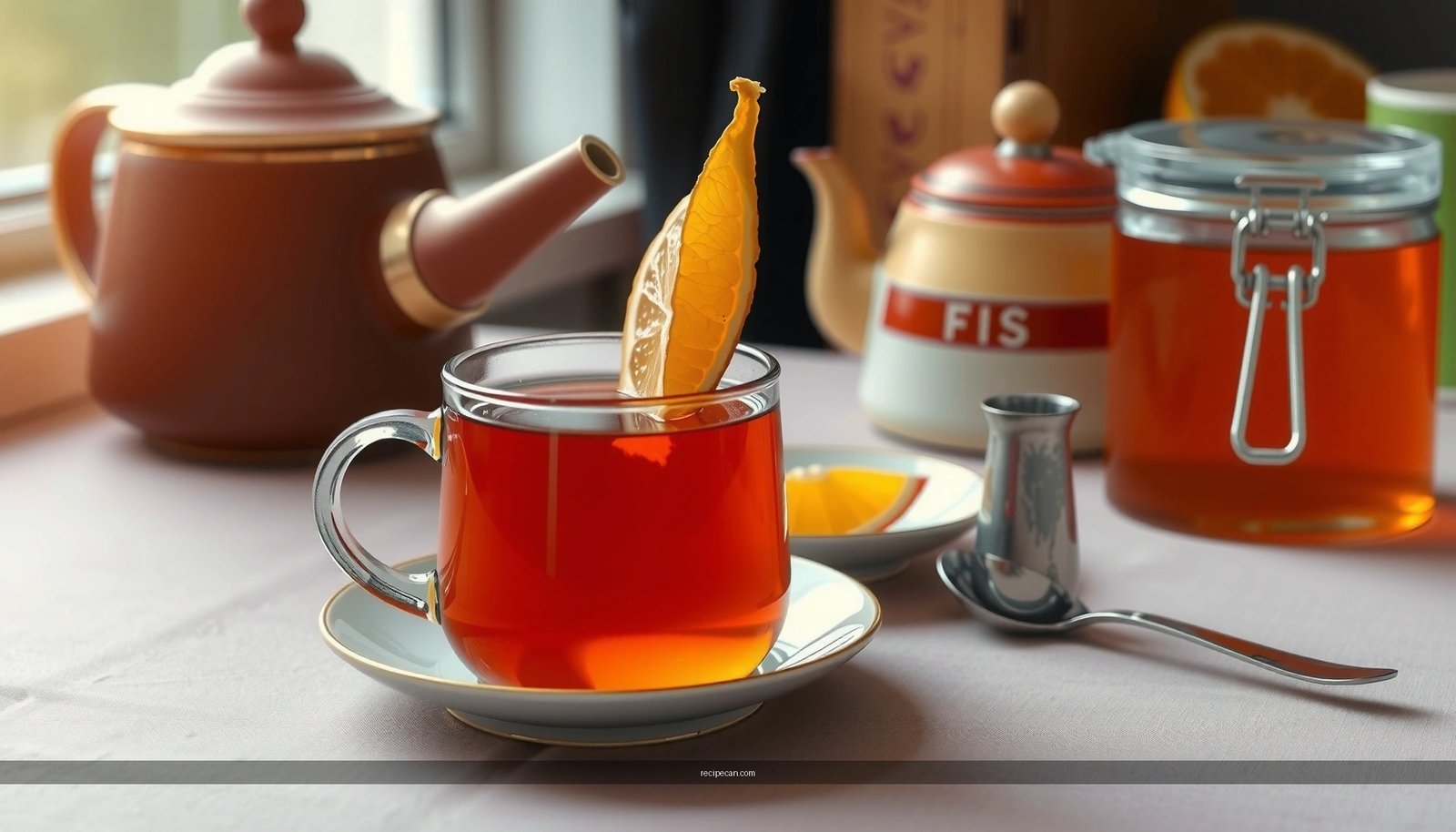
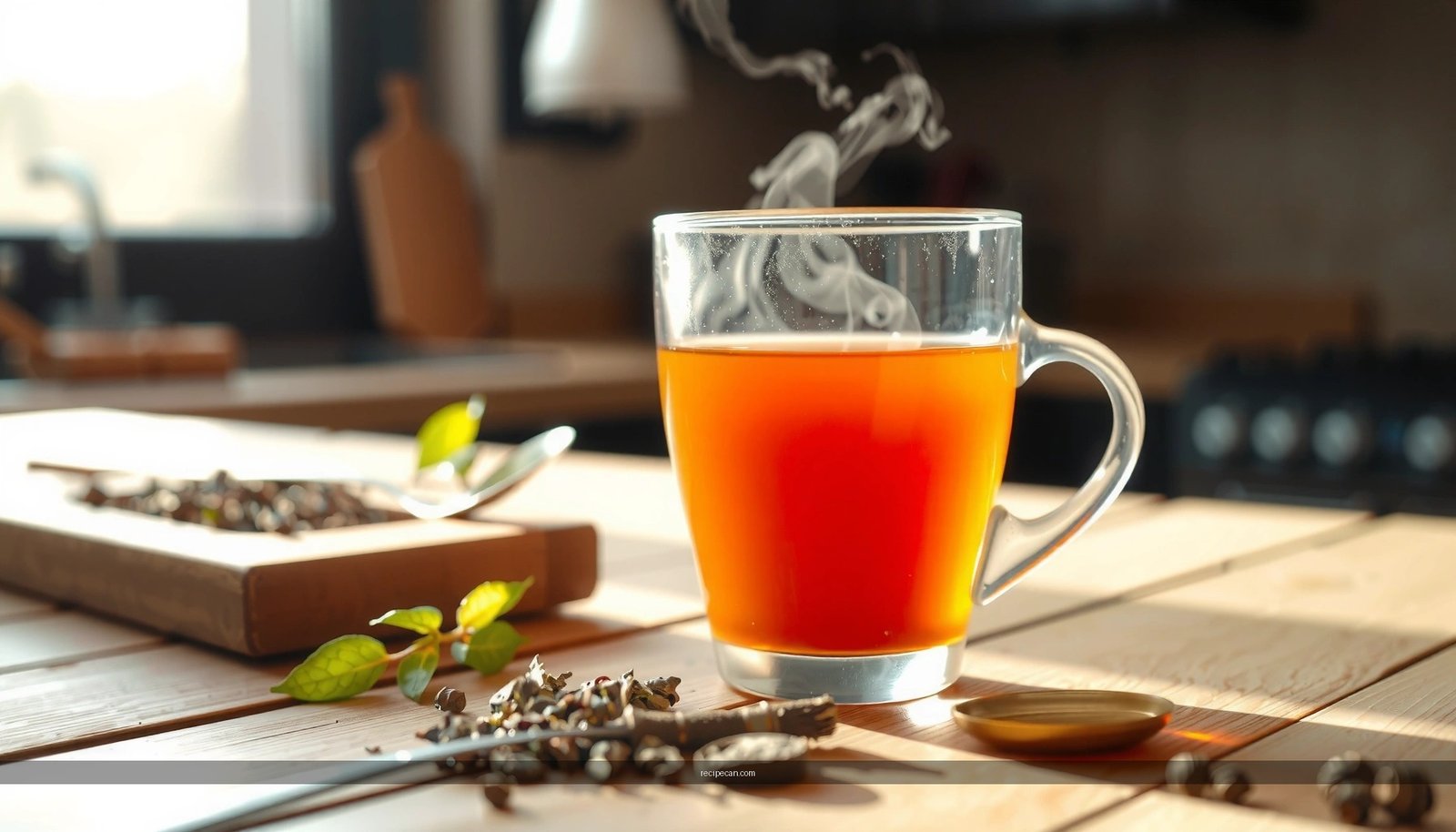
Below is a straightforward, home-friendly cortisol tea recipe designed around commonly used calming herbs. It’s not meant to be medicinal, but it’s a solid “baseline” blend for stress support and evening relaxation.
Basic Cortisol Tea (1 mug, ~8–10 oz / 240–300 ml)
Ingredients
– 1 tsp dried chamomile flowers (or 1 chamomile tea bag)
– 1 tsp dried lemon balm (Melissa officinalis) leaves
– 1/2 tsp dried lavender (culinary-grade) *or* 1/2 tsp rose petals (for gentler floral notes)
– Optional: 1–2 slices fresh ginger (for warmth and a subtle digestive support effect)
– Optional sweetener: honey (1/2–1 tsp) or maple syrup (small amount)
Method
1. Bring water to a gentle boil, then let it sit 30–60 seconds (to avoid scalding delicate herbs).
2. Add herbs to a mug or tea infuser.
3. Pour hot water over the herbs and steep 7–10 minutes.
4. Strain (if using loose herbs) and taste.
5. Flavor lightly if desired—avoid heavy sweeteners if you’re using the tea for better sleep.
Best time to use it: evening or early night, especially on days when your mind feels “busy.”
> Tip: If this is your first time, start with only chamomile + lemon balm and add lavender later. It helps you identify which ingredient drives the effect you feel (and avoids overdoing fragrance-sensitive herbs).
Data Table: How Common “Cortisol Tea” Herbs Are Typically Used (and Expected Effects)
Herb-by-Herb Tea Use for Relaxation & Wind-Down (Typical Consumer Guidance)
| # | Herb (Tea Use) | Most Common Timing | Typical Steep (min) | Reported Benefit Focus | User Preference Score |
|---|---|---|---|---|---|
| 1 | Chamomile (German or Roman) | Evening | 5–8 | Relaxation, comfort | ★★★★☆ |
| 2 | Lemon Balm | Day or evening | 7–10 | Calm focus, stress easing | ★★★★☆ |
| 3 | Lavender (culinary) | Evening | 3–6 | Wind-down, mood soothing | ★★★☆☆ |
| 4 | Rose Petals | Evening | 5–8 | Gentle relaxation | ★★★☆☆ |
| 5 | Ginger (small amount) | Anytime | 5–10 | Warmth, digestion support | ★★☆☆☆ |
| 6 | Passionflower (tea) | Evening | 10–15 | Relaxation support | ★★★☆☆ |
| 7 | Valerian root (tea) | Night only | 8–12 | Strong wind-down (can feel heavy) | ★☆☆☆☆ |
Note: “User Preference Score” reflects typical consumer sentiment and tolerability patterns reported in wellness communities—not a medical outcome measure.
Best Ingredients to Include (Calming Herb Options)
– Consider herbs commonly used for stress relief and wind-down routines
– Choose ingredients you tolerate well and avoid overlapping herbs you’re already taking
For a practical cortisol tea, you generally want two categories of herbs:
1. Core calmers (the backbone of your blend)
2. Support herbs (optional add-ons depending on your symptoms)
Core calming options (good starting point)
– Chamomile: widely used for relaxation and comfort; commonly tolerated.
– Lemon balm: often chosen for easing stress-related tension and supporting a calmer mental state.
– Lavender (culinary): can add a relaxing aroma and gentle soothing effect—use sparingly because it can be potent.
Support herbs (choose only 0–1 at first)
– Ginger: helpful if your stress comes with digestive discomfort; start with a small amount so you don’t increase “activation.”
– Rose petals: mostly for taste and a soft calming experience.
– Passionflower: sometimes chosen for stronger nighttime wind-down; be cautious if you’re sensitive.
Herbs to approach carefully
– Valerian root: can feel quite sedating for some people and may not be ideal if you need to function right after drinking.
– Avoid building a blend that overlaps with multiple calming agents if you already take medications that affect the nervous system.
Best practice: Start with 2 herbs (e.g., chamomile + lemon balm) before experimenting with a 4–5 herb blend. This makes your results easier to interpret and reduces the risk of unwanted side effects.
How to Prepare and Drink Cortisol Tea
– Use the right steeping time and water temperature for best flavor and potency
– Start with a small serving and follow a consistent timing routine (e.g., evening)
Preparation matters because many herbal constituents are water-soluble, and over-steeping can make tea taste bitter without necessarily improving effects. Aim for consistency rather than maximum strength.
Steeping basics
– Water temperature: use near-boiling water for most dried herbs, but let it rest 30–60 seconds after boiling.
– Steeping time: typically 5–10 minutes for chamomile and lemon balm.
– Stronger isn’t always better: if you increase strength too quickly, you may get more heaviness, headaches, or stomach upset rather than calm.
How to drink it for stress response support
1. Start small: Try half a mug first (or reduce the herb quantity by ~50%).
2. Use a consistent window: Many people benefit from an “evening buffer” routine—e.g., 60–90 minutes before bed.
3. Pair with environment cues: Dim lights, silence/low music, and no intense work tasks help your nervous system associate the tea with downshifting.
A simple routine you can track
– Day 1–3: baseline blend (chamomile + lemon balm)
– Day 4–7: keep everything the same; adjust timing only if needed
– Week 2: add one optional herb (lavender or rose) and compare
Safety Notes and Who Should Avoid It
– Check for medication interactions, especially with sedatives or hormone-related meds
– If you’re pregnant, nursing, or have a medical condition, consult a clinician first
“Herbal” doesn’t automatically mean “risk-free.” Tea ingredients can still interact with medications or affect sensitive health conditions.
Medication interaction considerations
Be extra cautious and consult a clinician/pharmacist if you take:
– Sedatives or sleep medications (e.g., benzodiazepines, Z-drugs)
– Anxiety medications or other centrally acting drugs
– Hormone-related medications (some herbs may have hormone-like activity)
– Blood thinners or antiplatelet medications (risk varies by herb)
If you’re unsure, bring the exact herb list and brand to a healthcare professional rather than guessing.
Pregnancy, nursing, and medical conditions
If you are pregnant or nursing, or you have a medical condition (especially liver disorders, autoimmune conditions, or epilepsy), it’s wise to consult a clinician first. Some herbs have limited safety data in these populations.
Practical tolerability checks
– Watch for drowsiness, dizziness, or GI upset.
– Stop and reassess if you experience allergic symptoms (rash, swelling, breathing difficulty).
– Use culinary-grade ingredients for lavender/rose and avoid essential oil ingestion—tea should be made from edible dried herb material.
Adjusting Your Cortisol Tea to Fit Your Goals
– Make it more relaxing for nighttime or lighter for daytime stress support
– Track how you feel after trying it to refine ingredients and dosage
The “best” cortisol tea is the one that matches your pattern of stress and your schedule. You can tailor both blend and timing.
For nighttime relaxation (stronger wind-down)
– Keep the base: chamomile + lemon balm
– Add: small amount of lavender or rose petals
– Keep steeping moderate: around 7–10 minutes
– Optional: passionflower only if you tolerate it well
For daytime stress support (lighter, less sedating)
– Use: lemon balm + chamomile (skip valerian and generally limit lavender)
– Reduce dose: aim for a milder infusion (shorter steep or half herbs)
– Drink earlier: avoid taking a heavily calming blend late afternoon if you’re sensitive to drowsiness
Track outcomes like a professional experiment
Try a simple 5-point log:
– Stress level (1–5)
– Sleepiness after drinking (1–5)
– Mood calmness (1–5)
– Any side effects (yes/no + notes)
– Sleep quality that night (1–5)
After 1–2 weeks, you’ll likely see patterns—such as “lavender helps aroma relaxation but feels too heavy,” or “ginger improves comfort but makes me more alert.” Adjust one variable at a time.
Cortisol tea recipe success comes down to choosing supportive herbs, preparing them correctly, and using the tea consistently while staying safe. Try the basic recipe first, note any effects, and adjust slowly—then make it part of your stress-reduction routine.
Frequently Asked Questions
What is a cortisol tea recipe and how does it help with stress?
A cortisol tea recipe is a calming herbal blend designed to support your body during stressful periods. Many recipes focus on adaptogenic or soothing ingredients like ashwagandha, chamomile, or lemon balm that may help you feel more relaxed. While it can’t “detox” cortisol or replace medical care, cortisol tea is often used as a supportive routine to promote better sleep and stress management.
How do I make a cortisol tea recipe at home?
Start by choosing a base tea (green tea or herbal tea) and adding 1–2 teaspoons of calming herbs such as ashwagandha, holy basil, or chamomile. Steep the mixture in hot water for 8–12 minutes, then strain and add honey or lemon if desired. For best results, drink it consistently—often 1–2 times daily—especially in the evening if your goal is better sleep.
Which ingredients are best for a cortisol tea recipe to support relaxation?
Common “best” ingredients include ashwagandha (adaptogenic), holy basil or tulsi (stress support), chamomile (soothing), and lemon balm (calming). Some people also add ginger for digestion or cinnamon for flavor, but keep the blend simple so you can identify what works for you. If you’re sensitive to strong herbs, start with smaller amounts and adjust based on how your body responds.
When is the best time to drink cortisol tea—morning or night?
The best time depends on your goal, but many people choose to drink cortisol tea in the evening to support wind-down routines and reduce stress at bedtime. If you need daytime calm, a lighter version (like chamomile or lemon balm-based) can be taken earlier, but avoid blends with overly stimulating components. Listen to your body and aim for consistency, since herbal routines tend to work best when repeated.
Why should I be careful with a cortisol tea recipe and who should avoid it?
Cortisol tea recipes often include potent herbs that may interact with medications or affect hormone-related conditions, so it’s important to check ingredient safety. If you’re pregnant, breastfeeding, have thyroid issues, autoimmune conditions, or take sedatives or blood pressure/diabetes medications, consult a healthcare professional first. Also, start with a small serving to see how you respond, especially if you’re trying adaptogens like ashwagandha or holy basil.
References
- Cortisol
https://en.wikipedia.org/wiki/Cortisol - Hypothalamic–pituitary–adrenal axis
https://en.wikipedia.org/wiki/Hypothalamic%E2%80%93pituitary%E2%80%93adrenal_axis - Positive thinking: Stop negative self-talk to reduce stress – Mayo Clinic
https://www.mayoclinic.org/healthy-lifestyle/adult-health/in-depth/stress-management/art-20043950 - Ashwagandha: Is it helpful for stress, anxiety, or sleep? – Health Professional Fact Sheet
https://ods.od.nih.gov/factsheets/Ashwagandha/ - https://ods.od.nih.gov/factsheets/Licorice/
https://ods.od.nih.gov/factsheets/Licorice/ - https://pubmed.ncbi.nlm.nih.gov/?term=ashwagandha+cortisol
https://pubmed.ncbi.nlm.nih.gov/?term=ashwagandha+cortisol - https://pubmed.ncbi.nlm.nih.gov/?term=licorice+glycyrrhizin+cortisol
https://pubmed.ncbi.nlm.nih.gov/?term=licorice+glycyrrhizin+cortisol - Google Scholar Google Scholar
https://scholar.google.com/scholar?q=cortisol+tea+recipe - Google Scholar Google Scholar
https://scholar.google.com/scholar?q=herbal+tea+cortisol - Google Scholar Google Scholar
https://scholar.google.com/scholar?q=ashwagandha+cortisol+randomized+trial