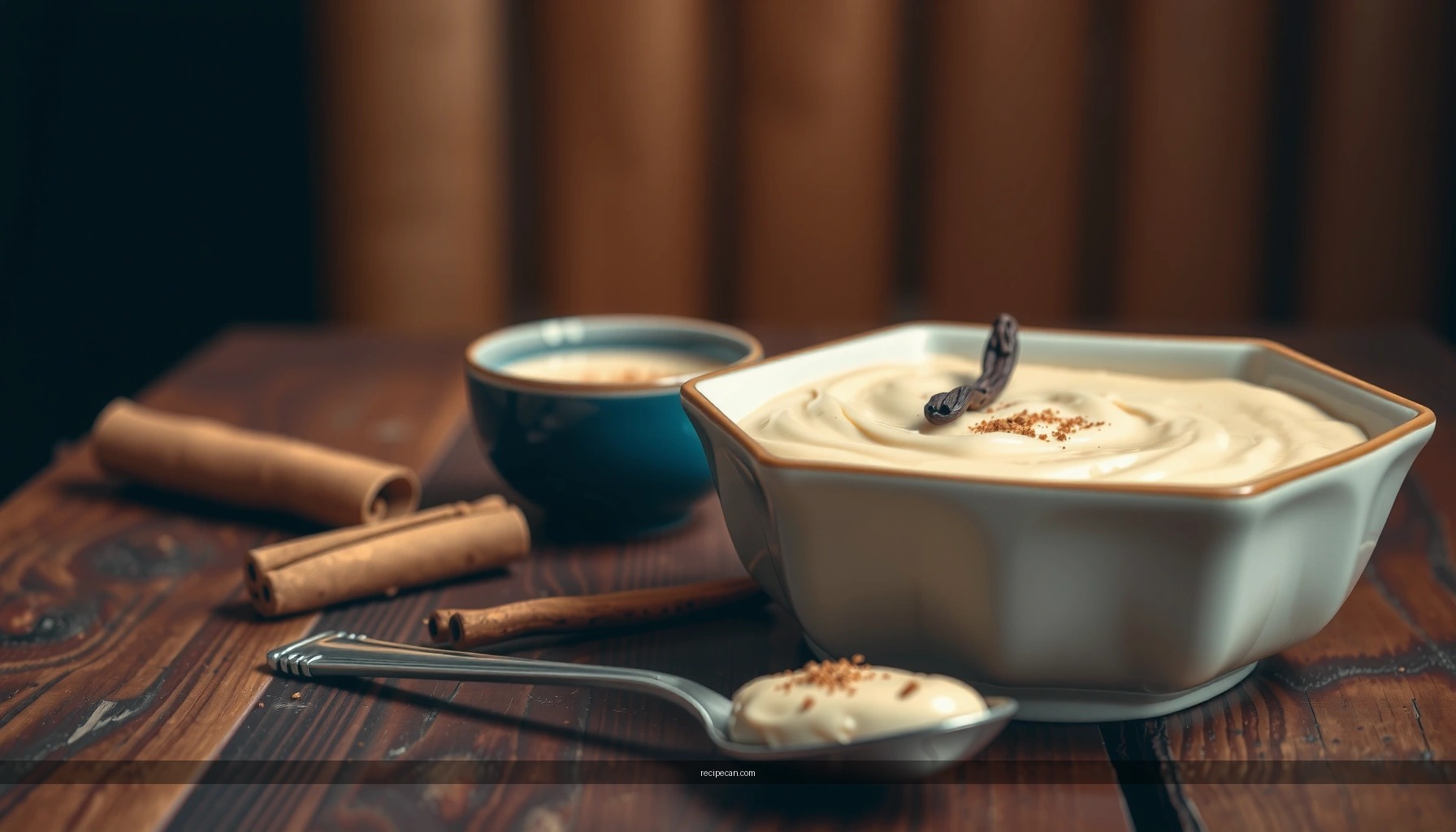
Searching for a rice pudding recipe using condensed milk? This recipe delivers a thick, creamy result without the long simmering you’d expect from traditional methods, making it the fastest path to classic comfort. You’ll get clear steps, the right rice-to-milk ratio, and a reliable sweetness level so your pudding sets perfectly every time.
This rice pudding recipe using condensed milk delivers a creamy, spoonable dessert by simmering rice until tender and then stirring in condensed milk at the right moment to avoid curdling. Follow the exact rice-to-liquid approach, keep the heat gentle, and finish with a brief rest so the texture turns uniformly rich—warm for comfort or chilled for a thicker, custard-like bite.
Ingredients for Rice Pudding Using Condensed Milk
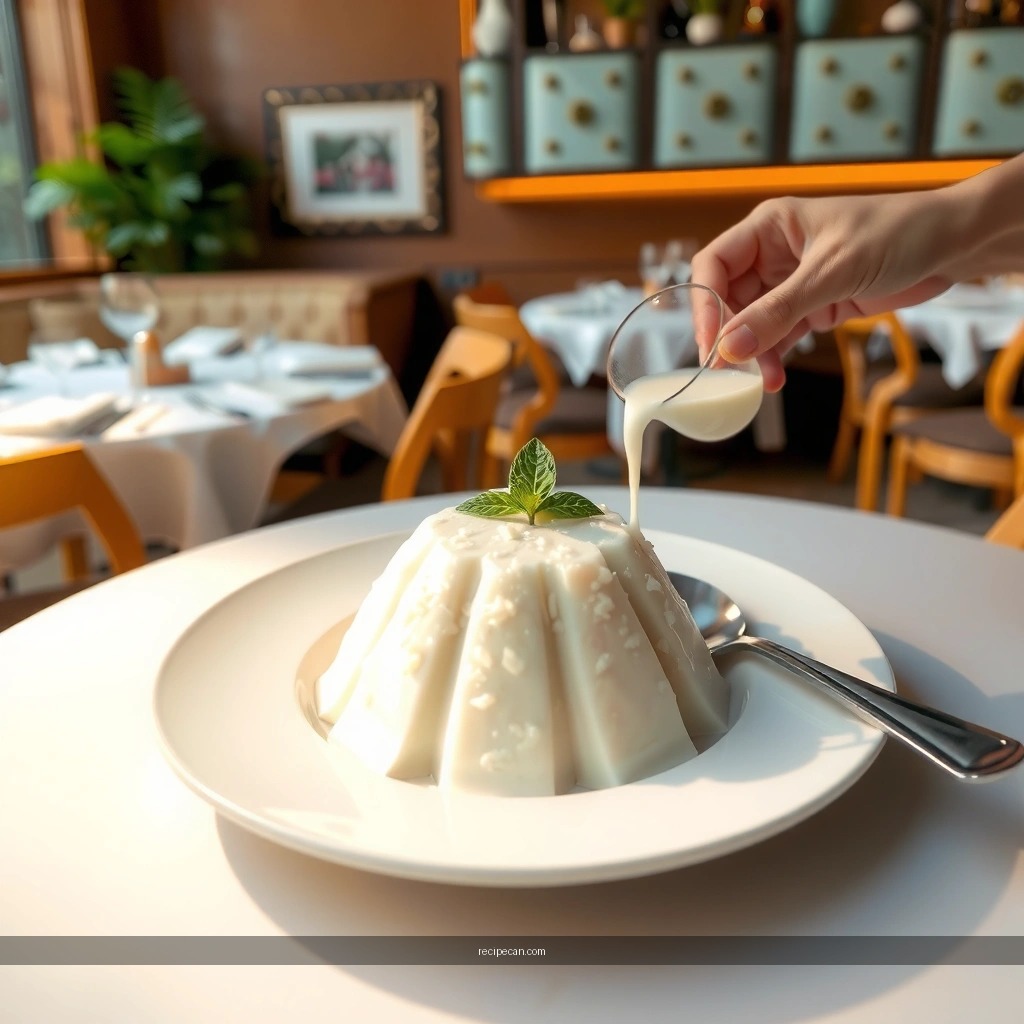
At its core, rice pudding is a controlled process: starch from the rice thickens the dairy base as it cooks. Condensed milk then amplifies sweetness and body without requiring constant measuring later—making this an efficient “big payoff, minimal effort” dessert.
Essentials
– Rice: short- or medium-grain rice (e.g., Arborio, Valencia, or jasmine with adjustments)
– Condensed milk: sweetened, for caramel-like sweetness and creaminess
– Milk: whole milk is ideal for a rich mouthfeel
– Pinch of salt: balances sweetness and makes flavors taste “complete”
Flavor options (choose 1–2)
– Vanilla extract (classic, warm aroma)
– Cinnamon (particularly good in warm versions)
– Nutmeg (pairs well with condensed milk’s caramel notes)
Optional mix-ins and add-ons
– Raisins or golden raisins (stir in near the end so they don’t go leathery)
– Butter (a small knob at the end improves gloss and richness)
– Lemon zest (tiny amount for brightness—great if you use cinnamon)
– Toasted nuts (pistachios, almonds, or walnuts for crunch)
Practical yield (and why it matters)
Most home cooks want this to be consistent batch-to-batch. The most reliable way is to treat the recipe as a ratio you can repeat: a moderate rice amount cooked in enough liquid to fully hydrate the grains, then thickened as it reduces. You can scale up, but avoid increasing rice without also increasing liquid—otherwise the rice will remain undercooked and the pudding will be starchy instead of creamy.
Rice-to-Liquid Guidance for Creamy Condensed-Milk Rice Pudding
| # | Rice (Dry) | Water or Extra Milk | Total Cooking Liquid | Best End Texture | Cook Time (Gentle Simmer) |
|---|---|---|---|---|---|
| 1 | 1/4 cup (about 45 g) | 3/4 cup (180 ml) | 1 cup (240 ml) | Creamy | 18–22 min |
| 2 | 1/3 cup (about 60 g) | 1 cup (240 ml) | 1.33 cups (320 ml) | Creamy with body | 20–25 min |
| 3 | 1/2 cup (about 90 g) | 1 1/4 cups (300 ml) | 1 2/3 cups (400 ml) | Spoonable | 22–28 min |
| 4 | 2/3 cup (about 120 g) | 1 2/3 cups (400 ml) | 2 1/3 cups (560 ml) | Custard-like | 24–30 min |
| 5 | 3/4 cup (about 135 g) | 2 cups (480 ml) | 2 3/4 cups (660 ml) | Thicker spoonfuls | 28–34 min |
| 6 | 1 cup (about 180 g) | 2 1/2 cups (600 ml) | 3 1/2 cups (840 ml) | Classic family batch | 32–40 min |
| 7 | 1 1/4 cups (about 225 g) | 3 1/4 cups (780 ml) | 4 1/2 cups (1,080 ml) | Serve warm or chill | 38–48 min |
Choosing and Preparing the Rice
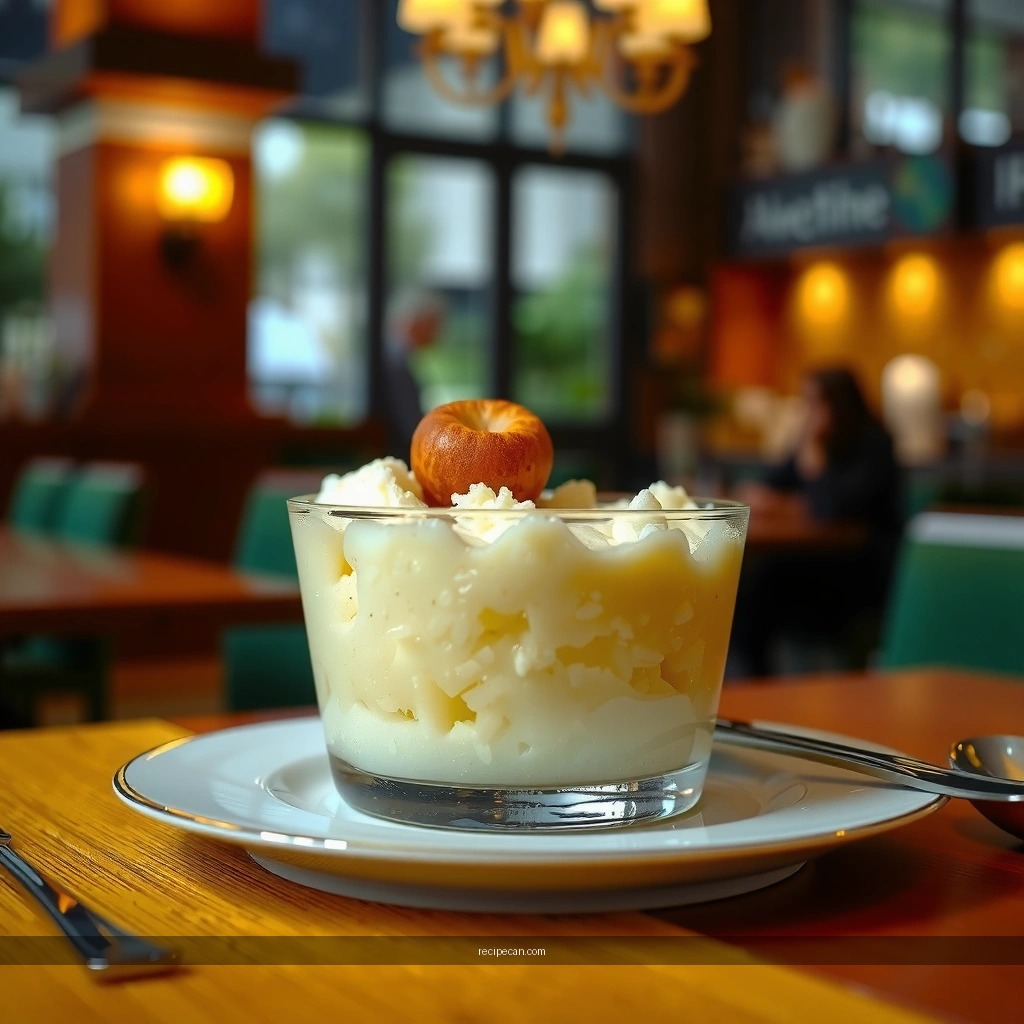
Choosing the right rice determines whether your dessert tastes silky or merely thick.
Best rice types for condensed-milk rice pudding
– Short-grain rice: higher starch release makes the pudding naturally creamy.
– Medium-grain rice: reliable texture and less risk of grainy results.
– Avoid long-grain rice for classic creamy pudding—unless you reduce the cooking time and accept a firmer, less custard-like outcome.
Rinse for smoother texture
Rinsing removes surface starch, which can otherwise make pudding taste gummy. Rinse under cool water until the runoff looks less cloudy (usually 30–60 seconds). Professional kitchens often rinse for consistency, especially when aiming for a stable, spoonable mouthfeel.
Soak or not?
– Soaking (10–20 minutes) can speed hydration, especially if you’re using a thicker pot or lower heat.
– No soak is fine—just give it adequate simmer time and stir often.
If you soak, slightly reduce liquid or simmer time to prevent over-softening.
Step-by-Step Cooking Method
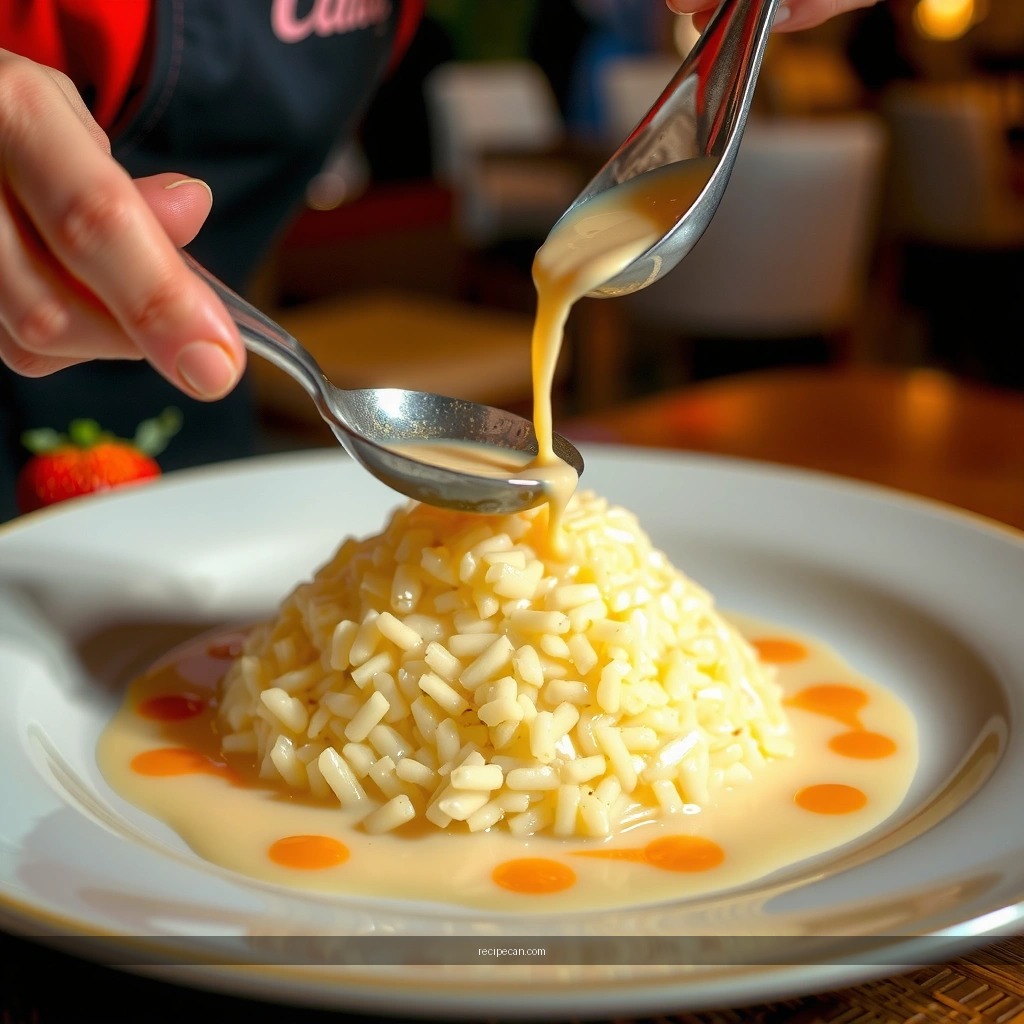
The cooking method is where the “creamy, not clumpy” outcome is won.
1. Combine rice and initial liquid
– Add rinsed rice to a saucepan with milk plus water or extra milk (so the rice hydrates evenly).
– Start with a simmer: gentle bubbles, not an aggressive boil.
2. Simmer until the rice is fully tender
– Cook until the rice grains are soft enough to mash between fingers.
– Stir frequently to prevent sticking along the bottom and to help starch disperse for even thickening.
3. Adjust consistency as it cooks
– If it becomes too thick before the rice is tender, add a small splash of milk or water.
– If it’s still loose when rice is tender, keep simmering to reduce.
4. Control heat for dairy stability
– Dairy can scald if the heat is too high. Maintain a steady low simmer; this also improves uniformity of starch thickening.
Stirring strategy
Stir in cycles: scrape the bottom every time you pass the spoon, then sweep the sides. This reduces scorching risk and prevents a “starch cap” forming on top.
How to Add Condensed Milk at the Right Time
This step is critical—condensed milk is sweetened and concentrated, and adding it too early can interfere with smooth thickening.
Add condensed milk after the rice softens
– Wait until the rice is tender and the base is creamy but not yet final-thick.
– Stir condensed milk in gradually off-and-on to maintain control.
Mix until smooth
Use a whisk or spoon to fully incorporate, scraping corners. Condensed milk dissolves quickly, but thorough stirring ensures consistent sweetness and prevents streaks.
Sweetness calibration
Because condensed milk brands vary slightly in sweetness and richness, taste after mixing:
– If you want a more traditional flavor, you can add a little extra milk (to dilute sweetness) rather than more water (which can reduce dairy character).
– If you want it sweeter, a touch of vanilla or cinnamon often enhances perceived sweetness without making it “one-note sugary.”
Achieving the Best Texture (Creamy vs. Thick)
Texture preferences vary—some people want it spoon-coating and flowing; others want a set, custard-like pudding.
For creamier rice pudding
– Cook until tender but stop slightly earlier than you would for thick pudding.
– Plan to serve soon; as it cools, it naturally thickens.
– Use whole milk or add a small amount of butter right at the end for a silkier finish.
For thicker, spoon-stiff pudding
– Simmer longer after the rice is tender to reduce more liquid.
– Let it cool; refrigeration will further set the starch-dairy network.
– If you chill, transfer to serving bowls first to minimize further thickening from residual heat.
Rest time matters
Even after you turn off the heat, the pudding continues to tighten as starch absorbs moisture. A 10–15 minute rest makes texture more uniform—especially noticeable when serving chilled.
Serving and Storage Tips
Rice pudding is versatile: warm is comforting, chilled is more custard-like, and toppings make it feel “dessert-level” without extra work.
– Serve warm for a more liquid, fragrant experience.
– Serve chilled for a thicker, sliceable spooning consistency.
– Toppings that complement condensed milk:
– Ground cinnamon (most classic)
– Toasted almonds or pistachios (adds contrast)
– Fresh berries or sautéed apple (brightness cuts richness)
– A small pat of butter (enhances aroma and gloss)
Storage
– Refrigerate in a covered container for up to 3–4 days.
– Keep in mind that the pudding will thicken as it cools—this is normal.
Reheating without ruining texture
– Reheat gently on the stove or microwave with a splash of milk.
– Stir frequently to re-suspend the thickened base and restore creaminess.
Avoid high heat; it can separate dairy or encourage graininess.
Note on food safety
Rice pudding is dairy-based. Cool promptly after cooking, refrigerate quickly, and discard if it shows signs of spoilage or develops an off smell.
This rice pudding recipe using condensed milk delivers a rich, creamy dessert by simmering rice to tender perfection and adding condensed milk at the right time. Follow the method, adjust thickness to your liking, and then try it with your favorite toppings—make a batch today and enjoy it warm or chilled.
Frequently Asked Questions
What is the best rice pudding recipe using condensed milk?
A classic condensed milk rice pudding recipe combines cooked rice, sweetened condensed milk, milk (or evaporated milk), and warm spices like cinnamon and vanilla. Cook the rice until very tender, then simmer everything together just long enough to thicken into a creamy, spoonable dessert. Using sweetened condensed milk helps the pudding stay rich and flavorful without needing to measure separate sugar.
How do I make rice pudding with condensed milk without it becoming watery?
To avoid watery rice pudding, start with properly cooked rice and simmer the mixture until the liquid reduces and the texture thickens. Using the right ratio matters—condensed milk adds sweetness and body, but you still need enough cooking time for the rice to absorb liquid. Stir frequently near the end and let the pudding rest 10–15 minutes after cooking, since it thickens as it cools.
Why does my rice pudding get grainy when I use condensed milk?
Graininess is often caused by rice that isn’t fully tender or by cooking too hot for too long, which can break down the mixture. For the creamiest condensed milk rice pudding, use short-grain rice or pudding rice and cook until soft before adding the condensed milk (or add it after most liquid is absorbed). Keeping the heat at a gentle simmer and stirring regularly helps prevent uneven texture.
Which type of condensed milk should I use for rice pudding—sweetened or evaporated?
For a traditional sweet rice pudding recipe, use sweetened condensed milk because it provides both sweetness and creaminess. Evaporated milk can work in some variations, but it won’t deliver the same caramel-like sweetness and thick texture. If you want a less sweet version, reduce the amount of sweetened condensed milk and balance with regular milk or evaporated milk.
How long should rice pudding with condensed milk be cooked and chilled?
Cook the rice until fully soft, then simmer the pudding mixture until it thickens—typically 15–25 minutes after combining the ingredients, depending on your rice type and stove heat. After cooking, let it cool for at least 1 hour before serving, because the condensed milk rice pudding thickens as it sets. For best flavor and texture, refrigerate covered and serve within 3–4 days.
References
- Rice pudding
https://en.wikipedia.org/wiki/Rice_pudding - Condensed milk
https://en.wikipedia.org/wiki/Condensed_milk - https://www.britannica.com/topic/rice-pudding
https://www.britannica.com/topic/rice-pudding - Google Scholar Google Scholar
https://scholar.google.com/scholar?q=rice+pudding+condensed+milk+recipe - Google Scholar Google Scholar
https://scholar.google.com/scholar?q=sweetened+condensed+milk+rice+pudding - Google Scholar Google Scholar
https://scholar.google.com/scholar?q=condensed+milk+milk+desserts+rice+pudding - https://pubmed.ncbi.nlm.nih.gov/?term=condensed+milk
https://pubmed.ncbi.nlm.nih.gov/?term=condensed+milk - https://pubmed.ncbi.nlm.nih.gov/?term=rice+pudding
https://pubmed.ncbi.nlm.nih.gov/?term=rice+pudding - https://www.sciencedirect.com/search?qs=condensed%20milk%20dessert
https://www.sciencedirect.com/search?qs=condensed%20milk%20dessert - https://www.sciencedirect.com/search?qs=rice%20pudding
https://www.sciencedirect.com/search?qs=rice%20pudding