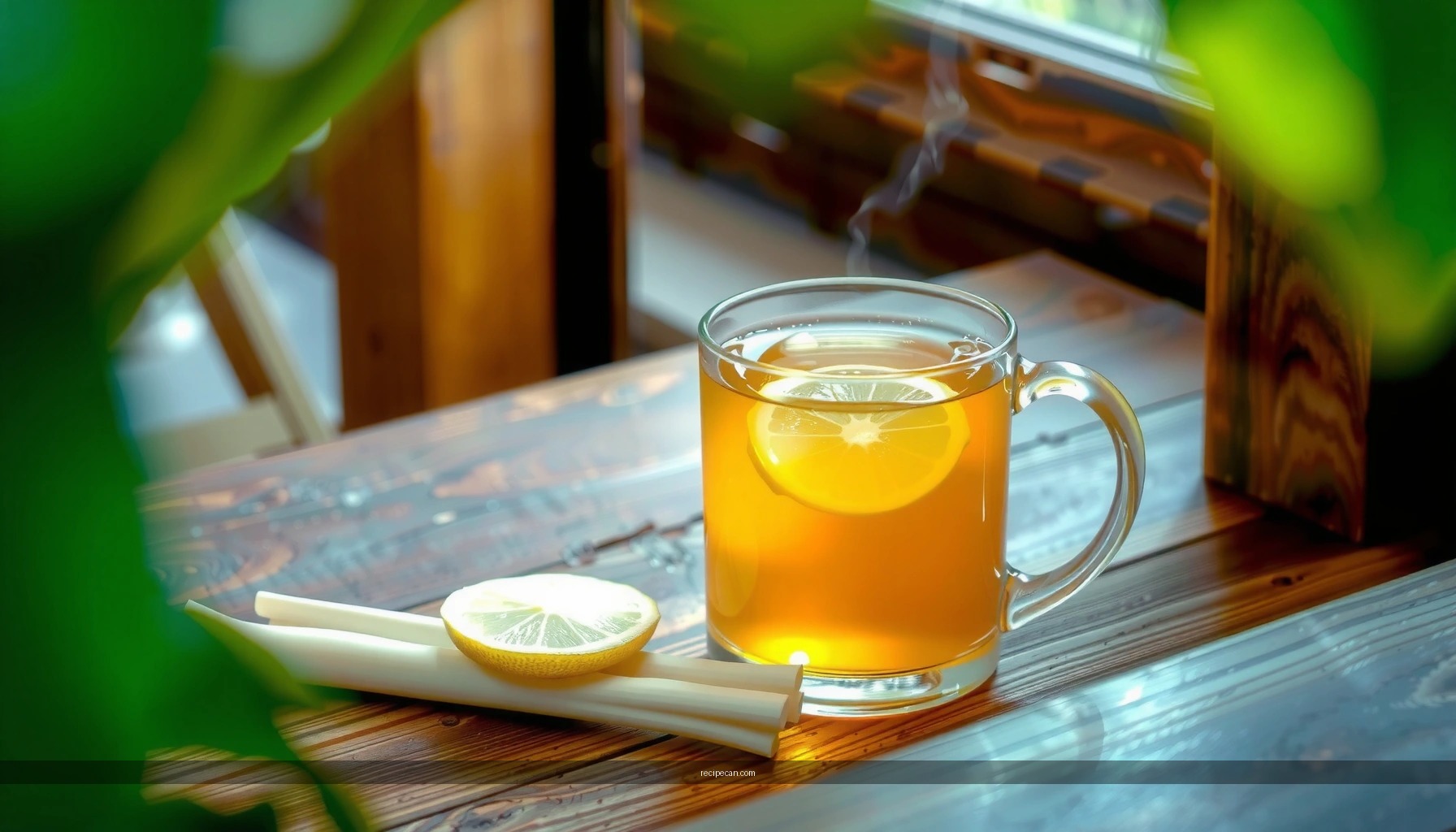
Find a lemongrass tea recipe that delivers a fresh, bright cup with minimal effort. This step-by-step guide shows exactly how much lemongrass to use, how long to steep it, and how to sweeten or balance the flavor for the result you want. If you want fast, aromatic lemongrass tea without guesswork, these instructions are the clear win.
Make lemongrass tea by steeping fresh or dried lemongrass in hot water for about 5–10 minutes—then customize to taste with ginger, lemon, or honey. This straightforward brewing method extracts the herb’s bright, citrusy aroma without turning it harsh, giving you a soothing, caffeine-free cup you can reliably repeat at home.
Ingredients for a Lemongrass Tea Recipe

To brew an excellent lemongrass tea recipe, focus on three essentials: the lemongrass source (fresh vs. dried), the water, and your optional flavor modifiers. Lemongrass is aromatic rather than intensely bitter by nature, but extraction time and how you prepare the stalk determine whether your cup tastes clean and refreshing—or sharp and overly tart.
– Fresh lemongrass stalks (or dried lemongrass) for the core flavor
Fresh stalks typically provide a more delicate, “sparkling” lemongrass character. Dried lemongrass tends to be deeper and more concentrated, so you usually need a slightly shorter steep or less quantity for the same brightness.
– Water plus optional add-ins like honey, ginger, or lemon
Use water hot enough to extract essential oils quickly. Then layer flavors based on your goal:
– Honey for rounded sweetness (and a gentler finish)
– Ginger for warmth and spice
– Lemon for an extra citrus lift
– Choose loose lemongrass vs. tea bags for different taste intensity
Loose lemongrass (stalks or chopped pieces) offers more control over infusion strength—especially if you bruise and slice the stalks. Tea bags are convenient and consistent, but they can release flavor more slowly and may taste lighter unless you steep longer or use more bags.
Brewing choice matters, especially if you want a specific flavor profile. The table below gives practical guidance on what to expect from common lemongrass tea formats.
Practical Guide to Lemongrass Tea Formats (1 Cup / ~250 ml)
| # | Lemongrass Format | Typical Amount | Best Steep (min) | Flavor Intensity | Brew Convenience |
|---|---|---|---|---|---|
| 1 | Fresh stalk (bruised + sliced) | 1 medium stalk | 6–8 | Medium-Bright | ★★★☆☆ |
| 2 | Fresh stalk (whole, not sliced) | 1 medium stalk | 8–10 | Milder | ★★☆☆☆ |
| 3 | Dried lemongrass (chopped) | 2–3 tbsp chopped | 5–7 | Deep + Citrusy | ★★★★☆ |
| 4 | Dried lemongrass (fine pieces) | 1.5–2 tbsp | 4–6 | Strong Aroma | ★★★★☆ |
| 5 | Loose dried lemongrass + tea infuser | 2 tbsp | 5–8 | Medium-Strong | ★★★★☆ |
| 6 | Tea bags (standard) | 1 bag | 7–10 | Light-Medium | ★★★☆☆ |
| 7 | Tea bags (strong blend or 2 bags) | 2 bags | 7–9 | Medium-Bright | ★★★☆☆ |
How to Prepare Lemongrass Tea (Step-by-Step)

A great lemongrass tea recipe isn’t just steeping—it’s about preparing the stalks to release their oils. If you use fresh lemongrass, bruising and slicing are the two biggest upgrades you can make for a flavorful, clean cup.
– Bruise fresh lemongrass and slice it for better infusion
Bruise the stalk gently with the back of a knife or tap it on a cutting board. Then slice into 2–3 cm pieces. This breaks open plant fibers so you get more aroma with less time.
– Simmer or steep in hot water, then strain
Bring water close to a boil. Add lemongrass, then either:
– Simmer gently for 3–5 minutes (for deeper extraction), or
– Steep off the heat for 5–8 minutes (for a cleaner, brighter flavor)
After brewing, strain to remove fibrous bits. A fine mesh sieve works well; if you used a tea infuser, simply lift it out.
– Start with 5 minutes and adjust to taste for stronger flavor
For most people, 5 minutes is the sweet spot for early tasting. If you want more intensity, steep an additional 1–2 minutes, rather than jumping to long steep times. Small adjustments help you avoid bitterness and maintain that fresh citrus character.
Best Steeping Time and Water Temperature

Lemongrass tea flavor is extraction-driven. The faster the hot water reaches the plant compounds (especially aromatic oils), the more quickly you’ll notice lemongrass’s signature citrus notes. The trade-off: over-steeping can push the flavor into a more astringent or tart direction.
– Use hot water (near boiling) to extract flavor quickly
Aim for water that’s steaming and close to boiling. Cooler water often results in a tea that tastes flat or muted, especially with dried lemongrass.
– Steep 5–10 minutes depending on freshness and desired strength
A practical range:
– Fresh, bruised + sliced: ~6–8 minutes
– Dried, chopped/fine pieces: ~4–7 minutes
– Tea bags: ~7–10 minutes (because the infusion surface area is smaller)
– Avoid over-steeping to prevent a bitter or too-tart taste
Lemongrass can remain pleasant even when strong, but too-long steeping tends to reduce “brightness” and bring forward harsher notes. If you’re unsure, taste at 5 minutes and stop when the flavor matches what you want.
Flavor Variations (Honey, Ginger, Lemon)
Once your base lemongrass tea is steeped, customization is where the cup becomes truly yours. These add-ins also influence perceived balance—sweetness rounds sharpness, ginger adds warmth, and lemon enhances brightness.
– Add honey after steeping for a smoother sweetness
Stir in honey right after straining while the tea is still hot enough to dissolve it easily. Adding honey too early can slightly mute aromatic top notes.
– Stir in grated ginger for warmth and extra aroma
Use freshly grated ginger (or a small thin slice) for a more fragrant infusion. For a balanced cup, start with a small knob (about 1–2 tsp grated) and steep an additional 2–3 minutes after adding it, or simply stir in ginger right after the initial steep if you prefer a lighter ginger presence.
– Squeeze lemon for a brighter, more refreshing finish
Add lemon juice at the end. This preserves the fresh citrus aroma and helps your tea taste more “alive” rather than subdued. If you like it more mellow, add a small peel strip during steeping (then remove before serving).
Health Benefits and Who Should Use Caution
Many people enjoy lemongrass tea as part of a wellness routine because it’s aromatic, caffeine-free, and easy to sip throughout the day. While herbal tea is not a substitute for medical care, understanding how it may affect your body helps you use it responsibly.
– Lemongrass tea may support digestion and relaxation routines
Traditional use often highlights digestion comfort and calming rituals. In practice, the warm liquid plus herbal aroma can make it a soothing choice—especially after meals or in the evening.
– Rich herbal flavor makes it a simple caffeine-free option
Lemongrass tea contains no caffeine, making it a practical alternative when you want flavor without stimulating effects. This can be useful for daytime hydration or replacing sweetened beverages.
– If pregnant, on medication, or managing conditions, check with a clinician first
Herbal ingredients can interact with medications or be a concern during pregnancy or certain health conditions. If you fall into any of these categories, consult a healthcare professional before using lemongrass tea regularly or in larger amounts (especially concentrated extracts).
Storage and Reheating Tips
Good lemongrass tea doesn’t have to be “one and done.” With careful storage, you can keep flavor close to the first cup—though aromatics naturally fade over time.
– Store leftover tea in the fridge and use within 1–2 days
Pour cooled tea into a sealed container and refrigerate promptly. For best flavor, use within 24–48 hours rather than letting it linger.
– Reheat gently to preserve aroma
Warm it on the stove over low heat or microwave in short intervals. Avoid boiling hard, which can push the aroma in a more muted or slightly harsher direction.
– For best results, re-steep lemongrass rather than boiling it repeatedly
If you’re using loose lemongrass, don’t repeatedly boil the same leaves or stalk pieces. Instead:
1) steep once for your preferred time,
2) strain,
3) re-steep fresh hot water with the same lemongrass for a shorter second infusion if you want a lighter cup.
This keeps your tea tasting clean and avoids over-extraction.
Lemongrass tea is easy: steep bruised lemongrass in hot water, then customize with honey, ginger, or lemon. Try the basic 5–10 minute method first, adjust to your taste, and brew a fresh cup today—save your preferred steeping time for next time.
Frequently Asked Questions
How do you make lemongrass tea at home with fresh lemongrass?
To make lemongrass tea with fresh lemongrass, bruise 2–3 stalks to release the oils, then slice them into 1-inch pieces. Simmer in 2 cups of water for 5–10 minutes, then strain. For a stronger flavor, simmer a few minutes longer or use more stalks. Add honey or lemon to taste if you want it sweeter or brighter.
What is the best lemongrass tea recipe using dried lemongrass?
With dried lemongrass, use about 1–2 teaspoons per cup of hot water (2–3 teaspoons if you prefer a stronger brew). Steep for 8–12 minutes, then strain to remove the plant pieces. Dried lemongrass is more concentrated, so start small and adjust to your preference. This method is simple and works well if you don’t have fresh stalks on hand.
Why does lemongrass tea taste bitter, and how can you fix it?
Lemongrass tea can taste bitter if it’s steeped too long or boiled aggressively, which extracts more harsh compounds. Try reducing the steeping time or lowering the simmer intensity, and taste after 5–7 minutes for fresh lemongrass. You can also mellow the flavor by adding a small amount of honey, ginger, or a squeeze of lemon. Using the right plant-to-water ratio also helps prevent over-concentration.
Which ingredients pair best with lemongrass tea for extra flavor?
Ginger is one of the most popular pairings because it complements lemongrass’s citrus notes and adds warmth. Mint works well if you want a lighter, refreshing lemongrass tea, especially when served iced. For a calming twist, add cinnamon or a few cloves, and for brightness, use lemon zest or a slice of fresh lemon. You can mix and match based on whether you want the tea to taste more soothing, zesty, or aromatic.
How much lemongrass tea should you drink per day, and is it safe?
A common starting point is 1–2 cups of lemongrass tea per day, using a standard brew (about 1–2 teaspoons dried lemongrass or a couple stalks). While lemongrass tea is widely enjoyed, it’s best to avoid excessive amounts and adjust based on how your body responds. If you’re pregnant, breastfeeding, have low blood pressure, or take medications, consider checking with a healthcare professional before making it a daily habit. Staying within a moderate range helps you enjoy the herbal benefits without overdoing it.
References
- Google Scholar Google Scholar
https://scholar.google.com/scholar?q=lemongrass+tea+recipe - Google Scholar Google Scholar
https://scholar.google.com/scholar?q=Cymbopogon+citratus+tea+preparation - Google Scholar Google Scholar
https://scholar.google.com/scholar?q=lemongrass+tea+health+effects - https://pubmed.ncbi.nlm.nih.gov/?term=lemongrass+tea
https://pubmed.ncbi.nlm.nih.gov/?term=lemongrass+tea - Cymbopogon
https://en.wikipedia.org/wiki/Lemongrass - Herbal tea
https://en.wikipedia.org/wiki/Herbal_tea - Lemongrass | Culinary Uses, Aromatic Properties & Health Benefits | Britannica
https://www.britannica.com/plant/lemongrass - https://www.sciencedirect.com/search?qs=lemongrass%20tea
https://www.sciencedirect.com/search?qs=lemongrass%20tea - lemongrass tea | Nature Search Results
https://www.nature.com/search?q=lemongrass%20tea - Search: Cymbopogon citratus tea – NLM
https://www.ncbi.nlm.nih.gov/search/all/?term=Cymbopogon+citratus+tea