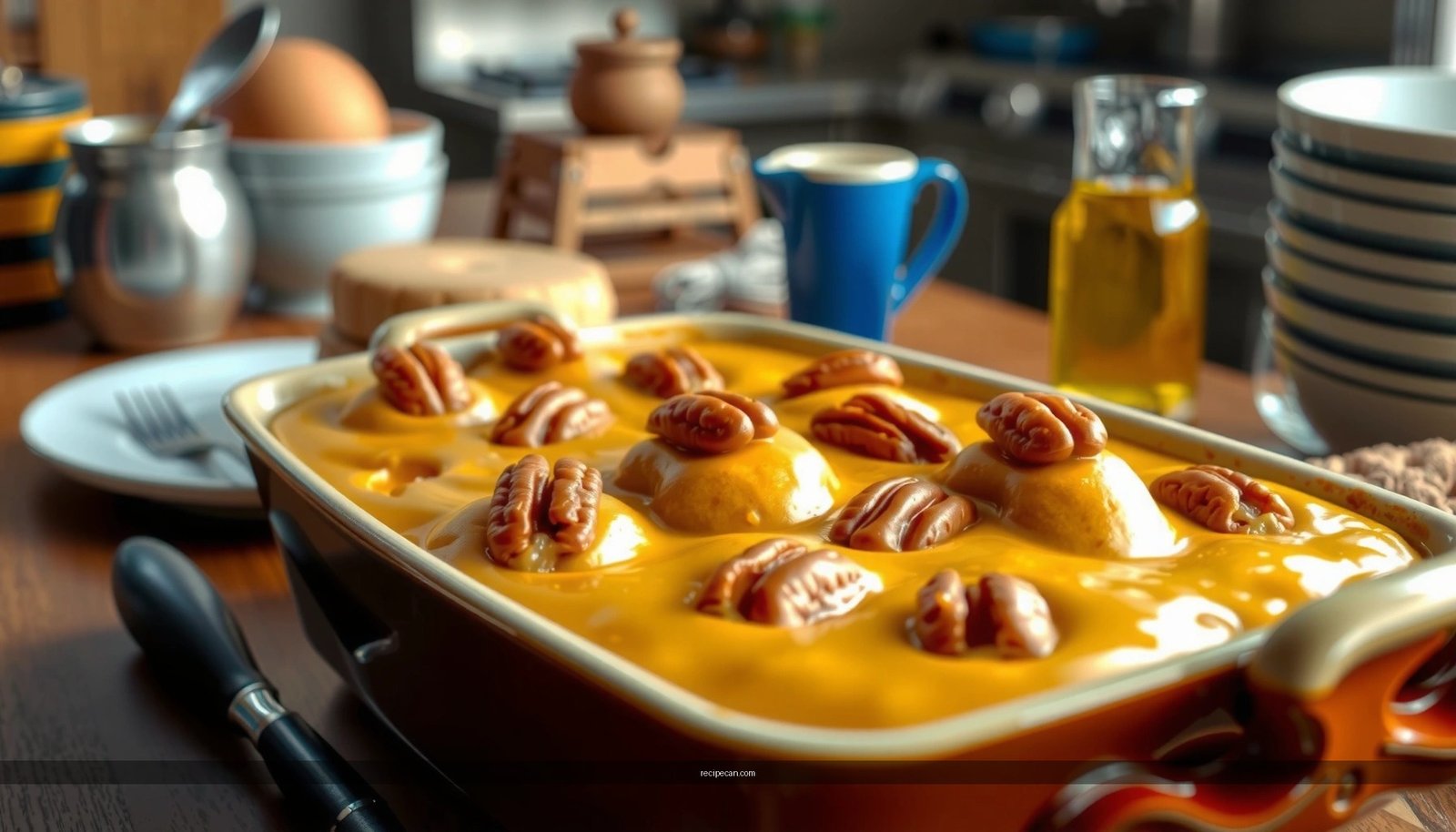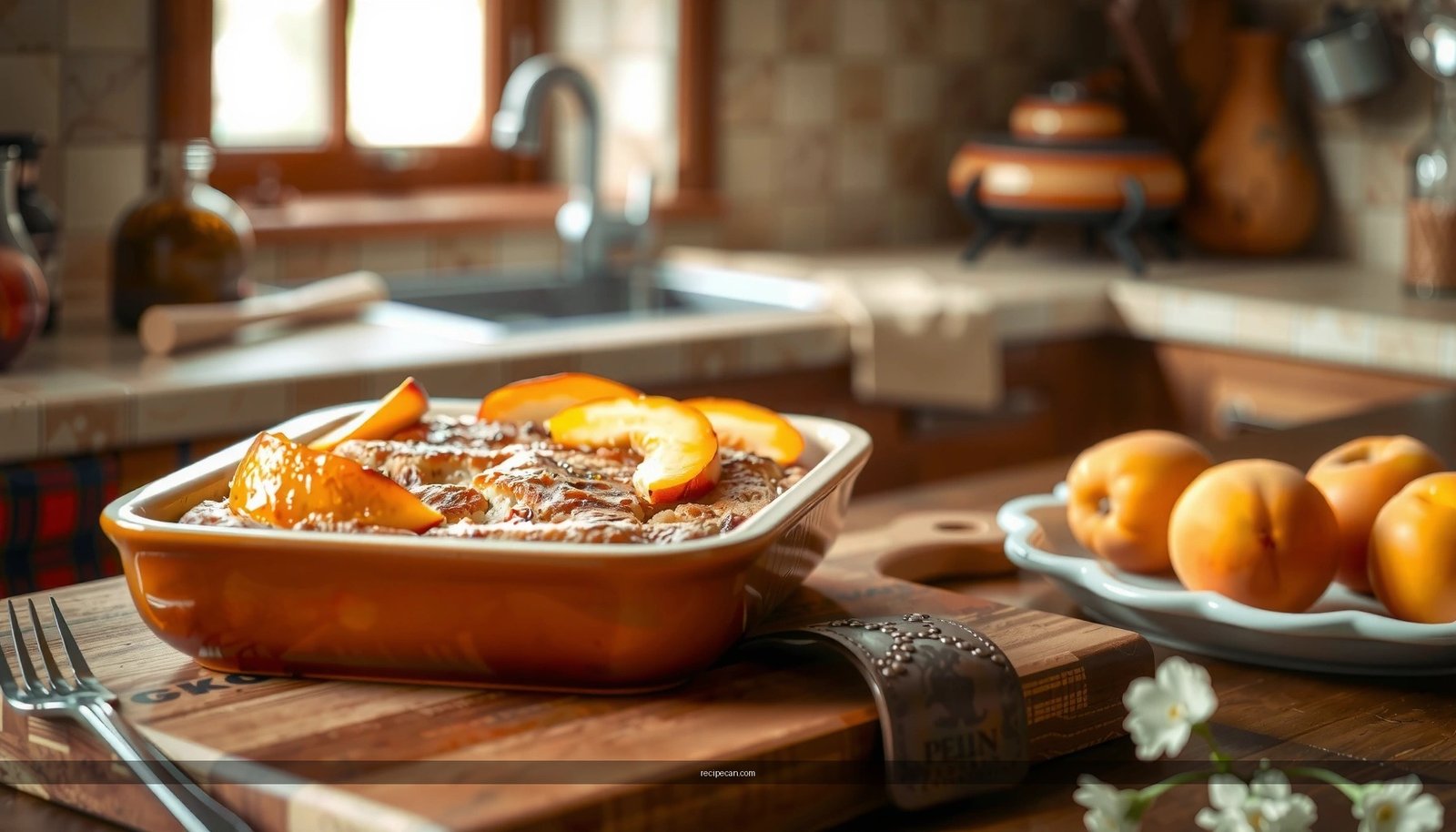
Get a foolproof bread pudding recipe with caramel sauce that produces a custardy center and a crisp top every time. This recipe answers whether you should bake it low-and-slow for tenderness or hotter for caramelized edges—and gives the winning method. You’ll also learn how to make the caramel sauce so it stays glossy and pourable instead of turning grainy.
Bread pudding with caramel sauce is an easy, bakery-style dessert that transforms stale bread into a warm, custardy centerpiece—then finishes with a glossy, buttery caramel drizzle. With the right bread-to-custard soak time and baking until “just set,” you’ll consistently get tender custard and a golden top without dryness.
Custard Tenderness: Bread Type vs. Result (Recipe Ranges)
| # | Bread Type | Soak Notes | Custard Texture | Bake Tolerance |
|---|---|---|---|---|
| 1 | Brioche | Soak 20–30 min | Very creamy ★★★★★ | High |
| 2 | French Bread (boulangerie) | Soak 25–35 min | Creamy with structure ★★★★☆ | High |
| 3 | Sourdough | Soak 35–45 min | Custardy center, tangy ★★★★☆ | Medium |
| 4 | Challah | Soak 25–35 min | Silky, rich ★★★★★ | High |
| 5 | Sandwich bread (white) | Soak 15–20 min | Softer, less defined ★★★☆☆ | Lower |
| 6 | Whole wheat loaf | Soak 35–50 min | Hearty custard ★★★★☆ | Medium |
| 7 | Panettone | Soak 20–30 min | Custardy with spice notes ★★★★☆ | High |
This bread pudding recipe with caramel sauce is easy to make and turns stale bread into a warm, custardy dessert. You’ll learn how to bake it to the perfect texture and pour over a rich caramel sauce for maximum flavor.
Gather Ingredients for Bread Pudding and Caramel Sauce
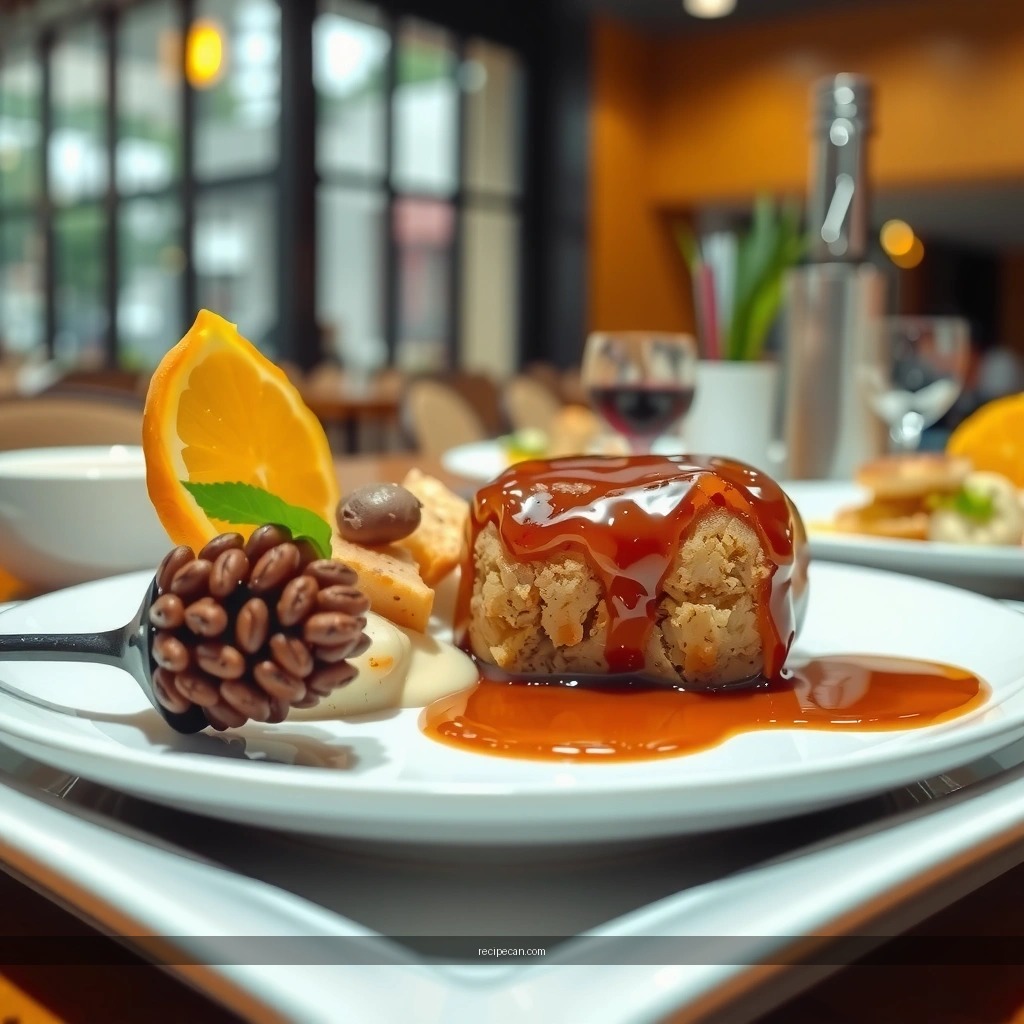
A successful bread pudding recipe is less about strict rules and more about balance: bread provides structure, eggs provide custard set, and milk/cream provide tenderness. Caramel sauce then ties everything together with a sweet, buttery finish.
For the bread pudding (base)
– Bread: Brioche or French bread are the two most reliable choices. Brioche yields an ultra-creamy slice; French bread gives a custard center with more distinct “pockets.”
– Milk + cream (optional): Whole milk is classic for richness; a splash of cream deepens mouthfeel.
– Eggs: The custard’s set. Too few eggs can lead to a loose center; too many can feel eggy or dense.
– Sugar: Adds sweetness and helps browning.
– Vanilla extract: Aromatic lift that makes the caramel taste even more “restaurant quality.”
– Ground cinnamon + optional nutmeg: Warm spices that read as comforting, especially with caramel.
– Salt: A small amount improves overall flavor clarity.
For the caramel sauce (classic ratio)
– Granulated sugar: For caramelization (the foundation of flavor).
– Butter: Adds richness and smoothness.
– Heavy cream: Prevents the caramel from becoming hard; also creates a pourable, silky texture.
– Pinch of salt: Cuts through sweetness.
– Vanilla (optional): Complements vanilla in the pudding and rounds out the final profile.
Actionable ingredient planning (businesslike consistency):
– Use day-old bread for best results. Very fresh bread can stay bready; very dry bread can soak unevenly and feel chewy.
– Aim for uniform cube size (about 1-inch / 2.5 cm). Uneven cubes soak at different speeds, causing patchy texture.
– If you’re working with brioche (softer bread), reduce soak time slightly to avoid an overly tight, collapsed pudding.
Prep the Bread Pudding Base
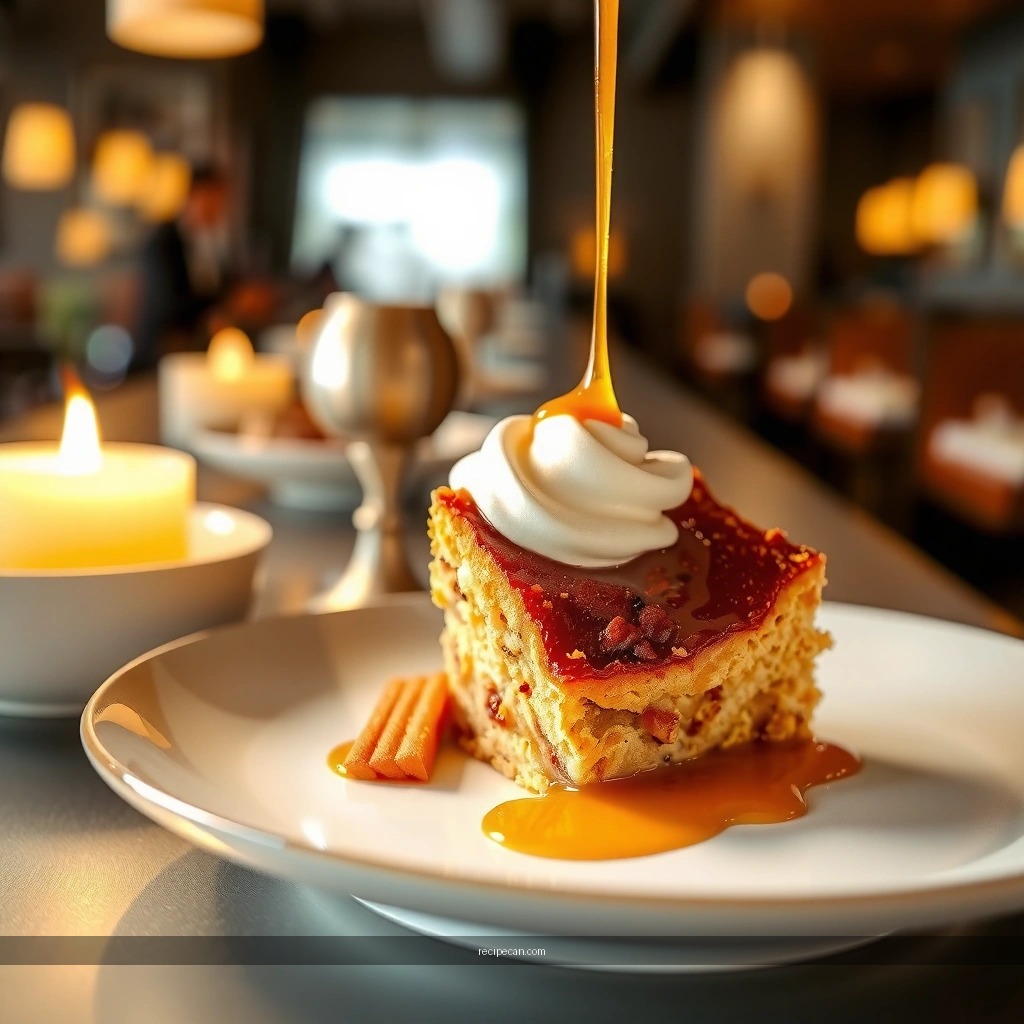
The “magic” of bread pudding is the custard soak. When bread absorbs the liquid evenly, every bite bakes into a custardy texture instead of dry edges and a watery center.
Step 1: Cube and soak intentionally
– Cut or tear bread into cubes, then spread them in the baking dish.
– Soak time: Typically 20–35 minutes, depending on bread type and cube size.
– Brioche/challah: often 20–30 minutes
– French bread: often 25–35 minutes
– Sourdough or whole wheat: often 35–45 minutes
– You want the bread to look moistened throughout, but not floating in liquid. If you press a cube with a spoon, it should feel saturated.
Quality control tip: If the bread looks dry after 15–20 minutes, gently stir and press down. If it looks overly soaked or soupy, reduce rest time or slightly increase bake time rather than adding more liquid (which can dilute the custard).
Step 2: Build the custard mixture
In a mixing bowl, whisk:
– eggs
– milk (and cream if using)
– sugar
– vanilla
– cinnamon (and nutmeg, if desired)
– salt
Whisk until the eggs are fully integrated and the sugar dissolves as much as possible.
Step 3: Combine for a smooth batter
Pour the custard over the bread cubes and fold gently so the cubes are coated. Let the bowl rest briefly, then transfer to a prepared baking dish (butter or spray the dish so edges release cleanly).
Why this matters (texture science, simplified):
– Eggs begin to thicken during baking, setting the custard.
– Bread acts like a sponge and an insulator—if it doesn’t absorb enough liquid beforehand, the “custard” ends up concentrated near the liquid pool.
– Balanced soaking creates consistent coagulation across the dish.
Bake Until Custardy and Golden
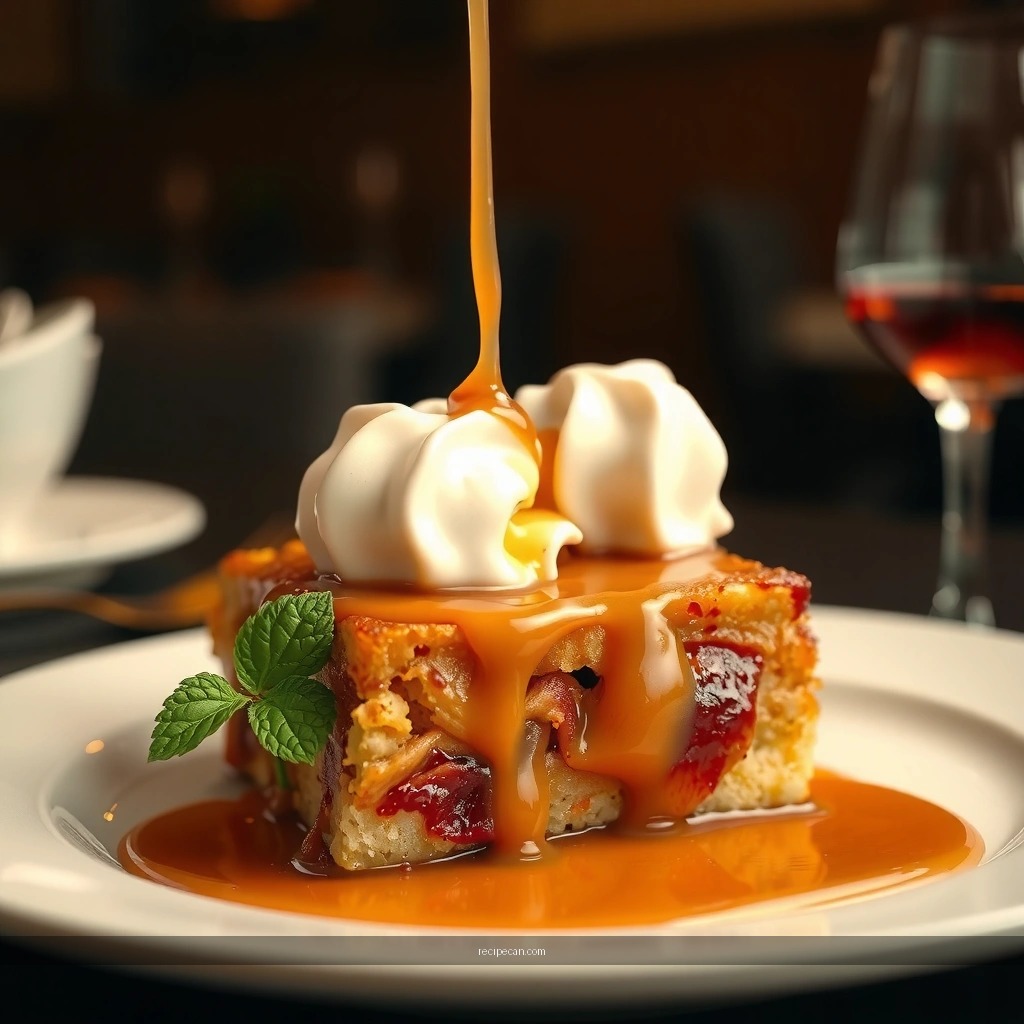
Baking is where most home cooks either overdo it (dry) or underdo it (runny). The goal is custardy set—not firm cake.
Step 1: Bake at a stable temperature
A common approach:
– Bake until the center is mostly set but still slightly jiggly (like set pudding).
– Use foil partway through only if your top browns too fast.
For the best professional texture, bake with a thermometer if you have one:
– Look for about 160–175°F (71–79°C) in the center. This range typically sets the custard without turning it rubbery.
Step 2: Recognize visual cues
When it’s ready:
– Top is lightly golden (not deeply dark)
– Edges pull slightly away from the dish
– Center jiggles gently but doesn’t slosh like liquid
Step 3: Rest before serving
Let bread pudding rest 10–15 minutes after baking.
– Carryover heat finishes setting the custard.
– Cutting too early can cause a watery center or crumbling slices.
– Resting also improves caramel harmony: warm pudding accepts caramel better without melting into a puddle.
Common failure modes and fixes
– Runny center: next time bake 5–8 minutes longer or cover with foil after top reaches color.
– Dry pudding: reduce bake time by 5–10 minutes, or ensure soak time wasn’t too short and bread wasn’t under-saturated.
– Curdled texture: usually means overheated custard. Bake gently and avoid boiling temperatures.
Make the Caramel Sauce
Caramel sauce should be glossy, pourable, and stable—not grainy. The technique is simple, but precision matters because sugar transitions quickly.
Step 1: Melt sugar to amber
– Heat sugar in a saucepan over medium heat until it melts and turns amber.
– Stir only as needed; once melted, frequent stirring can cause uneven crystallization.
Color guide: Aim for a deep golden-brown—darker than that can lead to bitter notes.
Step 2: Whisk in butter, then cream
– Remove from heat briefly (or lower heat) before adding butter.
– Whisk until smooth.
– Slowly add cream while whisking. The mixture will bubble vigorously—this is normal.
Step 3: Salt, vanilla, and holding temperature
– Stir in salt.
– Add vanilla if using.
– Keep warm at low heat so it drizzles easily.
Caramel troubleshooting
– Grainy caramel: often caused by sugar crystallizing. To prevent it, don’t let sugar sit dry too long; keep heat controlled.
– Too thick: warm gently with a tablespoon of cream.
– Too thin: simmer 1–2 minutes to reduce slightly, stirring constantly.
Bread Pudding Doneness Targets (No Guesswork)
| # | Stage | Center Jiggle | Texture Result | Outcome |
|---|---|---|---|---|
| 1 | Set edges, soft center | Slight wobble | Creamy custard | Ideal |
| 2 | Mostly set, minimal jiggle | Almost still | Firm custard | Great |
| 3 | Underbaked center | Sloshy | Loose custard | Needs more bake |
| 4 | Overbaked | No jiggle | More dense/drier | Avoid |
Assemble and Serve for Best Results
Serving is when bread pudding becomes a memorable dessert. The caramel sauce should be warm and fluid, while the pudding is warm but not piping hot.
Step 1: Spoon caramel over right before serving
– Ladle or spoon caramel sauce over individual portions.
– Pouring too early can cause the caramel to sink and form puddles rather than a smooth layer.
Step 2: Add toppings strategically
Toppings should complement—not overpower—the caramel and custard:
– Whipped cream for contrast and lightness
– Chopped nuts (pecans or walnuts) for crunch and a toasted note
– Flaky salt (just a pinch) to heighten sweetness and deepen caramel flavor
– Optional orange zest or fresh berries if you want brightness against the butter-sugar profile
Serving for groups: Slice the pudding, then drizzle each plate. That approach preserves the “fresh” drizzled look and makes the portioning process efficient for entertaining.
Storage and Reheating Tips
Bread pudding is best the day it’s baked, but it also reheats well when handled correctly—critical for weeknight craving efficiency.
Storage
– Refrigerate leftovers covered.
– Keep caramel sauce separate if you plan to store longer. Caramel can thicken slightly as it cools; storing it separately preserves drizzling texture.
Reheating (prevent dryness)
– Microwave: Heat in short bursts (20–40 seconds), checking frequently. Add a spoonful of caramel on top to restore moisture.
– Oven: Reheat at a gentle temperature, loosely covered, until warm. A covered reheating method prevents the custard from drying out.
Caramel reheating
– Warm caramel sauce on low heat, stirring, until smooth and pourable.
– If it becomes too thick, add a small splash of cream and whisk.
Practical note: If you know you’ll have leftovers, consider baking slightly under “golden” and relying on the rest period to finish setting—this helps the pudding stay tender when reheated.
This bread pudding recipe with caramel sauce delivers a classic, comforting dessert with a golden custard center and a buttery-sweet topping. Follow the soaking, bake until just set, and pour warm caramel over for the best results—then make it your go-to cozy treat for guests or weeknight cravings.
Frequently Asked Questions
What is the best bread to use for bread pudding with caramel sauce?
Use day-old bread with a sturdy crumb, like brioche, challah, or French bread, because it absorbs custard without turning to mush. Brioche gives the richest flavor, while French bread adds a lightly chewy texture. If your bread is very soft, lightly toast cubes first so the bread pudding holds its shape. For extra richness, you can mix in a little cubed croissant or use a combination of brioche and French bread.
How do I make bread pudding with caramel sauce that isn’t soggy?
Cut the bread into evenly sized cubes and dry them slightly (toast at 300°F/150°C for 10–15 minutes) before soaking. Whisk custard ingredients thoroughly—eggs, milk or cream, sugar, vanilla, and spices—then pour over the bread gradually so it absorbs without floating in excess liquid. Bake until the center is set with a gentle jiggle, and let the pudding rest 10–20 minutes to firm up before serving. If you’re adding fruit like apples or raisins, pat them dry to prevent extra moisture.
How do I make caramel sauce for bread pudding without burning it?
Start by heating sugar and water (or melting sugar alone) over medium heat, and avoid stirring too much—swirl the pan instead to prevent crystallization. Once the caramel turns a deep amber, remove it from heat immediately and carefully whisk in warm cream (it will bubble), then add butter and a pinch of salt. If it looks too dark, caramel can turn bitter quickly, so watch closely and taste only after it cools slightly. For a smooth sauce, strain it through a fine mesh sieve if needed.
Why does my bread pudding turn out rubbery or eggy, and how can I fix it?
Rubberiness usually comes from overbaking or using too much egg, while “egginess” can happen when the custard isn’t properly heated or is undercooked. Bake at a moderate temperature (about 325°F/163°C) until the custard is set but still tender, and avoid overmixing after pouring the custard over the bread. Let it rest after baking so the bread pudding finishes setting and the flavors meld. If you’re reheating leftovers, warm gently with a splash of milk to restore a softer texture.
Which spices and mix-ins work best with bread pudding and caramel sauce?
Classic spices like cinnamon, nutmeg, and a touch of cardamom or allspice pair beautifully with caramel sauce and warm vanilla custard. For mix-ins, consider raisins, toasted pecans, chopped dates, or chocolate chips—just keep the portions moderate so the bread pudding isn’t overcrowded. If you’re using fruit, try dried cranberries or berries that won’t release extra liquid during baking. A small splash of bourbon or rum extract can add depth, but use sparingly so it doesn’t overpower the caramel and vanilla bread pudding flavors.
References
- Google Scholar Google Scholar
https://scholar.google.com/scholar?q=bread+pudding+caramel+sauce+recipe - Google Scholar Google Scholar
https://scholar.google.com/scholar?q=caramel+sauce+custard+dessert+bread+pudding - Google Scholar Google Scholar
https://scholar.google.com/scholar?q=egg+custard+baking+texture+bread+pudding - Bread pudding
https://en.wikipedia.org/wiki/Bread_pudding - Bread and butter pudding
https://en.wikipedia.org/wiki/Bread_and_butter_pudding - Caramel
https://en.wikipedia.org/wiki/Caramel_sauce - https://www.britannica.com/food/bread-pudding
https://www.britannica.com/food/bread-pudding - Custard
https://en.wikipedia.org/wiki/Custard - Crème caramel
https://en.wikipedia.org/wiki/Cr%C3%A8me_caramel - Butterscotch
https://en.wikipedia.org/wiki/Butterscotch