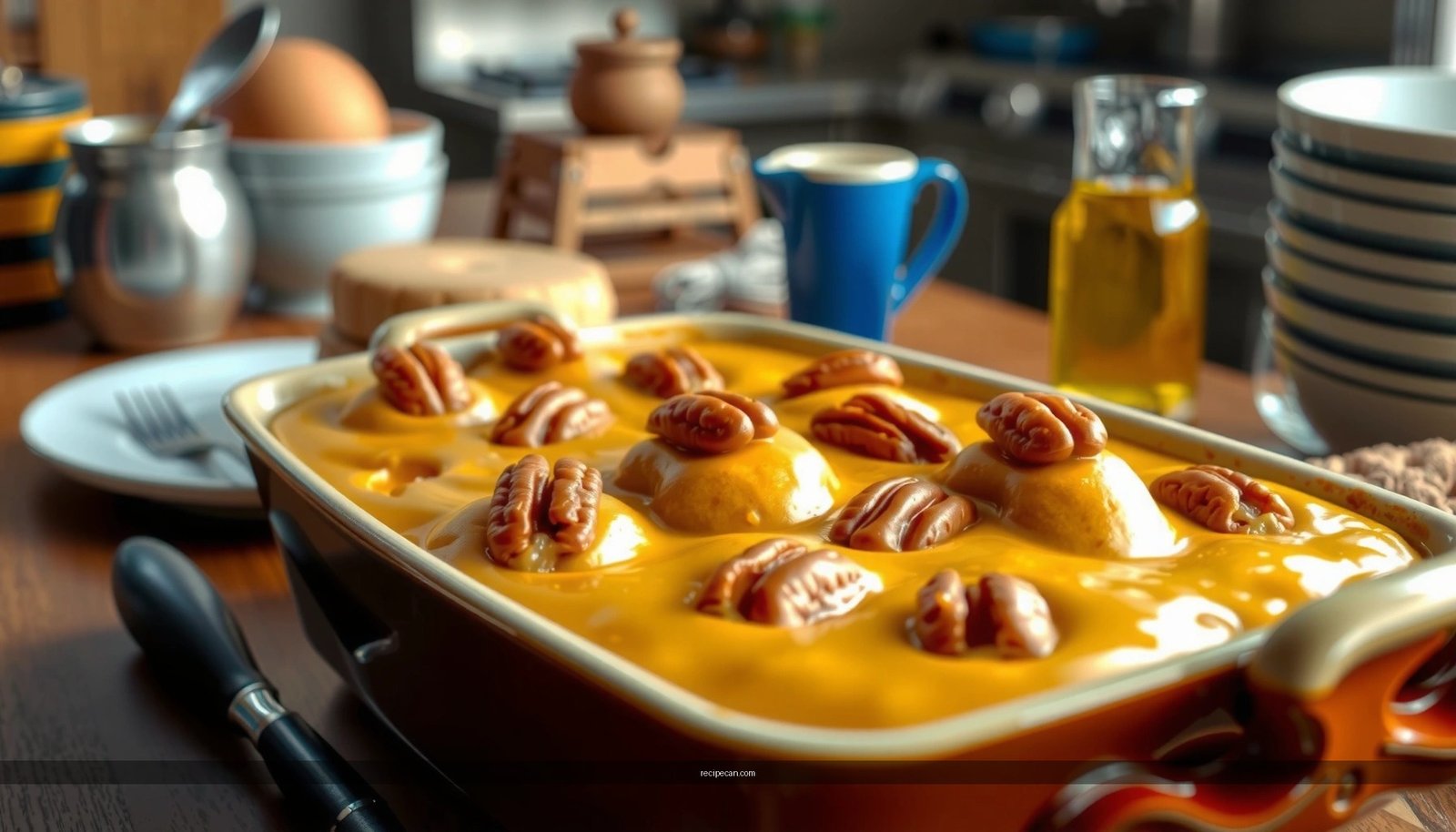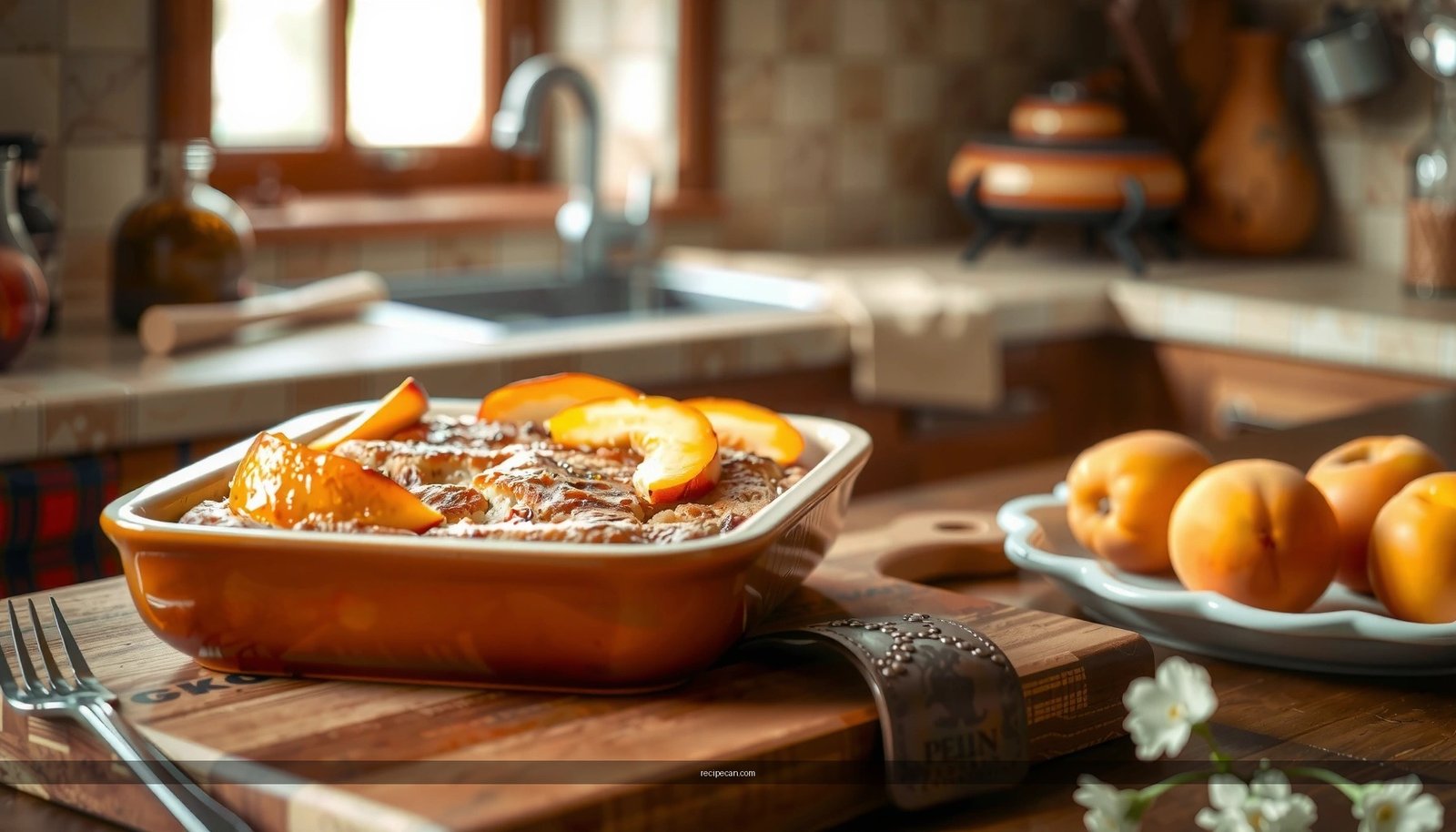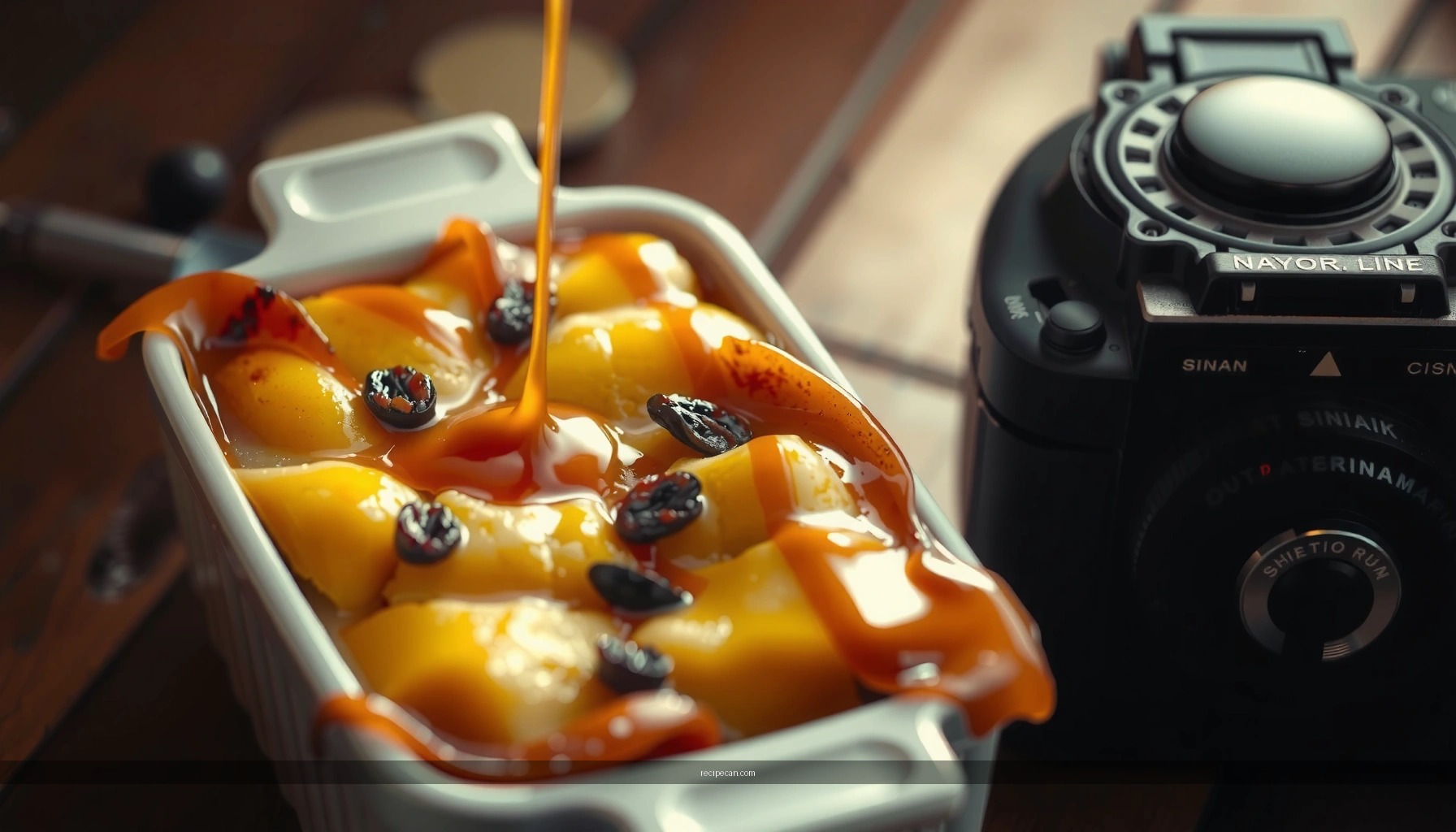
Get the best bread pudding recipe with rum: rich, custardy, and reliably easy to make. This version turns day-old bread into a tender, spoonable dessert with a warm rum soak and a perfectly set center—so it answers whether you can get that classic bakery texture at home. Follow the steps and you’ll know exactly how long to bake for the “just set” result that makes or breaks bread pudding.
Bread pudding recipe with rum is the simplest way to turn leftover bread into a warm, custardy dessert with deep, boozy aroma. With the right soak time and a well-emulsified rum custard, you’ll get a tender center, a lightly golden top, and slices that hold their shape.
Bread pudding has the rare advantage of being both forgiving and precision-based: forgiving because day-old bread salvages texture that would otherwise be wasted, and precision-based because custard ratios and soaking determine whether the result is creamy or gummy. In this guide, you’ll get a practical, repeatable approach—ingredient by ingredient, step by step—so your bread pudding comes out rich, custardy, and unmistakably “rum-forward” without tasting harsh or underbaked.
Ingredients for Bread Pudding with Rum
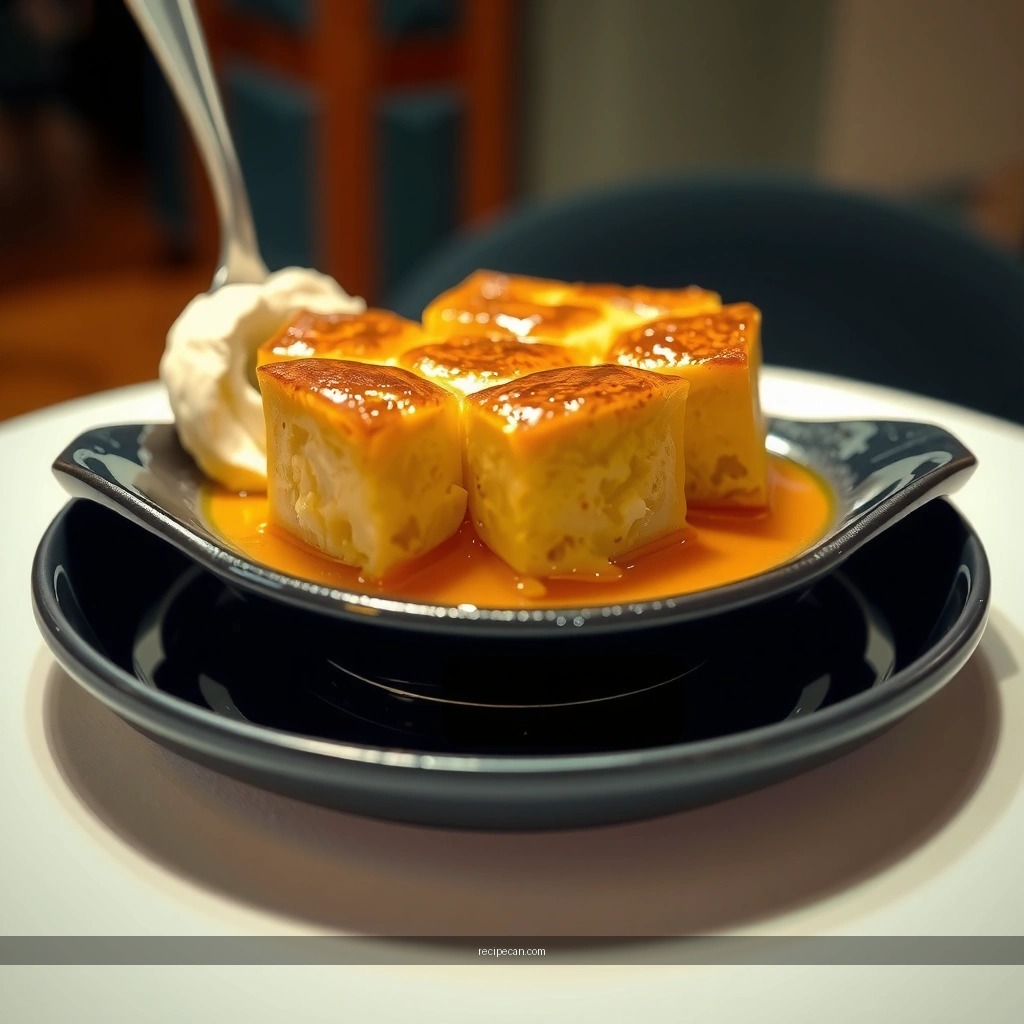
– Use day-old bread for the best texture and soak.
– Combine milk/cream, eggs, sugar, butter, and warm spices.
– Add rum (and optional vanilla) for bold, fragrant flavor.
A great bread pudding with rum begins with the right foundation: bread that can absorb custard without collapsing. Day-old brioche, challah, or French bread works especially well because it’s slightly drier and more porous than fresh loaf bread. That porosity gives you a cohesive custard matrix instead of dry pockets.
A balanced custard typically combines:
– Milk and/or cream: Milk provides structure and dairy flavor; cream increases richness and helps achieve a silky mouthfeel.
– Eggs: The custard sets as the eggs coagulate in the oven—this is what creates the “sliceable” custard texture.
– Sugar: Supports browning and rounds out the rum’s warmth. Too little sugar can taste flatter; too much can cause aggressive browning.
– Butter: Adds tenderness and helps with aroma.
– Warm spices: Cinnamon and nutmeg are classic because they complement rum’s caramel and vanilla notes. A pinch of clove can add depth if you like a more aromatic profile.
– Rum (and optional vanilla): Use rum for aroma and warmth. Dark rum typically delivers deeper molasses-like notes; spiced or amber rum can add spice complexity. Vanilla is optional, but it reinforces the dessert-baking flavor bridge between the custard and rum.
For best results, choose one primary rum style rather than mixing several types—too many rum flavors can blur the signature taste of this bread pudding recipe with rum.
Quick reference: Custard flavoring targets (what to aim for)
Rum Strength Targets for Bread Pudding (per 8×8 in pan)
| # | Rum Style | Rum Added | Dominant Notes | Flavor Intensity |
|---|---|---|---|---|
| 1 | Dark Rum | 3/4 cup (180 ml) | Caramel, molasses, vanilla | High ★★★★☆ |
| 2 | Amber Rum | 2/3 cup (160 ml) | Toffee, toasted oak, spice | Medium-High ★★★☆☆ |
| 3 | Spiced Rum | 1/2 cup (120 ml) | Cinnamon, clove, brown sugar | Medium ★★☆☆☆ |
| 4 | White Rum | 2/3 cup (160 ml) | Clean sweetness, light vanilla | Low-Medium ★★☆☆☆ |
| 5 | Rum + Vanilla Extract | 1/2 cup (120 ml) + 1 tsp vanilla | Vanilla cream, caramel lift | Medium-High ★★★☆☆ |
| 6 | Light Baking Rum | 3/4 cup (180 ml) | Sweet rum, mild spice | Medium ★★☆☆☆ |
| 7 | No Rum (Base Custard) | 0 | Vanilla-cinnamon focus | Low ★☆☆☆☆ |
How to Prep Bread and Soak the Custard

– Cut bread into cubes and spread evenly in your baking dish.
– Pour custard over bread and let it soak until fully saturated.
– Adjust soak time depending on bread freshness and cube size.
Soaking is where most bread pudding recipes succeed—or quietly fail. Your goal isn’t just “wet bread”; it’s even absorption, so every bite contains custard creaminess.
Step-by-step soak strategy
1. Cut into uniform cubes
Aim for consistent size (commonly 1-inch cubes). Larger cubes need more time; small cubes can over-soften and turn pasty.
2. Spread in an even layer
If bread is piled, the top will absorb but the bottom may remain dry, causing an uneven custard set.
3. Pour custard slowly and evenly
Start at the edges, then work inward. This reduces dry pockets and encourages faster saturation.
4. Rest until fully saturated
A practical rule: when you gently press the center cubes, they should yield and no dry bread should remain. Time varies by bread type, cube size, and dish depth.
Soak time guidance (real-world variables)
– Softer brioche/challah: typically shorter soak (bread absorbs quickly)
– Harder French bread: may take longer (more porous but drier)
– Thicker dishes: deeper custard pools can slow saturation
– Room temperature vs. fridge: room temperature soaks faster; refrigerating improves flavor melding but requires extra time
If you’re planning to bake the next day, you can refrigerate after the custard is poured. That “overnight set-up” deepens flavor and helps the custard fully infiltrate the bread before heat stabilizes the eggs.
Mixing the Rum Custard (No Lumps, Maximum Flavor)

– Whisk eggs thoroughly with sugar before adding dairy.
– Warm the milk slightly (not boiling) to blend everything smoothly.
– Stir in rum last for bright flavor and aroma.
Custard texture depends on emulsification and gentle heat. Lumps typically happen when dairy is added too fast to eggs or when the mixture is overheated during mixing.
The no-lump method that works
1. Whisk eggs + sugar until smooth
Don’t rush—scrape the bowl edges to ensure sugar dissolves and you don’t trap bits of egg.
2. Warm dairy slightly, then add gradually
Heat your milk/cream just until it’s warm—not steaming aggressively. Hot dairy added too quickly can partially scramble eggs.
3. Whisk spices into the custard base
Cinnamon and nutmeg distribute more evenly when whisked into the warm dairy/egg mixture early.
4. Add rum last
This preserves rum’s top notes and prevents aggressive alcohol evaporation. Stir it in after the base is smooth and slightly cooled.
Flavor control: “boozy” vs. “harsh”
Rum that tastes flat usually needs more warmth and time to integrate, not necessarily more rum. Overdoing rum can taste sharp because alcohol contributes volatility and intensity. A good bread pudding recipe with rum aims for warm, aromatic boozy depth rather than a strong “alcohol shot” impression.
Baking Tips for a Golden Top and Set Center
– Bake until the middle is just set and the top is lightly browned.
– Let it rest after baking so it firms up and slices cleanly.
– Cover loosely if it browns too quickly.
Baking is the heat-driven transformation where the custard sets and the bread turns tender. Your targets are: golden top, custard set, and no dry edges.
How to know it’s done
– The top should be lightly browned, not deeply dark.
– The center should be set but still gently soft—it should jiggle minimally like custard rather than slosh like liquid.
– If you insert a knife or skewer into the center, it should come out with moist custard, not raw wet batter.
Resting matters more than most people think
Let the bread pudding rest for at least 15–30 minutes. This waiting period:
– allows the eggs to finish setting as the temperature evens out
– firms up the structure for clean slicing
– reduces runniness when you plate
Preventing over-browning
If the top browns quickly (common with butter-rich breads or higher sugar), loosely tent with foil during the final portion of baking. You’ll protect the top while letting the center finish setting.
Serving Ideas and Optional Rum Sauce
– Serve warm with whipped cream, vanilla ice cream, or fresh berries.
– Make a quick rum sauce by simmering butter, sugar, and extra rum.
– Garnish with cinnamon or toasted nuts for extra crunch.
Bread pudding is already a dessert sauce-adjacent (warm custard + spongy bread). But pairing it with a topping elevates it from “comfort dessert” to “signature dessert.”
Best serving pairings
– Vanilla ice cream: creamy cold contrast with warm custard
– Whipped cream: lighter sweetness that doesn’t compete with rum aroma
– Fresh berries: adds acidity to balance the rum and spice
– Toasted nuts (pecans or almonds): adds texture and a toasted depth that complements caramelized top notes
Quick rum sauce (high impact, low effort)
A simple sauce can be made by simmering:
– butter (for gloss and richness)
– sugar (for caramel-like sweetness)
– a splash of rum (added carefully to prevent bitterness)
Simmer briefly until glossy, then drizzle over individual slices. This approach gives you control over how “boozy” each portion is—ideal when serving guests with different alcohol preferences.
Storage and Reheating for Best Results
– Store covered in the fridge for up to 3 days.
– Reheat in the oven or microwave until warmed through.
– Add a splash of milk or sauce to restore moisture.
Bread pudding stores well because the custard retains moisture even after refrigeration. To keep it from drying out, reheat gently and add moisture back if needed.
Storage
– Cool completely before covering and refrigerating.
– Store covered in the fridge for up to 3 days for best texture and flavor.
Reheating methods
– Oven (best texture): rewarm at moderate temperature, loosely covered to prevent further browning.
– Microwave (fastest): warm in short bursts and cover to trap steam.
Moisture restoration tip
If the surface looks dry, add a small splash of milk (or extra warm rum sauce) before reheating. Steam and added moisture rehydrate the bread without turning the custard watery.
Bread pudding recipe with rum is all about a good custard, proper soaking, and baking just until set. Follow the steps above to get a rich, golden dessert every time—then try a quick rum sauce for extra wow. Make it tonight, and use your leftovers tomorrow for an even better second round!
Frequently Asked Questions
What is the best bread for a bread pudding recipe with rum?
Brioche, challah, or thick-cut white bread are ideal because they’re rich and absorb the custard without turning gummy. For a lighter texture, you can mix in a bit of French bread, but keep the loaf slightly stale (or toast it) so the bread pudding holds its shape. If you’re avoiding eggsy breads, sturdy sourdough can work too—just cube it and dry it out well before baking.
How do you make bread pudding with rum without it tasting too alcoholic?
Use rum in the custard and allow it to soak into the bread; the baking process cooks off some harsh notes while leaving a warm rum flavor. Start with a moderate amount (often 2–4 tablespoons per 8×8-inch pan), and taste the custard before adding more if you can. You can also add a splash of rum to the sauce after baking to control intensity without overwhelming the dessert.
How do you prevent bread pudding from becoming soggy or dry?
Cube the bread and dry it slightly—stale bread or a quick toast helps it absorb custard evenly. Use a balanced custard ratio (milk/cream to eggs) and pour it over the bread so it’s thoroughly moistened, but let it rest 10–20 minutes before baking to prevent uneven soaking. Bake until the center is set with a gentle jiggle, and avoid overbaking because bread pudding tightens as it cools.
Why does adding eggs matter in a bread pudding recipe with rum?
Eggs are what set the custard, turning bread pudding into a sliceable, creamy dessert rather than a pudding-like mush. In a rum bread pudding, eggs also help carry flavors from vanilla, cinnamon, and rum throughout the bake for a cohesive taste. For best results, whisk eggs into the warm dairy (not boiling) so they blend smoothly and don’t scramble.
Which rum is best for bread pudding, and how should you use it?
For most bread pudding recipes, dark rum or spiced rum adds caramel-like warmth that complements cinnamon and vanilla. If you prefer a cleaner flavor, use light rum and rely on vanilla and brown sugar for depth. For easiest control, add rum to the custard for flavor, then consider a quick rum glaze or rum drizzle right after baking for an extra punch without overpowering the bread pudding.
References
- Bread pudding
https://en.wikipedia.org/wiki/Bread_pudding - Bread and butter pudding
https://en.wikipedia.org/wiki/Bread_and_butter_pudding - Rum
https://en.wikipedia.org/wiki/Rum - https://en.wikipedia.org/wiki/Alcohol_in_cooking
https://en.wikipedia.org/wiki/Alcohol_in_cooking - https://www.britannica.com/topic/bread-pudding
https://www.britannica.com/topic/bread-pudding - https://www.britannica.com/topic/rum
https://www.britannica.com/topic/rum - Raisin
https://en.wikipedia.org/wiki/Raisin - Google Scholar Google Scholar
https://scholar.google.com/scholar?q=bread+pudding+rum+raisins+recipe - Google Scholar Google Scholar
https://scholar.google.com/scholar?q=bread+and+butter+pudding+rum - Google Scholar Google Scholar
https://scholar.google.com/scholar?q=rum-soaked+raisins+dessert+recipe+technique