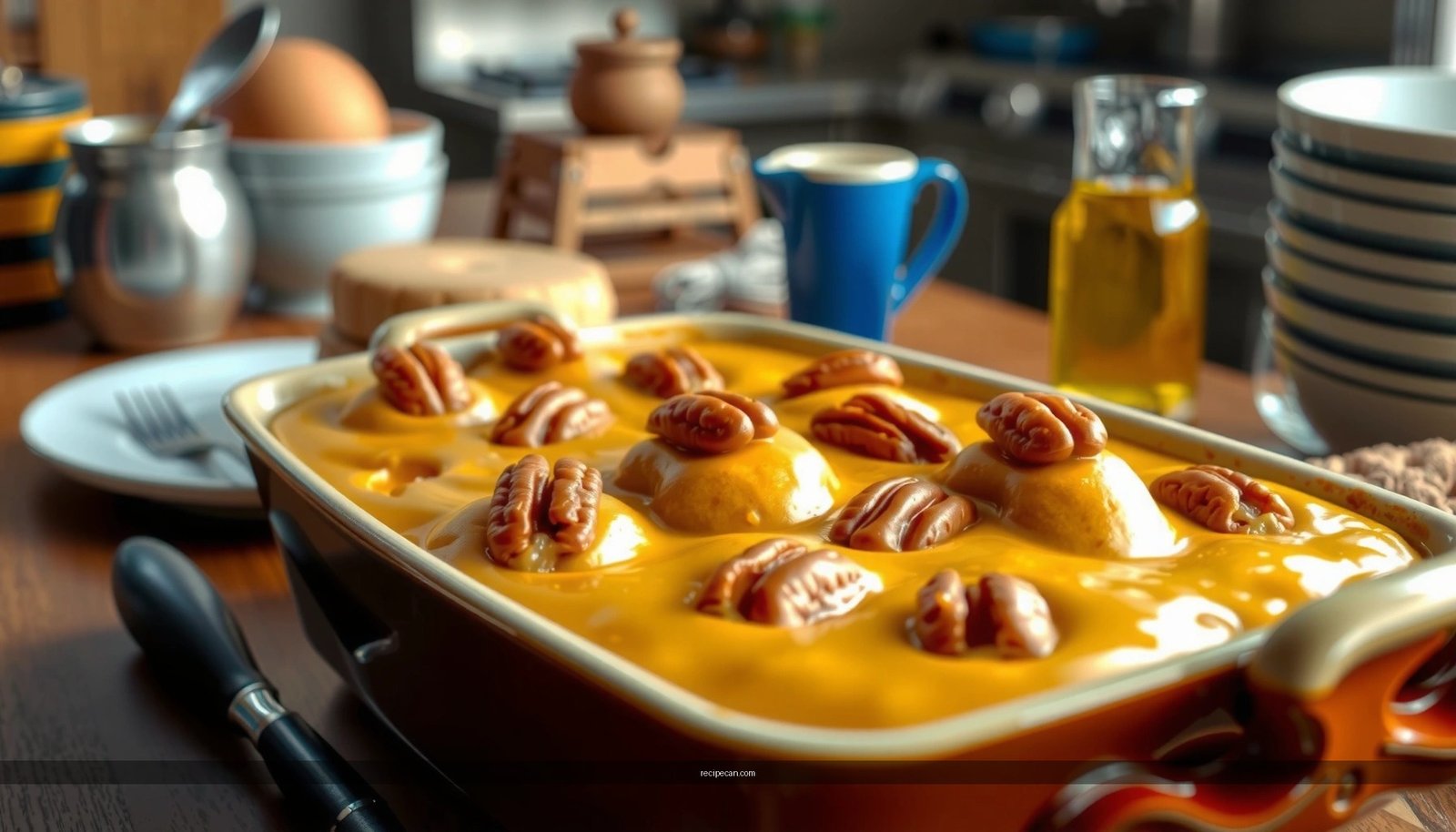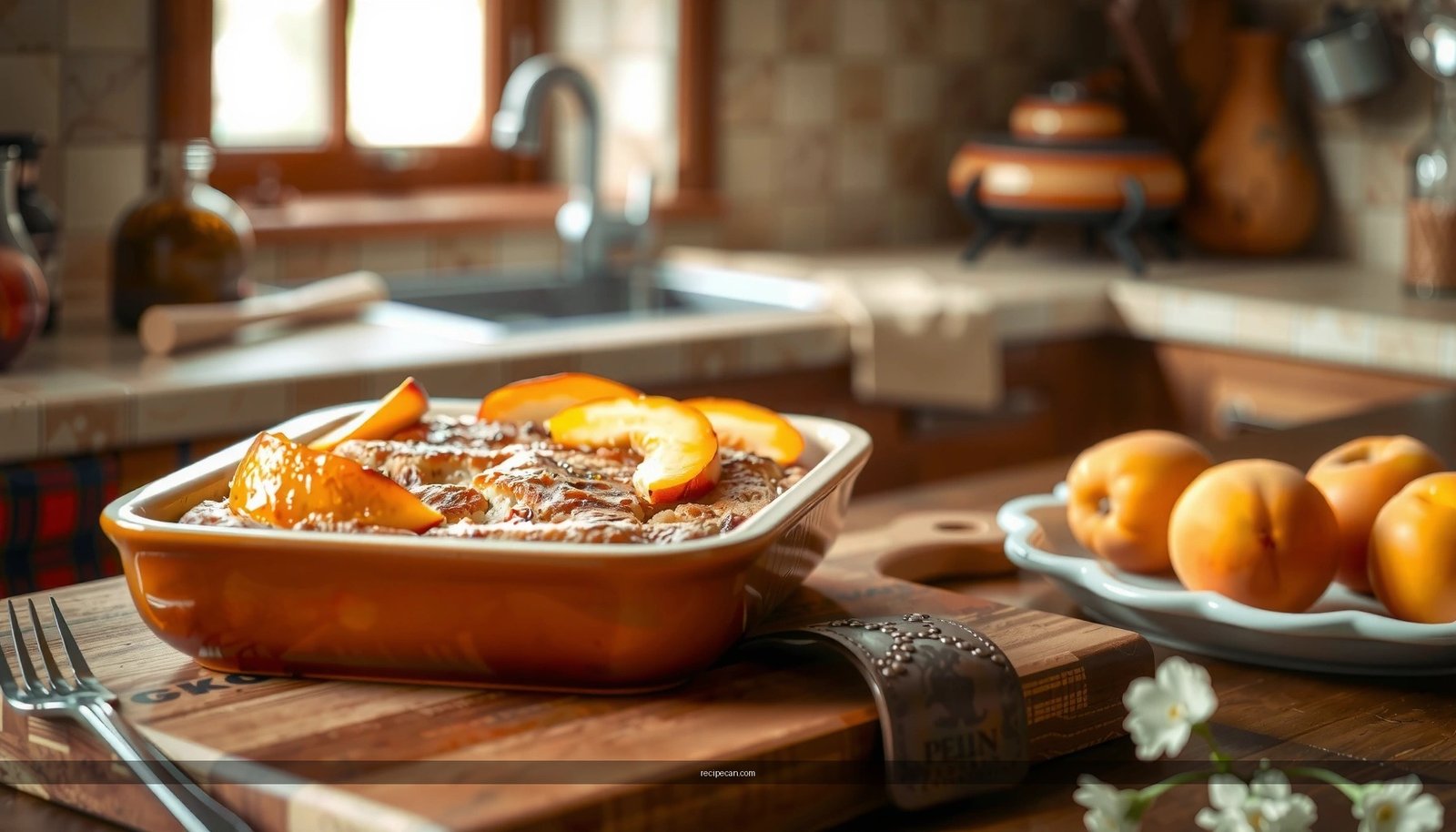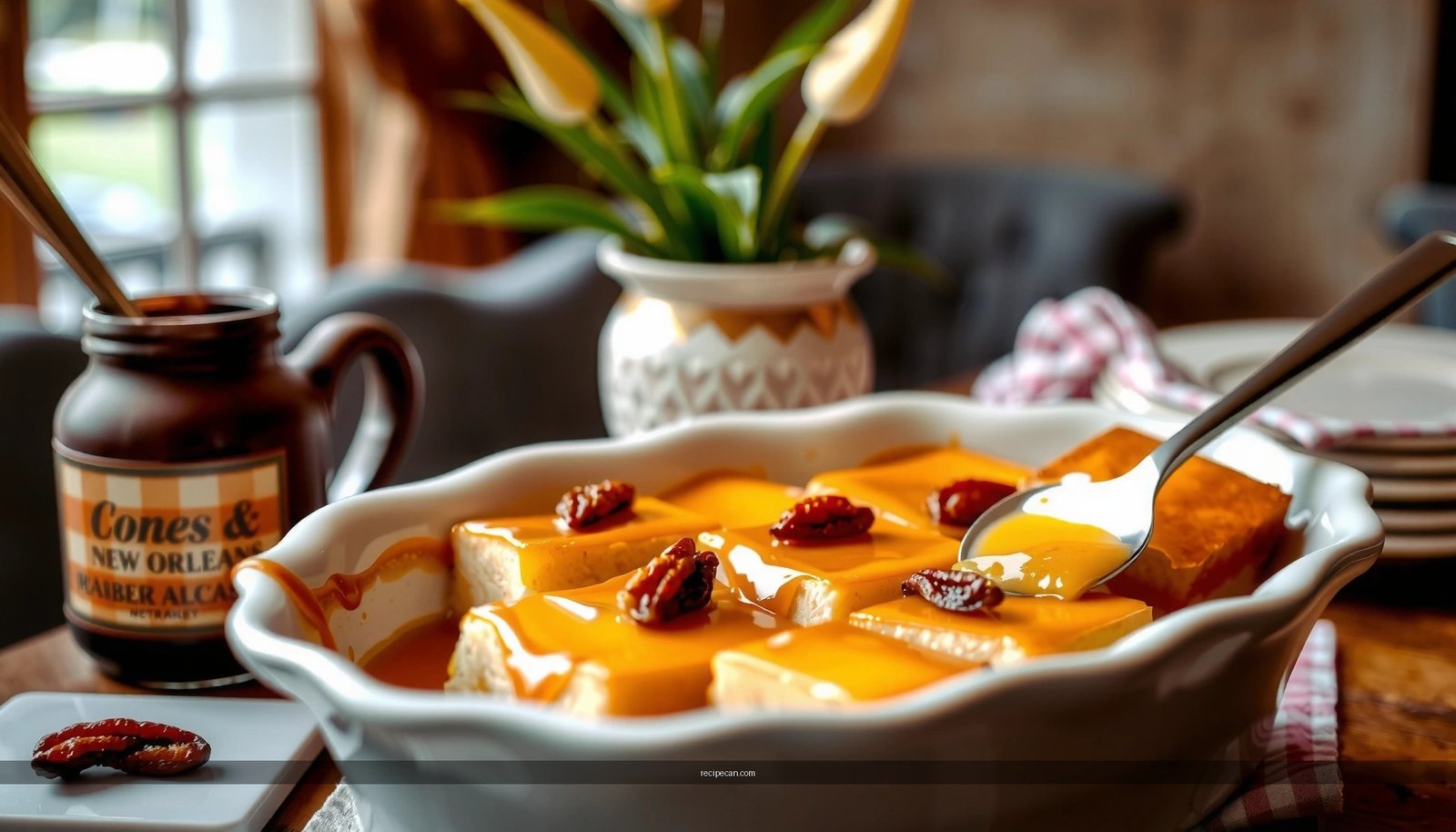
Looking for the best bread pudding recipes in New Orleans? This roundup names the clear top local favorite for classic custardy bread pudding—complete with the exact flavors and method that deliver that signature Creole-style richness. You’ll also get the practical swaps that help you nail the texture at home without guesswork.
If you want the best bread pudding recipes in New Orleans, start with a classic Creole custard base (rich, warmly spiced, and properly soaked). Then choose your flavor direction—rum-bourbon, chocolate, and finish with a warm sauce—because that hot sauce and texture balance are what make NOLA bread pudding unmistakably “right.”
New Orleans bread pudding isn’t “just a dessert”—it’s a technique-driven comfort food where the bread, custard ratio, spice profile, and bake time all work together. The city’s signature comes from Creole-style cooking: generous vanilla, cinnamon/nutmeg warmth, and often a splash of liquor or deep browning notes that taste like tradition rather than novelty. Below are the top local favorite approaches (and how to execute them reliably), plus a practical texture-and-timing framework so your loaf-to-loaf transformation lands every time.
How NOLA-Style Bread Pudding Typically Lands (By Style)
| # | Bread Pudding Style | Ideal Custard Soak (min) | Bake Time (min) | Texture Score | Best Sauce Pair |
|---|---|---|---|---|---|
| 1 | Classic Creole Custard | 20–30 | 35–45 | 9.3 ★ | Butter-Vanilla |
| 2 | Rum & Raisin NOLA | 25–35 | 40–50 | 9.1 ★ | Whiskey-Maple |
| 3 | Bourbon & Pecan | 25–35 | 38–48 | 9.0 ★ | Salted Caramel |
| 4 | Chocolate NOLA-Inspired | 15–25 | 35–45 | 9.2 ★ | Brown-Butter Caramel |
| 5 | Creole Cinnamon-Walnut | 20–30 | 35–45 | 9.0 ★ | Butter-Vanilla |
| 6 | Darker Molasses Twist | 20–30 | 40–50 | 8.8 ★ | Whiskey-Maple |
| 7 | Classic Vanilla (No Liquor) | 20–30 | 35–45 | 9.2 ★ | Salted Caramel |
Classic New Orleans Bread Pudding (Custard-Soaked)
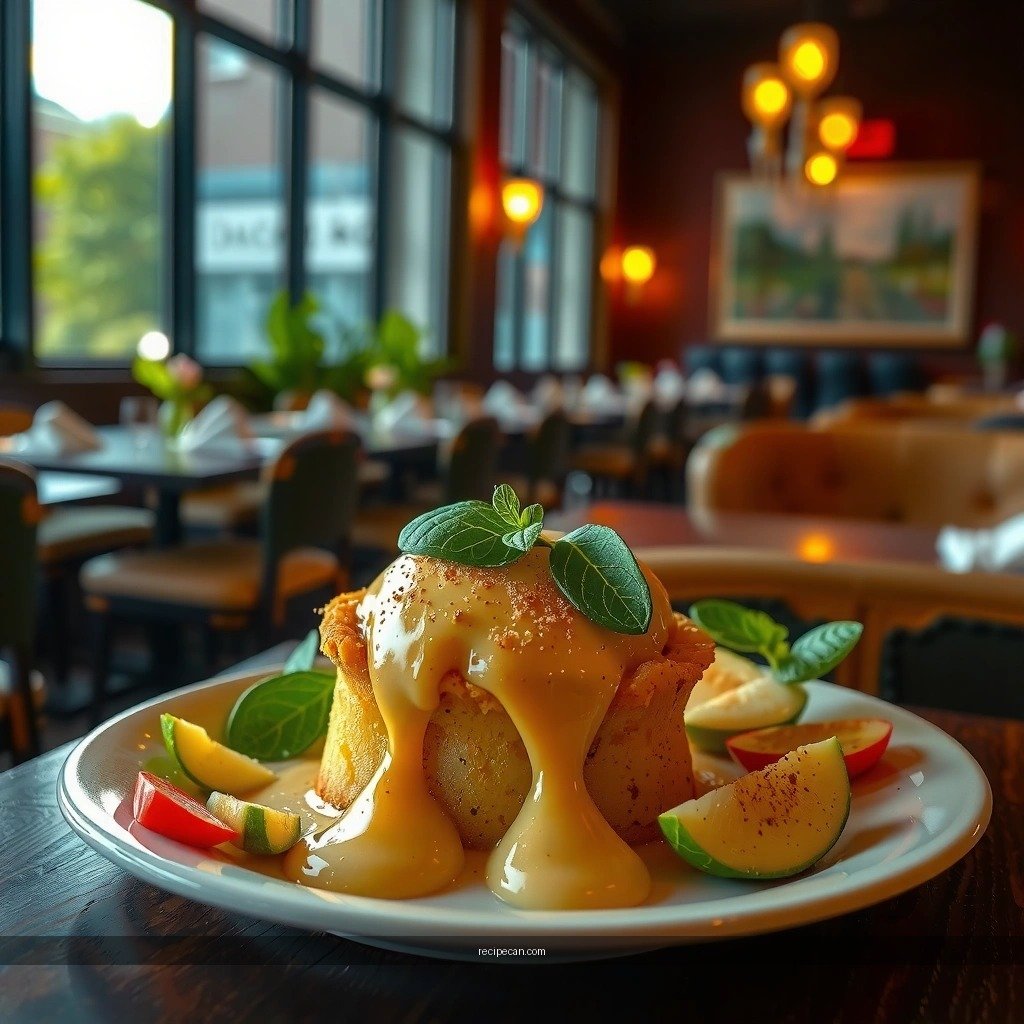
Classic New Orleans bread pudding is the benchmark: a custard base with warm spices, vanilla depth, and a proper soak that yields a tender center beneath a caramelized top. This is where most people either win or lose, because bread pudding is essentially a controlled custard set around softened bread.
– Use thick slices of day-old bread for better soak and texture
Choose sturdy bread—brioche, French bread, or challah—cut into thick slices or large cubes. Day-old bread acts like a sponge with structure: it absorbs custard without collapsing into mush. For a more “NOLA” mouthfeel, avoid overly airy bread; you want pieces that stay distinct enough to create soft pockets. If your bread is fresh, lightly toast it or let it dry for a few hours so the custard can penetrate.
– Bake until set with a caramelized top for classic flavor
Bake at a steady moderate temperature (commonly around 325–350°F) until the custard is set around the edges and still slightly springy in the center. That caramelized top isn’t decorative—it’s flavor chemistry. The sugars in the custard and any added brown sugar will toast, adding a toasted-butter note that reads as “classic Creole comfort.”
Execution guidance:
Start by warming part of your dairy (milk/cream) so the sugar dissolves quickly and the custard blends smoothly. Mix eggs thoroughly with brown sugar and vanilla, then whisk in warm dairy and spices (cinnamon and nutmeg are typical). Let the bread soak long enough to hydrate but not so long that it becomes gummy—usually 20–30 minutes for classic styles.
Rum and Bourbon Bread Pudding Variations
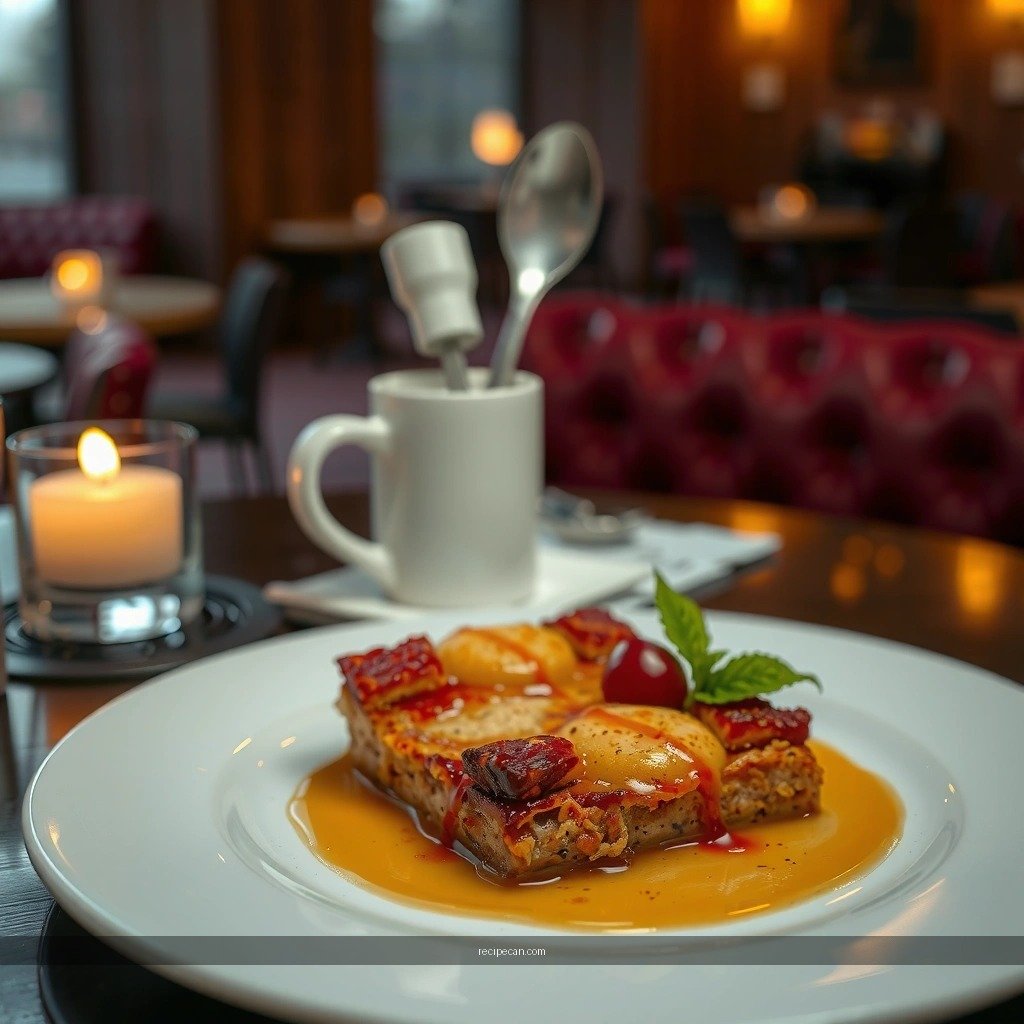
NOLA’s bread pudding tradition frequently includes rum or bourbon because these spirits deliver warmth and caramel-like complexity that pairs naturally with vanilla and cinnamon. The key isn’t “more alcohol”—it’s balance and timing.
– Add rum or bourbon for deep sweetness and New Orleans-style warmth
Use rum for a sweeter, spice-forward profile (especially when paired with raisins or toasted sugar notes). Use bourbon when you want a richer, oaky finish and a slightly darker, toffee-vanilla impression. Many local bakers add a modest amount to the custard and may also fold in rum-soaked dried fruit or lightly toasted nuts. The result should taste like toasted caramel and spice, not like straight liquor.
– Balance alcohol with vanilla, cinnamon, and brown sugar
Spirits amplify perception. If your custard feels thin, you can add depth through brown sugar, vanilla, and spices rather than simply increasing the liquor. For reliable results, keep the custard ratio stable (eggs and dairy proportions) and adjust only the flavoring elements. A well-balanced rum or bourbon bread pudding should read “dessert-forward,” with the alcohol acting as a warming undertone.
Actionable tip:
If you’re serving guests who prefer a milder flavor, split the difference: use a smaller measured amount of rum/bourbon in the custard, then offer a sauce boost at the table (for example, a whiskey-maple drizzle). That keeps the main bake approachable while still delivering a NOLA “signature finish.”
Chocolate Bread Pudding (NOLA-Inspired)
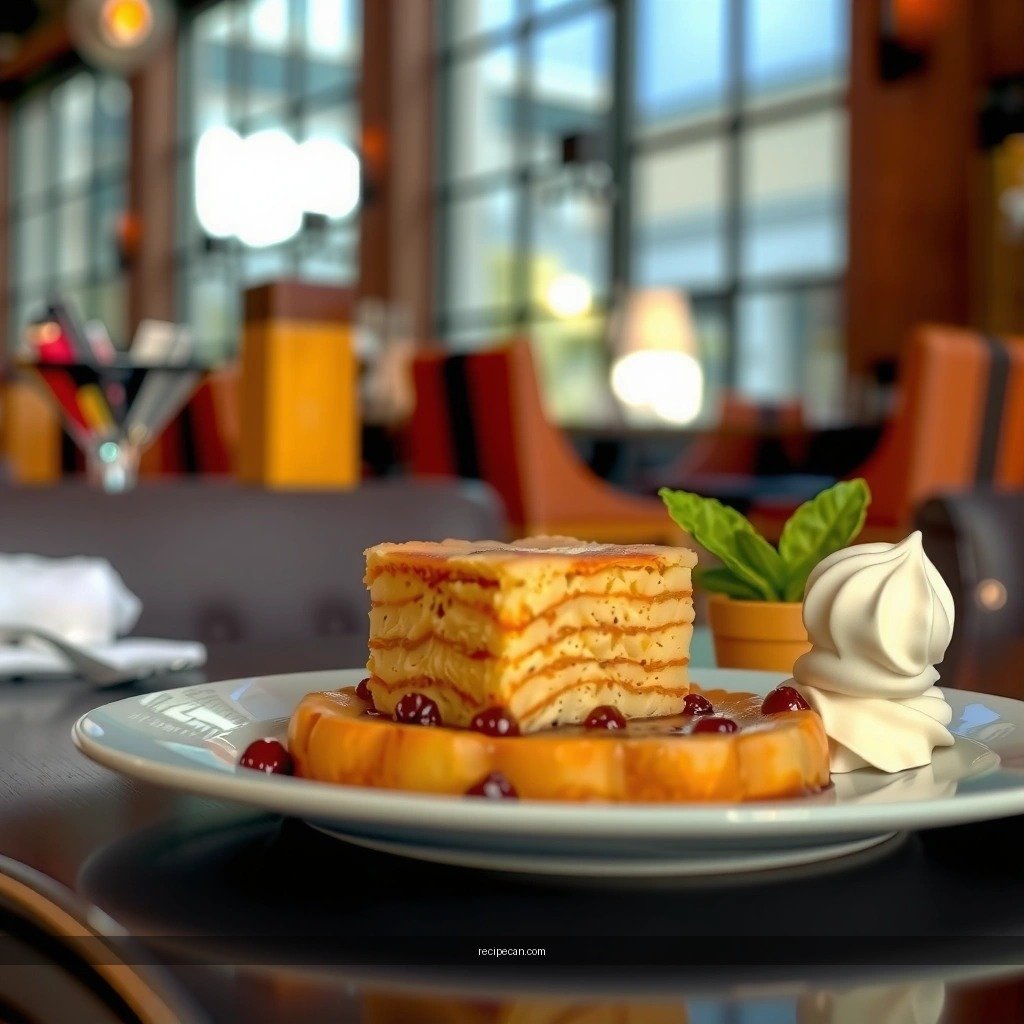
Chocolate bread pudding can become either a delightful variation or an overly dense dessert. The difference is custard control: chocolate is heavy, so you must maintain the right ratio and soaking strategy to keep the bake tender and sliceable.
– Incorporate cocoa or chocolate chips for a richer dessert twist
Cocoa powder tends to melt into the custard and create a uniform chocolate flavor, while chocolate chips add pockets of molten richness. For NOLA-inspired results, think in terms of complementary warmth: pair cocoa with vanilla, cinnamon, and a touch of nutmeg so the chocolate tastes integrated—not flat. If using chocolate chips, choose semi-sweet to avoid an overly sweet final product.
– Keep the custard ratio steady to avoid a dry or dense bake
The most common issue in chocolate bread pudding is either under-custarding (leading to dryness) or over-charging with too much chocolate (leading to a dense, set that feels heavy). Maintain your core egg-to-dairy proportion, and adjust chocolate amount rather than changing the custard skeleton. Many bakers also shorten the soak slightly for chocolate versions (often around 15–25 minutes) since chocolate can thicken the custard experience in the oven.
Actionable tip:
When you remove your chocolate bread pudding from the oven, it should look set with a gentle jiggle in the center. Overbaking chocolate puddings is more punitive than classic ones—so use visual cues first, then target a thermometer check if you use one.
Bread Pudding Sauce Ideas (Butter, Caramel, Whiskey)
In New Orleans, sauce is not optional—it’s part of the service culture. A warm sauce added immediately after baking helps the custard absorb additional flavor, producing a more cohesive slice.
– Serve with a warm sauce right after baking for best results
Bread pudding benefits from temperature contrast: the dessert comes out hot, and the sauce is warm enough to melt and flow. Pouring sauce too early can soften the top excessively, while pouring too late reduces absorption. Aim to serve within minutes of baking.
– Choose butter-vanilla, caramel, or whiskey-maple for signature depth
Butter-vanilla sauce is the simplest “Creole-friendly” option: silky, fragrant, and unobtrusive—ideal for classic custard bread pudding. Caramel adds deeper browning notes and works particularly well with bourbon or nut additions. Whiskey-maple (or bourbon-maple) creates a distinctly New Orleans-like interplay of smoky sweetness and browned sugar aromatics.
Practical pairing map:
– Classic custard: butter-vanilla or salted caramel
– Rum variations: whiskey-maple or caramel with a pinch of salt
– Chocolate: brown-butter caramel or a lightly spiced vanilla sauce
Toppings and Serving Tips for the Perfect Bite
A great topping shouldn’t compete with the custard—it should amplify the texture: crunch on top of tender interior, and aroma that completes the flavor.
– Add toasted nuts or a sprinkle of cinnamon for extra crunch and aroma
Toasted pecans or walnuts bring a nutty finish that feels at home in many local dessert tables. Scatter them on top right before serving for crispness. A light dusting of cinnamon (or cinnamon-sugar) can also reinforce the warm spice character you expect from NOLA bread pudding.– Pair with vanilla ice cream for the classic hot-and-cold contrast
Vanilla ice cream is the classic pairing because it cools the custard and highlights the caramelized top. For a more “grown-up” version, consider a browned butter ice cream, but vanilla remains the most reliable crowd-pleaser for events and catering.
Serving technique that works:
Use a sharp knife to lift clean slices, then spoon sauce on top rather than fully drenching. This preserves the caramelized edges while still giving every bite the warm, glossy finish.
Baking Tips for the Best Texture Every Time
The texture of bread pudding is the end goal: custard set enough to slice, soft enough to spoon, and never gummy. These fundamentals keep your results consistent, even when recipes vary.
– Don’t overmix—aim for custard absorption without turning gummy
Mix just until the custard coats the bread. Overmixing breaks down the bread further and can lead to a texture that feels pasty or overly uniform. Think “fold and settle,” not “stir until smooth.” Let the bread absorb naturally during the soak.
– Rest briefly before serving to help it set cleanly and slice nicely
After baking, rest for about 10–15 minutes. This finishing set improves structure so your slices hold their shape and your top caramel remains intact. Serve warm with sauce immediately, but don’t cut instantly—structure needs a short cooling window.
Quality checks (fast and practical):
– If the center is liquid, bake a few minutes more.
– If the top is overly dark and the center is tight, reduce next time.
– If the interior feels dense, reassess soak time and chocolate additions (for chocolate versions) or custard ratio (for classic/rum/bourbon versions).
Use these best bread pudding recipes in New Orleans as your starting point—choose a classic custard base, pick your flavor (rum, bourbon, or chocolate), and finish with a warm sauce for maximum NOLA comfort. Pick one recipe from the sections above, follow the soak and bake tips, and then serve it immediately with your favorite topping for the ultimate experience.
Frequently Asked Questions
What is the best bread pudding recipe in New Orleans for a classic, custardy texture?
For classic New Orleans bread pudding, use stale French bread or brioche plus a rich vanilla custard made with eggs, whole milk, heavy cream, and brown sugar. Toss the bread with butter and let it absorb the custard before baking so you get that signature creamy center and lightly crisp top. Bake until the pudding is set but still slightly jiggly, then rest before serving for clean slices. Finish with a generous pour of warm sauce—often a buttery rum or vanilla crème anglaise style.
How do I make the best New Orleans bread pudding with the right ratio of custard to bread?
A reliable approach is using enough custard so the bread is well-saturated but not swimming—typically 6–8 cups cubed stale bread to about 5–6 cups of dairy custard for a standard 9×13 pan. If your pudding turns out dry, increase the custard slightly or use bread that’s been dried out longer. If it’s too loose, bake a few minutes longer and make sure the bread has time to fully soak (usually 20–30 minutes) before going into the oven. Stir gently so the bread doesn’t break down too much while still creating a cohesive pudding.
Why do some New Orleans bread pudding recipes taste better with rum, cinnamon, and vanilla?
New Orleans flavors lean into warm spices and aromatic extracts, and rum adds depth that complements the caramel-like notes of sugar and butter. Cinnamon and nutmeg give the pudding that cozy “Creole bakery” profile without overpowering the custard. Use vanilla for a smooth sweetness and add rum to the custard or drizzle it into the sauce for a balanced flavor. Start with modest amounts and taste-check the sauce so you get the traditional flavor without making it harsh.
Which bread is best for New Orleans bread pudding—brioche, French bread, or challah?
In New Orleans bread pudding, French bread is a common choice for a more structured slice and a lightly crisp top because it holds its shape. Brioche or challah produces a richer, softer crumb and a more luxurious, custard-forward bite. If you want a restaurant-style texture, use stale bread and cut it into even cubes so absorption is consistent across the pan. For best results, aim for bread that’s dry enough to absorb custard quickly (day-old bread works well, or toast it lightly).
What are the best serving tips for New Orleans bread pudding—sauce, toppings, and storage?
The best New Orleans bread pudding is served warm with sauce poured over right before eating—popular options include rum sauce, bourbon vanilla sauce, or a simple butter-caramel drizzle. Add toppings like toasted pecans, whipped cream, or a dusting of cinnamon to bring crunch and extra aroma. To store, cool completely, cover, and refrigerate; reheat in the oven at a moderate temperature to preserve the custardy center. For the best flavor, reheat gently and re-warm the sauce so the bread pudding stays silky rather than drying out.
References
- Google Scholar Google Scholar
https://scholar.google.com/scholar?q=best+bread+pudding+recipes+in+new+orleans - Google Scholar Google Scholar
https://scholar.google.com/scholar?q=new+orleans+bread+pudding+history+recipe - Google Scholar Google Scholar
https://scholar.google.com/scholar?q=creole+bread+pudding+new+orleans+dessert - Bread pudding
https://en.wikipedia.org/wiki/Bread_pudding - Cuisine of New Orleans
https://en.wikipedia.org/wiki/New_Orleans_cuisine - Louisiana Creole cuisine
https://en.wikipedia.org/wiki/Louisiana_Creole_cuisine - Creole cuisine
https://en.wikipedia.org/wiki/Creole_cuisine - List of desserts
https://en.wikipedia.org/wiki/List_of_desserts - https://www.britannica.com/topic/bread-pudding
https://www.britannica.com/topic/bread-pudding - https://www.britannica.com/topic/Creole-cuisine
https://www.britannica.com/topic/Creole-cuisine