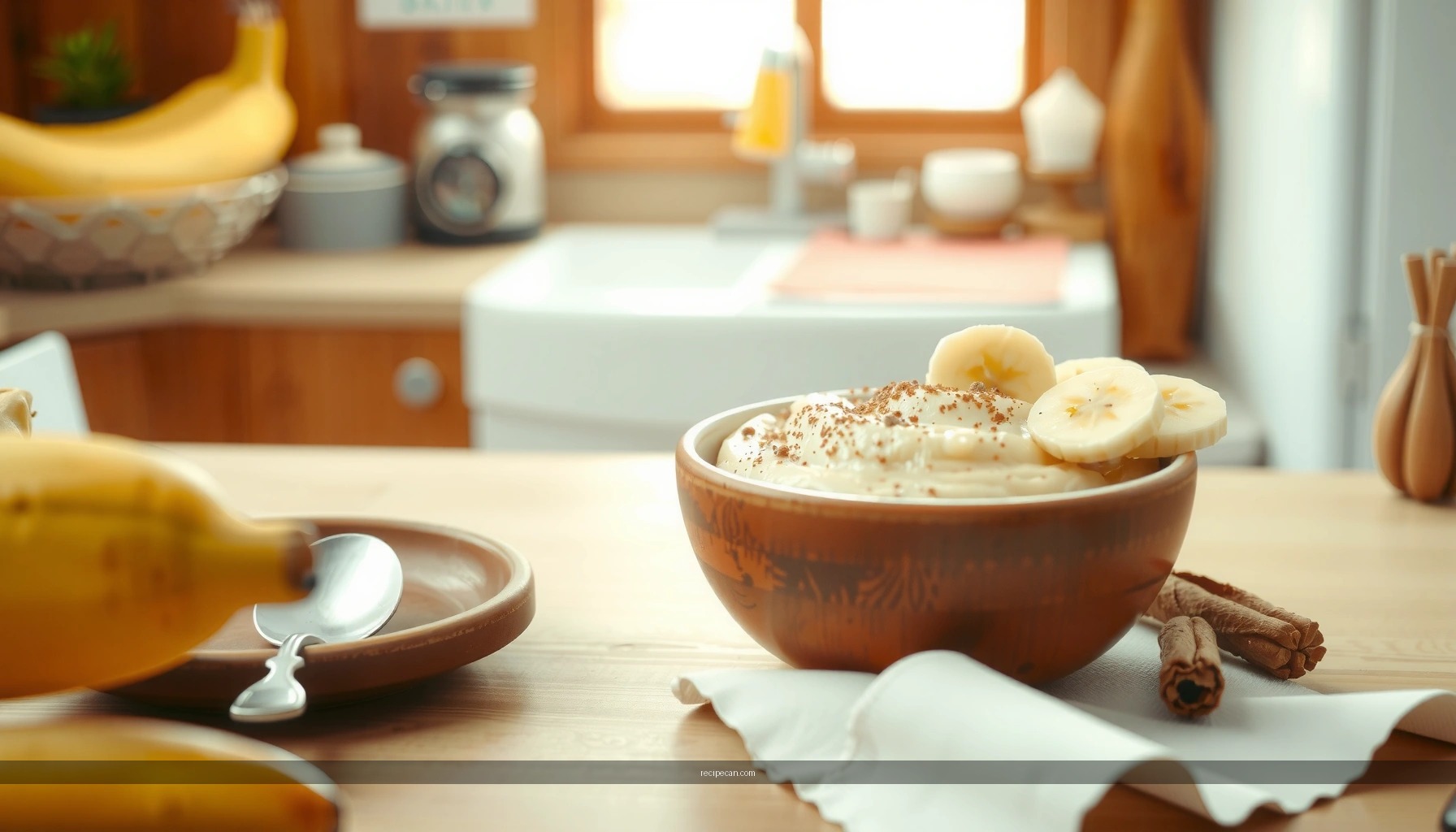
Looking for a banana rice pudding recipe that delivers a creamy, cozy dessert without complicated steps? This version wins on ease and texture: tender rice simmered until it thickens into a pudding-like base, then finished with sweet banana for full flavor in every spoonful. It’s the best choice when you want comfort-food results fast, using pantry-friendly ingredients.
Banana rice pudding is made by simmering rice until tender, then gently combining it with milk and spices for a custardy, creamy finish—finished off with ripe bananas for natural sweetness. If you follow the step-by-step method below and use the consistency tips (gentle simmer + frequent stirring + bananas at the right time), you’ll get a dessert that’s both comforting and reliably thick, spoonable, and flavorful.
Banana rice pudding sits at the intersection of pantry simplicity and classic comfort food technique: starchy rice gradually thickens the dairy, while fruit aromatics soften into a fragrant topping layer. Unlike baked puddings, this stovetop approach lets you control texture in real time, which is especially helpful if you’re adjusting for the exact rice type, milk fat level, or your preferred sweetness.
Ingredients for Banana Rice Pudding
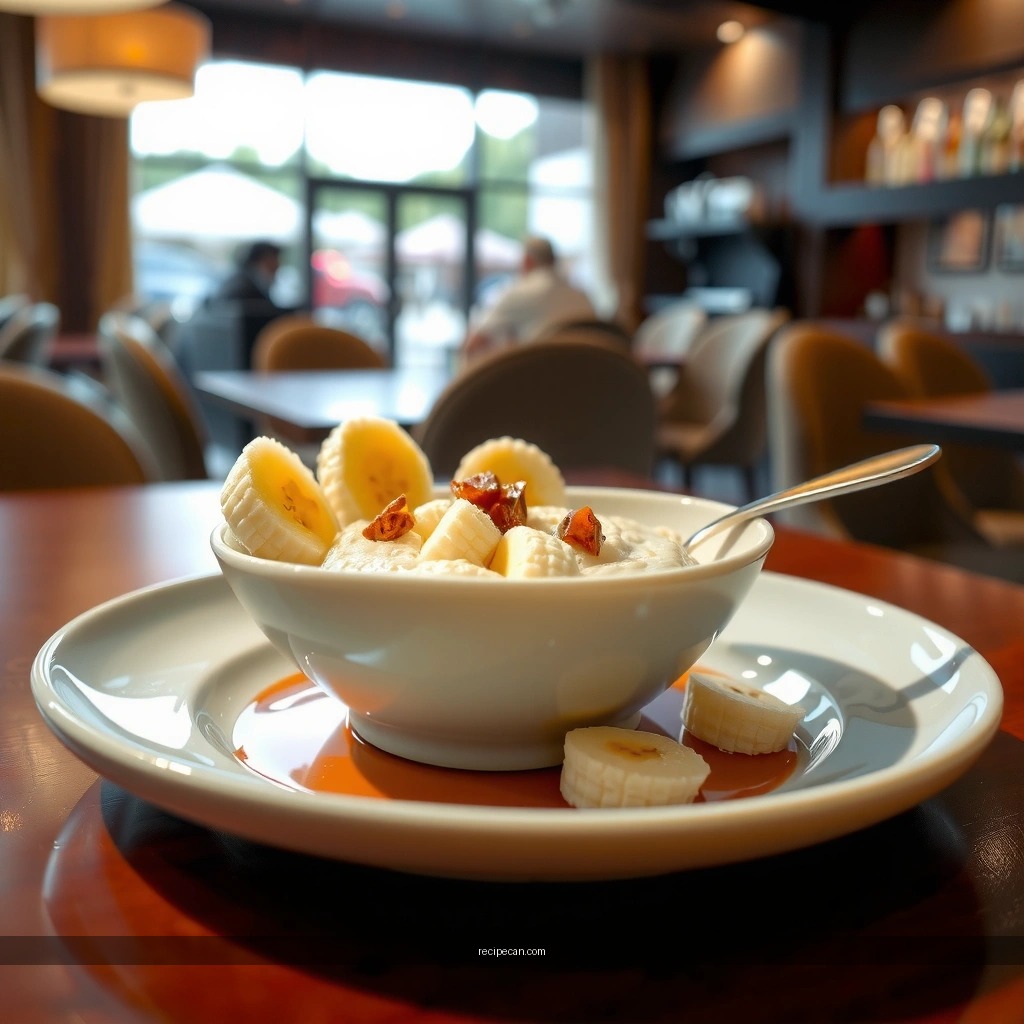
– Choose the right rice (short-grain or pudding-friendly varieties work best)
– Gather milk, sugar (or sweetener), cinnamon/vanilla, and ripe bananas
Selecting the right ingredients is the fastest path to success—because rice pudding is less about “exact measurements” and more about how starch, heat, and time work together.
Rice: the foundation of creaminess
Rice pudding relies on rice starch to thicken the milk. Short-grain rice tends to release starch more efficiently and creates a creamier texture. Good options include:
– Short-grain white rice (often the most reliable for classic, spoonable results)
– Arborio rice or dessert rice blends (also starch-forward, especially if you like a slightly richer consistency)
– Jasmine or basmati can work, but they often produce a lighter set—so expect a thinner result unless you simmer longer and stir more often.
Dairy and sweetness: control body and flavor
You can make banana rice pudding with whole milk, low-fat milk, or even part milk/part cream, but fat content strongly affects “creaminess perception.”
– Milk: whole milk yields the most luxurious mouthfeel; reduced-fat milk requires more careful simmering.
– Sweetener: sugar is classic, but you can swap in brown sugar, maple syrup, honey, or a sugar substitute. If using liquid sweeteners, add them after the first simmering stage so they dissolve without scorching.
Spices and vanilla: warm notes that pair with banana
– Cinnamon adds familiar warmth and a deeper “dessert-like” aroma.
– Vanilla rounds the flavor and makes the bananas taste even more pronounced.
– A pinch of salt (yes, even in desserts) boosts sweetness perception and prevents the pudding from tasting flat.
Bananas: sweetness + texture strategy
– Use ripe bananas for flavor, but aim for ripe-but-firm if you want banana pieces rather than all-banana puree.
– Slice at the end so they don’t overcook and turn bitter or overly soft.
Practical ingredient targets (what “good” looks like)
To keep your method consistent, use a ratio that reliably thickens without becoming dry. As a general starting point:
– 1 cup uncooked short-grain rice
– 4–5 cups milk (start with 4.5; adjust later)
– ~1/3 to 1/2 cup sugar or to taste
This yields a pudding that thickens during simmering and stays creamy after cooling.
Banana Rice Pudding Performance Snapshot by Rice Choice
| # | Rice Type | Typical Cook Time | Creaminess Rating | Best For | Texture Risk |
|---|---|---|---|---|---|
| 1 | Short-grain white rice | 28–35 min | ★★★★☆ | Classic spoonable pudding | Low (±thickness) |
| 2 | Arborio rice | 30–40 min | ★★★★☆ | Extra-thick, creamy style | Low |
| 3 | Dessert rice blends | 26–34 min | ★★★★☆ | Consistent results with less guesswork | Low |
| 4 | Jasmine rice | 35–45 min | ★★★☆☆ | Softer, lighter pudding (less set) | Medium (may thin) |
| 5 | Basmati rice | 38–50 min | ★★★☆☆ | Fragrant, less starchy results | Medium-High |
| 6 | Long-grain white rice | 40–55 min | ★★☆☆☆ | Not recommended for classic thickness | High |
| 7 | Brown rice | 45–60 min | ★★★☆☆ | Heartier, nutty pudding (extra time) | Medium |
Step-by-Step Banana Rice Pudding Method
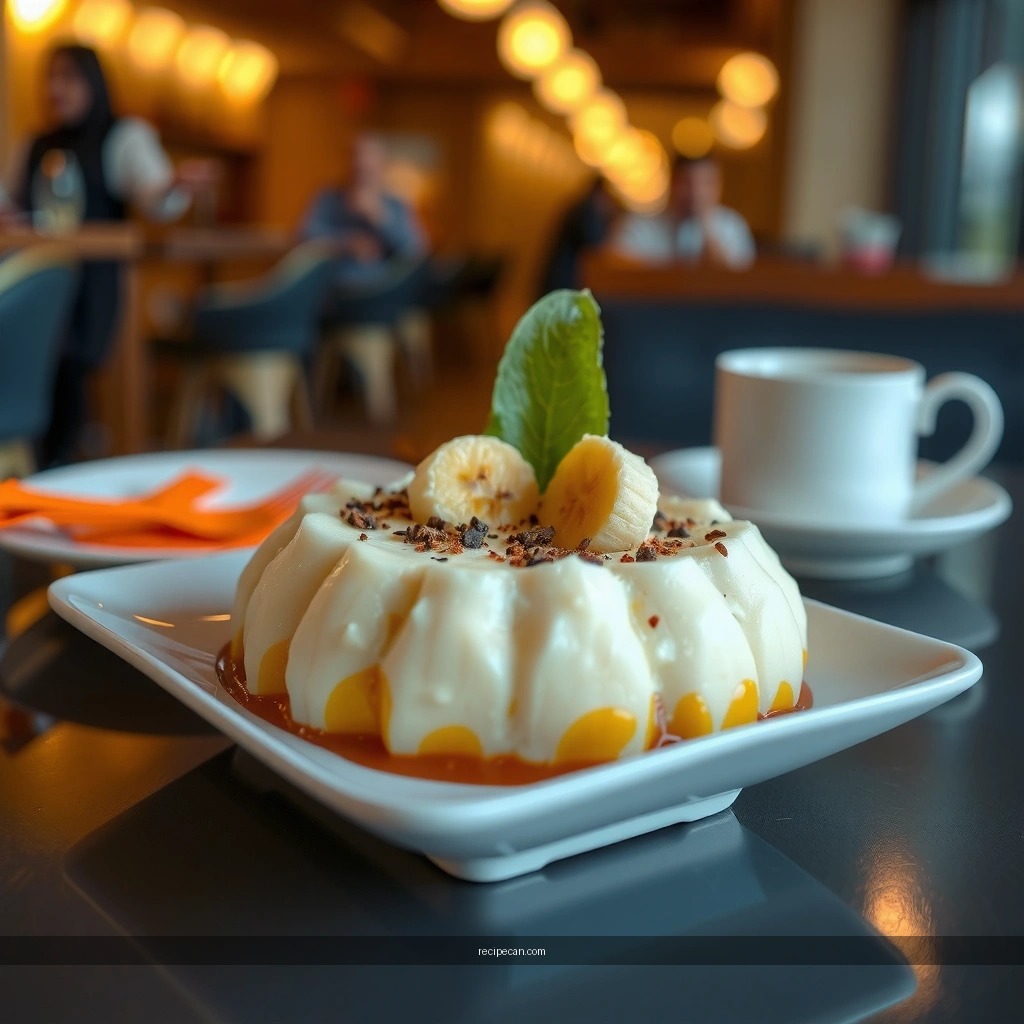
– Cook rice slowly until soft and the mixture thickens
– Stir in flavorings, then fold in bananas near the end for best texture
Here’s a dependable stovetop method designed for creamy banana rice pudding without constant babysitting. The key is low-to-medium heat and consistent stirring to prevent scorching.
1) Start the rice gently
1. Rinse the rice (optional for extra-creamy texture, but helpful to remove excess surface starch that can cause gummy results).
2. Add rice to a saucepan with water (if your rice is not pre-cooked) and simmer until partially tender, then proceed with milk.
– If your chosen rice cooks quickly in liquid, you can start with milk from the beginning, but it increases the risk of sticking—especially in thicker pans.
2) Simmer with milk until tender
– Add milk gradually (or all at once if starting directly with milk).
– Keep the heat at a gentle simmer—small bubbles, not a rolling boil.
– Stir every few minutes, scraping the bottom and edges. This is where “creamy” is won or lost: the starch thickens as it cooks, and stirring prevents localized burning.
3) Flavor at the right moment
– When the rice is tender and the mixture looks creamy (think thick oatmeal), add:
– cinnamon (and nutmeg if using)
– vanilla extract
– sugar (or sweetener) if it wasn’t already incorporated
– Let it simmer briefly—just long enough for the spices to bloom and for sweetness to integrate.
4) Fold in bananas near the end
– Turn off the heat or reduce it to the lowest setting.
– Fold in sliced bananas and let the pudding sit for 3–5 minutes.
– For a more “banana-forward” texture, use ripe-but-firm bananas and avoid over-stirring once added.
A note on texture control
As the pudding cools, it thickens further due to continued starch gelatinization. That’s why it’s important to stop simmering when you still see a slightly looser consistency than your final goal.
How to Get the Perfect Creamy Texture
– Keep a gentle simmer and stir often to prevent sticking
– Adjust thickness with extra milk or a longer cook time
Creamy banana rice pudding is a process outcome—heat level, stirring frequency, and time all interact. Treat this like quality control in a recipe workflow.
Use the right simmer intensity
– Gentle simmer is critical. Too hot and you’ll get a pudding that’s scorched on the bottom and may look curdled.
– If you see fast bubbling, reduce heat. If the pot threatens to boil over, lower the temperature rather than rushing the cook.
Stir strategically (not constantly, but consistently)
Aim for stirring:
– early in the simmer to prevent sticking
– every 2–4 minutes later in the cook
– with extra attention to the corners and bottom
Adjust thickness without breaking the pudding
If it’s too thick:
– whisk in a splash of warm milk, then simmer 1–2 minutes while stirring.
If it’s too thin:
– continue simmering until the rice releases more starch (and the pudding reduces).
– don’t add flour or cornstarch unless you’re troubleshooting an ingredient mismatch—rice pudding is ideally thickened naturally.
Let it rest
Resting improves texture because starch continues to hydrate. After you turn off the heat, cover the pot and let it sit 5–10 minutes before serving (or chilling).
Flavor Boosts and Optional Add-Ins
– Add vanilla, cinnamon, nutmeg, or a pinch of salt for depth
– Optional mix-ins: raisins, toasted nuts, or coconut flakes
Banana rice pudding is versatile, and small changes can shift it from “classic comfort” to “signature dessert.” Think in layers: aroma (spices), sweetness (banana + sugar), and texture (mix-ins).
Core flavor upgrades
– Vanilla: add during the final simmer for a round, bakery-like aroma.
– Cinnamon + nutmeg: nutmeg is potent—use sparingly (a pinch).
– Pinch of salt: enhances sweetness perception and keeps the pudding tasting dimensional rather than one-note.
Optional add-ins that work well
– Raisins: soak or simmer briefly in the milk stage so they soften without turning chewy.
– Toasted nuts (walnuts/pecans): add right before serving to preserve crunch.
– Coconut flakes: stir in during the last few minutes; toast lightly first if you want a deeper, caramelized flavor.
– Chocolate shavings or cocoa: optional—use a small amount to avoid overpowering banana.
Business-minded “consistency” tip
If you’re making this for multiple servings (or for a gathering), standardize your mix-ins by adding them at a consistent point:
– bananas at the end
– nuts at the end
– dried fruit early enough to fully rehydrate
This prevents uneven texture across bowls.
Chilling, Serving, and Storage Tips
– Serve warm or chill for a thicker, spoonable pudding
– Store in the fridge and reheat gently, stirring to refresh creaminess
Serving style changes the experience. Warm banana rice pudding tastes like a cozy bowl dessert; chilled versions become thicker and more spoonable—almost like a light rice custard.
Serve warm
– Best for “fresh” banana flavor and a looser, spoon-sippable texture.
– Top with extra banana slices or a drizzle of honey for shine.
Chill for thicker pudding
– Cool at room temperature first (to prevent condensation), then refrigerate.
– In many households, this becomes the preferred texture after 2–4 hours because it sets while staying creamy.
Storage best practices
– Refrigerate in an airtight container.
– Use within 3–4 days for best quality.
– Reheat gently: microwave in short bursts or warm on the stove at low heat, stirring frequently.
– If it thickens too much after chilling, add a spoonful of milk and stir until smooth.
Prevent a “skin” on top
– Press plastic wrap directly onto the surface before refrigerating, or stir once after cooling.
Troubleshooting Common Issues
– If too thick, loosen with milk; if too thin, simmer briefly
– If bananas turn mushy, add them later and use ripe-but-firm bananas
Even experienced cooks run into texture and timing issues. Here are the most common problems with direct fixes.
Problem: Pudding is too thick
Fix: Stir in warm milk, 1–2 tablespoons at a time, then reheat on low for 1–2 minutes.
Why it happens: rice continues absorbing liquid as it cools, and banana rice pudding sets more than you might expect.
Problem: Pudding is too thin
Fix: Keep simmering gently, stirring frequently, until it reduces to your target thickness.
Why it happens: rice may be undercooked or heat too low for enough starch release.
Problem: Bananas are mushy or browned
Fix: Fold bananas in later and use ripe-but-firm bananas. Also, turn off heat before adding them and let sit briefly.
Why it happens: bananas soften quickly under heat; browning can occur when banana enzymes meet prolonged cooking time.
Problem: Grainy or curdled texture
Fix: Reduce heat and increase stirring. If milk scorches, discard and restart—graininess from burning is hard to salvage.
Prevention: always use a gentle simmer and a heavy-bottom pot if possible.
Problem: Flavor tastes flat
Fix: Add a pinch of salt and consider a touch more cinnamon or vanilla.
Why it happens: sweetness alone doesn’t equal depth; salt and spice create balance.
Banana rice pudding is an easy, comforting dessert that comes down to slow simmering for tender rice and folding in bananas at the right time. Use a starch-forward rice choice, keep the heat gentle, adjust thickness with milk or time as needed, and serve warm or chilled depending on your preferred texture. Once you have the base method down, you can reliably personalize it with vanilla, cinnamon, raisins, nuts, or coconut to create your own signature banana rice pudding.
Frequently Asked Questions
How do you make banana rice pudding from scratch?
Start by cooking rice in milk (or a mix of milk and cream) until it’s soft and creamy, then sweeten with sugar or brown sugar and add cinnamon or vanilla for warmth. Stir in mashed bananas near the end so they stay fragrant and don’t turn overly mushy. Cook just long enough to thicken the banana rice pudding, then let it rest so the texture becomes pudding-like.
What is the best rice to use for banana rice pudding?
For a classic creamy banana rice pudding, use short-grain rice or arborio, since they release starch and create a dessert texture. Long-grain rice can work but usually results in a less creamy consistency unless you simmer longer. If you’re aiming for extra silkiness, parboiled rice or pudding rice varieties are also good options.
Why do banana rice pudding turn watery, and how can you prevent it?
Watery banana rice pudding usually happens when the rice isn’t cooked long enough to absorb the milk or when the pudding is under-thickened. Another common cause is adding bananas too early, which increases liquid if the fruit is very ripe. Simmer until the rice is tender and the mixture coats a spoon, then cool it—banana rice pudding thickens as it cools.
Which is better for this recipe—cooked rice or leftover rice?
Cooked rice is easiest because it lets you control the creaminess from the start by simmering in milk. Leftover cooked rice can be used if you reduce the added liquid and cook just until the banana rice pudding reaches your preferred thickness. Since leftover rice may already be drier, you may need a splash more milk for a smooth result.
What are the best flavor add-ins for banana rice pudding?
Cinnamon and vanilla are classic choices that pair naturally with bananas and make the rice pudding taste like a comforting dessert. For extra richness, stir in a little butter or a splash of cream, and consider toppings like toasted nuts or shredded coconut. You can also add a pinch of salt to balance sweetness and enhance the overall banana flavor without overpowering it.
References
- Google Scholar Google Scholar
https://scholar.google.com/scholar?q=banana+rice+pudding+recipe - Google Scholar Google Scholar
https://scholar.google.com/scholar?q=banana+rice+pudding+nutrition - Google Scholar Google Scholar
https://scholar.google.com/scholar?q=rice+pudding+recipe+banana - Rice pudding
https://en.wikipedia.org/wiki/Rice_pudding - Banana pudding
https://en.wikipedia.org/wiki/Banana_pudding - Banana
https://en.wikipedia.org/wiki/Banana - Custard
https://en.wikipedia.org/wiki/Custard - https://en.wikipedia.org/wiki/Pudding_(food
https://en.wikipedia.org/wiki/Pudding_(food - Rice as food
https://en.wikipedia.org/wiki/Rice_as_food - Condensed milk
https://en.wikipedia.org/wiki/Sweetened_condensed_milk