If you’re searching for an Ina Garten banana pudding recipe that delivers classic, creamy results without fuss, this is the clear winner. You’ll get the exact method for layered vanilla pudding, ripe bananas, and buttery vanilla wafers that stay spoon-tender instead of turning soggy. The question this answers is simple: which banana pudding approach actually tastes like the “real” thing—easy to make, rich, and reliably smooth every time.
Ina Garten banana pudding delivers a classic, layered dessert with a smooth vanilla pudding set to the right consistency and ripe bananas that stay sweet (not starchy). The key is getting the timing and layering correct—so you achieve that “crunch-then-melt” texture from vanilla wafers while the whole dish holds its shape when served.
Classic Ingredients for Ina Garten Banana Pudding
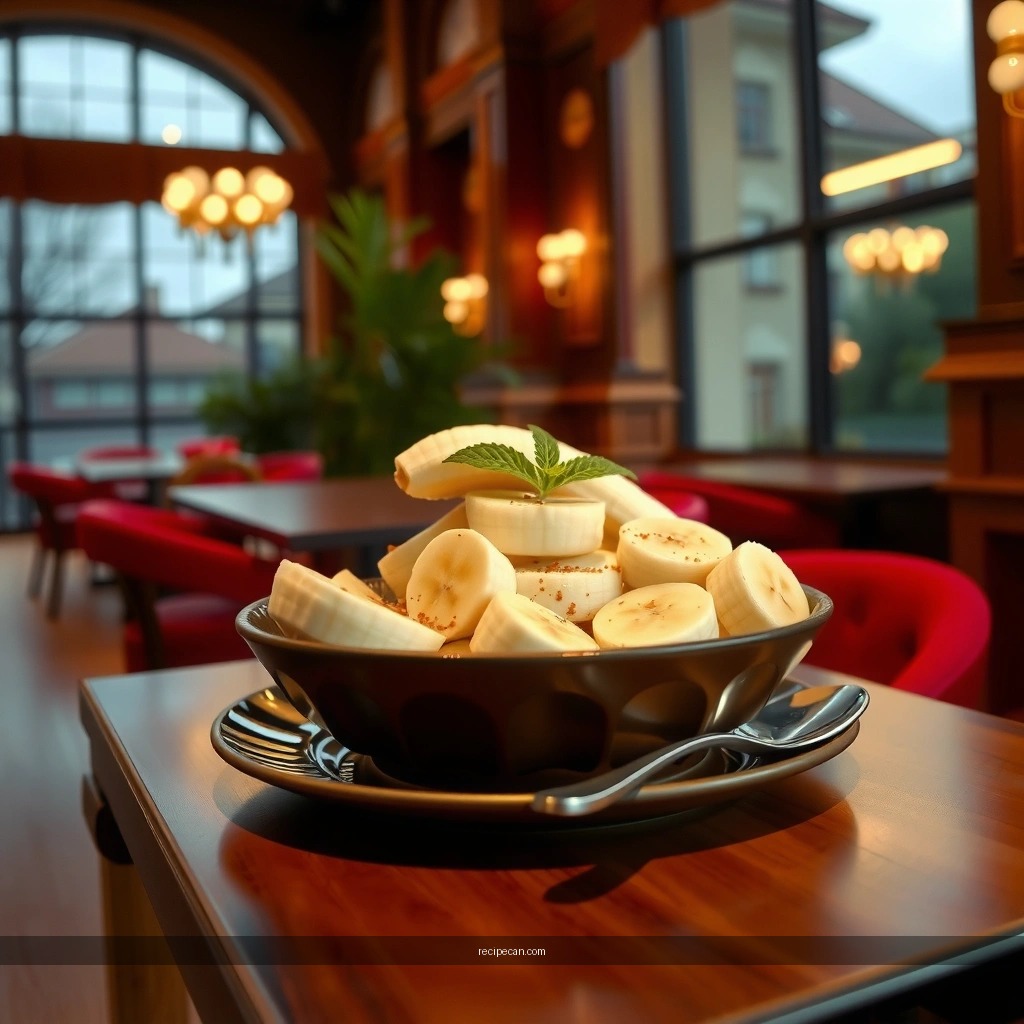
– Use ripe bananas and vanilla pudding for the signature flavor and texture
– Choose vanilla wafers or cookies for the perfect crunchy-soft layers
A truly classic Ina Garten–style banana pudding starts with two quality pillars: ripe bananas and vanilla pudding that thickens properly. While many recipes rely on instant pudding, the professional-looking result usually comes down to technique—whisking until fully smooth and giving the pudding enough time to set in the refrigerator.
Bananas: choose for sweetness and structure.
Look for bananas with yellow skin and a few brown speckles. Fully green bananas tend to be firm and starchy, which can make the pudding taste chalky or “under-sweet.” Very overripe bananas (mostly brown) can be sweet, but they may break down too quickly and blur the clean layers—especially if you let the pudding sit for a long time before serving.
Vanilla pudding: aim for a silky, thick base.
Whether you use a ready-made mix or a homemade-style approach, the goal is the same: pudding that is thick enough to layer, but not so stiff that it feels dry. If you see lumps, the pudding will translate that texture throughout the dessert. Whisk thoroughly and continuously while heating (or stirring during mixing) so you end up with a smooth, glossy base.
Wafers/cookies: match crispness to your serving plan.
Vanilla wafers are the most common choice because they soften predictably. If you want more contrast, you can use standard vanilla wafers and assemble closer to serving time. If you prefer a softer, more integrated dessert, you can build the pudding earlier and chill longer.
Below is a practical snapshot of ingredient performance—use it to guide banana ripeness, wafer texture, and overall expected holding quality.
Banana & Wafer Timing Guide for Layered Pudding Texture
| # | Ingredient Timing Factor | Best Window | Texture Outcome | Serving Confidence |
|---|---|---|---|---|
| 1 | Bananas (yellow w/ speckles) | 0–1 days after purchase | Sweet slices that hold shape | ★ 4.8/5 |
| 2 | Bananas (mostly green) | Not recommended | Starchy flavor; firmer texture | ★ 2.1/5 |
| 3 | Vanilla wafers (assemble close to chill) | 0–2 hours before serving | Crisp edges; soft centers | ★ 4.7/5 |
| 4 | Vanilla wafers (early assembly) | 6–10 hours before serving | Fully softened, pudding-integrated | ★ 4.1/5 |
| 5 | Pudding set time in fridge | Minimum 4 hours | Clean layers; spoonable structure | ★ 4.9/5 |
| 6 | Warm pudding layering | Not recommended | Slumps; uneven wafer distribution | ★ 1.8/5 |
| 7 | 24-hour holding (after assembly) | Best for softer texture | Smoother dessert; less crunch | ★ 3.0/5 |
Step-by-Step: How to Layer Banana Pudding
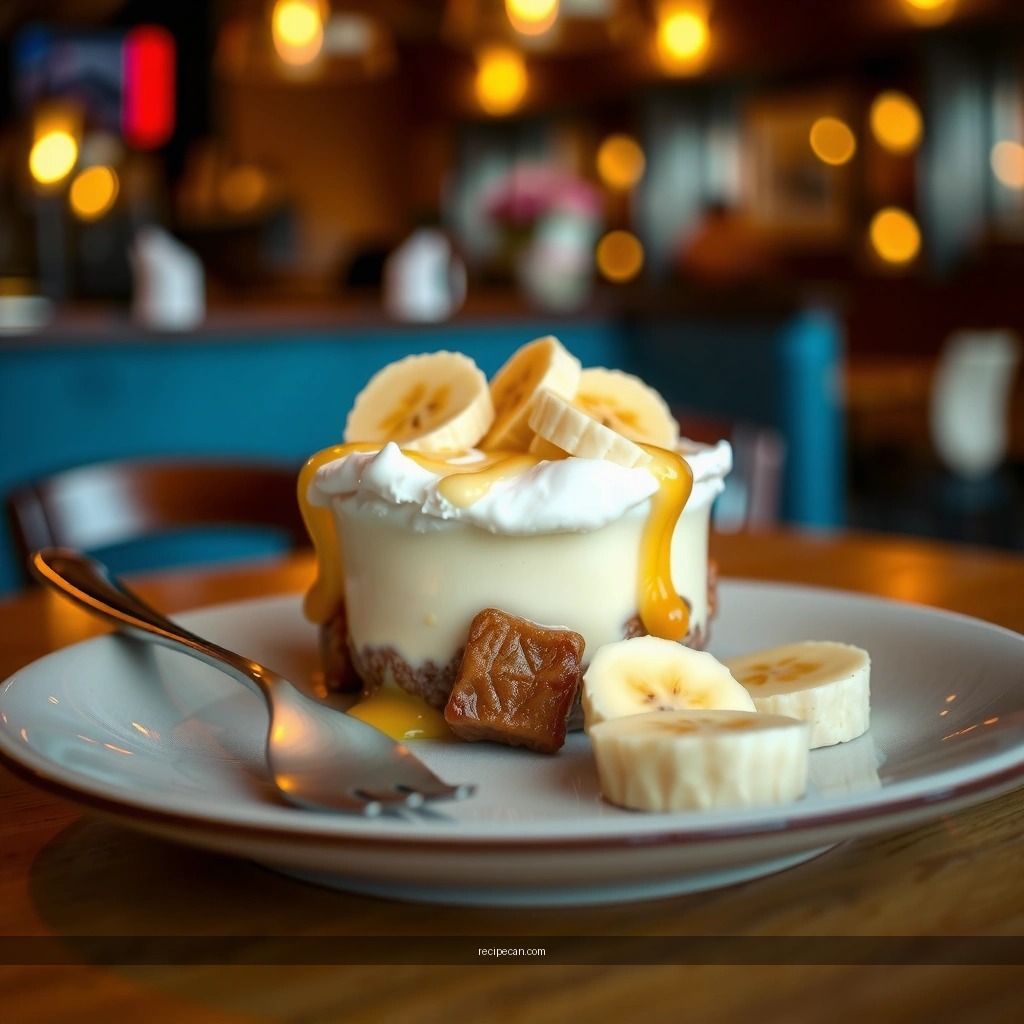
– Layer cookies/wafers with banana slices and pudding for even coverage
– Repeat layers to build a tall, neat dish that holds its structure
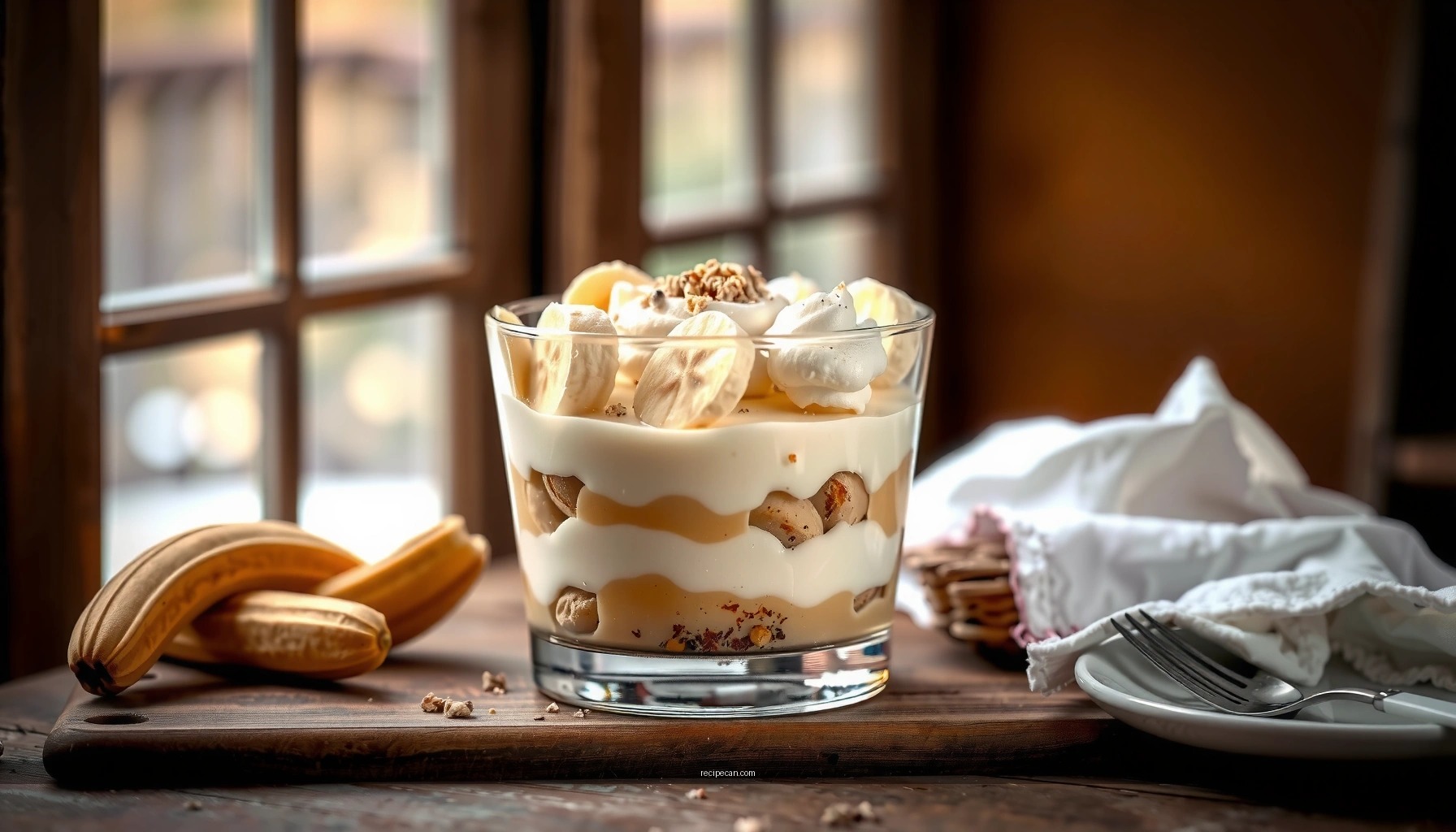
A layered banana pudding isn’t just about stacking—it’s about distribution. Each layer should be thin enough that the pudding can “bind” the wafers without drowning them, and the bananas should be sliced consistently so they soften evenly.
1) Prepare your bananas and wafers.
Slice bananas into even rounds (roughly 1/4-inch). Even thickness matters because thinner slices soften faster, while thick slices may stay firm longer and create uneven texture. If you’re worried about browning, lightly toss banana slices with a small amount of lemon juice—but keep it subtle so you don’t alter the classic flavor profile.
2) Build a base layer.
Start with wafers at the bottom of your dish. Arrange them so there are no large empty gaps—this helps the bottom layer set as one coherent section instead of crumbling.
3) Add pudding, then bananas.
Spoon pudding evenly over the wafers, making sure the pudding reaches the edges. Add banana slices in a single, fairly uniform layer. Don’t overpack bananas; too many slices can cause gaps where pudding can’t fully contact the wafers, leading to softer bottoms.
4) Repeat for height and visual clarity.
Alternate wafer → pudding → banana, repeating until your dish is filled. For that “Ina Garten banana pudding look,” aim for neat, straight lines: use the back of a spoon to smooth pudding lightly between layers.
5) Finish with a top layer designed for presentation.
A top layer of pudding plus either a light scatter of wafers or a final arrangement of bananas (depending on your style) gives you that signature dessert appearance. If you plan to serve with garnish, do it right before serving to preserve texture.
Key principle: If your layers are sliding or looks messy, the pudding is probably too warm or under-set. Chilling fixes this—more on that next.
Make It Creamy: The Pudding Base Tips
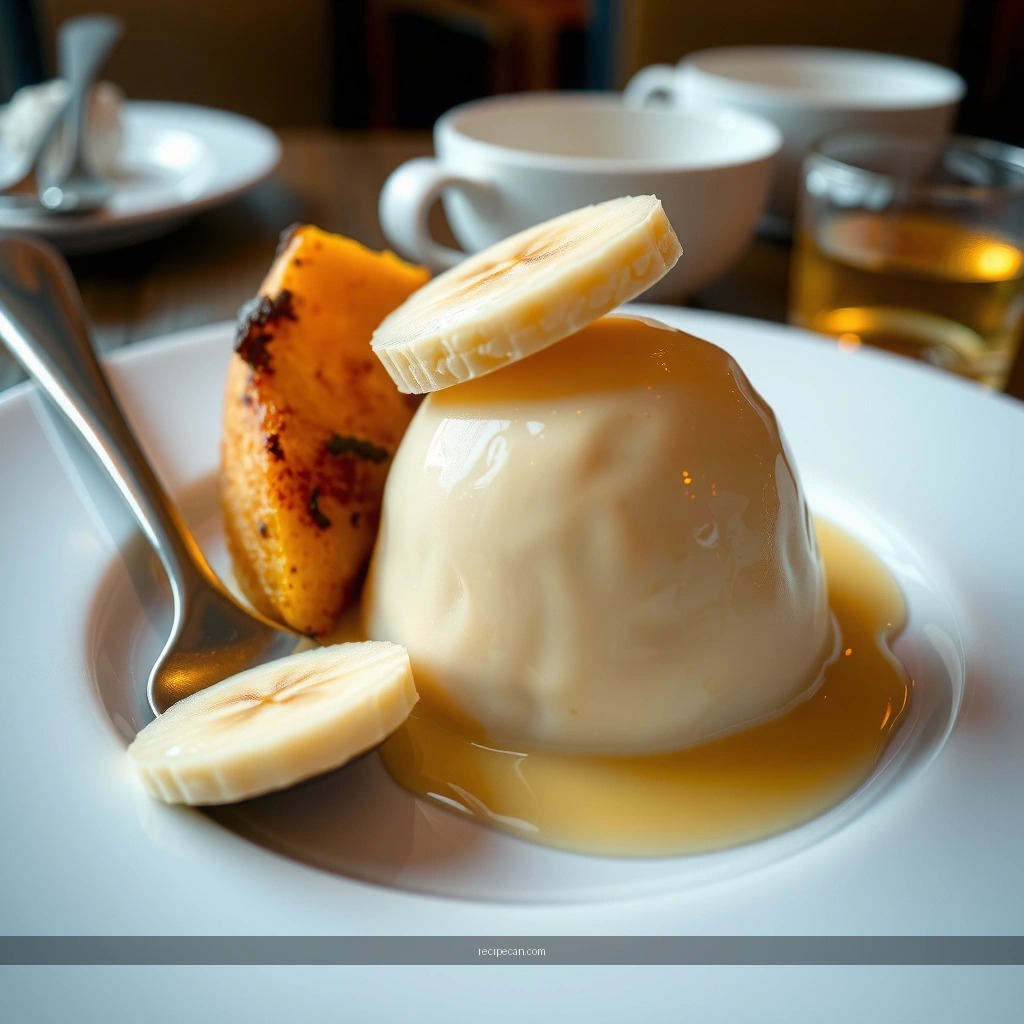
– Focus on smooth, well-whisked pudding so it thickens evenly
– Chill the mixture long enough to set before serving
Creaminess in banana pudding is not just taste—it’s consistency. The most common reason banana pudding turns out grainy or loose is uneven thickening. When pudding thickens improperly, the layers can separate and the wafers become soggy without forming that elegant, spoonable structure.
Whisk for smoothness before and during thickening.
If using a stovetop-thickened approach: whisk continuously while heating so cornstarch (or pudding mix starch) hydrates evenly. If using an instant base: whisk vigorously to break up dry pockets and smooth out lumps. A smooth base leads to a smooth set.
Control the thickness before layering.
Pudding should be thick enough to hold a layer, but still spreadable. If it’s too thick right away, you’ll fight it during layering. If it’s too thin, it won’t bind wafers. Your best “professional” signal is glossiness: well-cooked pudding has a cohesive sheen.
Chill to lock in the texture.
Even if your pudding thickens, the dessert needs time to set in the fridge once assembled. Without sufficient chilling, bananas release moisture and wafers soften too fast—both can make the dessert feel loose.
For best results, plan on chilling at least 4 hours, and ideally overnight if your schedule allows.
Cookie Crisp vs. Soft Layers
– Assemble at the right time so cookies keep some crunch
– For more soft texture, let it sit longer in the fridge before serving
Banana pudding texture is essentially a timing tradeoff: crispness vs. softness. Vanilla wafers are designed to absorb moisture gradually; your job is to control how far that process goes.
For crunch with a classic bite (recommended for “serves best today”):
Assemble and refrigerate, but aim to serve within the first few hours after assembly. This preserves crisp edges while the centers soften. If you’ve ever had banana pudding where every wafer is mush, that usually means it sat too long.
For a more uniform, spoonable softness (recommended for potlucks or meal prep):
If you’re serving later or want an “all blended” texture, let the pudding sit longer in the fridge. After roughly a day, wafers continue to soften and integrate, which can feel luxurious and cohesive—just with less crunch.
Practical strategy:
If you can control the schedule, assemble the dish, refrigerate to set, then add a final top layer of wafers close to serving. That approach preserves visual crunch without disrupting structural layering.
Chill, Serve, and Store Like a Pro
– Refrigerate before serving for best flavor and consistency
– Store covered; note that layers continue to soften over time
Serve cold for the best flavor balance.
Banana pudding tastes different at warmer temperatures—the sweetness comes forward and the pudding can feel looser. Chilling helps flavors meld and stabilizes the pudding so it slices or scoops cleanly.
Storage best practices:
– Keep the dish covered to prevent fridge odors from migrating into the dessert.
– Use an airtight lid if possible, or wrap tightly with plastic wrap pressed against the surface.
– Expect texture change: layers continue to soften as wafers absorb moisture.
How long it lasts (quality guidance):
Banana pudding is typically best within 2–3 days for classic layered texture. After that, it can still be edible, but wafers become fully soft and the bananas may look more blended into the pudding. If you’re serving for a business event or hospitality setting, plan to serve within the recommended window to protect the intended mouthfeel.
Common Mistakes to Avoid
– Don’t use underripe bananas (they can taste starchy instead of sweet)
– Don’t rush chilling—warm pudding won’t layer as neatly
Even when the ingredients are right, a few small missteps can sabotage the result.
1) Underripe bananas = starchy flavor.
If the bananas taste green or bland, they won’t magically become sweet in pudding. Choose bananas with yellow skin and speckles for the classic dessert profile.
2) Rushing the chill breaks the structure.
Warm pudding won’t set properly between layers. The dessert may taste fine but won’t present like a neat layered dish—spoonfuls can slump and wafers can drift.
3) Uneven banana slices create uneven texture.
Thick slices stay firmer; thin slices disintegrate faster. Aim for consistent thickness to keep the spoon experience balanced from bite to bite.
4) Lumps in pudding spread everywhere.
If you see lumps when mixing, stop and correct. Once thickened and layered, those lumps become fixed texture.
This Ina Garten banana pudding recipe delivers that classic creamy-and-layered result with minimal fuss. Follow the layering steps, use ripe bananas, and chill long enough for the best texture—then serve it cold and enjoy every spoonful. If you want to nail it on the first try, make it once, then adjust cookie crunch to your preference next time.
When you treat ripeness, whisking, and chilling as part of the recipe—not just steps—you’ll get the consistent, creamy, set banana pudding texture that people associate with Ina Garten’s comfort-food classics. Build the layers evenly, serve at the right time for your preferred wafer crispness, and store covered to maintain quality. The result is a reliable dessert you can prepare ahead, present confidently, and serve with the assurance that every spoonful matches the “classic” standard.
Frequently Asked Questions
What is Ina Garten’s banana pudding recipe and what makes it different?
Ina Garten’s banana pudding recipe is known for its creamy custard base and a layered approach that balances tender bananas with rich vanilla flavor. Instead of relying on overly sweet shortcuts, it uses a straightforward method that brings a classic Southern dessert feel with an elegant, make-ahead-friendly texture. Many searches for “banana pudding recipe Ina Garten” come from people wanting that nostalgic flavor with a more reliable, no-fuss process.
How do I make banana pudding Ina Garten style without the bananas turning brown?
Slice the bananas right before assembling the pudding, and consider tossing them lightly with a small amount of lemon juice to slow browning. Layer the bananas promptly so they don’t sit exposed to air while you prepare the rest of the components. If you’re making ahead, keep the banana pudding covered in the refrigerator and add fresh banana layers shortly before serving for the best presentation.
Why does my banana pudding end up runny, and how can I fix it?
A runny banana pudding is usually caused by undercooked custard or not letting it thicken fully during cooking. Follow Ina Garten’s process carefully, simmer the custard until it coats the back of a spoon, and then chill it so the layers set properly. If your pudding is already too loose, you can often rescue it by chilling longer; for a bigger fix, you may need to reheat and cook the custard slightly longer before reassembling.
What is the best way to layer ingredients in Ina Garten’s banana pudding?
Use a clear, even layering method: start with cookies at the bottom, add the custard, then arrange banana slices in a consistent layer, repeating as needed. The key is distributing the cookies so they soften evenly without becoming mushy in one spot. Many people searching for “banana pudding recipe Ina Garten” want a layering tip that delivers both clean slices and balanced flavor in every bite.
Which ingredients should I choose for the most authentic banana pudding flavor?
For the most authentic taste, use vanilla wafers or classic vanilla-flavored cookies that hold up well between custard layers. Choose ripe-but-firm bananas so they sweeten as the pudding chills without dissolving too quickly. A rich vanilla custard and high-quality dairy are essential—these details are why the “banana pudding recipe Ina Garten” results taste closer to a traditional homemade Southern dessert.
References
- Google Scholar Google Scholar
https://scholar.google.com/scholar?q=Ina+Garten+banana+pudding+recipe - Google Scholar Google Scholar
https://scholar.google.com/scholar?q=banana+pudding+custard+egg+food+safety - Google Scholar Google Scholar
https://scholar.google.com/scholar?q=banana+pudding+recipe+ladyfingers+milk+custard+study - Banana pudding
https://en.wikipedia.org/wiki/Banana_pudding - Ina Garten
https://en.wikipedia.org/wiki/Ina_Garten - Custard
https://en.wikipedia.org/wiki/Custard - https://www.fda.gov/food/foodborne-pathogens/salmonella
https://www.fda.gov/food/foodborne-pathogens/salmonella - Salmonella Infection | Salmonella Infection (Salmonellosis) | CDC
https://www.cdc.gov/salmonella/ - Eggs | Food Safety and Inspection Service
https://www.fsis.usda.gov/food-safety/safe-food-handling-and-preparation/eggs - https://pubmed.ncbi.nlm.nih.gov/?term=salmonella+eggs+pasteurization
https://pubmed.ncbi.nlm.nih.gov/?term=salmonella+eggs+pasteurization