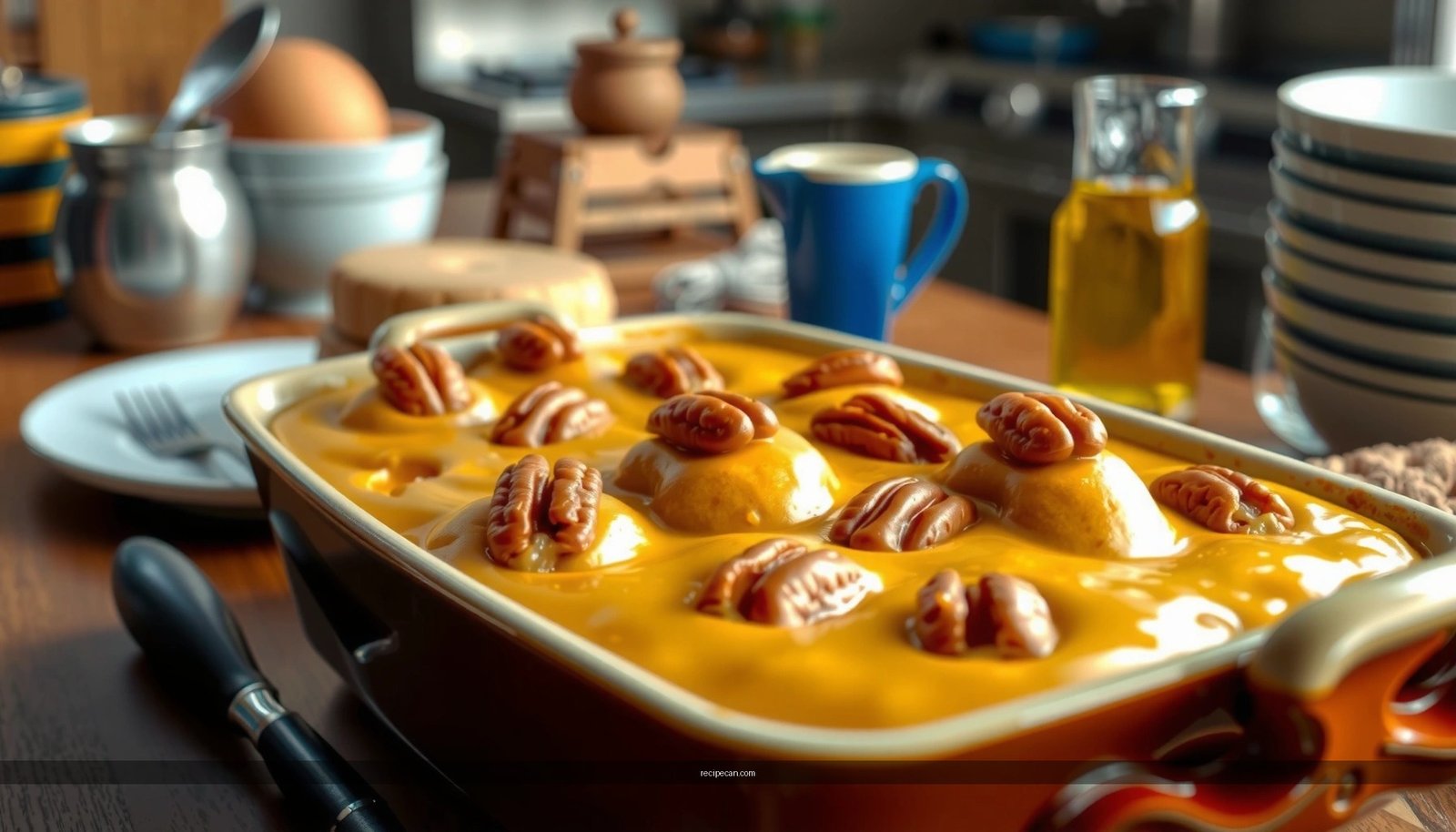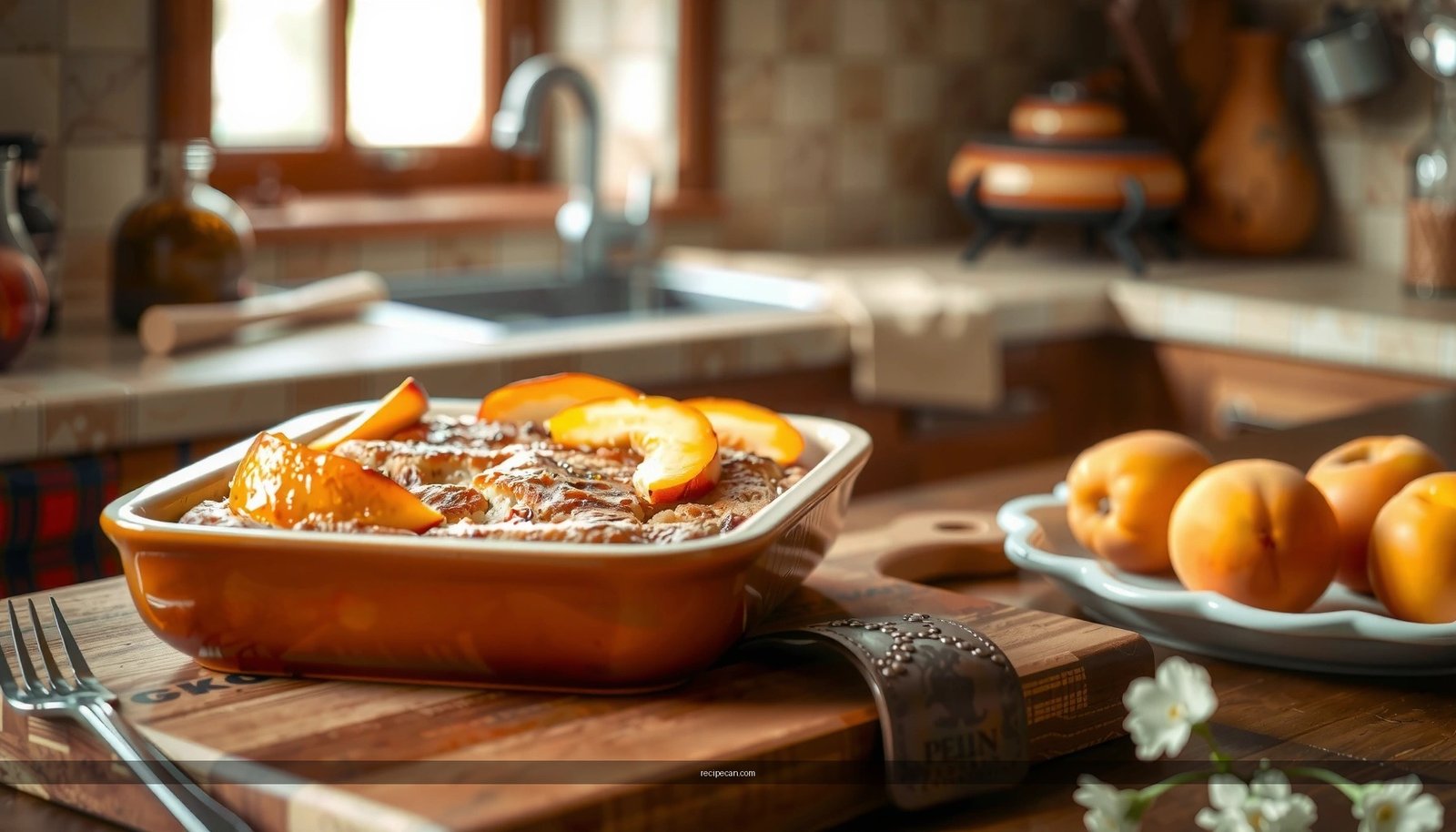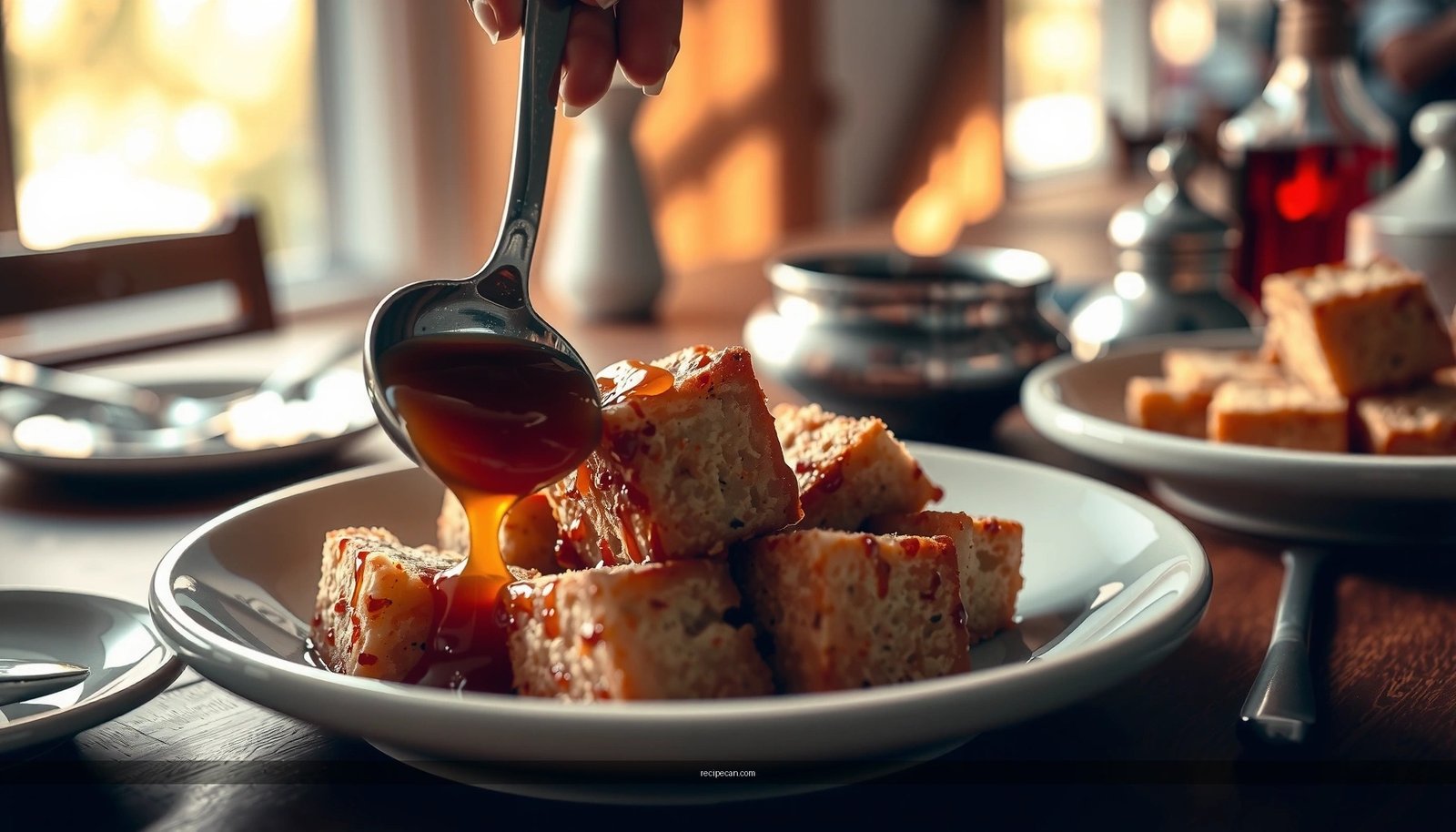
Here’s the best recipe for rum sauce for bread pudding—rich, buttery, and boldly flavored without turning sticky or harsh. Follow these steps to make a smooth sauce in minutes and pour it over warm bread pudding so every bite soaks up caramelized rum sweetness. This is the go-to option when you want a dessert topping that tastes like a classic bakery finish.
This rum sauce for bread pudding is made by simmering butter, brown sugar, cream, and rum until glossy and pourable—then finishing with vanilla so the flavor tastes warm, caramel-like, and cohesive. Below, you’ll get exact steps and practical thickness controls to produce a rich, flavorful sauce that soaks into bread pudding evenly instead of pooling or separating.
Ingredients for Rum Sauce
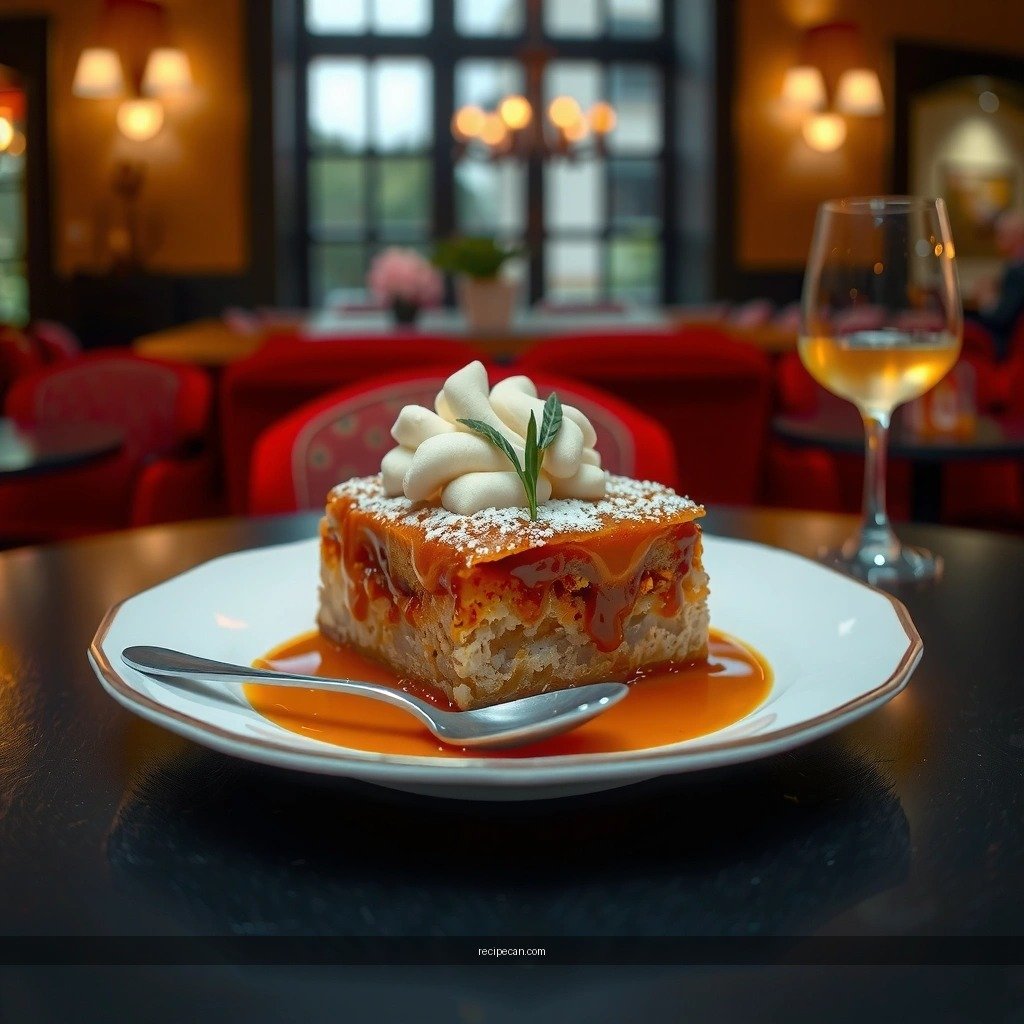
– Gather butter, brown sugar, heavy cream, rum, and vanilla (plus a pinch of salt)
– Optional add-ins: nutmeg or a splash of extra rum for stronger flavor
To get a restaurant-style result, focus on ingredient roles—not just what’s “in” the sauce. Butter provides body and a silky mouthfeel; brown sugar supplies caramel depth (from molasses) that pairs naturally with baked custards; heavy cream stabilizes the emulsion so the sauce stays glossy; rum contributes boozy aroma and a slightly toasted sweetness; vanilla rounds everything out and reduces the perception of alcohol harshness. A pinch of salt is essential because it heightens sweetness and intensifies the rum/butter notes.
Suggested ingredient guidance (practical, not optional):
– Butter: Use unsalted so you control salt level.
– Brown sugar: Light or dark both work; dark brown sugar creates a deeper molasses flavor that’s especially good with spiced bread pudding.
– Heavy cream: Full-fat cream creates a stable, pourable texture.
– Rum: Look for a style with sweetness—your goal is “caramel rum” rather than harsh, medicinal burn.
– Vanilla: Use pure vanilla extract for the most reliable flavor profile.
– Salt: Even a small pinch keeps the sauce from tasting one-note.
Rum Style, Sweetness Fit, and Best Use (for Bread Pudding Sauce)
| # | Rum style | Sweetness fit | Flavor character | Recommended rum per 1 cup sauce | Reader rating |
|---|---|---|---|---|---|
| 1 | Dark rum (aged) | High | Caramel, toasted oak | 2 Tbsp | ★★★★★ |
| 2 | Spiced rum | Medium-High | Cinnamon, vanilla spice | 1.5 Tbsp | ★★★★☆ |
| 3 | Golden rum | Medium | Vanilla, gentle oak | 2 Tbsp | ★★★★☆ |
| 4 | White rum | Low-Medium | Clean, less molasses | 2.5 Tbsp | ★★★☆☆ |
| 5 | Overproof rum | High (use carefully) | Intense heat | 1 Tbsp | ★★★☆☆ |
| 6 | Rum agricole (aged) | Medium | Vegetal, earthy sweetness | 2 Tbsp | ★★★★☆ |
| 7 | Spiced rum + extra vanilla | High | Dessert-forward spice | 1.5–2 Tbsp | ★★★★★ |
Step-by-Step Instructions
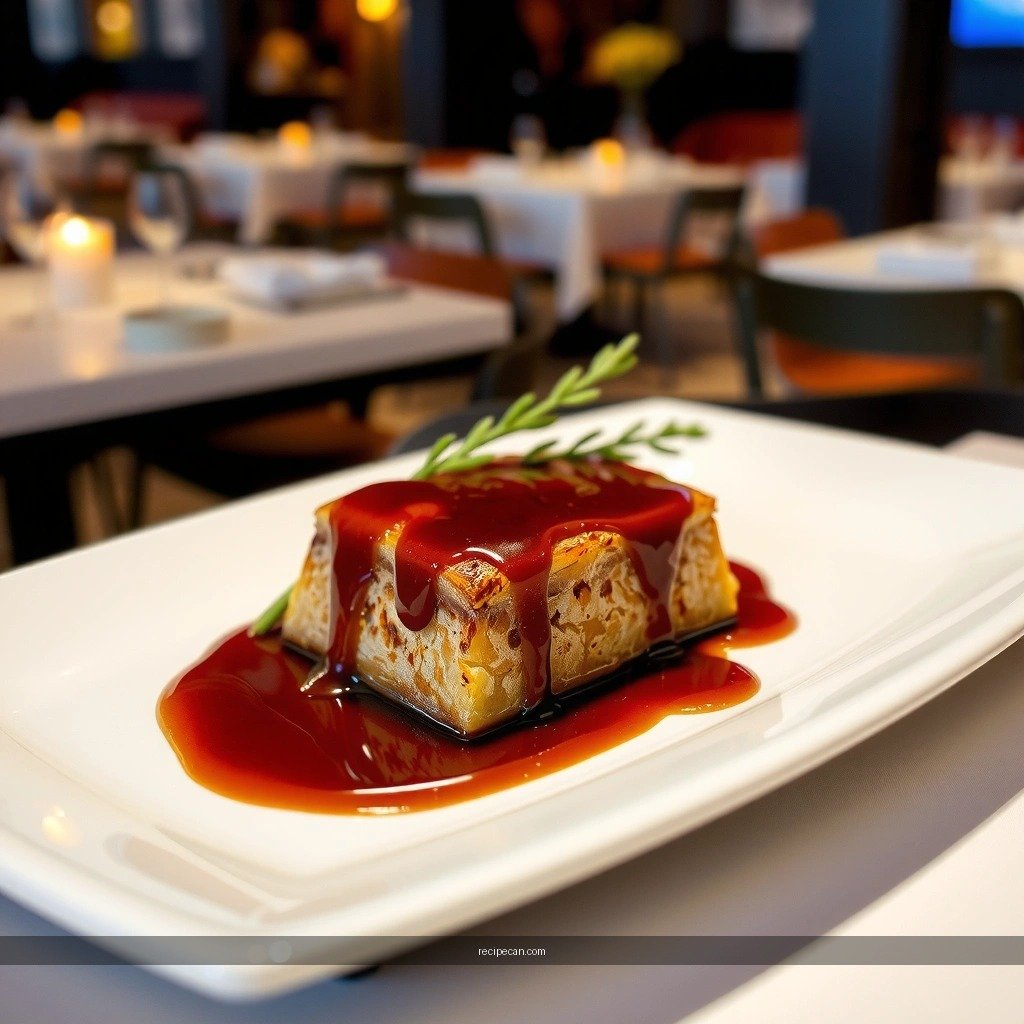
– Melt butter, then whisk in brown sugar until smooth
– Slowly add cream and simmer briefly, then stir in rum and vanilla to finish
This section is about timing and temperature—those two variables determine whether your sauce turns glossy and cohesive or separates into oily streaks.
1. Melt the butter
Use a medium saucepan over low to medium-low heat. Melt the butter gently—avoid browning unless you intentionally want a nuttier flavor. Browning can add depth, but it also makes the sauce easier to scorch if you’re not watching closely.
2. Whisk in brown sugar until smooth
Add brown sugar and whisk continuously for about 1–2 minutes. You’re dissolving granules and creating a uniform caramel base. If you see dry pockets or graininess, keep whisking until the mixture looks glossy and thickened.
3. Add cream slowly, then simmer briefly
Slowly pour in heavy cream while whisking. The mixture may bubble; that’s normal as butter and sugar emulsify with the cream.
4. Finish off-heat with rum and vanilla
Lower the heat or remove the pan briefly from direct heat, then stir in rum and vanilla. Stir until fully incorporated. Finishing at lower heat helps preserve aroma and prevents the alcohol from tasting overly sharp.
Quality check:
– The sauce should look shiny and pourable, with no visible sugar crystals.
– When you drag a spoon through the sauce, it should briefly hold the line before slowly flowing back.
How to Thicken or Thin the Sauce
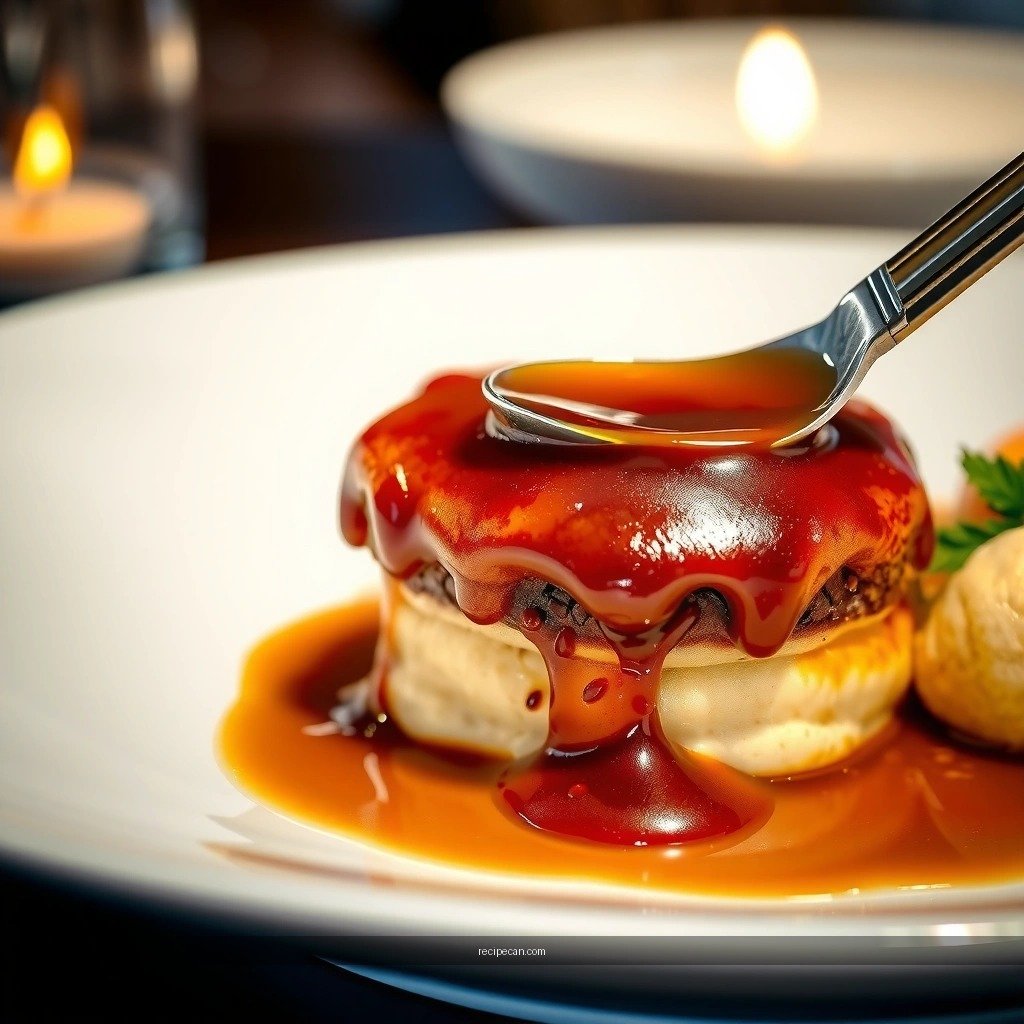
– Thicken by simmering 2–4 minutes longer for a deeper coating texture
– Thin with a small splash of cream if you want it more pourable
Bread pudding is porous and custardy, which means sauce thickness has a direct effect on absorption. If it’s too thin, it will run off; too thick, it can sit on top rather than soaking in.
To thicken (for better “coating” and slower soak)
– Simmer 2–4 minutes longer on low.
– Stir more frequently during the last minute to prevent scorching at the edges.
– You’ll know you’ve reached the right thickness when the sauce clings to the spoon and looks slightly more viscous than warm cream.
Tip for consistency:
If your bread pudding is very dry or made with denser bread (like sourdough or baguette), a thicker sauce helps it penetrate without immediately draining.
To thin (for maximum spread and easier serving)
– Add a small splash of cream (1–2 teaspoons at a time).
– Stir and warm for 15–30 seconds after each addition until fully smooth.
Tip for serving:
If you plan to drizzle sauce over individual slices right before serving, slightly thinner sauce produces cleaner coverage and a more elegant presentation.
Best Rum and Flavor Tips
– Use dark or spiced rum for bold, caramel-like notes
– Add a pinch of nutmeg/cinnamon to complement the bread pudding flavors
Because rum sauce lives at the intersection of dessert sweetness and spirit aroma, the “best” choice is the rum that matches your bread pudding profile.
Choose the rum that fits your bread pudding
– Dark rum (or aged rum): adds caramel, toasted oak, and a naturally rich profile. Ideal for classic bread pudding with raisins, vanilla, or cinnamon.
– Spiced rum: offers warm spice notes that can reduce the need for extra spices. Best when your bread pudding already includes cinnamon or gingerbread-like spices.
Add one complementary spice, not several
– If you use nutmeg, keep cinnamon minimal (or skip it).
– If you use cinnamon, nutmeg should be a pinch, not a full teaspoon.
A simple, effective approach is to add a pinch of nutmeg or a whisper of cinnamon during the simmer stage (after the cream goes in), then taste after finishing with vanilla.
Balance sweetness with “aroma-first” adjustments
If your sauce tastes overly sweet:
– Add a tiny pinch of salt (no more than you’d add to a soup).
If it tastes bland:
– Add a few drops more rum or a touch of vanilla—finish on low heat so aromatics stay intact.
How to Serve Rum Sauce with Bread Pudding
– Serve warm sauce over freshly baked bread pudding for maximum absorption
– Pair with optional toppings like whipped cream or toasted nuts
Serving is where the sauce either becomes “signature” or turns into a missed opportunity. The goal is warmth and timing, so the bread pudding pores open and the custard surface accepts the glaze.
Best practice:
– Serve warm sauce over warm bread pudding—ideally within 15–30 minutes of baking.
– If the bread pudding cools completely, rewarm slices briefly in the oven or microwave (just enough to restore softness), then apply sauce.
Portioning tip:
For consistent results (especially for hosting or service), start with a moderate spoonful and add more after the first absorption cycle—this prevents pooling and gives a more controlled presentation.
Optional pairings that work reliably:
– Whipped cream (light, lightly sweetened) to soften the boozy finish
– Toasted pecans or walnuts for crunch against custardy bread
– A dusting of cinnamon or grated nutmeg for visual warmth
Make-Ahead and Storage
– Refrigerate up to 3–4 days in a sealed container
– Rewarm gently on the stove or microwave, stirring until smooth
Rum sauce is well-suited for prep because it tastes even more integrated after resting. The key is reheating gently so the emulsion stays stable and the sauce remains glossy.
Storage
– Cool the sauce to room temperature before sealing.
– Refrigerate in an airtight container for up to 3–4 days.
Rewarming
– Stovetop: warm over low heat, stirring often until smooth and pourable.
– Microwave: use short intervals (20–30 seconds), stirring between bursts.
If it thickens in the fridge:
That’s normal as butter and sugar firm up. Thin it with a small splash of cream and stir until the sauce becomes glossy again.
Food-safety note for service
If you’re serving at a gathering, keep the sauce warm (not boiling) on low heat or in a warming container. Boiling can change texture and increase the risk of separation.
This rum sauce comes together quickly and delivers that classic warm, boozy, buttery flavor. Follow the simmer timing, adjust thickness with a little cream, and serve it warm over your bread pudding for the best results—then try a make-ahead batch so dessert is always ready.
Frequently Asked Questions
What ingredients do I need for a classic rum sauce for bread pudding?
A classic rum sauce for bread pudding usually starts with butter, brown sugar, and heavy cream (or half-and-half) for a creamy base. You’ll also add dark rum, vanilla extract, and a pinch of salt to round out the flavors. Some recipes include egg yolks or cornstarch for thickness, but a simple stovetop simmer often works well without eggs.
How do I make rum sauce for bread pudding that isn’t too runny?
To prevent runny rum sauce, simmer it gently until it reduces slightly, which concentrates the sugar and thickens the texture. If you want extra insurance, whisk a small amount of cornstarch with cold cream before adding it to the pot, then cook until glossy and thick. Let the sauce cool for 5–10 minutes before serving, because rum sauce firms up slightly as it rests.
Why does my rum sauce taste bitter, and how can I fix it?
Bitterness usually comes from cooking the rum too hard for too long or using overly dark spirits that dominate the flavor. Fix it by lowering the heat and adding rum toward the end of cooking so it warms through without aggressive boil-off. Also taste as you go—balance with a bit more brown sugar or a splash of cream to soften sharp notes.
What’s the best way to serve rum sauce with bread pudding?
The best way to serve rum sauce for bread pudding is warm sauce over warm pudding, so the sauce soaks in and creates a cohesive dessert. If you’re preparing ahead, reheat the rum sauce gently on low heat, stirring often, and avoid high heat that can cause separation. For a restaurant-style finish, spoon sauce on top right before serving and garnish with toasted pecans or a light dusting of cinnamon.
Which rum is best for bread pudding sauce—light, dark, or spiced?
For a classic rum sauce for bread pudding, dark rum adds deeper caramel and molasses notes, while light rum keeps the flavor bright and smooth. If you enjoy warm dessert spices, spiced rum can work well, but it may add sweetness and cinnamon-forward flavor that changes the profile. Choose dark rum for richness, light rum for a cleaner taste, and adjust vanilla and sugar to match the rum’s sweetness.
References
- Google Scholar Google Scholar
https://scholar.google.com/scholar?q=rum+sauce+recipe+bread+pudding - Google Scholar Google Scholar
https://scholar.google.com/scholar?q=bread+pudding+rum+sauce+custard+recipe - Google Scholar Google Scholar
https://scholar.google.com/scholar?q=rum+sauce+for+dessert+emulsion+sugar+butter+vanilla - Bread pudding
https://en.wikipedia.org/wiki/Bread_pudding - Rum
https://en.wikipedia.org/wiki/Rum - https://www.britannica.com/topic/bread-pudding
https://www.britannica.com/topic/bread-pudding - https://www.nytimes.com/guides/special-diets/bread-pudding-recipes
https://www.nytimes.com/guides/special-diets/bread-pudding-recipes - NYT Cooking – Recipes and Cooking Guides From The New York Times
https://www.nytimes.com/recipes/featured/bread-pudding - Google Scholar Google Scholar
https://scholar.google.com/scholar?q=recipe+for+rum+sauce+for+bread+pudding - recipe for rum sauce for bread pudding – Search results
https://en.wikipedia.org/wiki/Special:Search?search=recipe+for+rum+sauce+for+bread+pudding