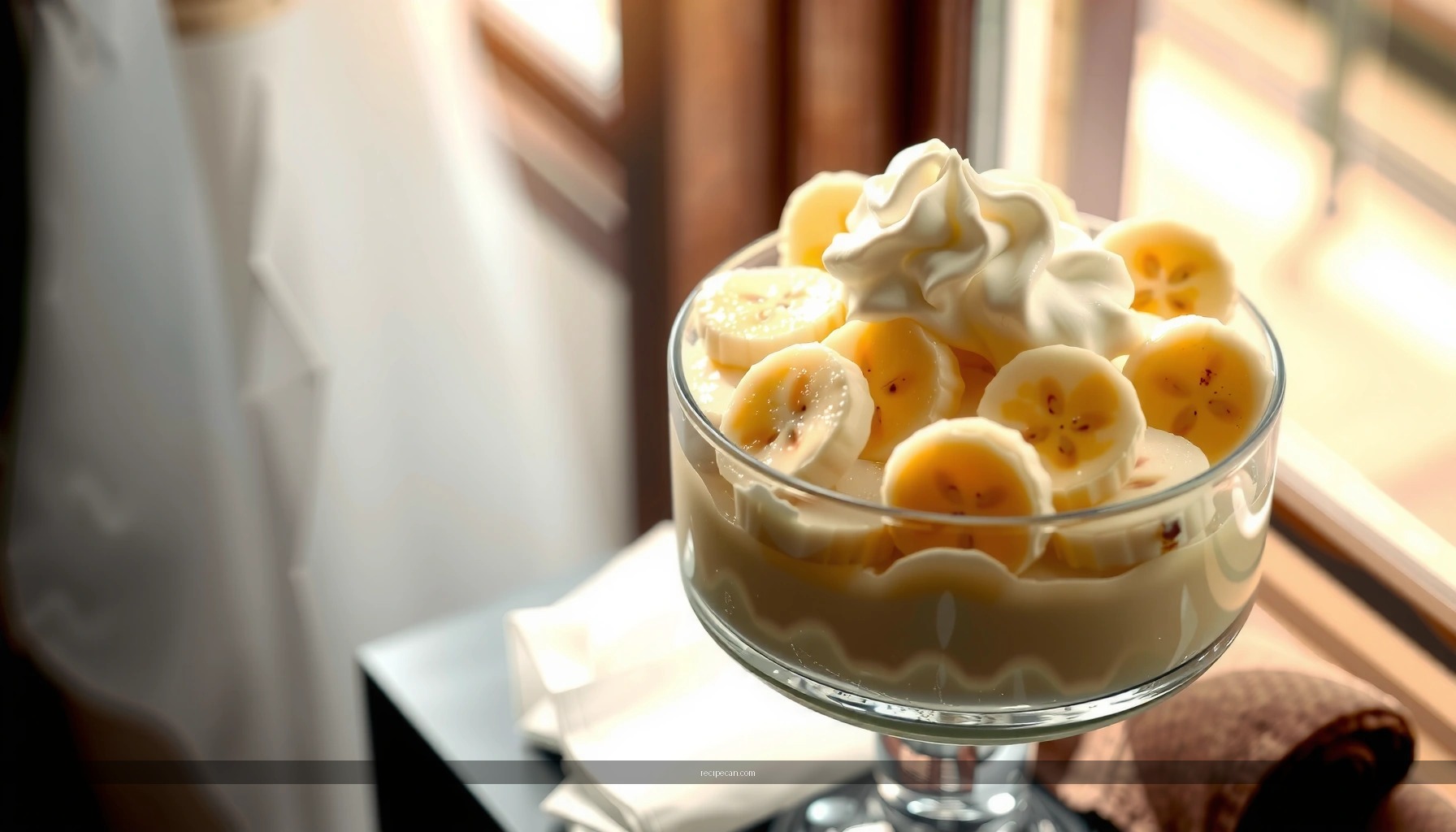
This not Yo Mama’s banana pudding recipe is the winner when you want banana pudding that’s richer, less runny, and built for clean, sliceable layers. You’ll get a newer, better method that upgrades the custard and keeps the vanilla wafer crunch without turning soggy. If your real question is “which version will actually hold up after chilling?”—this one answers it.
This not yo mama’s banana pudding recipe is thicker, creamier, and far less runny because it uses a properly cooked pudding base and a deliberate layering order. The result is spoon-ready banana pudding with defined layers that hold up in the fridge—so you get comfort-food flavor without the watered-down disappointment.
This version keeps the classic soul of banana pudding—bananas, vanilla pudding, and cookies—while upgrading the mechanics that typically fail: undercooked custard, incorrect ratios, and layering that turns cookies gummy or liquids loose. If you’ve ever served banana pudding that looks perfect right after assembling but turns soupy by day two, you’re not alone. The fix isn’t “more cookies” or “less banana.” It’s method: thickness control, gentle mixing, and smart timing.
—
What Makes This Not Yo Mama’s Banana Pudding Recipe Different
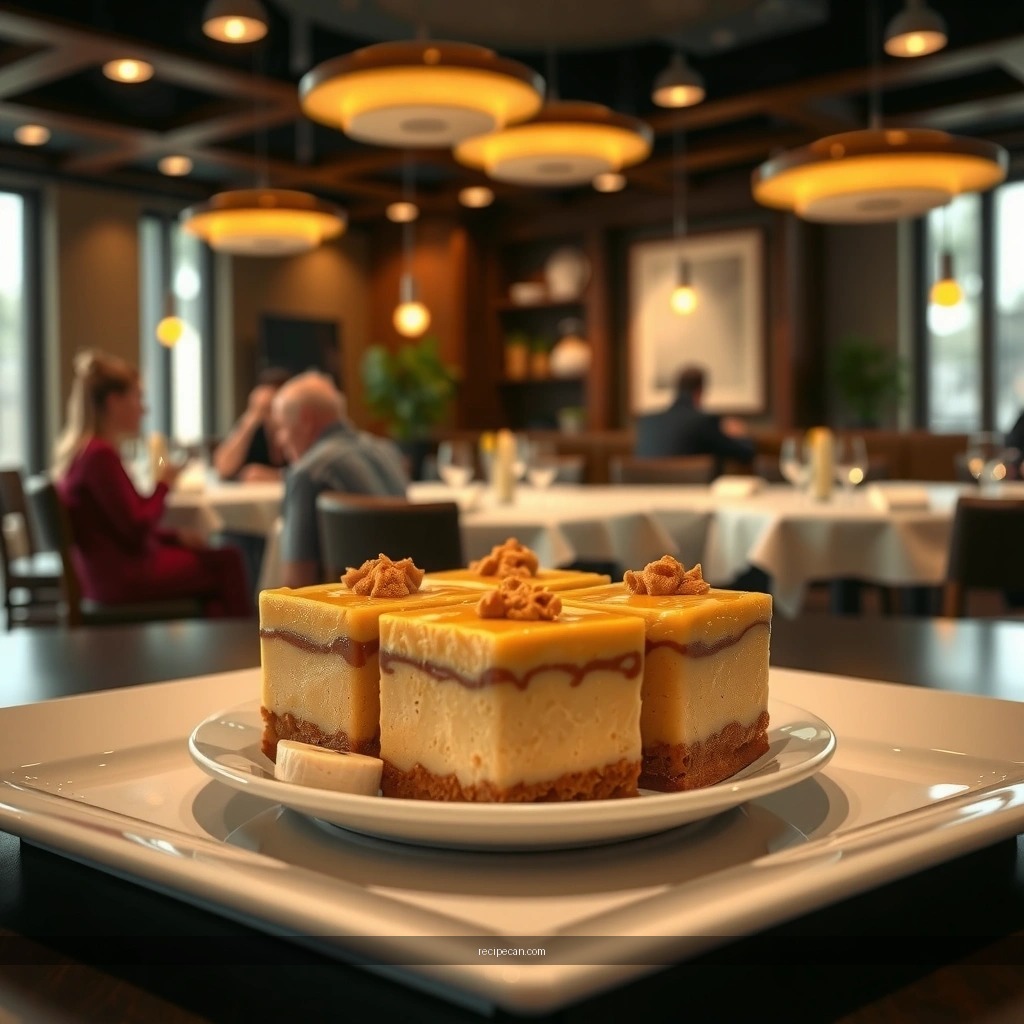
Unlike many “banana pudding” recipes that are essentially instant pudding mixed into milk (which can taste great but often lacks structural integrity), this approach treats the base like custard. That small shift matters—because banana pudding is a system, not a single ingredient.
– Uses a richer, thicker pudding base for better texture
A properly thickened custard (with the right ratio of liquid to starch/eggs) creates a stable gel. That gel traps moisture so the pudding sets cleanly instead of bleeding into the cookie layer.
– Layering technique keeps everything balanced and not soggy
Traditional layering often over-soaks cookies or lets banana moisture pool. By alternating components in consistent portions and controlling how much liquid each layer receives, you maintain defined strata: cookies stay tender, bananas stay flavorful (not diluted), and the pudding stays creamy.
To make this concrete, it helps to think about “water management.” Bananas release moisture, cookies absorb liquid, and pudding carries both. When the pudding is thick enough, it buffers those movements. When you layer correctly, you prevent one component from becoming the “sink” that pulls everything down.
—
Ingredients You’ll Need (Simple Swaps Welcome)
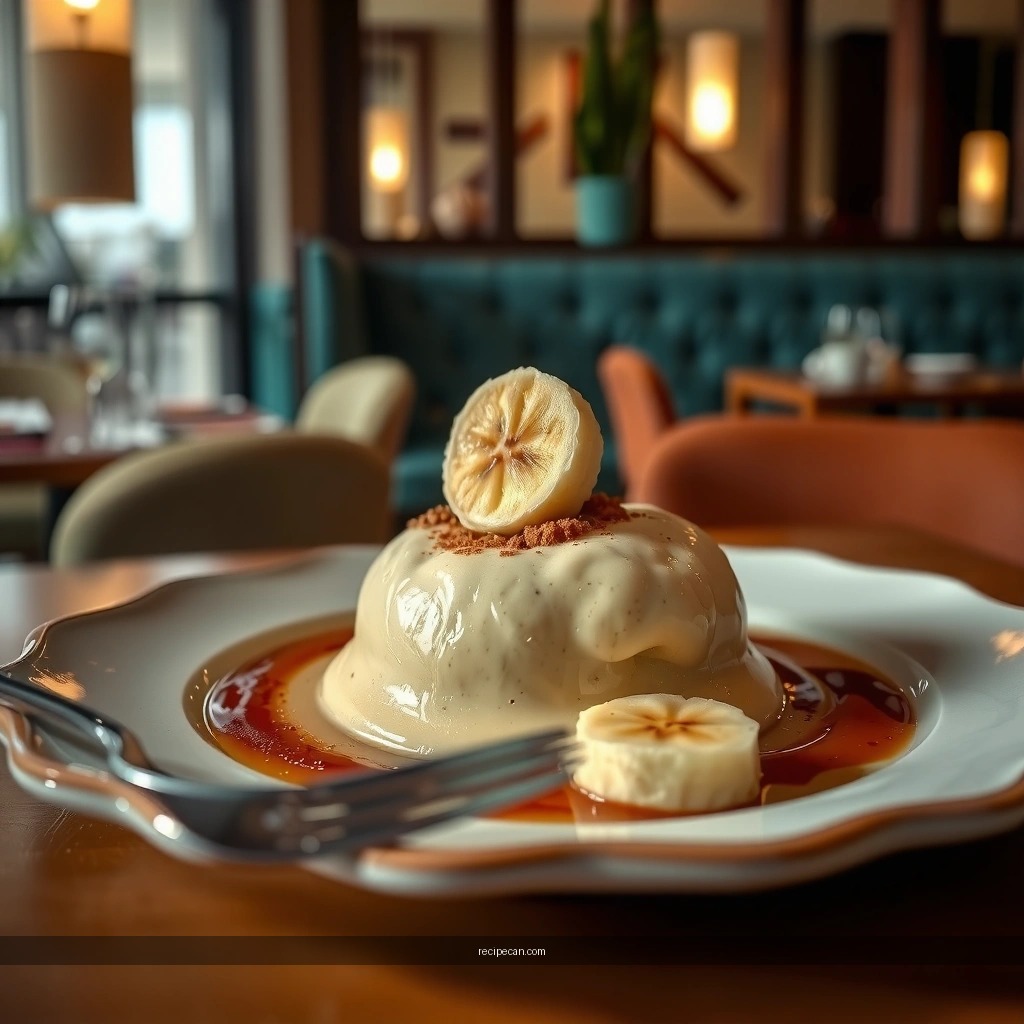
The ingredient list for this not yo mama’s banana pudding recipe is intentionally straightforward. You’ll get the best results by choosing ingredients that behave predictably: ripe bananas, vanilla-forward pudding, and cookies that don’t dissolve immediately.
– Bananas (about 4–5 medium): ripe but not mushy (you want slices that hold shape)
– Vanilla pudding components: vanilla pudding base made from a custard-style method (milk + sugar + cornstarch and/or eggs, depending on your approach)
– Vanilla wafer cookies or tea biscuits: classic choices that soften without turning to paste instantly
– Milk (cold, for dissolving starch if using cornstarch): helps prevent lumps and controls thickness
Optional upgrades (high impact, low complexity)
– Toasted vanilla wafers: boosts flavor and reduces how quickly cookies absorb liquid
– A splash of vanilla extract: intensifies the custard aroma
– Pinch of salt: strengthens the vanilla and reduces cloying sweetness
– Light cinnamon (optional): adds warmth without becoming “spiced banana” unless you go heavy
Smart swaps
– Cookies: vanilla wafers for classic texture; if using another cookie, choose something with a similar thickness and low frosting content.
– Pudding flavor: stick to vanilla for the most authentic banana pudding profile. If you add flavor (like bourbon vanilla), go subtle—banana already brings sweetness and fragrance.
—
How to Make the Creamy Pudding Base
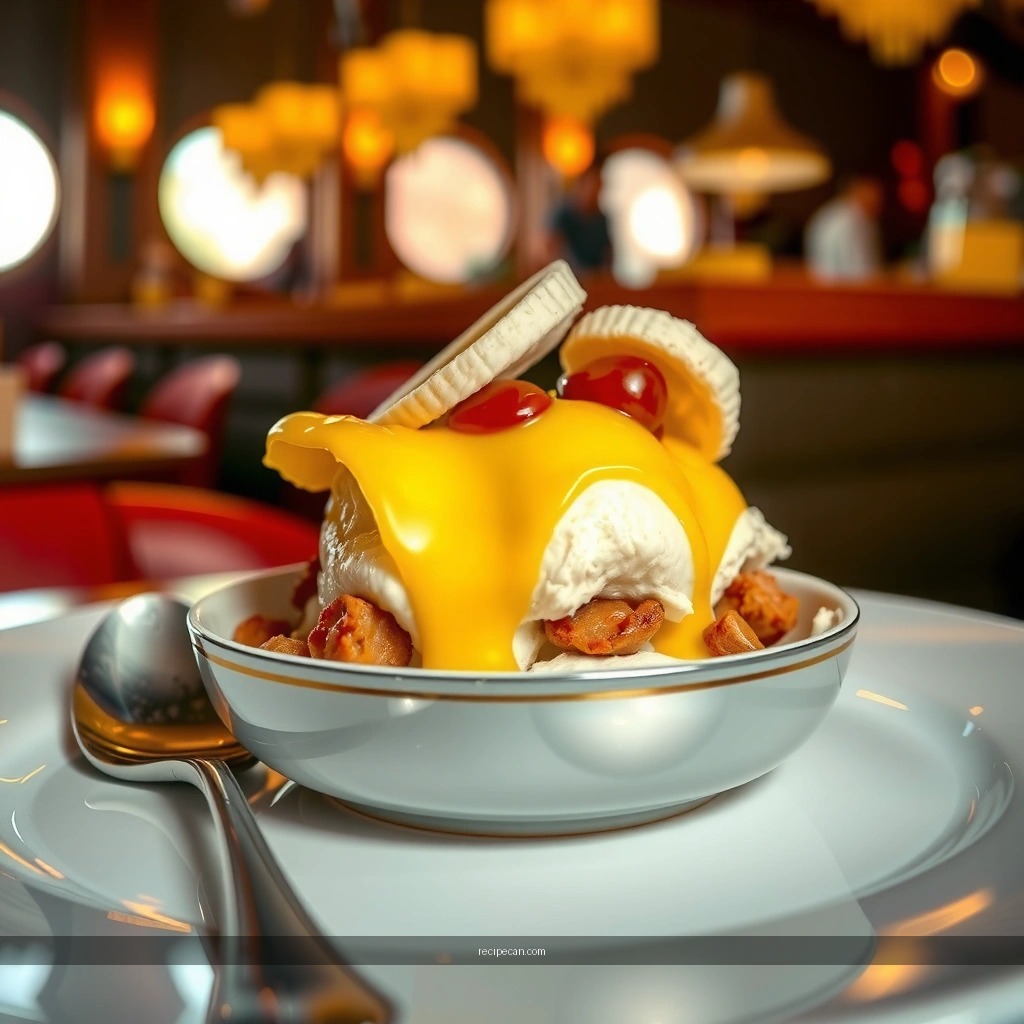
This is where “not yo mama’s” becomes noticeably better. The goal isn’t just creamy—it’s stable creamy. The custard must reach a full thickening point and then be chilled briefly so it layers smoothly.
Key technique: cook until properly thickened so it sets cleanly
Even if you’re using a pudding method that resembles “cook-and-stir,” resist the urge to stop early. Under-thickened pudding is the main cause of runniness later. Look for:
– A slow, thick ribbon when you lift the spoon
– No translucent starch taste (starch needs time at heat to fully cook)
– Visible thickening within a few minutes once it starts simmering
For cornstarch-based pudding, the mixture should gently bubble and continue cooking for about 1 minute after thickening (timing varies by batch size and heat level). For egg-based custard, you’ll thicken to the point where it coats the back of a spoon consistently.
Chill the pudding briefly before assembling for easier layering
Do not assemble immediately after cooking. Hot pudding behaves differently:
– It soaks cookies faster
– It accelerates banana moisture release
– It can melt/break whipped texture if you incorporate dairy or whipped cream
Chill the pudding until it’s thick but still spreadable—often 20–40 minutes, depending on your refrigerator temperature and batch size. You want it cool enough to keep structure, warm enough to spread without tearing.
Banana Pudding Texture Targets (By Time in the Fridge)
| # | Serving Window | Expected Texture | Liquid Separation Risk | Overall Rating |
|---|---|---|---|---|
| 1 | 0–1 hour | Creamy, layers look crisp but slightly soft | Low | ★★★★★ |
| 2 | 1–4 hours | Best spoon lift; pudding holds its shape | Very Low | ★★★★★ |
| 3 | 4–12 hours | Cookies tender; bananas fragrant | Low | ★★★★☆ |
| 4 | 12–24 hours | Balanced texture; slight softening at edges | Low to Moderate | ★★★★☆ |
| 5 | 24–36 hours | Cookies softer; pudding still creamy | Moderate | ★★★☆☆ |
| 6 | 36–48 hours | More moisture migration; edges can look looser | Moderate to High | ★★☆☆☆ |
| 7 | 48+ hours | Texture declines; can become noticeably runny | High | ★☆☆☆☆ |
That “serving window” table aligns with what you’ll taste: this recipe is designed so the best texture happens early and declines later—rather than starting runny and staying that way.
—
Layering Like a Pro (So It Stays Perfect)
Layering isn’t decorative—it’s engineering. Your goal is to distribute cookies and bananas evenly so no single layer becomes overly saturated or overly dry.
– Alternate cookies, bananas, and pudding in consistent amounts
Use a predictable rhythm (for example: cookies → bananas → pudding → repeat). Consistency helps ensure each bite has the same ratio of crunch, fruit, and cream.
– Press lightly to fill gaps without crushing the cookies
If you press hard, you turn cookies into crumbs that soak faster and blur the texture. If you press too lightly, you get air pockets and uneven spoon pulls. Light, even pressure is the sweet spot.
Pro tip: manage banana timing
To prevent browning and excess moisture, slice bananas close to assembly time. If you’re prepping ahead, slice and keep them cool, and layer promptly. Browning is oxidation, but moisture release is the bigger structural issue—so short timing is your friend.
Also consider this: banana pudding absorbs time. The longer it sits, the more cookies soften and pudding migrates. The layering strategy buys you time without sacrificing structure.
—
The Best Whipped Topping and Assembly Tips
Even with a perfect custard base, the topping and assembly method can ruin the texture. The trick is to add air without making the dessert fragile.
– Fold gently for airy texture without deflating
If you whip cream (or use a whipped topping), it should be thick and billowy. Then fold it into cooled pudding in batches, using a gentle motion. Overmixing collapses air cells and can lead to a thinner, less stable feel.
– Assemble close to serving time (or chill with a plan)
Assemble when you can refrigerate immediately. If you need to wait, hold the dessert fully assembled and covered—don’t keep rewarming or re-chilling layers repeatedly. Temperature swings can loosen structure, especially in fruit desserts.
Balanced sweetness matters
A common reason banana pudding tastes “thin” later is flavor dilution: as liquids migrate, sweetness perception changes. The solution is to keep your base properly thick and your vanilla profile well-rounded (vanilla extract and a pinch of salt help).
—
Serving, Storage, and How to Keep It from Getting Watery
If you want spoon-ready banana pudding, storage isn’t optional—it’s part of the recipe. Runiness happens from moisture movement over time.
– Cover tightly and refrigerate to maintain structure
Use an airtight lid or cover with wrap pressed directly onto the surface (when feasible). Minimizing air exposure reduces condensation and slows texture breakdown.
– Serve within a recommended window for peak texture and flavor
Based on the way pudding gels and cookies soften, this not yo mama’s banana pudding recipe is at its best within the first day—especially the 4–12 hour range. By 24–36 hours, expect softness to increase; beyond that, moisture separation risk rises.
Avoid these common pitfalls
– Letting pudding cool too long before folding whipped topping (can thicken unevenly)
– Slicing bananas too early (more oxidation and more moisture release)
– Using under-thickened pudding (the biggest driver of “watery pudding” complaints)
– Assembling and leaving at room temperature (structure loosens quickly)
If you’re catering or hosting, schedule production: make pudding first, cool it to the right temperature, assemble, chill immediately, and serve within the optimal window.
—
This not yo mama’s banana pudding recipe delivers the same comforting banana-and-vanilla flavor—just upgraded for thickness, flavor clarity, and spoon-ready layers. Cook the pudding base to a true thickened set, chill it briefly before assembling, layer consistently without crushing cookies, and fold toppings gently. Then serve within the window that preserves structure, so every scoop is creamy, balanced, and far less runny. Want to customize it? Swap in your favorite vanilla-forward cookies or add a subtle hint of cinnamon—just keep the pudding thick and the layering intentional, and your version will earn the “repeat request.”
Frequently Asked Questions
What makes this “not yo mama’s banana pudding recipe” different from classic banana pudding?
This version typically leans on a more modern method—often using a cooked custard or pastry-cream base and layering for better texture and structure. Instead of relying on an old-school flavor balance, it aims for a richer vanilla profile, more pronounced banana flavor, and a pudding that holds up longer (so it doesn’t turn watery). The result is a banana pudding that tastes familiar but feels elevated and “from scratch,” not shortcut-style.
How do I keep banana pudding from getting runny when using this not yo mama’s banana pudding recipe?
Use ripe-but-firm bananas and layer them at the right time so they don’t release excess moisture early. If the recipe uses a cooked pudding, let it cool fully before assembling, and refrigerate promptly so the custard thickens properly. For best results, assemble close to serving or add bananas and wafers in stages to prevent sogginess and separation.
Why do some people say this not yo mama’s banana pudding recipe tastes better after a few hours?
Banana pudding often needs resting time for the flavors to meld—vanilla, cream, and banana notes blend into a smoother, more cohesive taste. Resting also helps the wafers soften in a controlled way, creating that signature creamy-yet-slightly-structured texture. If the recipe is built with thick custard, chilling gives it the set you want for clean slices or spoonable layers.
Which ingredients are essential for the best not yo mama’s banana pudding flavor and texture?
Look for real vanilla (extract or bean), a thickening base like egg yolks and/or cornstarch, and good-quality dairy for a creamy custard. Bananas should be fresh and ripe, and the cookie or wafer component should be sturdy enough to absorb without turning mushy too fast. Many versions also include a pinch of salt to sharpen sweetness and a balanced sugar-to-custard ratio so the banana pudding isn’t overly sugary.
What’s the best way to assemble not yo mama’s banana pudding for perfect layers and presentation?
Start with a thin layer of pudding on the bottom to prevent sticking, then alternate layers of cookies/wafers and banana slices, finishing with pudding on top. Spread the custard evenly so every bite has consistent cream-to-cookie ratio, and press lightly to minimize gaps. If the recipe includes toppings (like whipped cream or meringue), add them after the pudding has chilled so the layers stay defined and the not yo mama’s banana pudding looks as good as it tastes.
References
- Banana pudding
https://en.wikipedia.org/wiki/Banana_pudding - https://en.wikipedia.org/wiki/Pudding_(food
https://en.wikipedia.org/wiki/Pudding_(food - Custard
https://en.wikipedia.org/wiki/Custard - Banana
https://en.wikipedia.org/wiki/Banana - Google Scholar Google Scholar
https://scholar.google.com/scholar?q=banana+pudding+recipe+history - Google Scholar Google Scholar
https://scholar.google.com/scholar?q+custard+food+safety+eggs+temperature+guidelines - Google Scholar Google Scholar
https://scholar.google.com/scholar?q=southern+desserts+banana+pudding+variation - https://pubmed.ncbi.nlm.nih.gov/?term=banana+pudding
https://pubmed.ncbi.nlm.nih.gov/?term=banana+pudding - https://www.cdc.gov/foodsafety/communication/eggs.html
https://www.cdc.gov/foodsafety/communication/eggs.html - Eggs | Food Safety and Inspection Service
https://www.fsis.usda.gov/food-safety/safe-food-handling-and-preparation/eggs