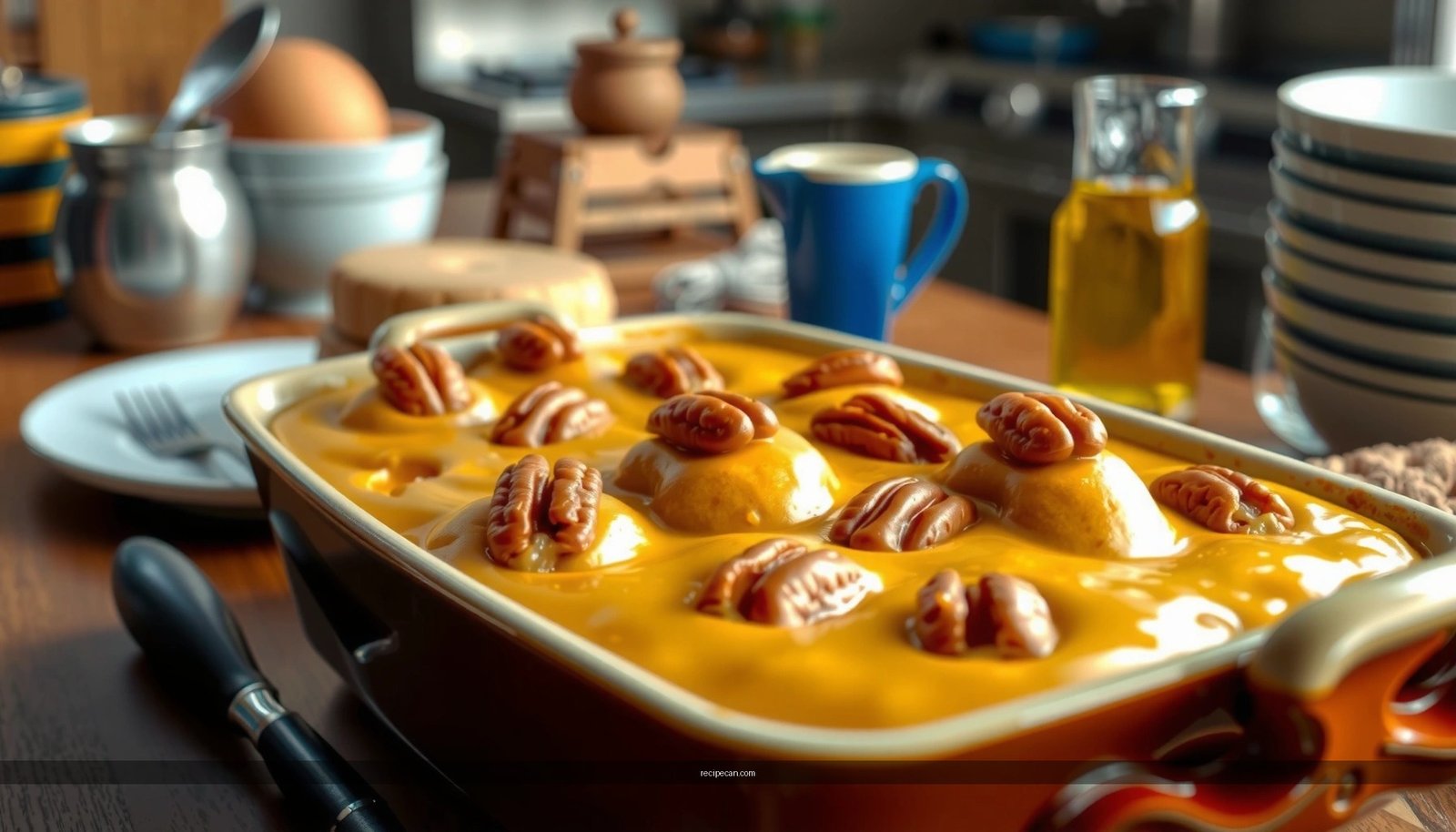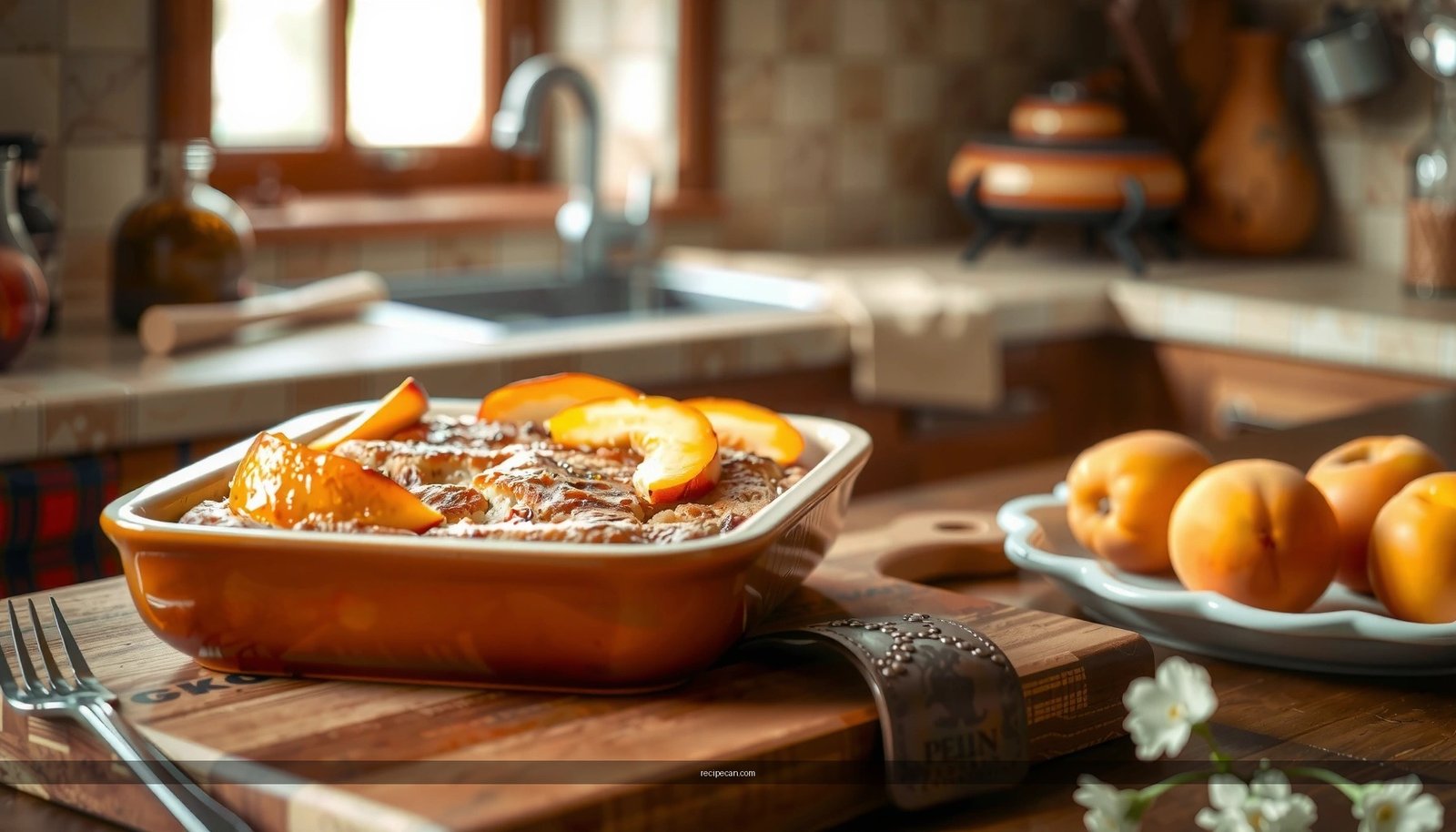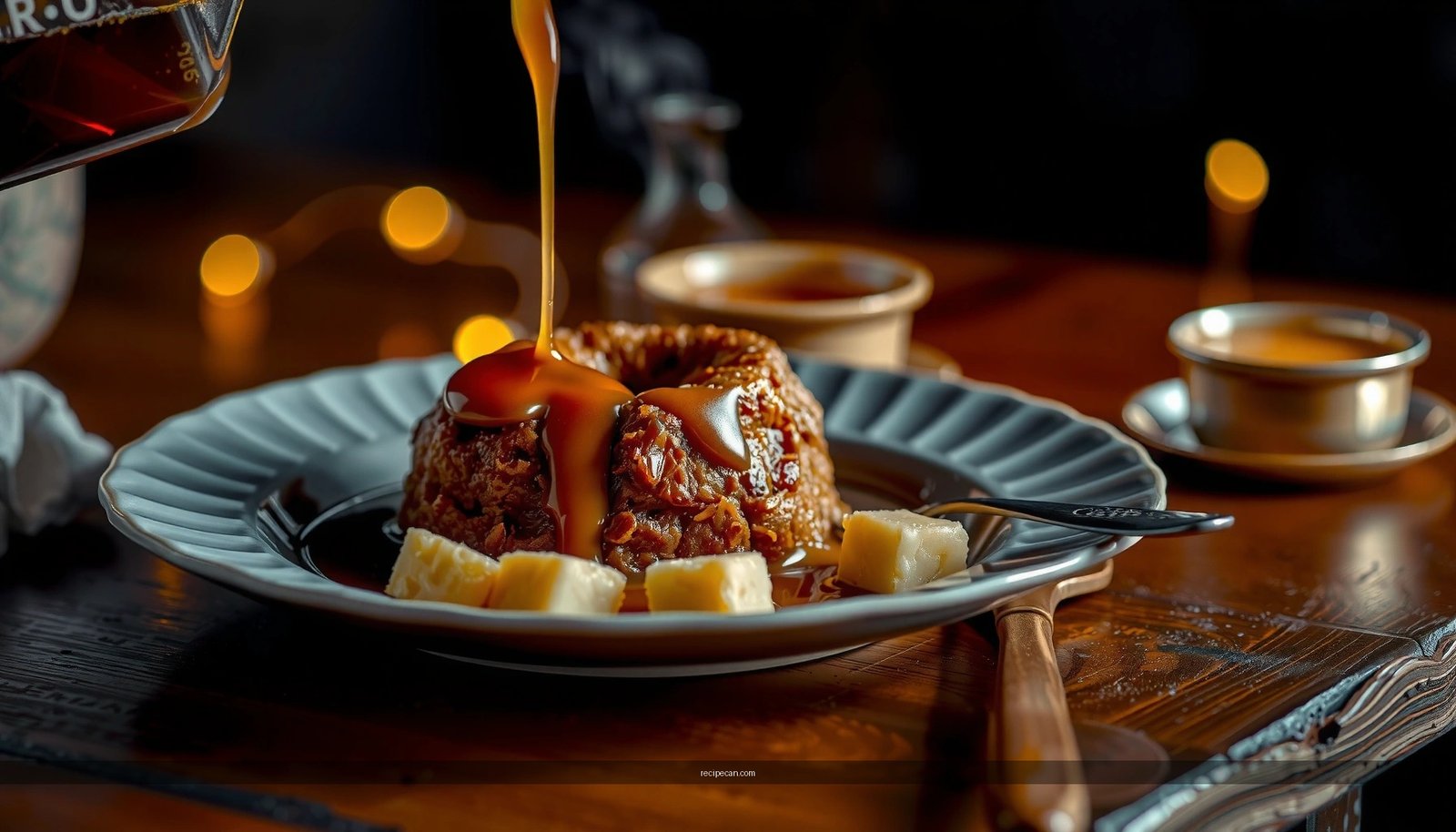
This rum sauce for bread pudding recipe delivers the clear winner: a glossy, pour-over rum sauce that soaks in fast without turning bitter. You’ll get a straightforward method, precise flavor balance, and a rich texture that elevates classic bread pudding from good to restaurant-level. If you want the best way to pour over and serve immediately, this is the one.
This rum sauce recipe turns bread pudding into a rich, glossy, pour-over dessert in minutes—by simmering rum, butter, sugar, and heavy cream until smooth and spoonable. You’ll get the right flavor balance (warm rum aroma without overpowering), the correct thickness for drizzling, and the best serving method so every bite soaks it up.
Ingredients for Rum Sauce for Bread Pudding

A great bread pudding rum sauce is essentially a classic quick custard-adjacent syrup: fats (butter/cream) carry flavor and help create a velvety coating, while sugar adds caramel notes and viscosity. Use dark rum or spiced rum for deeper flavor, and keep the ratio flexible so you can tune the boozy intensity to your household.
– Dark or spiced rum (to taste): Dark rum brings caramel, vanilla, and toasted oak notes; spiced rum adds cinnamon, clove, and citrus peel. Start with less than you think you want—rum concentrates as it heats.
– Butter (for body and shine): Helps emulsify the sauce and gives that glossy “restaurant” finish.
– Granulated sugar (for sweetness + thickness): Dissolves as you simmer and slightly thickens the sauce without needing flour or cornstarch.
– Heavy cream (for silkiness): Softens sharp alcohol notes and rounds the sauce. Full-fat cream also helps the sauce cling to warm bread pudding.
Optional upgrades (high impact, low effort)
– Vanilla extract (½–1 tsp): Enhances vanilla-caramel notes that pair naturally with rum and bread.
– Fine salt (pinch): Makes the sweetness taste more “layered” and prevents the sauce from tasting flat.
– Cornstarch slurry (only if needed): If you prefer a thicker pour that barely runs, add a teaspoon of cornstarch mixed with a little cold cream and simmer briefly.
Rum Sauce Style Guide (Recommended Starts for Bread Pudding)
| # | Sauce Target | Rum Type | Starting Rum (Tbsp) | Simmer Goal (Minutes) | Best for | Rating |
|---|---|---|---|---|---|---|
| 1 | Classic Pour-Over | Dark rum | 3 | 3–4 | Even soaking & shine | ★★★ |
| 2 | Boozy-Forward | Spiced rum | 4 | 2–3 | Strong rum aroma | ★★★★ |
| 3 | Dessert-Party Balanced | Dark rum | 2.5 | 3 | Crowd-pleasing sweetness | ★★★★ |
| 4 | Thick Drizzle (Slightly Set) | Dark rum | 3 | 5–6 | Sits on top & clings | ★★★★ |
| 5 | Lighter Pour (More Absorption) | Light/anejo blend* | 2 | 2–3 | More soaking, less cling | ★★★☆ |
| 6 | Spice-Forward Warmth | Spiced rum | 2.5 | 3–4 | Pairs with nutmeg/cinnamon | ★★★★ |
| 7 | Too-Bold Fix (If It’s Overpowering) | Any | — | Add 1–2 min | Round with extra cream | ★★☆☆ |
For “lighter pour,” use a rum labeled “light” or “anejo blend” if your dark rum is very intense.
How to Make Rum Sauce (Step-by-Step)
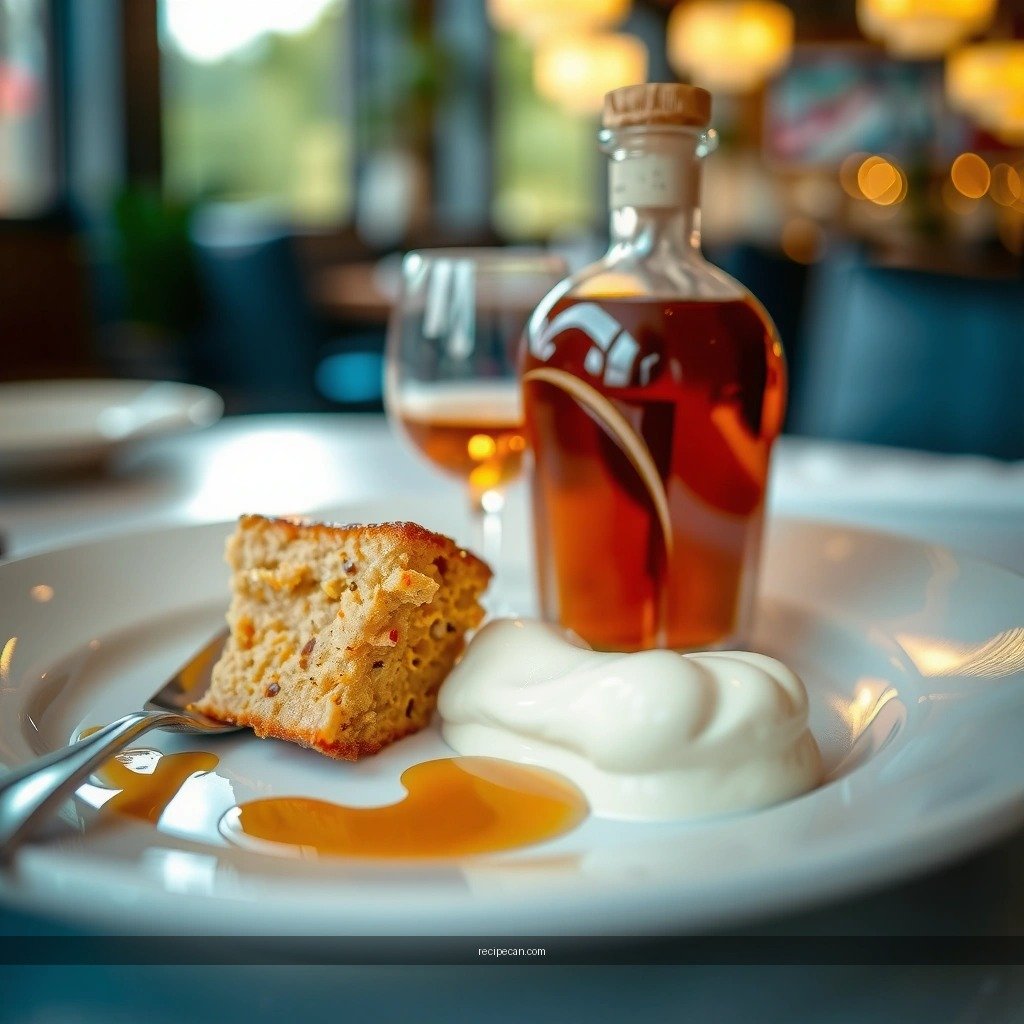
The method is straightforward: create a smooth base with butter, sugar, and cream; then add rum last so you preserve aroma. This order is crucial—rum’s volatile top notes fade with long heating, while the off-heat addition keeps the sauce fragrant.
1. Combine the base ingredients: In a small saucepan, melt butter over low to medium-low heat. Add sugar and heavy cream, stirring until the mixture looks uniform.
2. Warm gently until sugar dissolves: Keep stirring and let the mixture come to a gentle simmer. You’re aiming for dissolved sugar, not a hard boil. If you see graininess, reduce heat and continue stirring.
3. Simmer briefly to thicken: Let it simmer for 2–4 minutes, depending on how thick you want the sauce to be. A spoon dipped in should coat lightly.
4. Add rum off the heat: Remove the saucepan from the burner, then stir in rum (and vanilla if using). This helps maintain a more pronounced “rum perfume” rather than a purely cooked aroma.
5. Adjust before serving: If too thick, whisk in 1–2 tablespoons cream. If too thin, return to heat for 30–60 seconds and stir constantly.
Professional texture cue: the sauce is ready when it looks glossy and slightly viscous, similar to warm maple syrup—not watery cream.
Getting the Right Thickness and Flavor
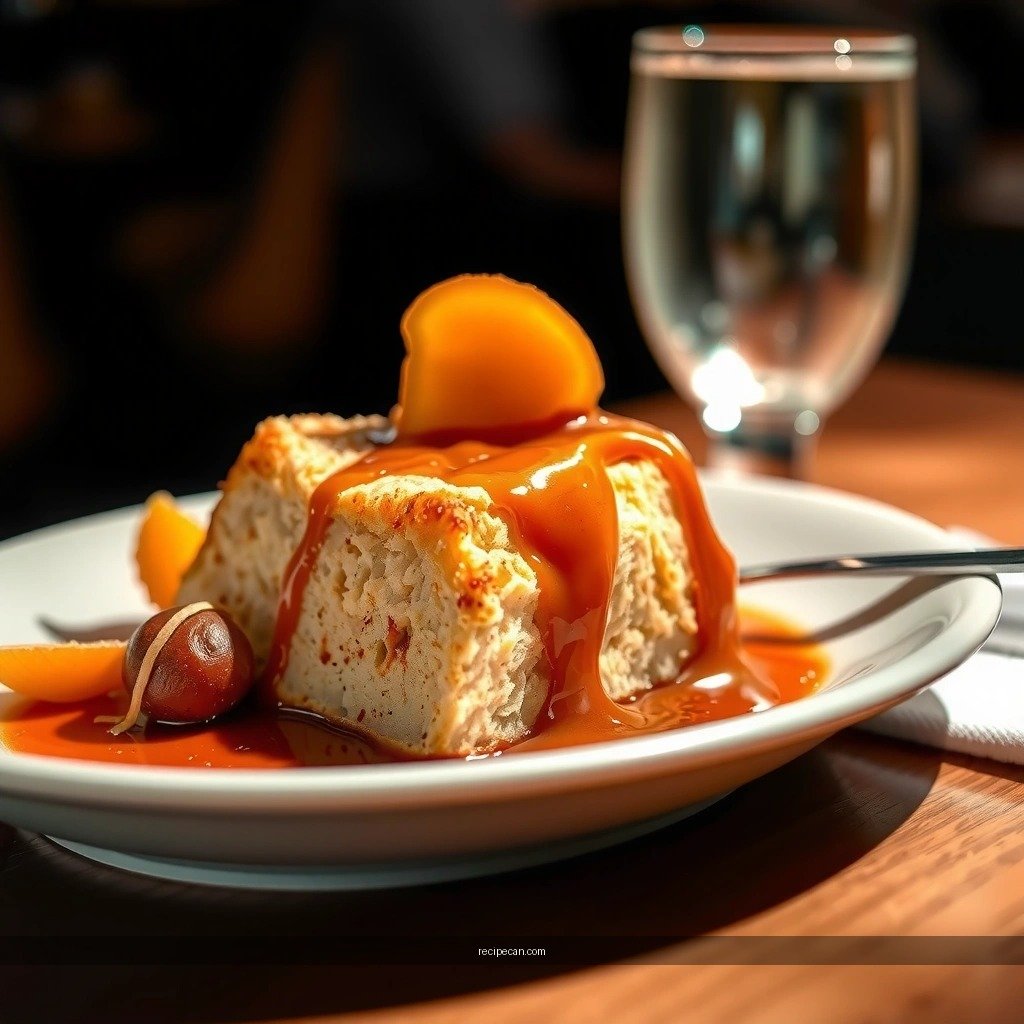
Rum sauce thickness directly affects how the bread pudding experience changes from “good” to “wow.” Too thin and it runs off; too thick and it won’t soak evenly. The good news: thickness is easy to control because your sauce thickens as sugar dissolves and water evaporates, then thins when you add cream.
Thickness adjustments (fast, reliable)
– Thicker sauce: Simmer longer—typically in 30–60 second increments—until it coats the back of a spoon more heavily.
– Thinner sauce: Add cream a teaspoon or tablespoon at a time. Whisk until smooth.
Flavor balance (where most people overcorrect)
Rum can taste harsh if it’s too hot or too concentrated. To get the ideal balance:
– Taste the sauce after you add rum, not before. The rum flavor softens and blooms once integrated.
– Increase rum gradually if you want more boozy depth; the base is easy to overshoot.
– If your sauce is tasting flat or overly sweet, add a tiny pinch of salt—it’s a common “chef trick” for perceived complexity.
Practical tasting method
Spoon a teaspoon onto a small plate and wait 20–30 seconds. The flavor will read differently as it cools slightly, helping you decide whether you need more rum, more sugar, or more cream.
Best Ways to Serve Rum Sauce with Bread Pudding
This sauce is designed for warm bread pudding + warm sauce. Serving temperature drives absorption: warm bread pudding is porous and receptive, while warm rum sauce stays fluid enough to spread through custard-soaked crumbs.
– Pour warm sauce over warm bread pudding right before serving for maximum absorption and a clean presentation.
– Use a gradual pour: Start with 2–3 tablespoons per serving, let it settle for a minute, then add more if desired.
– Plate with intent: If you want defined portions, drizzle lightly; if you want “pooling” richness, pour more generously.
Pairing options (and why they work)
– Vanilla ice cream: The cold dairy contrasts the warm boozy sweetness, boosting vanilla-cream notes.
– Whipped cream: Adds lightness and helps the rum sauce feel less heavy.
– Toasted nuts (pecans or walnuts): Introduce crunch and a nutty caramel echo that complements dark rum.
Service timing checklist
– Bread pudding out of the oven: 10–15 minutes rest
– Rum sauce: kept warm and pourable
– Pour: just before serving to preserve texture contrast
Make-Ahead, Reheating, and Storage Tips
Rum sauce stores well because it’s mostly dairy + sugar emulsified with butter. However, it can thicken as it cools, so rewarm gently.
Make-ahead
– Cool to room temperature, cover, and refrigerate in an airtight container.
– Aim to make it up to 3 days ahead for best flavor consistency.
Reheating
– Rewarm on low heat, stirring frequently.
– If it becomes too thick, whisk in a splash of cream until it becomes pourable again.
Storage
– Refrigerate leftovers in an airtight container.
– For food-safety and best quality, use within 2–4 days.
Avoid these common issues
– Don’t boil during reheating—boiling can mute aroma and sometimes cause separation.
– Stir steadily as it warms to keep the emulsion smooth.
Alcohol-Free or Low-Rum Alternatives
If you need an alcohol-free dessert (family-friendly events, workplace functions, or personal preference), you can still capture the classic “rum raisin” depth.
– Use rum extract or non-alcoholic rum: Add slowly and taste as you go; extracts are often more concentrated than you expect.
– Adjust sweetness and spices: Add extra vanilla and a hint of cinnamon or nutmeg to recreate the warm, aromatic profile that alcohol naturally carries.
– Simmer longer (only if needed): If using alcohol-free substitutes that don’t evaporate the same way, you may need slightly more warming to integrate flavors—but keep it gentle to avoid scorching dairy.
Low-rum approach (best compromise)
– Use half the rum amount and increase vanilla and a pinch of salt. You’ll still get the signature flavor family without going heavy on boozy notes.
Warm your bread pudding, make this rum sauce until it turns glossy, and pour it over right before serving for the best texture and flavor. Try the recipe once as written, then adjust rum amount and thickness to match your taste—save it for your next weekend dessert.
By the end, you’ll have a dependable method: build a smooth butter-sugar-cream base, simmer just enough for body, add rum off heat to preserve aroma, and serve warm for maximum soak. Once you master the texture and balance, this pour-over rum sauce becomes your go-to finishing touch for bread pudding—elevating both traditional and flavor-enhanced variations with minimal effort.
Frequently Asked Questions
What is rum sauce for bread pudding and what does it taste like?
Rum sauce for bread pudding is a warm, pourable sauce made with rum (usually dark or spiced) plus butter, sugar, and cream or milk. When simmered gently, it creates a caramel-like sweetness with a noticeable but mellow rum flavor. It’s designed to soak into the bread pudding and boost vanilla, cinnamon, and custard notes without tasting harsh.
How do I make rum sauce for bread pudding without curdling or separating?
Use low heat and temper the dairy if your recipe includes cream or milk that’s not warmed. Combine butter and sugar first, then slowly whisk in warmed cream while keeping the heat at a gentle simmer. If you’re adding egg yolks (some richer rum sauces do), cook until thickened while stirring constantly and remove from heat immediately to prevent scrambling.
Why does rum sauce for bread pudding sometimes taste too strong or bitter?
Over-reducing rum or using very hot alcohol in the sauce can concentrate the flavor until it tastes sharp or bitter. Make sure you simmer only until the sauce slightly thickens, not until it becomes syrupy. Also, choose a rum with a flavor profile you like—spiced rum often feels smoother than a very dry, high-proof rum.
Best way to serve rum sauce for bread pudding—hot or cold?
Most people prefer rum sauce warm because it melts slightly into the bread pudding and improves moisture and aroma. Serve it right after making (or reheat gently) so the butter and sugar stay pourable. If you want a thicker drizzle, let it cool briefly, but keep it warm enough to spoon easily.
Which rum is best for bread pudding rum sauce: dark, spiced, or light?
Dark rum is a popular choice because it adds deep caramel and vanilla-like notes that pair well with custardy bread pudding. Spiced rum works beautifully if you want extra warmth from cinnamon or clove without adding additional spices. Light rum can also work for a cleaner, subtler flavor, but you may need a touch more vanilla or brown sugar to match the richness of classic rum sauce.
References
- Bread pudding
https://en.wikipedia.org/wiki/Bread_pudding - Custard
https://en.wikipedia.org/wiki/Custard - Sauce
https://en.wikipedia.org/wiki/Sauce - Cooking with alcohol
https://en.wikipedia.org/wiki/Cooking_with_alcohol - Rum
https://en.wikipedia.org/wiki/Rum - https://en.wikipedia.org/wiki/Glaze_(cooking
https://en.wikipedia.org/wiki/Glaze_(cooking - https://en.wikipedia.org/wiki/Vanilla_sauce
https://en.wikipedia.org/wiki/Vanilla_sauce - Google Scholar Google Scholar
https://scholar.google.com/scholar?q=rum+sauce+for+bread+pudding - Google Scholar Google Scholar
https://scholar.google.com/scholar?q=bread+pudding+rum+%22rum+cream%22+sauce - Google Scholar Google Scholar
https://scholar.google.com/scholar?q=cooking+with+alcohol+evaporation+flavor+retention