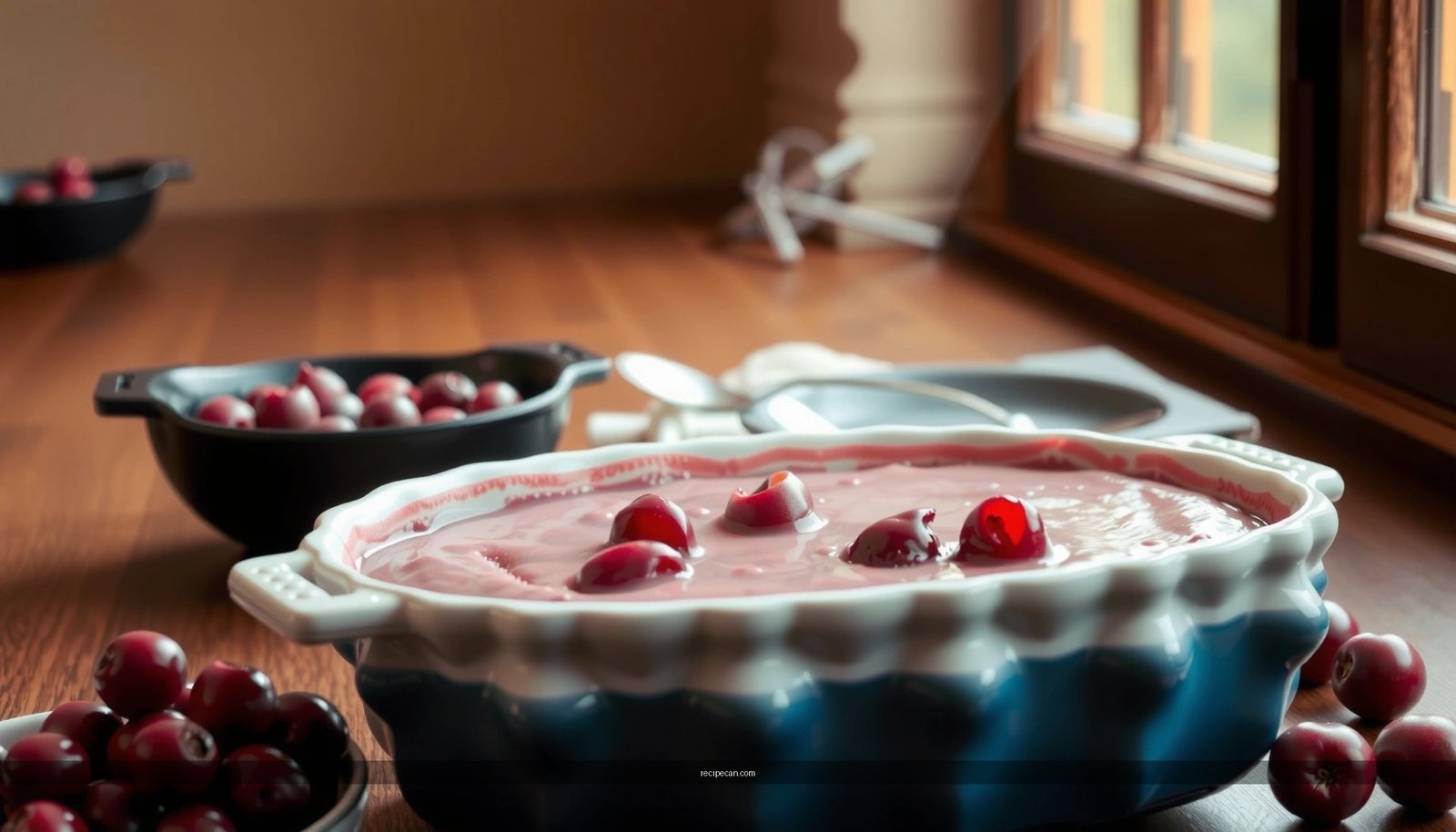
Here’s the best cranberry pudding recipe for getting a tender, sliceable result with bright, not-too-sweet tartness. Follow the steps to make the pudding from scratch and bake it to the exact texture—custardy in the center, set around the edges. Want a dependable holiday dessert? This is the cranberry pudding method that delivers.
This cranberry pudding recipe delivers a dependable, spoonable dessert by combining tart cranberries with a custardy, tender baked base—no complicated technique required. You’ll follow simple preparation steps (including brief simmering or sweet-tossing the berries) to achieve a well-set center with a gentle jiggle, plus timing guidance so your pudding turns out reliably every time.
Ingredients for Cranberry Pudding
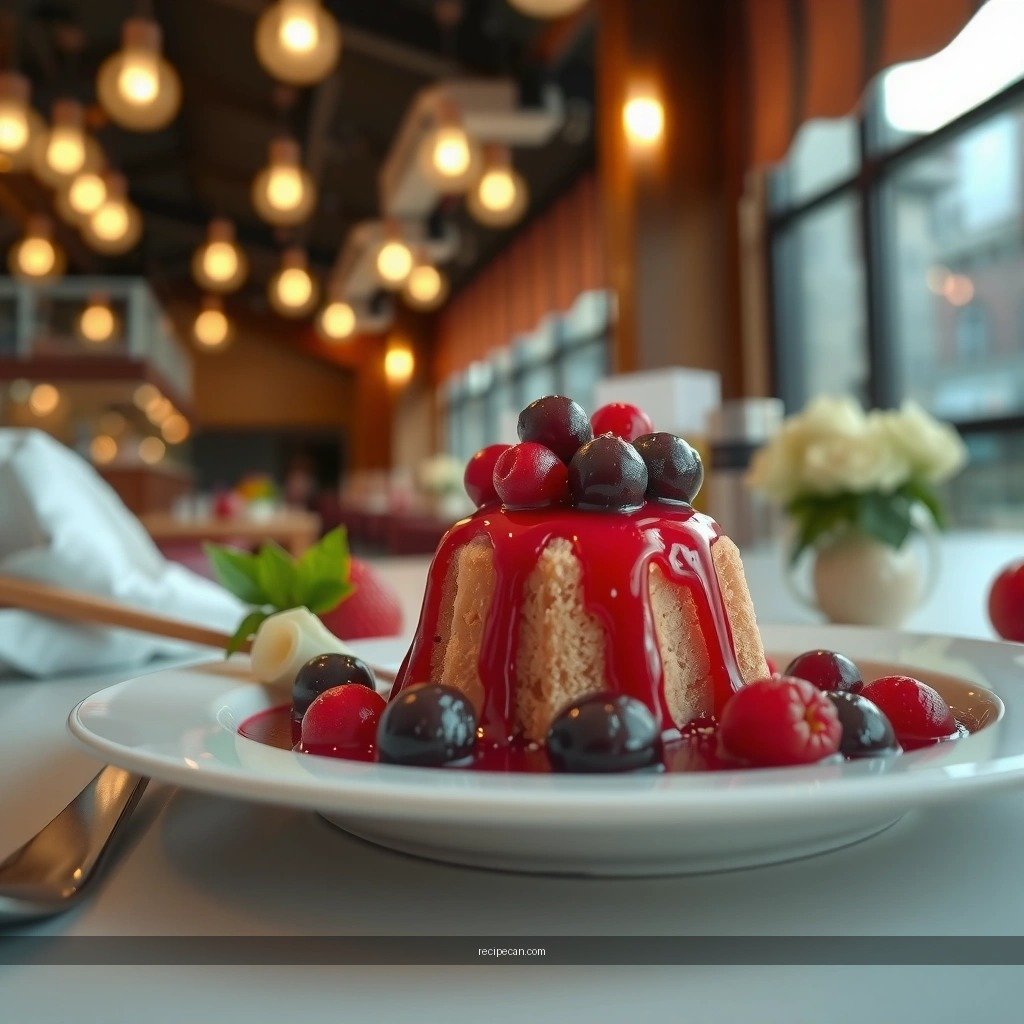
– Gather fresh or frozen cranberries, sugar (to balance tartness), and baking staples like flour and eggs
– Use butter or a neutral oil for richness, plus milk or cream for the pudding texture
A successful cranberry pudding is primarily about balancing acidity, structure, and moisture. Cranberries contribute sharp flavor and natural tartness; the pudding base supplies a mild sweetness and thick, custard-like set. Below is a practical ingredient set that works well for most home ovens.
Core ingredients (a standard 8×8-inch / 20×20 cm dish):
– Cranberries: 2 cups (about 300 g) fresh or frozen
– Sugar: 1/2 to 3/4 cup (100–150 g), depending on your preferred tartness
– All-purpose flour: 1/2 cup (60 g)
– Baking powder: 1 to 2 tsp (for light lift and a more forgiving set)
– Salt: 1/4 tsp (enhances flavor and rounds out acidity)
– Eggs: 2 large (binds and thickens during baking)
– Butter (melted) or neutral oil: 4 tbsp (56 g)
– Milk (or a mix with cream): 1 1/4 cups (300 ml)
– Vanilla extract (optional but recommended): 1 tsp
– Orange zest (optional): 1–2 tsp (amplifies cranberry flavor without adding extra tang)
Why these choices work:
– Flour + eggs build structure so the pudding sets rather than becoming a watery bake.
– Milk/cream provides the custardy texture; cream increases richness and smoothness.
– Butter/oil improves mouthfeel and helps the crumb stay tender.
– Acid balance (sugar + salt) is critical—too little sugar makes the berries dominate; too much turns the dessert flat.
📊 DATA
Cranberry Pudding Batch Planning (8×8-inch / 20×20 cm)
| # | Ingredient | Amount | What It Does | Quality Signal |
|---|---|---|---|---|
| 1 | Cranberries (fresh/frozen) | 2 cups (300 g) | Flavor + tart “burst” | Berries soften but still hold shape |
| 2 | Sugar | 1/2–3/4 cup (100–150 g) | Balances acidity | Start at 1/2 cup for tart; add to taste |
| 3 | All-purpose flour | 1/2 cup (60 g) | Sets the pudding base | Smooth batter, no lumps |
| 4 | Baking powder | 1–2 tsp | Lightens texture | Pudding lifts slightly, not dense |
| 5 | Eggs | 2 large | Custard thickener | Center is set with gentle jiggle |
| 6 | Milk / milk-cream blend | 1 1/4 cups (300 ml) | Moisture + tender crumb | Texture is spoonable, not rubbery |
| 7 | Butter / neutral oil | 4 tbsp (56 g) | Richness + softness | Grease separated = batter overmixed or too hot |
Step-by-Step Cranberry Pudding Instructions
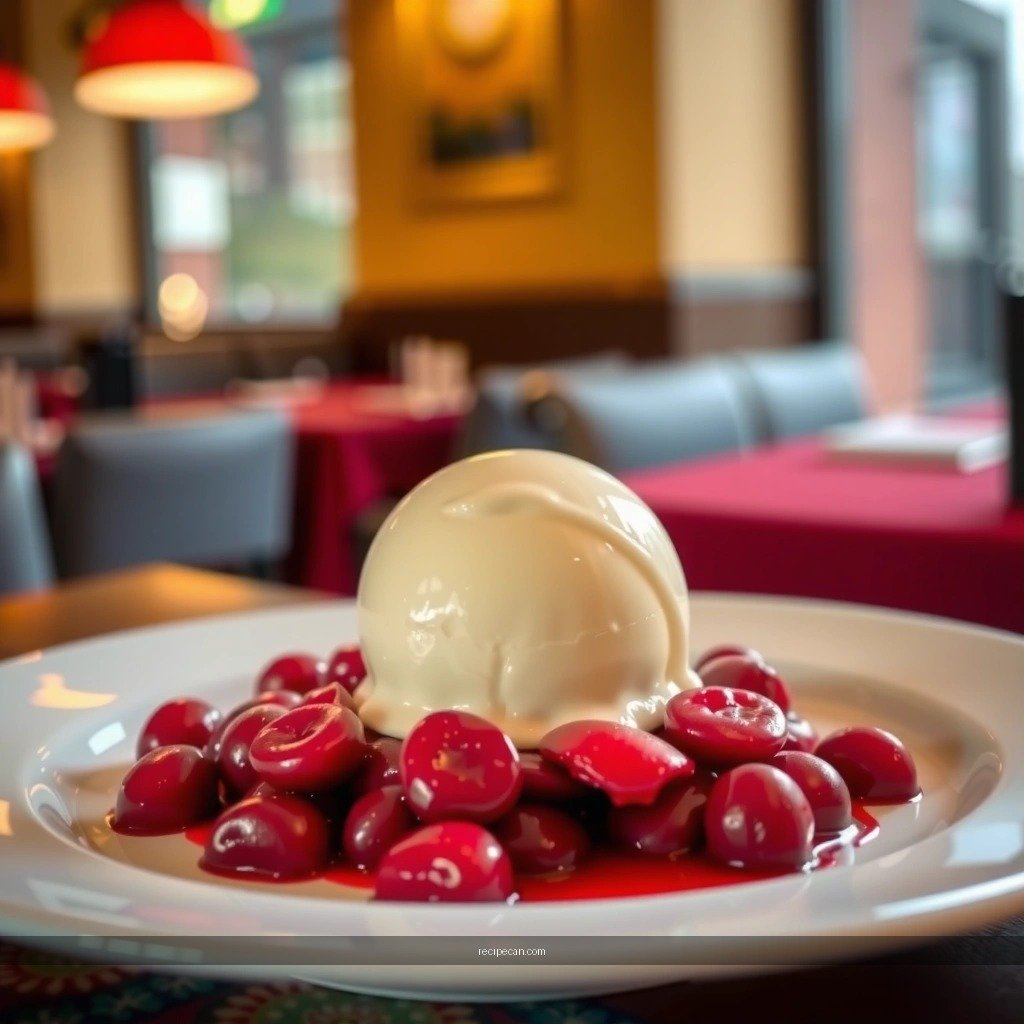
– Prepare the cranberries (simmer briefly or toss with sugar) to help them soften during baking
– Mix the pudding base until smooth, fold in cranberries, and bake until set in the center
This recipe succeeds when you respect two phases: (1) berry conditioning and (2) gentle custard assembly.
1) Prepare the cranberries
Choose one method:
Option A: Quick simmer (best for frozen berries)
1. Combine cranberries with 2–3 tbsp of the sugar and a splash of water (about 2 tbsp).
2. Simmer for 5 minutes, just until berries begin to soften and juices release.
3. Cool slightly while you mix the batter.
Option B: Sugar toss (best for fresh cranberries)
1. Toss cranberries with the sugar in a bowl.
2. Let sit 10–15 minutes so juices form and the berries start to break down.
Why this matters: you’re pre-softening the berries so they don’t fight the baking time. That results in a more uniform cranberry distribution and fewer “raw” pops of tartness.
2) Mix the pudding base
1. Preheat oven to 350°F / 175°C. Grease an 8×8-inch (or similarly sized) baking dish.
2. Whisk flour, baking powder, and salt in a bowl.
3. In a separate bowl, whisk eggs until smooth.
4. Whisk in melted butter (or oil), vanilla (if using), and milk/cream.
5. Add dry ingredients to wet ingredients and whisk just until smooth. Avoid overmixing; you’re aiming for a creamy, pourable batter, not developing gluten.
3) Combine and bake
1. Fold the prepared cranberries (including any juice) into the batter.
2. Pour into the prepared dish and spread evenly.
3. Bake 35–45 minutes, depending on your dish depth and oven calibration.
4) Rest for the correct set
Let the pudding rest 10–15 minutes before serving. Cranberry pudding continues to thicken as it cools slightly, making the final texture more cohesive and less loose.
Baking Tips for Perfect Texture
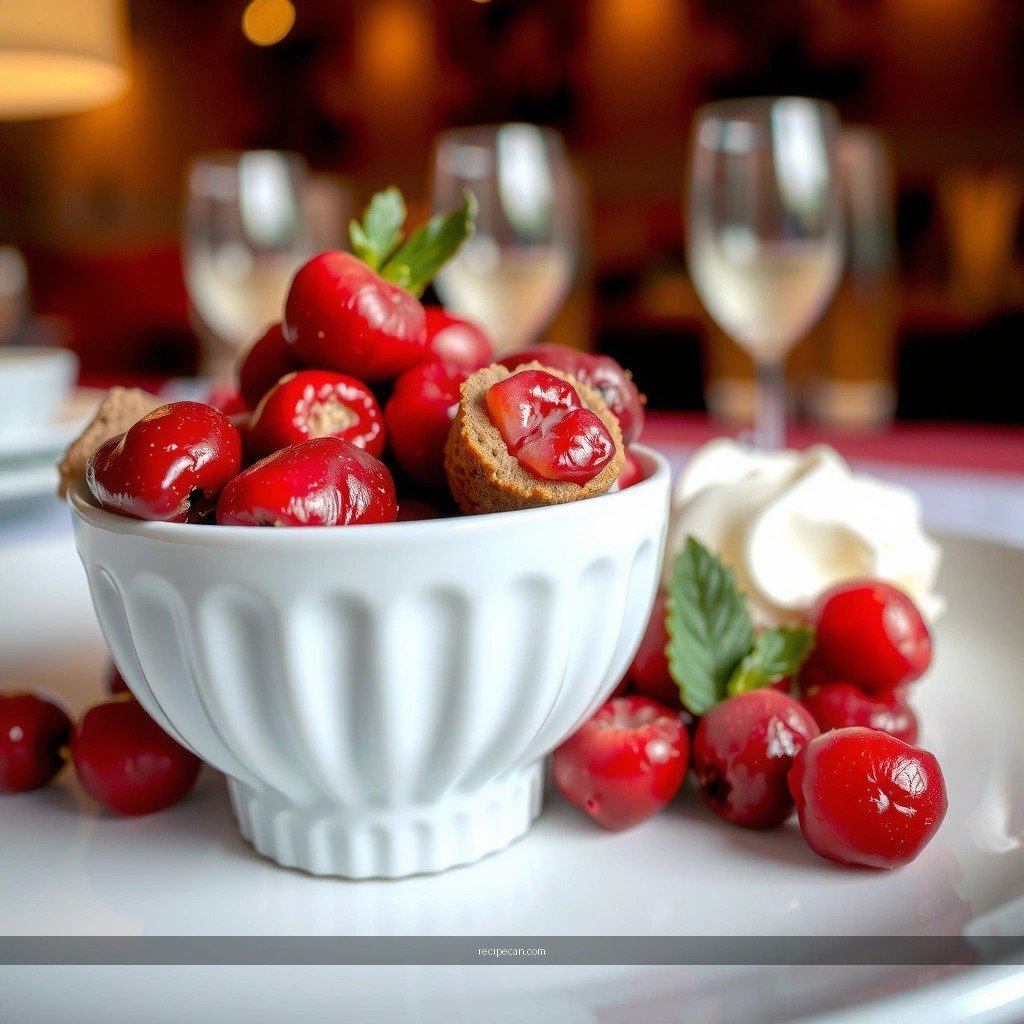
– Bake in an appropriately sized dish to ensure the pudding sets without drying out
– Check doneness with a toothpick or by lightly shaking—there should be slight jiggle, not raw batter
Texture control is the difference between a “baked custard” and a “watery bake.” Use these professional, repeatable checks.
Correct doneness (what you’re looking for)
– Edges: set and slightly puffed.
– Center: should have a gentle jiggle—like soft custard—rather than sloshing like batter.
– Toothpick test: insert near the center; you’ll typically see moist crumbs (not wet batter).
Timing guidance by dish and berry state
– Shallow dish / glass: start checking at 32–35 minutes.
– Deep dish / ceramic: start checking at 40 minutes.
– Frozen berries: often need closer to 40–45 minutes, especially if berries were not simmered.
Common failure modes (and fixes)
– Pudding is too loose after baking: bake 5–8 minutes longer and rest longer next time. Eggs continue to set during the rest.
– Top is browned but center is underdone: tent loosely with foil and bake 5–10 minutes more.
– Texture is dry or rubbery: reduce bake time by 5–10 minutes next attempt or confirm oven temperature (many home ovens run hot).
Variations on Cranberry Pudding
– Add orange zest or vanilla for a bright, seasonal flavor boost
– Substitute dried cranberries (reduce added sugar) for a more concentrated taste
Cranberry pudding is flexible; small adjustments let you tailor sweetness level and aroma.
Flavor upgrades
1) Orange zest + optional juice
– Add 1–2 tsp orange zest to the batter.
– If you want a more “holiday” profile, add 1–2 tsp orange juice (reduce milk by an equivalent amount to keep batter consistency).
2) Vanilla and warm spices
– Vanilla pairs naturally with cranberries.
– Optional: 1/2 tsp cinnamon or 1/4 tsp nutmeg for a warmer, dessert-shop style aroma.
Berry substitutions
Dried cranberries
– Use 1 1/2 cups (about 200–220 g) dried cranberries.
– Reduce added sugar by 1–4 tbsp, depending on how sweet your dried cranberries are.
– Consider soaking dried cranberries in warm water or juice for 10 minutes, then drain slightly so the pudding doesn’t become overly wet.
Texture-focused tweaks
– For a thicker, more sliceable outcome: use slightly less milk (reduce by 2–3 tbsp).
– For a silkier spoon pudding: increase milk by 2–3 tbsp and bake until the jiggle criterion is met.
Serving Suggestions
– Serve warm with whipped cream, vanilla ice cream, or custard sauce
– Pair with a light drizzle of berry sauce if you want extra cranberry flavor
Serving is where cranberry pudding turns from “just baked” to “event dessert.”
Top recommendations:
– Warm + whipped cream: light, contrasts with tartness, and highlights the cranberry brightness.
– Vanilla ice cream: adds temperature contrast and rounds out acidity.
– Custard sauce or crème anglaise: intensifies the custardy character of the pudding base.
Optional cranberry sauce (fast option):
– Simmer extra cranberries with a little sugar and water until syrupy, then spoon over slices.
– Keep it light—too much sauce can blur the pudding’s natural texture.
Presentation tip: Let the pudding rest, then serve with a spoonful that includes both batter and cranberries. That ensures every bite is balanced rather than berry-heavy or base-only.
Storage and Reheating
– Store leftovers covered in the fridge for up to 3 days
– Reheat gently in the oven or microwave to restore a soft, pudding-like texture
Cranberry pudding keeps well because it’s egg-based and moisture-retentive.
Storage
– Cool completely, then cover tightly.
– Refrigerate for up to 3 days.
– For best texture, avoid freezing; eggs can sometimes produce a slightly grainier set after thawing.
Reheating (texture-first method)
Microwave (quickest):
1. Place a serving portion in a microwave-safe dish.
2. Add 1–2 tbsp milk or water around the edges to rehydrate.
3. Heat in 20–30 second intervals until warm.
Oven (best texture):
1. Preheat to 300°F / 150°C.
2. Cover loosely with foil.
3. Heat 10–15 minutes until warmed through.
The goal is to bring it back to a soft, spoonable state—not to overbake.
Warm, tart, and comforting, this cranberry pudding recipe delivers reliable results with straightforward steps and easy customization. Make it today, follow the baking tips for the best texture, and serve it warm with your favorite topping for a dessert everyone will ask for again.
Cranberry pudding is a practical go-to for anyone who wants a cozy, restaurant-quality dessert without complicated preparation. By pre-softening the cranberries, mixing a smooth custard base, and baking until the center shows a gentle jiggle, you’ll consistently achieve tender texture and balanced tart-sweet flavor—then elevate it with simple citrus, vanilla, or a quick berry sauce.
Frequently Asked Questions
What’s an easy recipe for cranberry pudding?
A simple cranberry pudding recipe usually combines bread or cake cubes, milk, eggs, sugar, vanilla, and a cranberry mixture (fresh or frozen cranberries simmered with sugar until thick). You’ll layer the pudding base with the cranberry sauce, then bake until the center is set and the top is lightly golden. For best results, let the mixture sit for 10–15 minutes before baking so the bread absorbs the custard, creating a tender cranberry pudding texture.
How do you make cranberry pudding from scratch without it getting watery?
To prevent watery cranberry pudding, cook the cranberries until the sauce reduces and thickens before mixing or layering. Use thickening support like cornstarch (stir into the simmering cranberry mixture) and don’t underbake—the pudding should jiggle slightly but not look loose in the center. Also, make sure you’re using the right bread/cake base and the correct liquid ratio for a classic baked custard-style cranberry pudding.
Why does my cranberry pudding turn out rubbery, and how can I fix it?
Rubberiness usually comes from overbaking or overmixing the custard, which can make the eggs set too firmly. Bake just until the center is set (often around 35–50 minutes depending on your dish size), and check with a toothpick or gentle jiggle test. For a softer cranberry dessert, use room-temperature ingredients and avoid pressing down on the bread/cake as it bakes.
Which is the best way to use fresh vs. frozen cranberries in pudding?
Fresh cranberries work well when simmered with sugar until they burst and thicken, then cooled slightly before adding to your pudding. Frozen cranberries are convenient and can go straight into a saucepan; just simmer longer to drive off extra moisture so your cranberry pudding doesn’t turn watery. Either way, taste and adjust sweetness—cranberries vary in tartness, and the right balance improves the flavor of cranberry pudding.
What’s the best topping or sauce to serve with cranberry pudding?
The best toppings for cranberry pudding are warm or lightly sweet complements that enhance the tart flavor, like vanilla custard, sweetened whipped cream, or a drizzle of caramel. You can also spoon extra cranberry sauce over each serving for a richer, more “cranberry-forward” dessert. If you want a classic feel, serve it warm with ice cream or thick vanilla yogurt to create a creamy contrast to the tangy cranberries.
References
- Google Scholar Google Scholar
https://scholar.google.com/scholar?q=cranberry+pudding+recipe - Google Scholar Google Scholar
https://scholar.google.com/scholar?q=cranberry+pudding+steamed+pudding+recipe - Google Scholar Google Scholar
https://scholar.google.com/scholar?q=cranberry+dessert+pudding+history+recipe - Cranberry sauce
https://en.wikipedia.org/wiki/Cranberry_sauce - Pudding
https://en.wikipedia.org/wiki/Pudding - https://en.wikipedia.org/wiki/Steamed_pudding
https://en.wikipedia.org/wiki/Steamed_pudding - Cranberry
https://en.wikipedia.org/wiki/Cranberry - Pudding | Definition, Types, & Ingredients | Britannica
https://www.britannica.com/topic/pudding - Cranberry | Plant, Fruit, Description, Cultivation, Facts, & Species | Britannica
https://www.britannica.com/plant/cranberry - USDA FoodData Central
https://fdc.nal.usda.gov/