Find the best pumpkin spice pudding recipes that deliver quick, creamy fall flavor without the fuss. This guide picks the easiest approach for consistent texture—no curdling, no grainy pudding—using dependable ingredients and simple steps. Whether you want a make-ahead dessert for weeknights or a crowd-pleasing finish, you’ll get the winners that actually work.
Pumpkin spice pudding is easiest to nail when you thicken a smooth pumpkin base correctly and then control heat long enough to achieve a spoonable, creamy texture. Below, you’ll find dependable classic stovetop pudding instructions and quick no-bake options, plus practical troubleshooting so your fall dessert turns out rich every time—from first spoon to final bite.
Pumpkin spice pudding recipes are simple to make with a smooth, creamy pumpkin base and warm spices like cinnamon and nutmeg. In this guide, you’ll find reliable ways to make classic stovetop pudding and easy no-bake versions, plus tips to get the perfect texture every time.
Classic Stovetop Pumpkin Spice Pudding
– Cook the pumpkin, milk, and spices until fragrant and well combined
– Thicken with cornstarch (or a similar thickener) for a silky spoonable texture
Classic stovetop pumpkin spice pudding is the version that delivers the most “from-scratch custard” flavor and texture—because you cook the spices into the base and you control thickening precisely. The key is gentle heat and the right thickener ratio, so the pudding turns glossy and smooth instead of grainy.
How to build flavor (not just sweetness)
Start by whisking your pumpkin purée with milk (or a portion of cream, if you want a richer pudding). Add cinnamon, nutmeg, and usually a pinch of ginger or cloves. Cook just until fragrant, stirring regularly so the pumpkin base doesn’t scorch at the bottom. This step matters because pumpkin spice flavor is more rounded when the spices are warmed through, not just sprinkled at the end.
How to thicken without lumps
Cornstarch (most common) creates a silky texture when it’s heated fully. Whisk cornstarch with a small amount of cold milk first (or slurry it in a separate bowl) so it dissolves before it hits the hot mixture. Then add it gradually while whisking the pot. Once it reaches a simmer, cook briefly (typically 1–3 minutes) until it thickens and looks glossy.
Cooling strategy for best texture
After thickening, remove the pudding from heat and stir in vanilla. For an extra-silky finish, press plastic wrap directly onto the surface while it cools, preventing a skin from forming. When you chill, the pudding becomes thicker—so avoid overcooking at the stovetop stage.
Quick guidance for consistency
– If your pudding looks loose right after thickening, it will set more in the refrigerator.
– If it’s already very thick at the pot stage, chilling may make it too firm for spooning.
Thickener Choices for Pumpkin Spice Pudding (Cooked Base)
| # | Thickener | Use (per 2 cups liquid) | Typical simmer time | Fridge stability | Texture Rating |
|---|---|---|---|---|---|
| 1 | Cornstarch | 1/4 cup slurry | 2–3 min | 3–4 days | ★★★★★ |
| 2 | Arrowroot | 1/4 cup slurry | 1–2 min | 2–3 days | ★★★★☆ |
| 3 | Tapioca starch | 3 tbsp | 3–5 min | 2–4 days | ★★★★☆ |
| 4 | All-purpose flour | 3–4 tbsp | 6–8 min | 2–3 days | ★★★☆☆ |
| 5 | Egg yolks (custard) | 3–5 yolks | 8–12 min | 2–3 days | ★★★☆☆ |
| 6 | Instant pudding mix | 1 standard box | 5–10 min | 3–4 days | ★★★★☆ |
| 7 | Gelatin (firm set) | 1–2 tsp bloomed | Not simmered | 1–2 days | ★★☆☆☆ |
No-Bake Pumpkin Spice Pudding (Quick Method)
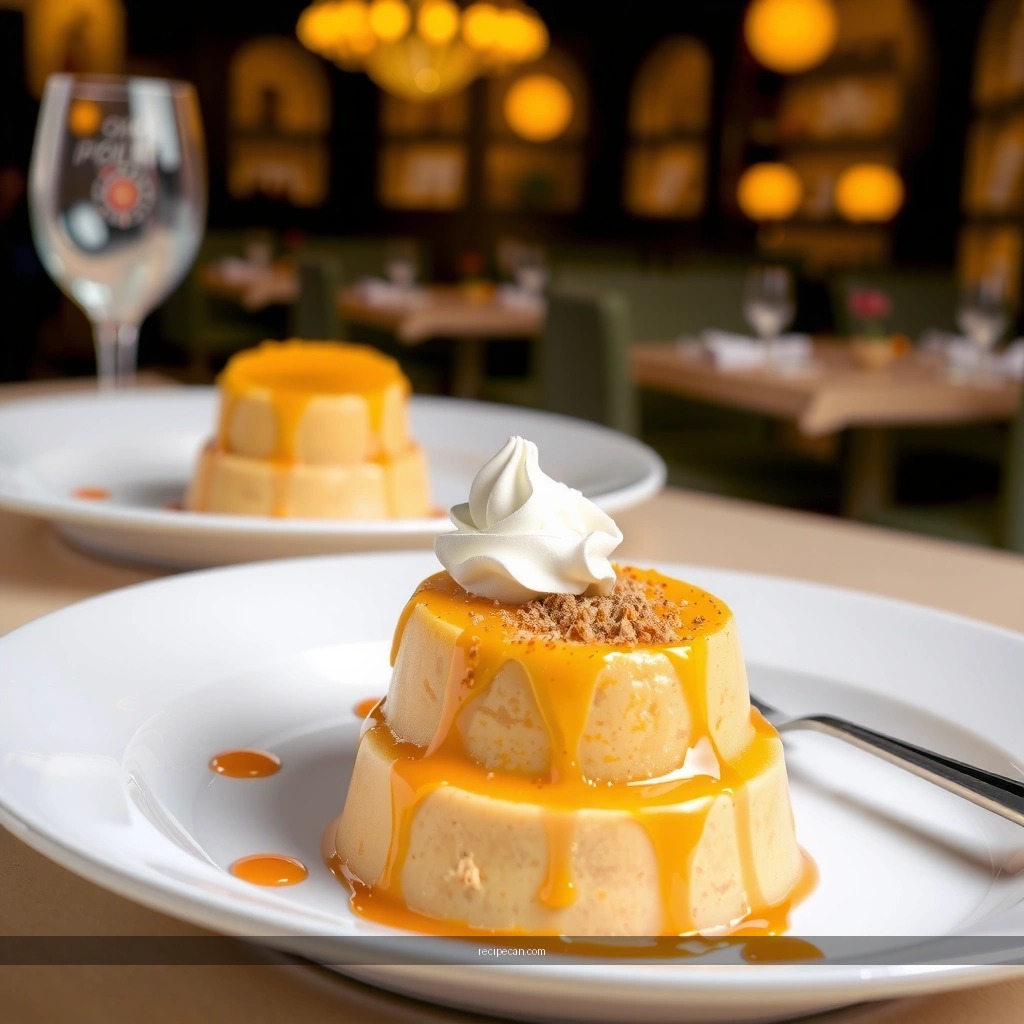
– Combine pudding with whipped topping or whipped cream for instant dessert vibes
– Chill long enough to set so it stays thick and creamy
If you need pumpkin spice pudding with minimal effort, the no-bake approach delivers that same fall flavor while shifting work from stovetop technique to proper chilling and aeration. This method is especially useful for busy weeknights, office potlucks, or make-ahead gatherings.
Two reliable no-bake pathways
1. “Instant pudding base” approach: Use instant vanilla pudding (or instant cheesecake-style pudding) prepared according to package directions, then fold in pumpkin purée and spices. You’ll still get a pumpkin-forward dessert with a classic pudding set.
2. “Whipped + pumpkin” approach: Whisk pumpkin purée with sweetened condensed milk or honey (to taste), then fold into whipped cream or whipped topping. This version is lighter and more mousse-like, but it still thickens when chilled.
Why chilling time is non-negotiable
No-bake pumpkin spice pudding depends on emulsification and starch/cream structure. Even when you use instant pudding, the mixture needs time in the refrigerator to fully set and develop flavor. A typical range is 2–4 hours; if you’re planning for a tighter schedule, start earlier to avoid a runny texture.
Practical serving tip
If you’re assembling cups, stir the chilled pudding briefly right before portioning. This keeps the spice distribution even and prevents the densest pumpkin components from settling.
Ingredient Tips for Best Flavor
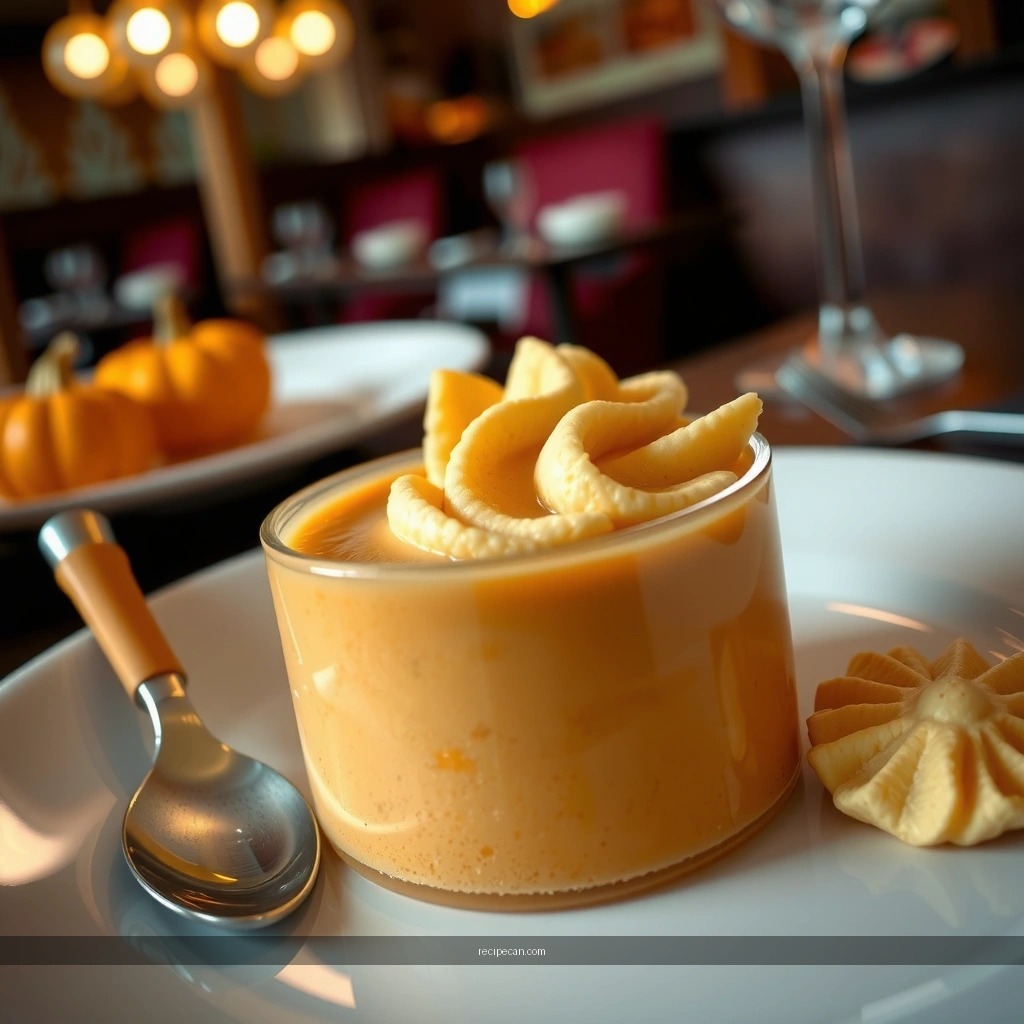
– Use real pumpkin purée for deeper flavor and smoother pudding
– Balance sweetness and spice with cinnamon, nutmeg, and ginger to taste
Pumpkin spice pudding tastes “right” when pumpkin flavor and spice intensity are balanced—not when sugar simply masks everything.
Pumpkin purée: the biggest upgrade
Use real pumpkin purée rather than pumpkin pie filling. Pie filling includes added sugar and spices, which makes it harder to control sweetness and can lead to a pudding that tastes one-note or overly spiced. Real purée also blends smoother, especially in stovetop versions.
Spices: warm, not harsh
Cinnamon and nutmeg are the backbone of pumpkin spice pudding recipes, but adding ginger (and optionally a pinch of cloves) creates depth. A pro approach is to start with moderate amounts, taste the base (carefully, while warm), and then fine-tune. Many people under-spice at first because they’re tasting before chilling; spices often bloom as the pudding rests.
Sweetness control (especially important for no-bake)
If you’re using sweetened products like whipped topping or condensed milk, your pumpkin purée may need less added sugar. Taste your filling before you fold it in: aim for a “slightly more intense than you’d want to eat now” level of spice. After chilling, flavors usually mellow and meld.
Texture & Consistency Fixes
– If it’s too thick, stir in a splash of milk; if thin, simmer briefly again
– Prevent lumps by whisking cornstarch thoroughly before heating
Texture is where pumpkin spice pudding recipes either feel luxurious or disappoint. The good news: most issues are fixable quickly when you diagnose the cause.
If your pudding is too thick
This happens when the mixture is over-reduced during simmering or when the cornstarch ratio is high. Fix it by stirring in a splash of warm milk—a teaspoon or tablespoon at a time—until it loosens to your preferred consistency. Then chill again briefly (15–20 minutes) to re-stabilize.
If it’s too thin
Thin pudding usually means either insufficient heat activation (starch hasn’t fully thickened) or not enough cook time after the mixture reaches a simmer. Return the pot to medium-low heat and simmer 1–2 minutes, whisking continuously. Pumpkin spice pudding thickens quickly once the starch reaches full gelatinization.
How to prevent lumps (stovetop)
Lumps form when cornstarch clumps before it hydrates. To prevent this:
– Whisk cornstarch thoroughly in cold milk slurry until fully smooth.
– Add slurry gradually while whisking the hot mixture.
– Keep stirring during the first minute after thickener is added.
If you’re using eggs (custard style)
Egg-based pudding can be silky but is more sensitive to overheating. Temper eggs by slowly adding warm base to yolks, then cook gently until it coats a spoon. If it begins to curdle, remove from heat immediately and strain for best results—though the texture won’t be identical.
Make-Ahead & Storage Instructions
– Refrigerate in covered containers to keep the texture creamy
– Enjoy within a few days for best flavor; stir before serving if needed
Pumpkin spice pudding is inherently make-ahead-friendly because it improves as flavors settle and spices bloom.
Refrigeration best practices
Store pudding in covered containers (or use plastic wrap pressed directly onto the surface for stovetop pudding). This prevents skin formation and reduces moisture loss that can cause a slightly grainy top.
Shelf life (general guidance)
For most cooked or instant-pudding styles:
– Best within 3–4 days for peak texture and flavor.
– After that, the pudding may remain safe but can become less creamy as it continues to firm up and the spice profile dulls.
Stir before serving
Even when stored properly, pumpkin spice pudding can separate subtly. A gentle stir recombines solids and liquids, restoring spoonable creaminess.
Freezing note
Freezing is possible for some pudding styles, but texture can change (starch-based and dairy-based desserts may become looser or grainier after thawing). For best results, plan to refrigerate rather than freeze.
Serving Ideas & Toppings
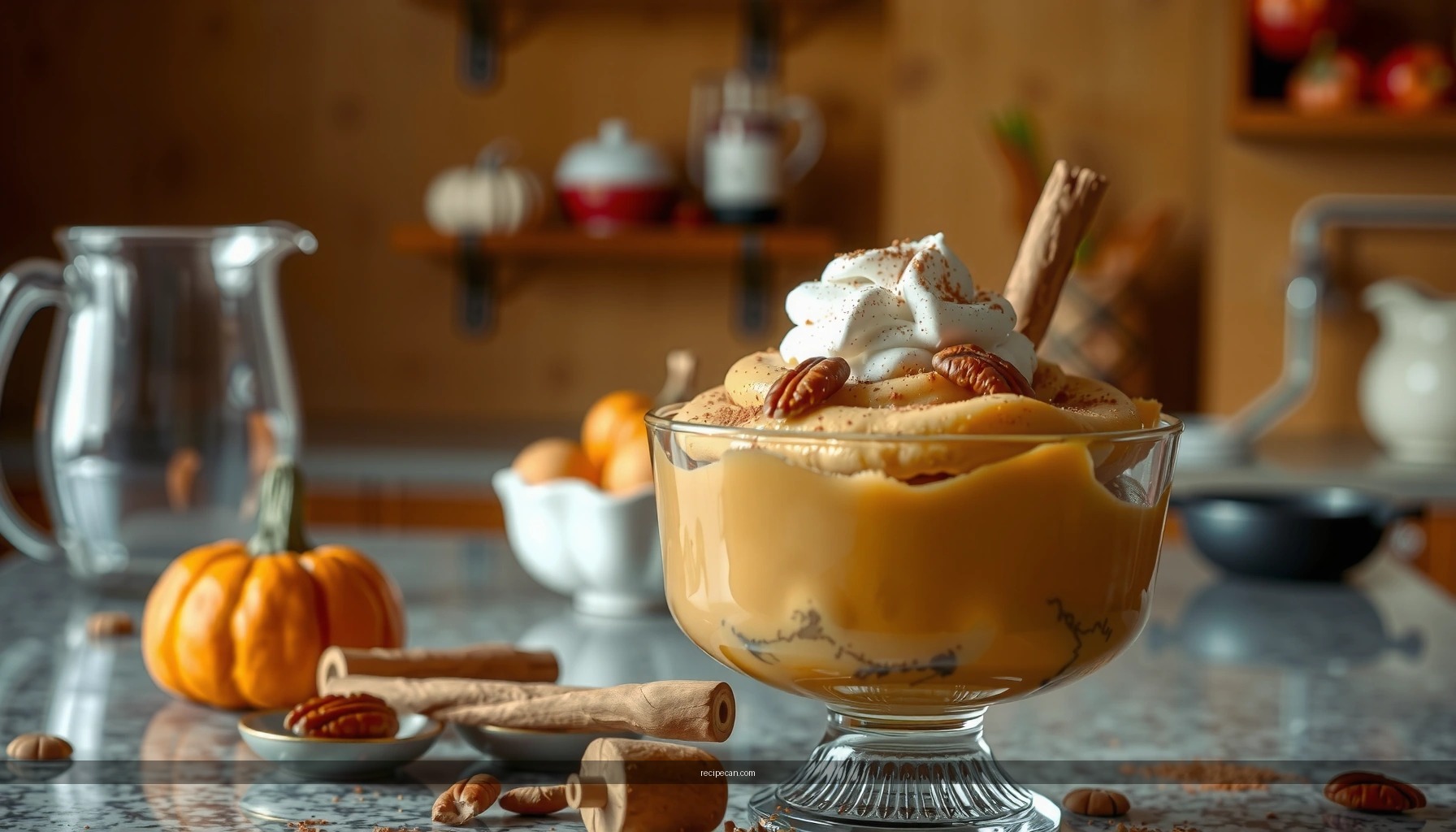
– Top with whipped cream, crushed cookies, or toasted pecans
– Layer in cups for a quick “trifle-style” fall dessert presentation
Pumpkin spice pudding shines when paired with contrasting textures—crunch, cream, and warm spice aroma.
Easy topping combinations
– Whipped cream + cinnamon dusting: classic and presentation-ready.
– Crushed gingersnaps or vanilla wafers: adds crunch that balances the pudding’s smoothness.
– Toasted pecans (or walnuts): provides nuttiness and a deeper fall flavor.
– Caramel drizzle: optional for extra sweetness without needing to increase sugar in the pudding itself.
“Trifle-style” assembly (fast, impressive)
Layer pudding in small cups:
1. cookie crumble (bottom),
2. pumpkin spice pudding,
3. whipped cream,
4. another sprinkle of cookies or pecans.
This method gives you portion control and makes pumpkin spice pudding recipes feel like a plated dessert without complex plating skills.
—
Pumpkin spice pudding recipes can be made fast or cooked for extra richness—either way, focus on thickening correctly and balancing the spices. Pick your preferred method (stovetop for custard-like depth or no-bake for instant convenience), use real pumpkin purée, and troubleshoot texture early with simple adjustments like milk splashes or brief simmering. Make a batch this week and you’ll have a reliably creamy, fall-ready dessert that’s equally suitable for everyday serving or business-friendly gatherings.
Frequently Asked Questions
What is the easiest pumpkin spice pudding recipe to make at home?
An easy pumpkin spice pudding recipe typically uses milk (or half-and-half), pumpkin purée, sugar, pumpkin pie spice, and cornstarch to thicken. Whisk cornstarch with a portion of cold milk first, then cook the mixture until it turns glossy and thick. Stir in vanilla and a bit of salt for balance, then chill until set for a creamy pumpkin spice pudding dessert.
How do you thicken pumpkin spice pudding without it becoming lumpy?
To avoid lumps, dissolve cornstarch completely in cold milk before heating, and whisk constantly once you bring the mixture to a simmer. If you still notice small lumps, strain the pudding through a fine-mesh sieve while it’s hot. Cooking just until thick—usually a few minutes—helps prevent grainy texture and keeps your pumpkin spice pudding smooth.
Why does pumpkin spice pudding taste bland, and how can you make it more flavorful?
Pumpkin purée and pumpkin pie spice can taste muted if the seasoning isn’t balanced or if the pudding hasn’t chilled long enough for flavors to meld. Add a pinch of salt, increase vanilla slightly, and consider using brown sugar for deeper caramel notes. For extra warmth, toast the pumpkin pie spice briefly or add a tiny amount of cinnamon to enhance that classic pumpkin spice pudding flavor.
What’s the best way to make a no-cook pumpkin spice pudding?
No-cook pumpkin spice pudding is often made with instant pudding mix, whipped topping, and pumpkin purée, then chilled until thick. For a more “from-scratch” no-cook option, you can use Greek yogurt or cream cheese combined with pumpkin purée and pumpkin pie spice, then chill to thicken. Regardless of method, tasting after mixing and adjusting spices is key to a rich, spiced finish.
Which pumpkin spice pudding recipe works best for meal prep or make-ahead desserts?
For meal prep, choose recipes that use cornstarch or instant pudding mix because they hold texture well after refrigeration. Divide into cups, press plastic wrap directly onto the surface to prevent skin, and store in the fridge up to 3–4 days. If you’re serving later, add toppings like whipped cream or crushed cookies right before eating for the best texture and presentation.
References
- Google Scholar Google Scholar
https://scholar.google.com/scholar?q=pumpkin+spice+pudding+recipe - Google Scholar Google Scholar
https://scholar.google.com/scholar?q=pumpkin+pudding+custard+recipe+gelatin+starch - Google Scholar Google Scholar
https://scholar.google.com/scholar?q=pumpkin+spice+flavor+compounds+culinary+preparation - Pumpkin pie spice
https://en.wikipedia.org/wiki/Pumpkin_pie_spice - Pumpkin pie
https://en.wikipedia.org/wiki/Pumpkin_pie - Pudding
https://en.wikipedia.org/wiki/Pudding - Custard
https://en.wikipedia.org/wiki/Custard - Pumpkin
https://en.wikipedia.org/wiki/Pumpkin - https://www.britannica.com/topic/pumpkin-pie
https://www.britannica.com/topic/pumpkin-pie - Spice mix
https://en.wikipedia.org/wiki/Spice_mix