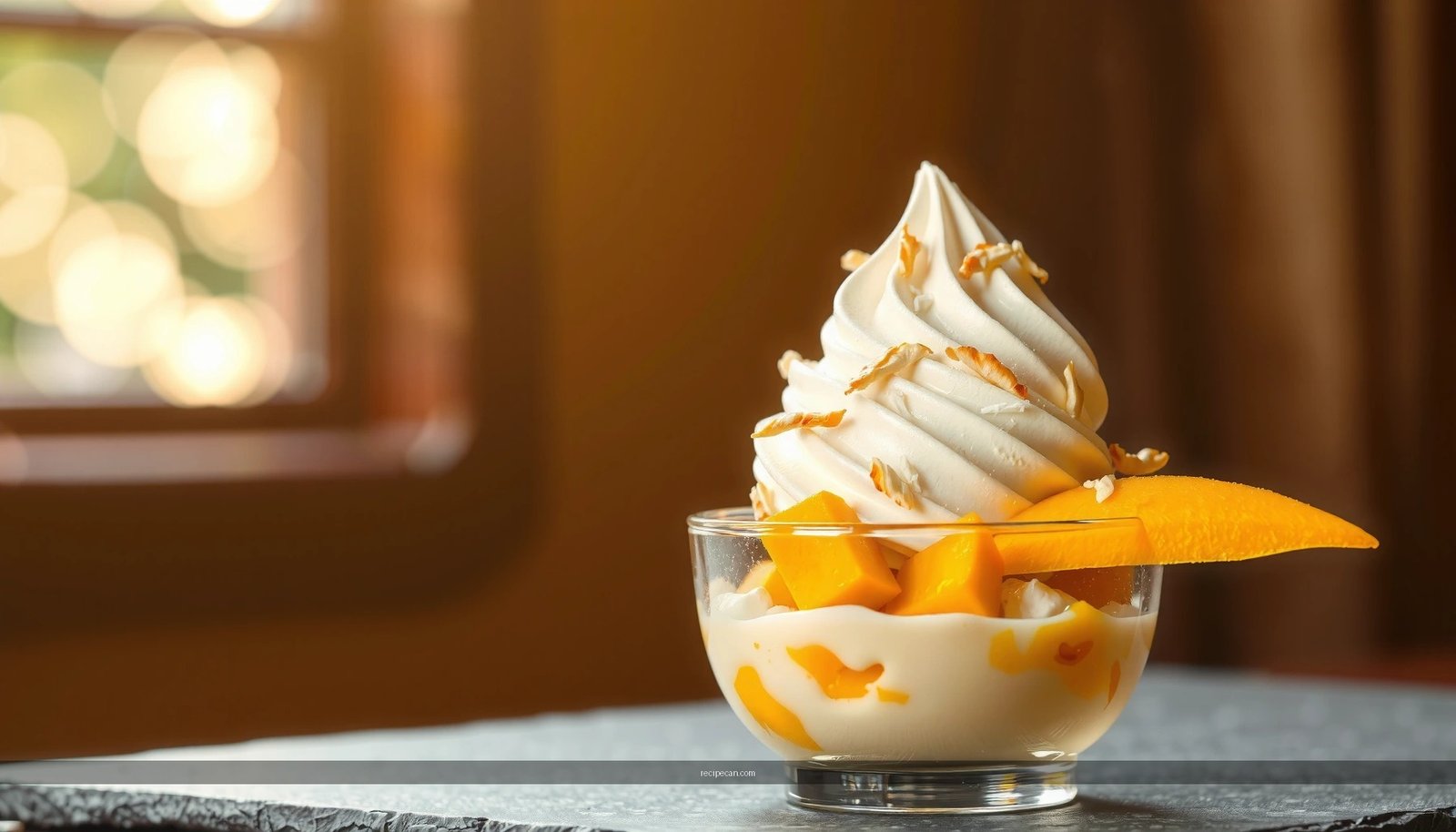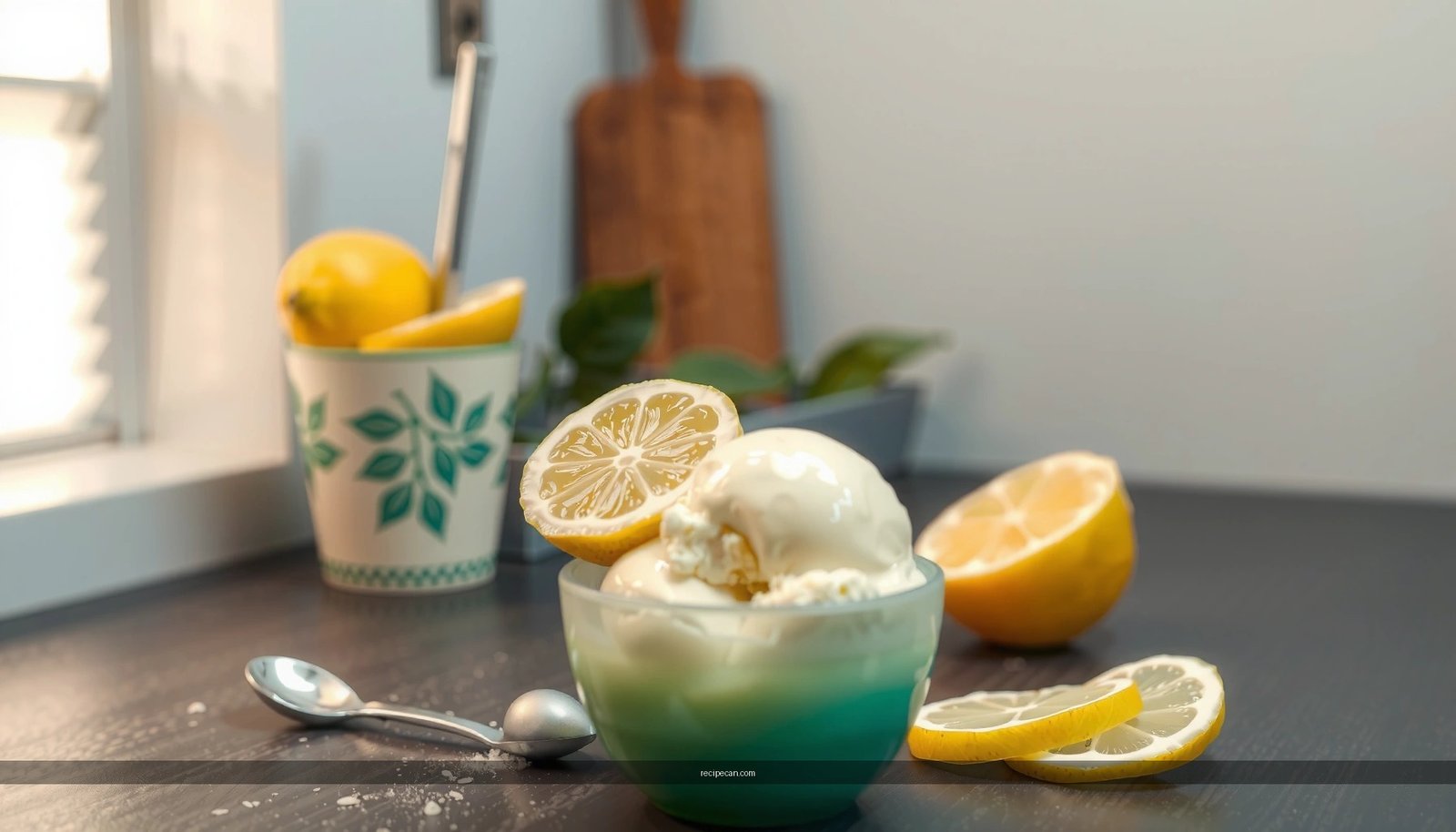
This limoncello ice cream recipe delivers the bright, creamy scoop you want—with a confident balance of lemon zest and sweet limoncello and an easy, step-by-step method you can follow. It answers whether you can make restaurant-style limoncello gelato at home without complicated techniques. If you have an ice cream maker, you’ll get a silky texture; if you don’t, the guide still keeps the process simple.
Make limoncello ice cream at home by building a rich, lemony base (either custard-based or no-cook), churning it until it’s soft-serve smooth, and freezing it until scoopable. The key is balancing lemon brightness with cream richness—and adding limoncello at the right time—so your final texture stays silky instead of icy.
Ingredients You’ll Need
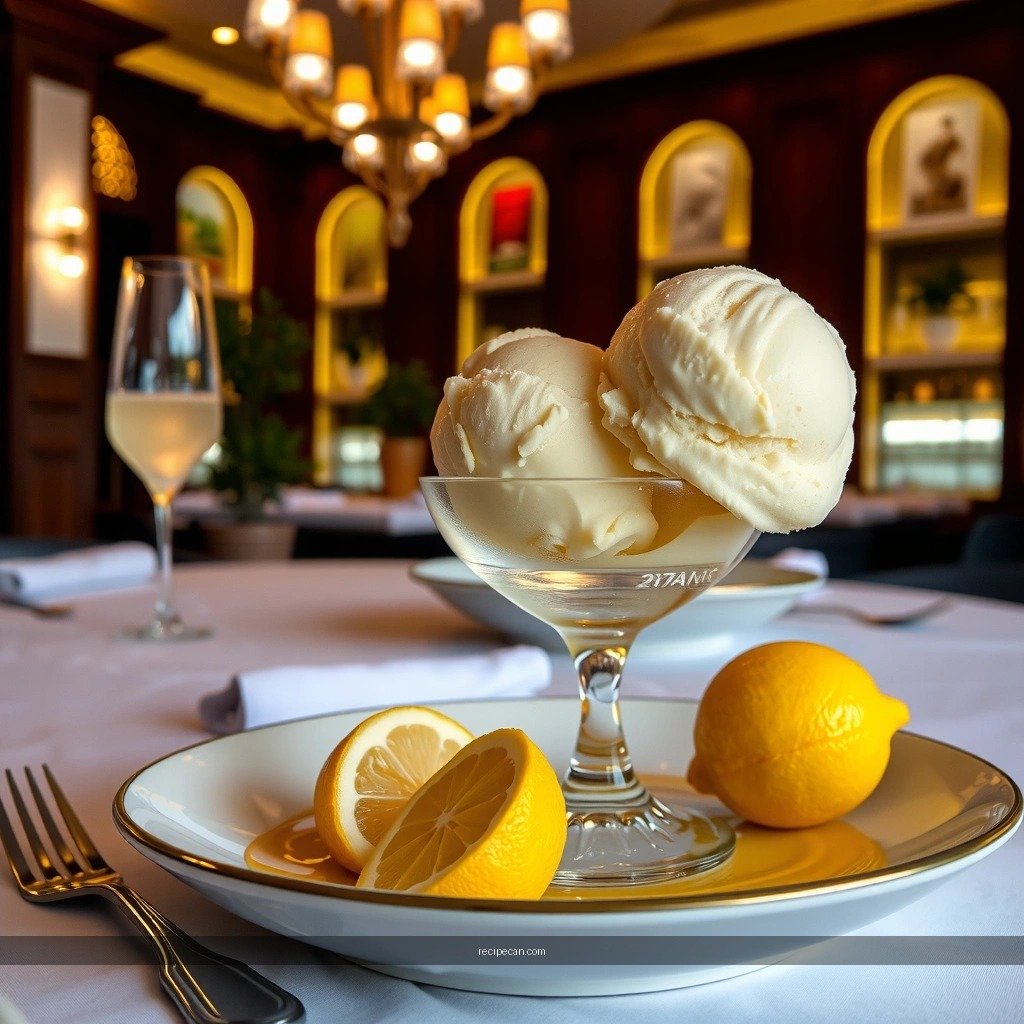
– Fresh lemon flavor boost with limoncello and lemon zest (optional but recommended)
– Use fresh lemon zest for aromatic top notes, and limoncello for rounded, sweet-tart flavor. Zest adds intensity that alcohol alone can’t.
– Cream and milk (or heavy cream) for a rich, scoopable base
– A classic starting point is heavy cream + whole milk. If you want a slightly firmer scoop, lean a bit more toward cream.
– Sweetener and stabilizers like egg yolks (for custard) or cornstarch (for no-churn stability)
– Sugar prevents ice crystals by lowering freezing point.
– Stabilizers (custard yolks or cornstarch) improve body and smoothness, especially for citrus-forward recipes that can feel sharper if the base is thin.
For the smoothest results, treat this recipe like “ice cream engineering”: you’re balancing fat (creaminess), sugar (texture), and solids (structure) while keeping citrus from thinning the base.
Target Specs for Silky Limoncello Ice Cream Texture
| # | Texture Lever | Target Range | Expected Effect | Smoothness Score |
|---|---|---|---|---|
| 1 | Fat in Base | 10–16% | Creamy mouthfeel, slower ice growth | ★★★★★ |
| 2 | Total Sugar | 14–22% | Lower freezing point, fewer crystals | ★★★★☆ |
| 3 | Nonfat Solids (from milk) | 3–8% | Better structure and scoop control | ★★★★☆ |
| 4 | Chill Time Before Churning | ≥ 4 hours | Prevents icy texture and improves emulsification | ★★★★★ |
| 5 | Churn Endpoint | Soft-serve thickness | Most liquid still workable for freezing smoothly | ★★★☆☆ |
| 6 | Rest After Freezing | 10–15 minutes | Eases scoopability without warming too much | ★★★★★ |
| 7 | Freezer Temp Consistency | -18°C / 0°F | Stable ice structure, slower crystal growth | ★★★★☆ |
Step-by-Step: Make the Base
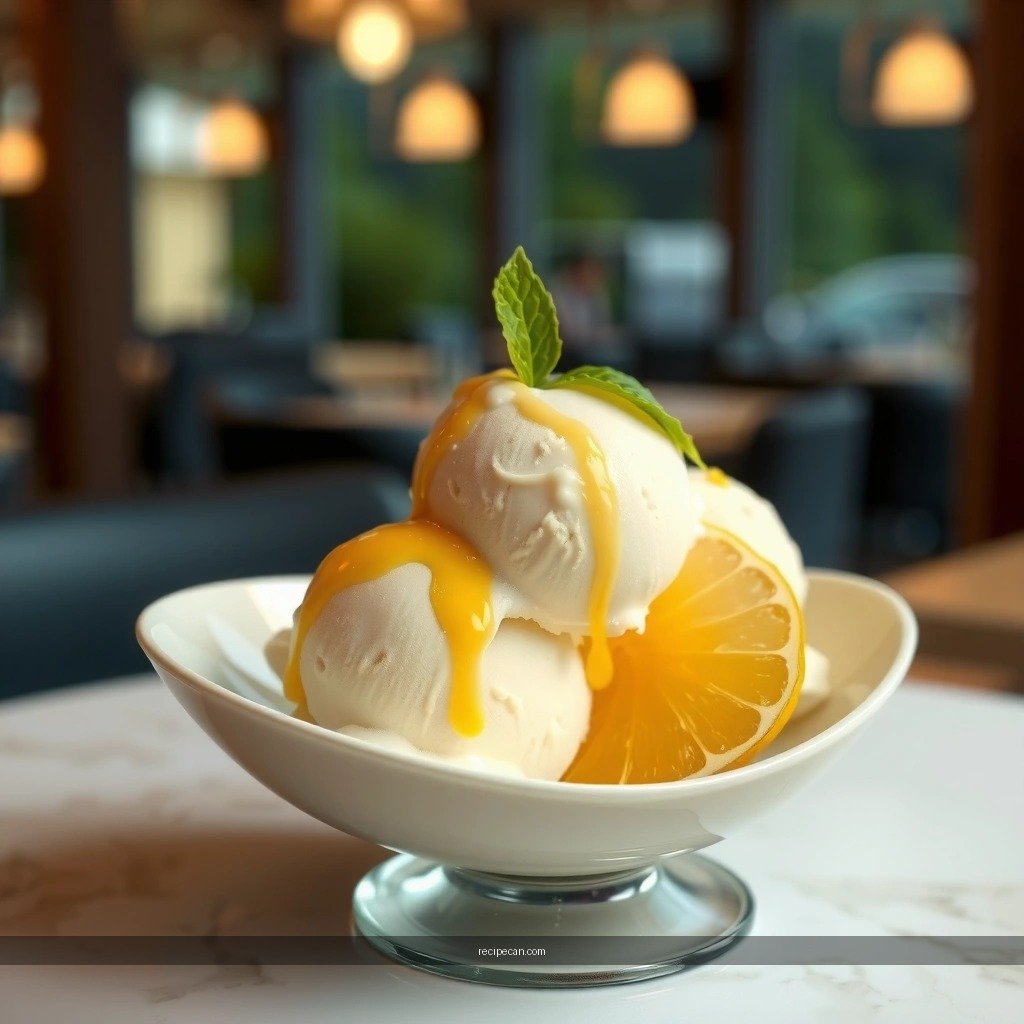
You can choose between two proven base paths—both work for tangy limoncello ice cream. Pick the one that matches your workflow:
Custard method (best for ultra-silky texture):
1. Whisk egg yolks with sugar until smooth (no thick yolk streaks).
2. Heat milk and cream until steaming (not boiling).
3. Temper the yolks: slowly pour hot dairy into yolks while whisking.
4. Cook gently, stirring constantly, until the mixture thickens enough to coat the back of a spoon (about the consistency of light custard).
5. Strain for extra smoothness, then cool completely.
No-cook method (fast and still excellent):
1. Heat milk/cream just enough to warm (or use fully dissolved powdered ingredients if your stabilizer requires it).
2. Whisk in cornstarch (and sugar) and simmer briefly until glossy and thickened—this is still “warm cook,” just not a full custard.
3. Cool completely, ideally chilling overnight for maximum smoothness.
Critical timing for limoncello (don’t lose the flavor):
– Stir limoncello in after the base is fully cooled (custard/no-cook) to preserve brightness and prevent over-reducing the alcohol notes.
– If you prefer a slightly gentler lemon effect, you can optionally add a small portion during cooling, but for a “bright, creamy” finish, most people get the best results by adding limoncello at the end.
A practical baseline recipe for about 1 quart / ~1 L (adjustments are easy once you understand the roles):
– Heavy cream: 2 cups (480 ml)
– Whole milk: 1 cup (240 ml)
– Sugar: 1/2 to 3/4 cup (100–150 g) to taste
– Lemon zest: 1–2 tbsp (from 2–4 lemons)
– Egg yolks (custard version): 4–5
– Cornstarch (no-cook stabilization version): 1–2 tsp
– Limoncello: 1/2 to 3/4 cup (120–180 ml)
If you’re aiming for a more dessert-like sweetness, go closer to the higher sugar range; if you want sharper “limoncello cocktail” brightness, use the lower end and rely on zest.
Churning for the Perfect Texture
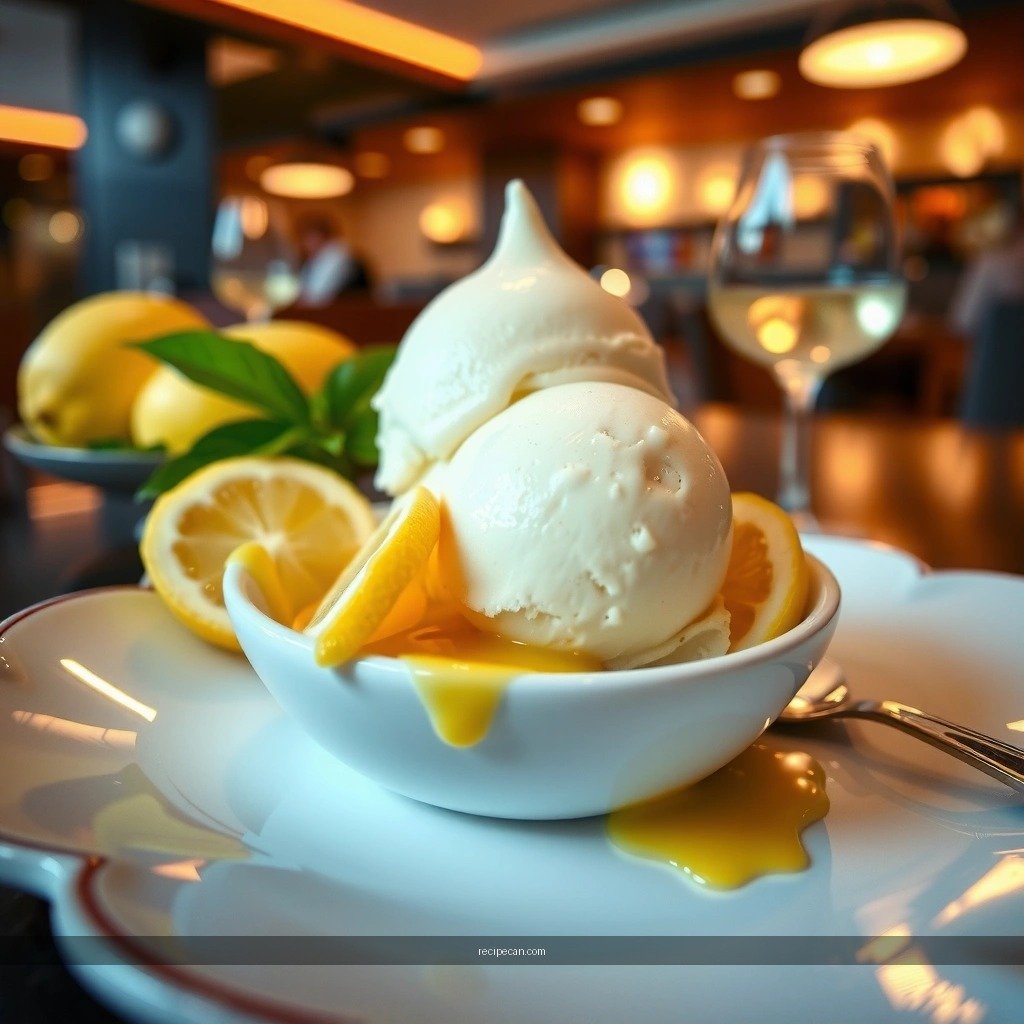
Churning turns your cooled base into a stable ice-cream structure by incorporating air and partially freezing it.
1. Churn until soft-serve consistency.
– The ice cream should look thick and spoonable but still feel airy and slightly loose.
2. Chill the bowl and base thoroughly first.
– If your base isn’t cold enough, you’ll get larger ice crystals and a heavier, icier mouthfeel.
3. Transfer quickly and smooth the top.
– Press a spatula flat to minimize voids. Those exposed air pockets are where freezer burn and texture deterioration start.
A useful performance target:
– Many home machines land around 20–30 minutes, but don’t rely only on time. Start checking at the 15-minute mark and judge by texture.
Also consider the alcohol-limoncello factor:
– Alcohol lowers freezing point, which can help softness, but too much alcohol (or too warm a churn) can make the texture feel “soft but not creamy.” That’s why cooling and proper endpoint matter.
Freezing Tips (So It Scoops Well)
Once churned, freezing locks in the structure. The goal is scoopable firmness without sacrificing smoothness.
– Freeze until firm, then let it sit 10–15 minutes before serving.
– This short warm-up helps the fat soften and the ice crystal edges relax for a smoother scoop.
– Cover tightly to reduce ice crystals.
– Use an airtight lid plus a layer of parchment or plastic wrap pressed directly onto the surface (barrier contact matters).
– Store at a consistent freezer temperature for best results.
– Frequent temperature swings (opening the door often, leaving the freezer half full, storing near the door) increase crystal growth and cause graininess.
If your first batch is slightly icy:
– The fix is usually not “more limoncello” or “more cream,” but better chilling time and a cleaner churn endpoint (soft-serve thickness) before hard freezing.
Flavor Boosters and Variations
Limoncello ice cream is naturally bright, but you can refine balance with small, high-impact tweaks:
– Add lemon zest (more aroma than juice)
– Zest provides volatile oils—think “lemon peel” brightness.
– Add vanilla bean or vanilla extract
– Vanilla rounds sharp citrus notes and makes the creaminess feel richer.
– Add a pinch of salt
– Salt improves perceived sweetness and reduces a “flat” or overly acidic lemon edge.
Variation ideas that still keep texture silky:
– Dairy-free adaptation
– Swap in a high-fat coconut or oat base designed for ice cream (not thin beverages). Use a stabilizer (often cornstarch or a commercial ice cream thickener) to preserve structure.
– Mix-ins
– Lemon zest sugar (zest + sugar) for a more candy-like lemon bite
– Candied citrus for chew and contrast
– Vanilla wafers or crushed cookies for a dessert-style texture (add after churning, then freeze)
For a layered “limoncello gelato” style:
– Add a small amount of limoncello lemon syrup swirl (citrus + sugar reduced until lightly syrupy). Swirls can slightly soften texture in patches, so don’t overdo the syrup.
Common Mistakes to Avoid
Even excellent limoncello ice cream recipes can go sideways. Watch for these pitfalls:
– Adding limoncello too early
– If you cook limoncello into the base or add it while hot, you risk dulling the bright alcohol-lifted aroma.
– Not cooling the base fully
– Warm base prevents proper emulsification and leads to a coarser, icy texture.
– Over-churning
– Over-churned ice cream can become stiff and grainy before freezing, limiting the smooth “set.”
– Under-churning
– Under-churned base freezes into a denser, harder mass with uneven texture.
– Freezing without proper coverage
– Exposure to air accelerates ice crystal formation and can create a gritty surface even if the first spoonful is fine.
The professional rule of thumb: control temperature first, then control timing, then tweak flavor.
Limoncello ice cream is all about a cold, creamy base and precise timing—mix, chill, churn, then freeze until scoopable. Taste the lemon balance before freezing (especially your sweetness versus zest intensity), and adjust one variable at a time on your next batch. If you want a quick experiment, try one small upgrade—extra zest for more aroma, vanilla bean for smoother balance, or a pinch of salt to sharpen the citrus without increasing bitterness. Make a batch, let it chill, and enjoy the bright lemony scoop—then share your results or try another citrus twist next.
Frequently Asked Questions
What is the best limoncello ice cream recipe for a creamy texture?
Look for a base that combines heavy cream, whole milk (or condensed milk), and egg yolks or an egg-free thickener so the custard properly emulsifies. Use fresh lemon zest plus limoncello to boost bright citrus flavor without making the ice cream icy. Churn until it reaches a soft-serve stage, then freeze to let the structure set fully for the creamiest limoncello gelato-style texture.
How do I make limoncello ice cream without eggs?
An easy egg-free limoncello ice cream recipe uses sweetened condensed milk or a cornstarch-based custard to thicken the base before churning. Heat milk, cream, and sugar ingredients until dissolved, then cook briefly if using cornstarch to prevent graininess. Once the mixture is cool, stir in limoncello and lemon zest, chill thoroughly, and churn for a smooth, scoopable result.
Why does my limoncello ice cream turn icy, and how can I prevent it?
Icy limoncello ice cream is usually caused by under-churning, not chilling the base long enough, or having too little sugar and fat to lower the freezing point. Make sure you chill the ice cream base for several hours (or overnight) and churn it to a thick, aerated consistency. Also consider adding a stabilizer like honey, corn syrup, or a small amount of alcohol/limoncello carefully to maintain a creamy finish.
Which limoncello should I use for the best flavor—homemade or store-bought?
Either homemade or store-bought limoncello can work well, but the key is using one you enjoy drinking since the flavor concentrates in the ice cream. If your limoncello tastes very intensely zesty and not overly sweet or bitter, it will create a bright lemon gelato flavor. For balanced sweetness, use a reputable store-bought limoncello or adjust with extra lemon zest if the citrus notes feel muted.
How long should I freeze homemade limoncello ice cream before serving?
After churning, transfer limoncello ice cream to a freezer-safe container and freeze until firm, typically 4–6 hours. For best scoopability, let it sit at room temperature for about 5–10 minutes before serving so the citrus ice cream becomes creamy again. If it hardens too much, gentle softening time helps keep the texture smooth without melting excessively.
References
- Limoncello
https://en.wikipedia.org/wiki/Limoncello - Ice cream
https://en.wikipedia.org/wiki/Ice_cream - Gelato
https://en.wikipedia.org/wiki/Gelato - Limoncello | Liqueur, Cocktail, Italy, & Description | Britannica
https://www.britannica.com/topic/limoncello - Ice cream | Definition, History, & Production | Britannica
https://www.britannica.com/topic/ice-cream - Google Scholar Google Scholar
https://scholar.google.com/scholar?q=limoncello+ice+cream+recipe - Google Scholar Google Scholar
https://scholar.google.com/scholar?q=limoncello+gelato - Google Scholar Google Scholar
https://scholar.google.com/scholar?q=ice+cream+stabilizers+emulsion+lemon+liqueur - https://pubmed.ncbi.nlm.nih.gov/?term=limoncello
https://pubmed.ncbi.nlm.nih.gov/?term=limoncello - https://pubmed.ncbi.nlm.nih.gov/?term=ice+cream+stabilizers+emulsions
https://pubmed.ncbi.nlm.nih.gov/?term=ice+cream+stabilizers+emulsions