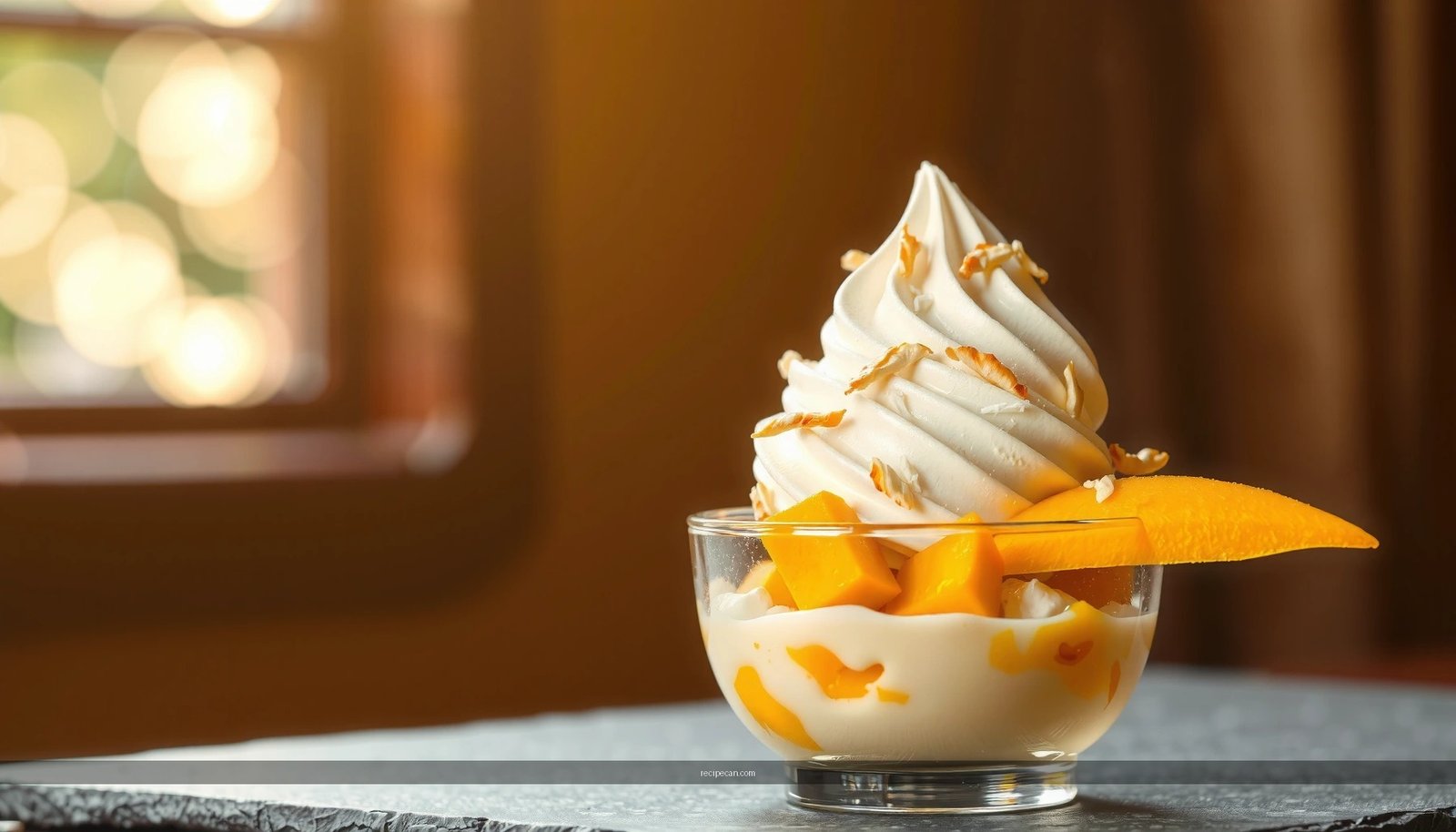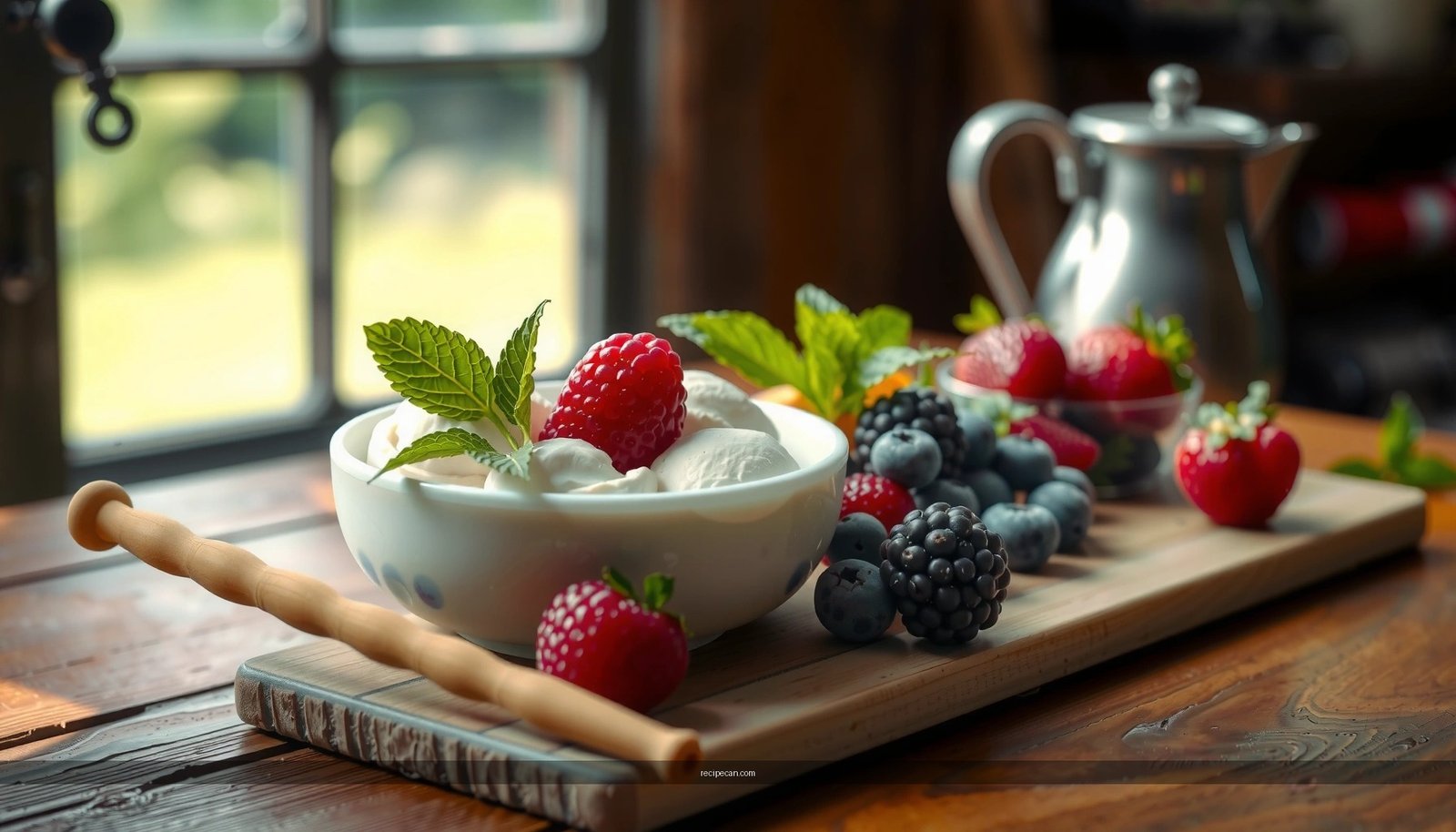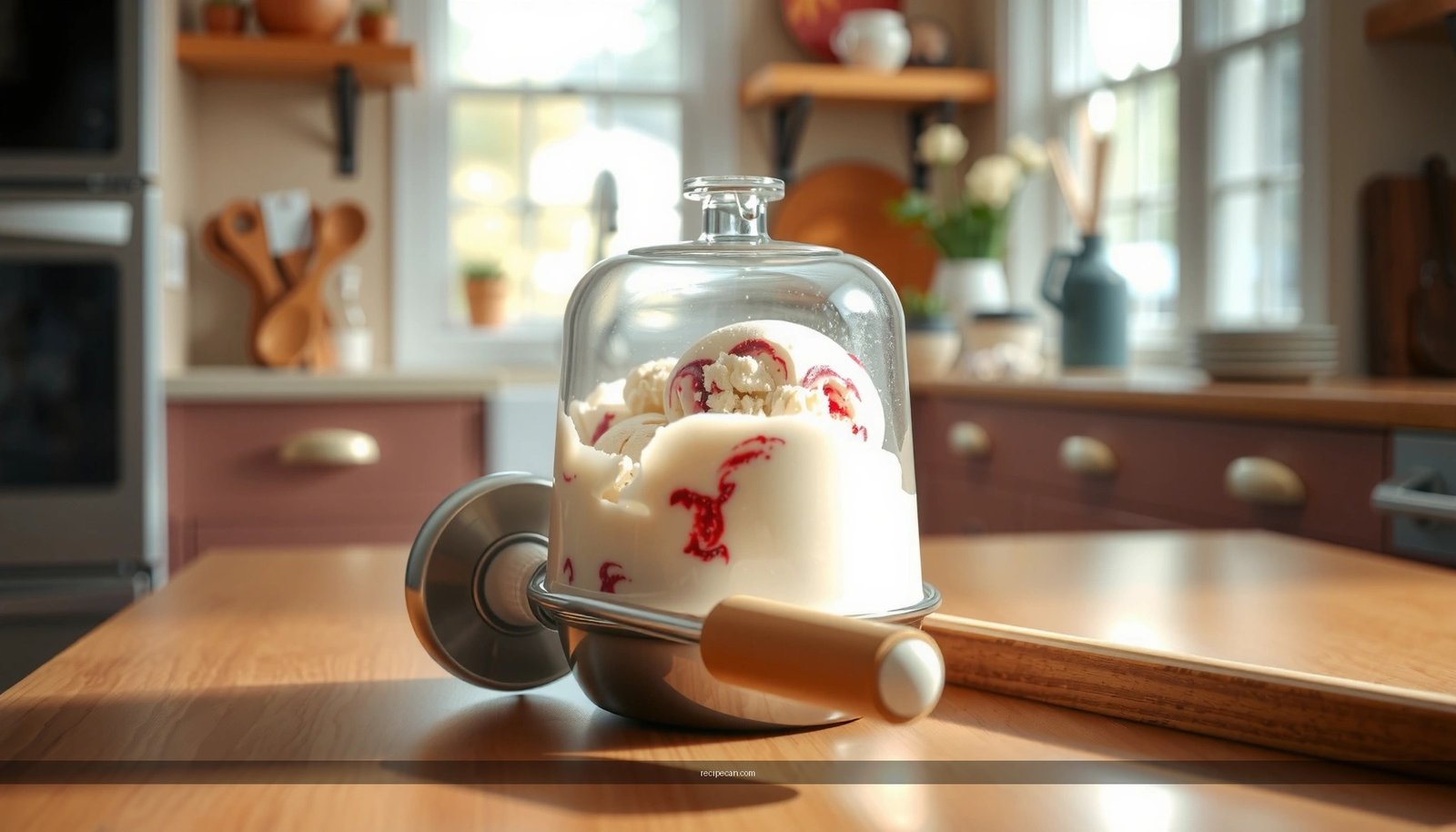
This 4 quart ice cream recipe delivers a full, easy homemade batch with the right churn, texture, and yield—so you get reliable results without guesswork. You’ll follow a straightforward process from mix to freeze to produce creamy scoops in one go, sized for gatherings and big appetites. If you want a dependable 4-quart outcome, this is the guide that will actually get you there.
Make a smooth, scoopable 4 quart ice cream at home by building a properly balanced base, chilling it thoroughly, and churning until it reaches soft-serve thickness—then freezing to finish. This guide gives exact, repeatable steps and timing so your large-batch homemade ice cream lands creamy rather than icy.
Choose Your Flavor Base

Choosing the right flavor base is the difference between “tastes good” and “tastes like a real ice cream shop.” For a 4 quart ice cream recipe, your goal is to (1) keep the base composition consistent and (2) add flavor in ways that don’t destabilize the dairy mixture.
Start with a classic base you can control:
– Vanilla: A dependable vanilla custard-style base works well because it’s forgiving and highlights quality dairy.
– Chocolate: Use cocoa powder and/or melted chocolate, but note that cocoa can slightly dry the mix—plan for good stirring and correct sugar levels.
– Fruit: Fruit purées can increase water content, which can raise the risk of iciness unless you adjust with a more custard-like base or use proper thickening.
Use quality dairy and balanced sugar:
– Sugar doesn’t just sweeten; it lowers freezing point, improving scoopability after freezing.
– If you want a richer texture, higher cream content helps (but you still need enough sugar to prevent overly firm results).
Plan add-ins for even distribution (and good texture):
– Fold in sturdy mix-ins (cookie pieces, chocolate chunks, toasted nuts) after churning, when the ice cream is at a soft-serve consistency. This prevents them from breaking down and avoids uneven melting during freezing.
– Add syrup-like items (caramel swirls, fudge ribbons) more carefully. For best results, use a thick sauce and drizzle during packing into the container (or briefly refreeze between additions if your churn is warm).
A practical approach for large batches: decide your flavor profile first, then build a base that you can churn reliably, and only then integrate mix-ins so the final 4 quart ice cream remains creamy.
Ingredients for a 4 Quart Batch

For an easy homemade batch that reliably produces about 4 quarts (≈3.8 L), you’ll want a formula that churns well and freezes with a smooth body. Below is a “balanced custard” ingredient set—optional eggs are included because they materially improve texture and reduce iciness.
Base ingredients (core)
– Milk: 2 cups (480 ml)
– Heavy cream: 4 cups (960 ml)
– Sugar: 1 cup (200 g)
– Egg yolks (optional but recommended): 8 large yolks
Use eggs if you want a creamier, more stable scoop and a more traditional “custard ice cream” texture.
– Salt: 1/4 tsp
– Flavorings:
– Vanilla extract: 2 tbsp
(or use vanilla bean paste for a stronger aroma)
Mix-in planning (optional)
– Mix-ins for a 4 quart batch usually land around 3–5 cups total (cookies, fruit pieces, chocolate chips, etc.), depending on how intense you want the distribution.
– For very soft fruit (like ripe berries), consider using thick purée or using a portion of cooked fruit to reduce excess water.
Why these ratios matter (the analytical view)
Ice cream texture is primarily shaped by:
– Fat content: Fat slows crystallization and improves mouthfeel.
– Sugar: Sugar improves scoopability and reduces the formation of hard ice crystals.
– Solids (milk solids, cocoa, egg proteins): They support a smoother, more stable structure.
– Water content: Too much free water (common with fruit purées) can increase iciness unless balanced with sugar/fat and adequate solids.
If you’re skipping eggs for dietary reasons, increase cream slightly or rely on a well-tested churnable base and consider cooking fruit purées to concentrate flavors.
Recommended Base Parameters for a 4 Quart Ice Cream Recipe (Target Texture)
| # | Texture Goal | Base Parameter | Typical Target | Outcome Rating |
|---|---|---|---|---|
| 1 | Creamy scoopability after freezing | Sugar to support low-freeze point | 200 g / 4 quarts | ★★★★☆ |
| 2 | Reduced iciness | Total dairy fat for body | ~33–38% fat in finished base | ★★★★☆ |
| 3 | Stable texture (no soggy base) | Egg yolk count for custard structure | 8 yolks (large) | ★★★★★ |
| 4 | Reliable flavor distribution | Temperature control during infusion | Simmer base then cool | ★★★★☆ |
| 5 | Clean churn with minimal grain | Base chilling temperature | ≤ 40°F / 4°C | ★★★★★ |
| 6 | Soft-serve completion point | Churn stopping thickness | ~“loose soft-serve” | ★★★★☆ |
| 7 | Best finish after freezing | Freezing time to firm-up | 4–6 hours | ★★★☆☆ |
Step-by-Step Preparation
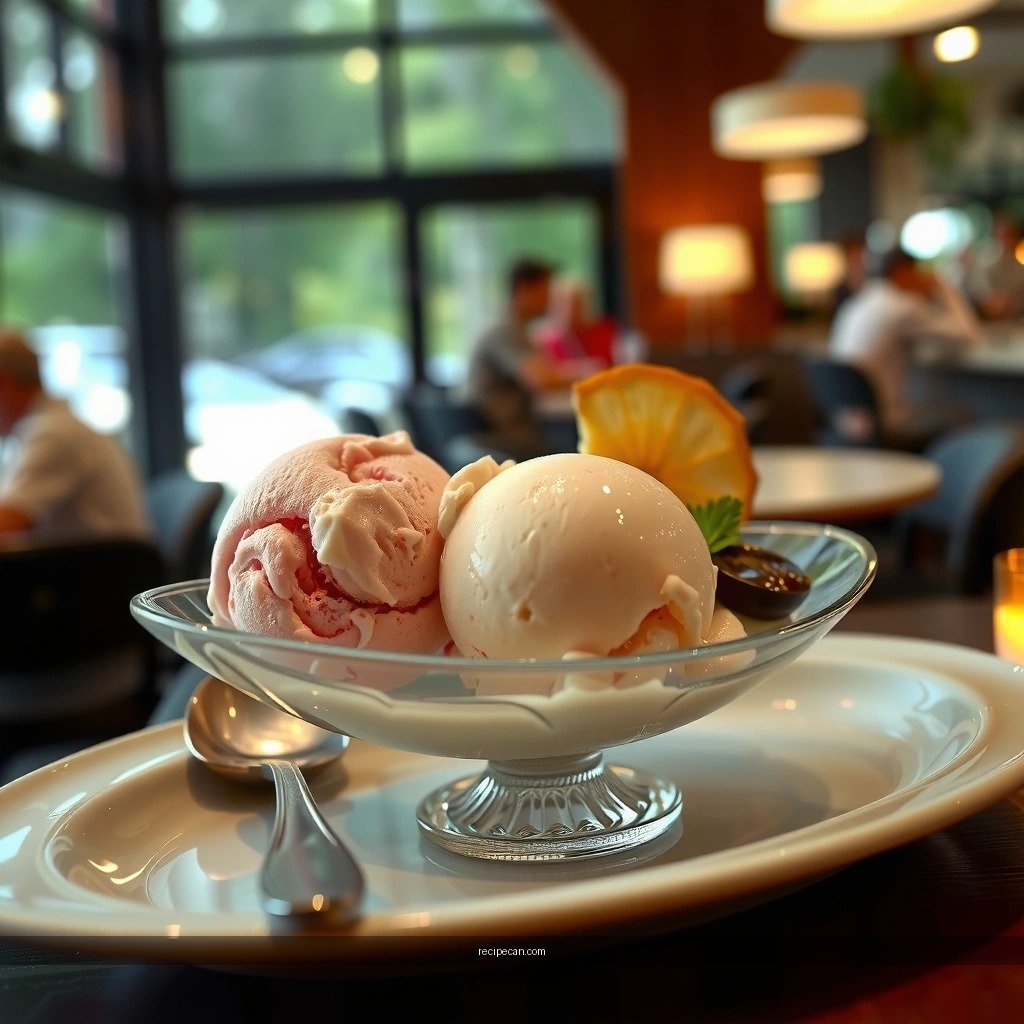
A reliable 4 quart ice cream recipe is about process discipline—especially heat management and mix uniformity. Here’s a clear workflow that supports both beginners and experienced home churners.
1) Warm the dairy and dissolve the sugar
– Combine milk, heavy cream, sugar, and salt in a saucepan.
– Heat gently, stirring, until the sugar dissolves and the mixture is steaming (not violently boiling).
– This step matters because undissolved sugar can become grainy after freezing.
2) If using eggs, temper and cook gently
For custard-style richness (recommended for best scoop texture):
– Whisk egg yolks in a bowl.
– Temper: slowly drizzle a ladle of the warm dairy into the yolks while whisking.
– Return everything to the saucepan and cook on low heat, stirring constantly.
– Stop when the base thickens slightly and coats the back of a spoon (typical target is ~170–175°F / 77–80°C, depending on your burner and pan).
Why this prevents scrambling: low heat + constant stirring creates even temperature rise across the custard proteins, so you build structure without curdling.
3) Add flavor and blend evenly
– Remove from heat and stir in vanilla extract (or heat-safe flavorings after cooking).
– For chocolate bases: melt chocolate separately, cool slightly, then whisk into the base for a uniform emulsion.
– For fruit: blend purée thoroughly and consider straining seeds depending on texture preference.
4) Strain for extra smoothness (optional but high payoff)
– Pour through a fine-mesh sieve to remove any tiny egg curds or undissolved particles.
– This one step noticeably improves perceived quality for a 4 quart batch.
Chilling and Churning Tips
Chilling is often the missing variable when people complain their ice cream is “almost right.” For a large batch, you need enough time for the base to reach a true refrigeration temperature throughout.
Chill until cold enough for fast, smooth freezing
– Transfer the base to a container and refrigerate at least 4 hours, ideally overnight.
– Target: ≤ 40°F / 4°C.
– For a 4 quart recipe, use a shallow container or split into two containers to chill more evenly and reduce total waiting time.
Churn to soft-serve thickness
– Churn until the mixture looks like loose soft-serve—thick, aerated, and holding shape but still spreadable.
– Typical churn times vary by machine and ambient conditions, but most batch churns land in the 20–40 minute range for custard ice cream bases.
Avoid over-churning: over-churned mixtures can become dense in the freezer and develop a tighter, sometimes grainier mouthfeel.
Practical machine-aware guidance
– If your churn slows dramatically, stop and check thickness rather than relying only on minutes.
– Fold in mix-ins at the recommended point (usually near the end) so you don’t crush delicate pieces.
Freeze for Best Texture
Freezing is where your work turns into the final sensory experience—especially whether you get creamy scoop performance or hard, icy chunks.
Package correctly to reduce ice crystals
– Transfer churned ice cream into a freezer-safe container.
– Press plastic wrap directly onto the surface to limit air exposure.
– Then seal with a lid to protect against freezer burn and moisture uptake.
Freeze until firm, then serve strategically
– Freeze 4–6 hours for best texture and maximum structural set.
– Before serving, let it soften 5–10 minutes at room temperature for easier scooping.
This “soften briefly” step is often underestimated. Even a perfectly churned 4 quart batch can feel dense if served immediately from a very cold freezer.
Storing and Serving Your Ice Cream
Proper storage preserves texture and protects flavor integrity over time.
Storage conditions that keep quality high
– Store in an airtight container in the coldest part of your freezer.
– Minimize temperature cycling by keeping the container near the back (not the door).
Keep add-ins consistent across servings
– For mix-ins, portion during packing:
– Add a layer of ice cream, drizzle sauce or distribute mix-ins, repeat.
– This prevents “all the cookies in the first half” and makes every serving feel intentional.
Serving upgrades that complement homemade ice cream
– Serve with warmed sauces (hot fudge, caramel) for a soft contrast.
– Add fresh fruit on the side rather than mixing watery fruit into the bulk.
– For a premium touch, finish with a pinch of flaky salt on chocolate or caramel profiles.
A 4 quart ice cream recipe succeeds when the base is well-mixed, the base is properly chilled, and the churn + freeze steps are aligned to your machine and desired texture.
4 Quart Ice Cream Recipe: Easy Homemade Batch Guide
A great 4 quart ice cream recipe comes down to a well-mixed base, proper chilling, and correct churning and freezing. Follow these steps for a creamy homemade batch, then try a flavor variation or add-in to make it your own—start your next churn today!
Frequently Asked Questions
What is a simple 4 quart ice cream recipe you can make at home?
A classic 4 quart ice cream recipe typically uses a custard base (milk, cream, sugar, and egg yolks) plus vanilla or your favorite flavoring. Make the custard, chill it thoroughly, then churn it in an ice cream maker until it reaches a soft-serve consistency. Transfer to a freezer-safe container and freeze for several hours to firm up, so your 4 quart batch scoops cleanly.
How do you adjust a 4 quart ice cream recipe for no eggs?
To make egg-free 4 quart ice cream without custard, use a no-cook base with sweetened condensed milk or a combination of cream, milk, sugar, and stabilizers like cornstarch or cream-based thickening. The key to texture is ensuring the base is fully dissolved and chilled before churning. Churn as directed, then freeze to improve body and reduce iciness.
Why does homemade ice cream get icy, and how can you prevent it in a 4 quart batch?
Ice forms when the ice cream base isn’t cold enough before churning, the sugar content is too low, or it’s not churned to the right thickness. For a 4 quart ice cream recipe, chill the mixture for several hours, churn until noticeably thick, and avoid frequent re-freezing at warm temperatures. Adding a small amount of stabilizer (or using a reliable custard ratio) helps keep a smooth, creamy texture.
Which churn setting and freezing time works best for a 4 quart ice cream recipe?
Most ice cream makers produce the best results when you churn until the mixture looks like soft-serve—usually around 20–30 minutes, depending on your machine. After churning, freeze the ice cream in a shallow container or airtight tub for at least 4–6 hours to reach a scoopable consistency. For best results with a 4 quart batch, press parchment directly against the surface to reduce freezer burn.
What are the best flavors to use in a 4 quart ice cream recipe, and how much should you add?
Great crowd-pleasing options for a 4 quart ice cream recipe include vanilla bean, chocolate, strawberry, cookies and cream, and mint chocolate chip. For flavoring, start with measured additions such as vanilla extract (or vanilla paste), cocoa powder for chocolate, or fruit puree for berry flavors—then taste after cooking or chilling to fine-tune. If you add mix-ins (cookies, brownies, or chocolate chunks), fold them in after churning so the texture stays balanced throughout the 4 quart batch.
References
- Ice cream
https://en.wikipedia.org/wiki/Ice_cream - Ice cream | Definition, History, & Production | Britannica
https://www.britannica.com/topic/ice-cream - https://www.cdc.gov/foodsafety/food-safety-basics.html
https://www.cdc.gov/foodsafety/food-safety-basics.html - https://www.foodsafety.gov/food-safety-basics
https://www.foodsafety.gov/food-safety-basics - Google Scholar Google Scholar
https://scholar.google.com/scholar?q=4+quart+ice+cream+recipe - Google Scholar Google Scholar
https://scholar.google.com/scholar?q=homemade+ice+cream+base+recipe+scaling+to+quarts - Google Scholar Google Scholar
https://scholar.google.com/scholar?q=ice+cream+mix+proportions+milk+cream+sugar+egg+stabilizer - https://pubmed.ncbi.nlm.nih.gov/?term=ice+cream+recipe+mix+stabilizers+review
https://pubmed.ncbi.nlm.nih.gov/?term=ice+cream+recipe+mix+stabilizers+review - https://www.nature.com/search?q=ice%20cream%20mix%20structure%20stabilizers
https://www.nature.com/search?q=ice%20cream%20mix%20structure%20stabilizers - https://www.sciencedirect.com/search?qs=ice%20cream%20mix%20stabilizers%20review
https://www.sciencedirect.com/search?qs=ice%20cream%20mix%20stabilizers%20review