
Get the lemon tiramisu recipe that delivers the bright, creamy dessert you want—fast and reliably set without fuss. This easy method answers whether you can make tiramisu with lemon flavor that tastes fresh, not sour, and still holds its signature layered texture. Follow the straightforward steps and you’ll have a show-stopping lemon tiramisu that wins on both taste and convenience.
This lemon tiramisu recipe delivers a bright, citrus-forward dessert with a stable, creamy mascarpone filling and ladyfingers dipped just long enough to stay sliceable. You’ll make a quick lemon cream, assemble the layers with controlled dipping, and chill until set for clean portions and perfectly balanced tang.
Ingredients for Lemon Tiramisu
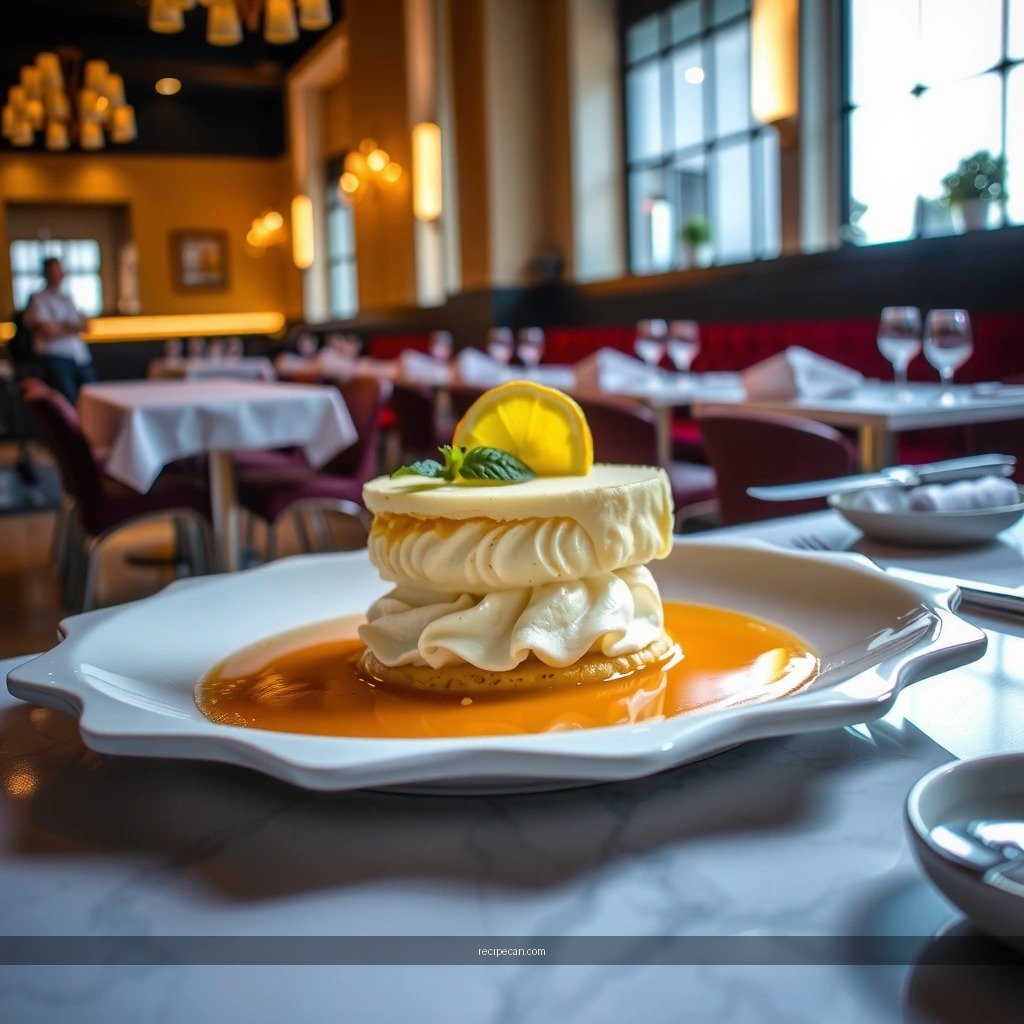
– Gather ladyfingers, mascarpone, lemon juice/zest, sugar, and eggs (or a no-egg option if you prefer)
– Include strong coffee or espresso for dipping and optional limoncello for extra flavor
– Use heavy cream and vanilla for a lighter, smoother texture
To get the “tiramisu” texture right, focus on two things: (1) a filling that’s thick enough to hold its shape, and (2) ladyfingers that absorb flavor without collapsing into paste. For the lemon component, both zest and juice matter—zest provides aromatic brightness, while juice brings the tart, tangy finish. If you’re building an extra “lemon dessert” experience, limoncello adds a fragrant, citrusy kick, but it’s optional; the recipe still tastes premium without it.
Best Lemon Cream Consistency by Mixing Method
| # | Cream Approach | Whip Level | Stability (Chill) | Slice Clarity | Outcome Rating |
|---|---|---|---|---|---|
| 1 | Mascarpone + sugar + zest/juice, then fold whipped cream | Soft peaks | High | Very clean | ★★★★★ |
| 2 | Mascarpone + sugar, add lemon at the end, then fold cream | Soft peaks | High | Clean | ★★★★☆ |
| 3 | Cooked egg yolks + sugar, then mascarpone fold-in | Silky custard | Very high | Very clean | ★★★★★ |
| 4 | Egg whites (mousse-style) + lemon mascarpone fold | Stiff peaks | Medium | Mostly clean | ★★★☆☆ |
| 5 | Over-whipped cream folded into mascarpone | Stiff peaks | Medium | Slight cracking | ★★★☆☆ |
| 6 | No sugar in mascarpone, add only at the end | Soft peaks | Low | Soft set | ★★☆☆☆ |
| 7 | Lemon juice added too early, rested then folded | Soft peaks | Medium | Slightly grainy | ★★★☆☆ |
Make the Lemon Cream Layer

– Whisk mascarpone with sugar, lemon zest, and lemon juice until silky
– Lightly fold in whipped cream for a fluffy, stable filling
– Cook/whisk eggs (if using) or follow your chosen method for safe, creamy structure
A lemon tiramisu lives or dies by its cream layer. Start with room-temperature mascarpone: it whips smoother and reduces the risk of lumps. Whisk it with sugar until glossy, then add lemon zest and lemon juice. At this stage, taste the mixture—your lemon profile should be noticeably tart, because the sweetness of the ladyfingers and the richness of the cream will mellow it.
Next comes the whipped cream fold. Whip heavy cream to soft peaks—when you lift the whisk, the peak should hold but curl slightly. Over-whipping can make the filling feel dense and may cause separation during chilling. Fold gently with a spatula: you’re preserving air, not stirring out structure.
Egg option (classic-style): If you’re using eggs, choose a safe method (commonly cooked yolks) to create a thick, stable base. Cook yolks with sugar over low heat, whisking until thick enough to coat a spoon. Cool briefly, then fold into mascarpone before adding lemon. This provides a custard-like resilience that helps slice cleanly after overnight refrigeration.
No-egg option (clean and easy): Use the mascarpone + sugar + lemon + whipped cream method described above. It’s lighter and faster, and it still sets well when you fold correctly and chill long enough.
Prepare the Lemon-Soaked Ladyfingers

– Combine coffee (and optional sweetener) and quickly dip ladyfingers
– Avoid over-soaking so the layers stay firm and don’t turn watery
– Keep the dip liquid at room temperature for best texture
The dipping step determines whether you get elegant layers or a soggy, uneven dessert. Brew strong coffee or espresso and let it cool to room temperature. Warm liquid can soften ladyfingers too aggressively before the cream sets, which leads to blurrier layers.
Optional sweetening depends on your coffee’s bitterness and how sweet your mascarpone base tastes. If you’re using limoncello, you can blend a small amount into the dip to tie the flavors together—aim for a subtle citrus echo rather than a dominant alcohol note.
Dipping technique: Dip each ladyfinger briefly—think “quick dunk” rather than soaking. A practical approach is to dip one side for about 1 second, flip, and dip the other side for about 1 second. Lay them immediately into your dish. If you notice the biscuits breaking or tearing, your dip is likely too hot or you’re dipping too long.
Pro tip: If you want sharper structure, arrange ladyfingers tightly, then assemble right away so they don’t continue absorbing liquid while you work.
Assemble the Layers
– Start with a thin layer of cream, then alternate ladyfingers and lemon cream
– Finish with cream on top and a final dusting of lemon zest (or cocoa-free garnish)
– Aim for even thickness so every bite has balance
Assembly is where the recipe becomes visually impressive and analytically “balanced.” Begin with a thin layer of lemon cream on the bottom of your dish. This does two jobs: it prevents the first layer from sliding, and it seals gaps so the dessert slices cleanly.
Then alternate:
1. Ladyfingers (facing the same direction if you want a neat slice pattern)
2. Lemon cream in an even layer
3. Repeat until you reach the desired height
Finish with a generous lemon cream layer on top. Garnish with lemon zest—fresh zest provides aroma and a bright, high-end look. If you’d rather avoid cocoa entirely (this is lemon-forward, not classic cocoa-forward), consider a cocoa-free garnish like toasted lemon zest crumbs or finely shaved candied lemon for texture.
Even thickness matters. Use a spatula to spread cream to consistent depth across layers. When thickness varies, some bites become too lemony (too much cream) while others feel dry or coffee-forward (too many ladyfingers). The goal is a predictable ratio in every forkful.
Chill and Set for Best Results
– Refrigerate at least 4–6 hours (overnight is best) to let flavors meld
– Cover to prevent drying and maintain a smooth, creamy top
– Slice with a clean knife for neat, layered portions
Chilling is not optional—it’s the mechanism that transforms separate layers into a cohesive dessert. Refrigerate for at least 4–6 hours, but overnight is the best choice for lemon tiramisu. During that time, the ladyfingers fully hydrate without turning watery, and the lemon flavor integrates into the cream.
Cover the dish to prevent the top from drying out. A loose lid or plastic wrap (pressed gently against the surface) works well. If the top dries, the dessert can still taste great, but the texture won’t look as polished.
Slicing tips for clean portions:
– Use a sharp knife and wipe the blade between cuts.
– For extra neat edges, dip the knife in warm water, then wipe dry before slicing.
– Cut only after the dessert is fully firm; if it’s too cold and hard, let it sit at room temperature for 5–10 minutes to soften slightly for easier slicing.
For best presentation, serve chilled or slightly cool. Lemon flavors can taste sharper when the dessert is very cold—resting briefly can soften the acidity into a more rounded profile.
Easy Variations and Serving Tips
– Add a dash of vanilla, limoncello, or candied lemon zest for a flavor boost
– For a lighter version, use lower-fat mascarpone or adjust whipped cream ratio
– Serve with fresh berries, lemon curls, or a quick dusting of zest
One advantage of lemon tiramisu is its flexibility. A small adjustment can shift it from “bright and refreshing” to “rich and celebratory.”
Flavor boosts:
– Vanilla: Add a teaspoon of vanilla extract to the cream for a smoother, bakery-style finish.
– Limoncello: Stir a small amount into the dip or drizzle lightly over the top. Keep it modest—too much can overpower the mascarpone and read as medicinal rather than dessert-like.
– Candied lemon zest: Fold a tablespoon into the cream or sprinkle on top for sweet-tart texture.
Lighter version (without losing the set):
– Use light mascarpone (if available) or reduce the whipped cream portion slightly while maintaining proper folding.
– Increase lemon zest a touch to keep the flavor vibrant even with a lower-fat filling.
– Keep chilling time unchanged—set quality matters more than fat percentage.
Serving ideas that elevate the presentation:
– Fresh berries (blueberries, raspberries, or strawberries) add acidity and visual contrast.
– Lemon curls or thin shavings deliver an aromatic finish.
– A final dusting of lemon zest right before serving preserves fragrance.
If you’re serving a group, plate with a controlled spoon-and-knife approach: lift each slice cleanly, then garnish individually to keep the top pristine.
Lemon tiramisu is all about layers: bright lemon cream, properly dipped ladyfingers, and enough chilling time to set. Follow this recipe closely, taste the lemon cream before assembling, and refrigerate until firm. Make it this week—then try a variation (like limoncello or extra zest) to find your favorite version.
Frequently Asked Questions
What is the best lemon tiramisu recipe for a bright, creamy dessert?
A classic lemon tiramisu recipe typically uses mascarpone, heavy cream, sugar, lemon zest, and fresh lemon juice layered with ladyfingers dipped in lemon syrup or espresso. For the most balanced flavor, use both zest (for aroma) and juice (for tang), and fold the lemon mixture into the mascarpone gently to keep it silky. Chill the dessert for at least 4 hours so the layers absorb the lemon flavor and set properly.
How do you make lemon tiramisu without raw eggs?
To avoid raw eggs, use a no-egg lemon tiramisu version by whipping mascarpone with sweetened lemon curd or a stabilized cream base instead of a traditional egg yolk mixture. Many home cooks also use pasteurized egg whites or a light whipped cream folded in with mascarpone to create a mousse-like texture. This approach keeps the lemon tiramisu safe, smooth, and easy to prepare for gatherings.
Why does lemon tiramisu sometimes turn watery, and how can you prevent it?
Lemon juice can thin the mascarpone if it’s added too aggressively or if the cream is overworked, and over-dipping ladyfingers can release excess liquid. Prevent watery lemon tiramisu by using only enough lemon syrup to lightly coat the cookies and by adding lemon juice in controlled amounts to mascarpone (often after tempering with a small portion). Chilling also helps the layers firm up and absorb without breaking down.
Which ingredients give lemon tiramisu the most intense citrus flavor?
For the best lemon flavor, rely on lemon zest plus a concentrated lemon syrup rather than using only bottled juice. Fresh zest provides aromatic oils that make lemon tiramisu taste brighter and more “fresh-baked,” while a quick syrup (lemon juice simmered briefly with sugar) boosts flavor penetration. If you want extra tang, consider mixing in a spoonful of lemon curd to the mascarpone for a richer citrus profile.
What’s the best way to layer lemon tiramisu for perfect texture and clean slices?
Use a thin, even layer of mascarpone mixture between ladyfingers and keep the layers consistent in thickness. Dip or brush the ladyfingers with lemon syrup briefly—aim for “softened,” not soggy—so the dessert slices cleanly after chilling. For best results, cover and refrigerate at least 4–6 hours (or overnight) before serving, which helps the lemon tiramisu set and slice beautifully.
References
- Google Scholar Google Scholar
https://scholar.google.com/scholar?q=lemon+tiramisu+recipe - Google Scholar Google Scholar
https://scholar.google.com/scholar?q=tiramisu+lemon+curd+mascarpone+recipe - https://scholar.google.com/scholar?q=lemon+tiramisu+ladyfingers+recipe Google Scholar
https://scholar.google.com/scholar?q=lemon+tiramisu+ladyfingers+recipe - Tiramisu
https://en.wikipedia.org/wiki/Tiramisu - Fruit curd
https://en.wikipedia.org/wiki/Lemon_curd - Mascarpone
https://en.wikipedia.org/wiki/Mascarpone - Lady finger
https://en.wikipedia.org/wiki/Ladyfinger - Limoncello
https://en.wikipedia.org/wiki/Limoncello - Google Scholar Google Scholar
https://scholar.google.com/scholar?q=recipe+for+lemon+tiramisu - recipe for lemon tiramisu – Search results
https://en.wikipedia.org/wiki/Special:Search?search=recipe+for+lemon+tiramisu