If you’re searching for dash mini ice cream maker recipes, you want results that are fast, foolproof, and actually taste like real ice cream—this collection delivers. Here, you’ll get the easiest winning formulas for creamy churned treats using everyday ingredients, with clear guidance on timing and texture so you can avoid icy or runny batches. The question answered: which dash mini recipes work best when you’re making homemade ice cream at home with minimal effort.
Make smooth, scoopable ice cream fast with your Dash mini ice cream maker by starting with a reliable base (custard or no-cook) and controlling two things: temperature before churning and mix-in timing. In this guide, you’ll get ready-to-make flavor recipes plus practical, troubleshooting-focused tips so your frozen desserts stay creamy instead of icy.
Best Base Recipes for Dash Mini Ice Cream Maker
A great Dash mini ice cream maker recipe starts with the base, because your “creaminess” is determined more by fat + sugar balance and proper pre-freezing than by fancy flavoring. With compact countertop machines, you also benefit from mixes that freeze evenly without overloading the bowl.
Two base approaches work best:
1. No-cook churn base (quickest): You dissolve sugar thoroughly in chilled cream/milk, add flavorings, strain if needed, and churn immediately.
2. Light custard-style base (smoothest): You gently heat to dissolve sugar and slightly thicken with egg yolks (or use a cornstarch-leaning approach if you prefer). Custards typically produce a finer texture with fewer ice crystals.
Why texture can turn icy
Ice forms when water is free to freeze into larger crystals. The smoother your mix is before it enters the machine—especially sugar dissolution and fat distribution—the smaller the ice crystals become. In practice, that means:
– Whisk sugar until it’s fully dissolved (or warm briefly, then cool).
– Use full-fat dairy (or a proven dairy-free substitute) rather than low-fat versions.
– Chill the mix in the fridge so the machine begins with cold temperature, not room-temp liquid.
Timing: freeze the right way
After churning, most mini ice cream makers yield a “soft-serve” texture. For best scoopability:
– Transfer to a sealed container.
– Freeze 2–4 hours for a firm scoop, then serve directly from the freezer without repeatedly thawing and refreezing.
Quick Base Benchmark (for consistent results)
If your batches often turn too hard or icy, adjust gradually:
– Icy/too firm: slightly increase fat (more cream) or reduce added water.
– Soft/grainy: chill longer before churning and ensure sugar is dissolved.
Creaminess Tuning for Dash Mini Ice Cream Maker (7 Base Strategies)
| # | Base Strategy | Best Use | Texture Risk if Misdone | Creaminess Score |
|---|---|---|---|---|
| 1 | No-cook whole-milk + heavy cream | Fast vanilla and chocolate bases | Slight iciness if sugar isn’t dissolved | 9.2 ★ |
| 2 | Egg-yolk custard (light cook) | Extra-smooth premium texture | Graininess if overheated | 9.6 ★ |
| 3 | Cornstarch-thickened custard (no eggs) | Custard-like smoothness without yolks | Pastiness if not whisked properly | 9.0 ★ |
| 4 | Sweetness-adjusted base (reduced sugar) | Lighter desserts that still scoop | More ice crystals if too low | 7.6 ★ |
| 5 | High-fat dairy blend (more cream, less milk) | Richer chocolate and cookie flavors | Softness if churn time is short | 9.4 ★ |
| 6 | Pre-chilled, strained base (fine consistency) | Any flavor when you want “no grit” | Less flavor impact if over-straining | 9.3 ★ |
| 7 | Water-heavy smoothie-style base | Only for sorbet when planned | Icy texture in “ice cream” form | 6.8 ★ |
Chocolate, Vanilla, and Classic Flavors

Once your base is consistent, classic flavors become “low-effort, high-reward.” For a Dash mini ice cream maker, the key is to keep your additions from cooling the mix unevenly or clumping before the churn finishes.
Vanilla: the custom canvas
Simple vanilla approach:
– Use a base with heavy cream and milk (or egg custard for the smoothest result).
– Add vanilla extract near the start for even flavor.
– For a more complex profile, add a small pinch of salt and a touch of warm vanilla-bean paste (optional).
Customization ideas that still taste balanced:
– Warm spices: cinnamon or cardamom (start light).
– Citrus lift: orange zest (steep briefly, then strain).
– Coffee pairing: a teaspoon of instant espresso to deepen vanilla-chocolate vibes.
Chocolate: control bitterness and melt-in
Chocolate can taste flat or icy if the cocoa isn’t properly integrated.
Two reliable chocolate routes:
1. Cocoa powder base: Whisk cocoa into sugar before combining with cream/milk. This prevents dry cocoa pockets.
2. Melted chocolate swirl/base: Use chopped chocolate and melt it gently. Let it cool slightly so it doesn’t shock the base.
Mix-in method that works in mini batches
Because mini ice cream makers churn faster with less volume, mix-ins should be managed carefully:
– Chocolate chips: add during the final minutes of churning (so they distribute without turning rock-hard).
– Fudgy swirls: add thicker sauces near the end and pulse manually with a spatula after churning, if needed.
– Cocoa + crumbs: keep crumb size modest to prevent dense pockets.
Fruit Ice Cream and Sorbet Recipes
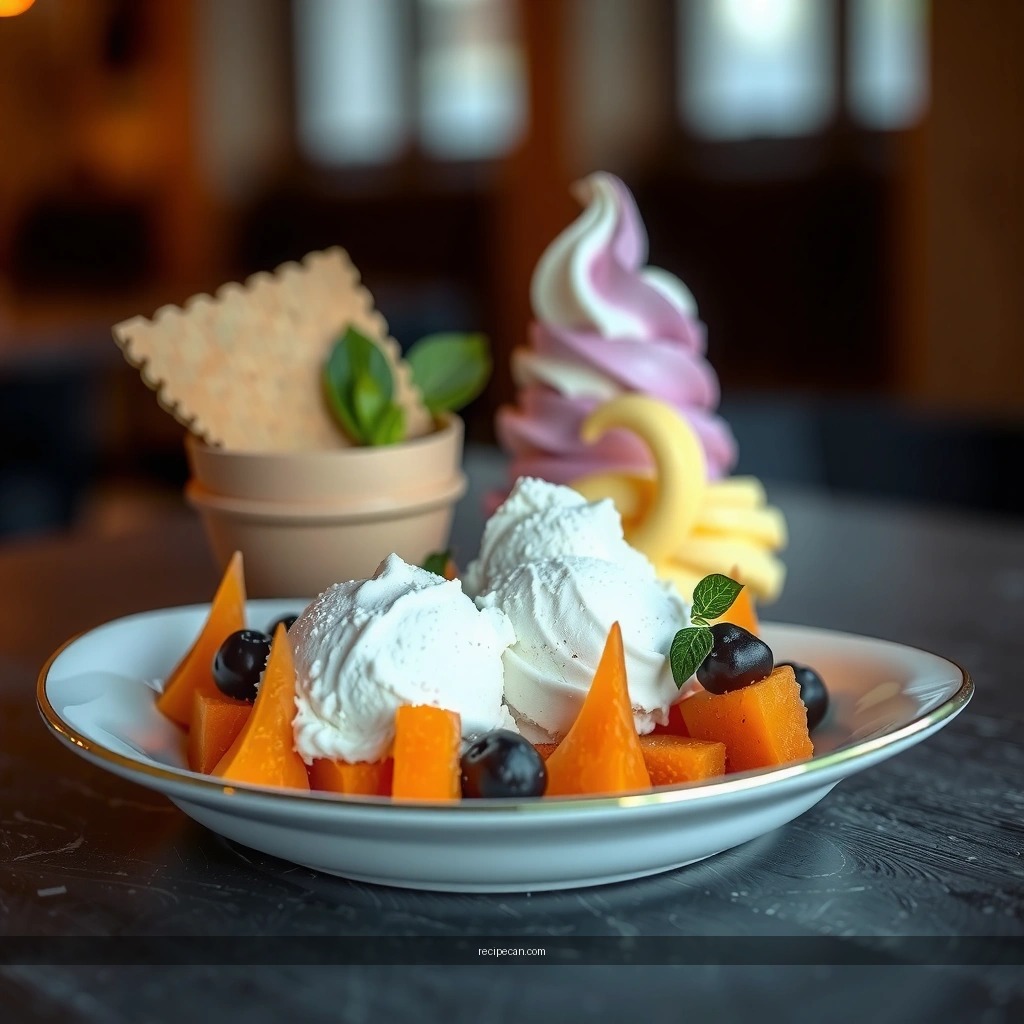
Fruit desserts are where many people accidentally get “ice crystals” or freezer burn—usually because fruit has water and natural sugars that behave differently than dairy.
Sorbet-style fruit churns (best for clean fruit flavor)
A true sorbet is generally dairy-free and relies on balanced sweetener, fruit puree, and a little structure.
How to balance fruit and sweetness:
– Use ripe fruit for natural sweetness.
– If fruit is tart, increase sugar gradually rather than dumping in a lot at once (dissolution affects texture).
– Consider adding a small amount of neutral thickener (like a spoon of cornstarch slurry) if your machine yields a crumbly freeze.
Actionable freshness tip: pre-chill the fruit puree in the fridge before churning. Cold starts produce finer crystals.
Avoid freezer burn (especially important for fruit)
Freezer burn is caused by air exposure and surface dehydration. To minimize it:
– Press parchment or plastic wrap directly onto the surface before sealing the container.
– Store at the coldest stable setting your freezer allows.
– Limit the number of times the container is opened.
Serving strategy for fruit
Fruit ice cream tastes best when slightly softened:
– Let it sit 3–5 minutes at room temperature before scooping (depending on your freezer firmness).
Cookie, Brownie, and Dessert-Style Mix-Ins
Mix-ins turn a great base into an experience—but mini machines punish overloading. The goal is even distribution without interrupting churn.
When to add chunks
A consistent approach:
– Chopped cookies/brownies: add after the mix begins thickening (often near the end of churn).
– Saucy elements (caramel, marshmallow fluff): add in thin ribbons near the end, then swirl gently after churning.
Chop size matters more than you think
To avoid large icy lumps:
– Use small, uniform pieces (for cookies: bite-size crumbs; for brownies: 1 cm cubes).
– If using chips, consider lightly crushing them so they disperse.
Prevent dense “drop zones”
Overloading mix-ins can create heavy pockets that freeze unevenly. A practical rule:
– Keep mix-ins to about 20–30% of the batch volume for most mini churns.
– If you’re unsure, start with less—add more on the next batch.
Dairy-Free and Lighter Options
Dash mini ice cream maker recipes aren’t limited to dairy. The trick is choosing ingredients that provide fat and body, not just “a substitute liquid.”
Dairy-free creaminess without watery results
Best performers for texture typically include:
– Full-fat coconut milk/cream (rich and scoopable)
– Oat-based creamy bases (often smooth when churned cold)
– Almond-based creamy ingredients (works well if not overly thin)
What to avoid:
– “Light” dairy-free milks (they freeze more like ice).
– High-water additives without fat (they can lead to gritty or icy texture).
Lighter sweetening—safely
Lower sugar can increase freezing hardness. If you reduce sugar:
– Keep some structure (thickened base or slightly higher fat).
– Don’t cut sugar abruptly—test in small increments.
Thick add-ins for smoother finish
For lighter versions, thick add-ins act like texture scaffolding:
– Nut butters (thinned with a small amount of base)
– Cocoa (for chocolate-style density)
– Fruit puree (only if pre-chilled and balanced)
Troubleshooting Common Dash Mini Issues
Even good recipes fail occasionally—especially with compact appliances where temperature and ingredient ratios matter intensely. Here’s how to diagnose common problems and correct them quickly.
Grainy or icy ice cream
Symptoms: hard, crunchy crystals; “sandy” mouthfeel.
Likely causes and fixes:
– Sugar not fully dissolved: warm gently to dissolve, then chill before churning.
– Too little fat: increase cream portion next time.
– Mix not pre-chilled: chill base at least a few hours (overnight is best if you can).
– Overloaded mix-ins: reduce chunk volume so churn can evenly incorporate air and freeze uniformly.
Prevent overflow and improve churn consistency
Mini bowls are more sensitive to volume and expansion.
– Measure accurately: don’t exceed recommended fill lines.
– Avoid hot ingredients: sauces and melted chocolate should be cooled before entering the mix.
– Use room-temperature mix-ins cautiously: thick add-ins should be small amounts and added near the end.
Separation or uneven textures
What it usually means: fat and liquids weren’t blended consistently or the mix wasn’t mixed thoroughly before freezing.
– Whisk thoroughly before chilling.
– Strain custard-style bases if you suspect curdling or egg texture.
Quick reference: best next step
When results are disappointing:
1. Confirm your base is chilled and sugar is dissolved.
2. Adjust fat/sweetness in small increments.
3. Control mix-in size and timing.
Wrap-Up
Dash mini ice cream maker recipes don’t have to be complicated—choose a reliable base, add mix-ins at the right time, and fine-tune texture with a couple of simple checks. Pick one recipe from the sections above, make your base today, and share your favorite flavor combination after your first batch!
Frequently Asked Questions
What are the best Dash mini ice cream maker recipes for beginners?
Start with simple, no-fuss recipes like vanilla bean, strawberry, or chocolate sorbet-style ice cream that only require basic ingredients and minimal cooking. For the Dash mini ice cream maker, use a sweetened base (milk/cream or a fruit puree plus sugar) and make sure it’s fully chilled before churning for smoother results. Recipes with fewer eggs and no bake steps are usually the easiest way to get consistent texture on a small machine.
How do I make Dash mini ice cream maker recipes without eggs?
Use an eggless custard base by combining heavy cream, milk, sugar, and a stabilizer like cornstarch (optional but helpful). For egg-free flavor, whisk in vanilla extract or cocoa powder, then chill the mixture thoroughly before pouring it into the machine. Eggless Dash mini ice cream maker recipes churn more reliably and are ideal if you want a faster process without worrying about tempering.
Which Dash mini ice cream maker recipes work best for dairy-free or vegan ice cream?
Look for recipes using coconut milk, oat milk, or almond milk paired with a fat source like full-fat coconut cream to improve creaminess. Add sugar and a stabilizer such as cornstarch or a small amount of xanthan gum (if your recipe calls for it) to mimic the body of traditional ice cream. Dairy-free Dash mini ice cream maker recipes often taste best with bold add-ins like dark chocolate, berries, or peanut butter.
Why does my Dash mini ice cream maker produce icy ice cream, and how can I fix it?
Icy texture usually happens when the base isn’t chilled long enough, the mix has too little fat, or you’re using too much water-based liquid like undiluted fruit juice. Fix it by chilling your recipe for several hours, using the recommended cream/milk ratios, and following a recipe designed for churned ice cream rather than sorbet-only formulas. You can also reduce crystal-forming by ensuring the sugar level is correct and not overfreezing after churning.
How long should I churn Dash mini ice cream maker recipes, and when should I add mix-ins?
Most Dash mini ice cream maker recipes churn until the mixture reaches a thick, soft-serve consistency, which is typically around 15–25 minutes depending on the batch size and your base temperature. Add mix-ins like cookie crumbles, chocolate chunks, or fruit during the final minutes (or when the machine indicates it’s time) so they don’t freeze into hard bits. For best results, pre-chill mix-ins and keep portions small for even distribution.
References
- Google Scholar Google Scholar
https://scholar.google.com/scholar?q=dash+mini+ice+cream+maker+recipes - Google Scholar Google Scholar
https://scholar.google.com/scholar?q=ice+cream+maker+recipe+science+emulsion+fat+sugar+stabilizers - Google Scholar Google Scholar
https://scholar.google.com/scholar?q=home+ice+cream+mix+ratio+eggless+recipes+churn+temperature - https://nchfp.uga.edu/how/freeze/ice_cream.html
https://nchfp.uga.edu/how/freeze/ice_cream.html - Ice cream
https://en.wikipedia.org/wiki/Ice_cream - Ice cream maker
https://en.wikipedia.org/wiki/Ice_cream_maker - https://en.wikipedia.org/wiki/Churn_(ice_cream
https://en.wikipedia.org/wiki/Churn_(ice_cream - Frozen dessert
https://en.wikipedia.org/wiki/Frozen_dessert - Gelato
https://en.wikipedia.org/wiki/Gelato - Ice cream | Definition, History, & Production | Britannica
https://www.britannica.com/topic/ice-cream